Raventós i Blanc

Falstaff Winery - 4 Stars
Among the town's historic sparkling wine houses, it represents the small-grower, estate-focused tier rather than the large-volume category dominated by neighbours like Codorníu and Freixenet.

Pearl is the En Primeur Club membership app — saves, bookings, and concierge access live there. Same editors, same standards.
- Address
- Plaça del Roure, S/N, 08770 Sant Sadurní d'Anoia, Barcelona
- Phone
- +34 938 18 32 62
- Website
- raventos.com
- Directions
- Get directions
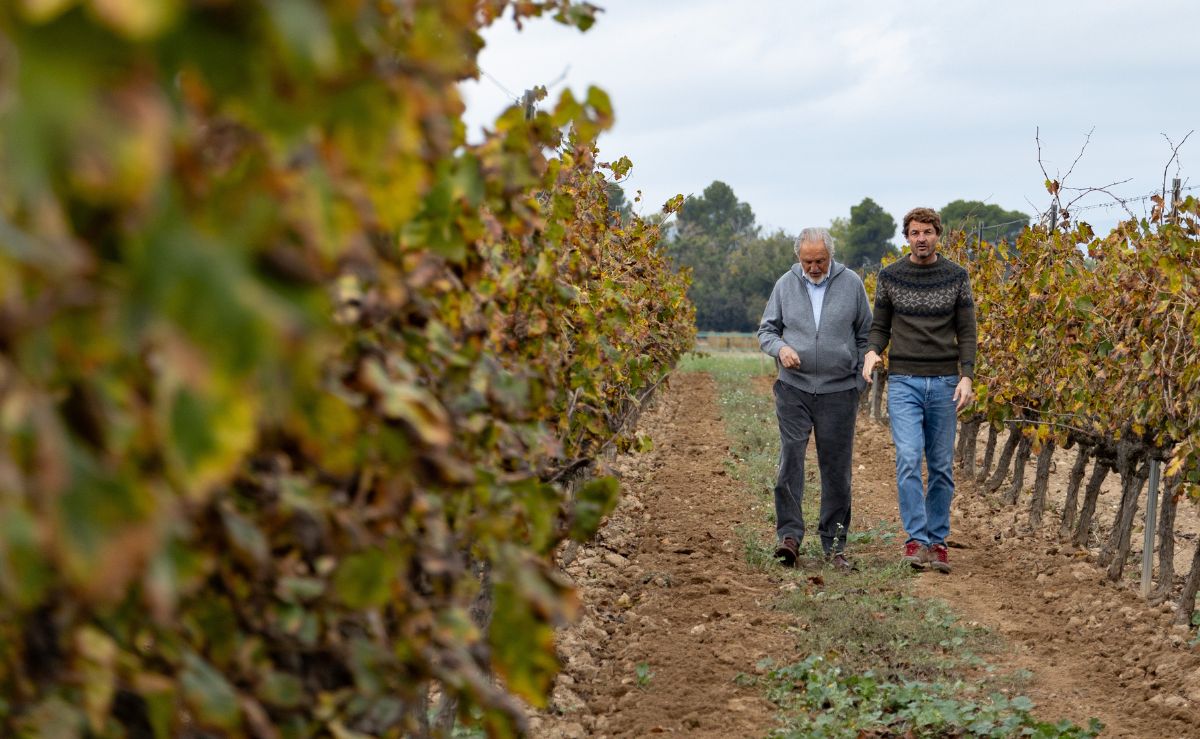
Other houses in town that sit in the mid-to-premium tier, including Emilio Moro in Pesquera de Duero or the Rioja discipline of CVNE in Haro represents a fundamentally different relationship between land and wine than what the Penedès estate model produces. The Penedès works horizontally, across parcels and blends, rather than through single-variety depth. Marqués de Cáceres in Cenicero and Marqués de Griñón in Malpica de Tajo offer their own variations on that theme, but the sparkling wine estate format remains specific to Catalonia. Visits should be arranged directly with the estate in advance; like most serious wine producers in this tier, the tasting experience is appointment-based rather than walk-in. Spring and early autumn offer the most rewarding visual context: harvest in September brings the vineyards to life, while April and May present the estate grounds in full growth before summer heat flattens the palette.enprimeurclub.
Comparative visits elsewhere in Spain reward those building a more complete picture of the country's estate wine culture. Bodegas Protos in Peñafiel offers an architectural set piece within the Ribera del Duero, while Lustau in Jerez de la Frontera provides the strongest possible counterpoint in style, format, and climate. International context, for those following estate sparkling wine across hemispheres, can extend as far as Accendo Cellars in St. Helena or even, at a stretch of category comparison, Aberlour in Aberlour for the separate question of how single-estate provenance translates across entirely different beverage categories.
The Quick Read
Comparable venues nearby, for context on price, style, and recognition.
| Venue | Cuisine | Price | Awards | Notes |
|---|---|---|---|---|
| Raventós i BlancThis venue — the venue you are viewing | Not listed | Not listed | Falstaff Winery - 4 Stars | Not listed |
| Codorníu | Not listed | $20–30 | Falstaff Winery - 2 Stars | Sant Sadurní d'Anoia, Macabeo, Xarel·lo |
| Freixenet | Sant Sadurní d'Anoia, Macabeo, Xarel-lo | $20–30 | Falstaff Winery - 2 Stars | Not listed |
| Juvé & Camps | Not listed | Not listed | Falstaff Winery - 4 Stars | Sant Sadurní d'Anoia, Xarel·lo, Macabeo |
| Recaredo | Not listed | Not listed | Falstaff Winery - 5 Stars | Sant Sadurní d'Anoia, Xarel·lo, Macabeu |
| Gramona | Sant Sadurní d'Anoia, Xarel-lo, Macabeo | Not listed | World's 50 Best #25 · Falstaff Winery - 5 Stars | Not listed |
Recognition history
Dated appearances from independent guides and award organizations, with the underlying list record or original source where available.
Falstaff Winery - 4 Stars
Falstaff
Continue exploring
More in Sant Sadurní d'Anoia
Wineries in Sant Sadurní d'Anoia
Browse all →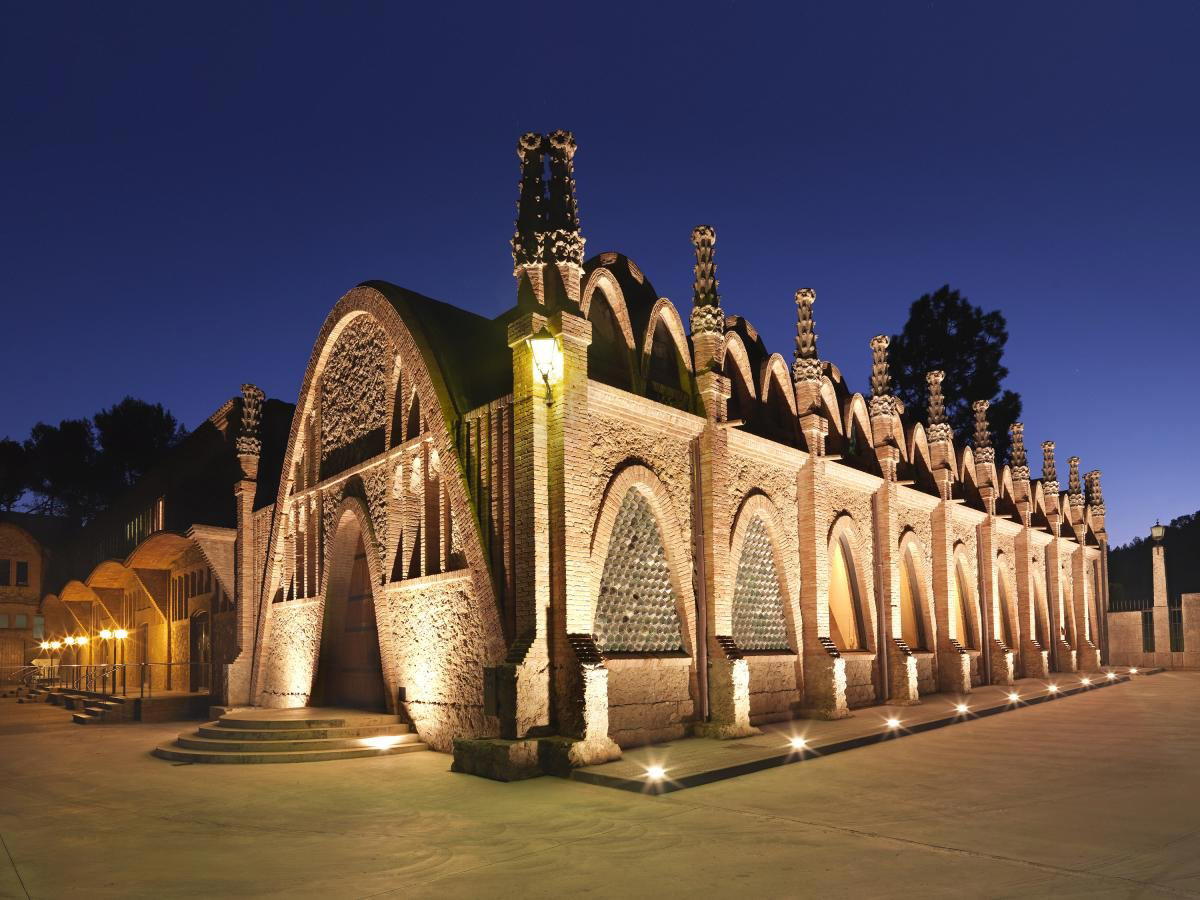

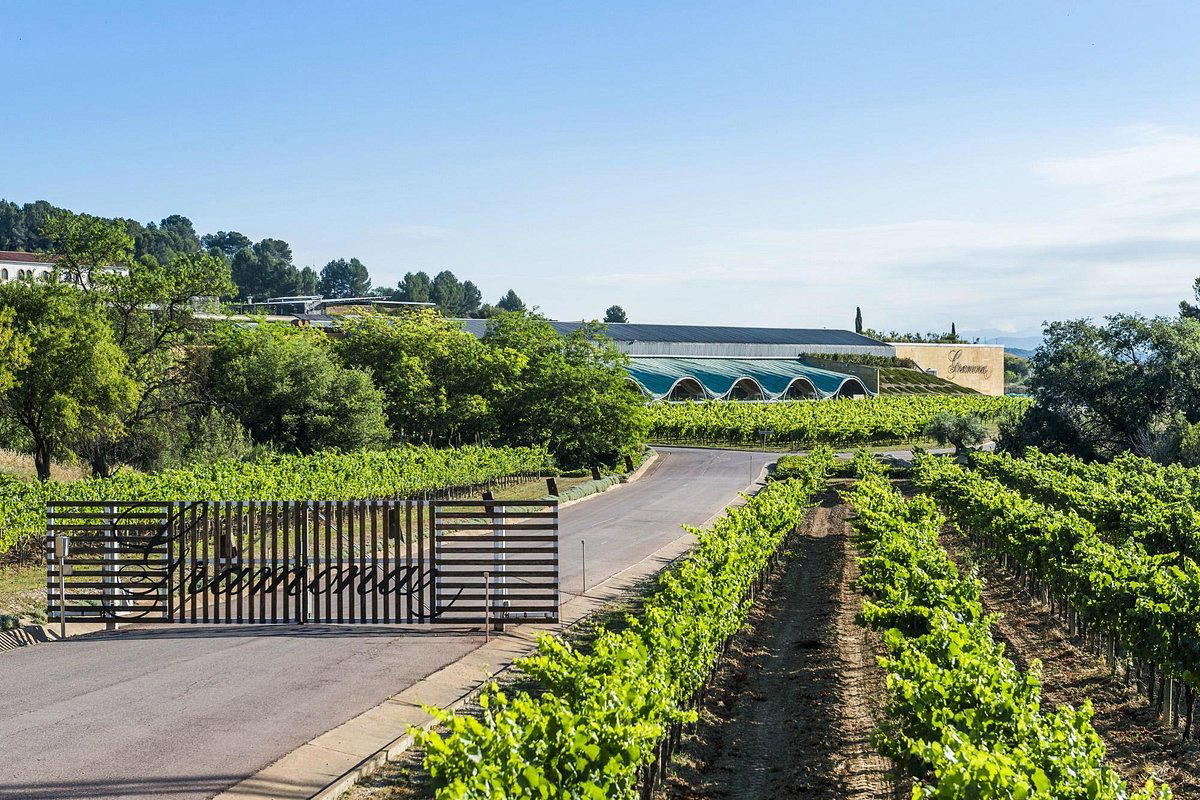
Bars in Sant Sadurní d'Anoia
Browse all →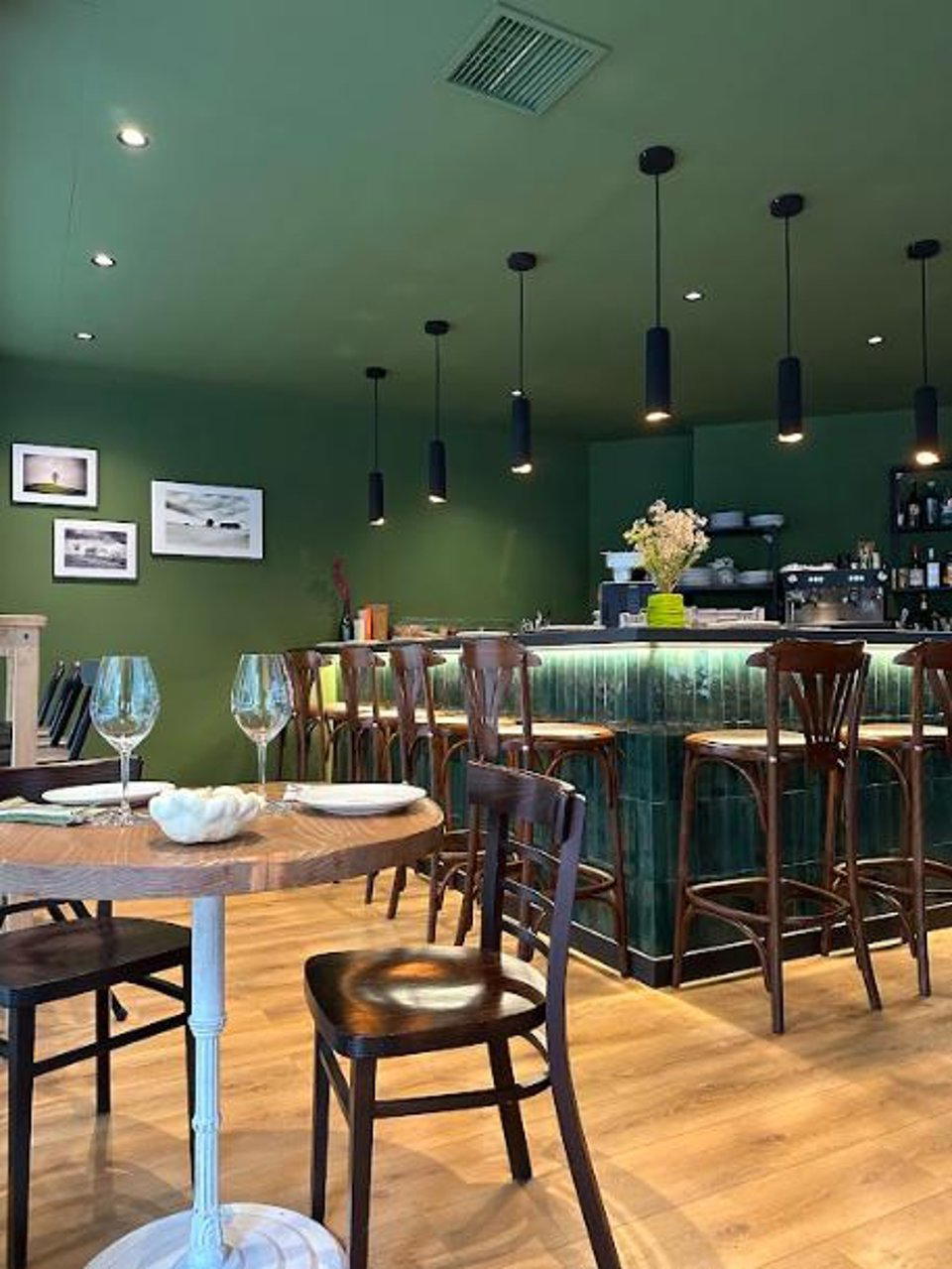
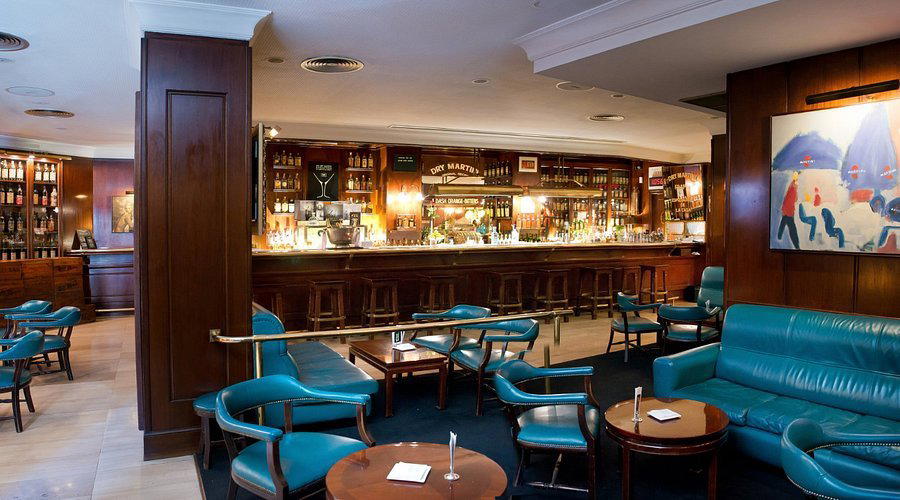
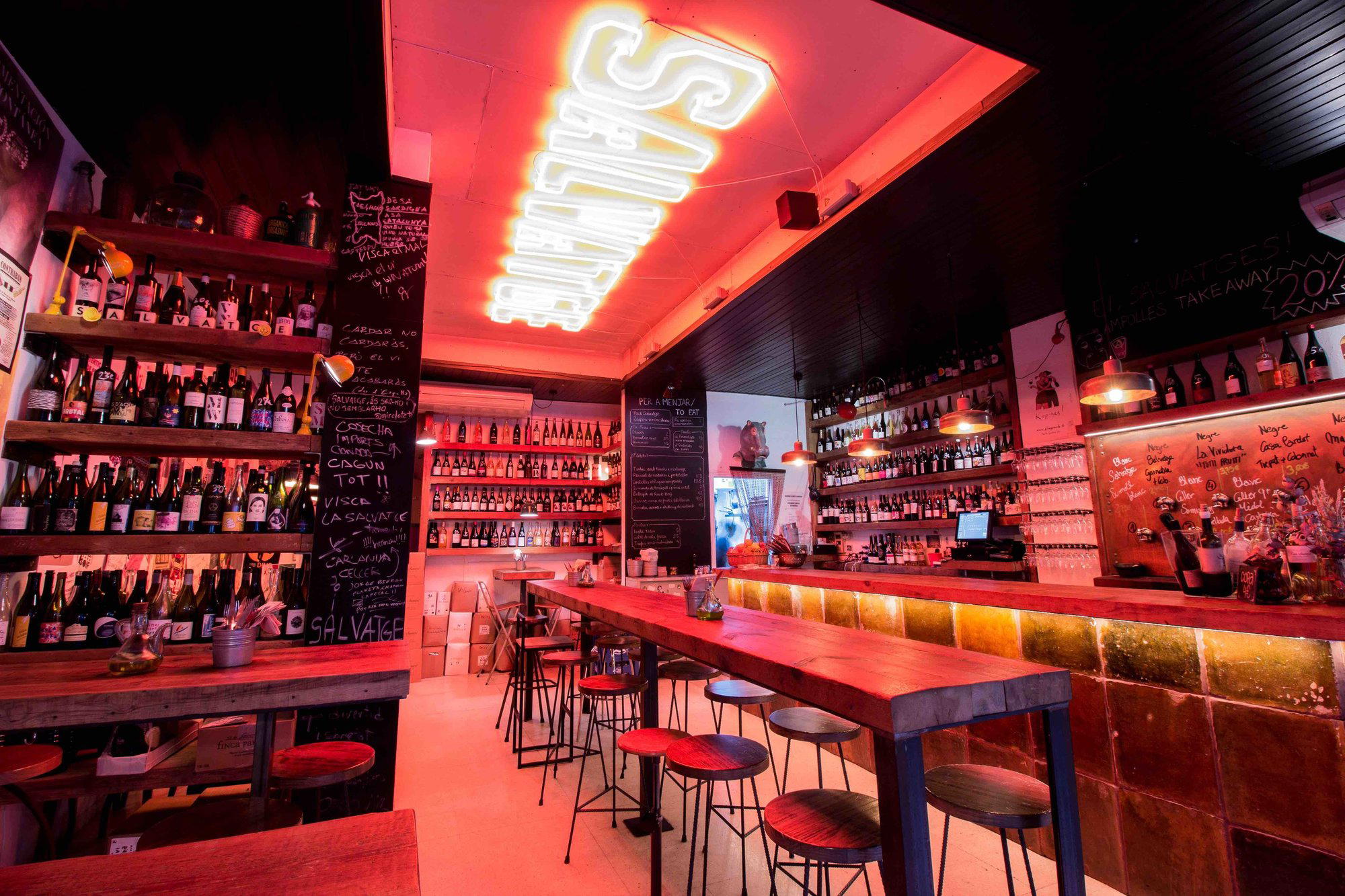
Restaurants in Sant Sadurní d'Anoia
Browse all →
Details
- Rustic
- Elegant
- Scenic
- Classic
- Wine Education
- Special Occasion
- Solo Exploration
- Vineyard Tour
- Estate Grounds
- Panoramic View
- Historic Building
- Biodynamic
- Organic
- Sustainable
- Vineyard
- Garden
- Xarel·lo
- Macabeu
- Parellada
- Malvasia De Sitges
- Monastrell
- Sparkling
- Still White
- Still Rosé
- Estate Tasting
- Vintage Sparkling
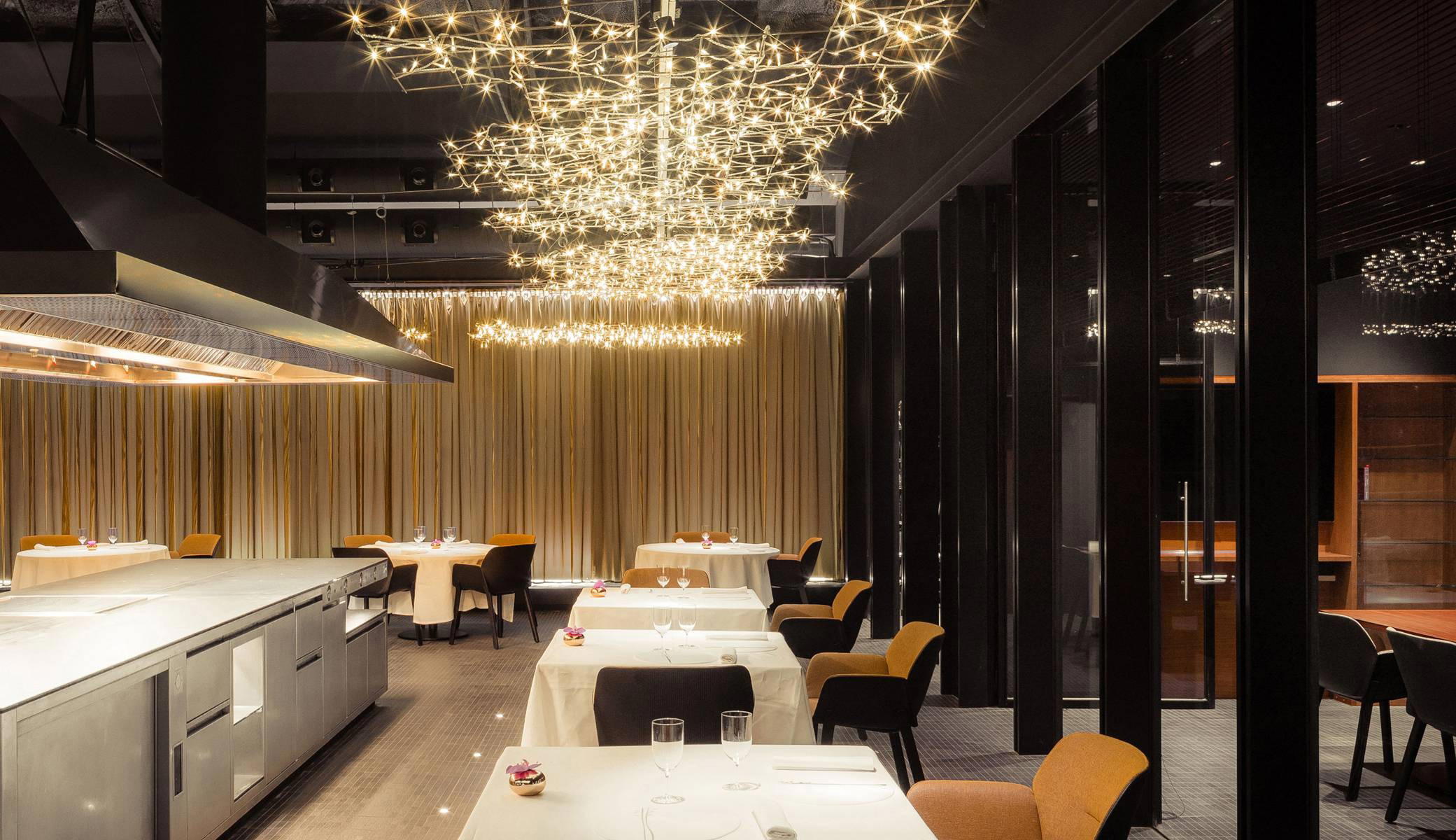
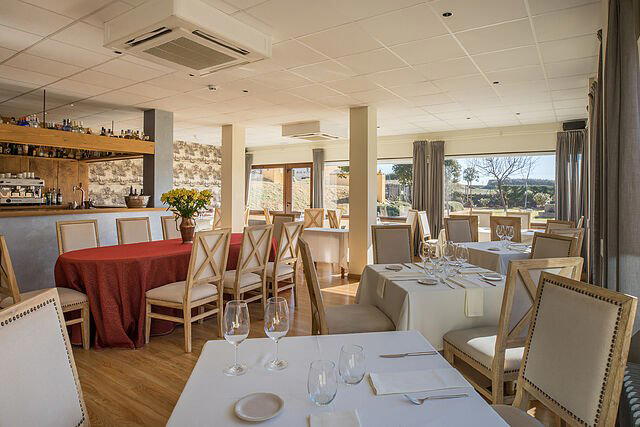
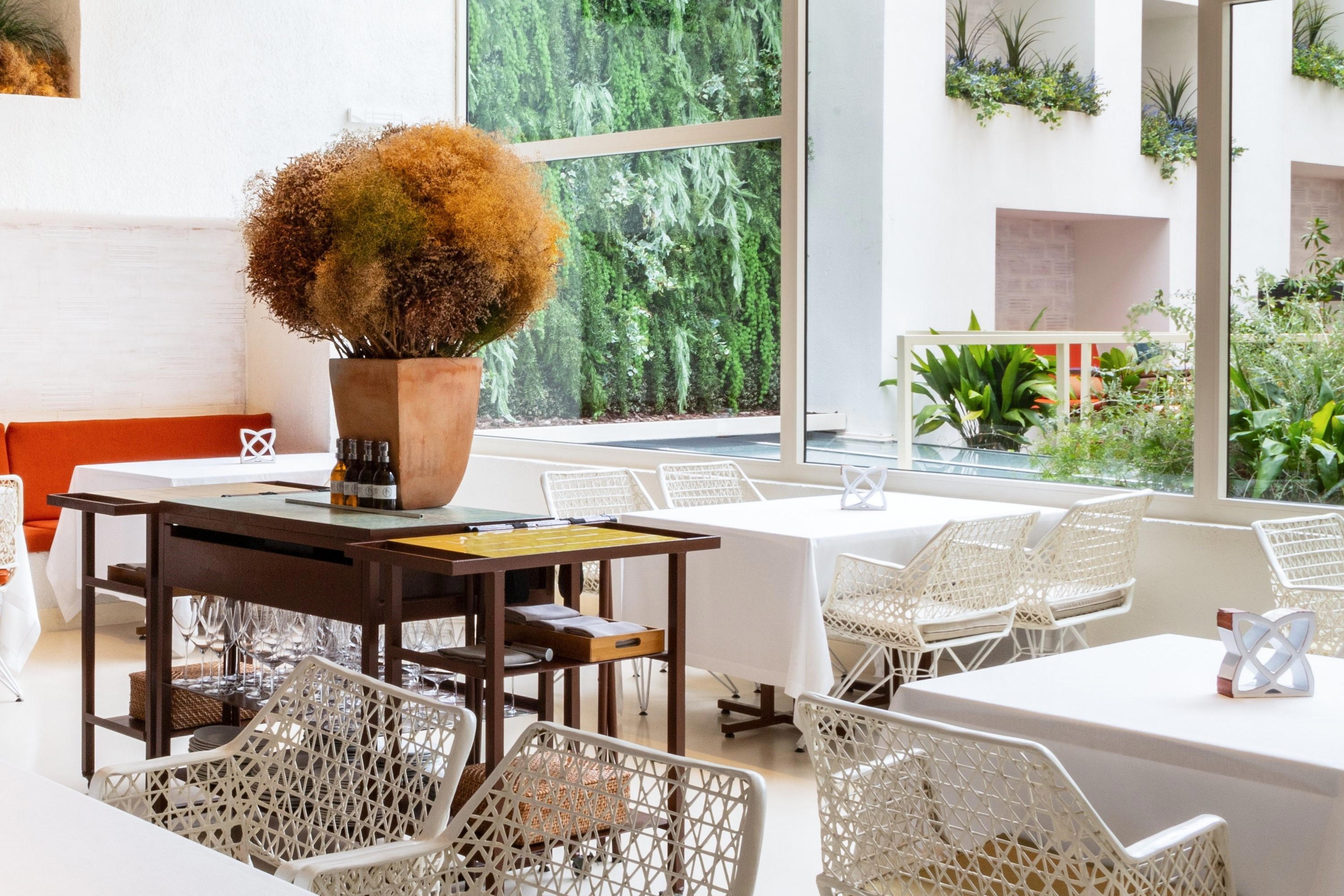
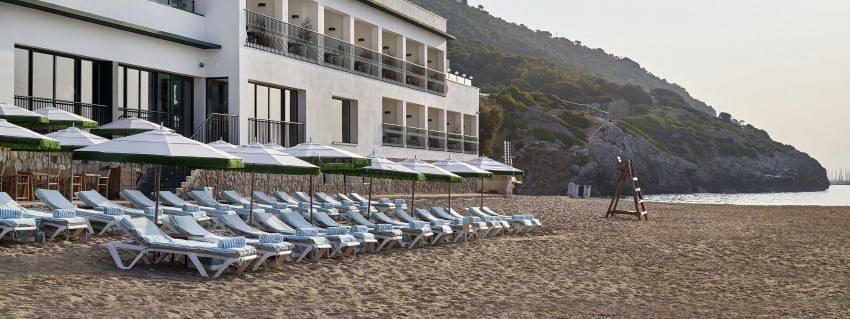
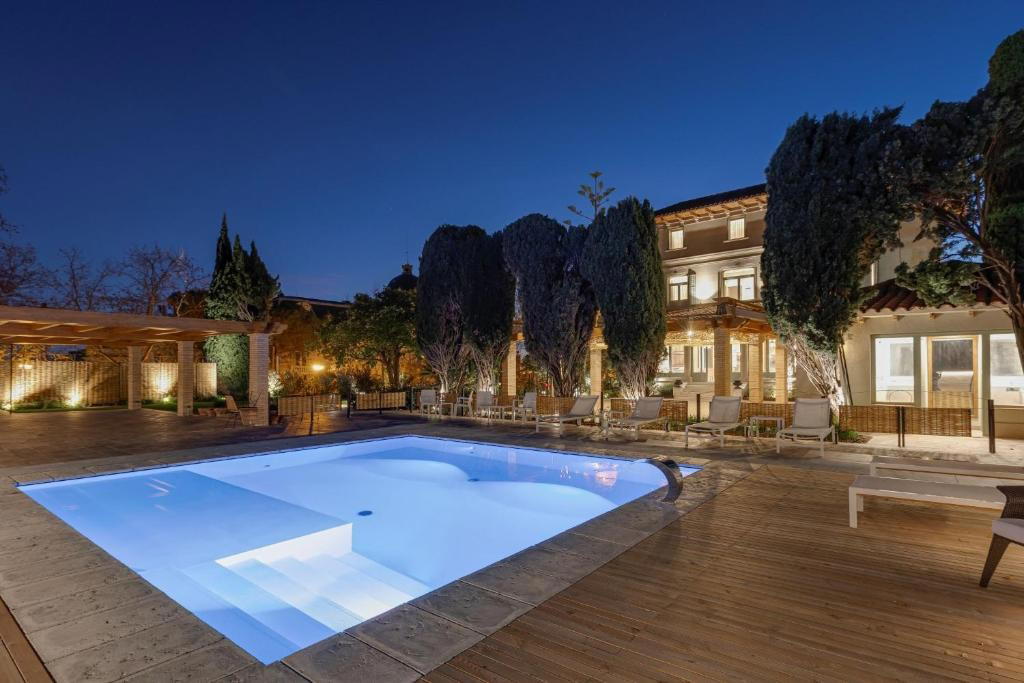
Elegant and serene atmosphere reflecting biodynamic harmony, with focus on terroir expression in a picturesque vineyard setting.