
The winery sits where the Ebro valley's moderating climate and Rioja Alta's clay-limestone soils converge, conditions that define a particular style of Tempranillo-led winemaking distinct from the sandier terrain of Rioja Baja.
Pearl is the En Primeur Club membership app — saves, bookings, and concierge access live there. Same editors, same standards.
- Address
- Av. Fuenmayor, 11, 26350 Cenicero, La Rioja
- Phone
- +34 941 45 40 00
- Website
- marquesdecaceres.com
- Directions
- Get directions
 Saves & bookings on Pearl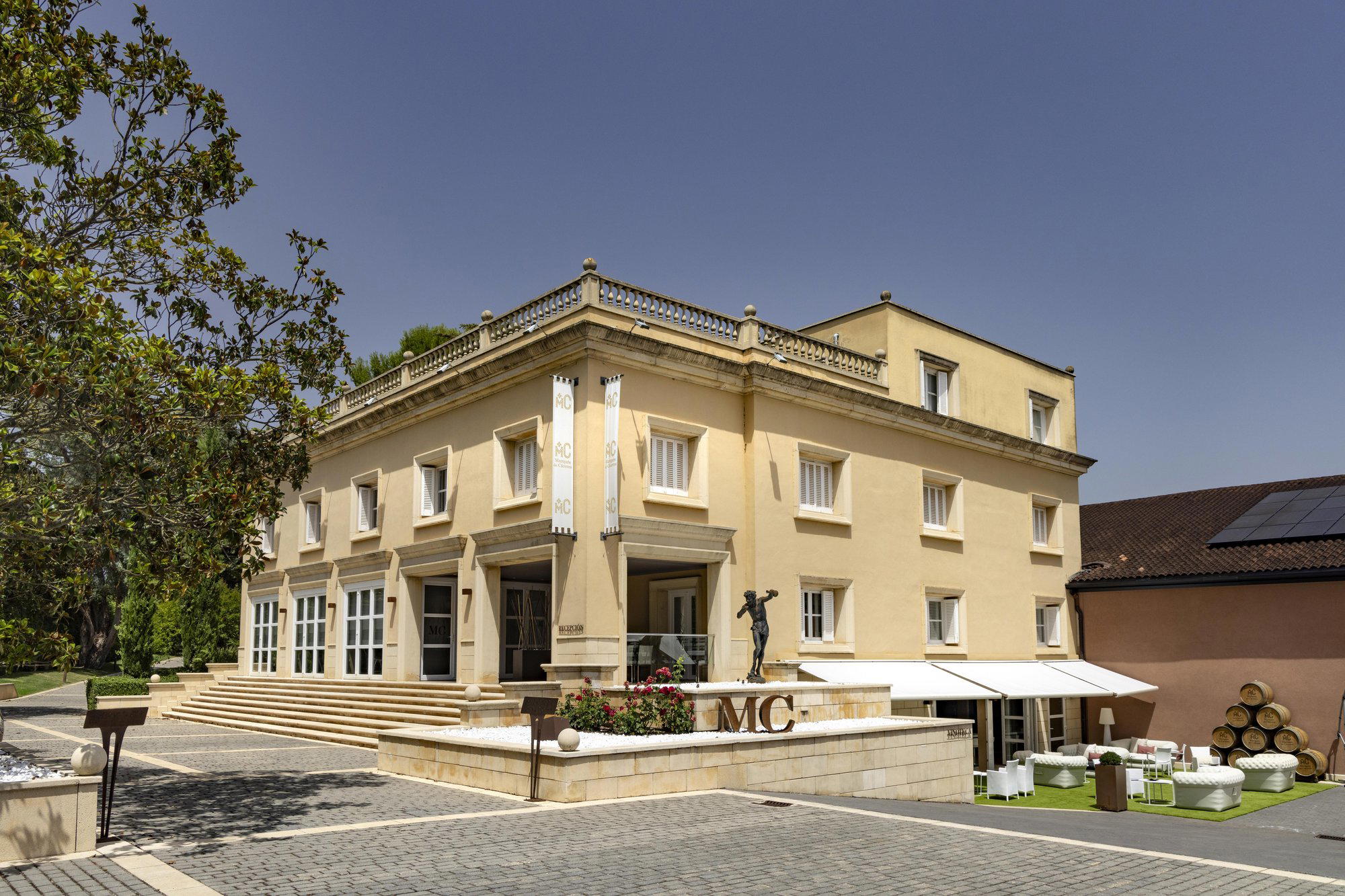
Rioja Alta and the Terroir Argument
The village of Cenicero sits in the western reach of Rioja Alta, where the Sierra de Cantabria range acts as a windbreak against Atlantic weather systems and the Ebro river moderates summer heat. This combination of altitude, clay-limestone subsoil, and a climate caught between Atlantic and Mediterranean influence has shaped the sub-zone's reputation for structured, age-worthy reds with more defined acidity than the warmer Rioja Baja to the southeast. Marqués de Cáceres works from within this terroir argument, producing wines whose character is inseparable from the specific conditions of this corner of La Rioja.
The clay-limestone soils around Cenicero drain well enough to stress the vine without starving it, a balance that tends to concentrate flavour while preserving the natural acidity that makes Rioja Alta Tempranillo so effective at the table over decades rather than years. Winemakers in this sub-zone frequently contrast their fruit with producers working sandier, more alluvial soils further east, where wines often show softer tannins and earlier approachability. The Cenicero position is a deliberate one: slower to open, longer to reward.
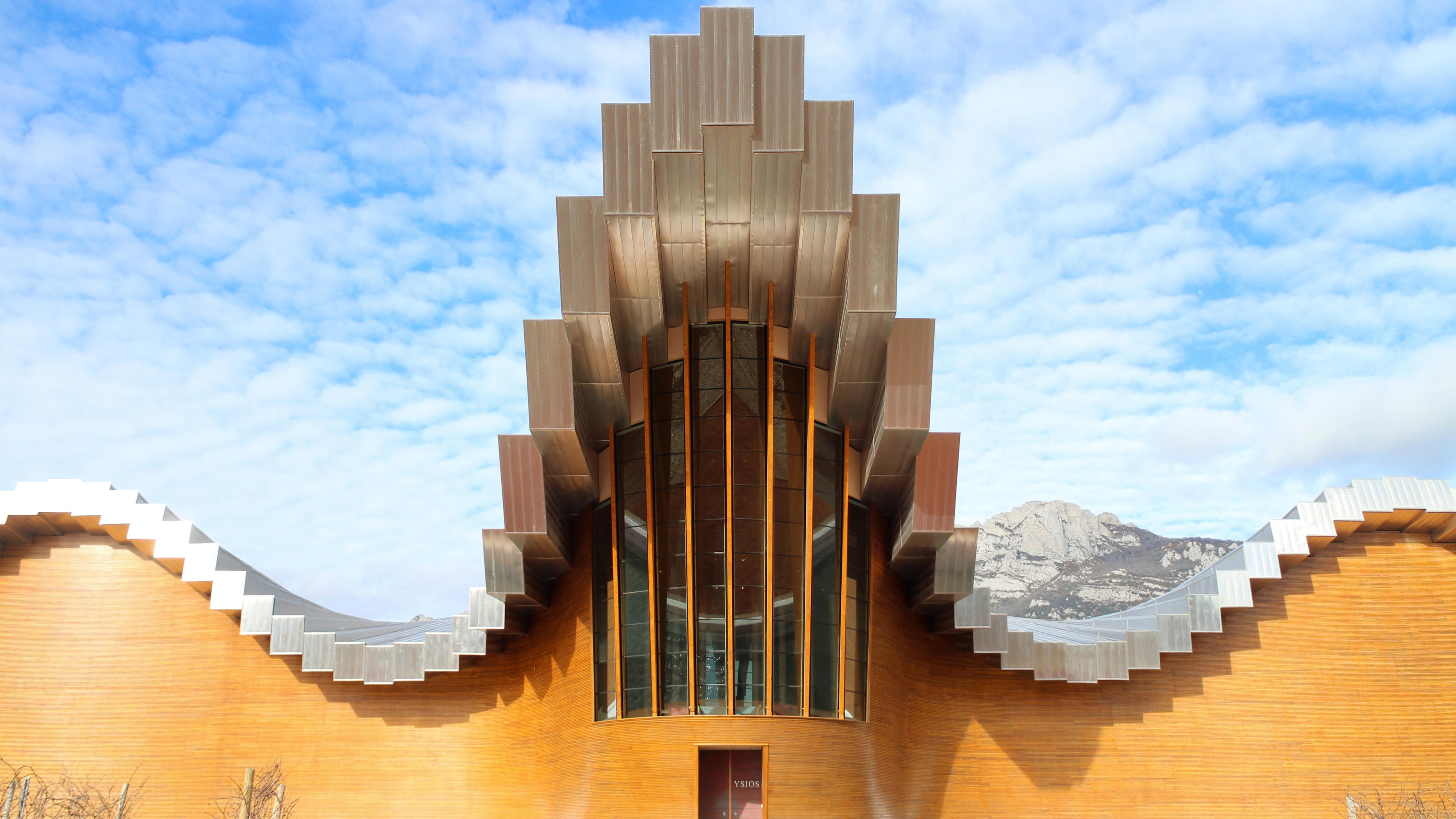
CVNE (Cune) in Haro, operating in the same Rioja Alta sub-zone, occupies a similar tier of historic credibility and scale. Bodegas Ysios in Laguardia sits in a neighbouring zone where Rioja Alavesa's shallower soils and higher altitude produce a somewhat different expression of Tempranillo.
Bodegas Protos in Peñafiel operates from the high plateau of Ribera del Duero, where Tempranillo (there called Tinta del País) expresses itself with more concentration and less aromatic freshness than in Rioja Alta's cooler corridors. Emilio Moro in Pesquera de Duero represents a family-scale contrast from within the same Duero appellation.
What Cenicero Contributes to the Glass
Rioja Alta's elevation above sea level, typically between 400 and 600 metres across its vine-growing zones, extends the ripening season relative to lower-altitude Spanish wine regions. Grapes accumulate sugar more slowly, with longer hang time building aromatic complexity before the harvest window closes in October. The clay content in Cenicero-area soils retains moisture through summer drought stress, reducing the need for irrigation and allowing the vine to draw minerals from deeper in the profile. These are the physical mechanisms behind the style associated with the sub-zone: wines that carry savoury, mineral undertones alongside dark fruit, and that respond to extended oak ageing with integration rather than desiccation.
Tempranillo dominates Rioja Alta's plantings, with Garnacha, Mazuelo, and Graciano playing supporting roles in blends. The proportions matter: Graciano, in particular, adds acidity and aromatic lift in small percentages, functioning as a structural component rather than a flavour-forward grape. Traditional Rioja producers have long relied on this blending logic to build complexity that single-varietal wines cannot achieve from the local material alone. Marqués de Cáceres operates within this framework, drawing from a zone where the vine-growing conditions have been mapped and understood across generations.
Spanish Wine and the Broader comparable set
Understanding Marqués de Cáceres requires placing it inside a Spanish wine industry that has diversified dramatically since the late twentieth century. Rioja's share of Spain's premium wine identity has been contested by Ribera del Duero, Priorat, and Jerez, each making claims based on different soil types, grape varieties, and production philosophies. Clos Mogador in Gratallops sits at the opposite end of Spain's stylistic range, working Priorat's slate-and-quartz llicorella soils to produce Grenache and Carignan-led wines with a density and mineral character that reflects a fundamentally different terroir. Lustau in Jerez de la Frontera represents another axis entirely, where albariza chalk soils and the solera system produce fortified and unfortified wines with no direct equivalent elsewhere in Spain.
At the larger-production end of the Spanish market, Codorníu in Sant Sadurní d'Anoia demonstrates how scale and appellation identity can coexist, working within Cava's Penedès base to produce sparkling wine from traditional varieties. González Byass (Tío Pepe) in Jerez offers another data point on long-established Spanish producers maintaining quality at substantial volume. The winery occupies a different position: a Rioja Alta producer whose identity is anchored in the region's dominant grape and its established ageing classifications.
Beyond Spain, Marqués de Griñón (Dominio de Valdepusa) in Malpica de Tajo demonstrates how Spanish fine wine has extended outside its traditional appellation heartlands, working international varieties in Castilla-La Mancha under a single-estate model. Abadía Retuerta in Sardón de Duero sits just outside the Ribera del Duero DO boundary but works the same Duero valley soils, using the freed constraints of a Vino de la Tierra classification to blend more freely. These reference points illustrate that Spain's premium wine map is fragmented across soil types, classification systems, and production philosophies, and that Rioja Alta remains its most historically coherent centre.
Visiting Marqués de Cáceres
Cenicero is accessible from Logroño, the capital of La Rioja, which sits roughly 25 kilometres to the east and connects to Madrid by high-speed rail. The Rioja Alta winery corridor along the N-232 road runs through several of the appellation's most established producers, making Cenicero a logical stop on a wider Rioja visit that might also include Bodegas Vivanco in Valle de Mena or Arzuaga Navarro in Quintanilla de Onésimo as points of comparison across appellations. Visitors approaching from the south through the Ebro valley will pass through vineyard-dense countryside that makes the terroir context tangible before arrival. Contacting the winery directly to confirm visit formats and scheduling is advisable, as winery visit programs at this level of production typically require advance arrangement.
Aberlour in Aberlour to Accendo Cellars in St. Helena, confirming that the designation cuts across categories and regions rather than serving as a marker of any single style.
Fast Comparison
Comparable venues nearby, for context on price, style, and recognition.
| Venue | Cuisine | Price | Notes |
|---|---|---|---|
| Marqués de CáceresThis venue — the venue you are viewing | Tempranillo, Garnacha | $$$ | Not listed |
| Fernet Capri Distillery | Winery | Not listed | Córdoba |
| Destilería Ánima | Winery | Not listed | Córdoba |
| Bodegas Protos | Tempranillo, Tinto Fino | $$$ | Peñafiel |
| Ramón Bilbao | Tempranillo, Garnacha | $$ | Haro |
| La Rioja Alta | Tempranillo, Garnacha | $$$ | Barrio de la Estación |
Recognition history
Dated appearances from independent guides and award organizations, with the underlying list record or original source where available.
Falstaff Winery - 3 Stars
Falstaff
Continue exploring
More in Cenicero
Wineries in Cenicero
Browse all →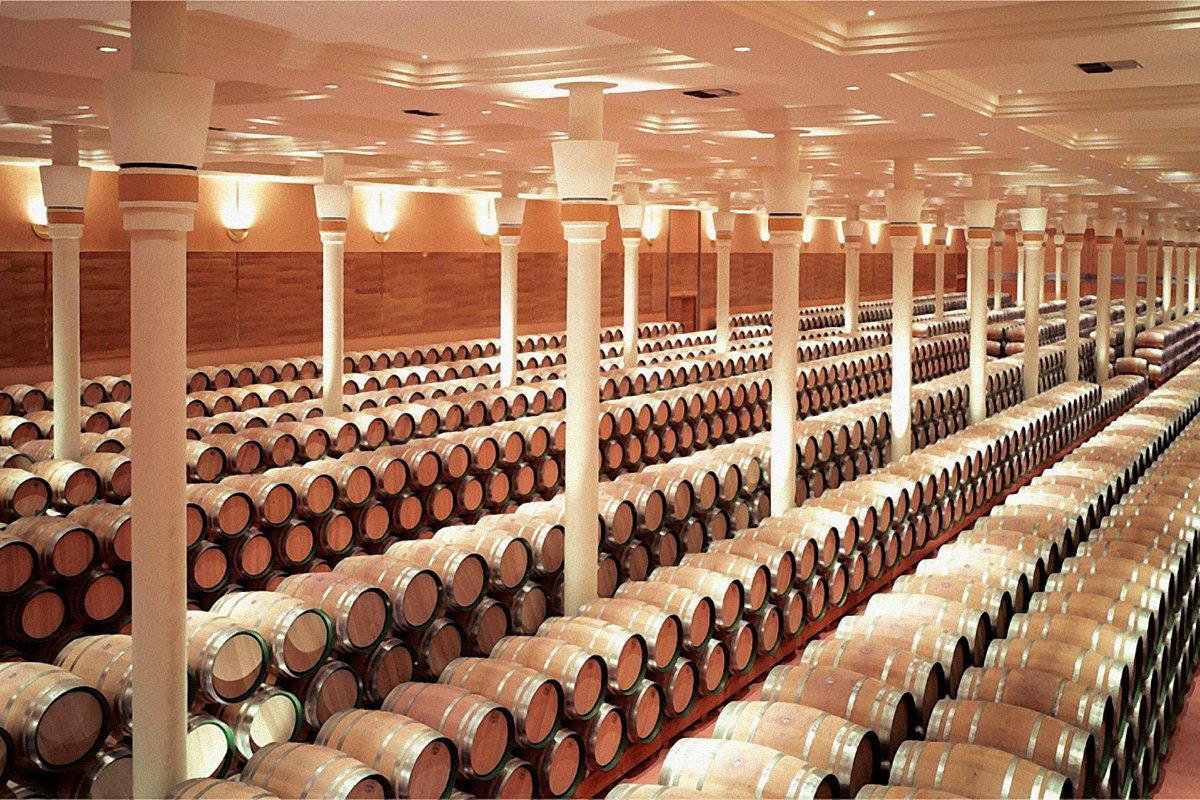
Bars in Cenicero
Browse all →
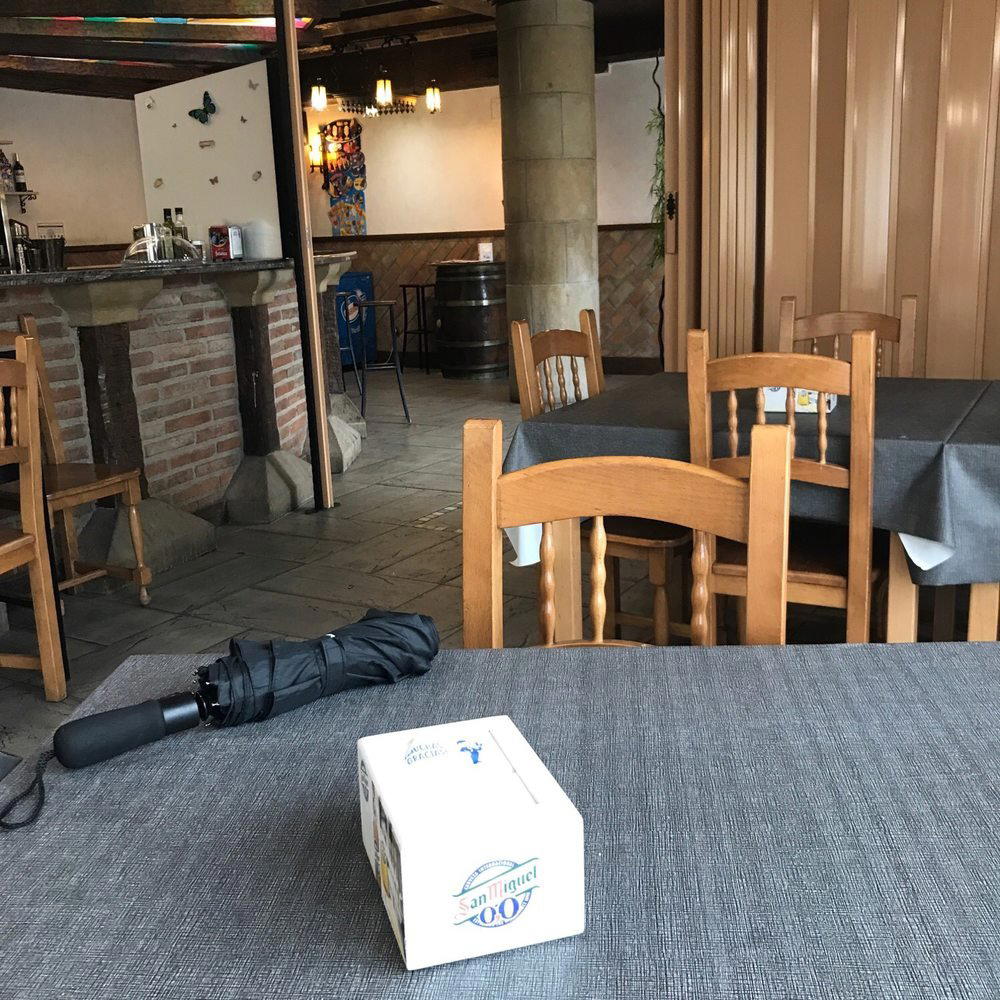
Restaurants in Cenicero
Browse all →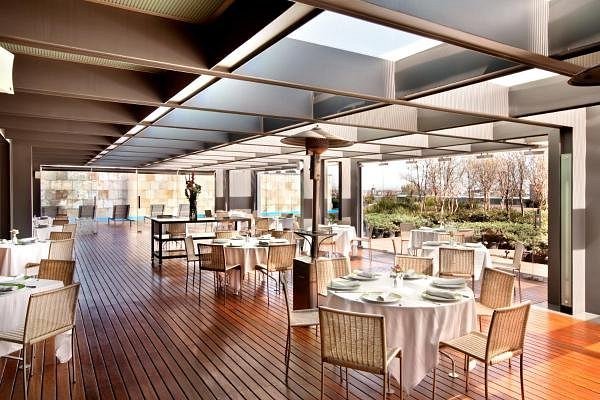
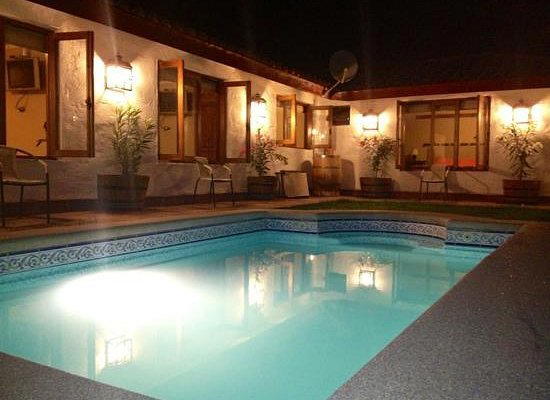
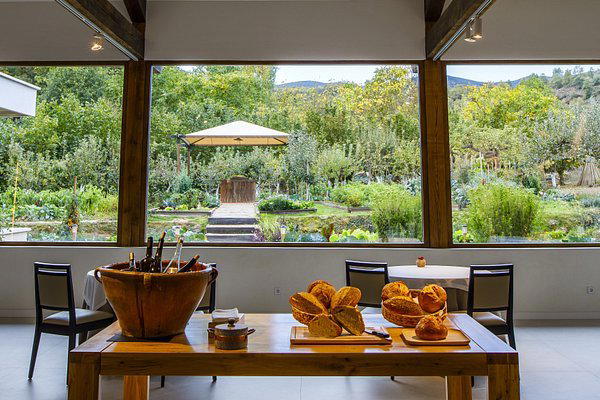
At a Glance
- Classic
- Elegant
- Rustic
- Wine Education
- Solo Exploration
- Special Occasion
- Vineyard Tour
- Barrel Room
- Cave Tasting
- Vineyard
- D.o. Ca. Rioja
- Tempranillo
- Garnacha
- Graciano
- Viura
- Verdejo
- Malvasia
- Still Red
- Still White
- Still Rosé
- Wine Tasting
- Cheese Pairing
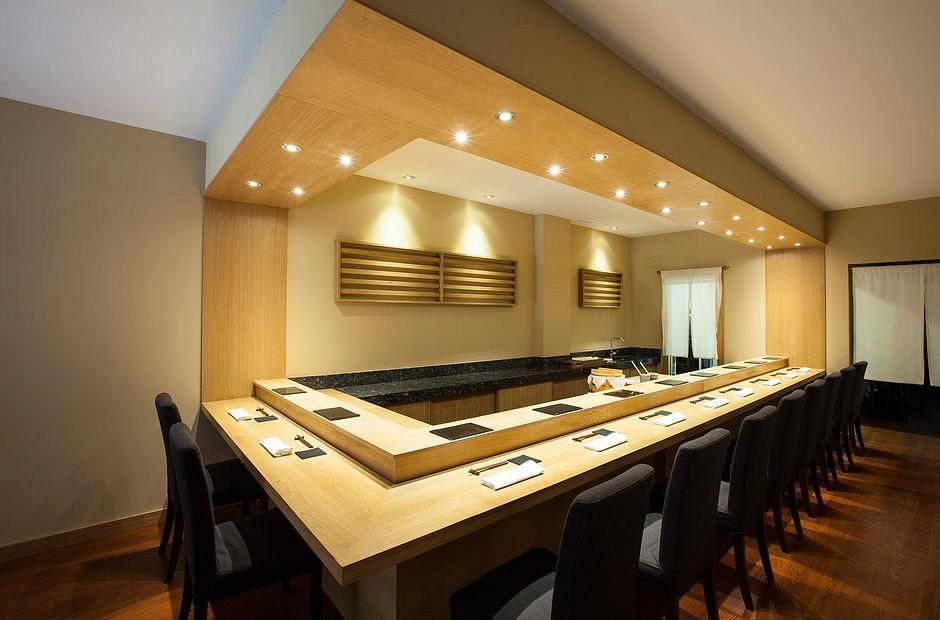
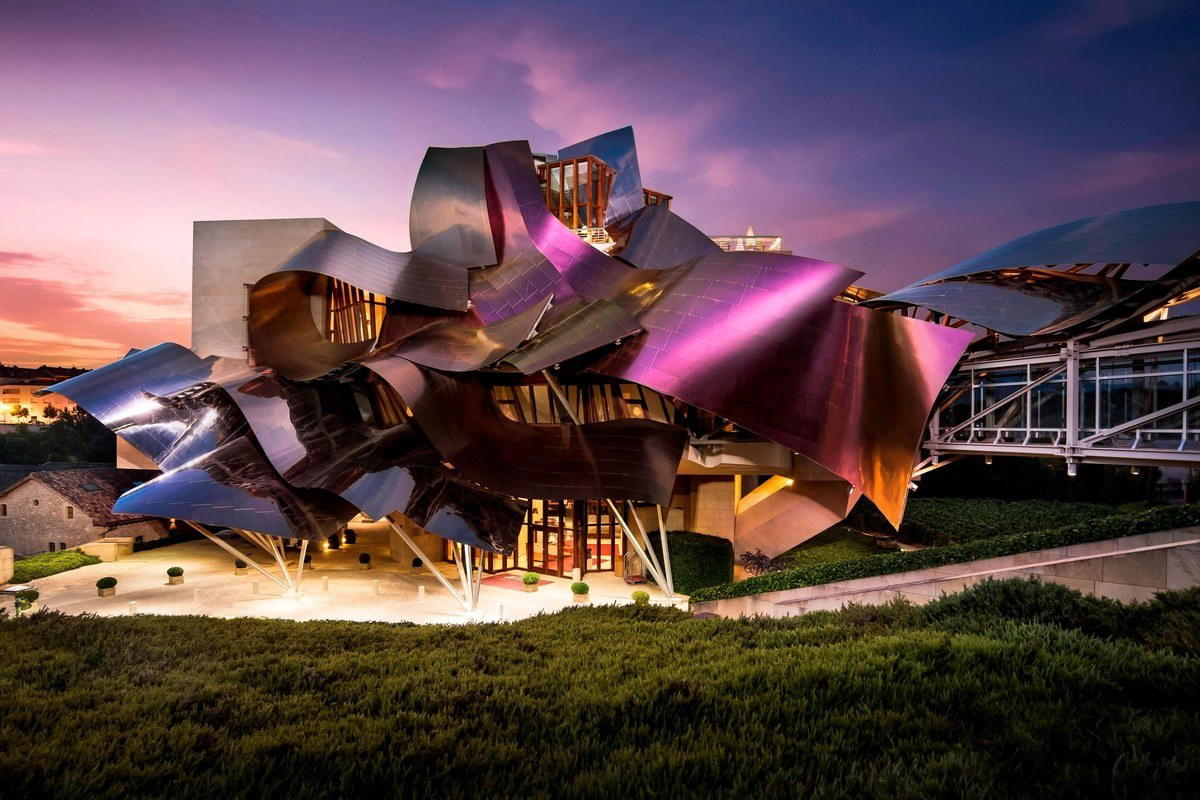
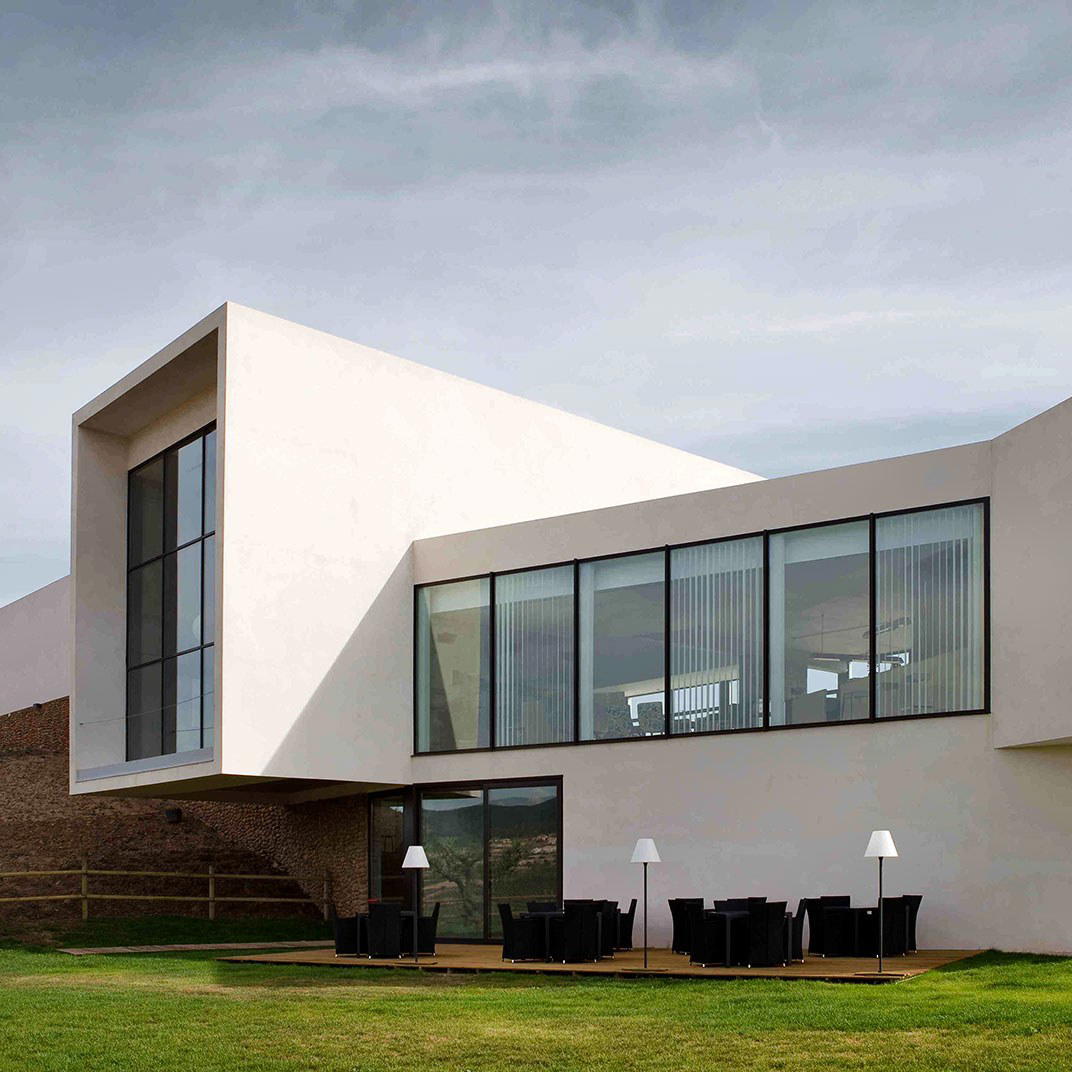
Sophisticated and elegant atmosphere in an aesthetically pleasing underground winery with comprehensive, well-organized tours and tastings.