
Falstaff Winery - 3 Stars
A Third Growth Margaux estate. The wines express the gravelly soils and maritime moderation that distinguish this appellation from its neighbours to the north and south. For collectors tracking Margaux's classified tier, Boyd-Cantenac represents a coherent, terroir-driven reference point.

Pearl is the En Primeur Club membership app — saves, bookings, and concierge access live there. Same editors, same standards.
- Address
- 11 Rte de Jean Fauré, 33460 Margaux-Cantenac
- Phone
- +33 5 57 88 90 82
- Website
- boyd-cantenac.fr
- Directions
- Get directions
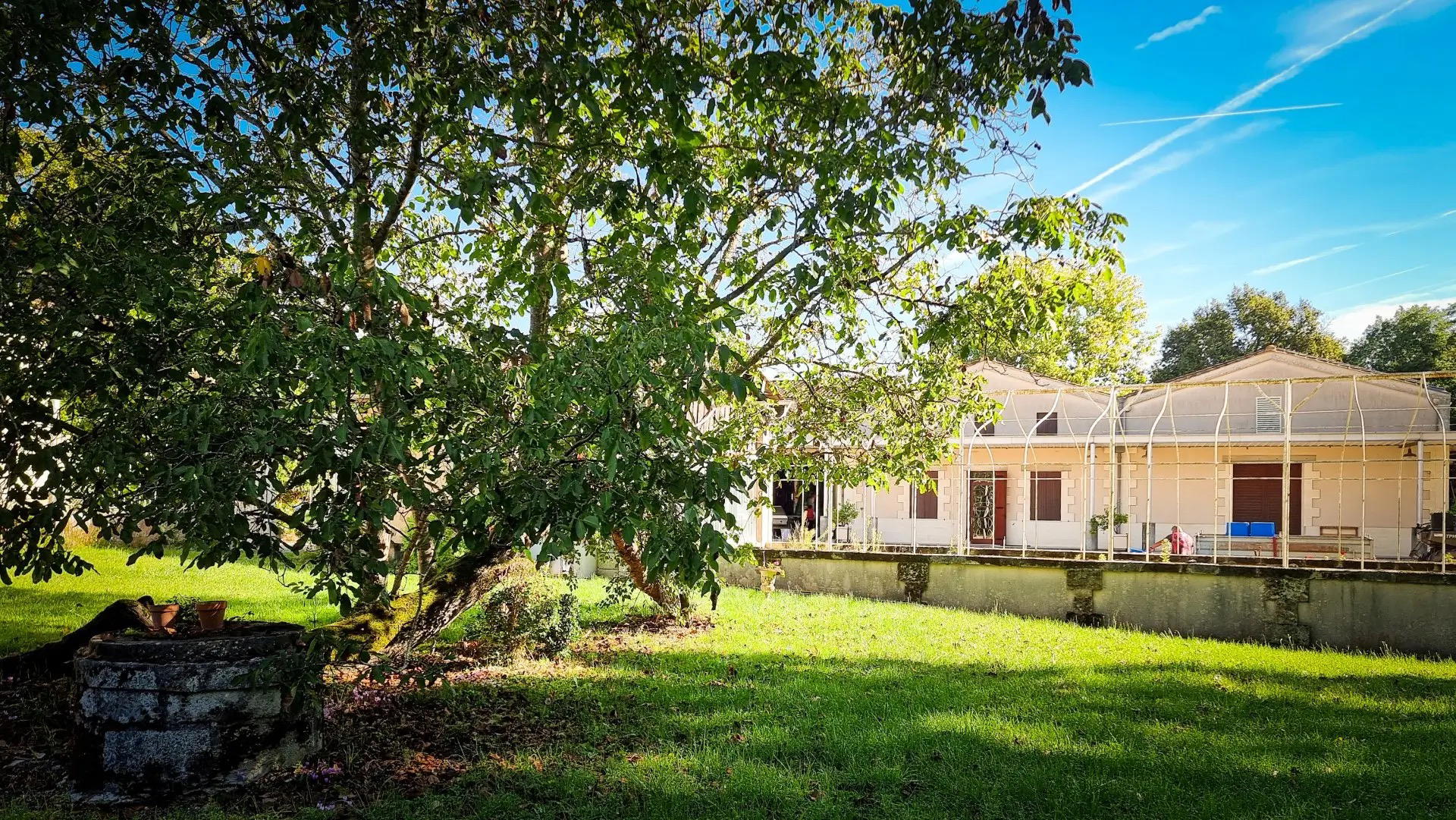
The Gravel Ridge That Defines Cantenac
The Médoc's classified estates do not distribute evenly across the peninsula. They cluster where the land rises, however slightly, above the marsh and river flats — gravel mounds deposited by the Gironde over millennia, each one draining sharply and warming quickly under the Atlantic-tempered sun. Cantenac sits at one of these concentrations, a commune where Third and Fourth Growth châteaux press against one another along a narrow corridor of classified terroir. Château Boyd-Cantenac occupies a place within that corridor, at 11 Route de Jean Fauré, its address locating it in the dense web of estates that makes this stretch of the Margaux appellation as studied as any wine country in the world.
That density matters to understanding any individual estate here. The classified châteaux of Cantenac — including Château d'Issan, Château Kirwan, Château Pouget, Château Prieuré-Lichine, and Château Brane Cantenac, share the same broad soil grammar: deep Günzian gravel over clay subsoil, low fertility, and a natural capillary drainage that forces vine roots downward. The differences between them emerge in plot-level variation, vine age, and cellar decisions.
Terroir in the Médoc Sense
The word terroir, applied loosely elsewhere, has a fairly technical meaning in the Médoc. It refers to the interaction between gravel depth, subsoil composition, the microclimate moderated by the Gironde estuary, and the Cabernet Sauvignon dominant planting that has defined the appellation since the eighteenth century. In Cantenac, the gravel croupe, the gentle ridge, tends to be slightly less pronounced than in the highest-rated parcels around the Château Margaux estate itself, but the drainage and heat retention properties are recognisably Margaux in character. Wines from this commune typically show more aromatic finesse and textural delicacy than those from the stonier, warmer ground around Pauillac to the north, where châteaux like Château Batailley produce a structurally weightier expression of Cabernet. That contrast between communes is one of the defining arguments for appellation identity in the Médoc, and Boyd-Cantenac's wines are leading read within it.
The Atlantic proximity shapes harvest timing and fruit character across the entire left bank, but its influence in the Margaux appellation is particularly pronounced. The estuary moderates temperature extremes, reducing the risk of late frosts that can damage early-budding Merlot, and it extends the growing season in a way that allows Cabernet Sauvignon to ripen more slowly and retain aromatic complexity. Châteaux that understand their terroir in this context, and price and position accordingly within their classified tier, tend to produce wines with consistent appellation identity across vintages rather than wines that spike in exceptional years and disappoint in cooler ones.
Where Boyd-Cantenac Sits in the Classified Tier
1855 Classification placed Boyd-Cantenac as a Third Growth, a rank it shares with several neighbours across the Médoc and the broader Bordeaux region. What the 1855 hierarchy does not capture is the variation in quality and ambition that has evolved over 170 years of ownership changes, investment cycles, and shifting winemaking philosophy. Across the Bordeaux classified tier, some estates have invested heavily to outperform their historic rank; others have coasted on their designation.
The classified châteaux along this corridor are not a monolithic group. They differ in scale, in the composition of their plots, and in the proportion of grand vin versus second label produced. Boyd-Cantenac, like several of its neighbours, operates within the appellation's mid-range of production scale, large enough to maintain distribution across key markets, focused enough to sustain plot-level attention. Elsewhere in Bordeaux, comparable Third Growth positioning is visible in estates like Château Branaire Ducru in Saint-Julien or, in the broader Haut-Médoc, Château Cantemerle, each operating at a price point and quality register informed by their classification and recent investment record.
Outside Bordeaux, award-level benchmarking for classified-tier wine estates ranges from Alsace producers like Albert Boxler in Niedermorschwihr to premium Napa producers such as Accendo Cellars in St. Helena, each recognised for sustained quality within their regional traditions, each positioned by awards and allocations rather than volume.
Planning a Visit to Cantenac
The Cantenac estates are accessible from Bordeaux city in around forty minutes by car along the D2 wine road, the Route des Châteaux, which runs north through Margaux and connects the classified communes in sequence. The road passes some of the most studied agricultural land in France, where the distinction between gravel-surfaced vineyards and the surrounding marsh is immediately visible from the car window. Visits to the classified châteaux in this corridor generally require advance arrangement; few operate walk-in cellar doors at the level expected in, say, Burgundy or Napa. Visitors serious about tasting the estate range should contact the château directly to arrange. For a broader orientation to dining, accommodation, and the full estate circuit in the area, the EP Club Cantenac guide covers the commune in context.
En primeur releases, typically offered in spring following the harvest, represent the primary channel through which Boyd-Cantenac wines reach the collector market. The release window, usually April to June, is when négociants and fine wine merchants offer futures on the most recent vintage.
For further context on classified Bordeaux producers, the Château Bélair-Monange in Saint-Emilion and Château Bastor-Lamontagne in Preignac profiles illustrate how appellation context shapes collector valuation across Bordeaux's varied classified tiers. The contrast between right bank and left bank estates, in soil type, dominant grape variety, and ownership structure, is one of the more clarifying lenses through which to assess any individual producer's positioning. Boyd-Cantenac, as a left bank Cabernet-dominant classified Third Growth in Cantenac, sits in one of the most legible parts of that map.
Quick Comparison
Comparable venues nearby, for context on price, style, and recognition.
| Venue | Cuisine | Awards | Notes |
|---|---|---|---|
| Château Boyd-CantenacThis venue — the venue you are viewing | Cabernet Sauvignon, Merlot | Falstaff Winery - 3 Stars | Not listed |
| Château d’Issan | Cabernet Sauvignon, Merlot | Falstaff Winery - Listed | Cantenac |
| Château Prieuré-Lichine | Cabernet Sauvignon, Merlot | Falstaff Winery - 3 Stars | Cantenac |
| Château Kirwan | Cabernet Sauvignon, Merlot | Falstaff Winery - 3 Stars | Cantenac |
| Château Pouget | Cabernet Sauvignon, Merlot | Falstaff Winery - Listed | Cantenac |
| Château Brane Cantenac | Cabernet Sauvignon, Merlot | Michelin 1 Grape · Falstaff Winery - 3 Stars | Cantenac |
Recognition history
Dated appearances from independent guides and award organizations, with the underlying list record or original source where available.
Falstaff Winery - 3 Stars
Falstaff
Continue exploring
More in Cantenac
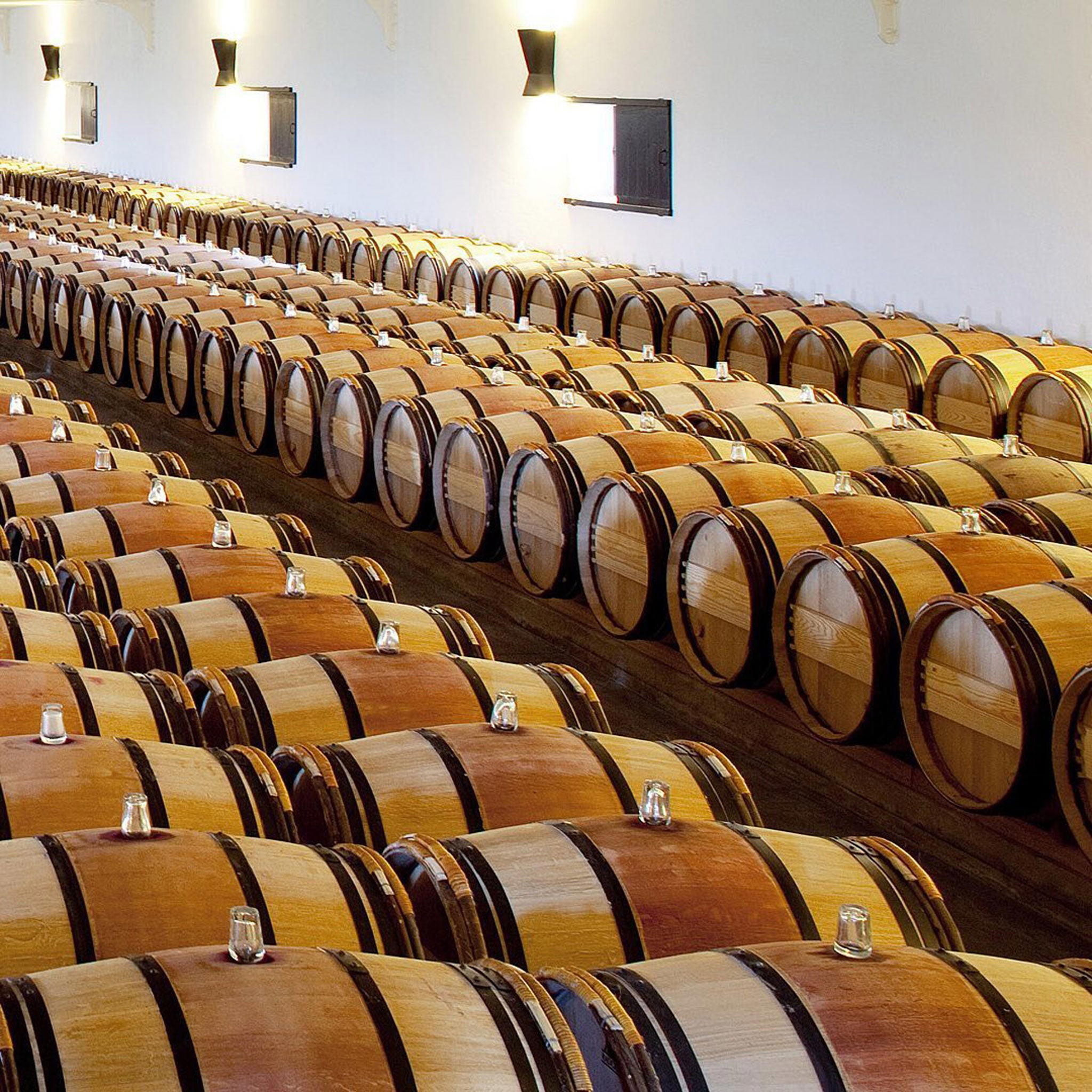
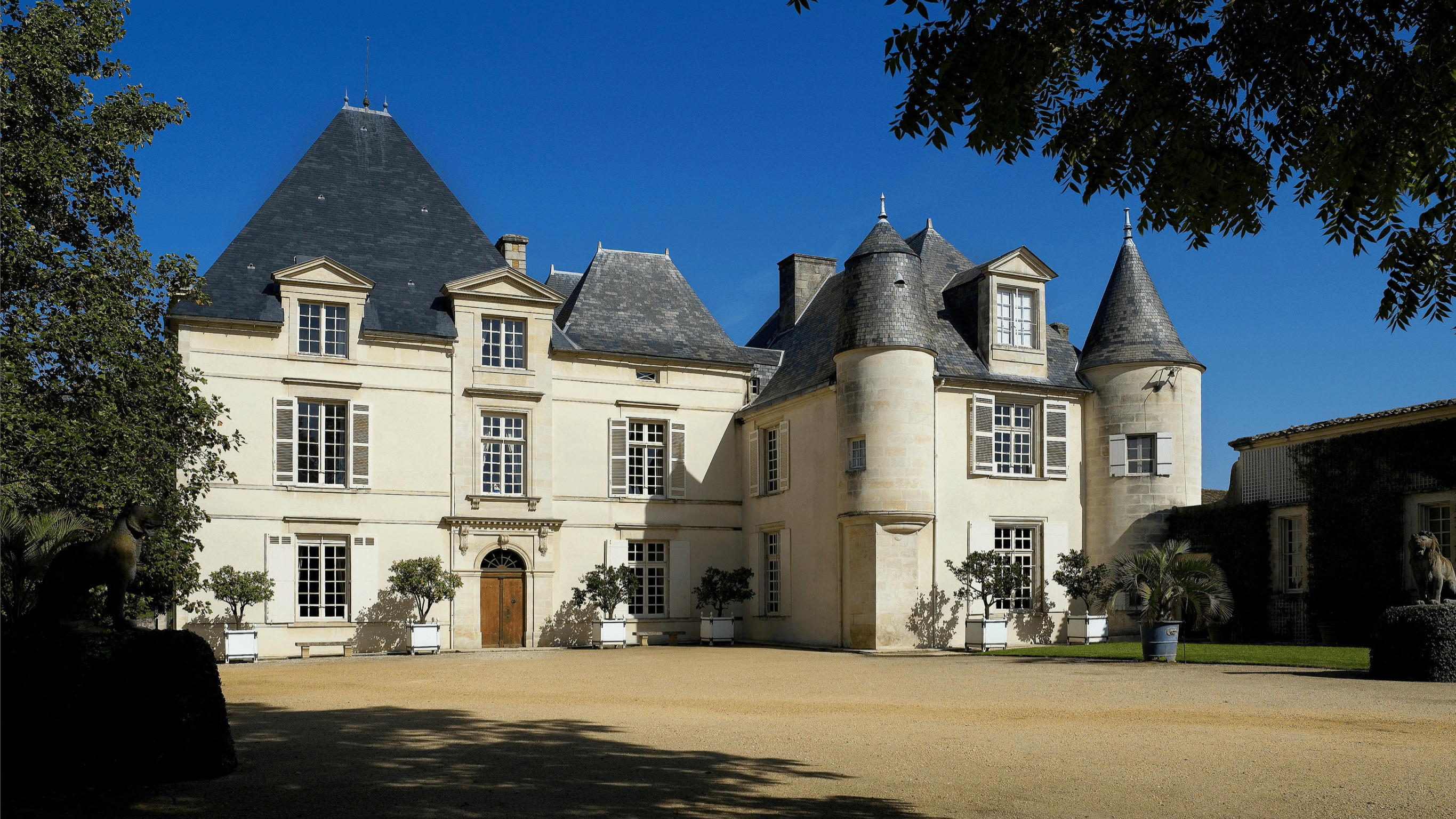
Wineries in Cantenac
Browse all →
Bars in Cantenac
Browse all →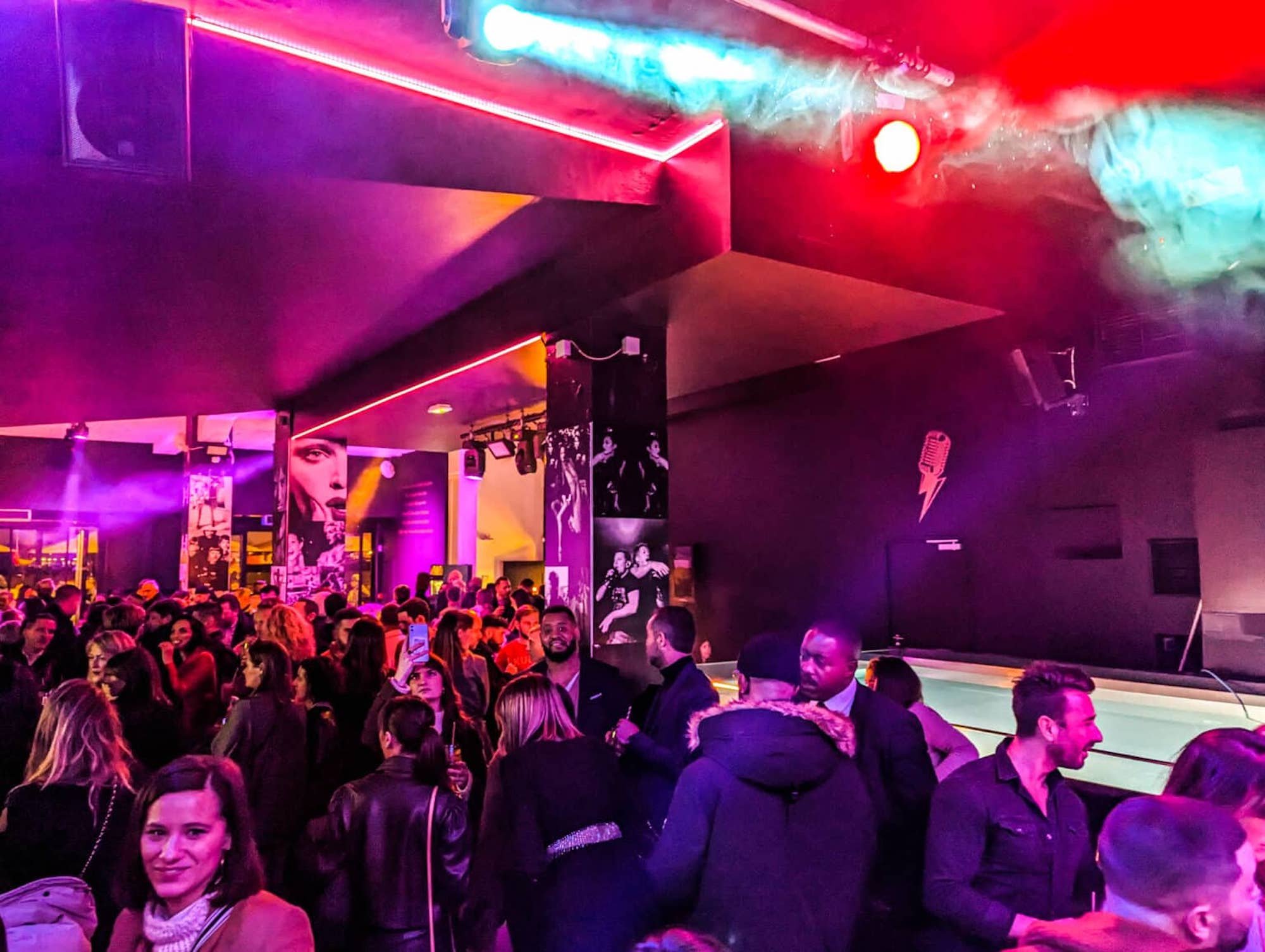
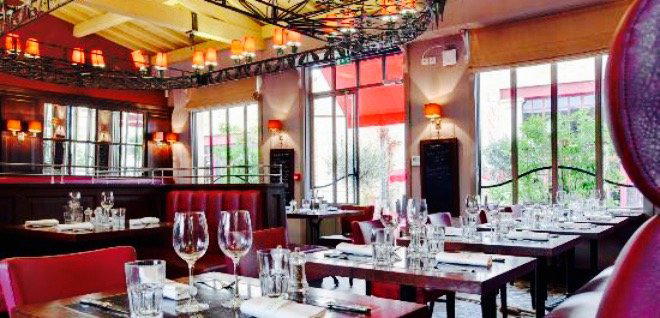
Restaurants in Cantenac
Browse all →
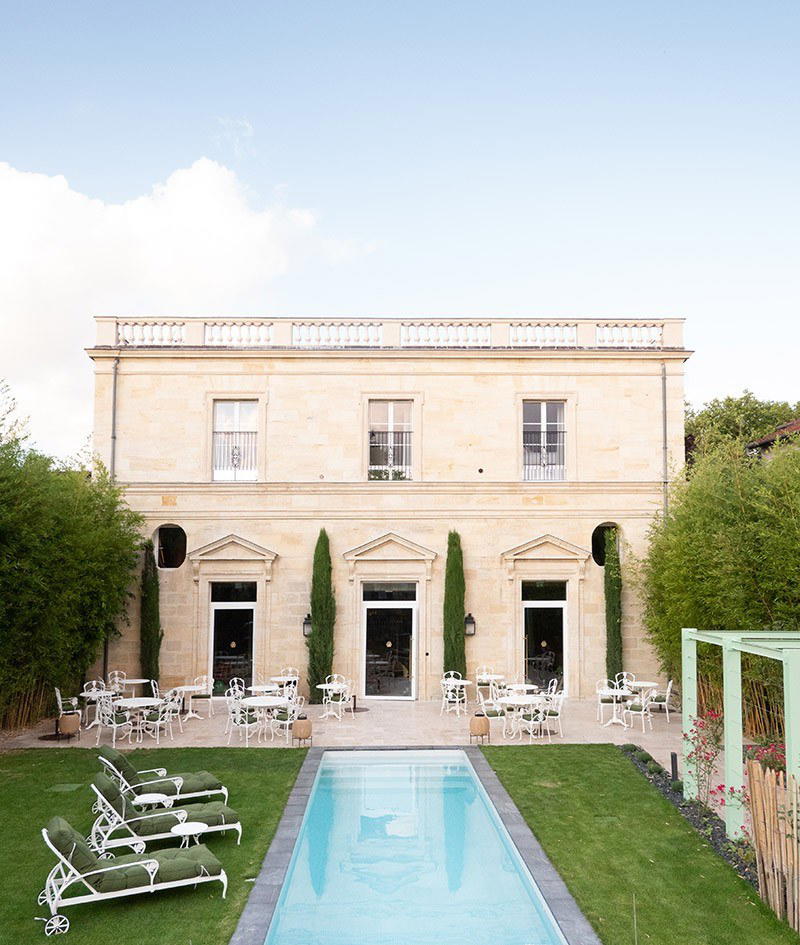
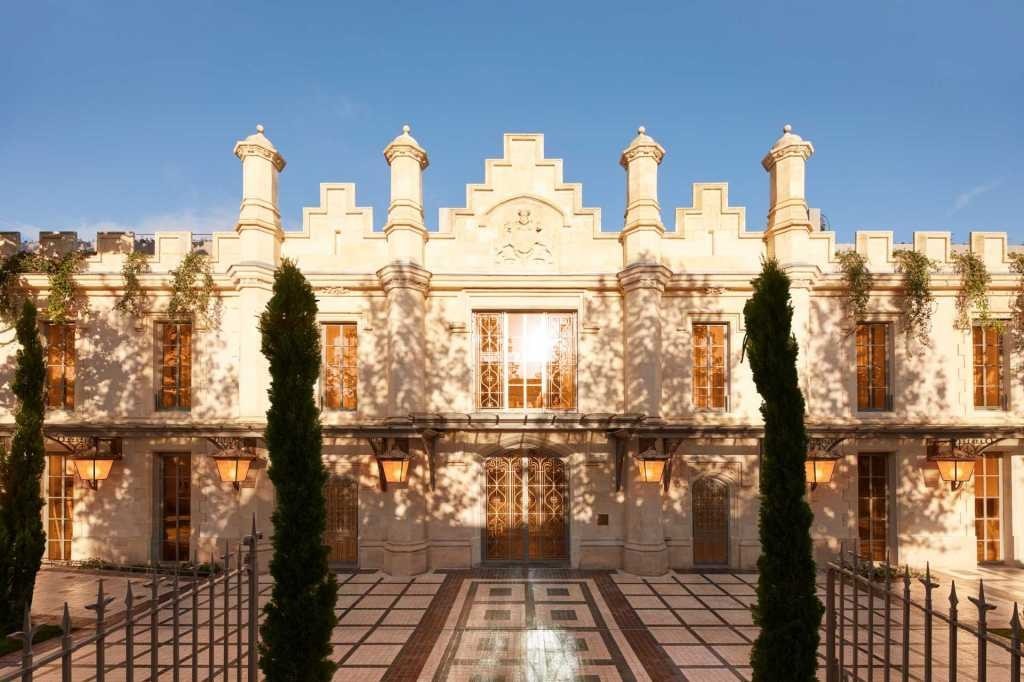
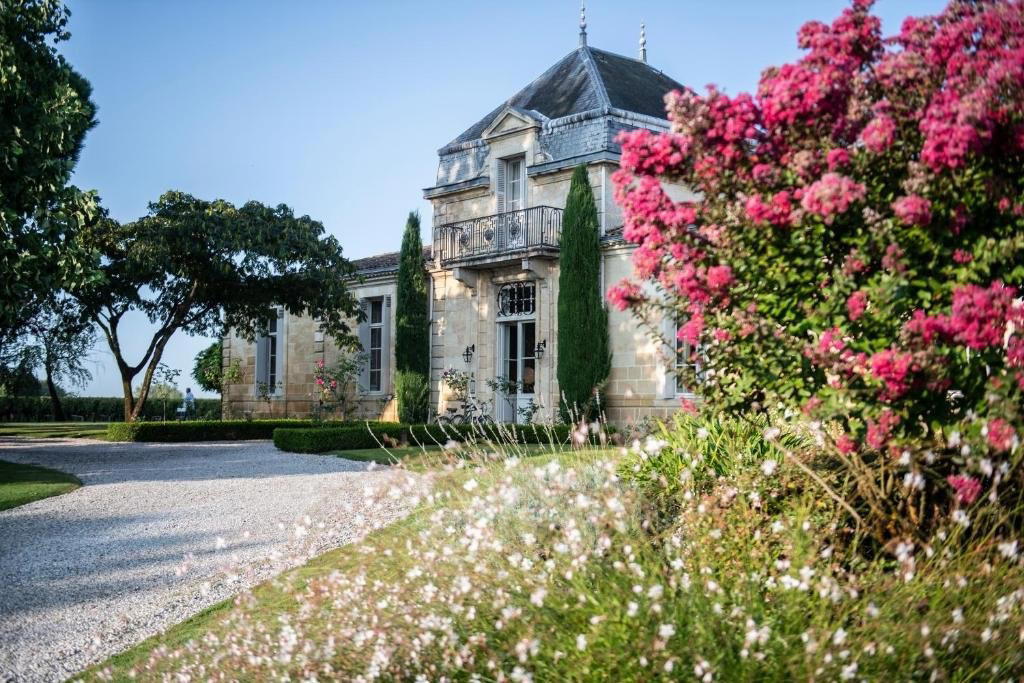
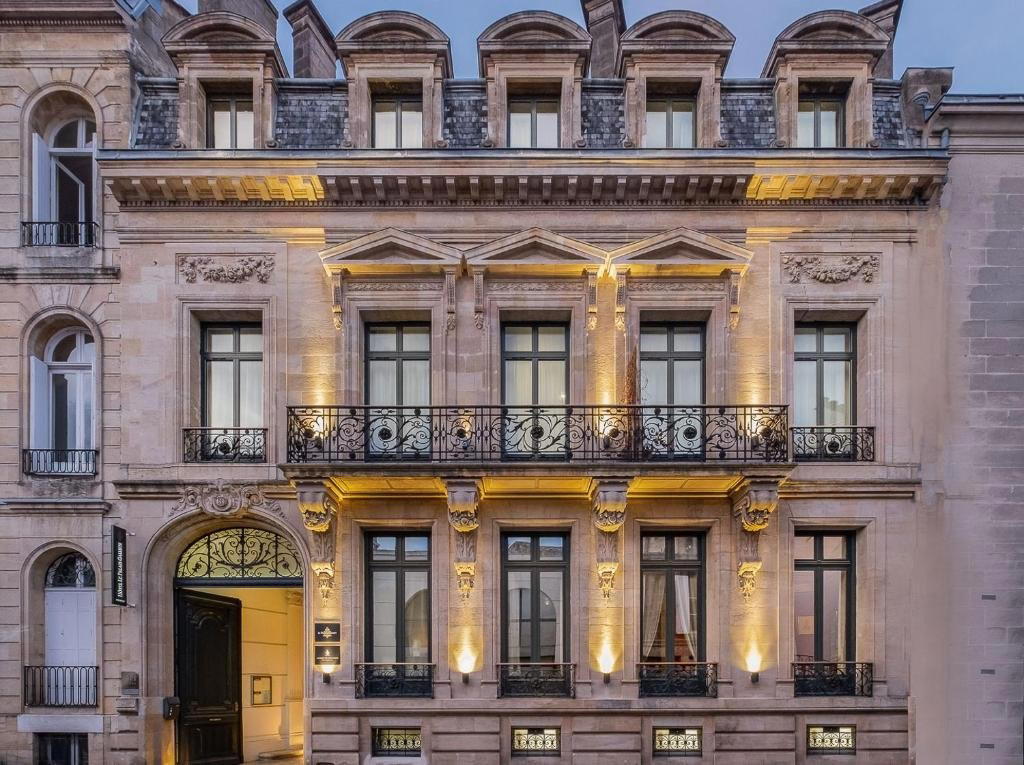
Details
- Elegant
- Classic
- Sophisticated
- Wine Education
- Special Occasion
- Romantic Getaway
- Cave Tasting
- Barrel Room
- Vineyard Tour
- Estate Grounds
- Historic Building
- Sustainable
- Vineyard
- Cabernet Sauvignon
- Merlot
- Cabernet Franc
- Petit Verdot
- Still Red
- Cave Tasting
- Personalized Tasting
Traditional cellars with quiet confidence of centuries of know-how; intimate, family-run atmosphere emphasizing artisanal approach and personal involvement in every step from vine to bottle.