
Falstaff Winery - 3 Stars
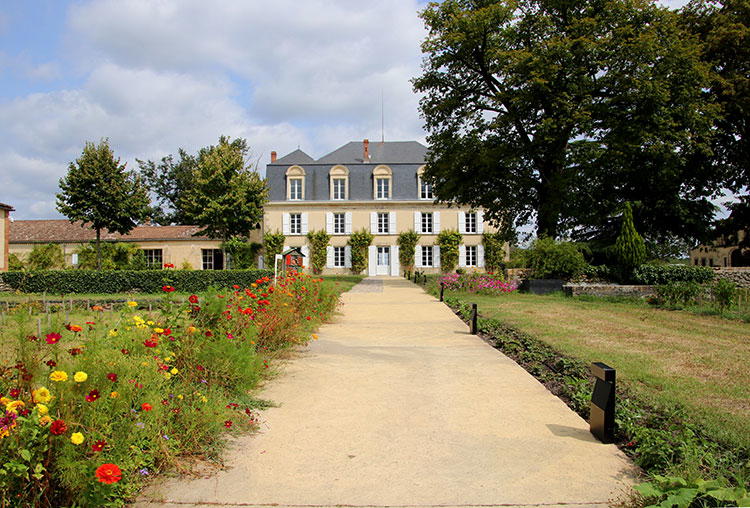
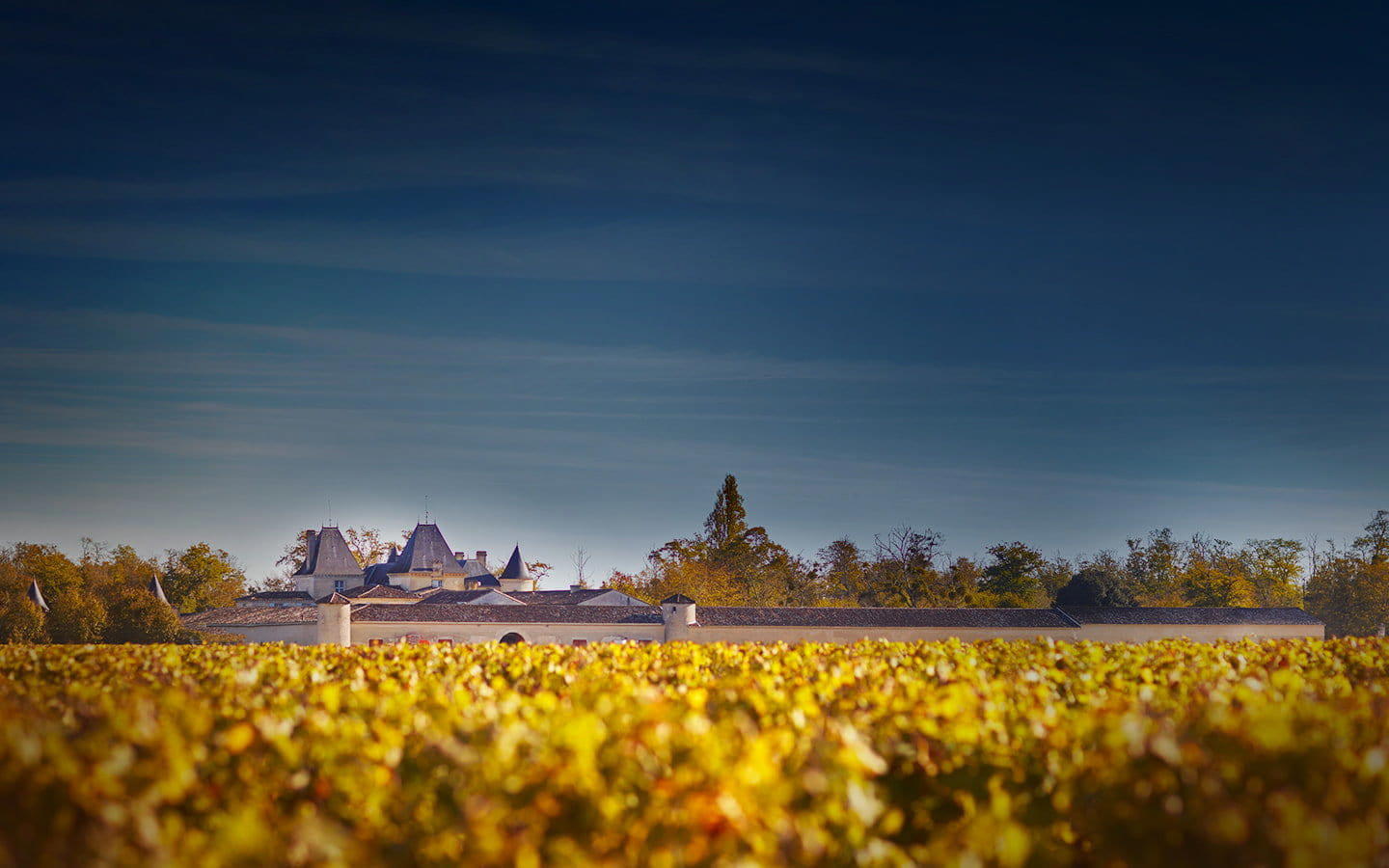
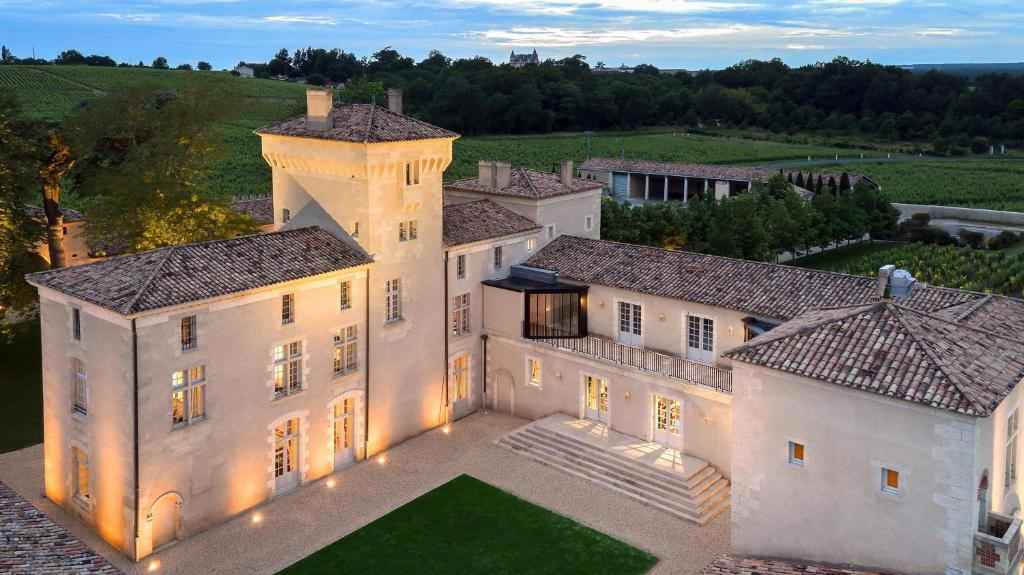
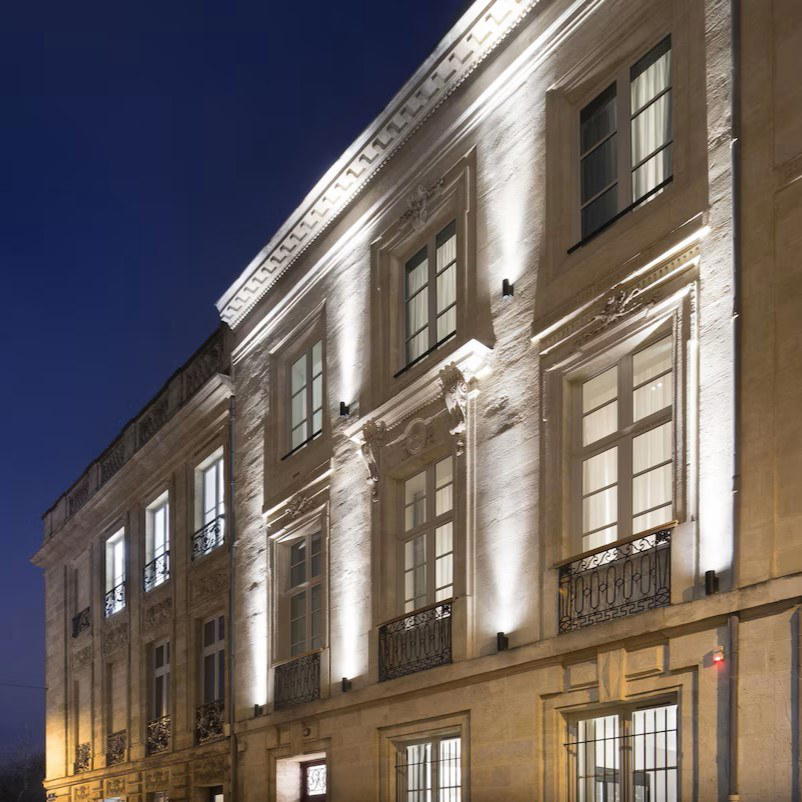
Clos Haut-Peyraguey is a Premier Cru Classé estate in Bommes, at the heart of Sauternes. The property sits within the densest concentration of classified sweet-wine producers in Bordeaux, positioned in a peer group that includes Château Rayne-Vigneau and Château Rabaud-Promis. For collectors and visitors with serious interest in Sauternes, it represents one of the appellation's more focused addresses.

Pearl is the En Primeur Club membership app, where members save venues, book tables and use the concierge.
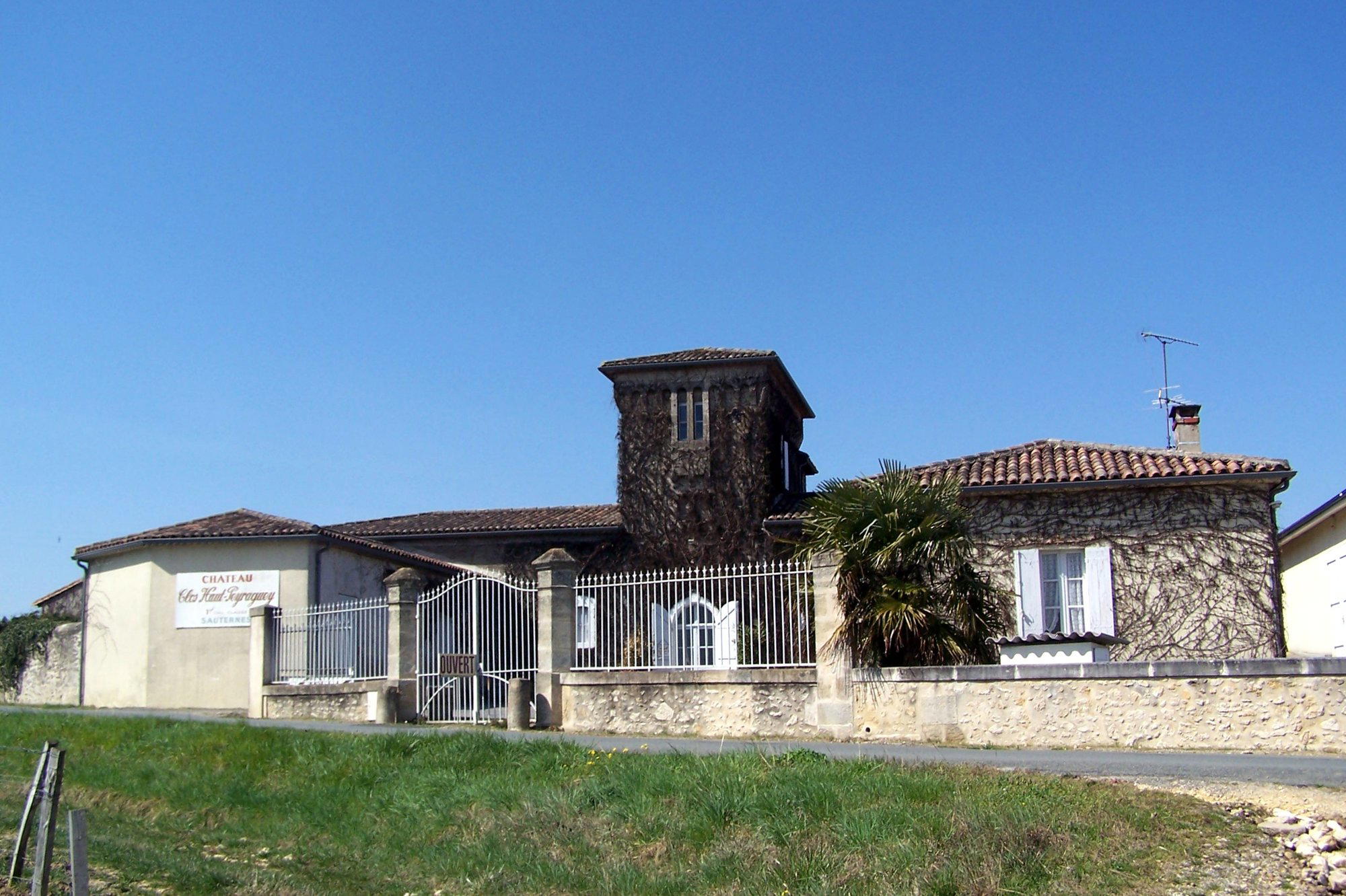
Sauternes and the Geography of Sweetness
The commune of Bommes accounts for a disproportionate share of the 1855 Sauternes classification. Of the five communes entitled to the appellation, Bommes alone contains multiple Premiers Crus Classés within a few kilometres of each other, all drawing from the same sandy-clay soils over limestone and benefiting from the same morning mists that rise from the confluence of the Ciron and Garonne rivers. That microclimate is the engine behind botrytis cinerea, the noble rot that concentrates sugars in Sémillon and Sauvignon Blanc grapes, and without which Sauternes would simply not exist as a wine category. Clos Haut-Peyraguey sits inside that tightly drawn geography, its vines part of a hillside cluster that also includes Château Rayne-Vigneau and Château Rabaud-Promis.
Understanding where Clos Haut-Peyraguey fits in Sauternes requires understanding how the classification has aged. The 1855 ranking placed it as a Premier Cru Classé, a designation that has never been revised for Sauternes the way Saint-Émilion periodically rewrites its own hierarchy. That permanence means the 1855 list still carries enormous commercial and reputational weight, even as the actual quality gap between individual estates has shifted considerably over decades of changing ownership and investment.
Bommes is not a village that draws casual tourists. It lacks the infrastructure of a Pauillac or the draw of a grand château open to visitors year-round. What it offers instead is concentration: within a short radius, collectors can trace nearly the full spectrum of classified Sauternes production, from the more commercially scaled operations to smaller, more focused estates where annual output is constrained by both vineyard size and the capricious yields that botrytis demands. In a year where noble rot arrives unevenly, some producers may harvest a fraction of their theoretical maximum; in others, production collapses almost entirely.
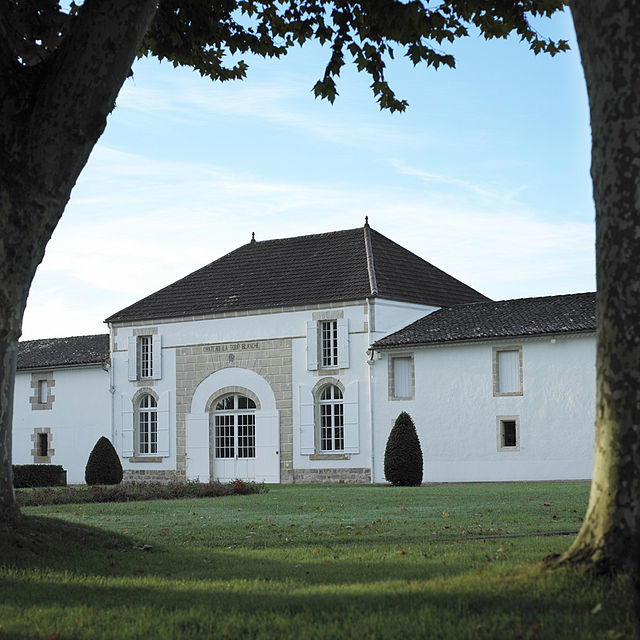
Clos Haut-Peyraguey occupies the smaller end of that production scale among its peers. Its classified neighbour Château La Tour Blanche operates partly as a viticultural school, giving it a different institutional character. Château Rabaud-Promis covers more ground. The estate at Clos Haut-Peyraguey is comparatively intimate, which matters when evaluating consistency: smaller production from a single contiguous parcel tends to produce more homogenous results vintage to vintage, even as the overall volume is more sensitive to weather.
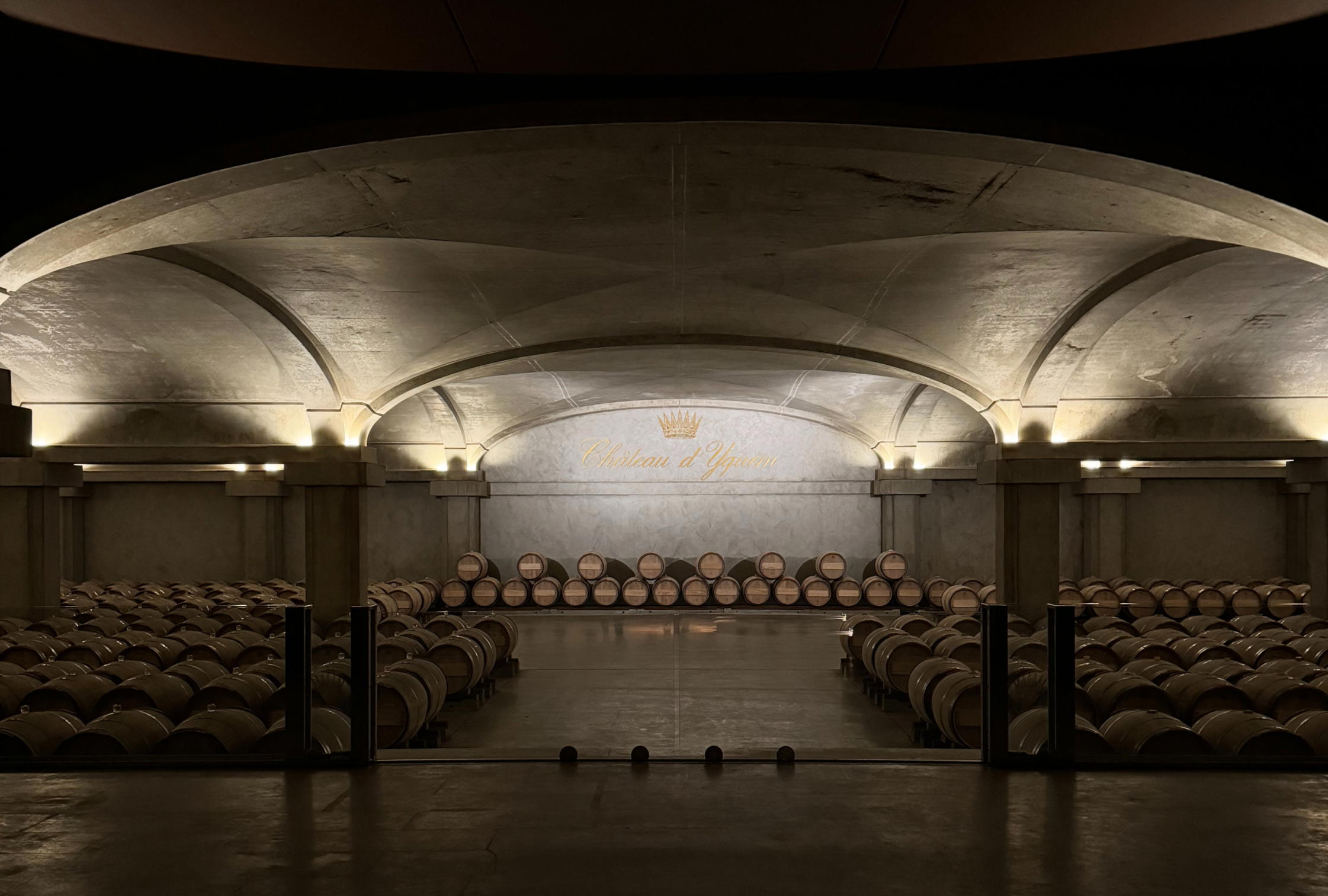
For context beyond Bommes, the broader Sauternes and Barsac appellation includes estates across Preignac, such as Château Bastor-Lamontagne, and the appellation's only Premier Cru Supérieur, Château d'Yquem, which sits in the adjacent commune of Sauternes itself. The comparison matters because Yquem sets the reference price and prestige ceiling for the entire appellation, and every Premier Cru Classé is implicitly evaluated against it, even if the production philosophies and price points are substantially different.
Appellation Mechanics and What They Mean for the Wine
Sauternes operates under conditions that no other major French appellation routinely tolerates. Harvest is manual, conducted in multiple passes through the vineyard (tries successives) to select only botrytis-affected berries at the right stage of concentration. In some vintages this process runs from September into November; in poor years, a producer may decide not to release a wine under their primary label at all. The economics are demanding: yields are among the lowest of any AOC in France, harvesting costs are high relative to other Bordeaux appellations, and the market for sweet wine, while loyal, is narrower than the market for dry red Bordeaux.
That context explains why the 1855 classification has functioned as a price floor for the leading estates. Classified status signals a minimum expectation of terroir quality and production discipline even before a consumer opens a bottle. Clos Haut-Peyraguey's Premier Cru Classé standing places it in a group of eleven estates with that designation across the appellation, all of which sit below Yquem and above the Deuxièmes Crus in the formal hierarchy.
Visiting the Sauternes Zone: Practical Orientation
The village of Bommes is roughly 40 kilometres southeast of Bordeaux city centre, accessible via the A62 motorway and then secondary roads through the Entre-Deux-Mers and into the Graves and Sauternes zone. The area is not served by regular public transport suitable for wine tourism, so most visitors arrive by car or private transfer. The address at 1 Haut Peyraguey, 33210 Bommes, places the estate on the hillside that defines the appellation's northern edge within the commune.
As with many small Bordeaux classified growths, direct contact in advance of any visit is advisable. The concentrated geography of Bommes does allow for efficient planning: a single half-day can cover several classified estates in close proximity, making it practical to combine a visit here with stops at Château Rayne-Vigneau or Château de Myrat across the appellation border in Barsac. A broader overview of the commune and its producers is available in our full Bommes guide.
The harvest window, running from late September through October in most vintages, is the period when the appellation is most active and when the visual drama of botrytis-affected vineyards is most evident. Visiting outside harvest typically means quieter roads and more available appointment slots, though some estates reduce their visitor programmes between November and March.
Where Clos Haut-Peyraguey Sits in the Wider Premium Wine Picture
Sauternes occupies a specific niche in the broader premium wine market: deeply traditional, geographically constrained, and dependent on conditions that cannot be engineered. That fragility is part of its identity. Estates in other regions that depend on specific climatic windows for their character, from Albert Boxler in Niedermorschwihr with its late-harvest Alsace wines to Accendo Cellars in St. Helena working in a very different register in Napa, all face the same fundamental market challenge: convincing buyers to pay premium prices for wines that require patience and a specific context for enjoyment.
What distinguishes Sauternes from most other sweet wine categories is the depth of its secondary market. Older vintages of Premier Cru Classé Sauternes trade actively at auction, and the wines' capacity to age for decades gives them a collector logic that many sweet wines from other regions cannot match. For a property like Clos Haut-Peyraguey, that auction visibility matters as much as direct sales, because it sets a price signal for younger vintages and informs how trade buyers approach en primeur allocations.
Across Bordeaux's classified landscape, the estates that hold and improve their reputations over decades share a common characteristic: vineyard continuity and a clear relationship between their specific terroir and their wine's signature. Bommes, with its limestone-influenced soils and reliable botrytis corridor, provides the terroir foundation.
For a comparative view across the left bank's classified estates, Château La Mission Haut-Brion in Pessac-Léognan provides a useful reference for how a classified Bordeaux property can sustain and extend a premium reputation across ownership changes, while Château Branaire-Ducru in St-Julien illustrates how a classified growth in a competitive commune manages positioning against higher-ranked neighbours. The dynamics differ from Sauternes, but the underlying questions about terroir expression, production discipline, and market positioning carry across the appellations.
Cost Snapshot
Comparable venues nearby, for context on price, style, and recognition.
| Venue | Cuisine | Price | Awards | Notes |
|---|---|---|---|---|
| Clos Haut-PeyragueyThis venue (the venue you are viewing) | Bommes, Semillon, Sauvignon Blanc | Not listed | Falstaff Winery - 3 Stars | Not listed |
| Château La Tour Blanche | Bommes, Sémillon, Sauvignon Blanc | Not listed | Michelin Main Selection · Falstaff Winery - 3 Stars | Not listed |
| Château Rabaud-Promis | Bommes, Sémillon, Sauvignon Blanc | Not listed | Falstaff Winery - Listed | Not listed |
| Château de Myrat | Barsac, Semillon, Sauvignon Blanc | Not listed | Falstaff Winery - 2 Stars | Not listed |
| Château Sigalas-Rabaud | Bommes, Sémillon, Sauvignon Blanc | $10–20 | Michelin 1 Grape · Falstaff Winery - 3 Stars | Not listed |
| Château La Mission Haut-Brion | Not listed | Not listed | Michelin 2 Grapes · Falstaff Winery - 4 Stars | Pessac-Léognan, Cabernet Sauvignon, Merlot |
Recognition history
Dated appearances from independent guides and award organizations, with the underlying list record or original source where available.
Falstaff Winery - 3 Stars
Falstaff
Continue exploring
More in Bommes
Wineries in Bommes
All wineries in Bommes →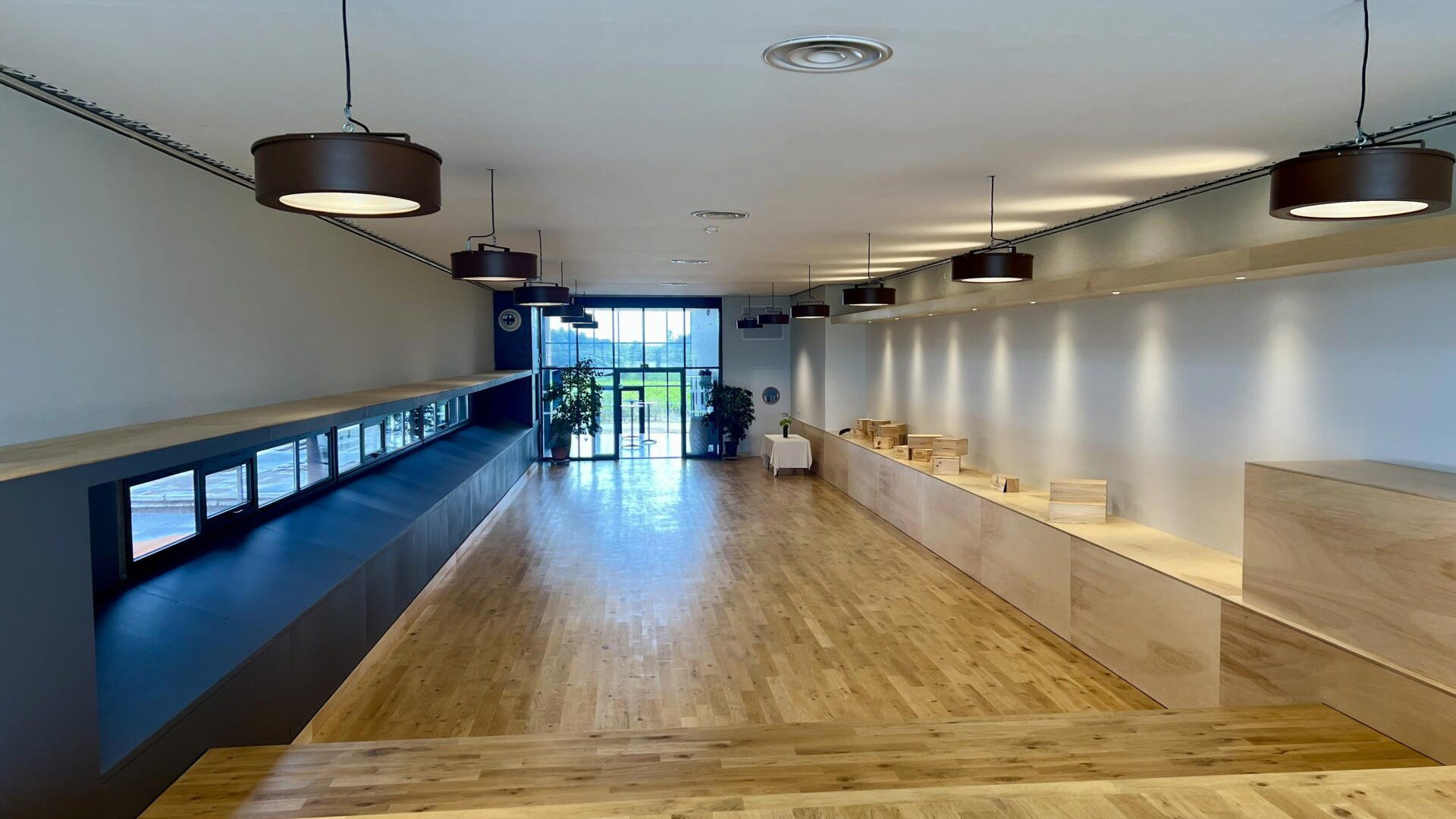
Bars in Bommes
Browse all →
Details
- Classic
- Scenic
- Historic
- Elegant
- Quiet
- Solo Exploration
- Special Occasion
- Wine Education
- Vineyard Tour
- Historic Building
- Private Tasting
- Sustainable
- Vineyard
- Sémillon
- Sauvignon Blanc
- Dessert
- Fortified
- Private Tasting
- Guided Tasting
Historic, terroir-driven, and prestige-oriented, with a classic Sauternes character shaped by noble rot, manual selection, and barrel élevage.