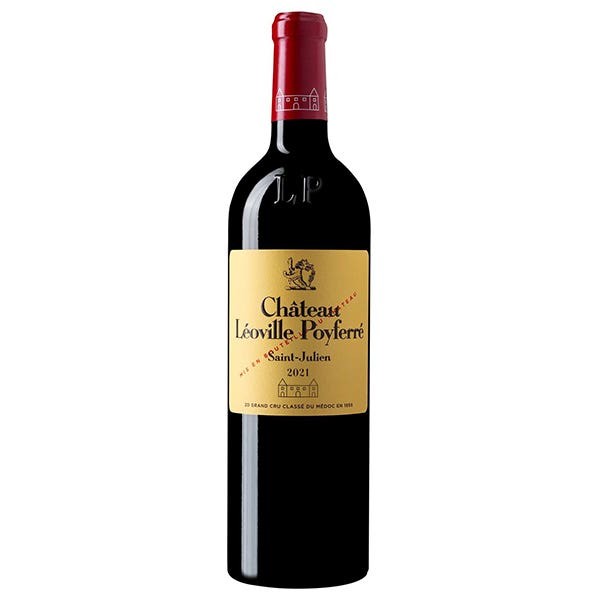
Château Léoville Poyferré

Falstaff Winery - 3 Stars
A Second Growth classified in 1855, Château Leoville Poyferre operates at the upper tier of St-Julien's left-bank canon. Visiting the estate places you inside the gravitational centre of the Médoc's most consistent mid-Pauillac corridor.

Pearl is the En Primeur Club membership app, where members save venues, book tables and use the concierge.
The Weight of the Médoc in a Single Appellation
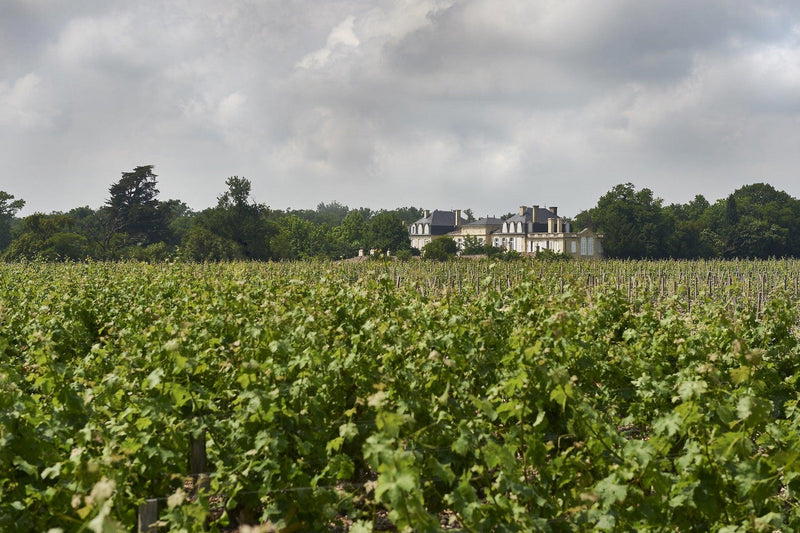
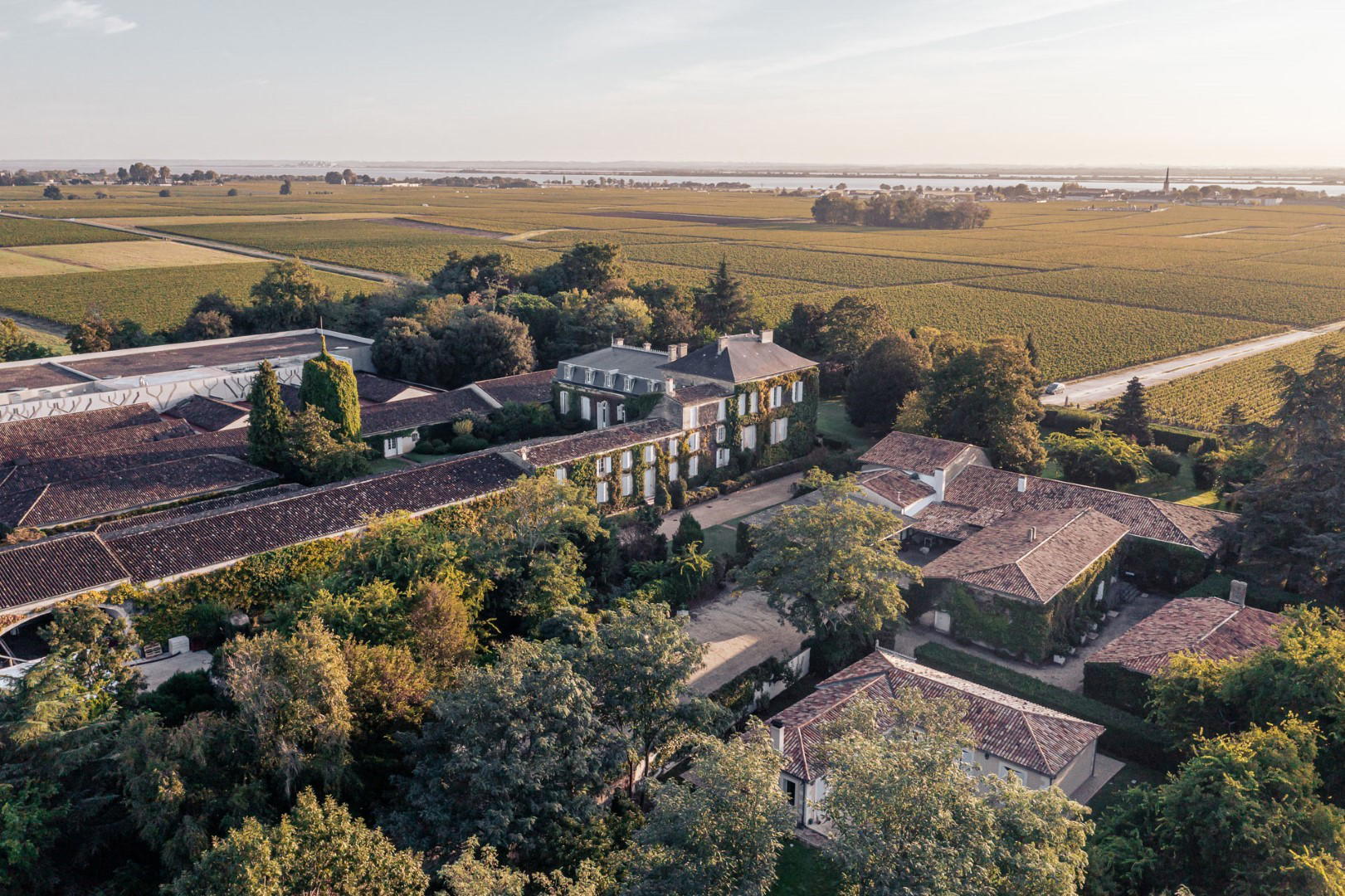
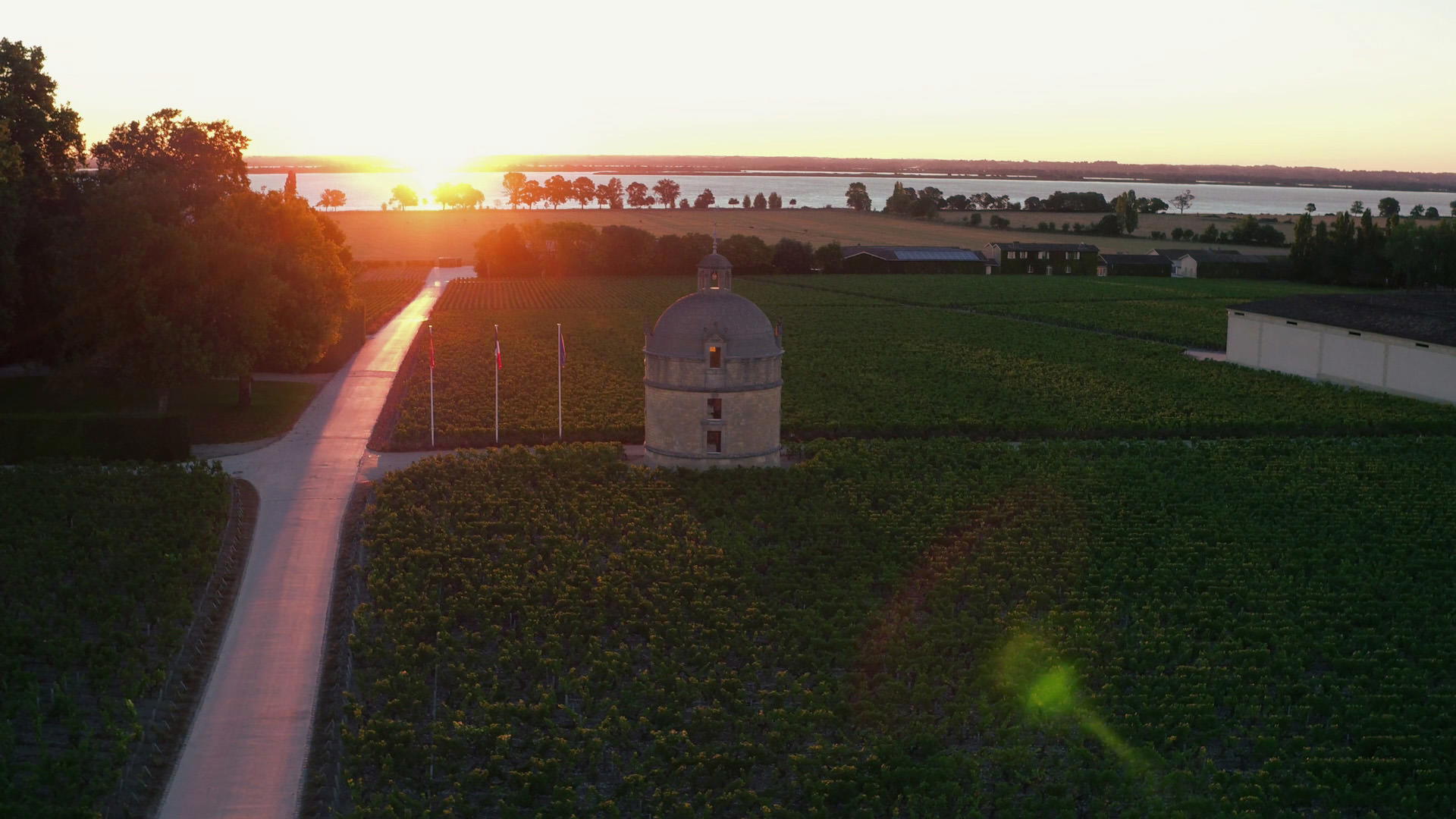
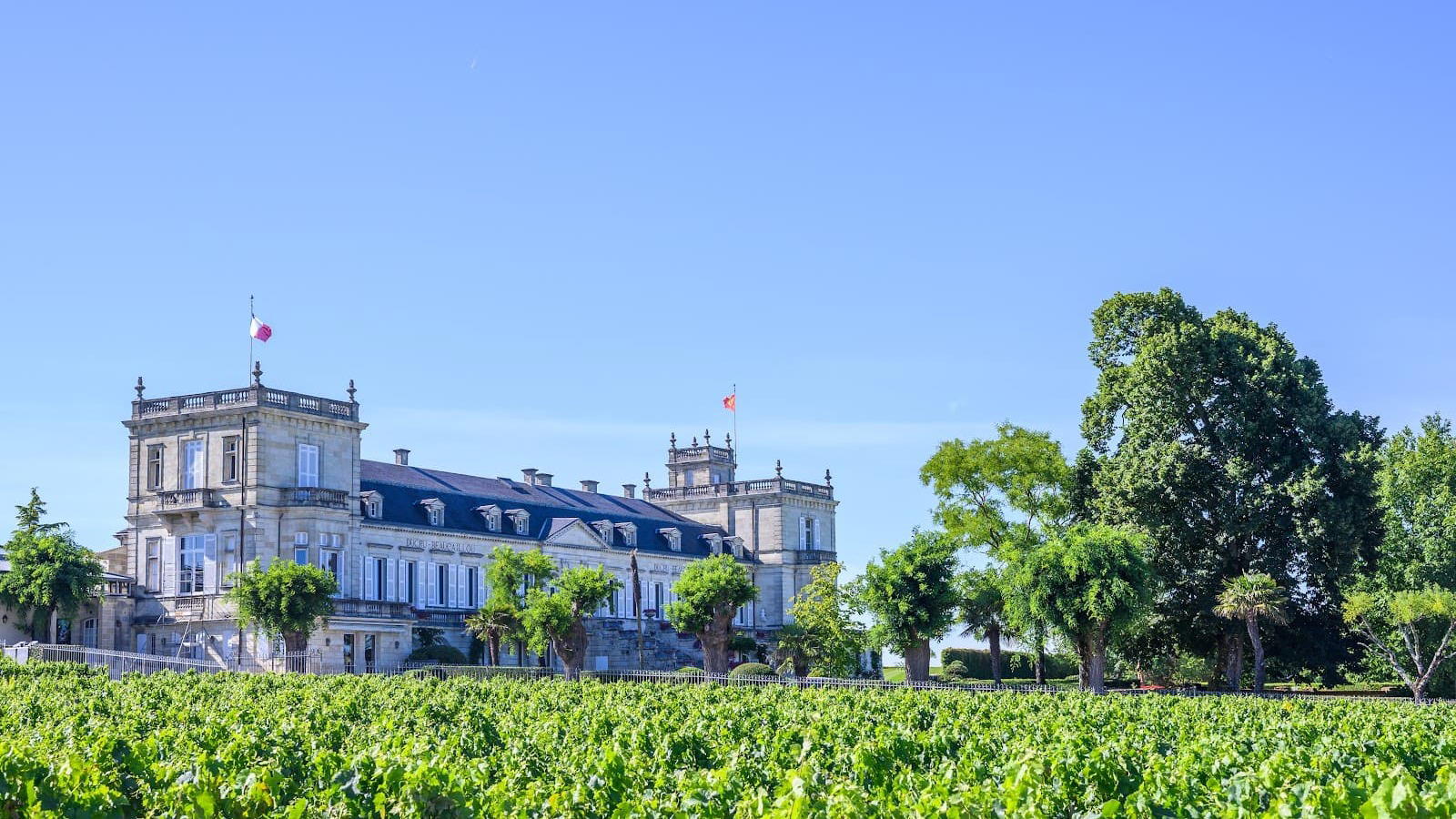
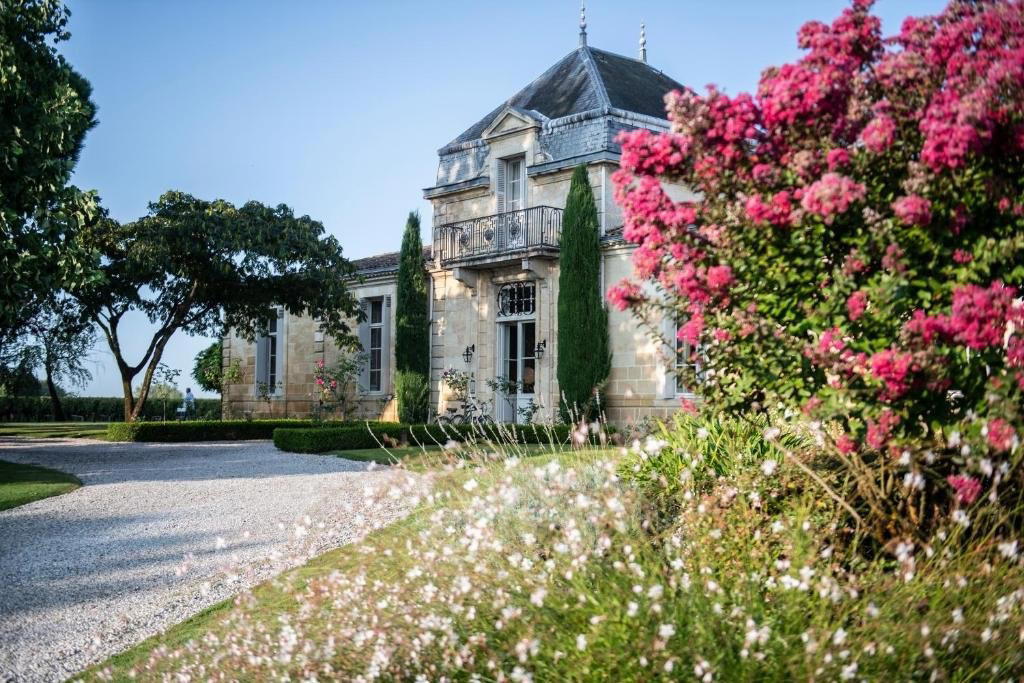
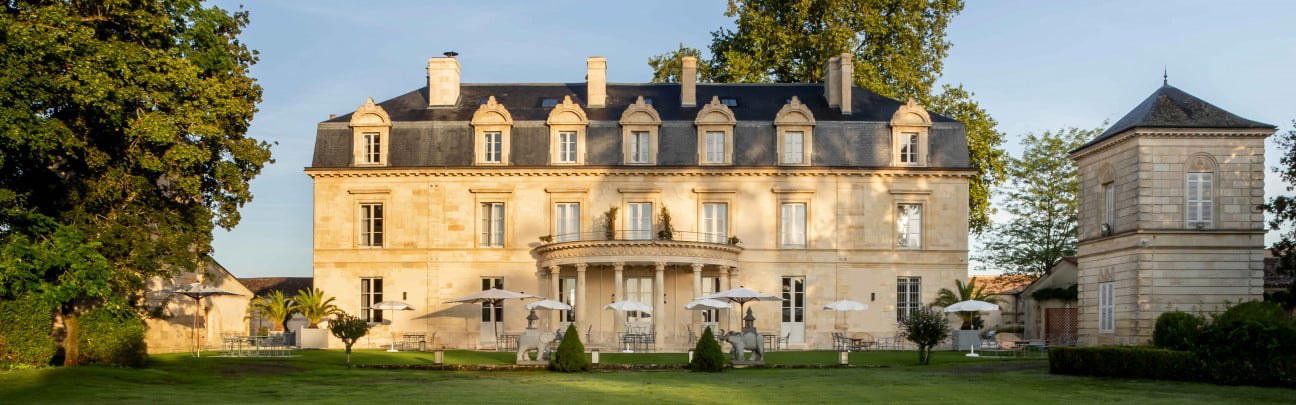
There is a particular quality of stillness to the St-Julien plateau in the late morning, when the gravel and clay soils reflect low light and the rows of Cabernet Sauvignon stretch toward a flat horizon with almost geometric precision. Approaching Château Leoville Poyferre at 38 Rue de Saint-Julien in the commune of Saint-Julien-Beychevelle, the architecture is less theatrical than Pauillac's grand-front châteaux but no less serious. The estate sits within what was once the single, enormous Leoville property, one of the largest Médoc holdings before the Revolution, and the sense of fragmented grandeur still lingers in the layout. That history is not ornamental. It frames every bottle produced here.
St-Julien is the smallest of the four major Médoc appellations by production volume but arguably the most internally consistent. Where Pauillac commands the largest headlines and Margaux courts aromatic complexity, St-Julien delivers a tighter structural signature: firm tannic architecture softened by relatively generous fruit concentration, and a saline mineral quality that distinguishes the plateau's gravel beds from both its northern and southern neighbours. Leoville Poyferre is one of that appellation's three Second Growth classified estates, placing it in a competitive tier that also includes peers such as Château Branaire Ducru, Château Gruaud-Larose, and Château Saint-Pierre within the same appellation. That classification peer group is a useful anchor: the wines here are priced and evaluated against Médoc Second Growths, not against entry-level Bordeaux or generic left-bank blends.
The Tasting Experience: Format and Register
Visiting a Médoc classified estate is not the same experience as a tasting-room visit at a Napa valley property or a grower-producer in Alsace. There is no retail shelf, no walk-in counter. For a property like Leoville Poyferre, visits are arranged in advance and typically oriented around the cellars, the chai, and a structured tasting of current and back vintages. The format reflects the estate's operational register: formal but not forbidding, knowledgeable staff guiding guests through barrel samples or bottled wines in a context that foregrounds the technical rather than the theatrical.
Winemaker Isabelle Davin oversees production here, and within the Médoc's classified tier, knowing who holds the winemaking role matters. The appellation's most credible estates in recent decades have distinguished themselves partly through winemaking consistency across difficult vintages, a discipline that shows up in comparative tastings rather than in any single showpiece release. For visitors, the tasting format at an estate like this rewards patience: the wines need context, and the staff's role is to provide it. Expect a conversation about the vineyard's soil composition, the vintage-to-vintage variation in the Cabernet-Merlot balance, and the estate's approach to extraction and élevage rather than a brisk pour-and-move-on sequence.
For context on how Leoville Poyferre fits within the broader Médoc tier structure, our full St-Julien guide maps the appellation's classified estates against each other and the wider regional hierarchy.
The Vineyard and Its Place in the Médoc Canon
The Leoville bloc was divided in the early nineteenth century into three separate properties: Las Cases, Barton, and Poyferre. The consequences of that division are still legible in the wines. Leoville Las Cases, with its enclosed grand enclos adjacent to Latour, commands the steepest premiums. Leoville Poyferre occupies a different but legitimate position, with vineyard parcels spanning different soil profiles within the appellation's plateau. The blend is Cabernet Sauvignon-dominant, as the appellation's grand vin tradition demands, with Merlot and smaller proportions of Cabernet Franc and Petit Verdot providing textural variation across vintages.
1855 Classification, however dated as a precise quality map, still operates as the Médoc's primary commercial sorting mechanism. Second Growth status is not merely historical: it anchors the price tier, shapes allocation demand, and defines which buyer segment actively seeks the wine. In years where the vintage conditions favoured the plateau's gravel drainage, Leoville Poyferre has produced wines reviewed against First Growth prices at a fraction of the cost. That proposition draws serious collectors and en primeur buyers who treat the Leoville siblings as a coherent value argument within the Médoc's leading classification tier.
For those building comparative cellar knowledge across Bordeaux appellations, the contrast between St-Julien's structural discipline and the rounder, fruit-forward register of right-bank estates is instructive. Properties like Château Clinet in Pomerol or Château Bélair-Monange in Saint-Emilion occupy a very different stylistic register, shaped by clay soils, Merlot dominance, and warmer micro-climates. Even within the Médoc's own hierarchy, estates like Château Batailley in Pauillac or Château Cantemerle in Haut-Médoc occupy distinct positions in the classification tier and price bracket, making cross-appellation tasting a useful framework for understanding where Leoville Poyferre's structural signature sits in the wider canon.
Planning Your Visit
Saint-Julien-Beychevelle is accessible from Bordeaux city via the D2 wine route, the main artery running north through the Médoc's classified communes. The drive from Bordeaux takes roughly 45 minutes under normal conditions, passing through Margaux and Pauillac before reaching St-Julien's plateau. Visits to the estate require prior arrangement; the Médoc's classified properties do not operate casual drop-in tastings, and Leoville Poyferre is no exception. Contacting the estate directly to schedule a visit is the standard approach, and the optimal window for visiting the Médoc aligns with either the spring primeurs period in April, when the previous vintage is poured from barrel for trade and press, or the quieter autumn months after harvest when the estate's attention has shifted to vinification rather than hospitality.
Those planning a Bordeaux circuit alongside Leoville Poyferre will find natural pairings in neighbouring appellation visits. Within Sauternes, Château Bastor-Lamontagne in Preignac and Château d'Arche in Sauternes offer a contrast in style and production philosophy that enriches the overall picture of Bordeaux's appellations system. For those whose interests extend beyond France's wine regions entirely, EP Club's coverage reaches internationally reviewed estates including Accendo Cellars in St. Helena and into specialist spirit producers such as Aberlour in Aberlour and Chartreuse in Voiron, alongside Alsace growers like Albert Boxler in Niedermorschwihr and Médoc neighbours such as Château Boyd-Cantenac in Cantenac.
Cuisine Lens
Comparable venues nearby, for context on price, style, and recognition.
| Venue | Cuisine | Price | Awards | Notes |
|---|---|---|---|---|
| Château Leoville PoyferreThis venue (the venue you are viewing) | Cabernet Sauvignon, Merlot | Not listed | Falstaff Winery - 3 Stars | Not listed |
| Château Saint-Pierre | Cabernet Sauvignon, Merlot | Not listed | Michelin Main Selection · Falstaff Winery - 3 Stars | Saint-Julien |
| Château Gruaud-Larose | Cabernet Sauvignon, Merlot | Not listed | Michelin Main Selection · Falstaff Winery - 3 Stars | Saint-Julien |
| Château Branaire Ducru | Cabernet Sauvignon, Merlot | $50–100 | Michelin 1 Grape · Falstaff Winery - 3 Stars | Saint-Julien |
| Château Boyd-Cantenac | Cabernet Sauvignon, Merlot | Not listed | Falstaff Winery - 3 Stars | Cantenac |
| Château Malromé | Merlot, Cabernet Sauvignon | Not listed | Not listed | Saint-André-du-Bois |
Recognition history
Dated appearances from independent guides and award organizations, with the underlying list record or original source where available.
Falstaff Winery - 3 Stars
Falstaff
Continue exploring
More in Saint-Julien-Beychevelle
Wineries in Saint-Julien-Beychevelle
All wineries in Saint-Julien-Beychevelle →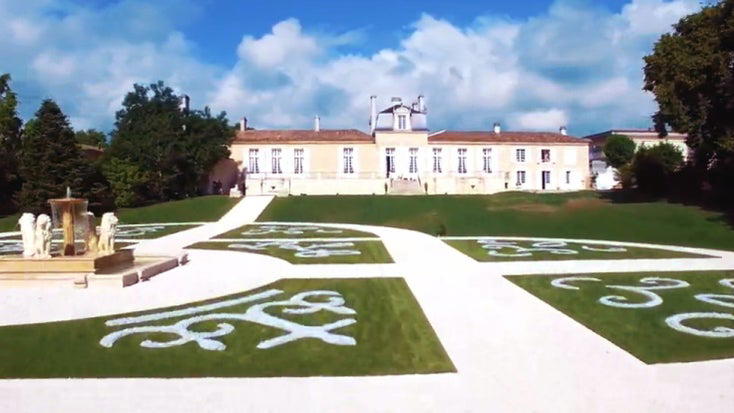
Bars in Saint-Julien-Beychevelle
Browse all →
Details
- Elegant
- Romantic
- Classic
- Sophisticated
- Wine Education
- Romantic Getaway
- Group Outing
- Special Occasion
- Barrel Room
- Estate Grounds
- Vineyard Tour
- Historic Building
- Private Tasting
- Vineyard
- Garden
- Cabernet Sauvignon
- Merlot
- Petit Verdot
- Still Red
- Guided Estate Tour
- Vertical Tasting
- Food Pairing Tasting
- English
- French
Beautifully manicured property with perfectly appointed tasting rooms, crystal-clear attention to detail throughout, and a welcoming atmosphere that balances historic charm with modern hospitality.