

The estate produces Tempranillo-led Ribera del Duero wines from its red-stone winery complex, and operates within the tighter allocation tier of Spain's most closely watched Duero producers.
Pearl is the En Primeur Club membership app — saves, bookings, and concierge access live there. Same editors, same standards.
- Address
- Camino de Carraovejas, s/n, 47300 Peñafiel, Valladolid, Valladolid
- Phone
- +34 983 87 80 20
- Website
- pagodecarraovejas.com
- Directions
- Get directions
 Saves & bookings on Pearl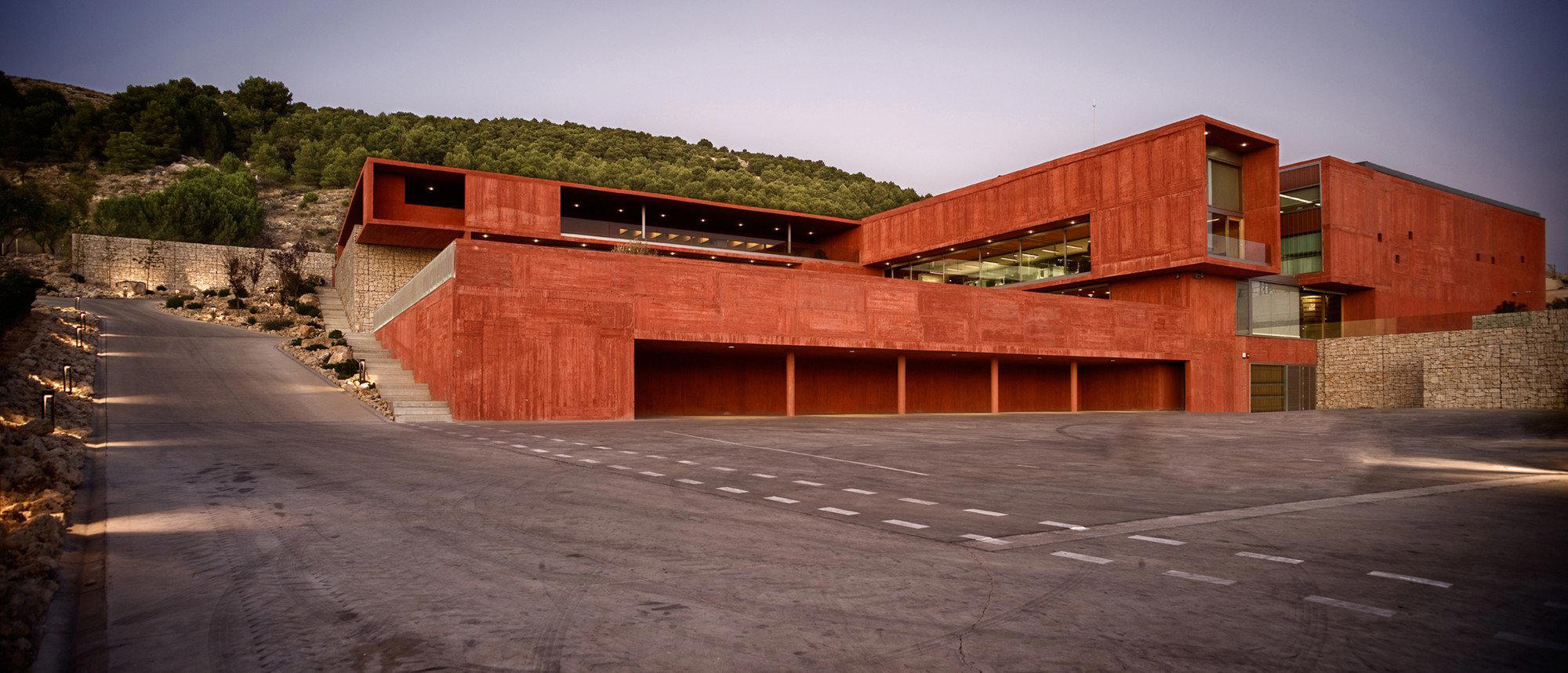
Red Stone, Red Wine: Approaching Pago de Carraovejas
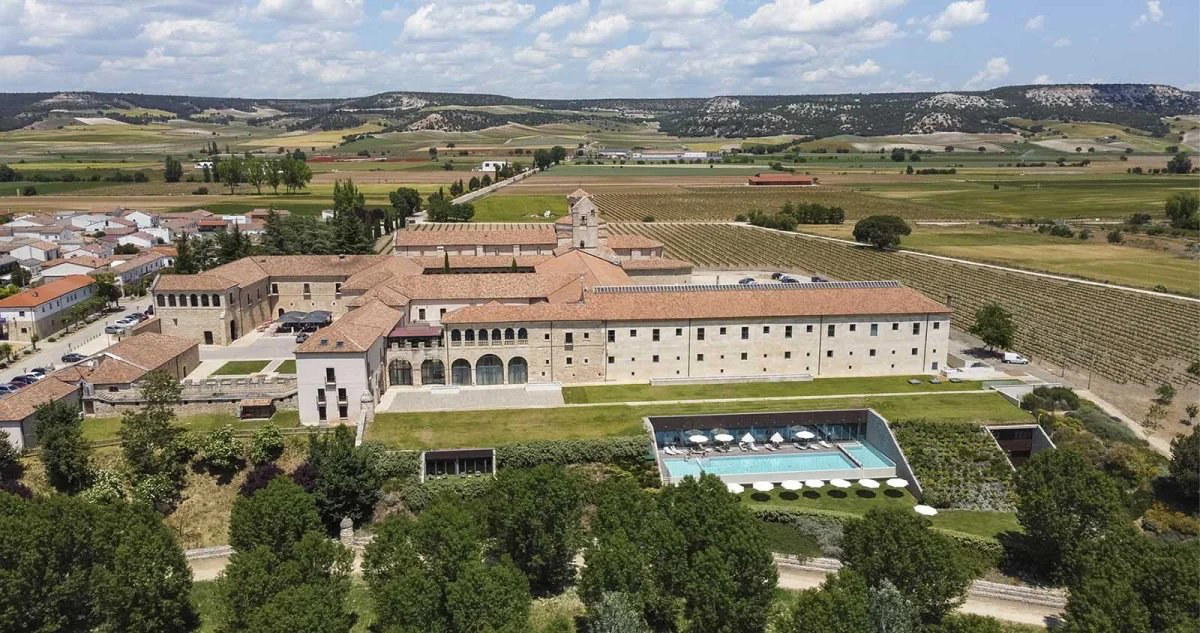
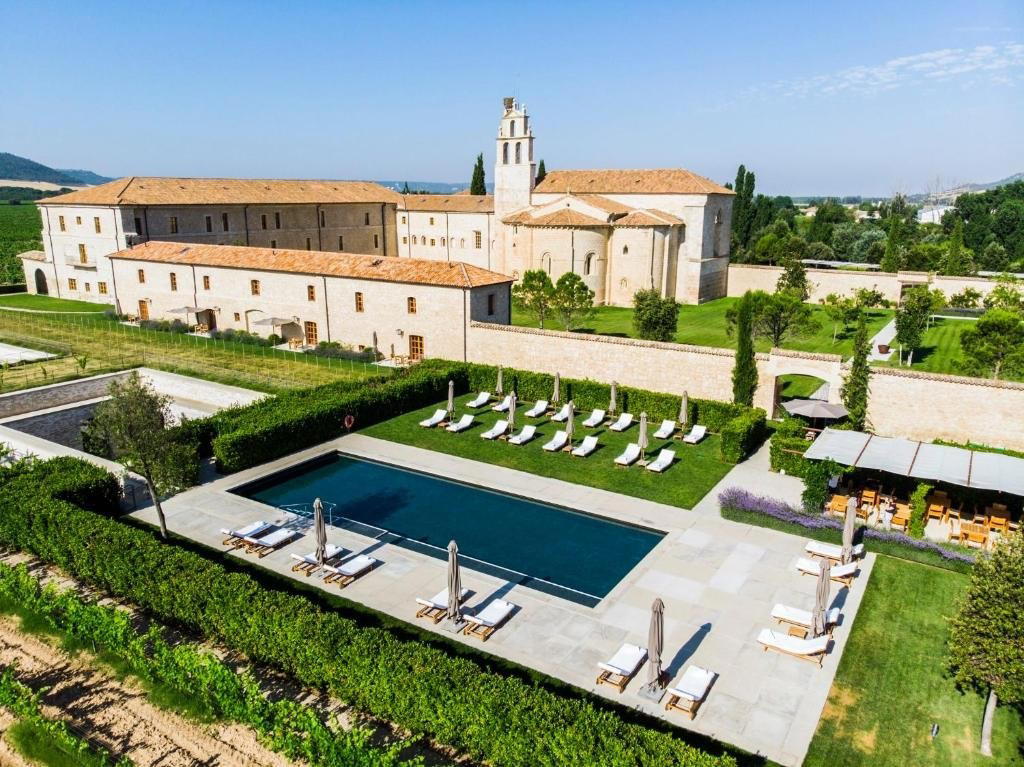
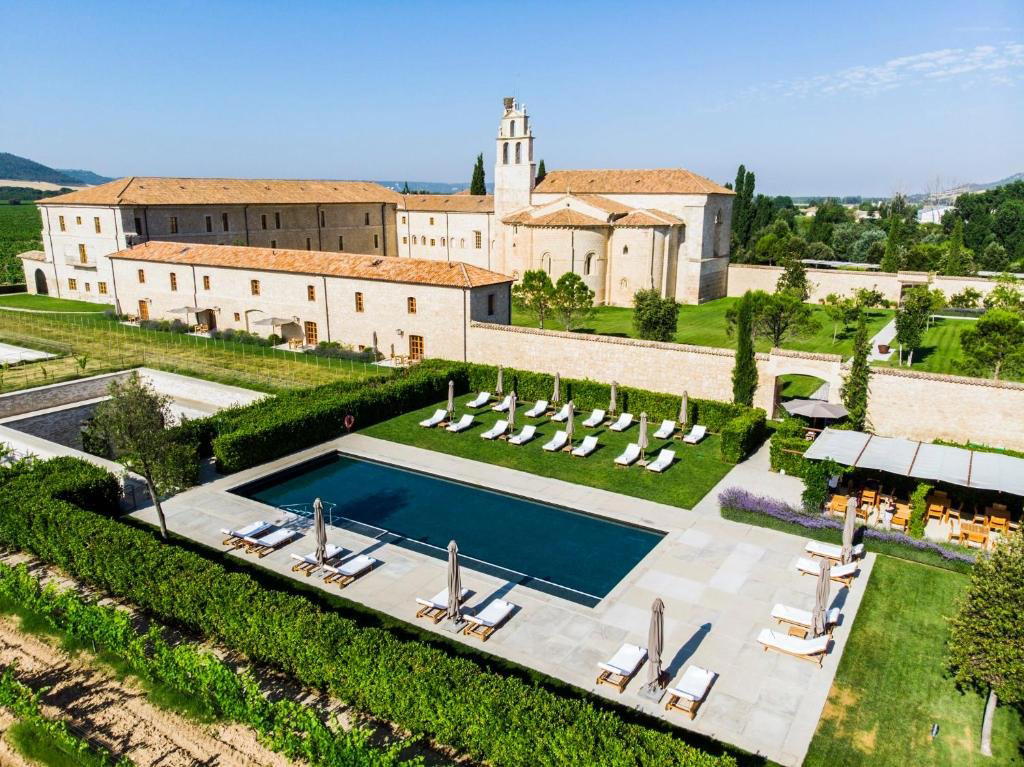
The approach to Pago de Carraovejas sets the register for everything that follows. The winery sits on a hillside outside Peñafiel along a road named for the estate itself, Camino de Carraovejas, and the view on arrival is among the more compositionally loaded in Ribera del Duero: vineyards dropping away below the building, and the Gothic silhouette of Castillo de Peñafiel rising on its narrow ridge above. That castle, which dates to the 15th century, has watched over this stretch of the Duero valley for centuries longer than any modern appellation designation has existed. The winery's architecture, built from the same warm-toned stone that characterises the village below, reads as a deliberate conversation with that history rather than an interruption of it.
Founded in 1987, Pago de Carraovejas entered the Ribera del Duero DO at a moment when the appellation was beginning to attract serious international attention. The founding year places it a generation ahead of many of the new-wave estates now competing for allocation customers, and the estate has had time to establish a clear identity within what has become one of Spain's most competitive red-wine regions.
Ribera del Duero's Tempranillo Argument
To understand the winery, it helps to understand the appellation it operates within. Ribera del Duero sits at altitude, typically between 700 and 900 metres above sea level, and the diurnal temperature swings that result from that elevation are largely responsible for the structural signature Ribera wines carry: firm tannins, concentrated colour, and an acidity that holds the fruit together longer than the climate might otherwise suggest. Tempranillo, locally called Tinto Fino or Tinto del País, is the dominant variety, and the region's critical reputation has been built almost entirely on its expression of that grape.
The comparable set in Ribera del Duero divides broadly into two camps. Estates with international profiles and significant production volumes, among them Bodegas Protos and Arzuaga Navarro, compete on consistency and export reach. A smaller cohort, including Emilio Moro and the cult-tier Pingus, pursues more constrained production and tighter allocation. The winery has historically occupied a middle-to-upper position in this spectrum, with wines that attract collector attention without the extreme scarcity that drives Pingus pricing to multiples above appellation norms.
That single-estate logic, the idea that a pago, or named vineyard, carries meaningful terroir information beyond the broader DO, is precisely what the winery has built its identity around. The word pago in the estate's name is not incidental; it signals a claim about place specificity that the winery has been making since before Spain formalised its Vino de Pago category in 2003.
What the Winemaking Approach Signals
The current programme is not detailed here. What the estate's profile does signal is the broader philosophy that has come to define this tier of Ribera del Duero production. Estates operating at this prestige level in the appellation have generally moved toward longer maceration periods, more selective sorting, and a moderated use of new oak compared to the extraction-heavy styles that defined Ribera's first wave of international success in the 1990s. Whether Carraovejas's current winemaking sits closer to that older power-forward tradition or the more restrained direction taken by some newer prestige producers is something worth confirming directly with the estate before a visit.
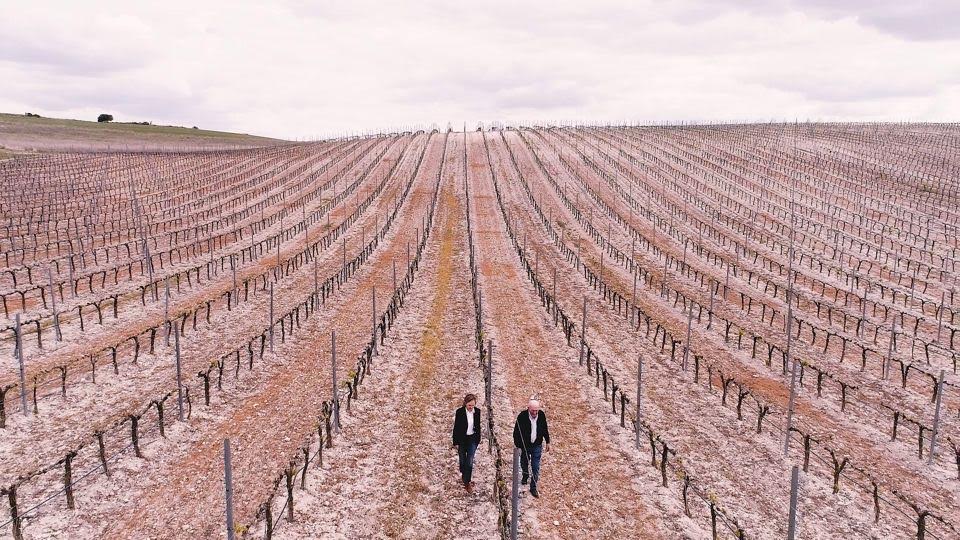
What is verifiable is the raw material: the estate's vineyards occupy a south-facing slope with Ribera red clay-limestone soils. Vine age matters considerably in this appellation, with old-vine fruit from Tinto Fino carrying the concentration that justifies prestige pricing, and the estate's 1987 founding means its own plantings are now approaching the threshold age at which many producers in the region begin to reserve fruit for their upper-tier bottlings.
Peñafiel as a Wine Destination
Peñafiel itself is a small Castilian town of around 5,000 residents, and its identity as a wine destination is inseparable from the castle that dominates its skyline. The Castillo de Peñafiel houses the Museo Provincial del Vino, which provides appellation-wide context before or after a winery visit. The town sits roughly 55 kilometres east of Valladolid, accessible by car via the A-11, and most visitors arrive as part of a broader Ribera del Duero itinerary rather than making Peñafiel a standalone destination. For those building a multi-estate programme through the valley, the route can extend east toward Emilio Moro in Pesquera de Duero or west in the direction of Abadía Retuerta in Sardón de Duero.
The broader Spanish wine circuit extends this logic further: producers like CVNE in Haro and Marqués de Cáceres in Cenicero anchor the Rioja Alta, roughly two hours north by road, while Bodegas Ysios in Laguardia and Bodegas Vivanco offer architectural-winery experiences in the Rioja Alavesa that pair well with a Ribera itinerary built around contrasting regional styles. For those extending further into Spain's wine geography, Lustau in Jerez, Codorníu in Sant Sadurní d'Anoia, and Marqués de Griñón in Malpica de Tajo each represent distinct regional identities. For comparison beyond Spain, Accendo Cellars in St. Helena and Aberlour operate in similarly prestige-defined production tiers in their respective categories.
Planning a Visit
The winery operates at Camino de Carraovejas, s/n, 47300 Peñafiel, Valladolid. Visit formats, tasting fees, and booking requirements are not confirmed here. Harvest season, broadly late September through October in Ribera del Duero given the appellation's altitude, is typically the highest-demand period for visits, and the estate's prestige standing means tour slots at this time of year fill well in advance. Spring visits, from April through June, tend to offer more flexible scheduling and the opportunity to see the vines in early growth against the backdrop of the still-cool Castilian plateau.
Price and Recognition
Comparable venues nearby, for context on price, style, and recognition.
| Venue | Cuisine | Price | Awards | Notes |
|---|---|---|---|---|
| Pago de CarraovejasThis venue — the venue you are viewing | Peñafiel, Tinto Fino, Cabernet Sauvignon | $$$ | World's 50 Best #18 | Not listed |
| Bodegas Protos | Peñafiel, Tempranillo, Tinto Fino | $$$ | Not listed | Not listed |
| Dinastía Vivanco | Briones, Tempranillo, Graciano | $$$ | World's 50 Best #24 | Not listed |
| Arzuaga Navarro | Not listed | $$$ | World's 50 Best #64 | Quintanilla de Onésimo, Tempranillo, Cabernet Sauvignon |
| Marqués de Murrieta | Rioja Alta, Tempranillo, Graciano | $$$ | World's 50 Best #30 | Not listed |
| Bodegas Vivanco | Briones, Tempranillo, Graciano | $$$ | World's 50 Best #24 | Not listed |
Recognition history
Dated appearances from independent guides and award organizations, with the underlying list record or original source where available.
Falstaff Winery - 4 Stars
Falstaff
World's 50 Best Best Vineyards #18
World's 50 Best
Continue exploring
More in Peñafiel
Wineries in Peñafiel
Browse all →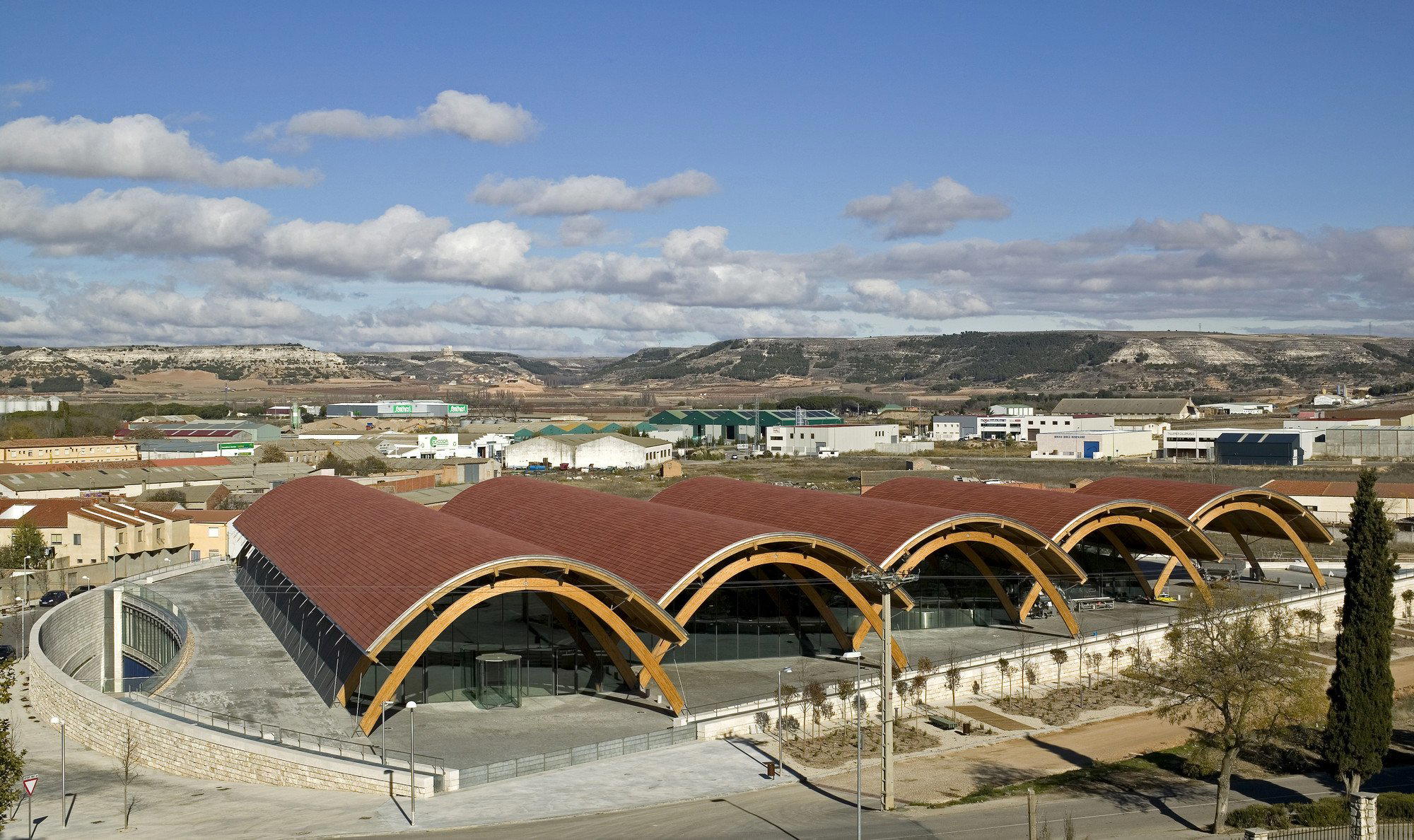
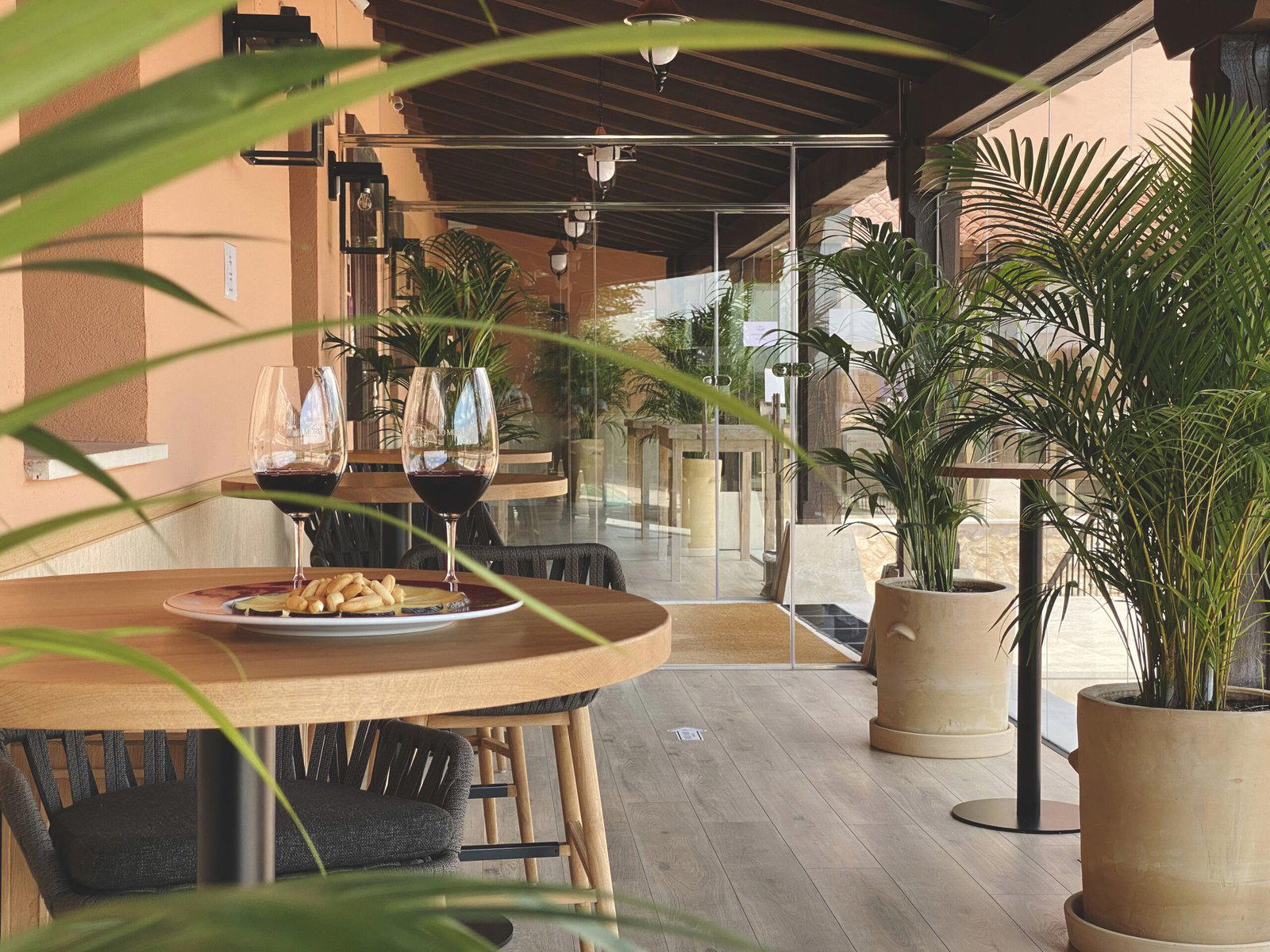

Restaurants in Peñafiel
Browse all →
At a Glance
- Elegant
- Rustic
- Scenic
- Sophisticated
- Wine Education
- Special Occasion
- Group Outing
- Vineyard Tour
- Estate Grounds
- Panoramic View
- Sustainable
- Vineyard
- Mountain
- Ribera Del Duero DO
- Tinto Fino
- Cabernet Sauvignon
- Merlot
- Still Red
- Cave Tasting
- Private Tasting
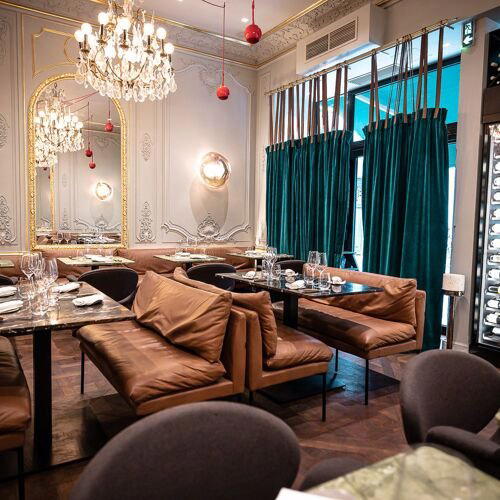
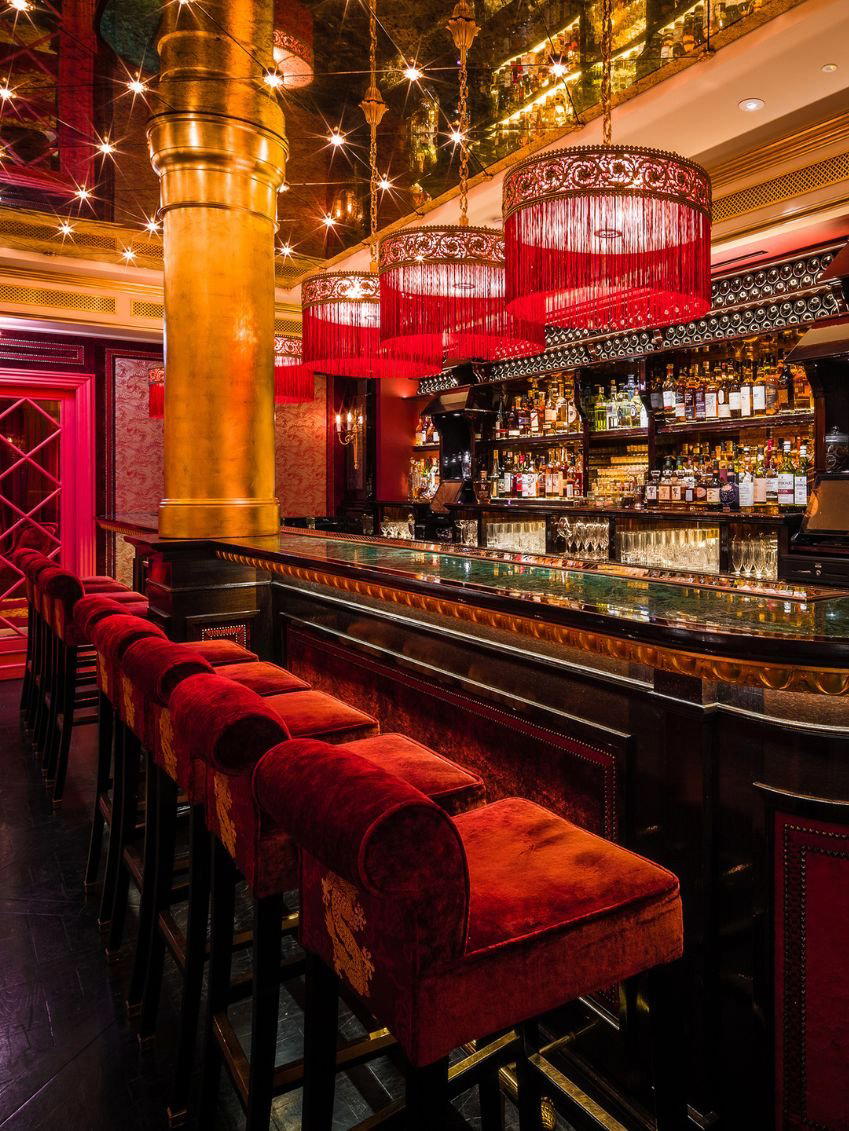
Elegant and sophisticated with immersive vineyard views and attention to detail in a modern facility overlooking Peñafiel Castle.