
Falstaff Winery - 5 Stars
The property at Contrada Dispensa is a reference point for understanding how Sicilian viticulture has reshaped its international reputation over the past three decades.

Pearl is the En Primeur Club membership app, where members save venues, book tables and use the concierge.
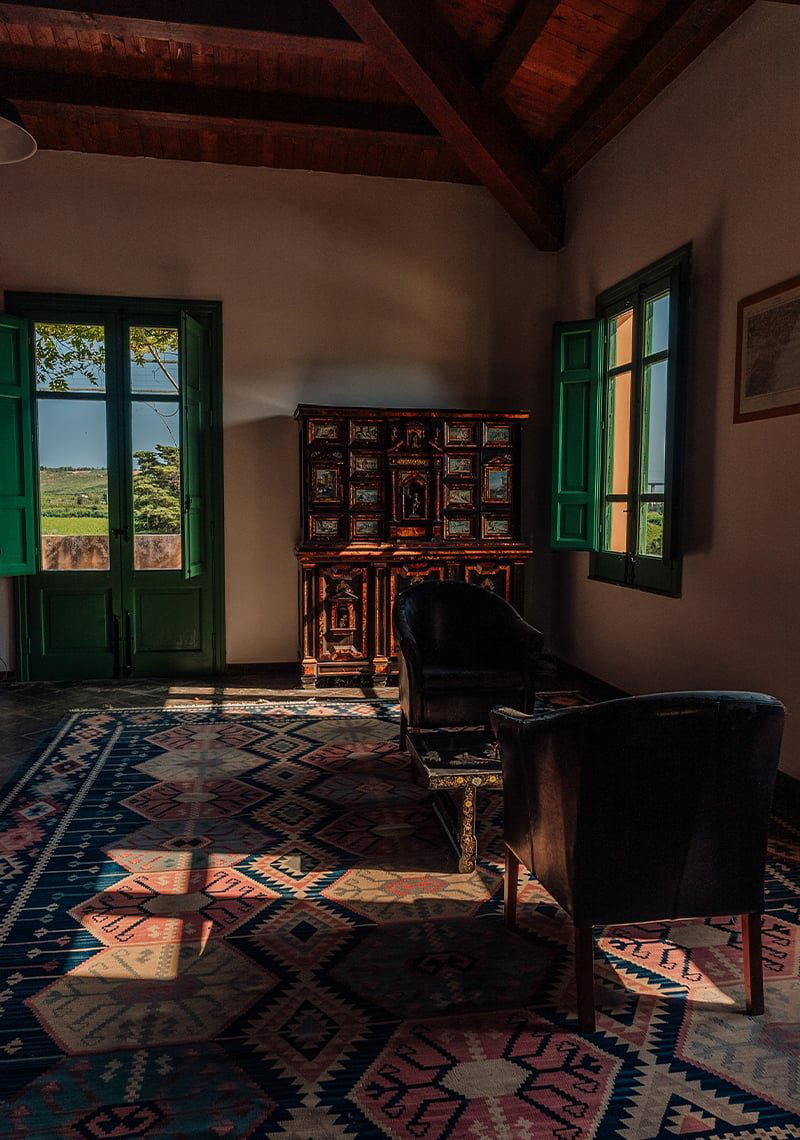
Where the Mediterranean Makes Itself Known
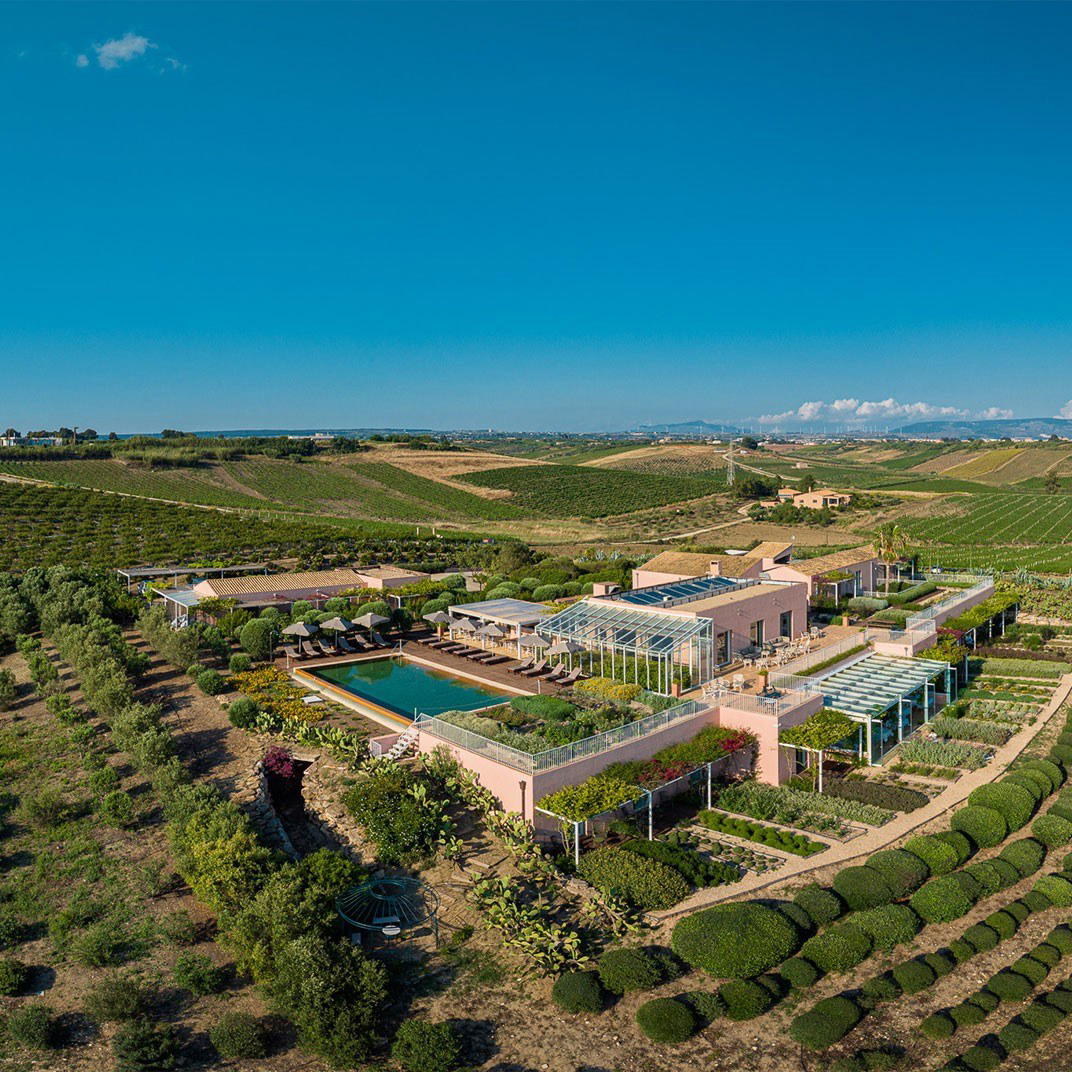
Approach Contrada Dispensa from the Menfi road and the landscape signals its intentions before you arrive: low scrub, limestone outcrops, and a horizon that feels closer to North Africa than to Tuscany. This is Sicily's southwest, where the growing season is long and dry, afternoon winds off the Strait of Sicily keep temperatures from tipping into excess, and the soils carry a minerality that shows up in the glass with unusual directness. Planeta's home estate occupies this terrain, and the physical setting is inseparable from understanding what the wines are trying to say.
For the broader context of Italian premium wine, see our full Menfi restaurants and producers guide. Menfi itself remains one of Sicily's less-trafficked DOC zones in terms of international attention, even as its producers have accumulated serious critical recognition. That relative quietness is part of what makes visiting the zone worthwhile: the infrastructure remains modest, the tourism industry has not caught up with the quality, and the experience at the estate retains a working-winery character rather than a polished visitor-center format.
The Sicilian Terroir Argument
Sicily's rehabilitation as a serious wine region is one of the more dramatic shifts in Italian wine over the past thirty years. For much of the twentieth century, the island's output served as anonymous blending material for northern Italian and French producers seeking volume and colour. The turn toward estate-bottled, variety-specific production, anchored in native grapes like Nero d'Avola, Nerello Mascalese, Grillo, and Carricante, redefined what Sicily could credibly claim. Planeta sits squarely within that reorientation, operating across multiple Sicilian zones to map the island's viticultural diversity rather than consolidate around a single appellation.
The Menfi estate is the origin point of that project and the place where the western Sicilian argument for Nero d'Avola and white varieties drawn from indigenous stock is made most directly. The soils here differ materially from the volcanic basalt of Etna, which has attracted most of the recent critical attention in Sicilian wine. Menfi's terrain is sedimentary, with clay and limestone combinations that produce wines with structural weight and a particular texture, rather than the lifted, high-acid profiles that Etna's altitude generates. These are two distinct arguments about what Sicily can be, and understanding the contrast sharpens appreciation of both.
For comparison with how other Italian regions have built similarly deliberate terroir identities, the approach at Castello di Volpaia in Radda in Chianti offers a useful reference point in a Tuscan context, where altitude and limestone play analogous roles in shaping a distinctive house style within a well-established appellation.
For a multi-estate Sicilian producer operating across geographically distinct zones, that kind of consistency is genuinely difficult to achieve: soil types, microclimates, and the behaviour of different grape varieties across sites all introduce variables that can fragment a portfolio into uneven results. The rating suggests the opposite pattern.
Lungarotti in Torgiano represents a similar model in Umbria, where a family producer built an appellation's reputation from the ground up. Produttori del Barbaresco offers another reference: a collective that has maintained rigorous standards across decades in one of Piedmont's most demanding varieties. Aldo Conterno in Monforte d'Alba represents the single-estate Barolo tradition at its most focused. Planeta operates at a different scale and across different varieties, but the underlying commitment to appellation-specific expression that earns sustained critical respect connects them.
The Wines: Native Varieties as the Core Argument
Sicily's most credible contemporary wines are built around varieties that grow nowhere else in comparable form: Nero d'Avola in the south and centre, Nerello Mascalese on Etna's slopes, Grillo and Catarratto among the whites. At Menfi, the focus falls on the varieties suited to the western coastal terroir, where the combination of heat, wind exposure, and sedimentary soils favours concentration without forcing alcohol into imbalance. The white wines here carry a saline quality that comes directly from the maritime proximity, a characteristic that expresses itself most clearly in still wines made from Grecanico and Grillo.
Nero d'Avola, the signature red variety of southwestern Sicily, is the reference point for understanding what the Menfi estate is doing structurally. At its most resolved, it produces wines with deep colour, cherry and dried herb character, and tannins that sit differently from either Sangiovese or the Nebbiolo-family varieties of the north. The comparison with northern Italian varieties is instructive: producers like Ca' del Bosco in Erbusco, operating in Franciacorta with entirely different varieties and methods, show how regional specificity can be the entire point. The argument at Menfi is similarly regional, but the reference point is the Mediterranean basin rather than the Alpine foothills.
Sicily in the Wider Italian Wine Map
Italian wine's strength has always been its geographic and varietal plurality: no other wine country deploys as many distinct native varieties across as many climatically diverse zones. Sicily sits at the southern extreme of that map, its production shaped by latitude, proximity to the sea, and a long agricultural history that predates the Roman period. The island's ancient Greek settlers planted vines here, and some of the variety names in use today carry etymologies that trace back to that pre-Roman presence.
That historical depth doesn't automatically translate into quality, but it does explain why the native variety argument is so coherent in Sicily: these grapes have centuries of adaptation to the local conditions, and that adaptation shows in how naturally they seem to fit the terrain. The contrast with international varieties planted here during the 1980s and 1990s, when global market pressures pushed Sicilian producers toward Chardonnay and Cabernet Sauvignon, is instructive. Those experiments produced competent wines, but they rarely produced wines that couldn't have come from somewhere else. The current native-variety focus does something different.
For producers working in analogous ways in other parts of Italy, the commitment to place-specific production is visible across regions. L'Enoteca Banfi in Montalcino and Poggio Antico in Monte San Vito operate within the Brunello di Montalcino appellation, where the regulatory framework enforces a similar commitment to single-variety, place-specific expression. Accendo Cellars in St. Helena represents the Napa approach to site specificity across the Atlantic, where single-vineyard Cabernet is the vehicle for a comparable argument about terroir transparency.
Planning a Visit to Contrada Dispensa
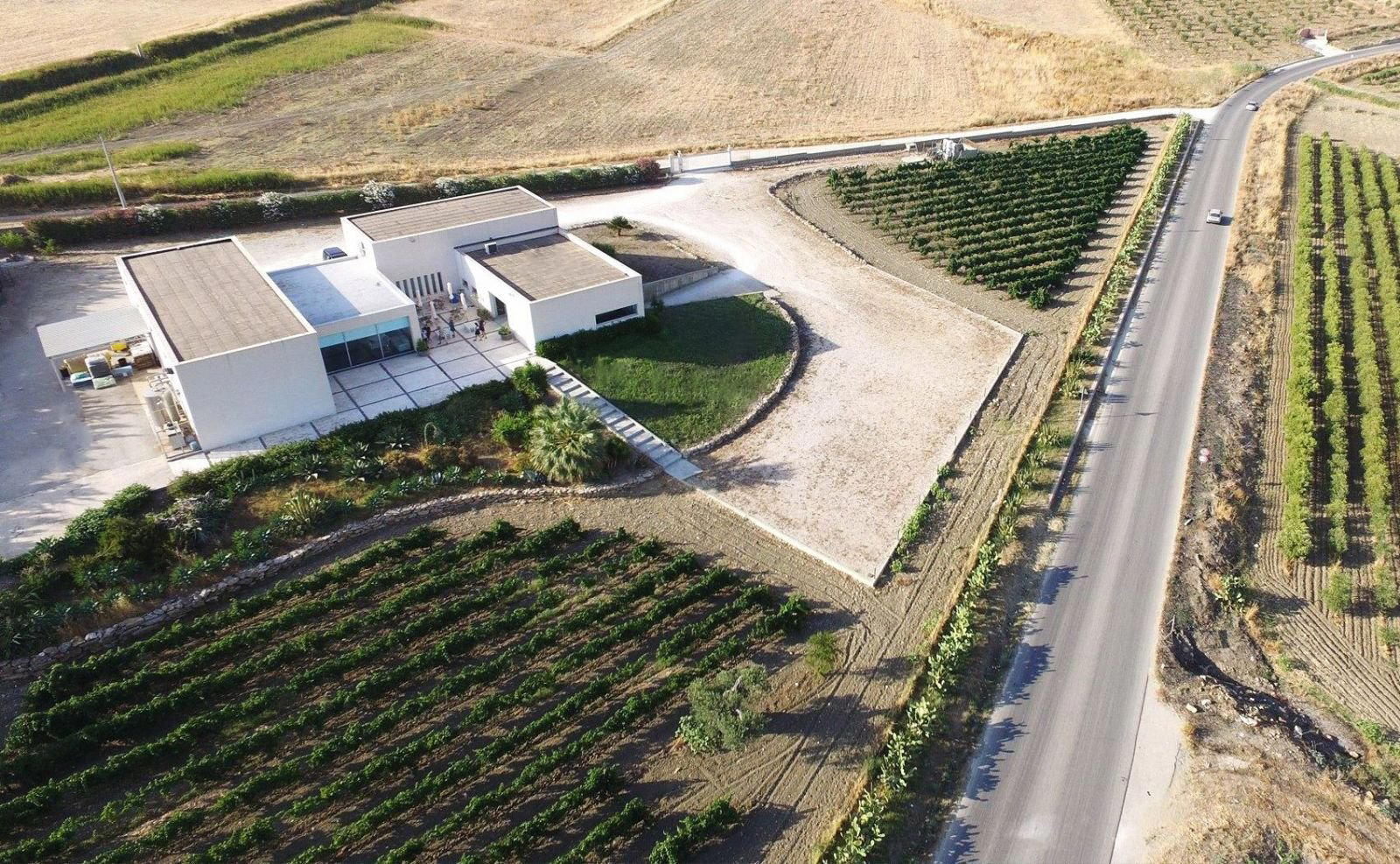
The estate at Contrada Dispensa, 92013 Menfi AG, sits in the agricultural zone southwest of the town of Menfi, accessible by road from the SS115 coastal highway that runs between Agrigento and Mazara del Vallo. The surrounding area is not set up as a tourist corridor: accommodation options in Menfi town itself are limited, and most visitors coming specifically for wine use Agrigento or the coastal resorts near Sciacca as a base. The drive from Palermo runs approximately 120 kilometres on the A29 autostrada toward Mazara, with a turn south toward the coast.
Timing a visit to the estate aligns well with the harvest period in September and October, when the activity level at the winery is highest and the agricultural reality of the operation is most legible. The Sicilian summer, by contrast, makes outdoor touring physically demanding before late afternoon. Spring, when the vines are in leaf and the scrubby Mediterranean flora is in flower, is the other season that rewards a visit to the property as a landscape experience.
For context on how Italian distilling traditions operate in proximity to winemaking culture, producers like Nonino Distillery in Pavia di Udine, Distilleria Marzadro in Nogaredo, Poli Distillerie in Schiavon, and Distilleria Romano Levi in Neive illustrate how grappa and distillate traditions map onto wine-producing regions across northern Italy. Sicily has its own relationship with alcohol production, though the island's identity in that domain runs more toward Marsala and agricultural spirits than the northern grappa tradition. And for a different category of Italian beverage heritage entirely, Campari in Milan represents the urban, industrial side of Italy's drinks culture, a useful contrast to the agricultural estate model that defines Planeta's operation in Menfi.
A Quick Peer Check
Comparable venues nearby, for context on price, style, and recognition.
| Venue | Cuisine | Price | Awards | Notes |
|---|---|---|---|---|
| PlanetaThis venue (the venue you are viewing) | Chardonnay, Nero d’Avola | Not listed | Falstaff Winery - 5 Stars | Not listed |
| Tasca d’Almerita | Nero d'Avola, Nerello Mascalese | $50–100 | Falstaff Winery - 5 Stars | Sclafani Bagni |
| Lamoreaux Landing Wine Cellars | Winery | $10–20 | Not listed | Lodi |
| Tenuta Brancalupo | Sagrantino, Trebbiano Spoletino | Not listed | Not listed | Montefalco |
| Benanti | Nerello Mascalese, Nerello Cappuccio | $50–100 | Falstaff Winery - 4 Stars | Viagrande |
| Cantina Produttori Nebbiolo di Carema | Nebbiolo | Not listed | Falstaff Winery - Listed | Carema |
Recognition history
Dated appearances from independent guides and award organizations, with the underlying list record or original source where available.
Falstaff Winery - 5 Stars
Falstaff
Continue exploring
More in Menfi
Wineries in Menfi
All wineries in Menfi →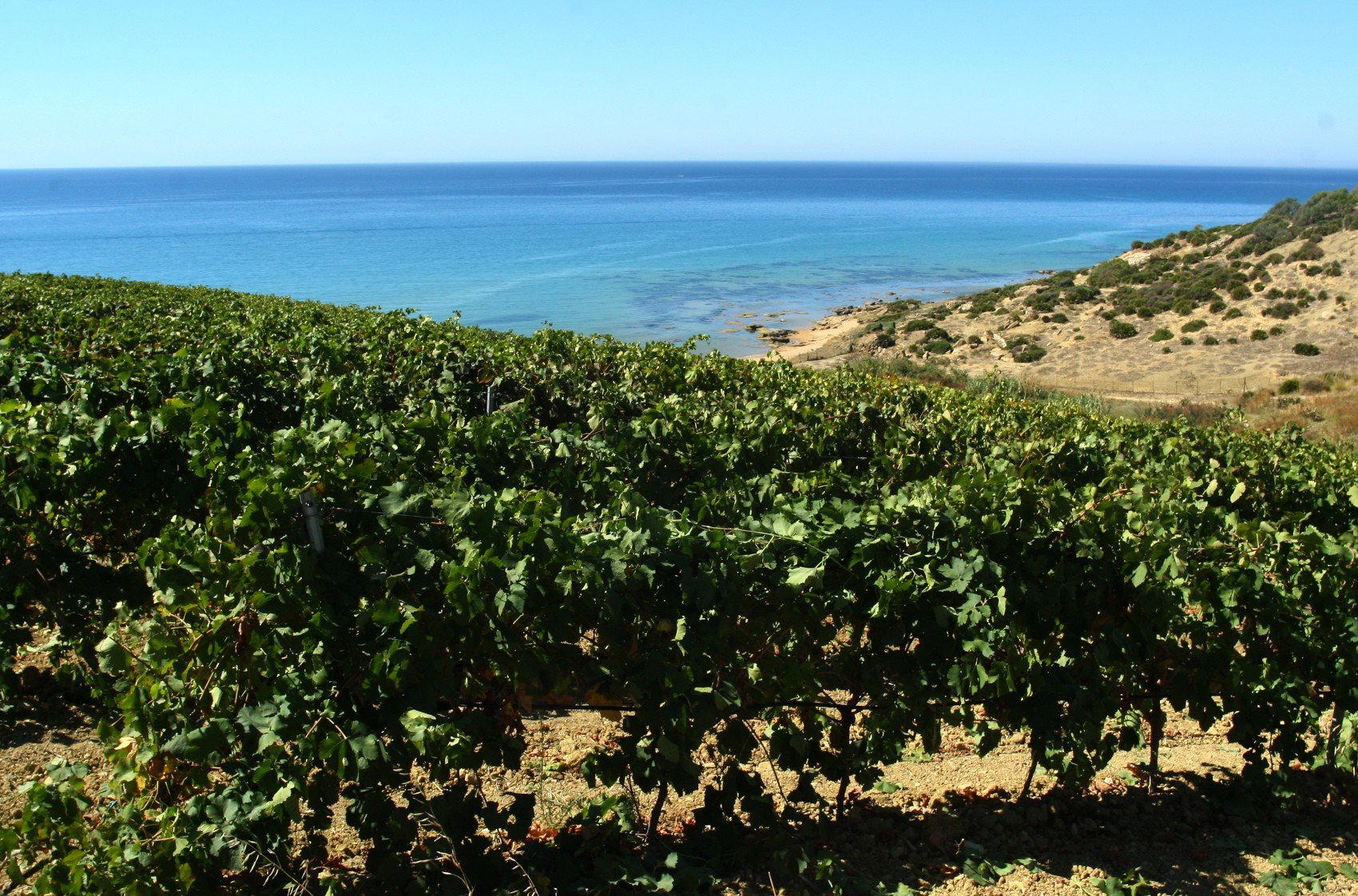

Restaurants in Menfi
All restaurants in Menfi →
Details
- Scenic
- Elegant
- Rustic
- Sophisticated
- Wine Education
- Special Occasion
- Romantic Getaway
- Vineyard Tour
- Panoramic View
- Estate Grounds
- Sustainable
- Vineyard
- Waterfront
- Chardonnay
- Nero D’avola
- Syrah
- Merlot
- Grecanico
- Fiano
- Still White
- Still Red
- Private Tasting
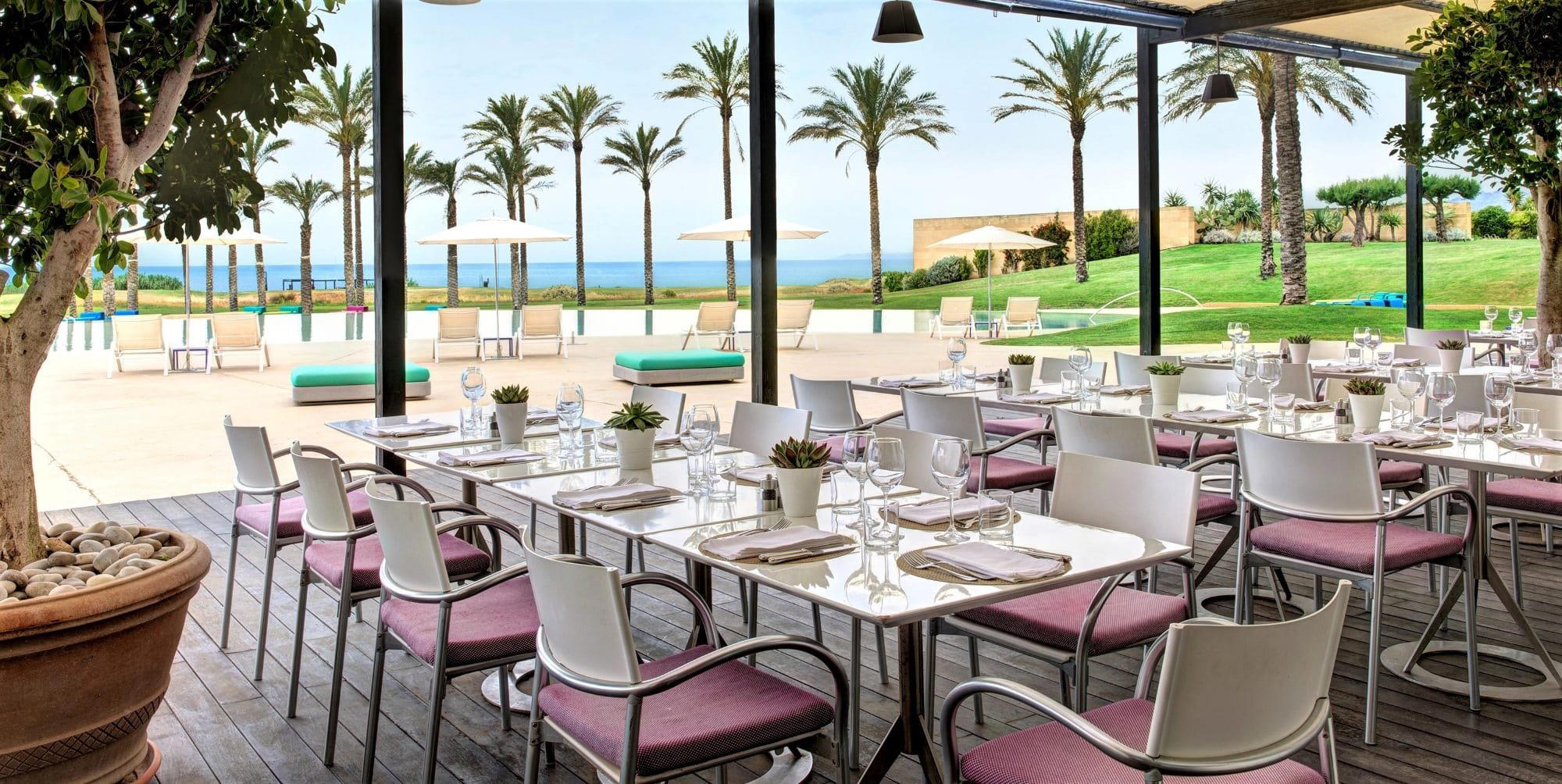
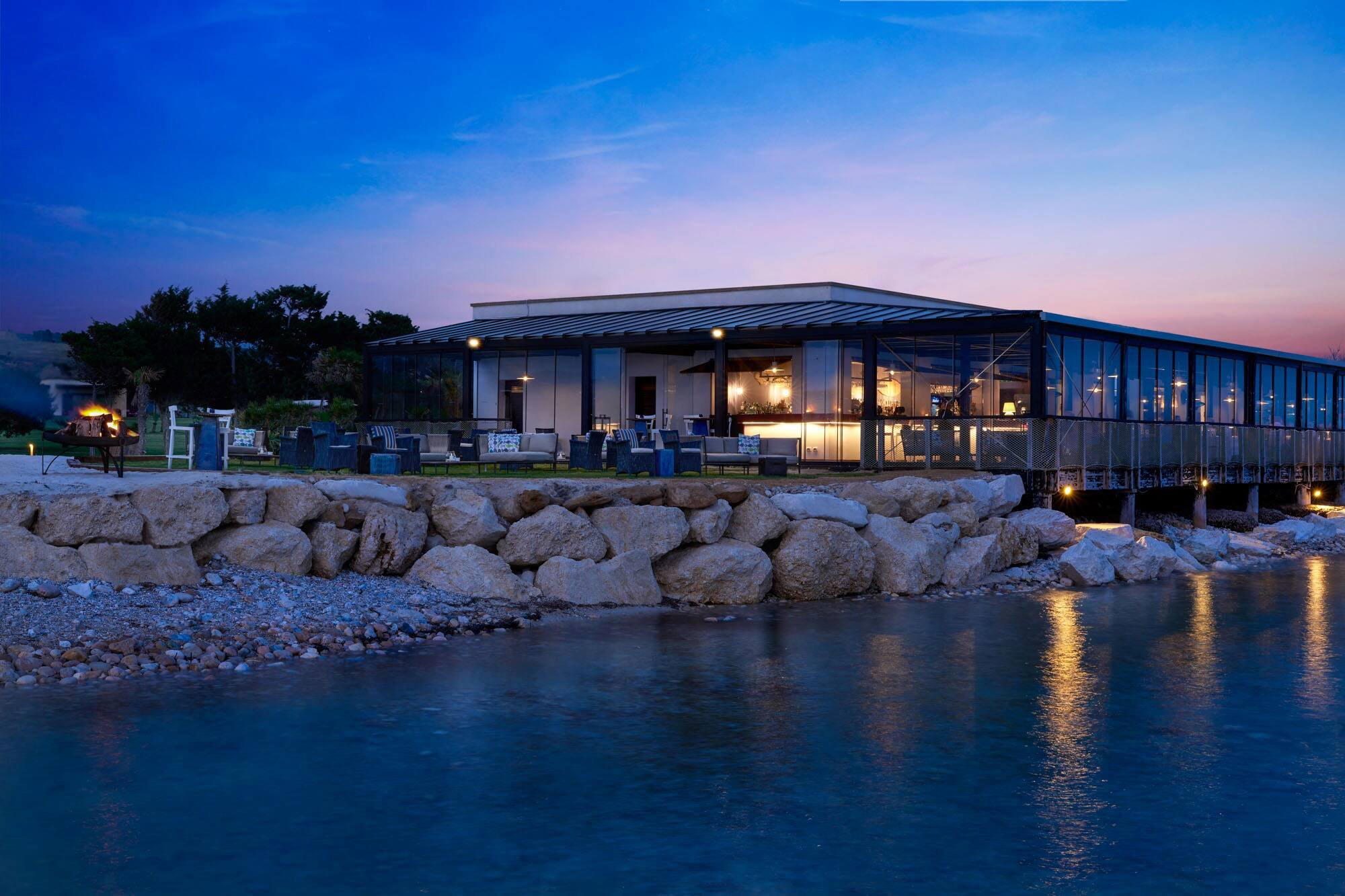
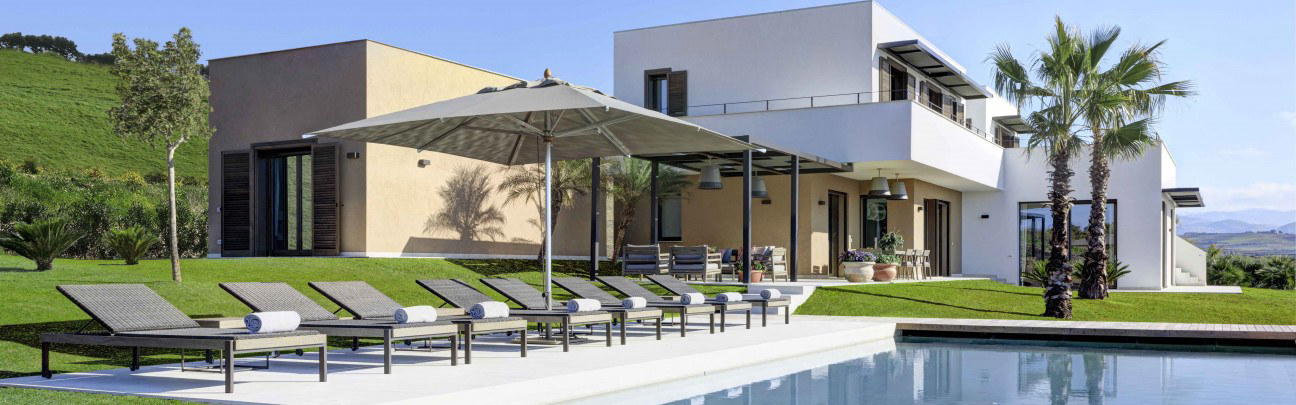
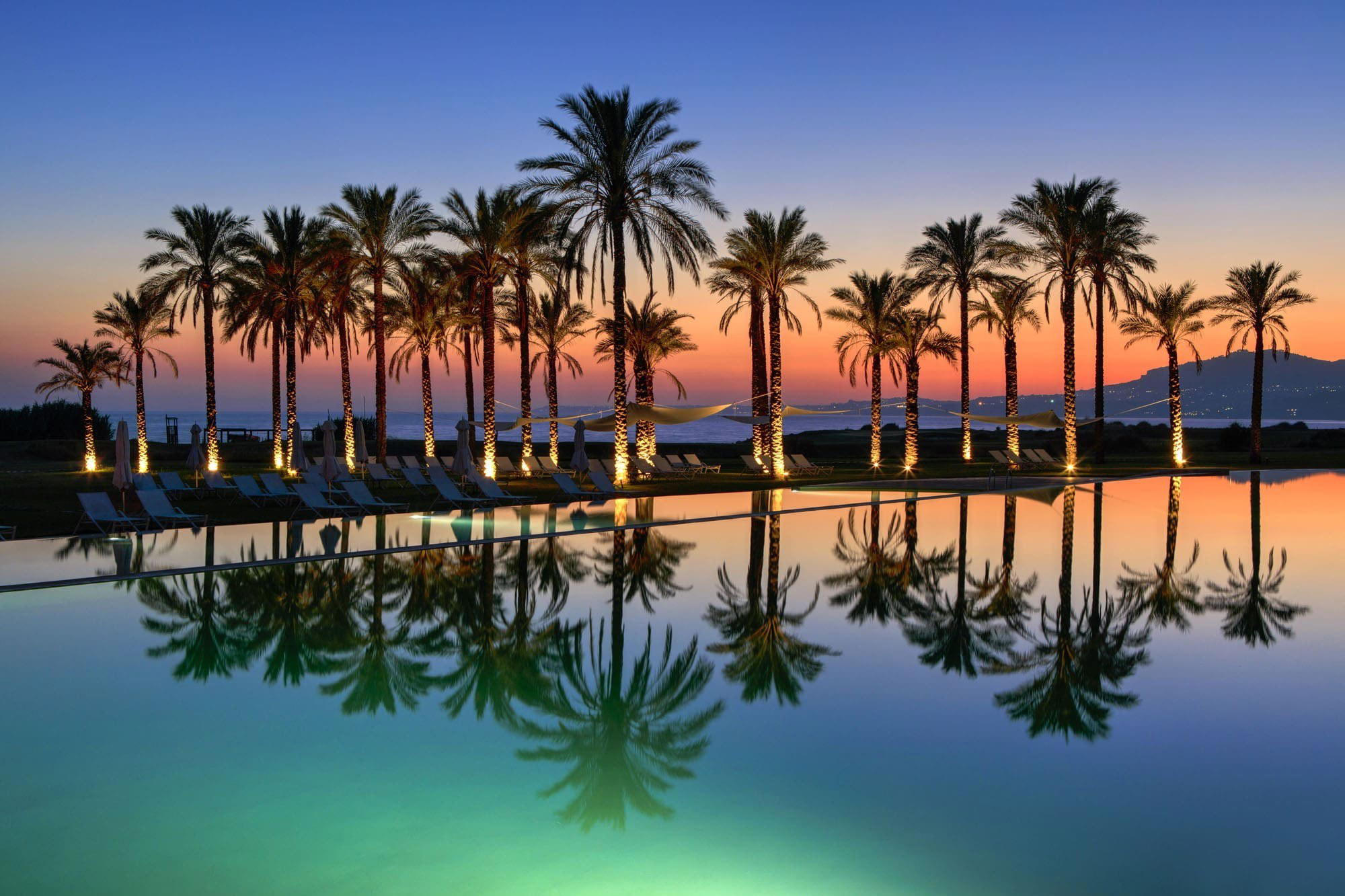
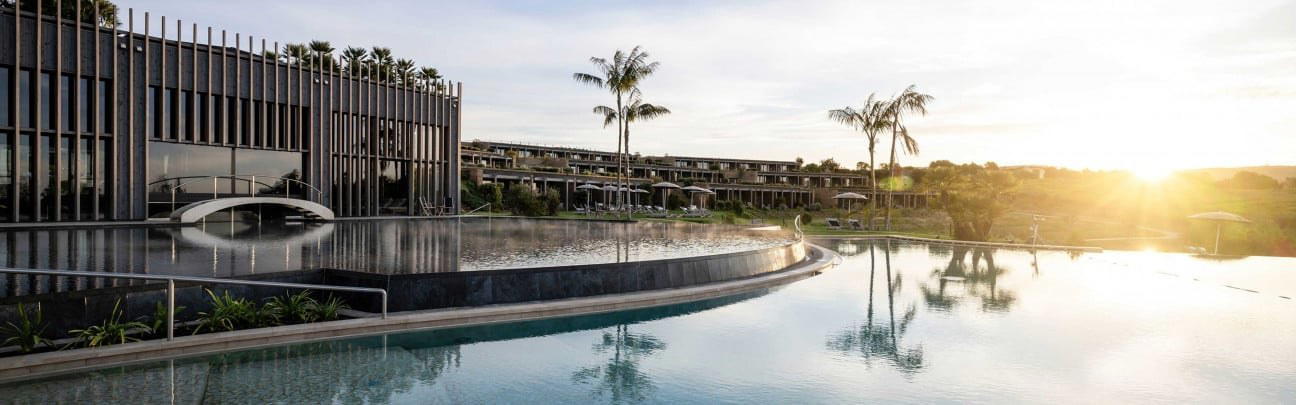
Peaceful oasis surrounded by rolling vineyards with dramatic panoramic views, infinity pool, and elegant relaxed atmosphere praised for tranquility and natural beauty.