Château Clos Fourtet


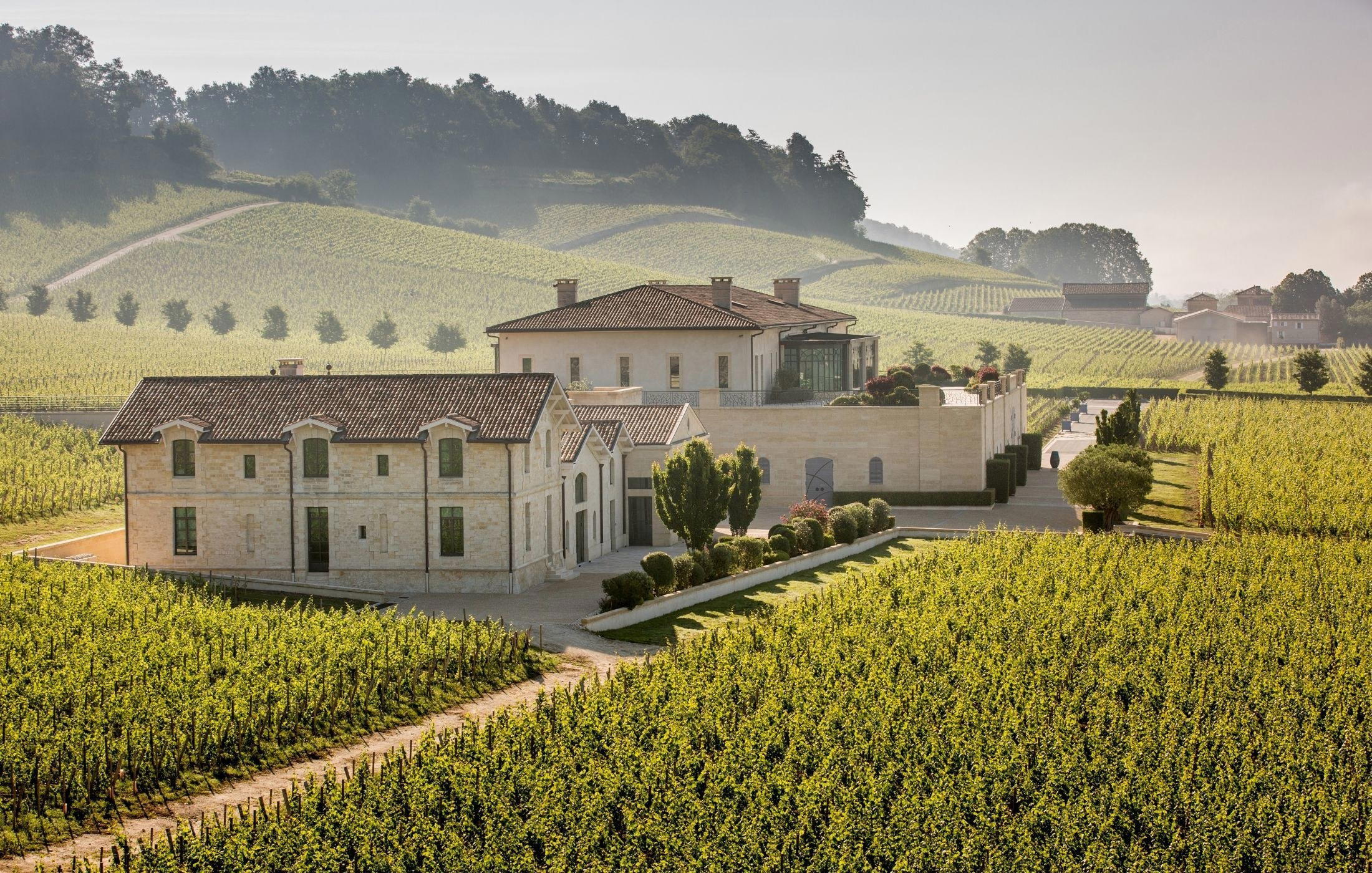
Château Clos Fourtet is a Saint-Émilion estate producing Merlot-dominant wines from limestone plateau vineyards on the plateau calcaire. Its position along the ancient town walls places it among the appellation's most historically rooted estates, operating within Saint-Émilion's Premier Grand Cru Classé tier alongside a compact peer group of plateau-focused producers.
Pearl is the En Primeur Club membership app — saves, bookings, and concierge access live there. Same editors, same standards.
- Address
- 99 Rue des Grandes Murailles, 33330 Saint-Émilion
- Phone
- +33 5 57 24 70 90
- Website
- closfourtet.com
- Directions
- Get directions
 Saves & bookings on Pearl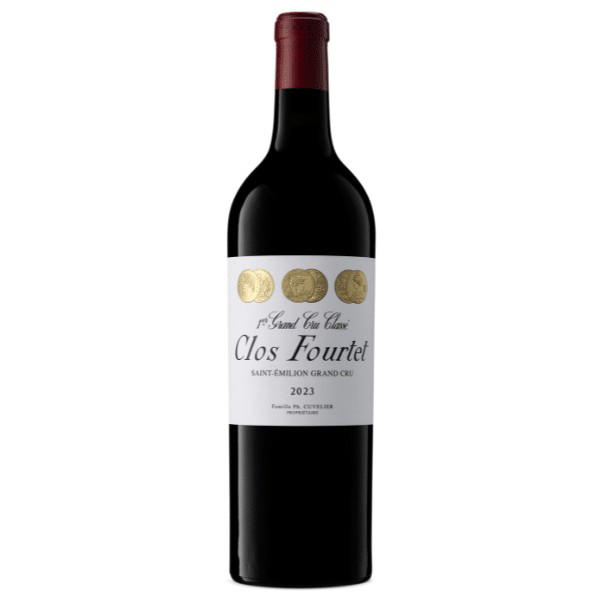
The Limestone Plateau and What It Means for Saint-Émilion's Top Tier
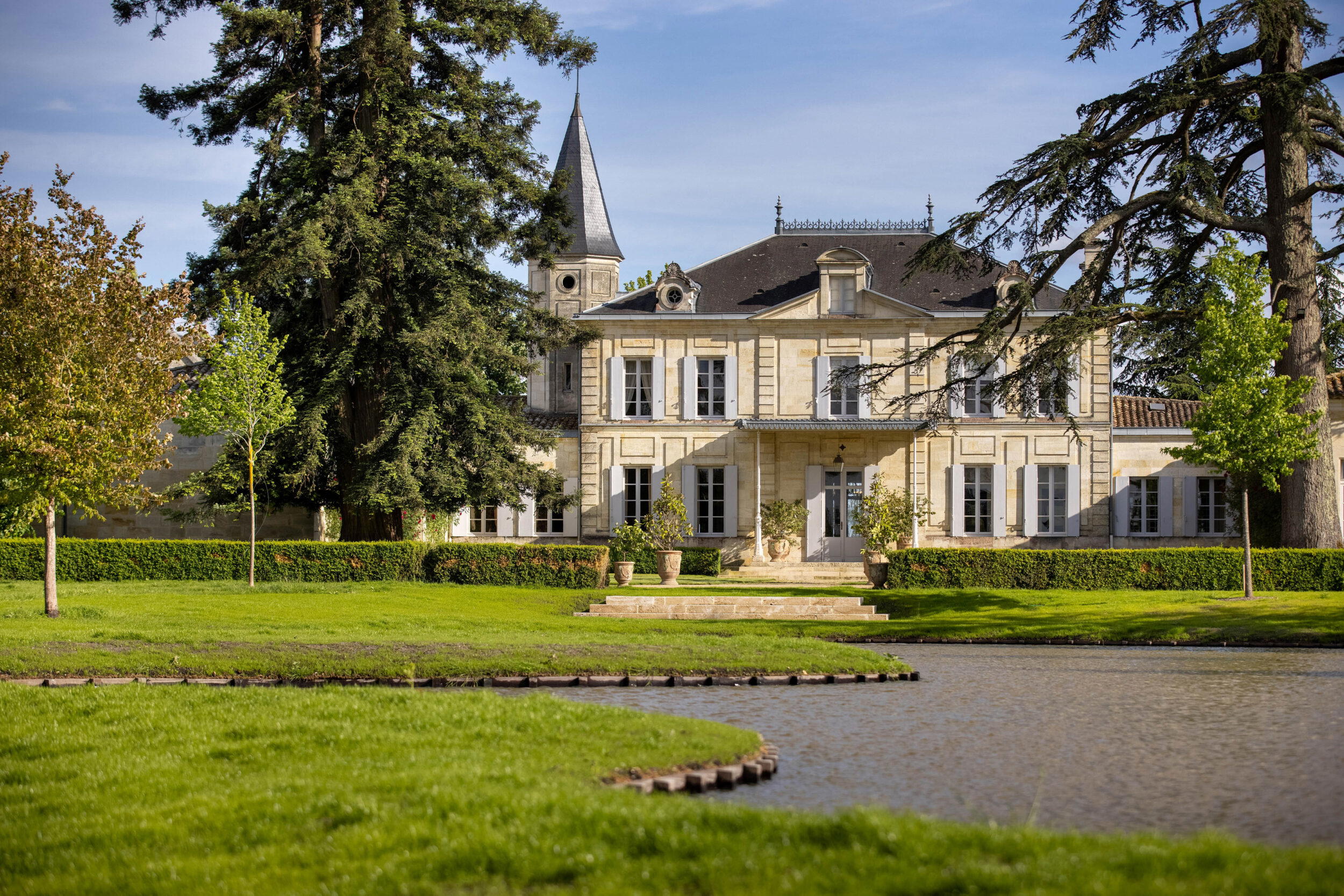
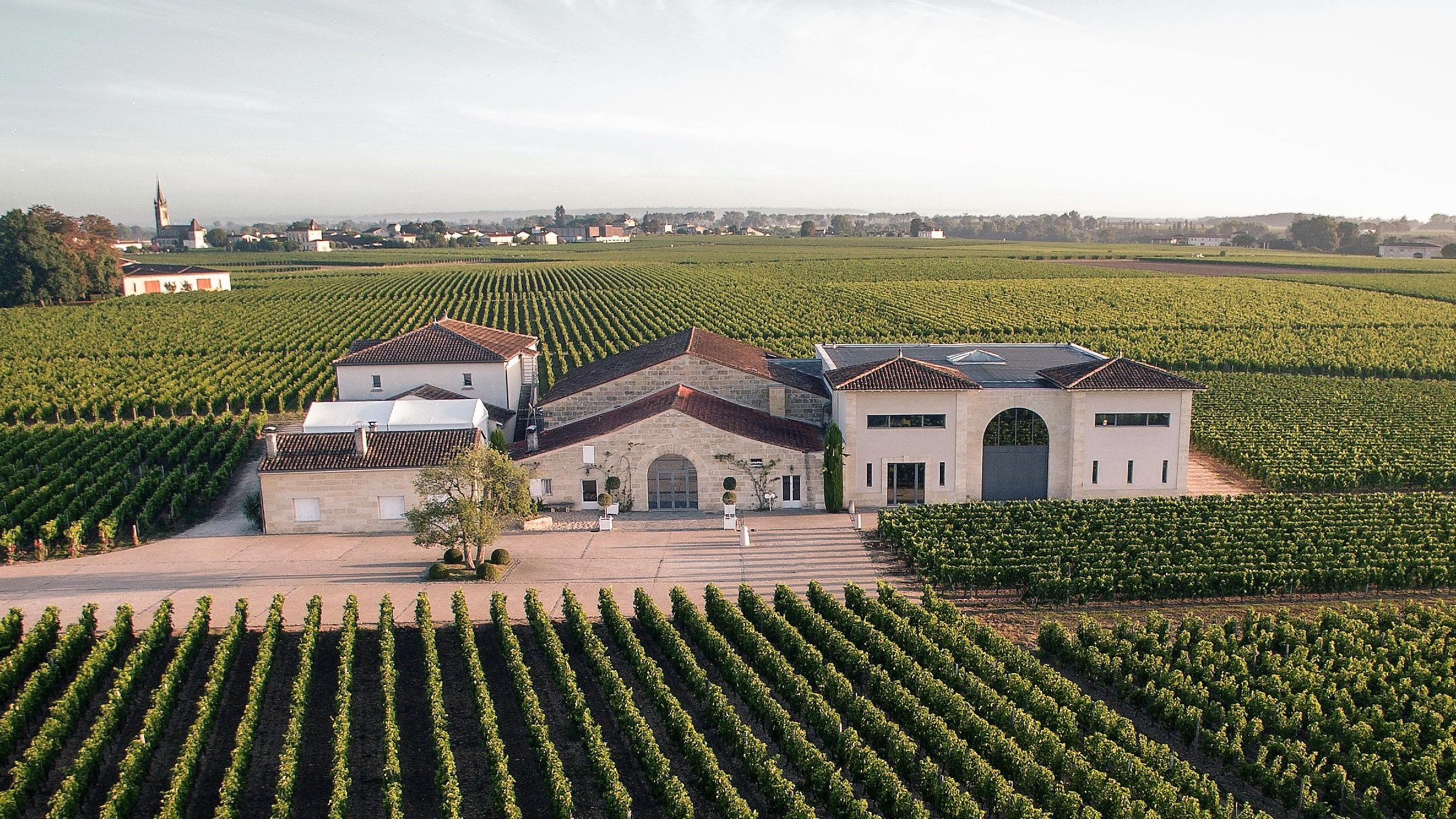
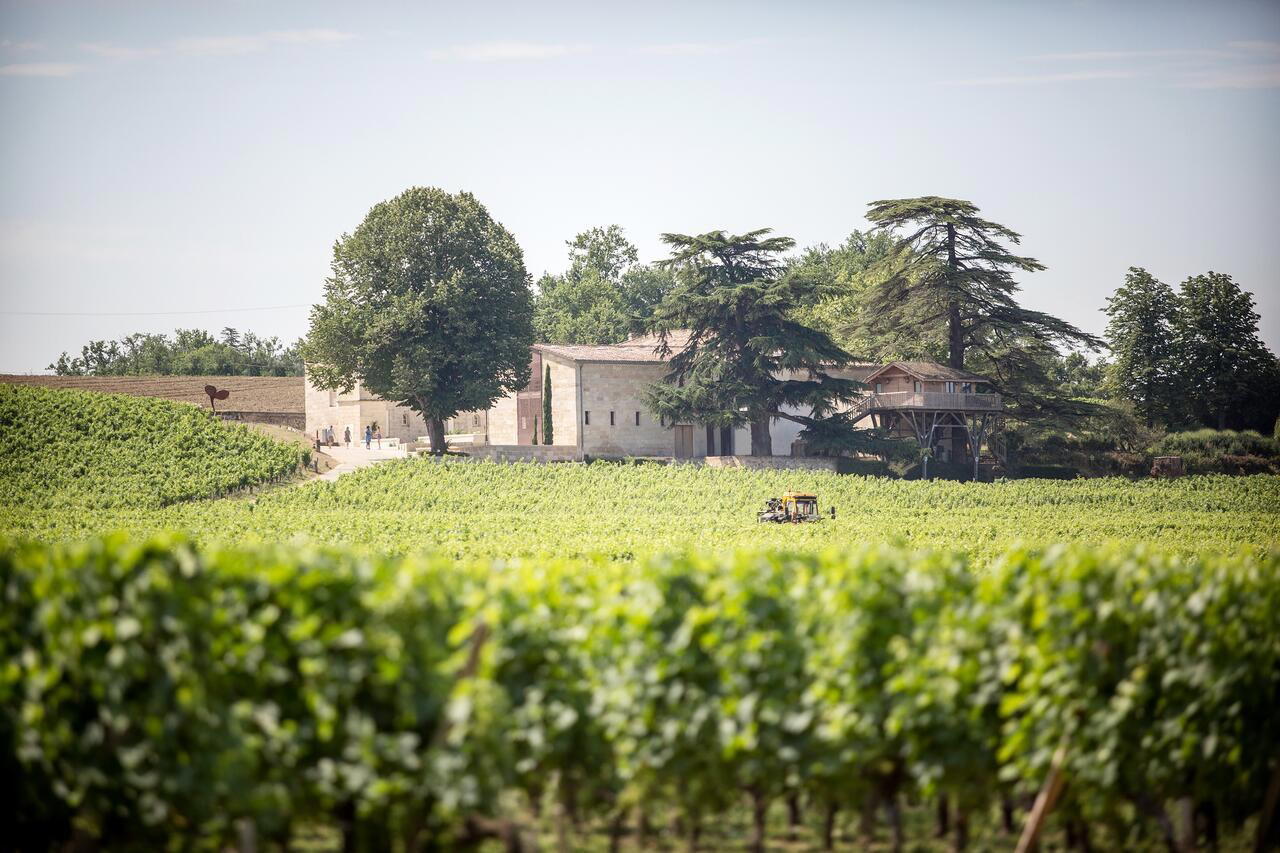
Stand at the edge of Saint-Émilion's medieval town and the ground beneath you tells most of the story. The plateau calcaire, the continuous limestone shelf that runs under the town and its immediate surroundings, is the appellation's most prized terroir, producing wines with a structural precision and mineral tension that the surrounding clay and sandy soils rarely replicate with the same consistency. Château Clos Fourtet occupies a prominent section of this shelf, its vineyards running directly along the ancient town walls at 99 Rue des Grandes Murailles. The address is almost a statement of provenance: the walls are part of the same limestone formation the vines grow on, and the estate's cave system extends beneath that rock.
In a region where terroir classification carries real commercial and critical weight, Saint-Émilion's classification system was revised and remains contested, plateau position functions as a geographic credential that precedes the bottle. Estates on the plateau calcaire sit in a different competitive conversation than those on the côtes or in the valley.
A Peer Group Defined by Ground, Not Just Reputation
Saint-Émilion's Premier Grand Cru Classé category contains roughly eighteen estates, but within that group the plateau and côte producers form distinct sub-clusters with different stylistic benchmarks. Clos Fourtet's immediate neighbours in both geography and prestige include Château Bélair-Monange and Château Canon-la-Gaffelière, both of which draw from similar limestone foundations and compete within the same allocation and pricing tier. Further along the côtes, estates like Château Larcis Ducasse and Château La Mondotte bring different soil profiles and, in La Mondotte's case, a micro-production model that operates almost outside the classification framework entirely.
Understanding where Clos Fourtet sits in that map matters for anyone tracking the appellation seriously. It is not a micro-château speculating on scarcity, nor is it a large-volume estate selling volume across price points. The estate produces at a scale that keeps it visible in the secondary market while retaining the plot-level focus characteristic of plateau producers. That balance, sufficient production to support ongoing critical tracking, small enough for meaningful vintage variation, defines much of its interest to collectors and merchants.
For comparison across other French wine regions, estates operating at a similar intersection of terroir prestige and moderate production volume include Albert Boxler in Niedermorschwihr and, at a different category entirely, the structured production philosophy visible at Château Bastor-Lamontagne in Preignac. The point is not stylistic equivalence but rather the broader French fine wine pattern: estates where geographic specificity drives identity more than brand-building does.
Winemaking Under Mathieu Cuvelier
Winemaker Stéphane Derenoncourt operates within the Cuvelier family ownership context that has shaped the estate's modern direction. In Saint-Émilion's competitive classification environment, continuity of ownership and winemaking vision carries weight, the appellation's periodic re-classification exercises have rewarded estates that demonstrate consistent quality improvement over time rather than episodic peaks. Cuvelier's tenure reflects a broader appellation shift toward precision viticulture on plateau limestone, where the temptation toward over-extraction that characterized some Right Bank wines in the early 2000s has largely given way to a more restrained approach that allows the mineral character of the soil to register.
That restraint is the stylistic signature of the leading plateau producers now. Where some estates lean into Merlot's plush texture to generate immediate critical approval, the more durable plateau argument is structural: wines with the tannin architecture and acidic spine to age across a decade or more.
Saint-Émilion's Classification Politics and Where Estates Like This Land
Saint-Émilion's classification system is periodically reviewed, unlike Médoc's 1855 classification, which remains fixed, and that dynamism creates both opportunity and uncertainty for estates. Particularly recent revision cycles have rewarded estates that invested in vineyard management and cellar precision, and penalized those that relied on historical status without matching quality investment. Clos Fourtet's position as a long-established Premier Grand Cru Classé, now confirmed by current critical recognition, places it in the group that has navigated those revisions without controversy.
Collectors who track the appellation closely know that classification tier and actual critical standing don't always align. Some classified estates are classified on legacy; others earn ongoing critical support through consistent vintage performance. Estates like Château Coutet, operating in a different appellation context but within the same ownership-quality-consistency paradigm, illustrate that long-term reputation in French fine wine is built through sustained performance rather than singular vintages. Clos Fourtet's current rating signals that it belongs in the sustained-performance category.
How This Fits Into the Broader Right Bank Conversation
Bordeaux collectors have increasingly split their attention between the Left Bank's Cabernet-dominant structure and the Right Bank's Merlot-led expression. Within the Right Bank, Pomerol and Saint-Émilion occupy different niches: Pomerol with its smaller, often family-held estates and iron-rich clay; Saint-Émilion with more classification-driven hierarchy and the limestone plateau as its quality marker. Clos Fourtet is a Saint-Émilion argument in the purest sense, limestone site, established classification position, critical continuity.
Médoc producers like Château Batailley in Pauillac, Château Branaire Ducru in St-Julien, Château Boyd-Cantenac in Cantenac, and Château Cantemerle in Haut-Médoc represent the Left Bank's classified structure, useful comparison points for anyone mapping Bordeaux as a whole. For collectors building across both banks, Clos Fourtet serves as a limestone-plateau anchor on the Right Bank side of that portfolio logic. Elsewhere, estates like Accendo Cellars in St. Helena show how similar precision-and-terroir arguments have migrated into New World fine wine, though the Saint-Émilion context carries the additional weight of a centuries-old classification framework.
For non-wine comparisons that illuminate the precision-production ethos, Chartreuse in Voiron and Aberlour in Aberlour represent different French and Scottish traditions where place-specificity and long institutional continuity define the product's identity, a structural parallel to what the leading Saint-Émilion plateau estates embody.
Visiting and Planning
Château Clos Fourtet sits at 99 Rue des Grandes Murailles in Saint-Émilion, directly adjacent to the medieval walls that define the town's perimeter. Saint-Émilion is accessible from Bordeaux by car in approximately 35-40 minutes, and the town itself is compact enough to cover on foot. Visits to the estate should be arranged in advance through direct contact, as plateau estates at this classification level do not typically operate open-door cellar door programs. The cave system beneath the estate, carved directly into the limestone, is one of the more atmospheric settings in the appellation for a wine visit, combining the physical evidence of the terroir with an environment that illustrates why the plateau's subterranean character matters as much as what's above ground.
Pricing, Compared
Comparable venues nearby, for context on price, style, and recognition.
| Venue | Cuisine | Price | Notes |
|---|---|---|---|
| Château Clos FourtetThis venue — the venue you are viewing | Saint-Emilion, Merlot, Cabernet Franc | $$$$ | Not listed |
| Château Angelus | Saint-Emilion, Merlot, Cabernet Franc | $$$$ | Not listed |
| Château Pavie Macquin | Saint-Emilion, Merlot, Cabernet Franc | $$$$ | Not listed |
| Château Canon | Saint-Émilion, Merlot, Cabernet Franc | $$$$ | Not listed |
| Château Peby Faugeres | Not listed | $$$$ | Saint-Emilion, Merlot, Cabernet Sauvignon |
| Château Cheval Blanc | Saint-Emilion, Cabernet Franc, Merlot | $$$$ | Not listed |
Recognition history
Dated appearances from independent guides and award organizations, with the underlying list record or original source where available.
Falstaff Winery - 4 Stars
Falstaff
Michelin Main Selection
Michelin
Continue exploring
More in Saint-Émilion
Wineries in Saint-Émilion
Browse all →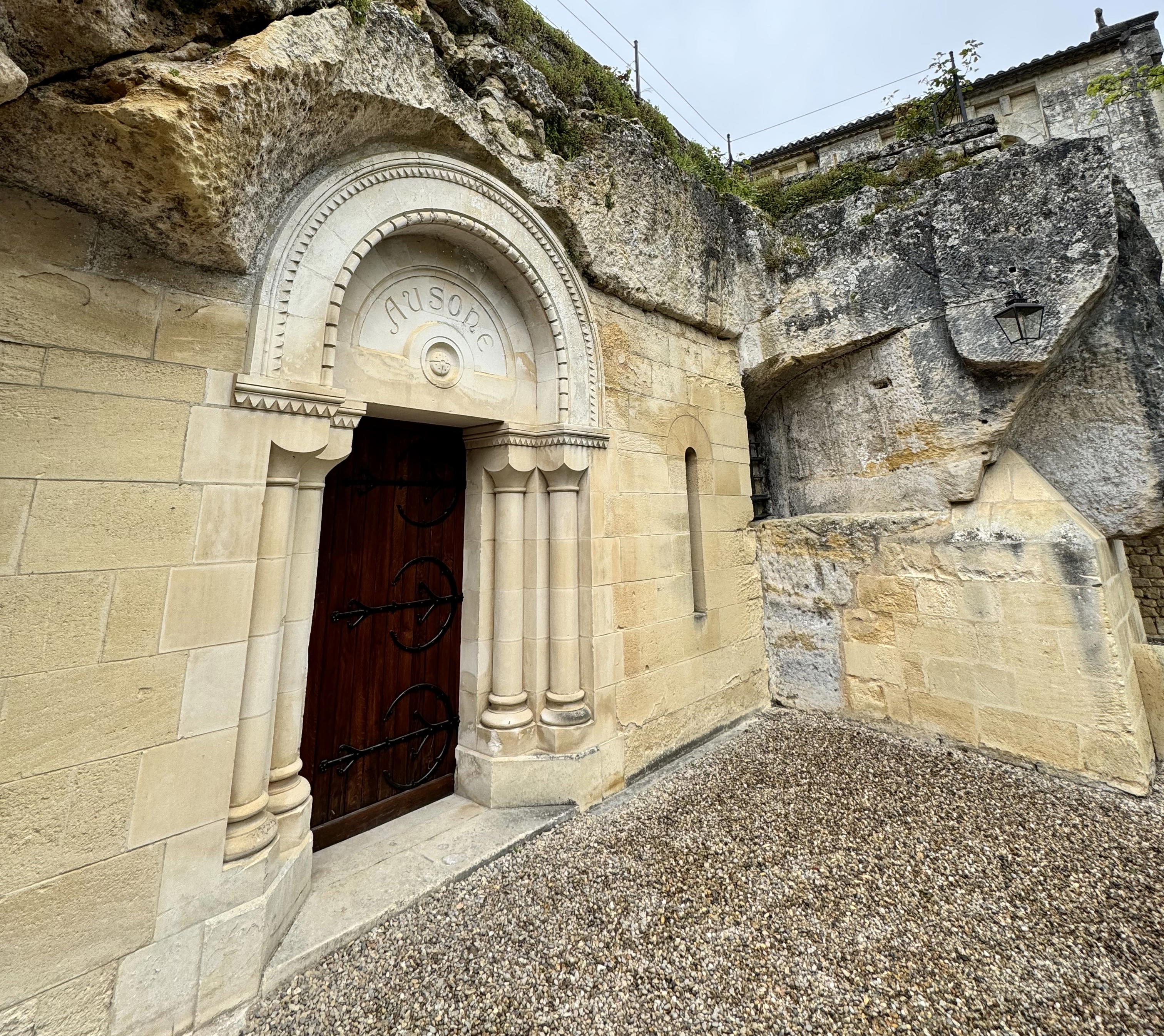
Bars in Saint-Émilion
Browse all →

Restaurants in Saint-Émilion
Browse all →
At a Glance
- Classic
- Elegant
- Historic
- Scenic
- Sophisticated
- Wine Education
- Special Occasion
- Vineyard Tour
- Historic Building
- Barrel Room
- Biodynamic
- Vineyard
- Saint Emilion
- Merlot
- Cabernet Franc
- Cabernet Sauvignon
- Still Red
- Private Tasting
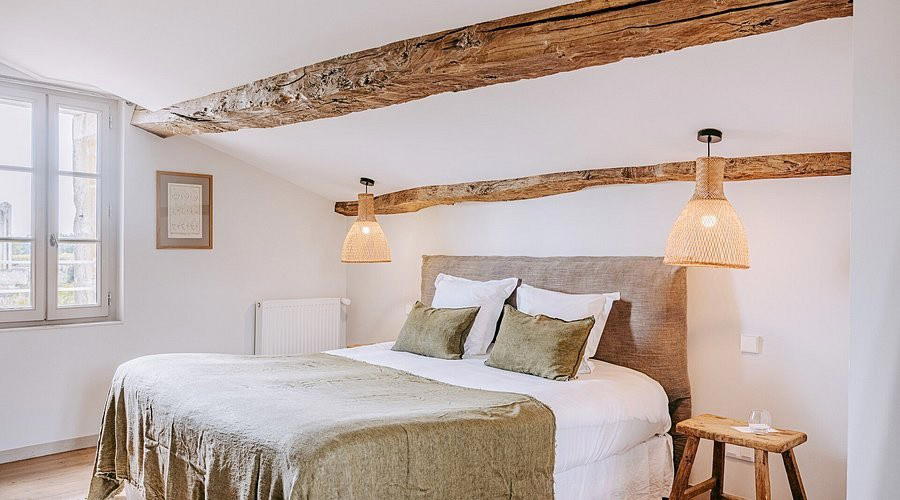
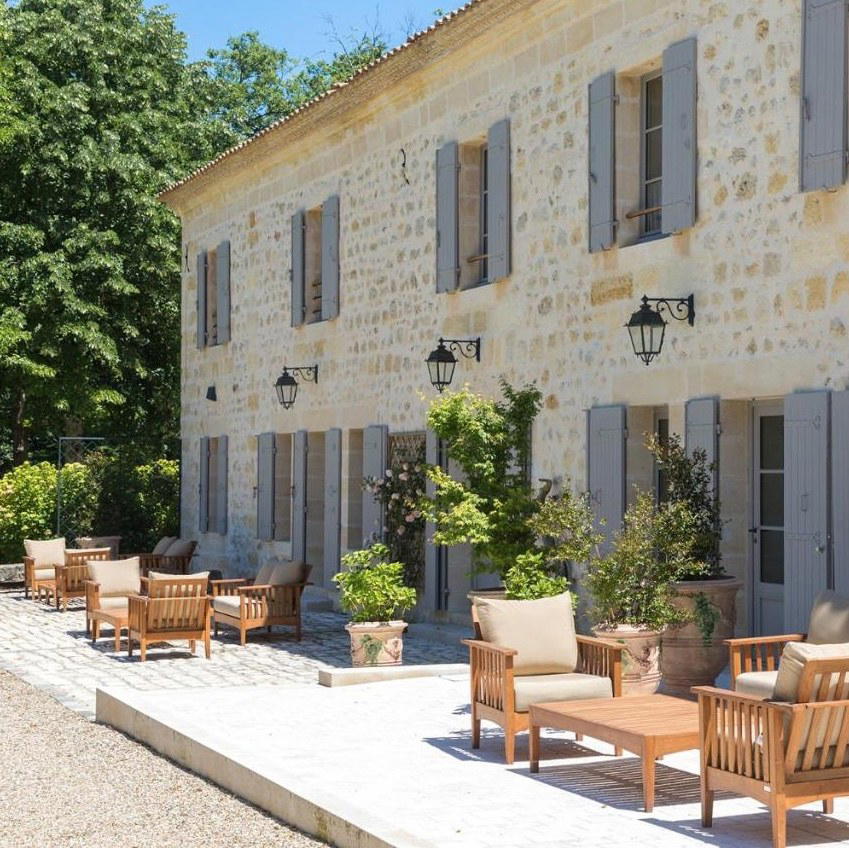
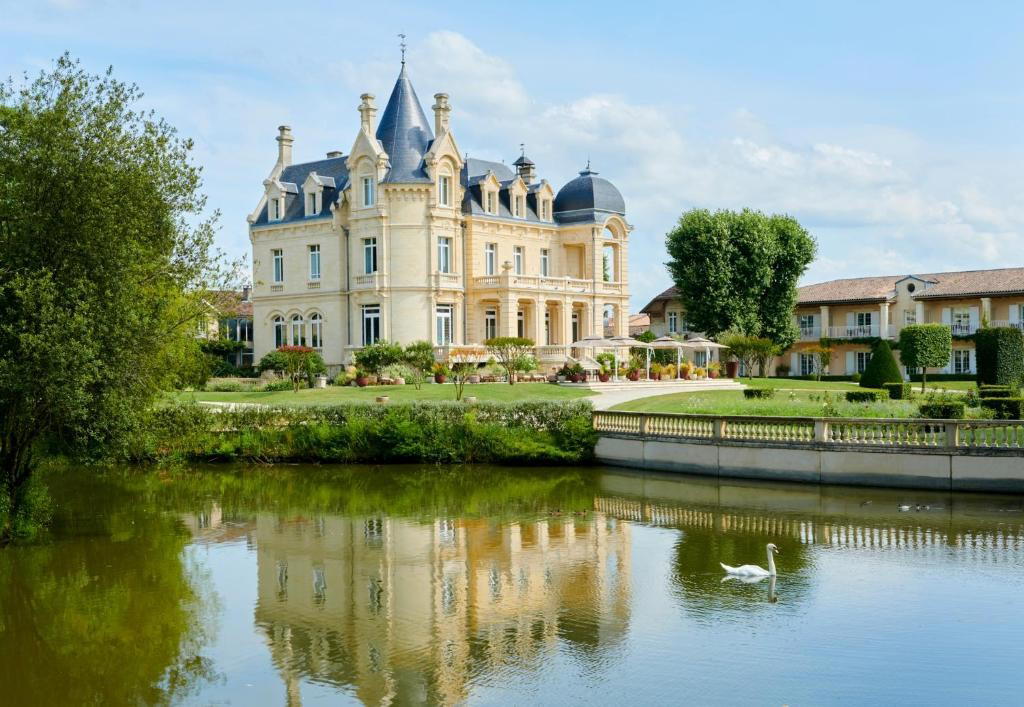
Intimate and unassuming chateau with elegant, classic atmosphere reflecting its ancient fortified history and limestone terroir.