
Falstaff Winery - 3 Stars
The cellar program reflects the appellation's commitment to structured Cabernet Sauvignon-led blends with extended barrel aging, placing it in a comparable set that includes Château d'Issan, Château Kirwan, and Château Brane Cantenac.

Pearl is the En Primeur Club membership app — saves, bookings, and concierge access live there. Same editors, same standards.
- Address
- 34 Avenue de la Ve République, 33460 Margaux-Cantenac, France
- Phone
- +33557883628
- Hours
- Mon–Sat 9 AM–12:30 PM, 2–5 PMSun Closed
- Website
- prieure-lichine.fr
- Directions
- Get directions
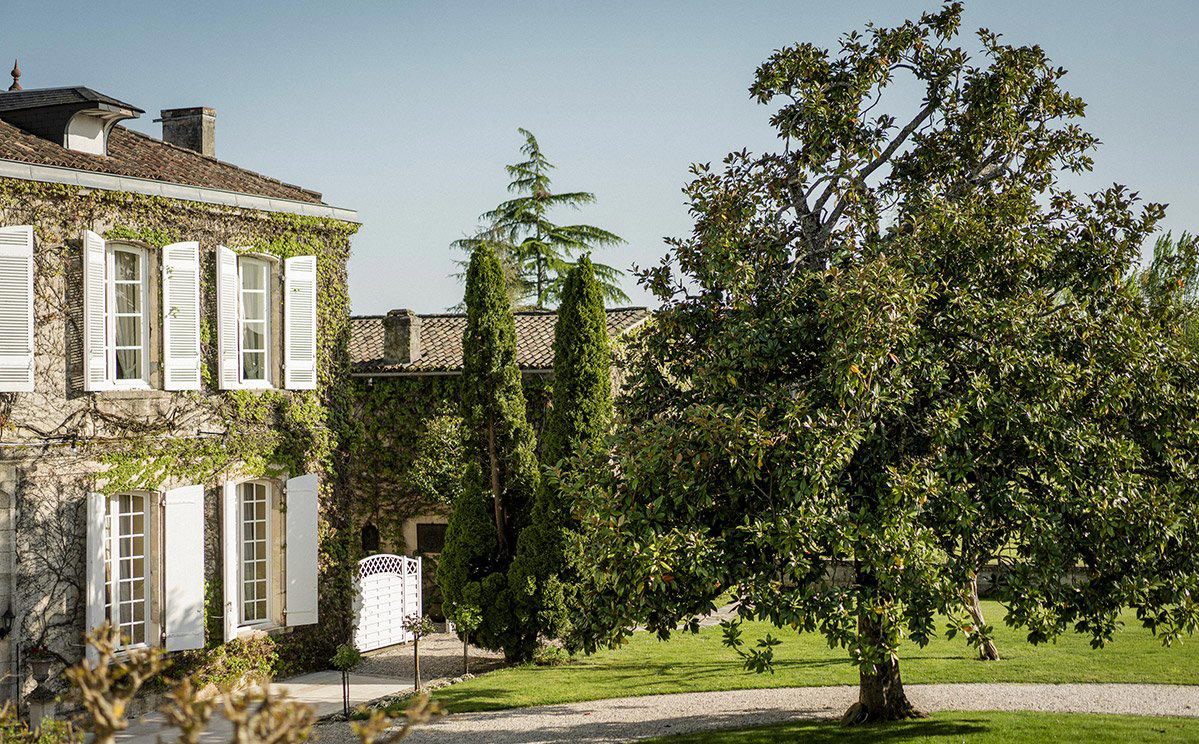
The Cantenac Classified Tier: Where Margaux's Fourth Growths Operate
Drive south along the D2 through the Médoc and Cantenac appears almost without announcement — a village whose boundary markers matter less than the density of classified châteaux packed along its gravel ridges. This is the commune that supplies more crus classés to the Margaux appellation than almost any other, and the hierarchy that governs them has remained legally fixed since 1855. Within that framework, a cohort of fourth-growth estates occupies a specific position: priced and recognized below the prestige second growths, yet operating with the same appellation rules, the same Cabernet Sauvignon dominance, and the same obligation to age in barrel before release.
Approaching the Estate
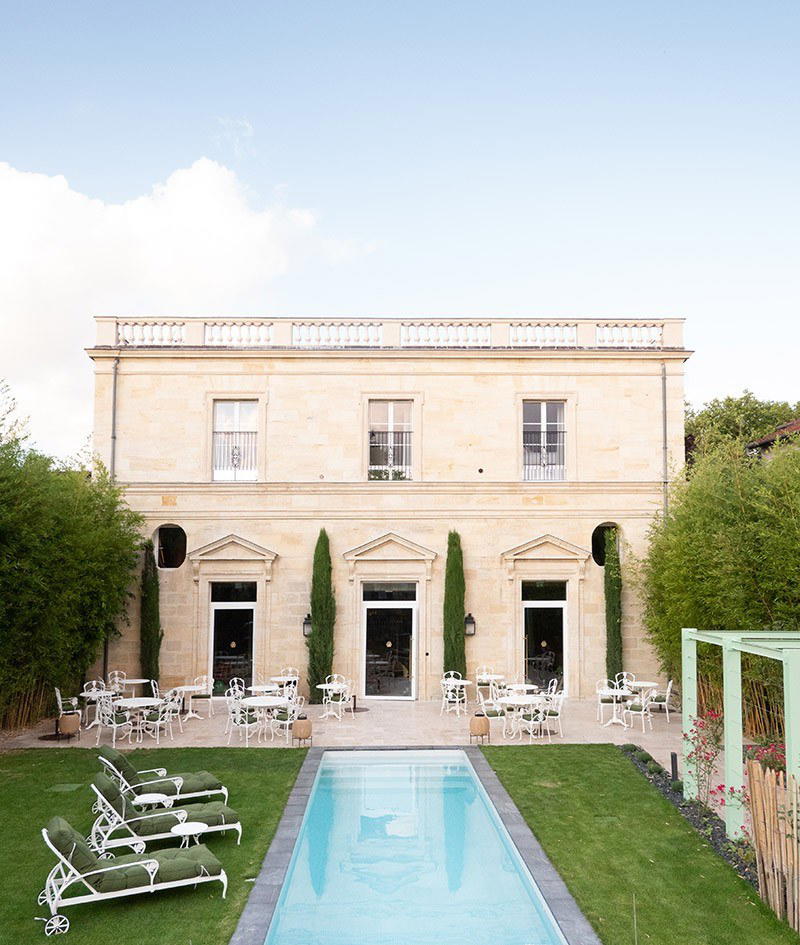
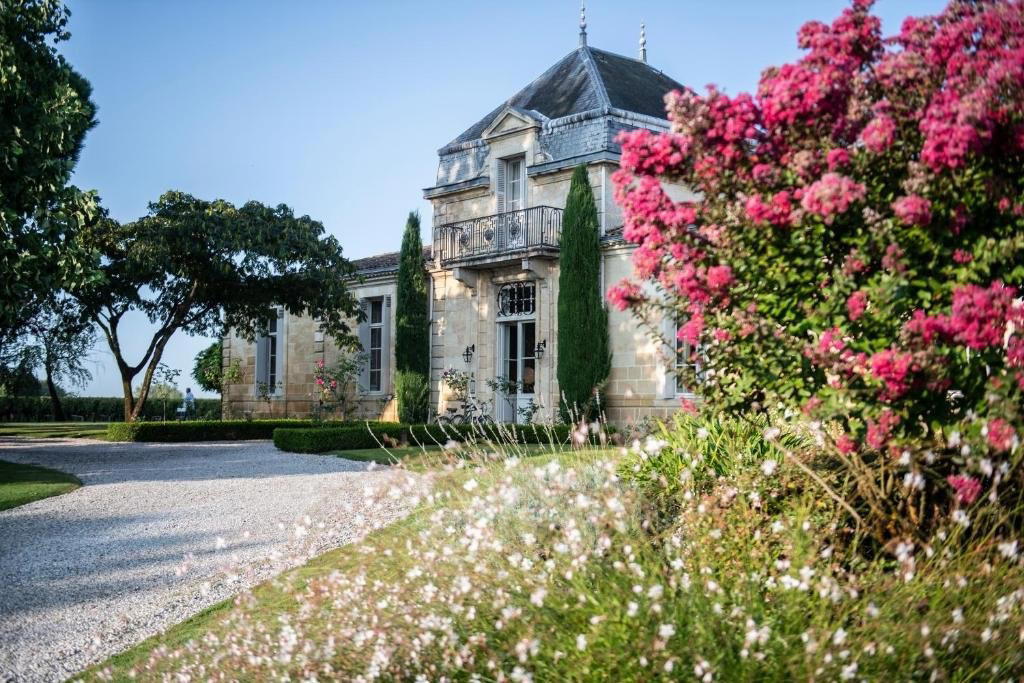
The physical approach along the Avenue de la Ve République follows a pattern common to the Médoc's classified properties: a long flat road flanked by vines, a gatehouse, and a chartreuse-style manor that declares its age without theatre. The Médoc is not a region that performs for visitors in the way of Burgundy's walled domaines or Napa's architect-built tasting pavilions. The authority here is in the land itself — the pale gravel soils, the near-imperceptible drainage gradients, the proximity to the Gironde that moderates temperature through the growing season. At Prieuré-Lichine, as across Cantenac's classified estates, the winery buildings are functional complements to that land rather than attractions in their own right. What distinguishes visits to this part of the Médoc is the concentration of classified estates within walking distance: Château Brane Cantenac stands among the immediate peer group, and the full appellation circuit can be mapped from a single base in the village.
The Cellar Program and Aging Philosophy
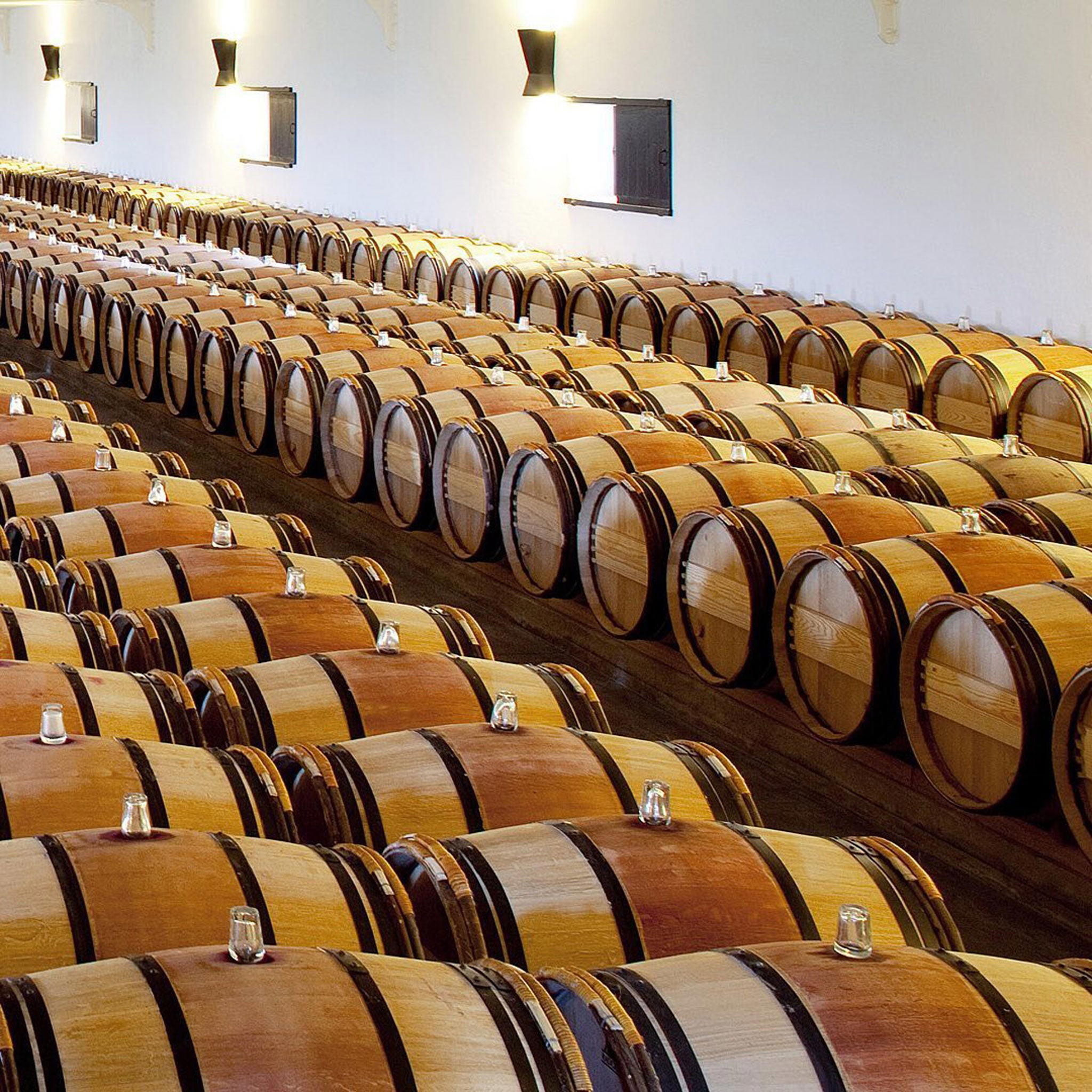
In Margaux, the cellar is where classification ambition is either earned or squandered vintage by vintage. The appellation's Cabernet Sauvignon-dominant blends require barrel aging to integrate tannin structure, and the decisions made in that period, barrel selection, new oak percentage, time on lees, blending ratios between parcels, define how a wine will read against its classified peers on release and over a decade of bottle aging.
For fourth-growth Cantenac estates, the barrel program typically runs 18 to 24 months, with new oak percentages calibrated to the vintage weight. Lighter years call for restraint on new wood to avoid overwhelming the fruit; fuller years can absorb higher proportions without losing the appellation's characteristic finesse. The blending stage, conducted after the élevage period, is where the grand vin is separated from the second label, a selection process that filters by parcel quality and by how individual lots have evolved in barrel. This selection is consequential: at classified estates, the second wine is not a byproduct but a deliberate tiering that concentrates quality in the flagship bottle.
The rating implies not one strong vintage but a sustained standard across the cellar program, the kind of consistency that comes from stable practices in blending and aging rather than from a single exceptional harvest.
What the 1855 Classification Still Means Here
The 1855 classification has not changed for Médoc properties since its codification, with the single exception of Mouton Rothschild's elevation in 1973. That stability creates an unusual competitive dynamic: châteaux cannot be promoted or demoted regardless of current quality, so reputation is built entirely through wine performance, critical recognition, and secondary market pricing rather than through reclassification. Fourth-growth estates in Cantenac are therefore in a continuous performance race against their own historical tier rather than against a moving classification target.
This context matters for how collectors and buyers approach the Prieuré-Lichine label. It is purchased as a classified Margaux and priced against classified Margaux benchmarks, not against the broader Bordeaux market. The comparison set is tight: the other fourth growths in the commune, the promoted second wines from second-growth estates, and the strong vintages from unclassified crus bourgeois that occasionally rival classified pricing. For visitors to the estate, understanding where a wine sits in this structure is more useful than any tasting note in isolation.
The Médoc's other classified communes offer instructive parallels. Château Batailley in Pauillac and Château Branaire Ducru in St-Julien operate within the same 1855 framework from their respective communes, while Château Cantemerle in Haut-Médoc represents the fifth-growth tier one step below. For reference points beyond Bordeaux entirely, Château Bélair-Monange in Saint-Emilion shows how a different classification system produces a different market psychology for similarly prestigious estates.
Vintage Timing and When to Visit
The Bordeaux en primeur calendar shapes the rhythm of estate visits in Cantenac. The primeur tastings in April draw trade buyers and press to the châteaux for barrel samples of the preceding vintage, and this window offers the closest access to cellars at active stages of the élevage. Outside primeur week, harvest months from late September through October carry their own logic: the vineyard is at full activity, and the chai work of reception, fermentation, and early barrel placement is visible. Mid-year visits between June and August are the most accessible for general visitors, with estates typically open for appointments during this period.
Médoc's climate follows an Atlantic pattern, warm summers, mild autumns, and rainy winters. Late spring frosts are the persistent risk that colours every vintage narrative, and the years when frost damage is limited across Cantenac's parcels tend to produce the fuller, more consistent blends that age well. Booking a visit in a vintage year shortly after harvest, when estates are in the early stages of barrel aging, gives a different perspective than tasting the finished, bottled grand vin: you see the wine before the decisions that will define it have been fully made.
For broader context on the village and its estate circuit, our full Cantenac guide maps the appellation's classified properties and the logistical patterns for visiting them. For those comparing cellar programs across French regions, Albert Boxler in Niedermorschwihr and Chartreuse in Voiron represent different French production traditions, while Accendo Cellars in St. Helena and Château Bastor-Lamontagne in Preignac show how aging program decisions play out in Napa and Sauternes respectively. For Scotch whisky aging as a counterpoint from a completely different category, Aberlour illustrates how barrel selection logic transfers across disciplines.
Planning a Visit
Château Prieuré-Lichine is located at 34 Avenue de la Ve République, 33460 Margaux-Cantenac. As with most Médoc classified estates, visits are conducted by appointment; contacting the château directly in advance is standard practice. The nearest substantial town for accommodation and dining is Margaux itself, with Bordeaux city centre approximately 30 kilometres north along the D2 and accessible in under an hour by car. The en primeur period in April and the harvest window in September-October represent the two periods of highest activity at the estate.
City Peers
Comparable venues nearby, for context on price, style, and recognition.
| Venue | Cuisine | Awards | Notes |
|---|---|---|---|
| Château Prieuré-LichineThis venue — the venue you are viewing | Cabernet Sauvignon, Merlot | Falstaff Winery - 3 Stars | Not listed |
| Château Boyd-Cantenac | Cabernet Sauvignon, Merlot | Falstaff Winery - 3 Stars | Cantenac |
| Château Kirwan | Cabernet Sauvignon, Merlot | Falstaff Winery - 3 Stars | Cantenac |
| Château d’Issan | Cabernet Sauvignon, Merlot | Falstaff Winery - Listed | Cantenac |
| Château Pouget | Cabernet Sauvignon, Merlot | Falstaff Winery - Listed | Cantenac |
| Château Brane Cantenac | Cabernet Sauvignon, Merlot | Michelin 1 Grape · Falstaff Winery - 3 Stars | Cantenac |
Recognition history
Dated appearances from independent guides and award organizations, with the underlying list record or original source where available.
Falstaff Winery - 3 Stars
Falstaff
Continue exploring
More in Cantenac
Wineries in Cantenac
Browse all →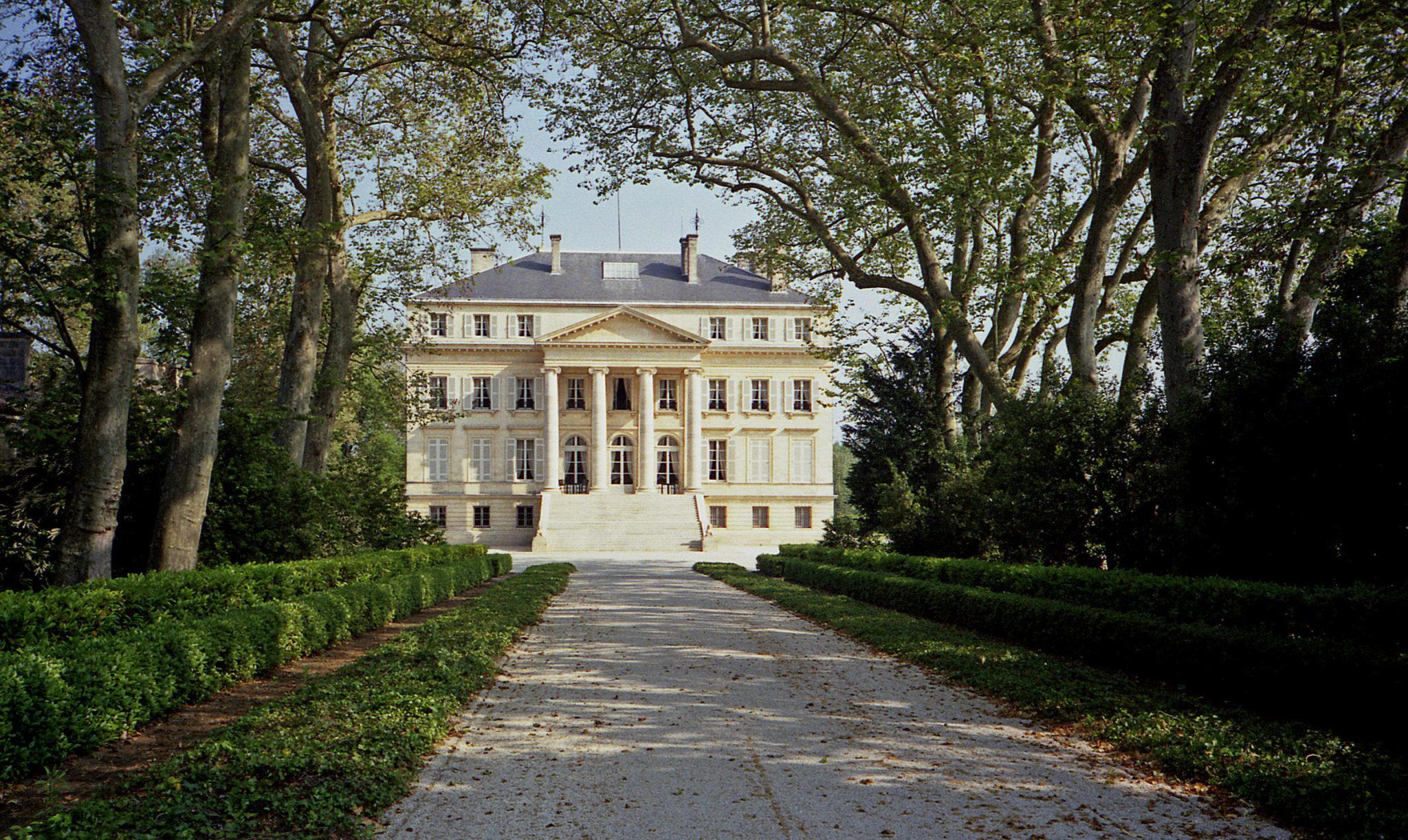
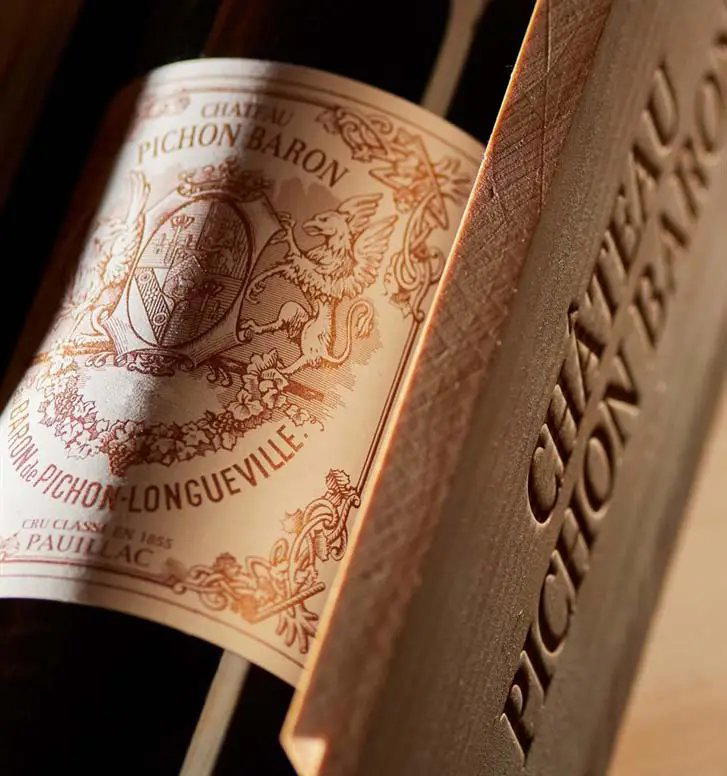
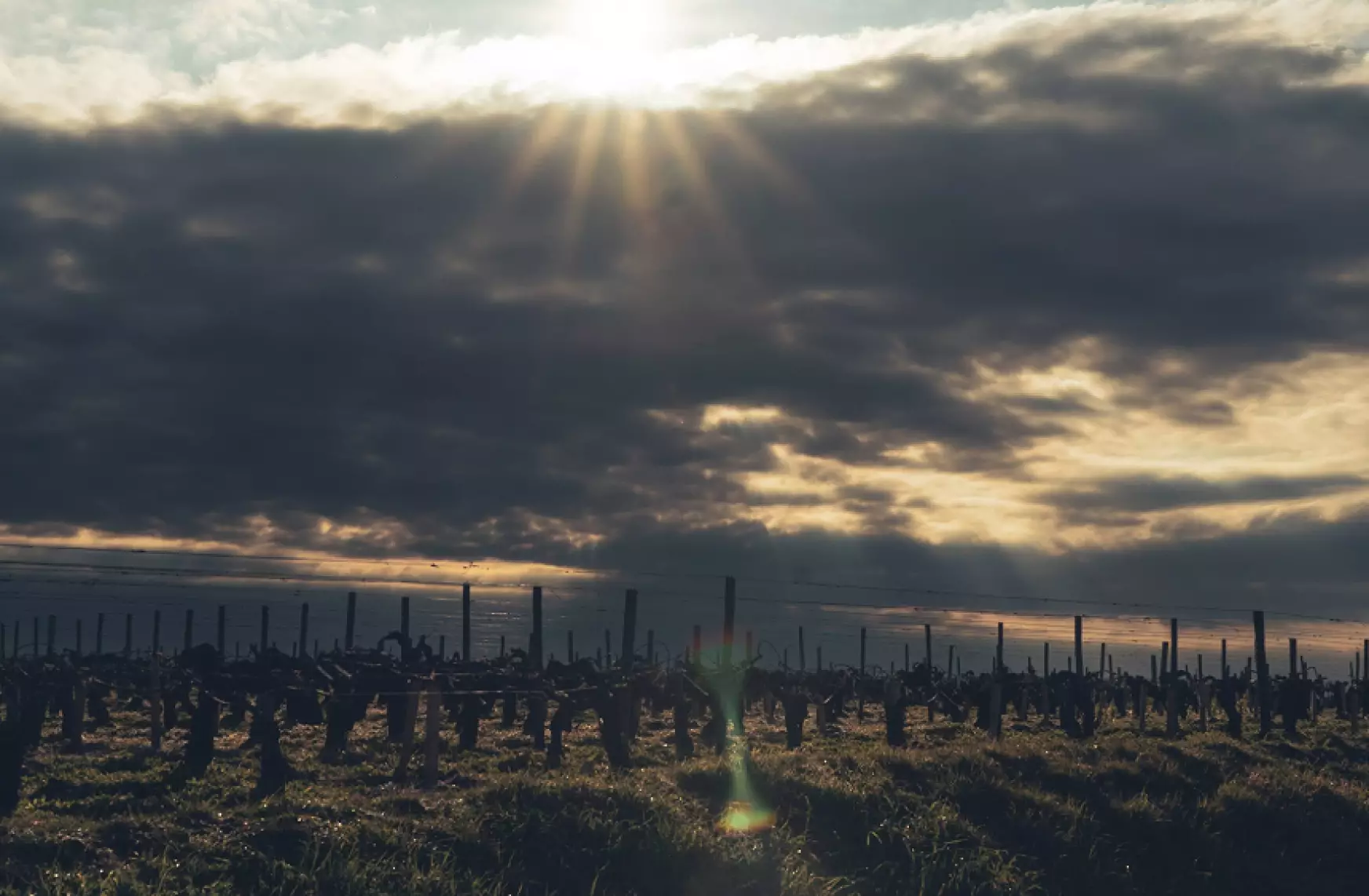
Bars in Cantenac
Browse all →

Restaurants in Cantenac
Browse all →
Details
- Classic
- Elegant
- Sophisticated
- Well Known
- Wine Education
- Special Occasion
- Vineyard Tour
- Historic Building
- Estate Grounds
- Sustainable
- Vineyard
- Cabernet Sauvignon
- Merlot
- Petit Verdot
- Sauvignon Blanc
- Semillon
- Still Red
- Cave Tasting
- Private Tasting
- French
- English
Current opening hours
- Monday
- 9 AM–12:30 PM, 2–5 PM
- Tuesday
- 9 AM–12:30 PM, 2–5 PM
- Wednesday
- 9 AM–12:30 PM, 2–5 PM
- Thursday
- 9 AM–12:30 PM, 2–5 PM
- Friday
- 9 AM–12:30 PM, 2–5 PM
- Saturday
- 9 AM–12:30 PM, 2–5 PM
- Sunday
- Closed
Hours can change for holidays and private events. Last verified .
Elegant and classic with a historic priory atmosphere amid gravelly vineyard terroir.