
San Leonardo sits in the valley town of Avio, in the southern reaches of Trentino, where Alpine and Mediterranean influences converge on the vine. For those tracing the character of Trentino wine country, it belongs on the itinerary alongside the region's most considered producers.
Pearl is the En Primeur Club membership app — saves, bookings, and concierge access live there. Same editors, same standards.
- Address
- Località San Leonardo, 1, 38063 Avio TN
- Phone
- +39 0464 689004
- Website
- sanleonardo.it
- Directions
- Get directions
 Saves & bookings on Pearl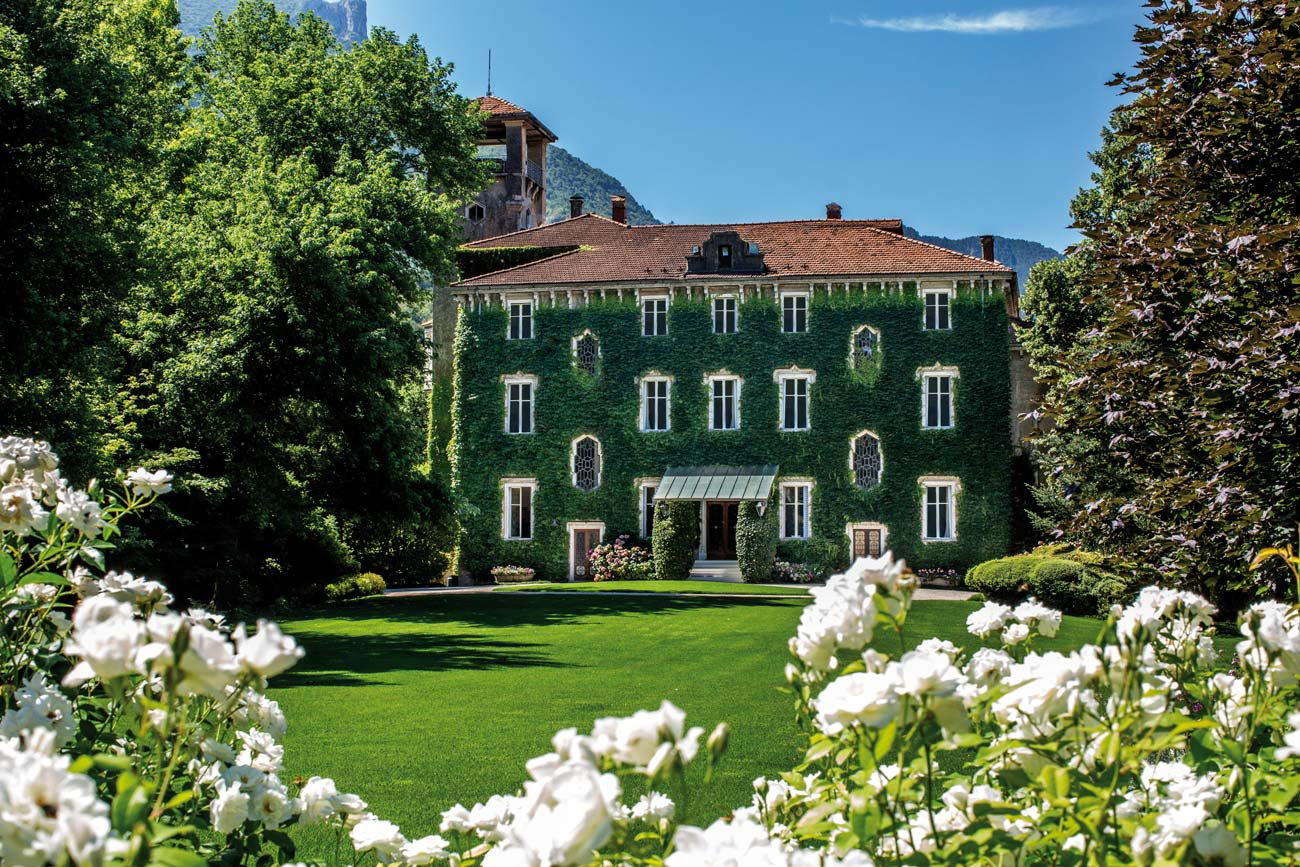
Where the Alps Meet the Adriatic Draft
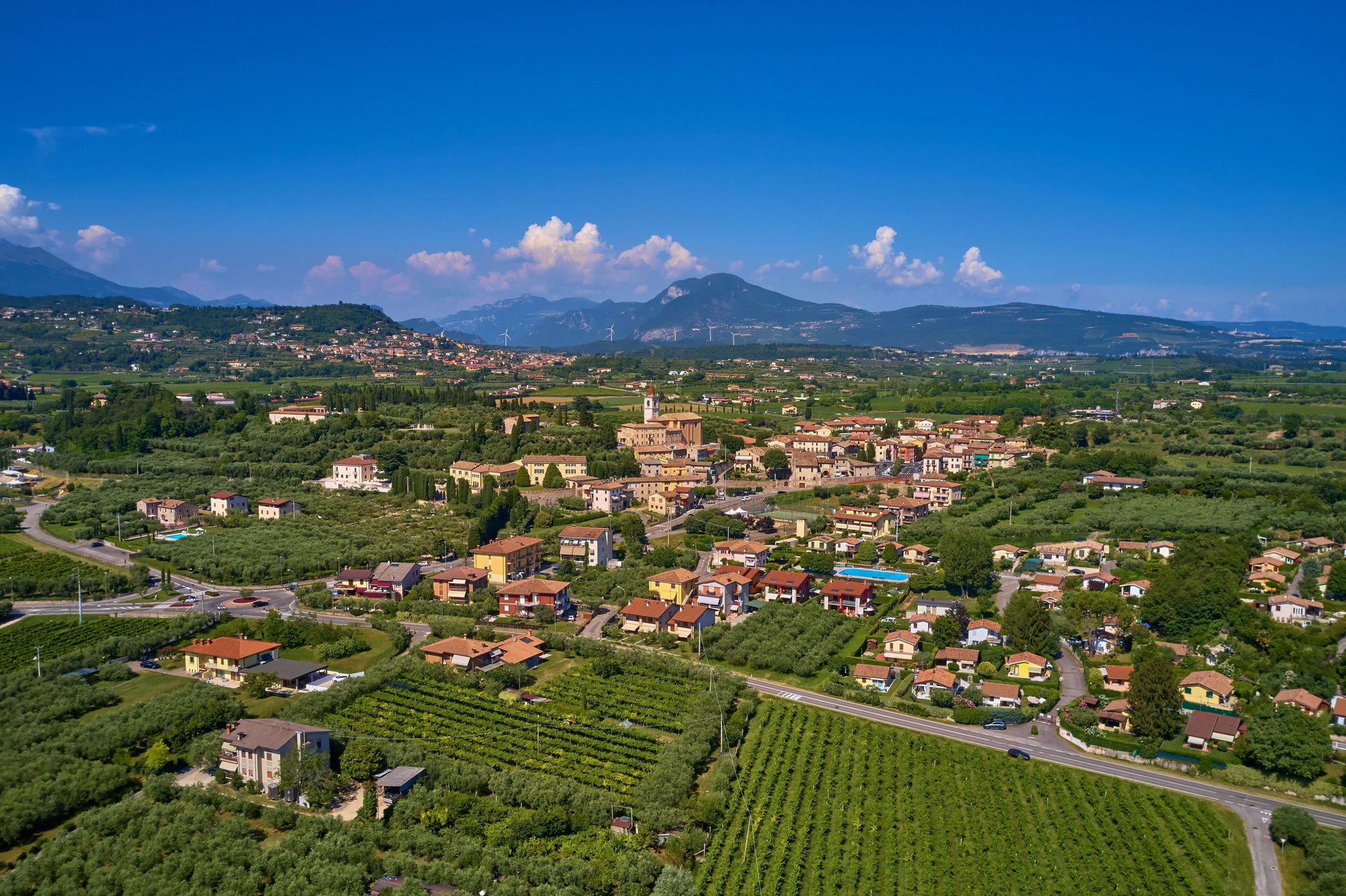
The drive into Avio from the north follows the Adige valley as it narrows, the river cutting between limestone bluffs that force the road and the vine into close conversation. This is the southernmost tip of Trentino, a zone where the climate logic shifts noticeably from the rest of the province. Cold mountain air funnels down from the Dolomites at night, while warm currents drawn up from Lake Garda moderate the days. The result is a diurnal range that preserves acidity in the grape while allowing full phenolic development, a condition that winemakers in warmer Italian appellations spend considerable effort trying to replicate artificially.
San Leonardo sits within this geography at Località San Leonardo, 1, in the commune of Avio. The address alone tells you something: the estate occupies a named locality, not a generic village plot, which in the Trentino property tradition signals a defined piece of land with its own recorded character. That specificity matters when you are talking about terroir expression, which is the lens through which San Leonardo is understood.
Awards at this level in the Italian wine context are not handed out for consistency alone; they signal that a producer has demonstrated a sustained ability to translate place into bottle in a way that holds up in the context of regional wine criticism. Producers here earn attention on the merits of the wine rather than on the reputation of the appellation.
To calibrate San Leonardo's position, it is useful to look at what comparable estate-level recognition means across Italy. Properties like L'Enoteca Banfi in Montalcino or Poggio Antico in Monte San Vito operate within appellations that carry their own prestige weight. Castello di Volpaia in Radda in Chianti benefits from the Chianti Classico name recognition behind it. The winery, by contrast, makes its case from a locality that most wine travellers would struggle to locate on a map before they arrive. That the 2025 recognition landed at the three-star prestige tier suggests the wine speaks clearly enough to overcome that anonymity.
Trentino's Southern Corridor: A Wine Region Defined by Contrast
To understand what the winery is doing with its terroir, it helps to understand what southern Trentino offers that the rest of the province does not. The zone around Avio sits at lower elevations than the vineyards above Trento or those on the slopes approaching Bolzano. Soils here include alluvial deposits from the Adige alongside older glacial moraines, a layered geological record that translates into wines with structural complexity at the base and aromatic lift at the leading.
Trentino as a whole has long operated in the shadow of its northern neighbour Alto Adige, which has attracted more international press attention for its Pinot Bianco, Gewürztraminer, and Lagrein. The southern corridor around Avio is quieter, less trafficked by wine tourism, and consequently less shaped by the commercial pressures that sometimes push producers toward crowd-pleasing styles. That relative isolation has allowed estates in the zone to hold course on site-specific winemaking approaches without the market noise that affects more celebrated Italian appellations.
For context on how distillation culture developed alongside wine in this part of northeastern Italy, Distilleria Marzadro in Nogaredo and Nonino Distillery in Pavia di Udine both demonstrate how the broader Trentino-Veneto corridor has historically treated the vine as a starting point for a wider range of crafted spirits. Poli Distillerie in Schiavon and Distilleria Romano Levi in Neive extend that lineage into Piedmont, tracing a tradition rooted in the same Alpine foothills that frame Avio from the east.
Placing San Leonardo in the Broader Italian Wine Map
Italian wine at the summit tier has fragmented into a series of distinct regional arguments, each centred on a claim about what its specific geography can do that nowhere else can replicate. Piedmont makes the case through Nebbiolo; Tuscany through Sangiovese; Sicily through the volcanic soils of Etna and the maritime conditions that producers like Planeta in Menfi have used to build international profiles. Trentino's argument is less singular in grape terms but more specific in geographic terms: the convergence of Alpine and Mediterranean climate logic produces wines that do not fit neatly into the north Italian or central Italian typology.
Aldo Conterno in Monforte d'Alba operates in a more celebrated zone; Lungarotti in Torgiano anchors a different central Italian tradition. Ca' del Bosco in Erbusco represents the Franciacorta model where sparkling wine has become the primary vehicle for regional identity. The winery's position within this spread is defined by place rather than by a single grape or style, which makes it a more demanding destination for the wine traveller but a more rewarding one for those prepared to engage with what the valley is actually doing.
Planning a Visit to Avio
Avio sits on the A22 Brenner motorway corridor, making it accessible by car from Verona to the south (roughly 45 minutes) or from Trento to the north (under 30 minutes). The town is small enough that arriving with a specific destination in mind is advisable, and visiting the winery at Località the winery, 1 is best approached by contacting the estate directly to confirm access, as visits are by prior arrangement. Wine visits in this part of Trentino tend toward the appointment-led model rather than open cellar doors, which aligns with the broader pattern of smaller, production-focused estates that prioritise the visitor who arrives with curiosity rather than a passing interest.
For those building a broader Trentino itinerary, the Avio zone pairs naturally with time in the Adige valley north toward Rovereto and south toward Verona, giving access to both the wine culture of the province and the art and Roman heritage of the Veneto border.
Visitors extending further into Italian premium wine culture might also consider how the spirits tradition frames the broader regional identity: Campari in Milan represents the urban commercial pole of northern Italian drinks culture, while Aberlour in Aberlour and Accendo Cellars in St. Helena offer reference points for how place-specific winemaking reads in entirely different geographic contexts. The comparison sharpens what makes the Avio valley's particular argument interesting: it is a terroir that rewards attention precisely because it has not been simplified for easy consumption.
At-a-Glance Comparison
Comparable venues nearby, for context on price, style, and recognition.
| Venue | Cuisine | Price | Notes |
|---|---|---|---|
| San LeonardoThis venue — the venue you are viewing | Cabernet Sauvignon, Carmenère | $$$ | Not listed |
| Pieropan | Garganega, Trebbiano di Soave | $$$ | Soave |
| Tenuta Brancalupo | Sagrantino, Trebbiano Spoletino | $$$ | Montefalco |
| Distilleria Andrea Da Ponte | Glera, Malvasia | $$$ | Corbanese di Tarzo |
| Gruppo Campari | Winery | Not listed | Milan |
| Poli Distillerie | Merlot, Cabernet Sauvignon | $$$ | Schiavon |
Recognition history
Dated appearances from independent guides and award organizations, with the underlying list record or original source where available.
Falstaff Winery - 5 Stars
Falstaff
Continue exploring
More in Avio
Wineries in Avio
Browse all →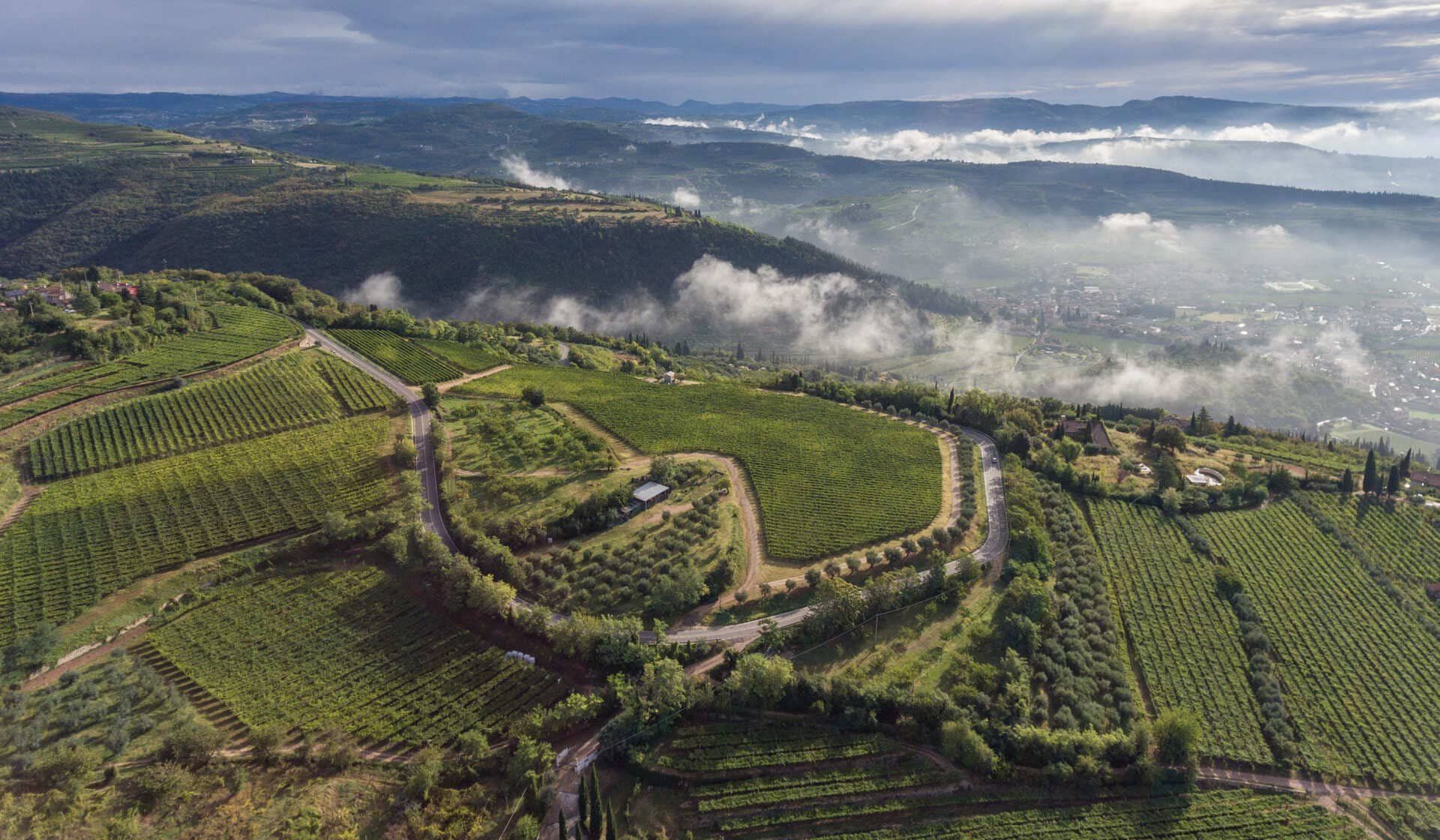

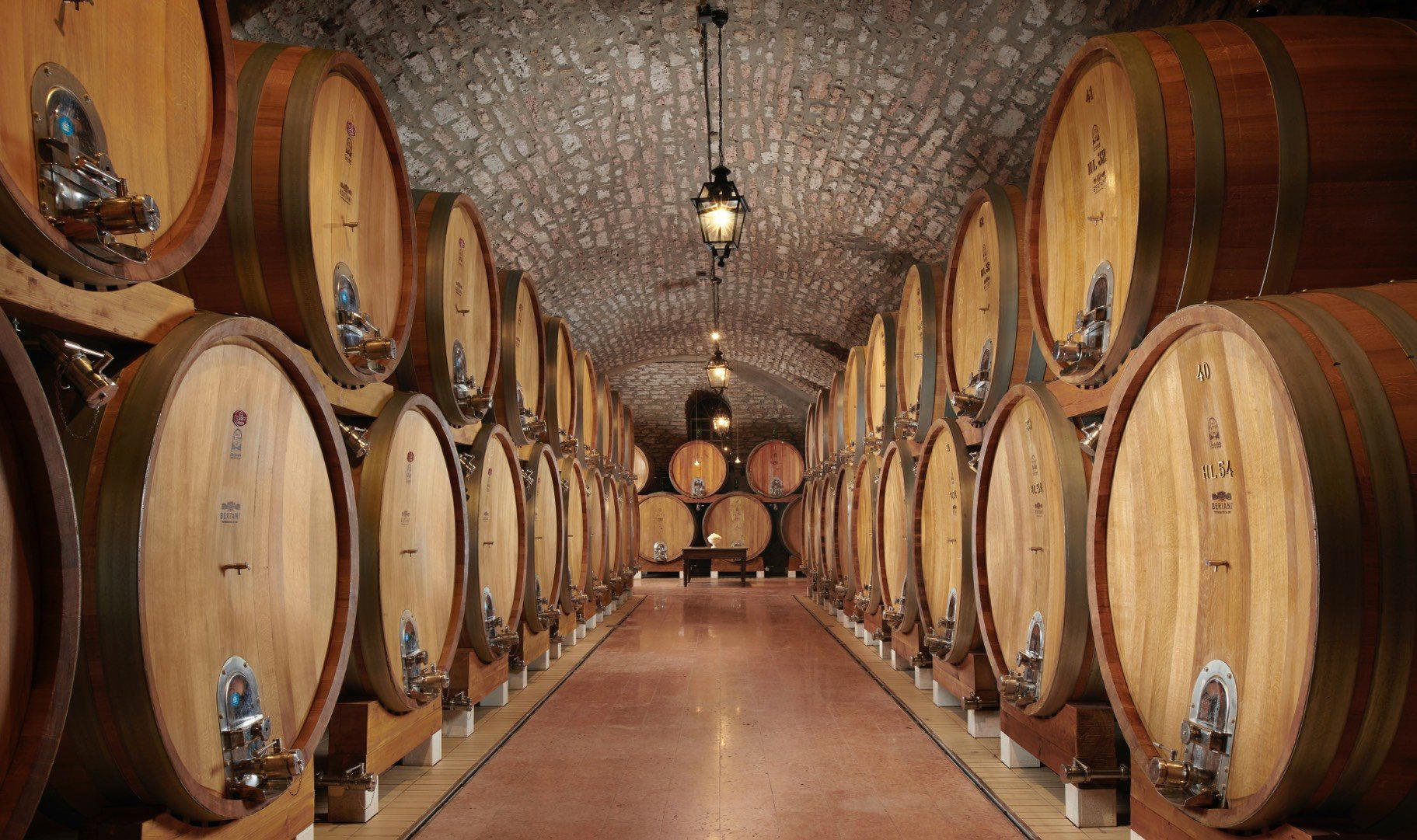
Bars in Avio
Browse all →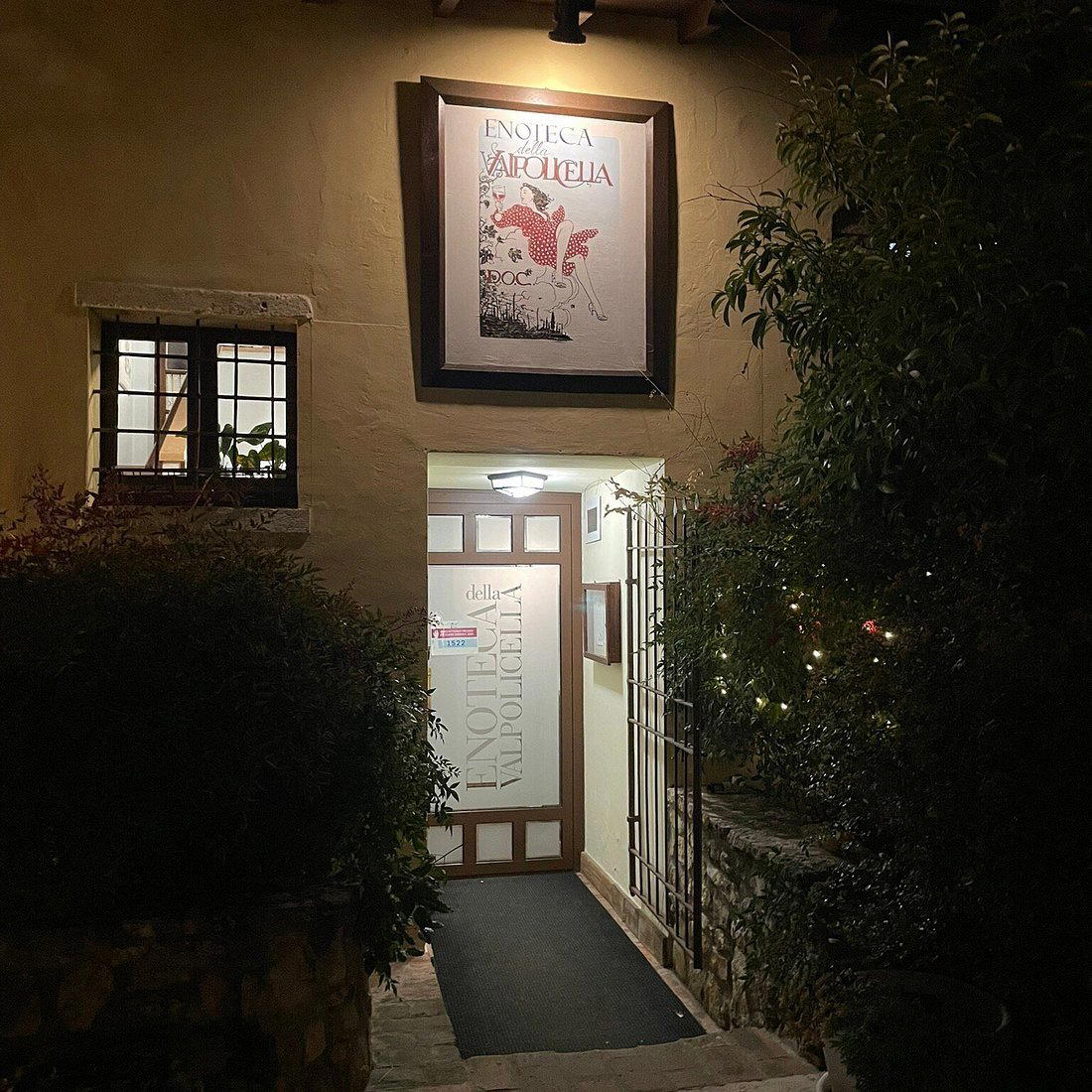
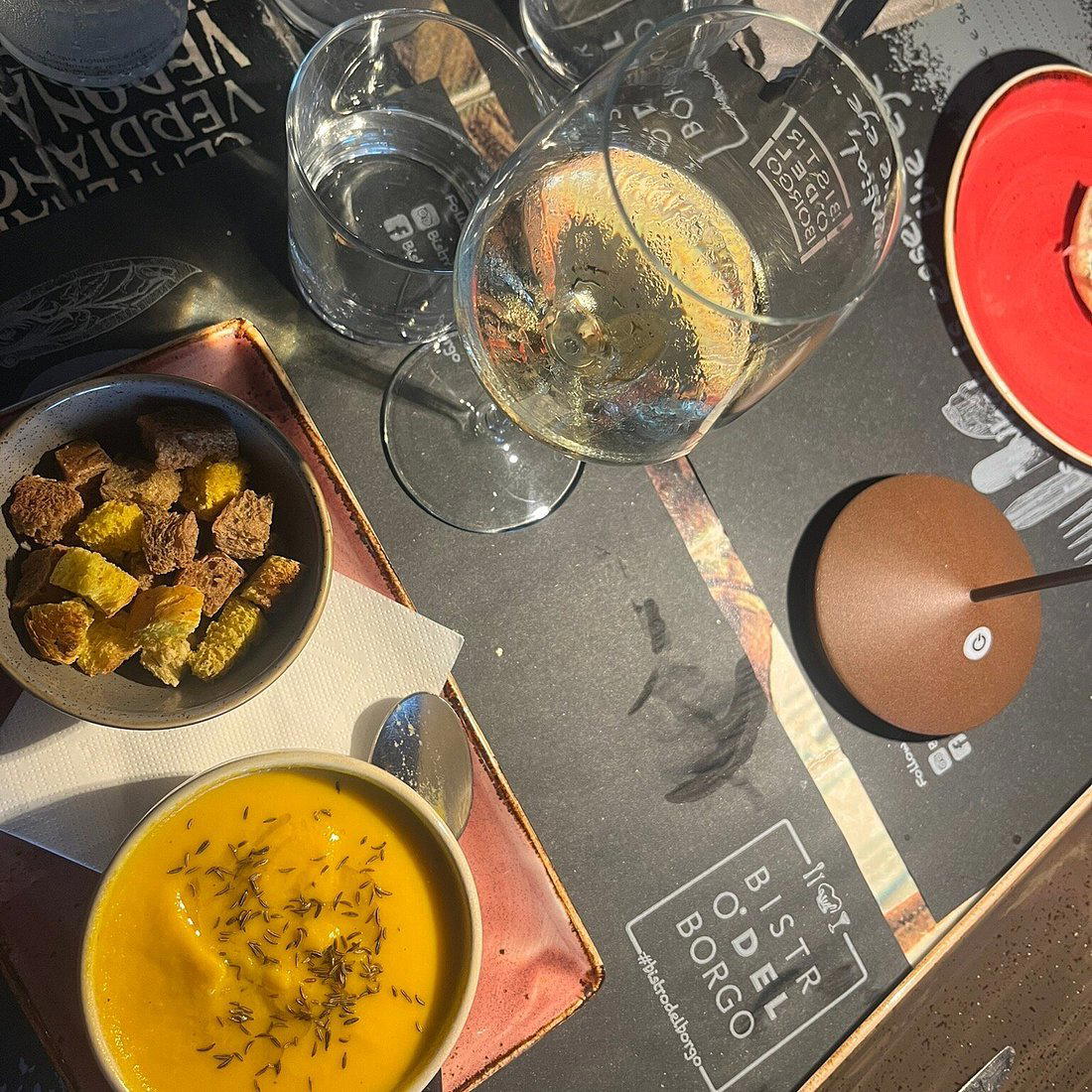
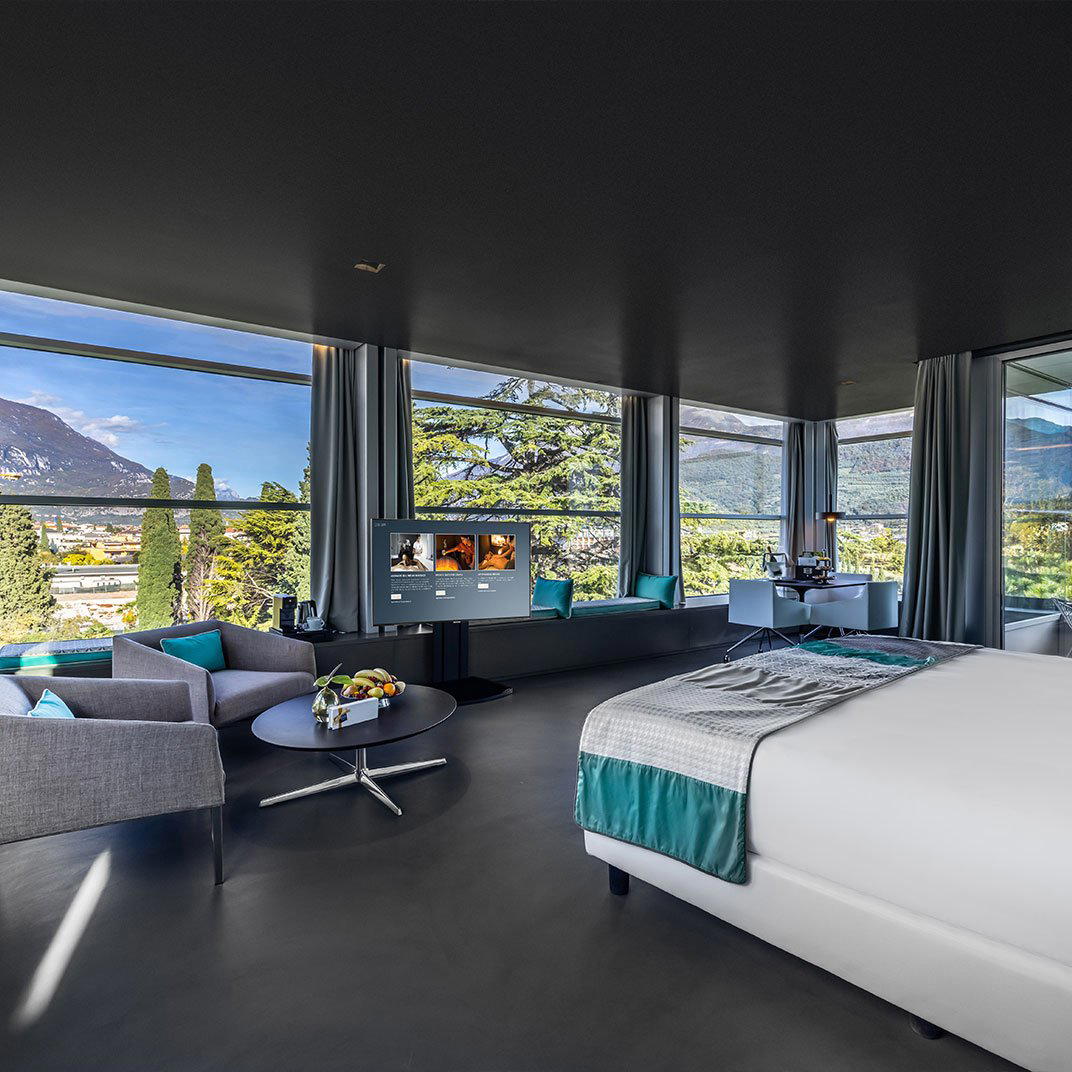
Restaurants in Avio
Browse all →
At a Glance
- Rustic
- Elegant
- Scenic
- Historic
- Wine Education
- Special Occasion
- Vineyard Tour
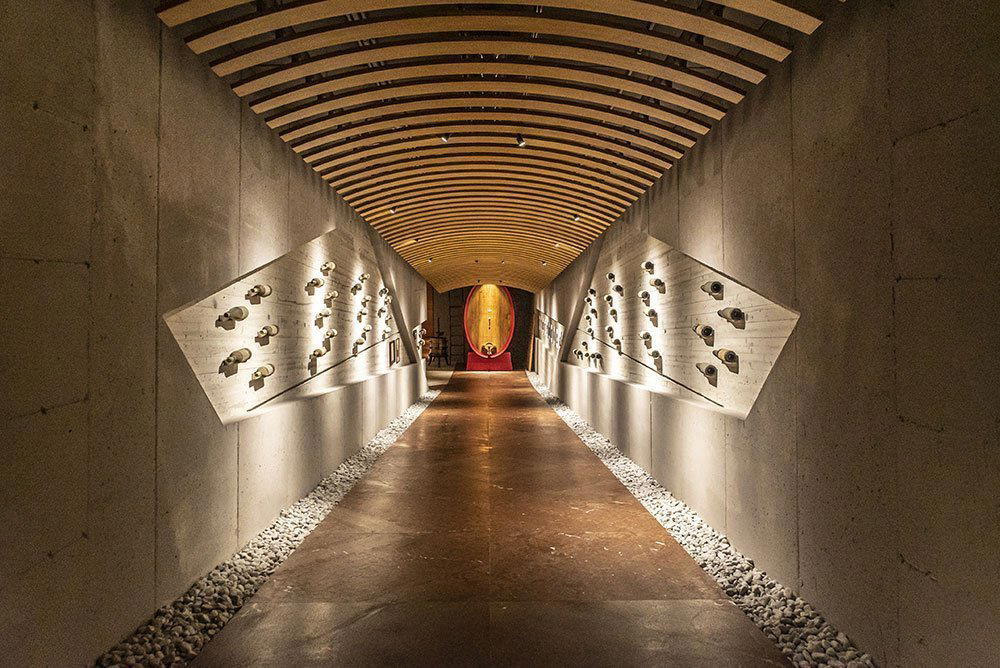
- Barrel Room
- Historic Building
- Organic
- Vineyard
- Mountain
- Garden
- Vigneti Delle Dolomiti IGT
- Cabernet Sauvignon
- Carmenère
- Merlot
- Cabernet Franc
- Sauvignon Blanc
- Riesling
- Still Red
- Cellar Tasting
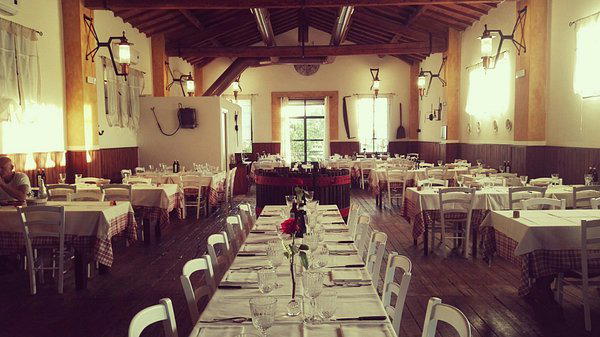
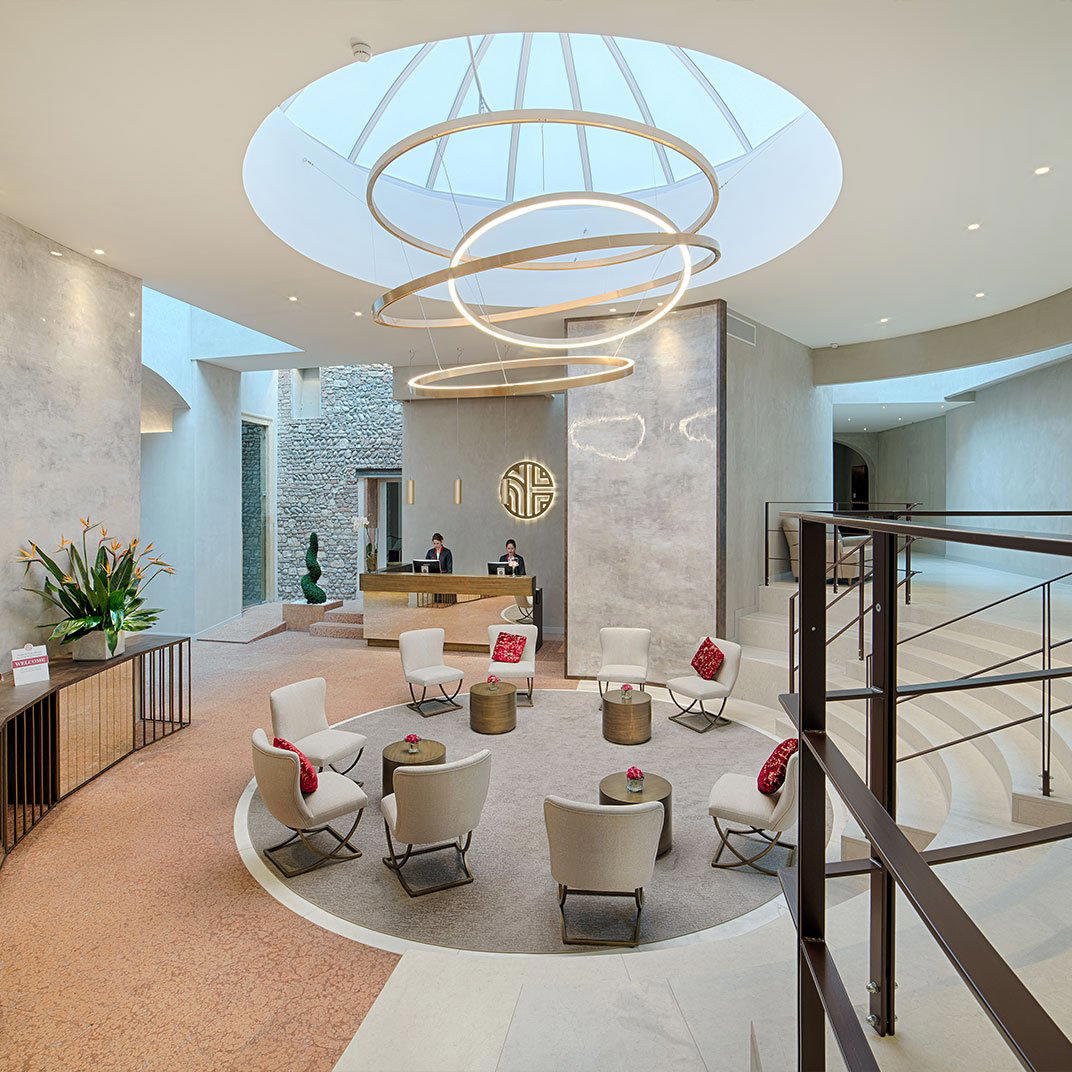
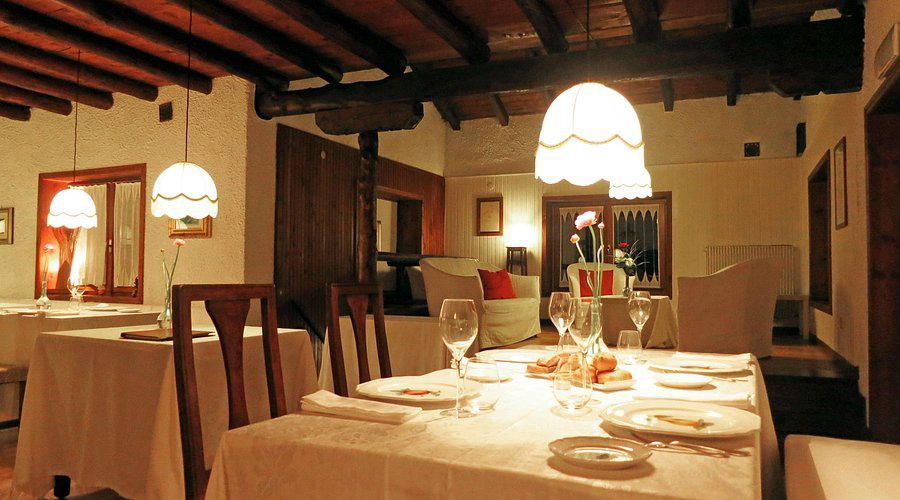
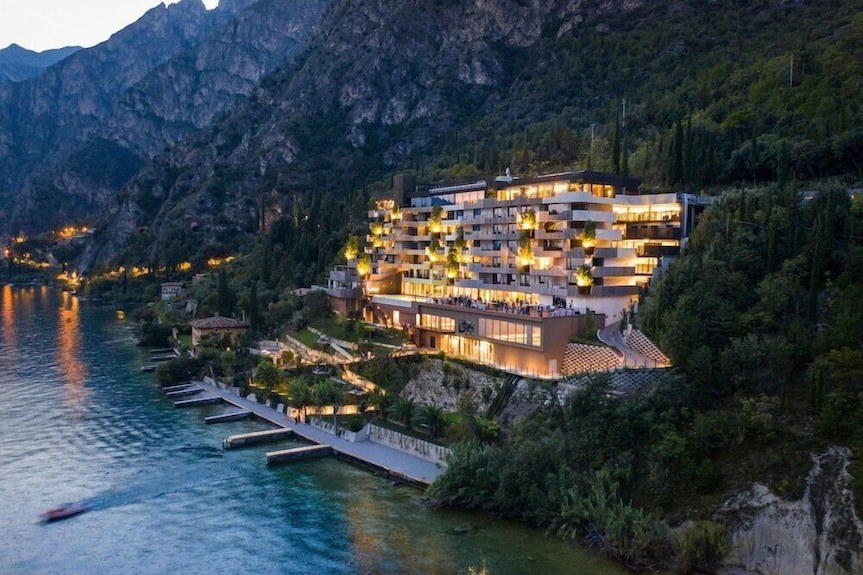
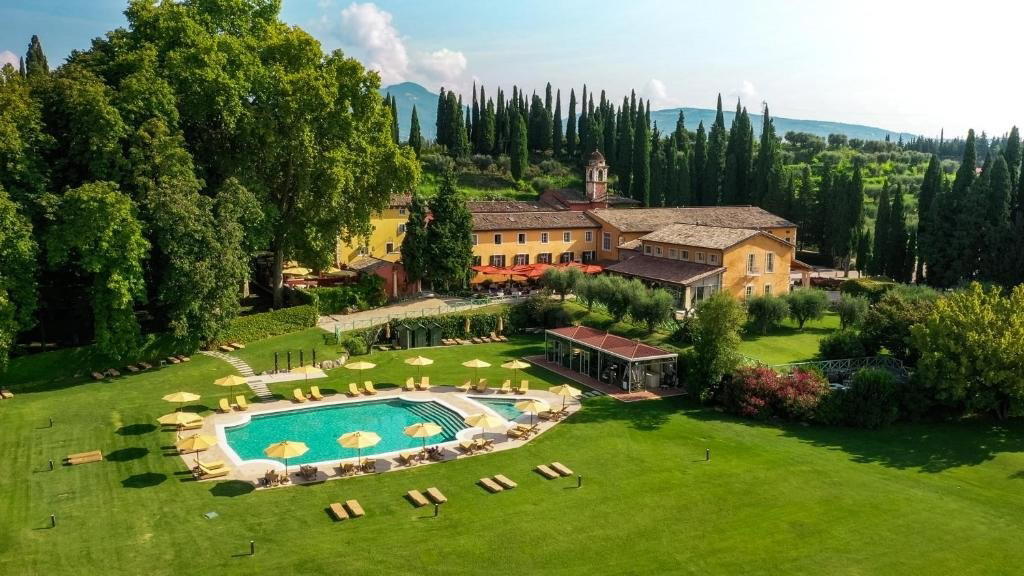
Aristocratic elegance with picturesque vineyards, rose and herb gardens, and Dolomites views, offering an intimate and sophisticated atmosphere.