Château Larcis Ducasse


Michelin 1 Grape · Falstaff Winery - 4 Stars
Château Larcis Ducasse sits on the limestone-clay slopes east of Saint-Émilion's medieval centre. The estate's position within Saint-Émilion's most demanding appellation tier places it among the appellation's compact group of top-flight producers. For serious Bordeaux collectors, it represents one of the Right Bank's more quietly regarded addresses.

Pearl is the En Primeur Club membership app — saves, bookings, and concierge access live there. Same editors, same standards.
- Address
- 1 grottes d'Arsis, 33330 Saint-Émilion
- Phone
- +33 5 57 24 70 84
- Website
- larcis-ducasse.com
- Directions
- Get directions
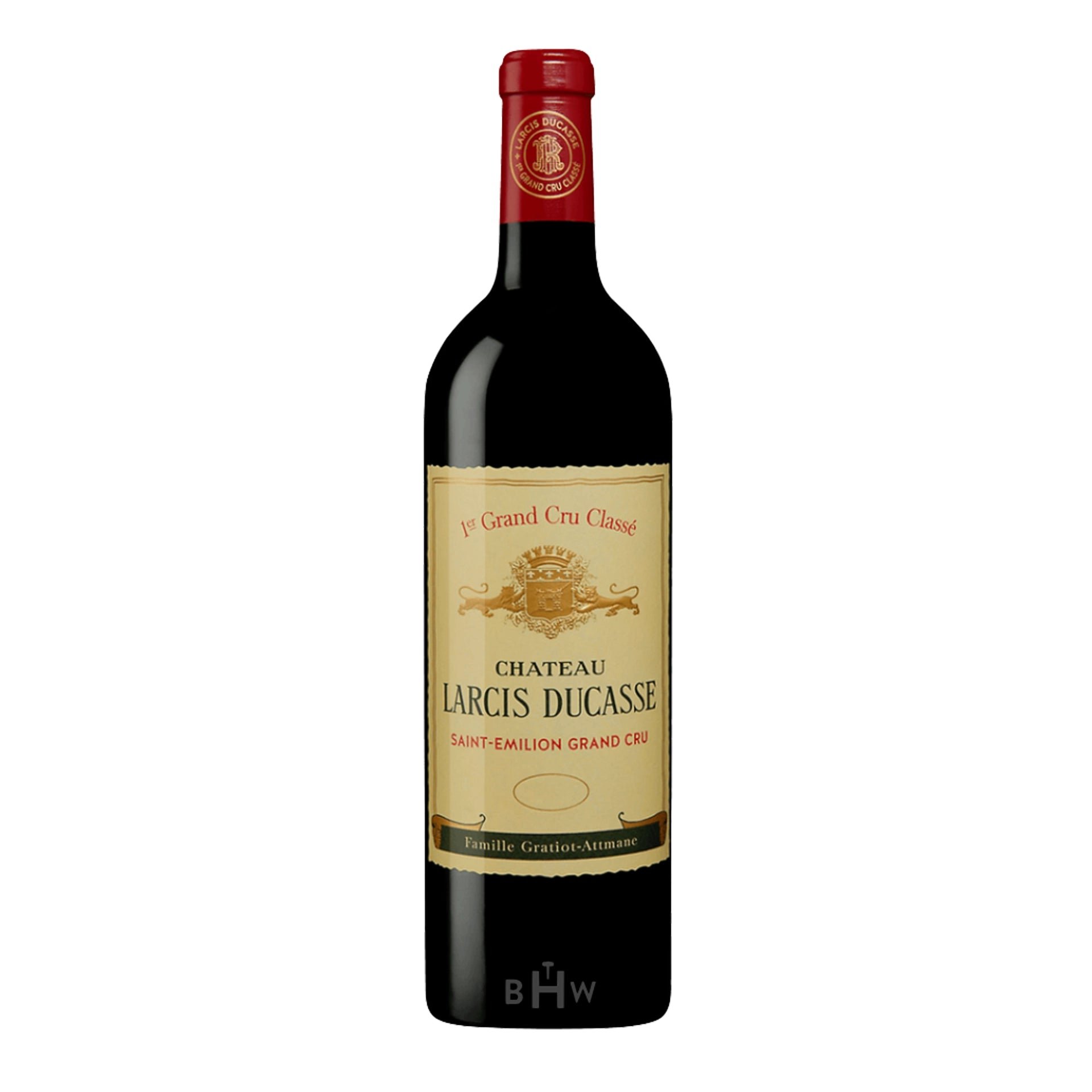
Stone, Slope, and the Architecture of a Saint-Émilion Estate
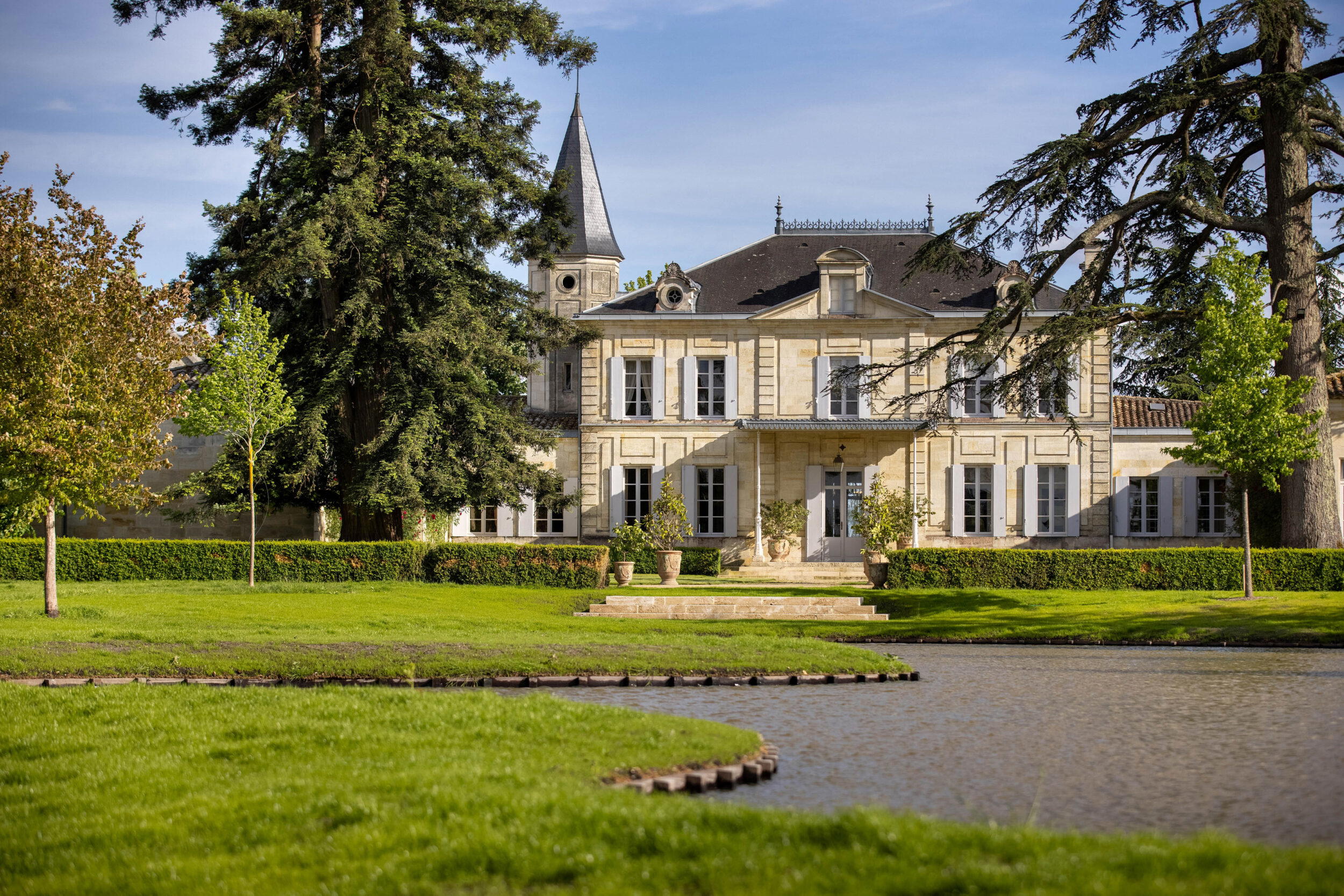
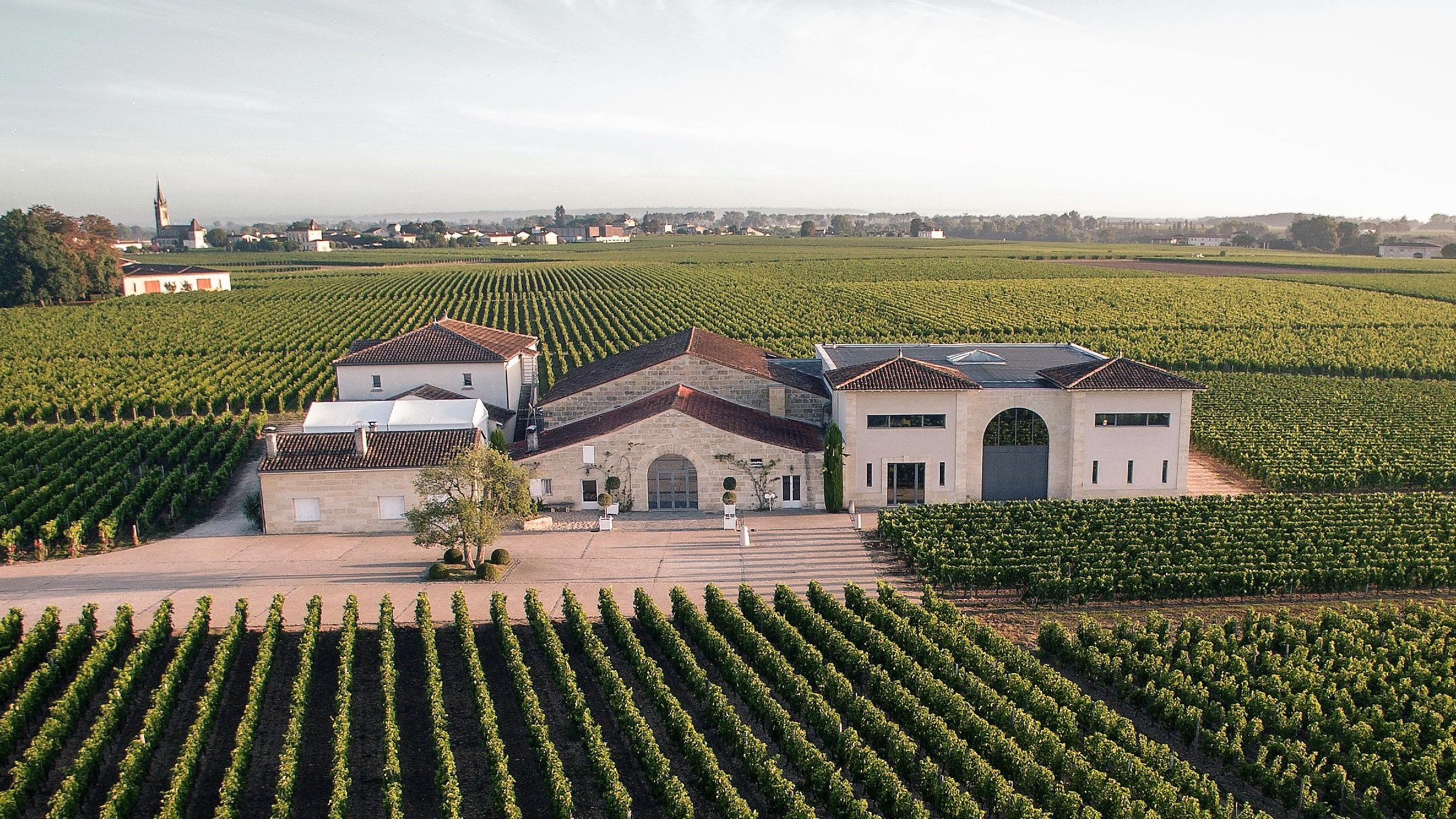
Approaching the limestone terraces east of Saint-Émilion's walled village, the shift in geology is something you register before anything else. The plateau's clay-limestone soils give way to steeper, south-facing côtes, and it is here that Château Larcis Ducasse occupies a position that wine geographers have long argued is among the appellation's most consequential. The estate's address at 1 Grottes d'Arsis places it within the band of côtes properties that sit in a distinctly different competitive conversation from the plateau's sandier estates. Before you consider what is in the bottle, the land itself frames the argument.
Saint-Émilion's classification system has historically rewarded côtes position, and the appellation's most discussed estates tend to cluster in this arc running east from the town. Larcis Ducasse shares this geography with a small number of neighbours, including Château Bélair-Monange and Château Canon-la-Gaffelière, estates whose positioning on the same limestone-clay band defines a recognisable style register: structured, age-worthy, with a minerality that sandier parcels rarely achieve.
Within the Saint-Émilion field, that signal carries weight: the appellation contains dozens of classified properties, but the number that consistently earn top-tier external recognition from specialist critics and clubs is considerably smaller.
The practical implication is that wine at this tier does not sit on retail shelves in the conventional sense. Properties at this recognition level typically sell through négociants, en primeur campaigns, or direct mailing lists, and secondary-market prices reflect the demand imbalance. Collectors approaching Saint-Émilion at the prestige tier would sensibly track Larcis Ducasse alongside Château La Mondotte and Château Clos Fourtet, two estates whose award trajectories and appellation standing place them in a comparable conversation. For broader Right Bank context, Château Coutet demonstrates how Bordeaux's prestige tier extends across appellations with distinct terroir identities.
The Côtes Terroir and What It Asks of the Wine
Saint-Émilion's côtes terroir is not a single uniform thing. The limestone bedrock varies in depth and composition across relatively short distances, and the gradient of the slopes affects drainage, heat retention, and root development in ways that express themselves in the wine's structure. Properties on the steeper sections of the côtes tend toward wines with more grip in youth and a longer arc of development, characteristics that distinguish them from the rounder, more accessible style of plateau Merlot.
Larcis Ducasse's parcel sits within this more demanding register. The côtes Merlot that defines Right Bank Bordeaux at this latitude produces wines that reward patience in a way that has made them natural candidates for en primeur buying and cellar accumulation, rather than early drinking. Comparing this dynamic to other appellation types is instructive: the same logic of terroir-driven structure versus accessibility applies in Alsace, where producers like Albert Boxler in Niedermorschwihr make wines that demand time, or in Médoc appellations where classified estates like Château Batailley in Pauillac and Château Branaire-Ducru in Saint-Julien occupy a similar collector calculus on the Left Bank.
How Larcis Ducasse Fits the Saint-Émilion Prestige Hierarchy
Saint-Émilion's classification has been revised multiple times, and the controversies surrounding those revisions have sharpened the market's attention on properties whose quality is argued through critical recognition rather than administrative tier alone.
The estate sits within a Saint-Émilion landscape where the gap between premier grand cru classé properties and everything below them is commercially significant. At the prestige level, Larcis Ducasse competes on a reputation basis with estates like Canon-la-Gaffelière and Bélair-Monange, both of which occupy similar côtes positions and face the same collector expectations. The Haut-Médoc's own prestige tier, represented by properties like Château Cantemerle and Château Boyd-Cantenac in Cantenac, offers a Left Bank counterpoint to how classified Bordeaux estates manage long-term reputation within their respective appellation hierarchies.
Visiting the Estate: Context and Practical Orientation
Saint-Émilion is among the most visited wine destinations in France, and the village itself draws significant tourist traffic to its medieval streets and underground church. The côtes estates east of the town operate in a quieter register than this, with visits typically arranged by appointment rather than through walk-in cellars. Larcis Ducasse, at 1 Grottes d'Arsis, sits on a lane that rewards those who have specifically sought it out rather than those touring the appellation's more accessible visitor infrastructure.
For collectors who engage with Bordeaux through en primeur channels, Larcis Ducasse sits within the same trading framework as peers across the Gironde. The Bordeaux en primeur campaign, typically running each spring for the previous vintage, is the primary access point for acquiring prestige-tier estates at release pricing. Comparable en primeur dynamics apply at other prestige Bordeaux addresses, from Château Bastor-Lamontagne in Preignac to Cantemerle in the Haut-Médoc, each with its own appellation positioning and collector base.
Beyond Bordeaux: Placing Larcis Ducasse in a Wider Collector Context
Serious wine collectors rarely approach a single estate in isolation. The same discipline that makes Larcis Ducasse worth tracking applies to prestige-tier producers in other categories: the patient accumulation of track record, the alignment between terroir rationale and critical recognition, and the resistance to chasing fashionable styles. Accendo Cellars in St. Helena and Aberlour both illustrate, in their respective categories, how prestige recognition in wine and spirits follows a recognisable logic of terroir specificity and consistent critical engagement. Even a category departure like Chartreuse in Voiron demonstrates that the collector appetite for provenance-rooted production extends well beyond still wine.
Within Saint-Émilion specifically, building a comprehensive view of the appellation's prestige tier means accounting for estates whose geographical arguments differ. La Mondotte operates on a micro-parcel logic, while Clos Fourtet combines plateau position with significant underground cellar infrastructure. Larcis Ducasse's côtes argument sits alongside these, not above or below, as a distinct expression of what the appellation's leading land can produce when handled with sufficient seriousness.
Comparable Venues
Comparable venues nearby, for context on price, style, and recognition.
| Venue | Cuisine | Price | Awards | Notes |
|---|---|---|---|---|
| Château Larcis DucasseThis venue — the venue you are viewing | Merlot, Cabernet Franc | Not listed | Michelin 1 Grape · Falstaff Winery - 4 Stars | Not listed |
| Château La Conseillante | Merlot, Cabernet Franc | Not listed | Michelin 3 Grapes · Falstaff Winery - 4 Stars | Pomerol |
| Château Le Tertre Roteboeuf | Merlot, Cabernet Franc | Not listed | Falstaff Winery - 4 Stars | Saint-Emilion |
| Château Canon-la-Gaffeliere | Merlot, Cabernet Franc | $50–100 | Michelin 1 Grape · Falstaff Winery - 4 Stars | Saint-Émilion |
| Château Bélair-Monange | Merlot, Cabernet Franc | Not listed | Michelin 1 Grape · Falstaff Winery - Listed | Saint-Emilion |
| Château Pavie | Merlot, Cabernet Franc | Not listed | Falstaff Winery - 4 Stars | Saint-Emilion |
Recognition history
Dated appearances from independent guides and award organizations, with the underlying list record or original source where available.
Michelin 1 Grape
Michelin
Falstaff Winery - 4 Stars
Falstaff
Continue exploring
More in Saint-Émilion
Wineries in Saint-Émilion
Browse all →
Bars in Saint-Émilion
Browse all →

Restaurants in Saint-Émilion
Browse all →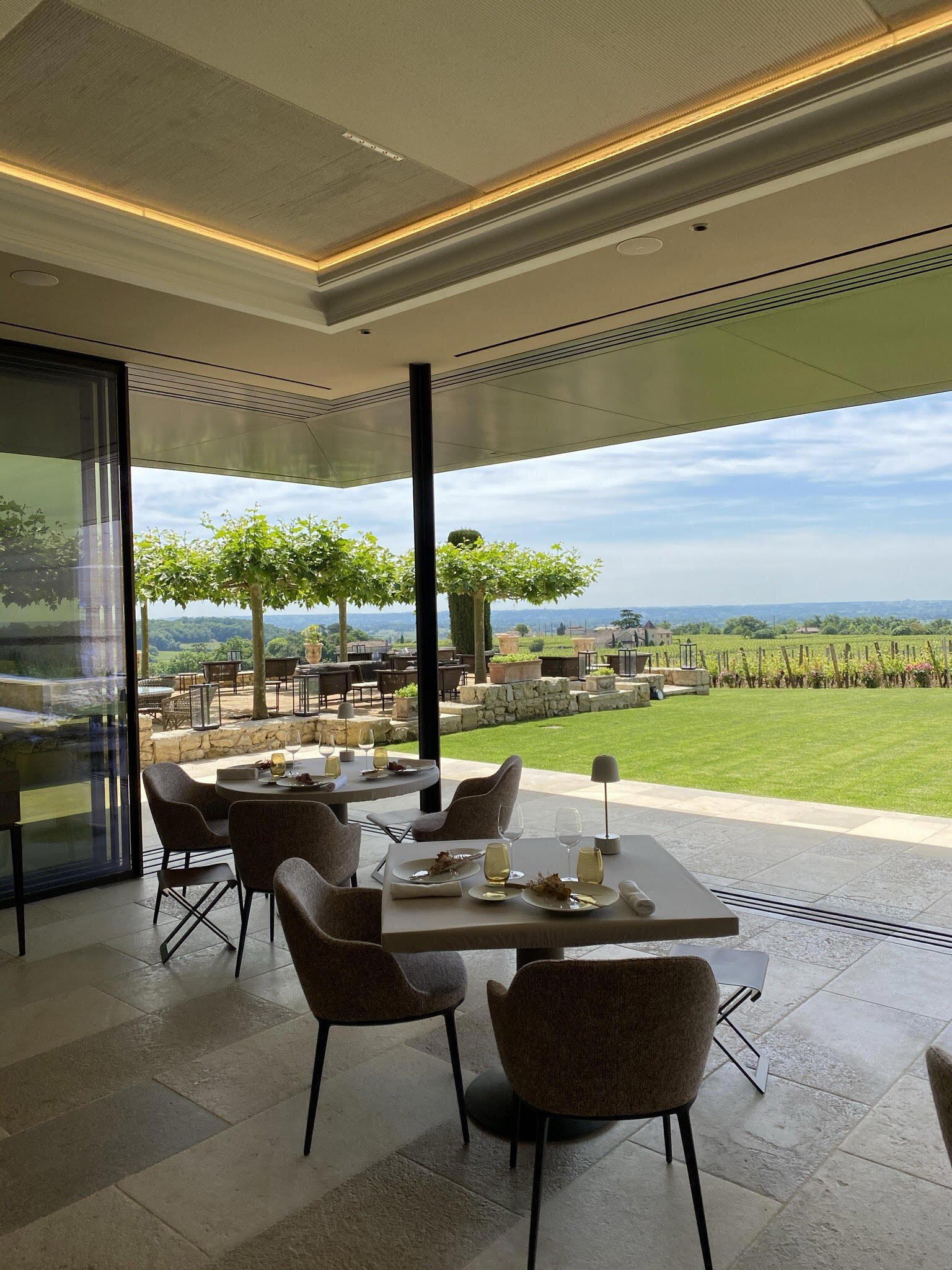
Details
- Elegant
- Sophisticated
- Scenic
- Classic
- Wine Education
- Special Occasion
- Vineyard Tour
- Panoramic View
- Historic Building
- Organic
- Vineyard
- Merlot
- Cabernet Franc
- Still Red
- Cave Tasting
- English
- French
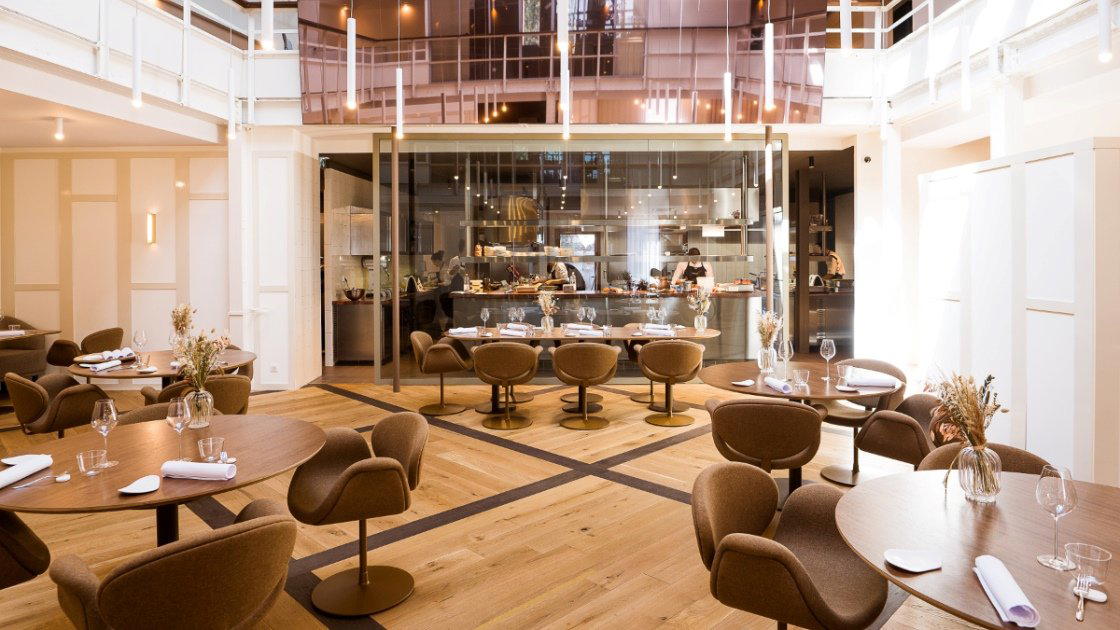
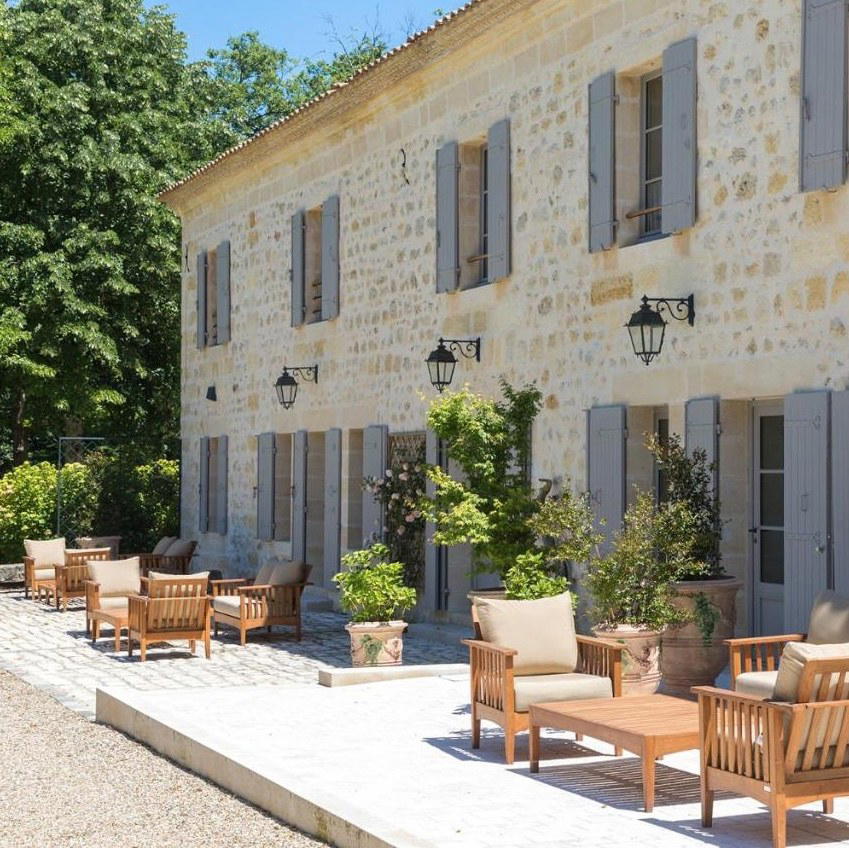
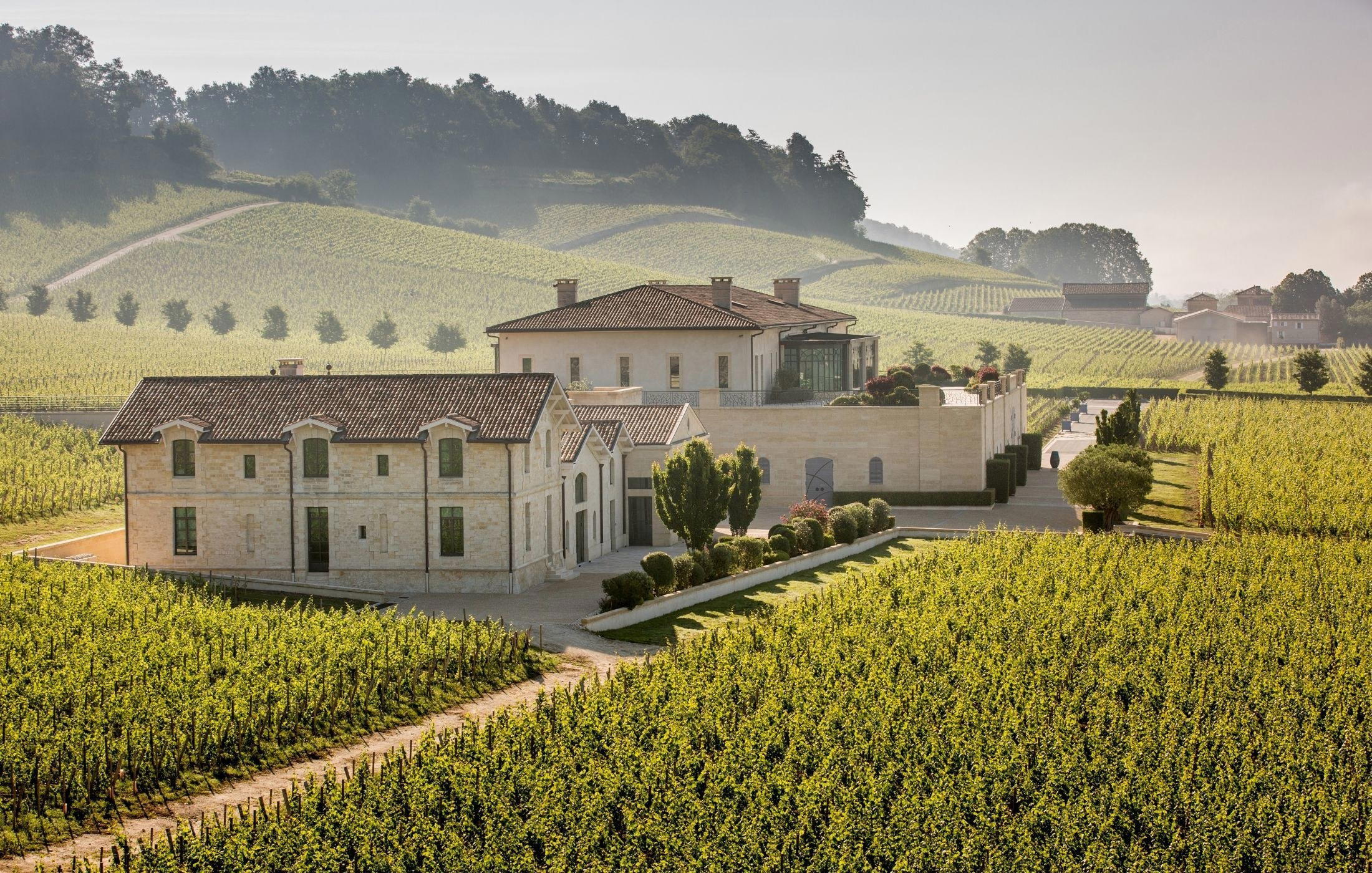
Elegant and refined atmosphere in a magnificent architect-designed winery overlooking Dordogne valley.