
Falstaff Winery - 3 Stars
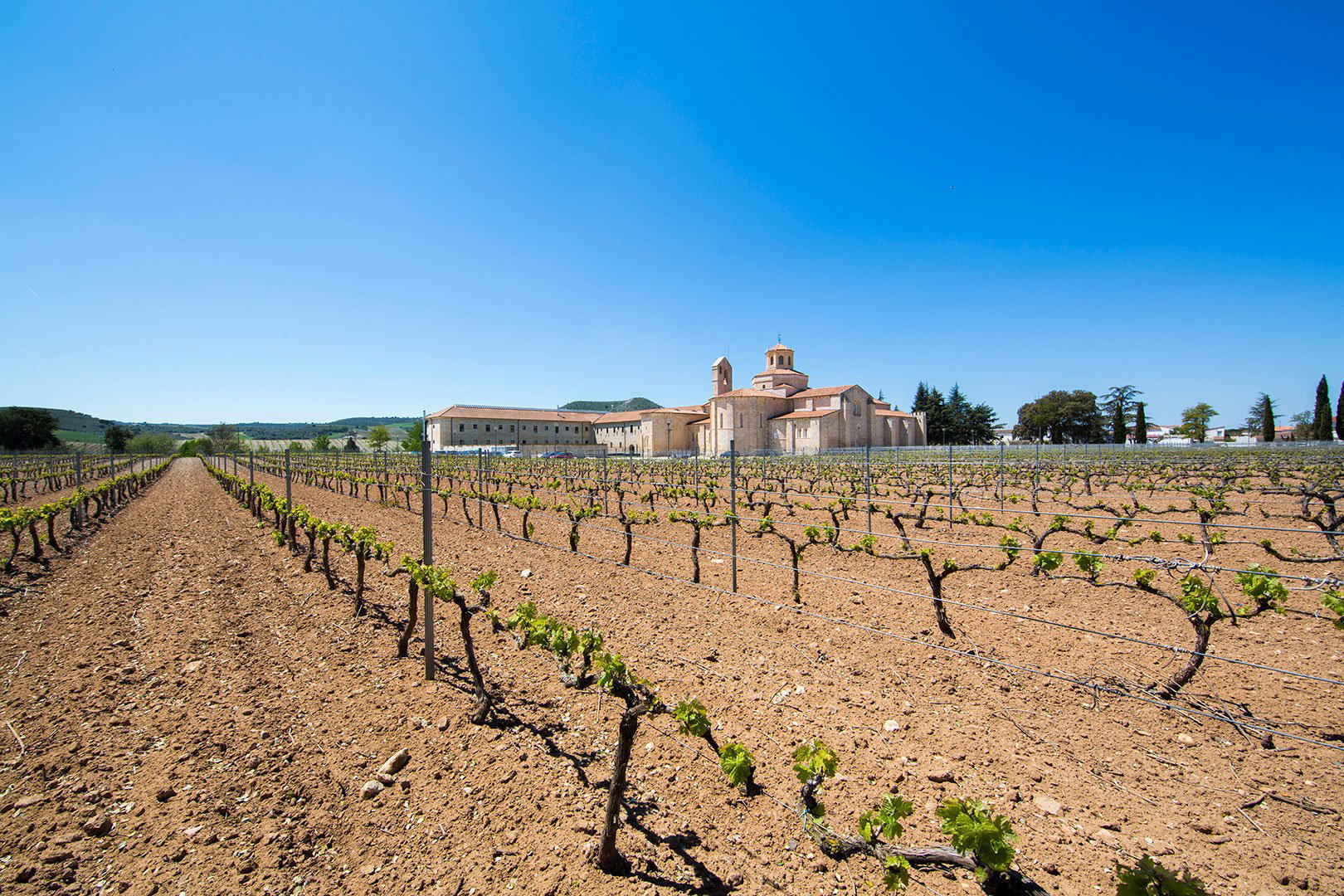
Bodegas Protos sits beneath the medieval castle of Peñafiel in the heart of Ribera del Duero, where limestone-laced soils and extreme continental temperatures give Tempranillo a particular density and structure.

Pearl is the En Primeur Club membership app — saves, bookings, and concierge access live there. Same editors, same standards.
- Address
- Cam. Bodegas Protos, 24-28, 47300 Peñafiel, Valladolid
- Phone
- +34 983 87 80 11
- Website
- bodegasprotos.com
- Directions
- Get directions
Under the Castle: Ribera del Duero as Architecture and Geology
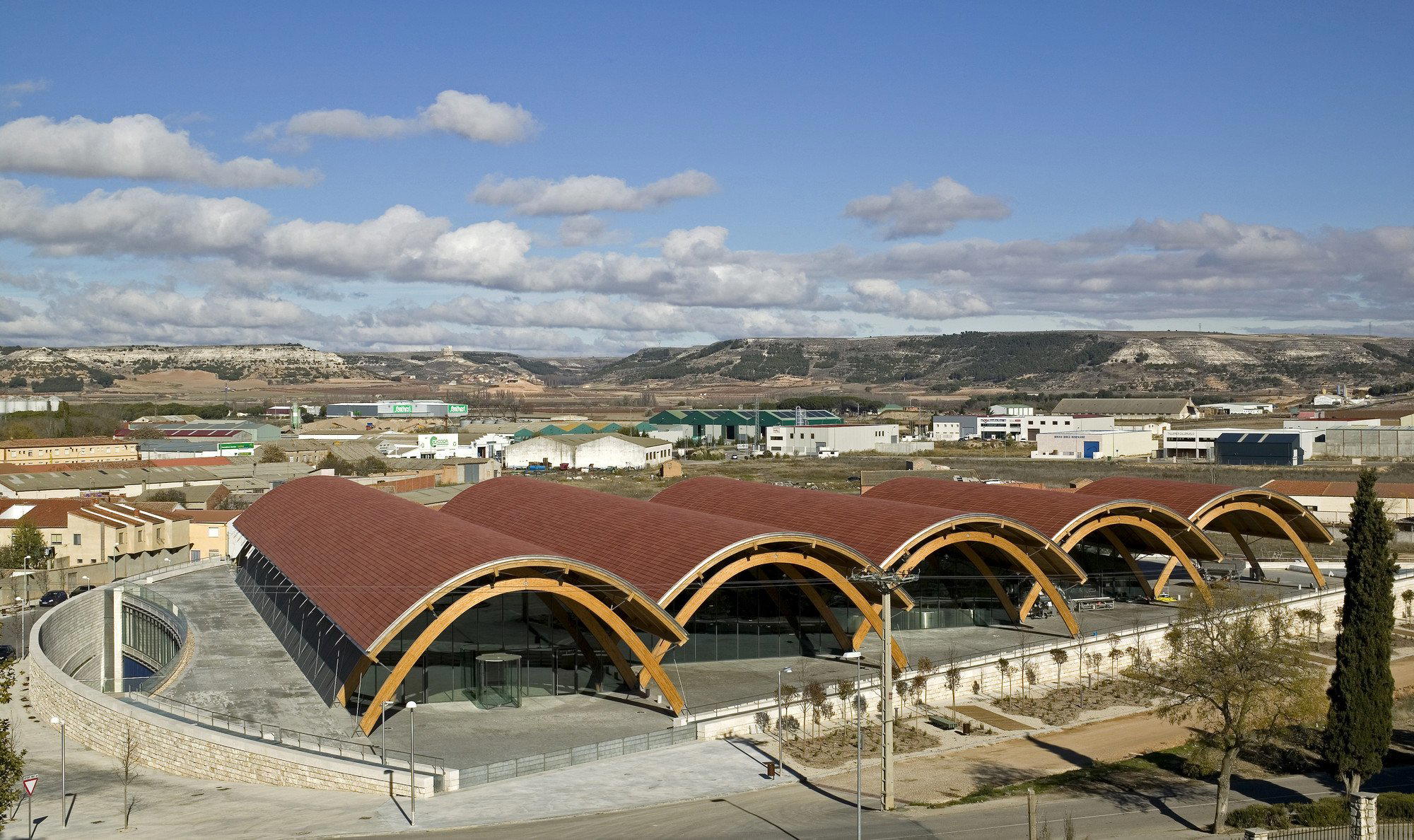
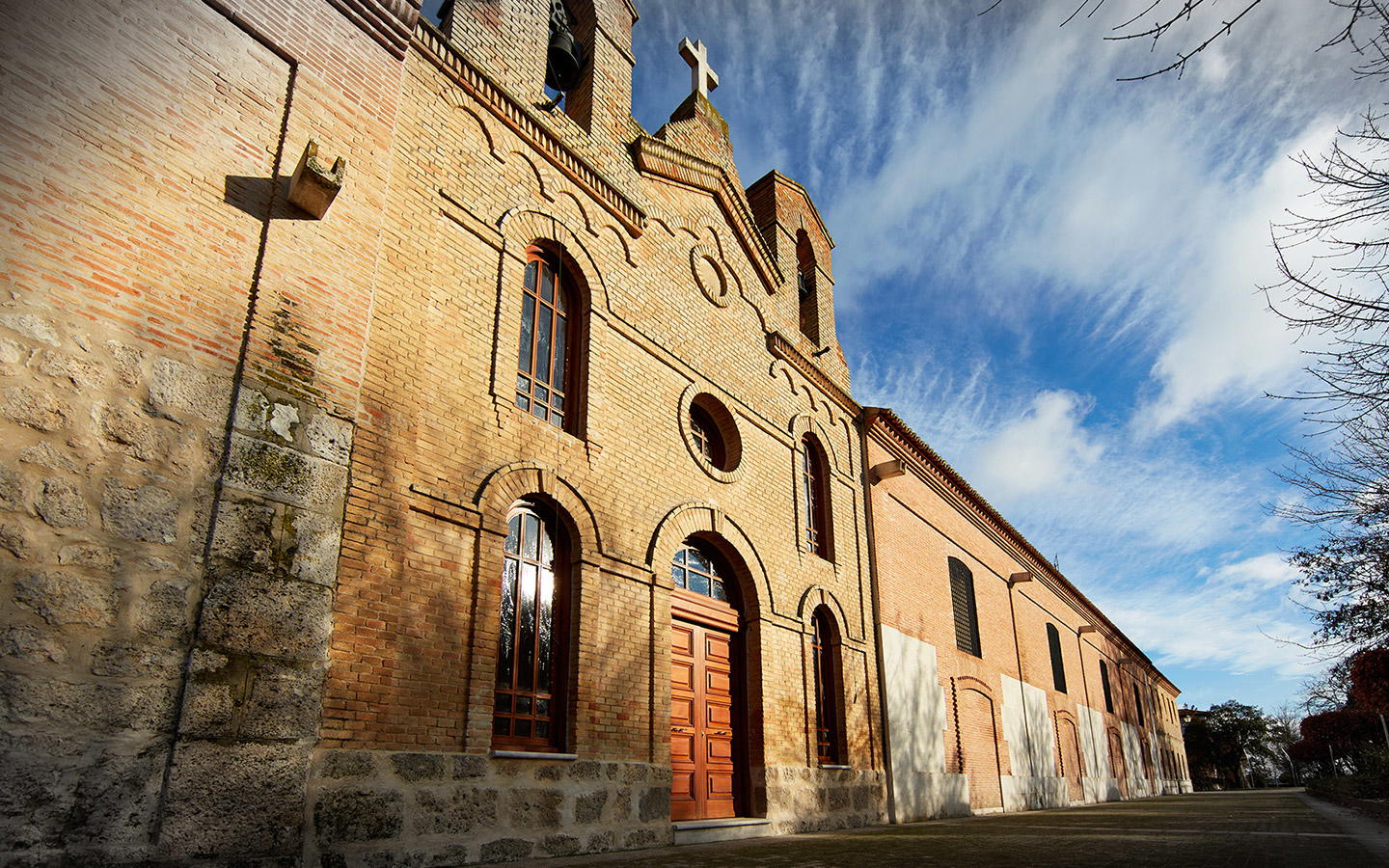
The approach to Bodegas Protos makes the argument before you taste anything. The winery sits at the foot of Peñafiel Castle, a narrow stone fortress strung along a ridge above the Duero valley, and the building that receives visitors is not a converted farmhouse but a purpose-built structure by the architect Richard Rogers — the same firm behind the Pompidou Centre in Paris. Few wineries in Spain announce themselves with that level of formal ambition, and that combination of medieval backdrop and contemporary engineering tells you something useful about where Protos positions itself in the Ribera del Duero conversation: rooted in place, but unwilling to be provincial about it.
Ribera del Duero occupies a plateau in Castile and León that sits at around 700 to 900 metres above sea level. That altitude is the single most important fact about the region's wines. Summer days reach temperatures that would ripen grapes to a sticky, low-acid excess anywhere at sea level, but the nights drop sharply, preserving the acidity that gives the wines their structure. The diurnal range here is among the widest of any serious red wine region in Europe, and it registers directly in the glass as tension between ripe dark fruit and a firm, mineral spine. Bodegas Protos, working with Tempranillo grown in this precise climatic window, operates within a style tradition that prizes that tension over soft, easy extraction.
Soil, Site, and the Logic of Ribera Tempranillo
The soils around Peñafiel are not uniform. The valley floor carries alluvial deposits, while the slopes rising toward the castle and outward across the plateau are limestone and chalk-rich clay, the same calcareous base that Burgundy's growers point to as the mechanism for mineral precision. Tempranillo planted in limestone-influenced ground in Ribera responds differently to the same clone grown in heavier clay soils further along the river: the wines tend toward firmer tannin, slower development, and a capacity for extended bottle ageing that has made this corner of the appellation the reference point within the DO. This is the terroir logic that winemakers along the Duero corridor, from Pago de Carraovejas upstream to Emilio Moro in Pesquera de Duero a few kilometres east, have been articulating for decades. Protos sits squarely within that conversation.
Ribera del Duero as a DO was formalised in 1982, relatively late for a region that had been producing serious wine for much longer — Protos itself was founded in 1927 as a cooperative, making it one of the oldest continuous producers in the appellation. That cooperative origin matters because it shaped the scale of the estate's vineyard holdings across the plateau, and those older vine plantings contribute a concentration and character that younger sites cannot replicate. In comparative terms, Protos occupies a different tier from boutique single-estate projects like Clos Mogador in Gratallops or allocation-driven micro-productions; it is a heritage-scale house with the infrastructure to maintain consistent quality across a range of labels, from accessible Joven bottlings up through Reserva and Gran Reserva expressions that require years of patience.
For visitors, the practical implication is that a trip to Protos is not simply a cellar tour with a glass at the end, it is a structured engagement with one of the region's anchor producers, in a building that merits the visit on architectural grounds alone.
Across Spanish wine tourism, the estates that attract serious visitors consistently combine a legible sense of place with a wine range that rewards time and comparison. CVNE (Cune) in Haro offers that in Rioja through age and tradition; Abadía Retuerta in Sardón de Duero does so through a single-estate hotel format a short drive west along the Duero; Bodegas Ysios in Laguardia stakes its claim on Santiago Calatrava's roofline. Protos makes its case through the Rogers building, the castle ridge, and the weight of almost a century of production from this specific plateau.
Tasting Through the Range: What the Wines Signal
Ribera del Duero Tempranillo, locally often referred to by its historical name Tinto Fino, responds to oak handling very differently depending on the age of the barrel and the age of the vine. Younger, fruit-forward expressions from the region typically use newer French oak and aim for early accessibility. Reserva and Gran Reserva wines from established producers extend their time in barrel and bottle, allowing the tannin framework to integrate and the fruit to develop the dried herb, tobacco, and earthy complexity that distinguishes aged Ribera from its more immediate Rioja counterparts. Protos, with its deep cellar capacity and long production history, works across this full spectrum. A visit that moves through the range from entry-level to aged Reserva illustrates the trajectory better than any description can: you taste the same plateau terroir at different points in its development arc.
For comparison across Spain's premium red wine tradition, Marqués de Cáceres in Cenicero and Arzuaga Navarro in Quintanilla de Onésimo each represent different approaches to the Tempranillo-and-oak conversation. Beyond Spain, the ambition of single-site precision at this latitude connects loosely to the philosophy pursued by Accendo Cellars in St. Helena, where site-driven concentration and structured ageing are similarly the animating logic.
Planning a Visit to Peñafiel
Peñafiel sits roughly 60 kilometres east of Valladolid along the A-11, a drive that takes under an hour and passes through the flat agricultural plateau that defines Castile at this latitude. The town itself, beyond Bodegas Protos, is worth the afternoon: the castle houses the Museo Provincial del Vino, which contextualises the region's history effectively, and the Plaza del Coso is one of the better-preserved medieval squares in Castile. For a full Ribera del Duero itinerary, our full Peñafiel restaurants guide maps the surrounding options in detail.
Wine tourism in this part of Spain runs at a different pace than in the more visitor-saturated regions. Peñafiel does not carry the hotel infrastructure of, say, the Rioja Alavesa around Laguardia, and visitors planning more than a day trip should book accommodation in Valladolid and build day excursions outward. Protos is the anchor producer in the town, but the density of serious estates within 20 kilometres, including Pago de Carraovejas, makes a two-day circuit through the central Ribera del Duero a practical and rewarding structure. Spring and autumn are the most comfortable seasons; summer heat on the plateau is significant, and harvest typically runs through September and into October, when the estates are active and the atmosphere at working wineries is at its most immediate.
For context on how Protos fits within Spain's broader wine estate tradition, it is worth comparing notes against houses with a similarly deep institutional history: Bodegas Vivanco in Valle de Mena in the Rioja highlands offers a museum-forward experience at comparable scale; Codorníu in Sant Sadurní d'Anoia is the Catalan counterpart in terms of heritage and architectural ambition; Lustau in Jerez de la Frontera operates in a completely different wine tradition but represents a similarly serious institutional producer worth calibrating against. Marqués de Griñón (Dominio de Valdepusa) in Malpica de Tajo, south of Toledo, rounds out the picture of premium Castilian wine outside the Duero corridor. Across all of these, what distinguishes Protos is the specific density that the Peñafiel plateau delivers, altitude, limestone, and a continental climate with no concessions to ease.
Side-by-Side Snapshot
Comparable venues nearby, for context on price, style, and recognition.
| Venue | Cuisine | Price | Awards | Notes |
|---|---|---|---|---|
| Bodegas ProtosThis venue — the venue you are viewing | Tempranillo, Tinto Fino | $30–50 | Falstaff Winery - 3 Stars | Not listed |
| Pago de Carraovejas | Tinto Fino, Cabernet Sauvignon | Not listed | World's 50 Best #18 · Falstaff Winery - 4 Stars | Peñafiel |
| Tinto Pesquera (Alejandro Fernández) | Tempranillo | Not listed | Falstaff Winery - 3 Stars | Pesquera de Duero |
| Marqués de Cáceres | Tempranillo, Garnacha | Not listed | Falstaff Winery - 3 Stars | Cenicero |
| CVNE (Cune) | Tempranillo, Viura | Not listed | Not listed | Barrio de la Estación |
| Fernet Capri Distillery | Winery | Not listed | Not listed | Córdoba |
Recognition history
Dated appearances from independent guides and award organizations, with the underlying list record or original source where available.
Falstaff Winery - 3 Stars
Falstaff
Continue exploring
More in Peñafiel
Wineries in Peñafiel
Browse all →
Restaurants in Peñafiel
Browse all →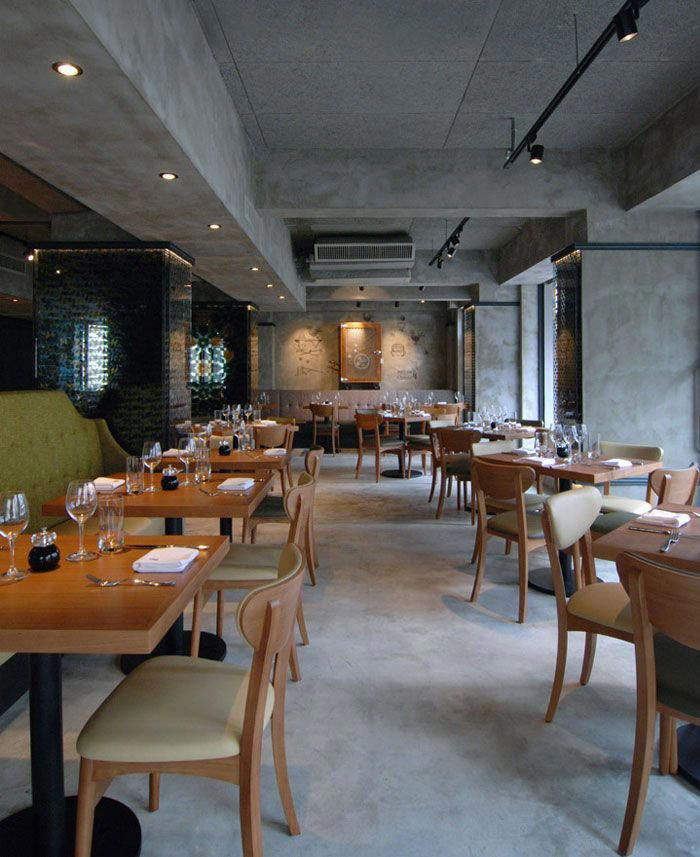
Details
- Well Known
- Elegant
- Modern
- Scenic
- Wine Education
- Group Outing
- Special Occasion
- Cave Tasting
- Barrel Room
- Estate Grounds
- Terrace
- Panoramic View
- Historic Building
- Design Destination
- Sustainable
- Dry Farmed
- Vineyard
- Mountain
- Tempranillo
- Tinto Fino
- Verdejo
- Grenache
- Syrah
- Albillo
- Still Red
- Still White
- Still Rosé
- Guided Tasting
- Cave Tour
- Barrel Room Experience
- Spanish
- English
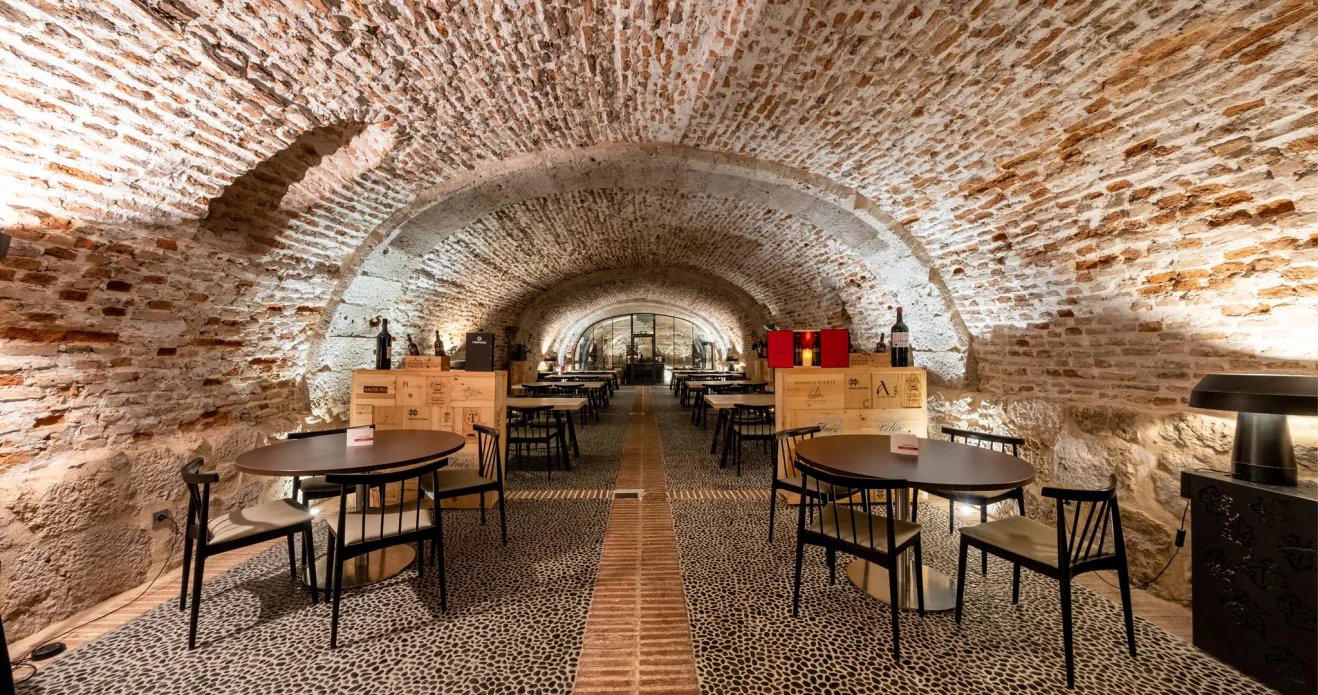
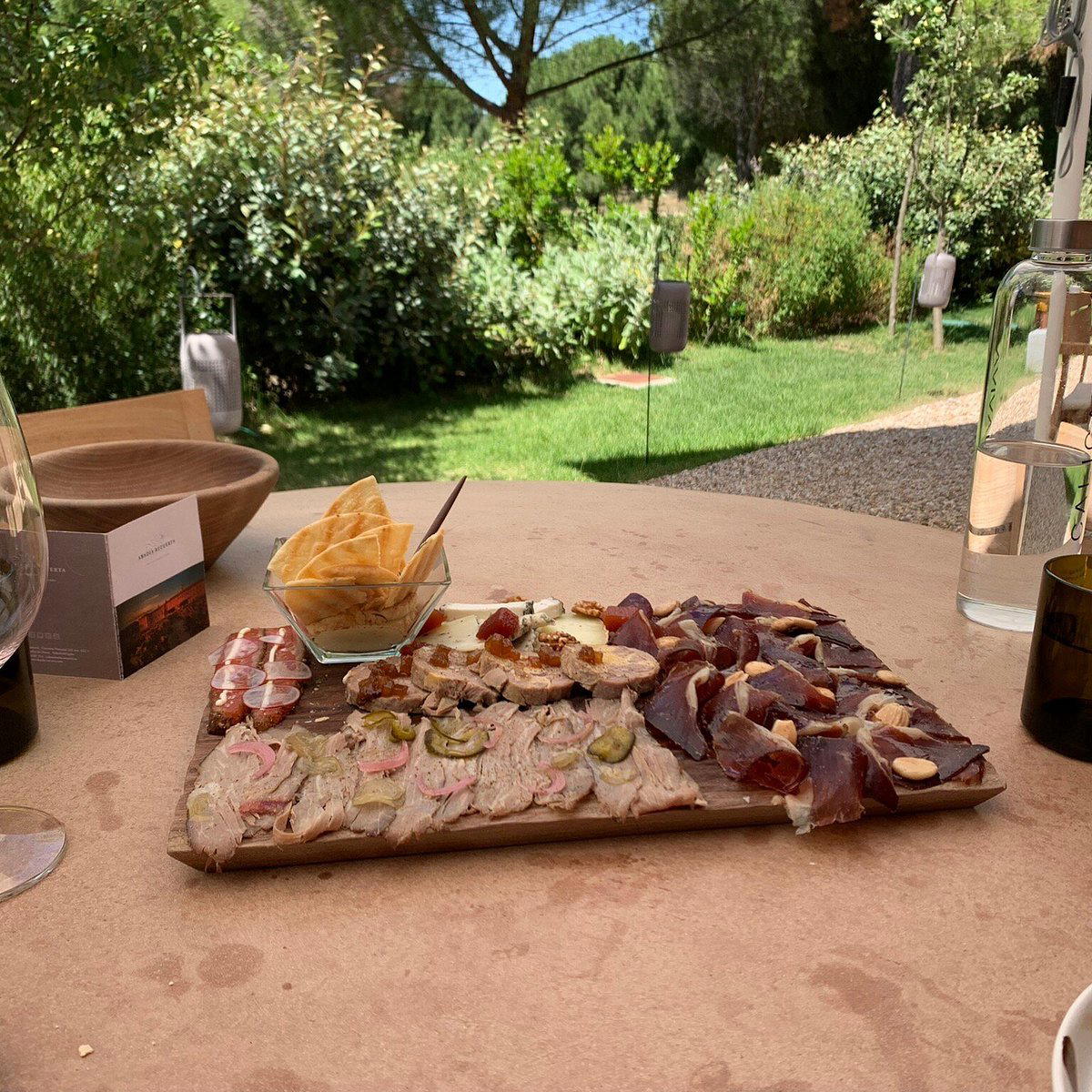
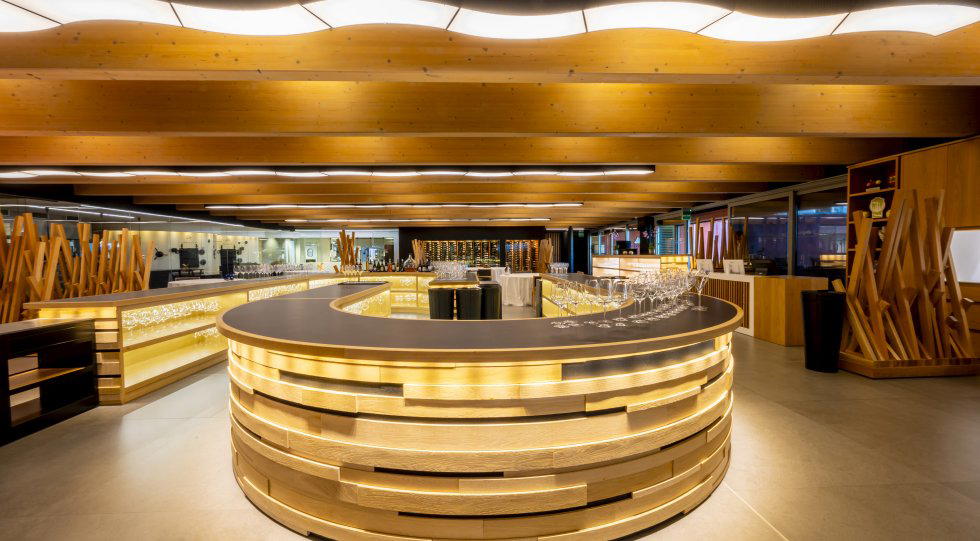
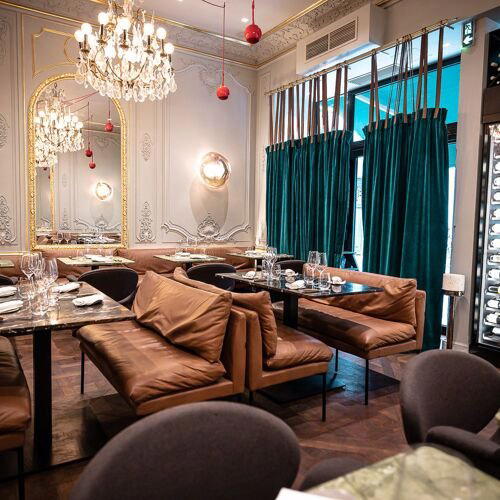
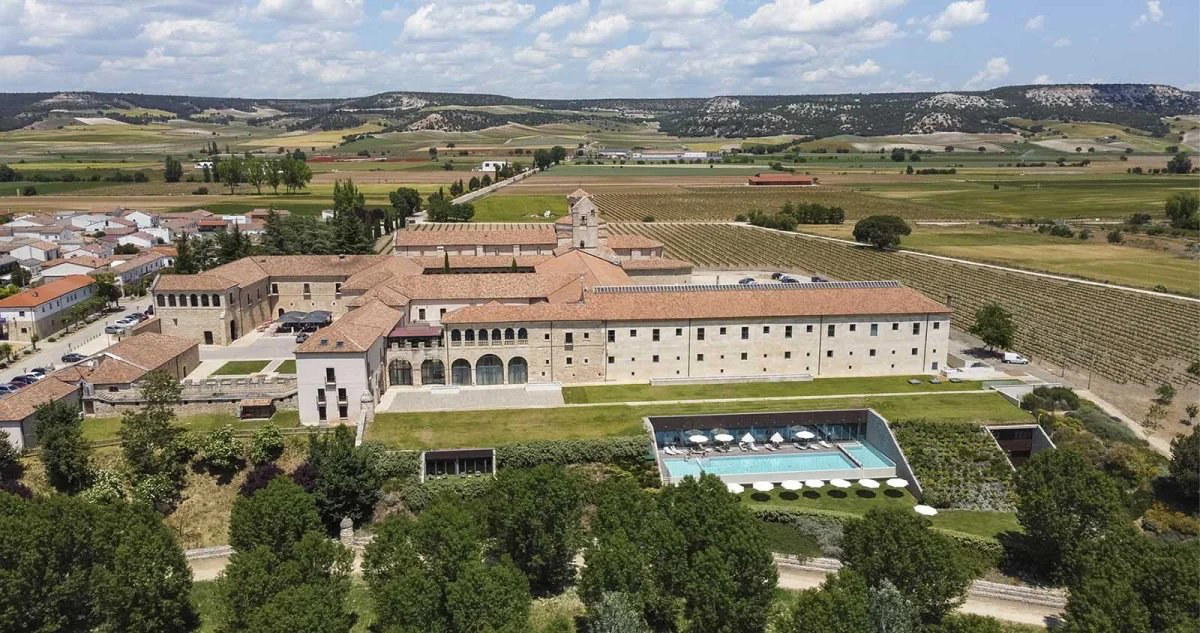
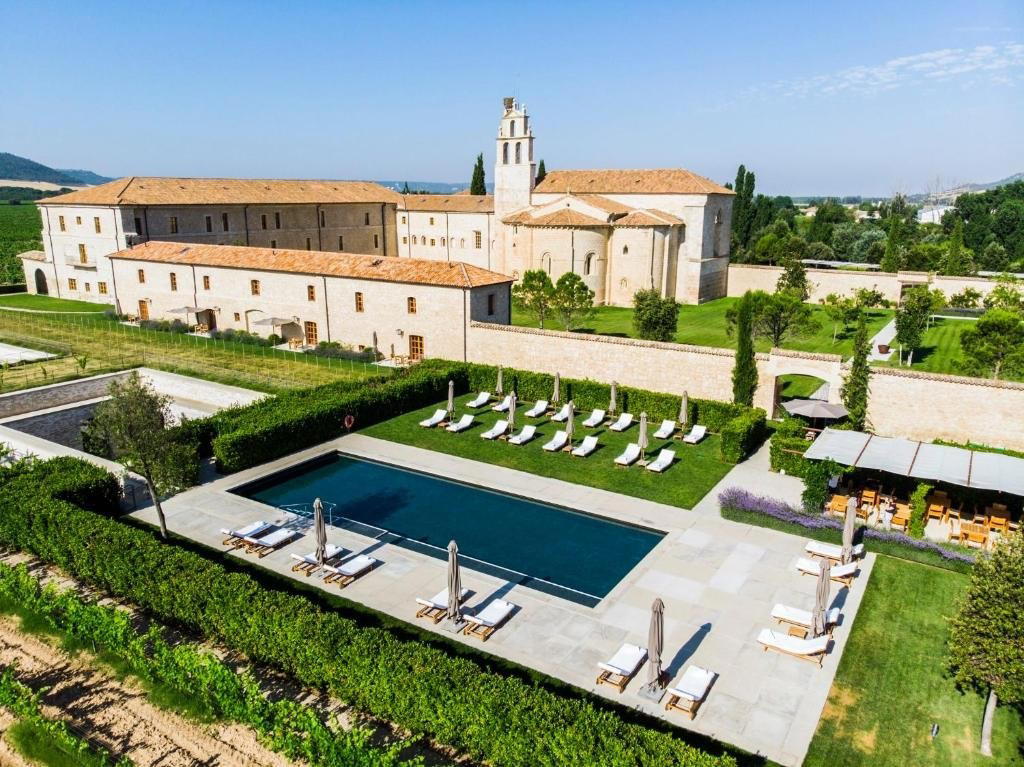
Modern, light-filled spaces with contemporary architecture; underground cellars provide cool, atmospheric wine storage; outdoor terraces offer vineyard and castle views.