
Falstaff Winery - 3 Stars
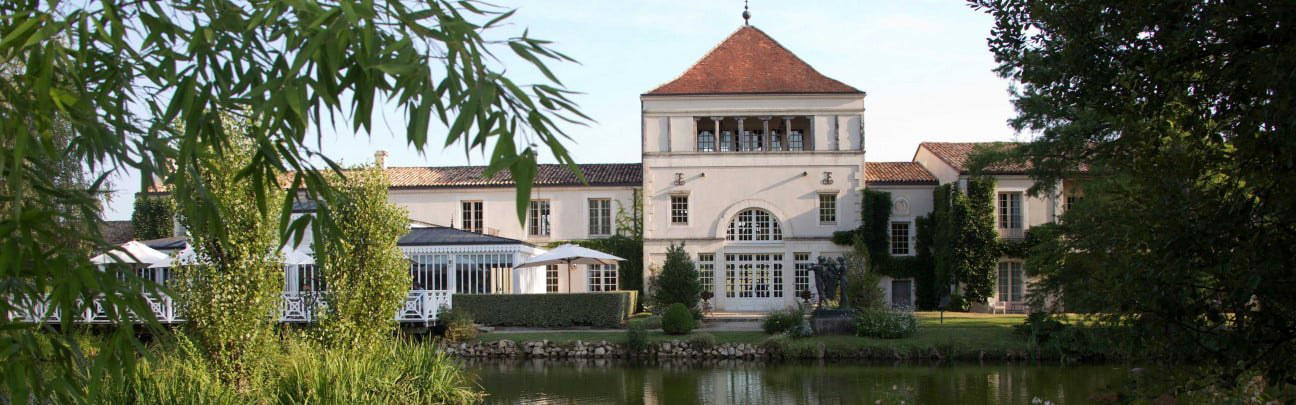
A Premier Cru Classé estate in Bommes, Sauternes, Château Rayne-Vigneau produces botrytis-affected sweet white wines from vines grown on one of the appellation's most mineral-rich gravel and clay terroirs.

Pearl is the En Primeur Club membership app, where members save venues, book tables and use the concierge.
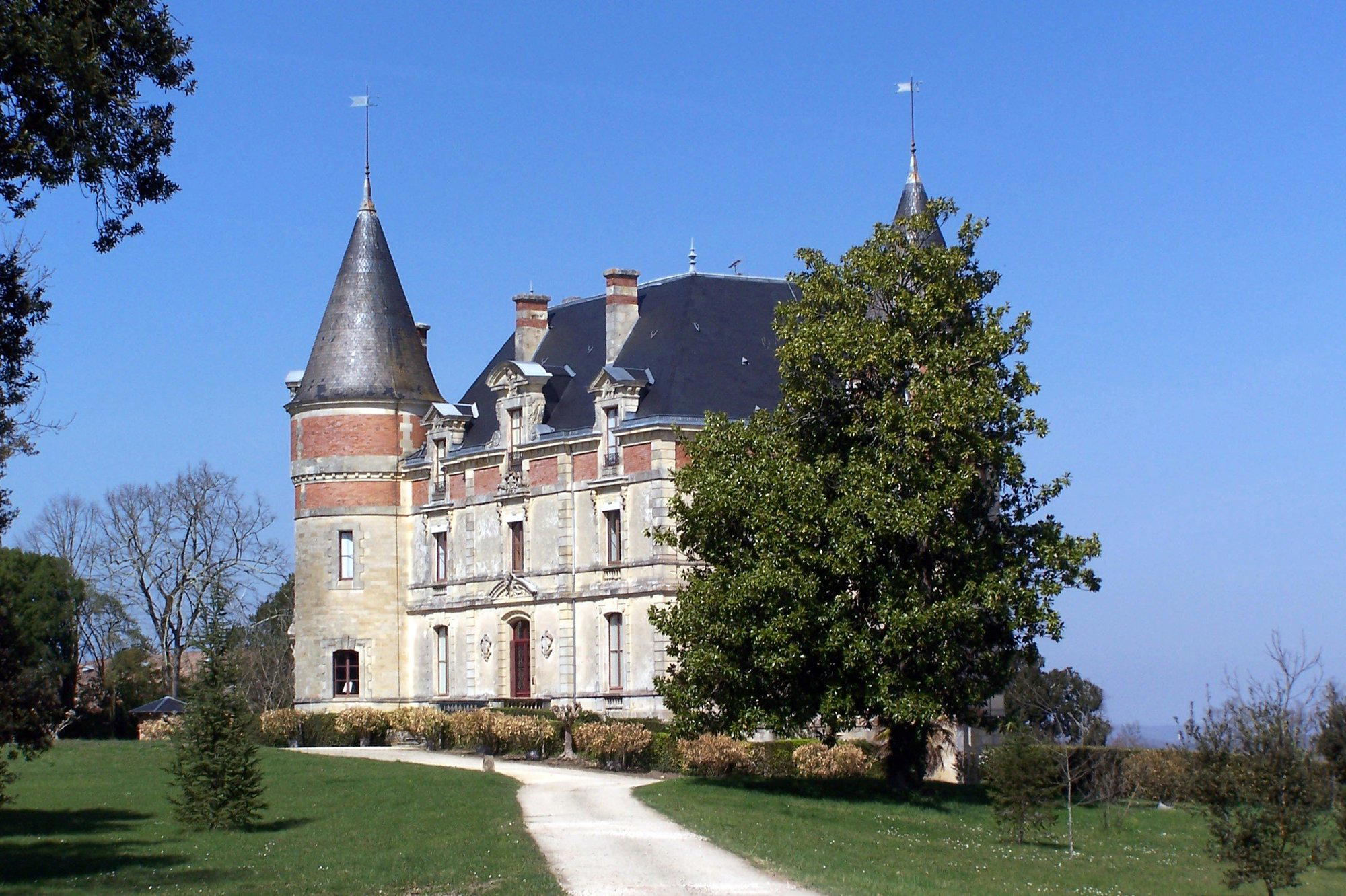
Sauternes in Autumn: What the Harvest Window Actually Decides
Arrive in the Sauternes communes during October and the language of the harvest shifts from calendar to weather report. In Bommes, where the Ciron river fog rolls in each morning and burns off by mid-morning to create the humidity cycles that Botrytis cinerea requires, the window between rot that concentrates and rot that destroys can be a matter of days. Estates here do not pick on a schedule. They pick on a reading, of the sky, the berry, the spore load in the vineyard. That decision, made once a year, is the single most consequential act in the production of Sauternes, and it shapes everything that follows in the cellar at properties like Château Rayne-Vigneau.
Rayne-Vigneau sits on the Route du Piquey in Bommes, a commune whose classified estates occupy a compact but historically significant slice of the left bank of the Garonne. The 1855 classification placed several Bommes properties in the Premier Cru tier, and the commune has continued to anchor that part of the Sauternes hierarchy. Neighbouring estates including Château Rabaud-Promis and Clos Haut-Peyraguey share broadly similar terroir conditions, making Bommes one of the more coherent sub-clusters within the Sauternes classification for comparative tasting.
After the Pick: How Barrel Decisions Shape the Style
Sauternes production diverges most clearly not in the vineyard but in the chai. Once the hand-harvested, botrytis-affected fruit arrives at the winery, the winemaking team faces a sequence of decisions that collectively determine whether the finished wine reads as lush and early-drinking or structured and age-worthy. Oak selection sits near the centre of that decision tree. New oak adds vanilla and spice integration but can overwhelm the delicate saffron, apricot, and candied citrus aromatic register that defines the appellation's most transparent wines. Older barrels preserve primary fruit character but offer less structural scaffold for wines intended for long cellaring.
Across Sauternes, the most discussed versions of this tension involve estates that have moved toward higher proportions of used barrels and stainless steel over the past two decades, a shift that reflects a broader preference in the market for wines where botrytis character and terroir read with greater clarity. What is documentable is that the estate holds Premier Cru Classé status under the 1855 classification, which implies a production and aging framework consistent with the classification tier's expectations. For comparative context on how barrel programs differ across the southern Médoc and Sauternes, Château La Mission Haut-Brion and Château Batailley in Pauillac represent useful reference points from within the broader Bordeaux classification system, even if their production categories differ entirely.
The Sauternes and Barsac classification of 1855 placed Château d'Yquem alone at the leading as Premier Cru Supérieur, then grouped eleven estates as Premiers Crus and twelve as Deuxièmes Crus. Rayne-Vigneau's Premier Cru standing places it in a cohort whose wines, at release and particularly after a decade or more of cellaring, attract comparisons that reveal how individual properties handle the same raw material differently. Château La Tour Blanche, also a Premier Cru, operates from the adjacent commune of Bommes and represents one natural comparison point. Château de Myrat, classified as a Deuxième Cru in the Barsac section, offers a useful cross-commune reference for how appellation character shifts when the terroir moves from the Bommes plateau toward the limestone-inflected soils further south.
What makes Bommes distinct within Sauternes is partly geological. The commune's better-positioned plots sit on a ridge of Günzian gravel over clay that drains freely but retains enough moisture to support Semillon vines through the summer. That gravel base connects Bommes terroir conceptually to other gravel-dominant Bordeaux appellations, even if the grape variety, yields, and vinification approach differ sharply from anything produced on the left bank further north. When comparing across regions rather than just within Sauternes, estates in other French appellations known for long-aged whites, such as Albert Boxler in Niedermorschwihr, provide a useful lens for thinking about how mineral-rich terroir interacts with extended barrel and bottle aging in completely different production contexts.
Cellaring Logic: When to Open a Sauternes
The commercial case for drinking Sauternes young has strengthened over the past decade as producers have refined techniques to produce wines with more immediate aromatic appeal. But the classified estates of Bommes, including Rayne-Vigneau, produce wines whose structural architecture, built from high residual sugar, natural acidity from botrytised fruit, and oak aging, tends to reward patience. In strong vintages, a Premier Cru Sauternes will often show better at fifteen years than at five, as the primary botrytis aromatics integrate and secondary honeyed, waxy, and oxidative notes begin to emerge.
For buyers approaching Rayne-Vigneau as a cellaring proposition, vintage conditions in Sauternes are the primary variable. Years with concentrated botrytis spread (as opposed to patchy infection that requires multiple passes through the vineyard) generally produce wines with the acidity and sugar balance to age longest.
For those building a cellar that mixes Sauternes with other long-aging French producers, it is worth noting that the logic of extended maturation applies across categories. Estates like Chartreuse in Voiron operate on similarly long development timelines in the spirits category, where years of aging in specific vessel conditions transform primary character into something more complex. The parallel is not about product type but about patience as a production value.
Visiting Bommes: Practical Orientation
Bommes sits approximately 40 kilometres southeast of Bordeaux, accessible by car via the D1113 through Langon. The commune is small enough that the classified estates are the primary reason to visit, and most serious itineraries in the area are built around tastings at two or three properties in a single day. Booking ahead is advisable for all Premier Cru estates; Sauternes properties are not high-volume tourist operations, and many tastings are structured for trade and collector audiences rather than casual visitors.
The Sauternes harvest period, which runs from late September through November depending on botrytis development and weather, is the most atmospheric time to visit. Vineyards will show multiple stages of botrytis infection simultaneously, and the fog-and-sun rhythm of the valley is visible as a working condition rather than a picturesque backdrop. For a broader view of the Bommes estate landscape, the EP Club's full Bommes restaurants and venues guide covers the commune in fuller context.
Buyers who want to extend beyond Sauternes in the same trip often route through Saint-Émilion, where Château Bélair-Monange represents a sharply different production tradition on limestone and clay, or through the Médoc for a comparison of how Bordeaux's classification system works in a red wine context, with estates such as Château Branaire Ducru in St-Julien or Château Boyd-Cantenac in Cantenac providing classified claret benchmarks. For those whose interests extend to the new world, Accendo Cellars in St. Helena offers a Napa perspective on what allocation-level production looks like in a completely different regulatory and climatic context. Closer to home in the sweet wine category, Château Bastor-Lamontagne in Preignac sits just south of Bommes and produces Sauternes at a different classification tier, useful for calibrating how Premier Cru structure compares with the appellation's broader output. Back in Bommes itself, the Aberlour distillery comparison points to how different production traditions handle long maturation in wood as a central craft, a thematic link rather than a categorical one, but worth holding in mind when thinking about what distinguishes aged liquid produced with intention from product designed for early consumption.
Similar Picks
Comparable venues nearby, for context on price, style, and recognition.
| Venue | Cuisine | Price | Awards | Notes |
|---|---|---|---|---|
| Château Rayne-VigneauThis venue (the venue you are viewing) | Sémillon, Sauvignon Blanc | Not listed | Falstaff Winery - 3 Stars | Not listed |
| Clos Haut-Peyraguey | Semillon, Sauvignon Blanc | Not listed | Falstaff Winery - 3 Stars | Bommes |
| Château Sigalas-Rabaud | Sémillon, Sauvignon Blanc | $10–20 | Michelin 1 Grape · Falstaff Winery - 3 Stars | Bommes |
| Château Lafaurie-Peyraguey | Sémillon, Sauvignon Blanc | Not listed | Falstaff Winery - 3 Stars | Bommes |
| Château de Myrat | Semillon, Sauvignon Blanc | Not listed | Falstaff Winery - 2 Stars | Barsac |
| Château La Mission Haut-Brion | Cabernet Sauvignon, Merlot | Not listed | Michelin 2 Grapes · Falstaff Winery - 4 Stars | Pessac-Léognan |
Recognition history
Dated appearances from independent guides and award organizations, with the underlying list record or original source where available.
Falstaff Winery - 3 Stars
Falstaff
Continue exploring
More in Bommes
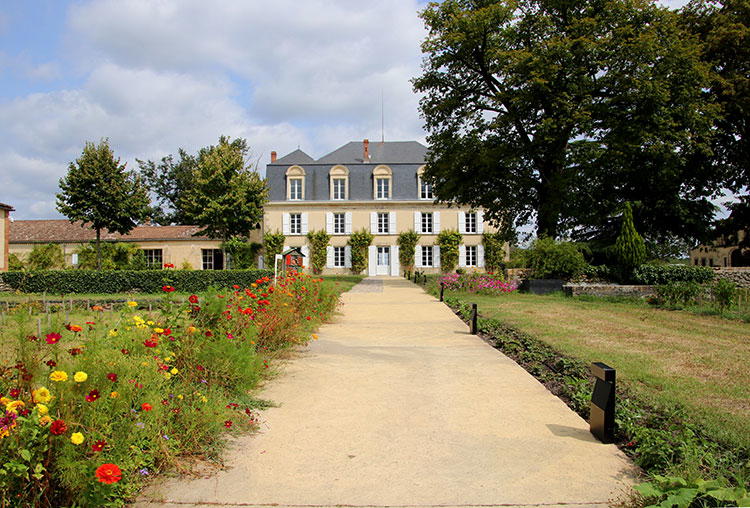
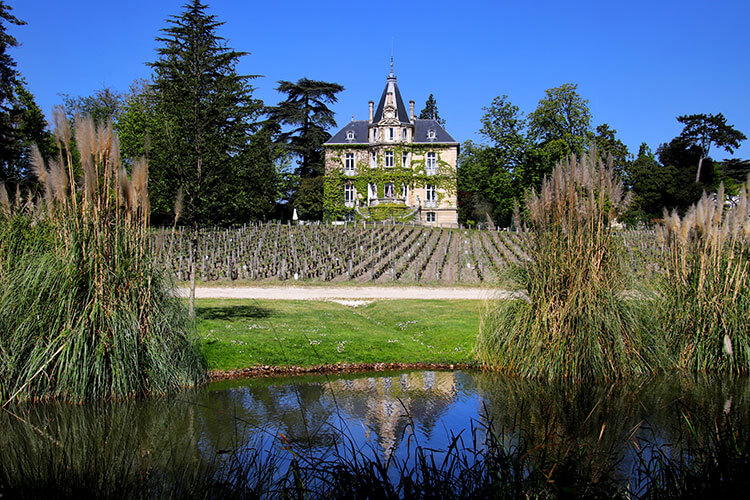
Wineries in Bommes
All wineries in Bommes →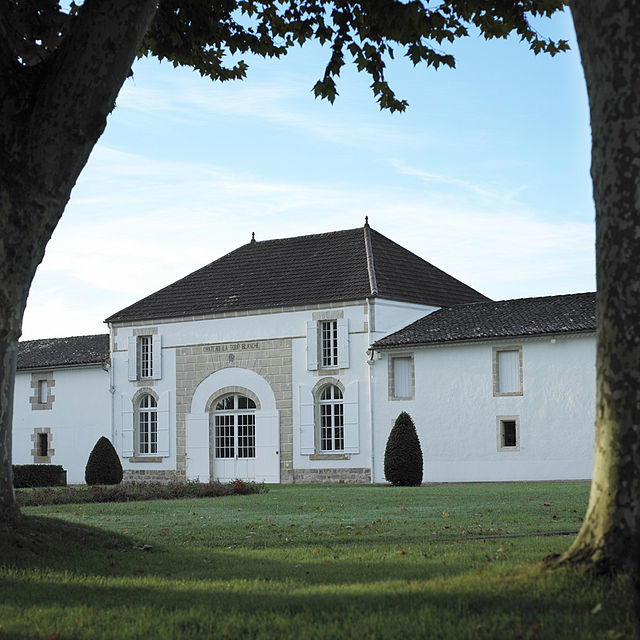
Bars in Bommes
Browse all →
Details
- Elegant
- Classic
- Scenic
- Sophisticated
- Wine Education
- Special Occasion
- Vineyard Tour
- Barrel Room
- Estate Grounds
- Sustainable
- Vineyard
- Sémillon
- Sauvignon Blanc
- Muscadelle
- Dessert
- Cave Tasting
- Barrel Room
- French
- English
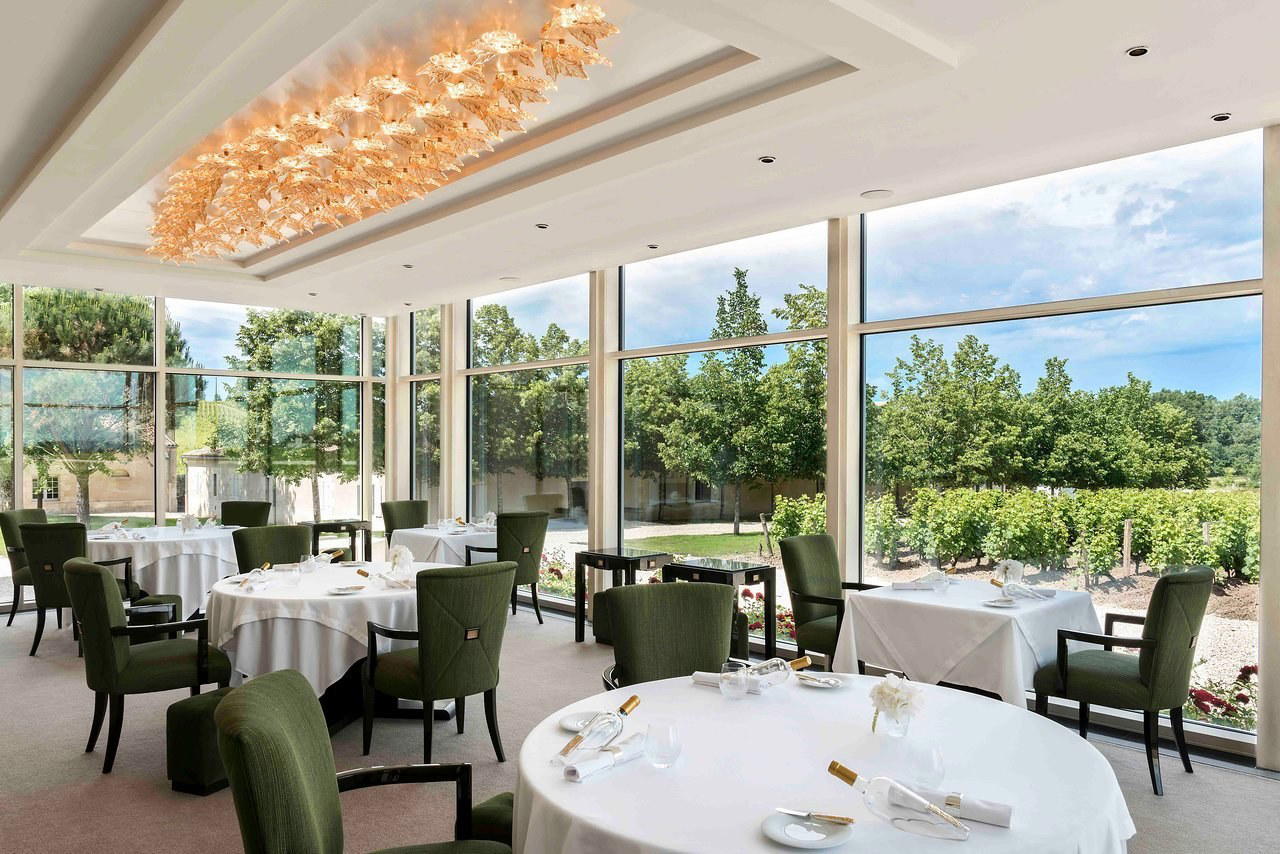
Elegant and historic château atmosphere with refined, fresh Sauternes wines in a scenic vineyard setting.