Weingut Georg Breuer

Falstaff Winery - 5 Stars
The estate is positioned among the Rheingau's upper tier of Riesling producers, where the combination of slate soils, south-facing slopes, and the Rhine's moderating influence consistently produces wines of notable precision and depth.

Pearl is the En Primeur Club membership app, where members save venues, book tables and use the concierge.
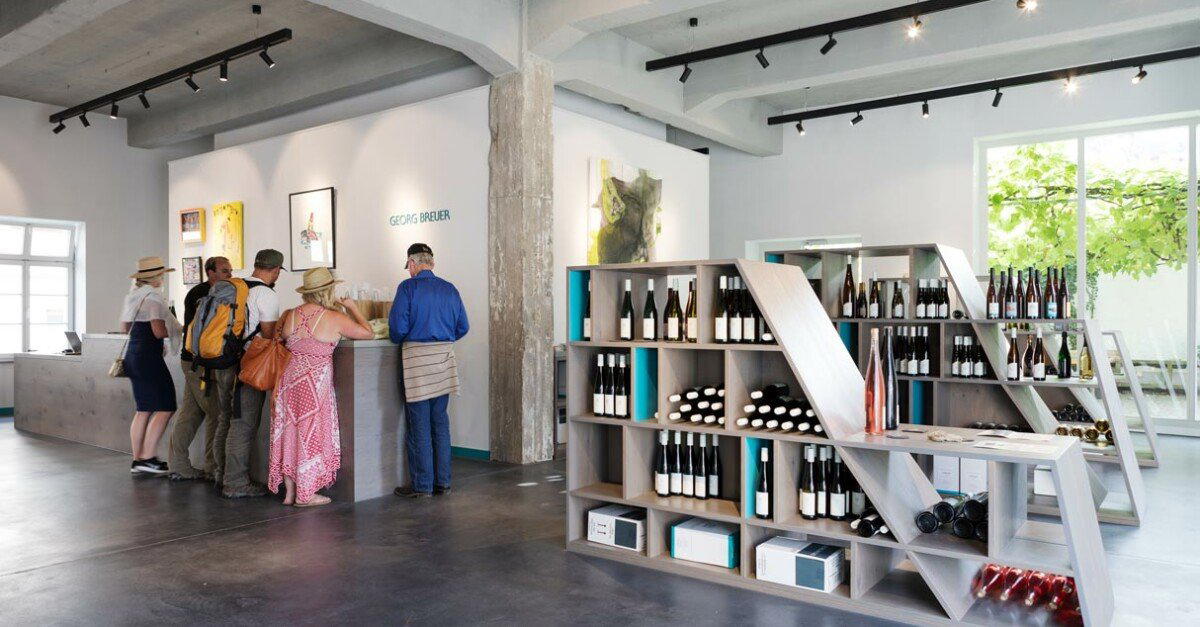
Where the Rhine Shapes the Wine
Stand at the edge of Rüdesheim am Rhein on a clear morning and the logic of the Rheingau becomes self-evident. The Rhine bends here in a way that orients the valley's slopes almost due south, maximising sun exposure across a band of vineyards that has been producing Riesling of consequence for centuries. The town itself is compact and well-trafficked, wine tourists arrive in numbers, but Weingut Georg Breuer, on Grabenstraße 8, sits within a part of that tradition that commands serious attention rather than casual browsing.
The Rheingau's reputation is built almost entirely on Riesling, and that focus is not incidental. The region's combination of south-facing slopes, Taunus slate and quartzite soils, and the thermal influence of the Rhine, which moderates temperature swings and reflects light upward into the canopy, creates conditions that suit Riesling's long ripening window. Wines produced here tend toward structure and mineral tension rather than the fuller, more immediately approachable style found in warmer German appellations like the Pfalz. For comparison, producers such as Weingut A. Christmann in Neustadt an der Weinstraße and Weingut Dr. Bürklin-Wolf in Wachenheim an der Weinstraße operate in the Pfalz's warmer, more generous climate, a useful reference point for understanding how Rheingau Riesling differs in profile and intention.
Terroir as the Defining Argument
Within the Rheingau, the debate over which vineyard sites carry the most expressive terroir has never been fully settled, but a handful of parcels recur consistently in serious discussions. The steep sites above Rüdesheim, as well as the celebrated Rüdesheimer Berg with its dramatic incline and heat-retaining volcanic rock, represent the town's most assertive expression of place. Wines from these sites tend toward concentration and a firmer mineral spine, distinct from the more delicate, florally-leaning profiles produced on gentler slopes further west toward Eltville and Geisenheim.
The Rheingau's vineyard classification system, anchored by the VDP (Verband Deutscher Prädikatsweingüter), provides a useful orientation for visitors trying to understand how estates like Georg Breuer position their wines. The VDP's Grosse Lage classification, equivalent in ambition to Burgundy's Grand Cru designations, identifies the sites theoretically capable of producing the most site-specific expression. Producers who have invested in mapping and articulating these distinctions over decades, rather than blending across sites for consistency, occupy a different tier in both critical assessment and allocation dynamics.
For context on how other serious German estates approach terroir differentiation, Weingut Clemens Busch in Pünderich on the Mosel has built a comparable reputation around slate-derived mineral precision, while Weingut Heymann-Löwenstein in Winningen demonstrates how dramatically volcanic and blue-slate soils alter aromatic and structural character even within a single river valley. The Rheingau's own internal variation, from the quartzite-heavy upper slopes to the clay-loam lower terraces, produces a similarly instructive range.
Rüdesheim in the Wider Rheingau Context
The Rheingau stretches roughly 30 kilometres along the Rhine's north bank, from Wiesbaden in the east to Lorch in the west, and Rüdesheim sits near its western end. That geography matters: the town is among the most accessible points in the region for visitors arriving from Frankfurt or along the scenic Rhine Valley rail corridor, which runs directly through the town. The historic monastery estate of Kloster Eberbach in Eltville lies to the east and remains the Rheingau's most architecturally significant wine destination, providing useful context for the region's monastic winemaking heritage. Rüdesheim's character is more commercial, the Drosselgasse is one of Germany's most visited tourist streets, but the serious wine estates here operate largely apart from that register, addressing a different audience entirely.
Visiting multiple producers across the Rheingau in a single trip remains an efficient way to calibrate how soil type, slope angle, and vine age combine to produce the region's characteristic range.
Planning a Visit to Georg Breuer
Weingut Georg Breuer is located at Grabenstraße 8, 65385 Rüdesheim am Rhein, a short walk from the town centre and the Rhine promenade. Rüdesheim is served by regional rail connections on the left and right banks of the Rhine, with the right-bank route providing direct access from Frankfurt in under an hour. The town is also a major stop on Rhine River cruise itineraries, which means visitor density peaks during summer weekends; arriving mid-week or in the quieter shoulder months of April, May, or October offers a more measured pace for tasting. Given the estate's prestige-tier rating, appointment-based visits are standard practice in this category of German winemaker, though the format varies by season and group size.
For visitors building a broader itinerary across Germany's wine regions, estates such as Weingut Fritz Haag in Brauneberg, Weingut Grans-Fassian in Leiwen, and Weingut Jakob Schneider in Niederhausen extend the journey into the Mosel and Nahe respectively, each offering a distinct soil and climate contrast to the Rheingau's profile. Weingut Bassermann-Jordan in Deidesheim and Weingut Battenfeld-Spanier in Hohen-Sülzen anchor a Pfalz extension, while Weingut Bürgerspital zum Heiligen Geist in Würzburg provides a Franconian comparison. For something further afield, Aberlour in Aberlour and Accendo Cellars in St. Helena sit in entirely different production traditions but share the same premium-tier positioning for reference.
See our full Rüdesheim am Rhein restaurants guide for the broader picture of where to eat and drink across the town during a wine-focused visit.
At-a-Glance Comparison
Comparable venues nearby, for context on price, style, and recognition.
| Venue | Cuisine | Price | Awards | Notes |
|---|---|---|---|---|
| Weingut Georg BreuerThis venue (the venue you are viewing) | Riesling, Pinot Noir | $30–50 | Falstaff Winery - 5 Stars | Not listed |
| Weingüter Wegeler | Riesling, Pinot Noir | $50–100 | Falstaff Winery - 4 Stars | Oestrich-Winkel |
| Weingut Wittmann | Riesling, Pinot Blanc | Not listed | Falstaff Winery - 5 Stars | Westhofen |
| Weingut Willi Schaefer | Riesling | $50–100 | Falstaff Winery - Listed | Graach |
| Weingut Battenfeld-Spanier | Riesling, Spätburgunder | $50–100 | Falstaff Winery - 5 Stars | Wonnegau |
| Weingut Joh. Bapt. Schäfer | Riesling, Grauburgunder | $20–30 | Falstaff Winery - 4 Stars | Burg Layen |
Recognition history
Dated appearances from independent guides and award organizations, with the underlying list record or original source where available.
Falstaff Winery - 5 Stars
Falstaff
Continue exploring
More in Rüdesheim am Rhein
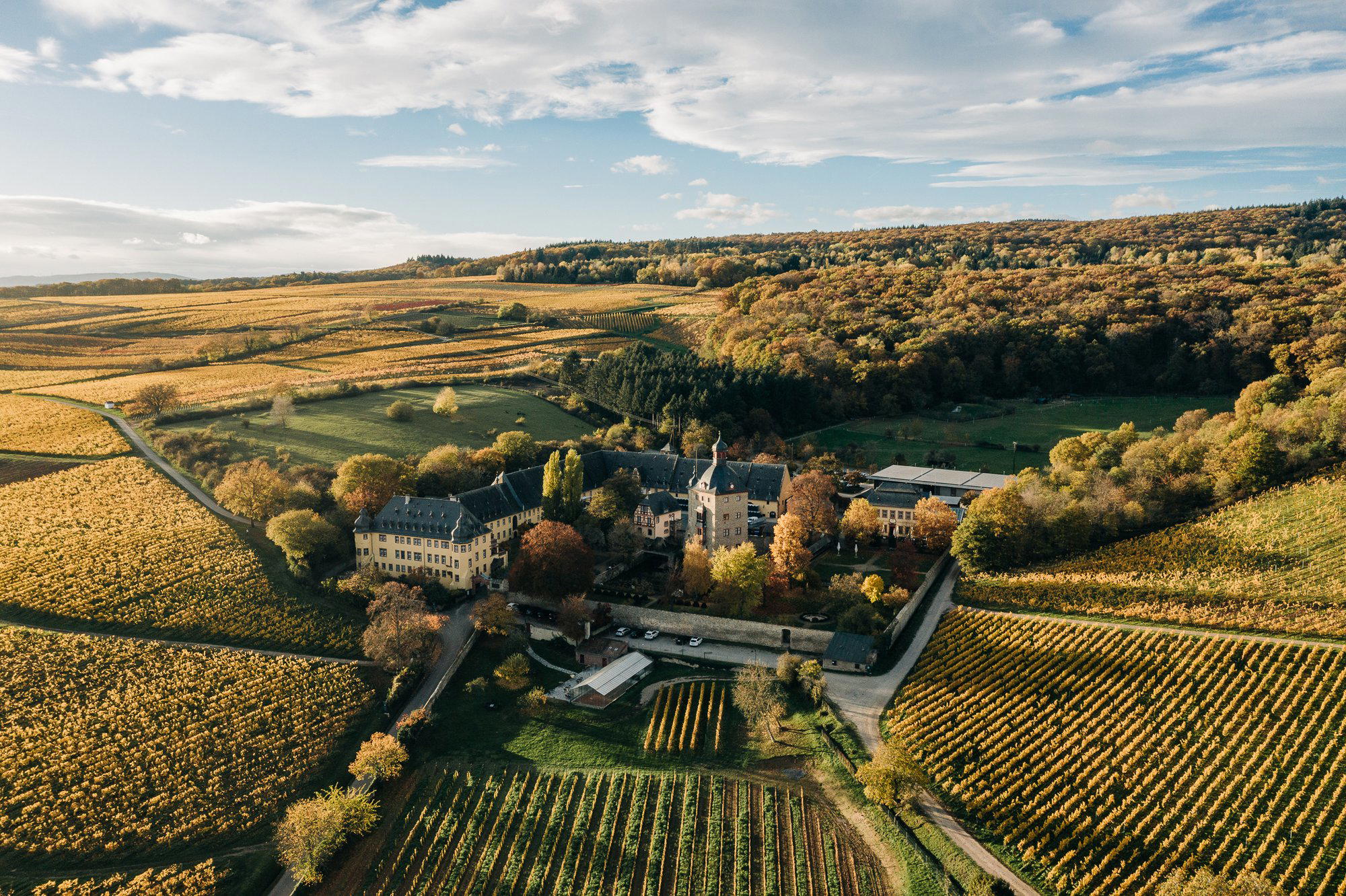
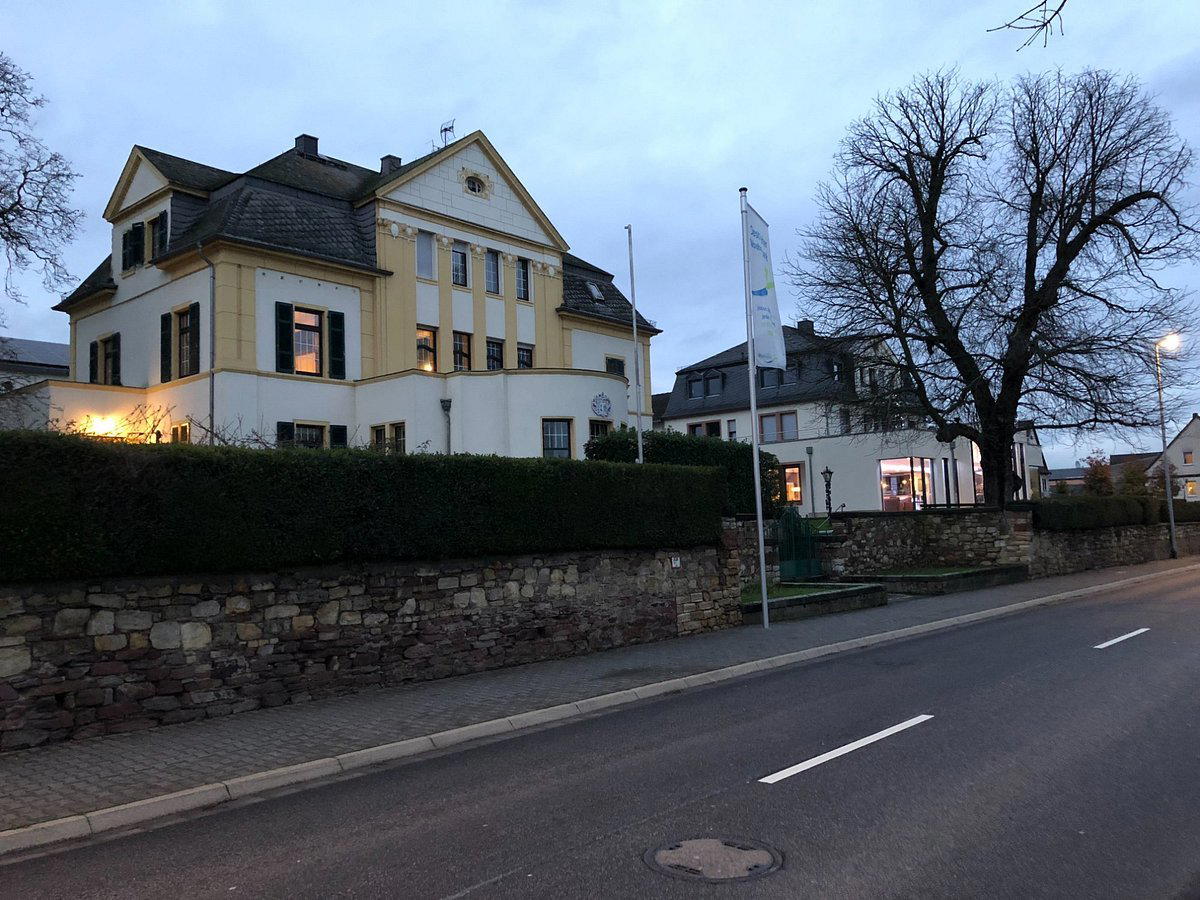
Wineries in Rüdesheim am Rhein
All wineries in Rüdesheim am Rhein →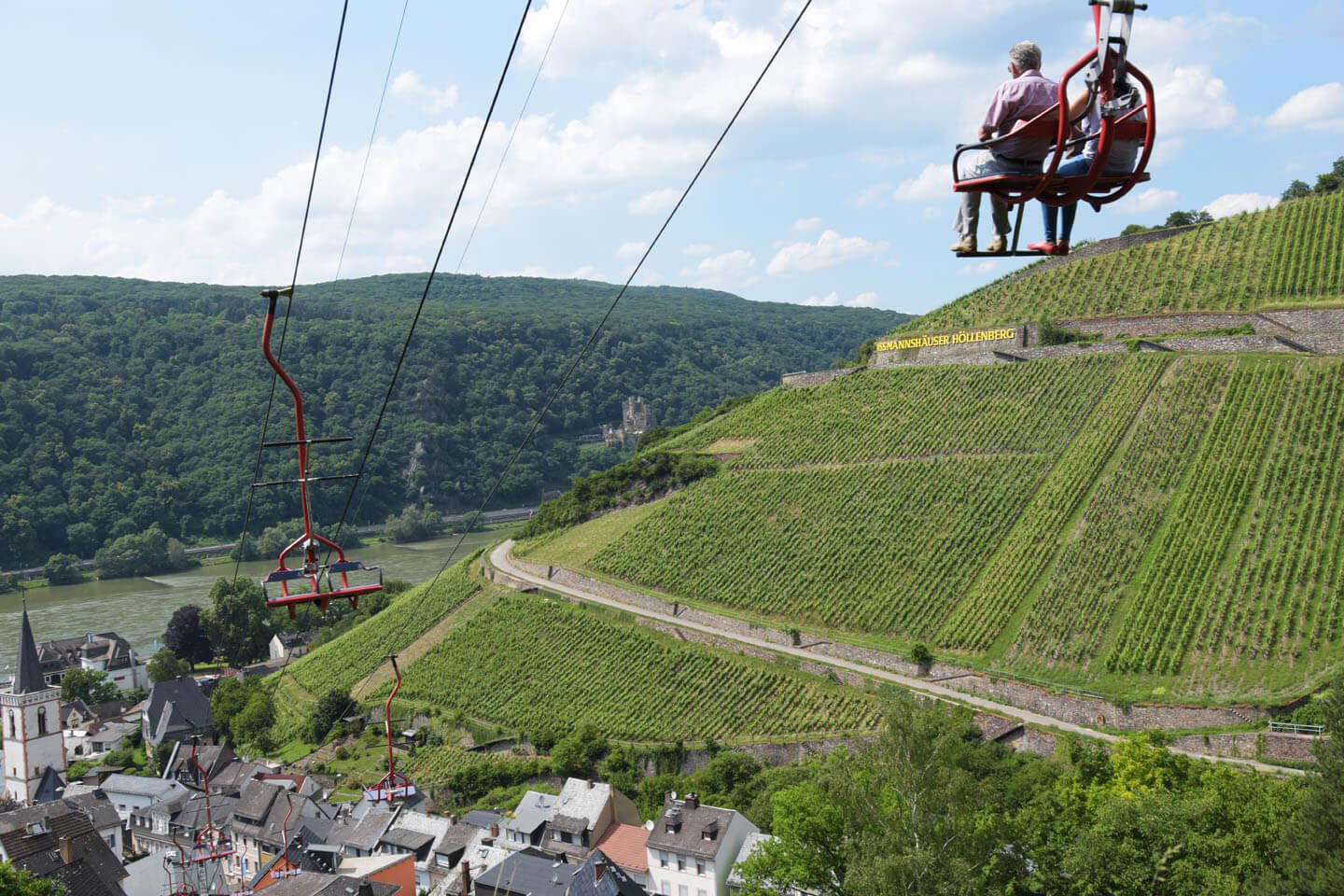
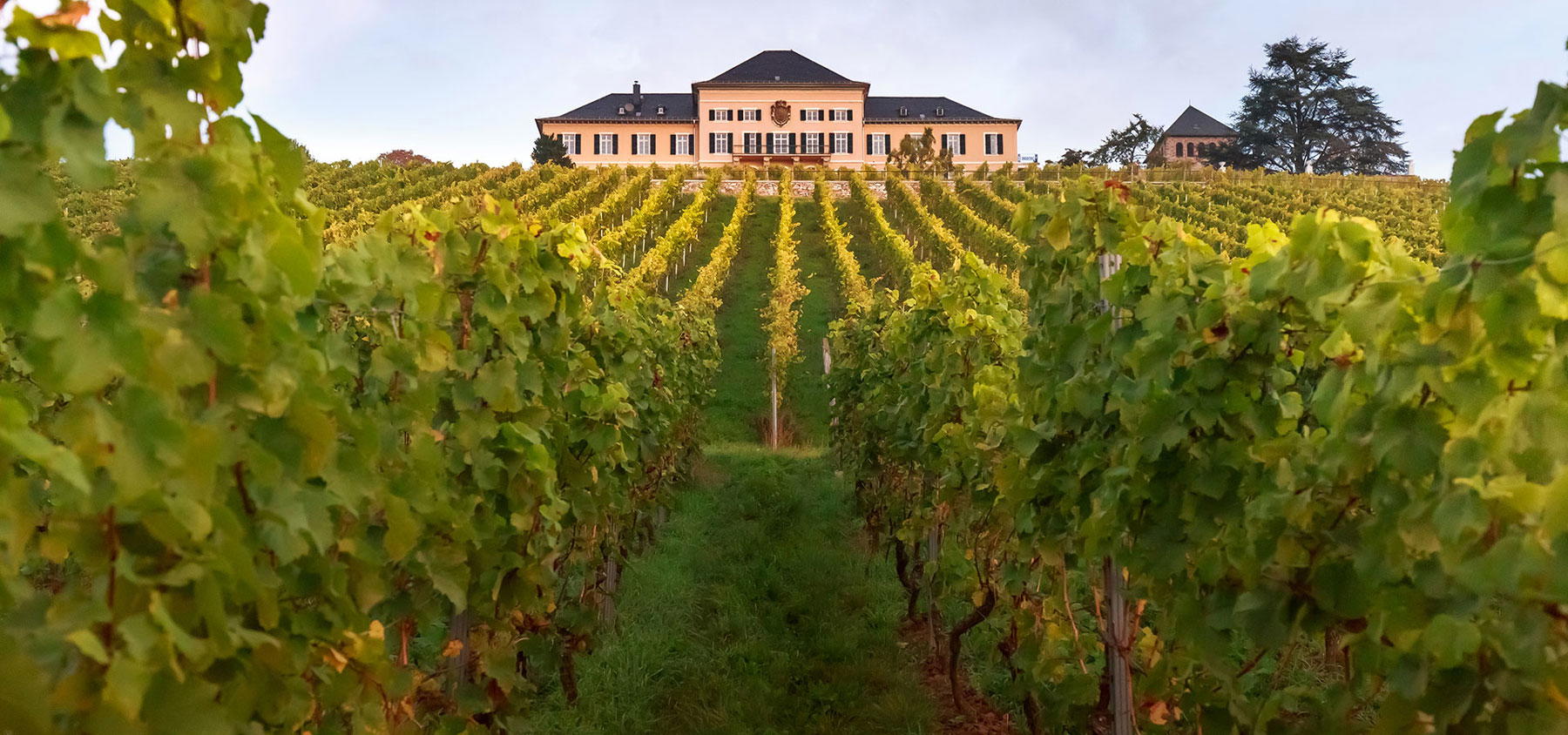
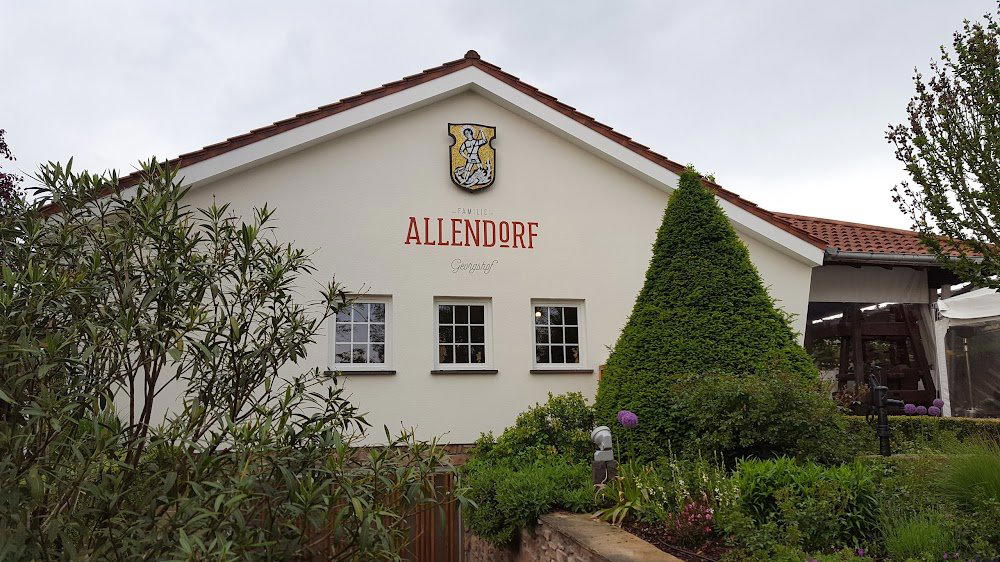
Bars in Rüdesheim am Rhein
All bars in Rüdesheim am Rhein →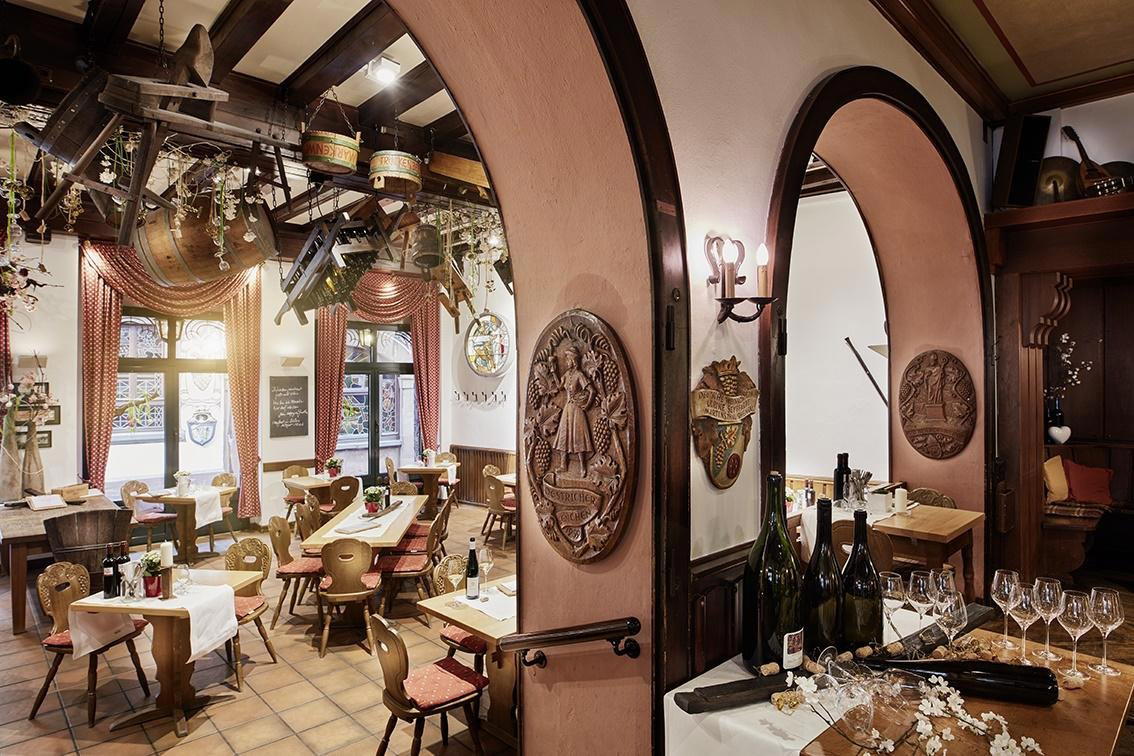
Details
- Classic
- Elegant
- Scenic
- Rustic
- Wine Education
- Special Occasion
- Solo Exploration
- Vineyard Tour
- Estate Grounds
- Historic Building
- Organic
- Sustainable
- Vineyard
- Mountain
- Riesling
- Pinot Noir
- Pinot Gris
- Pinot Blanc
- Orléans
- Heunisch
- Still White
- Still Red
- Cave Tasting
- Private Tasting
- English
- German
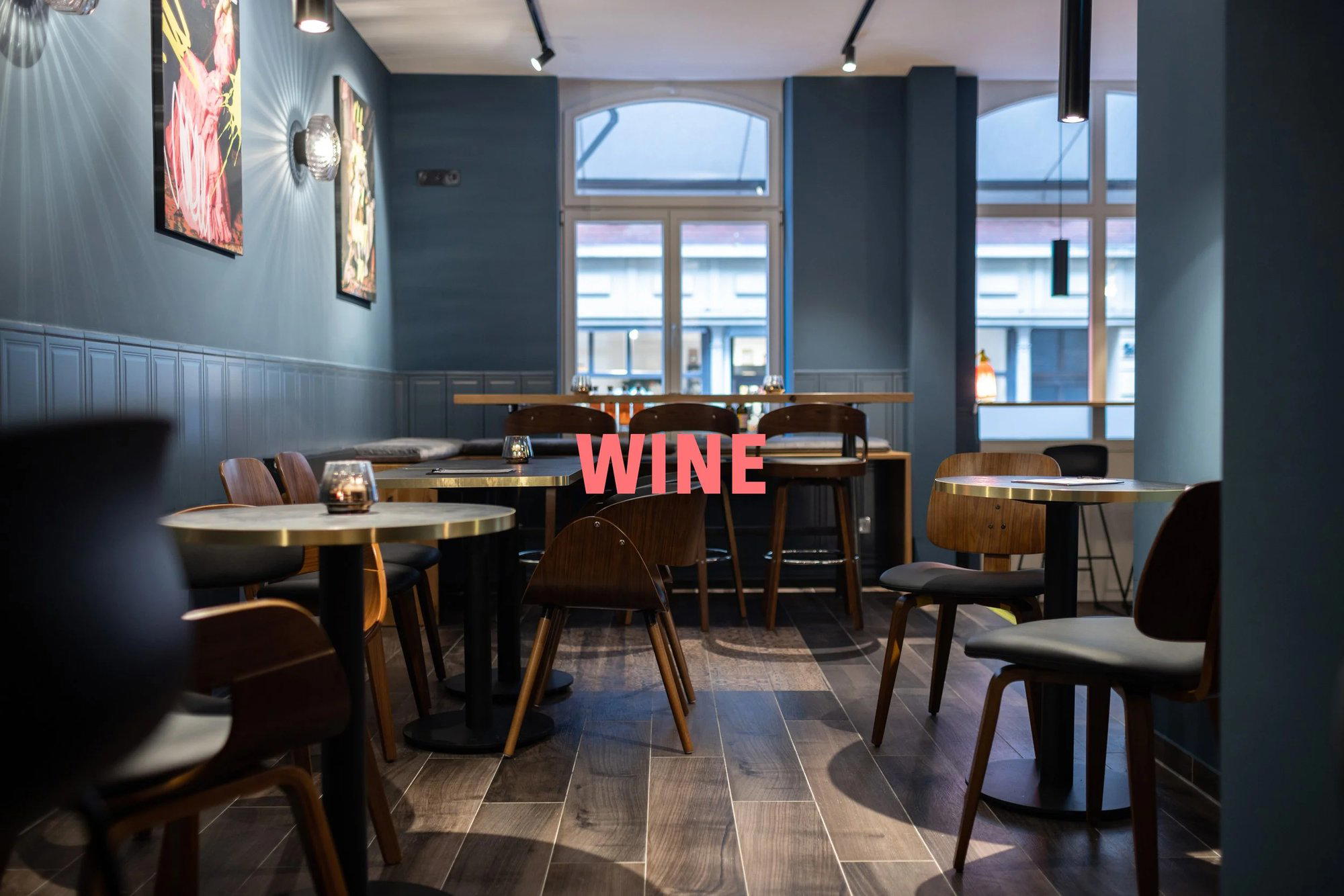
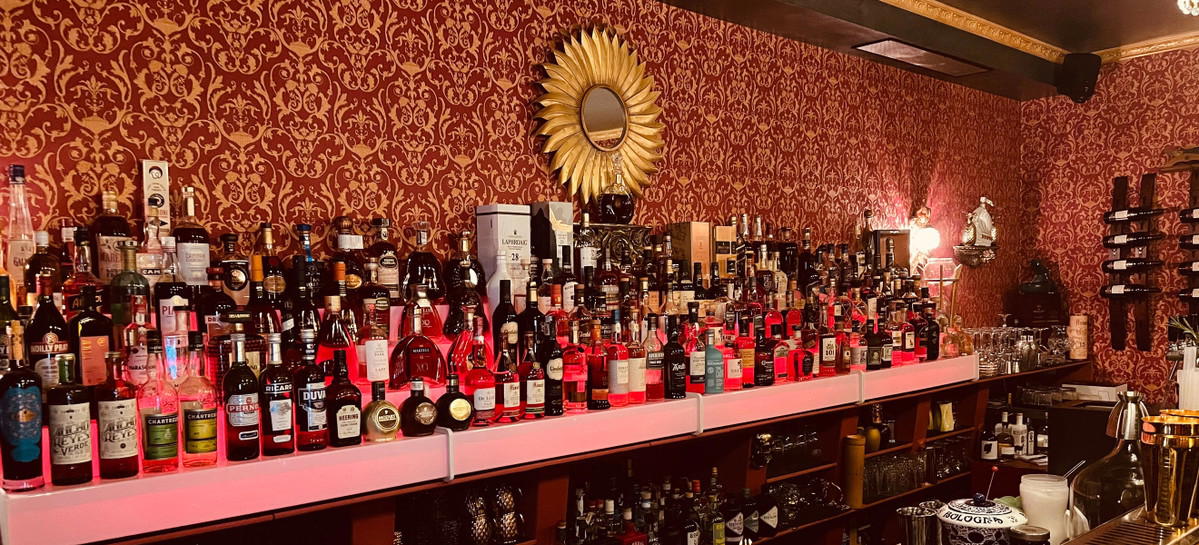
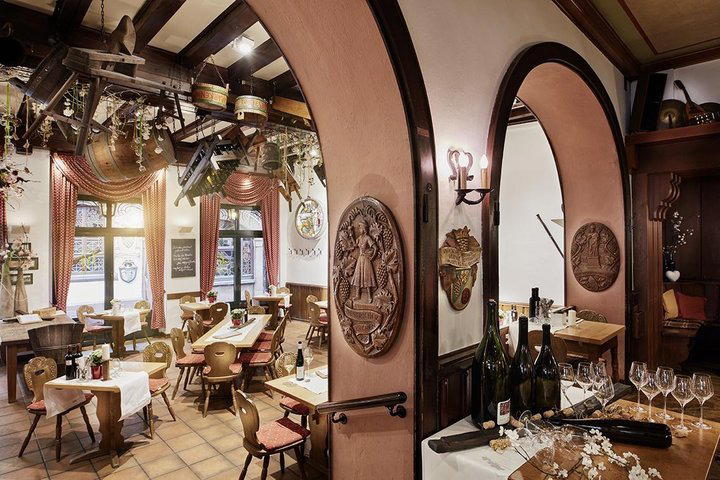
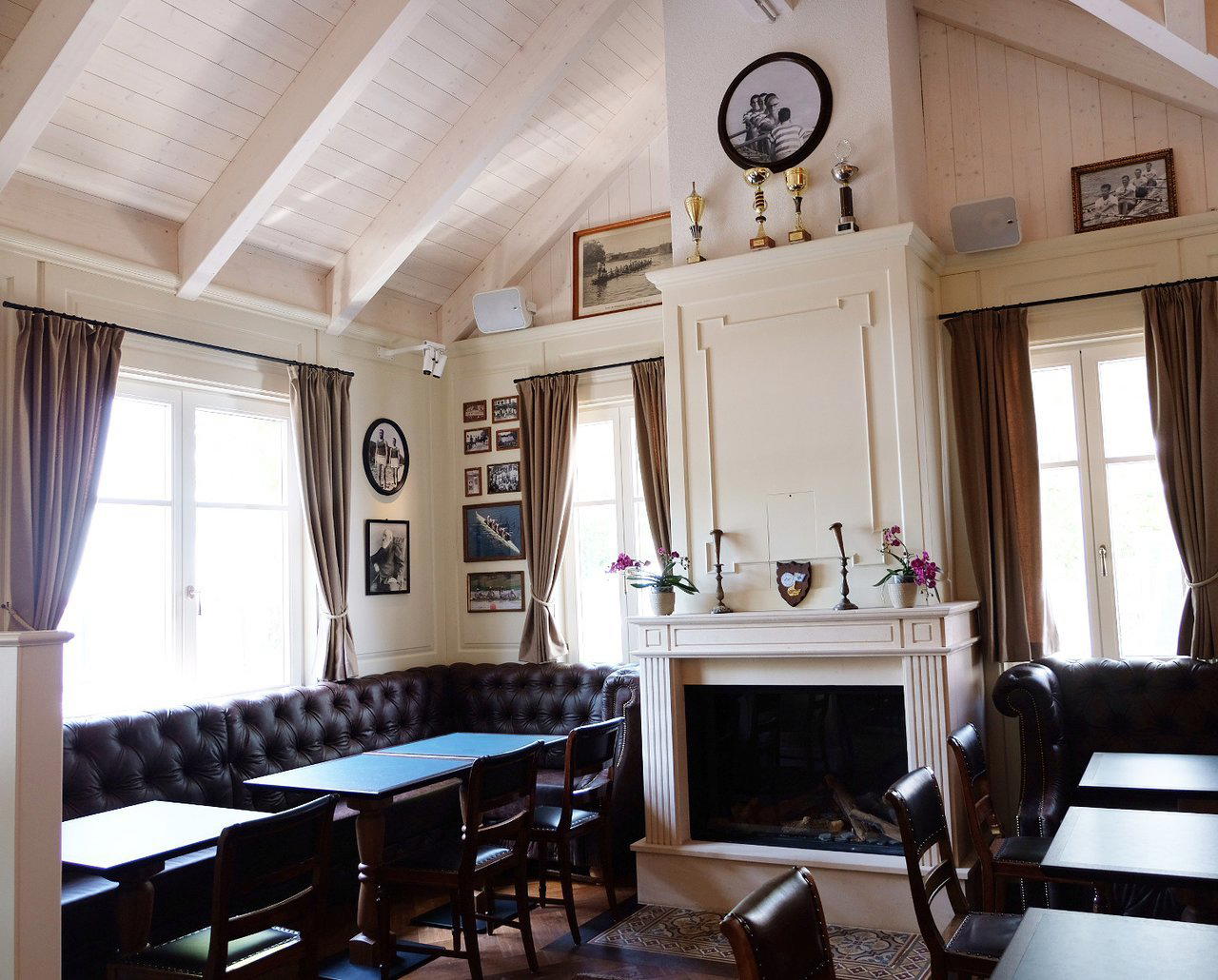
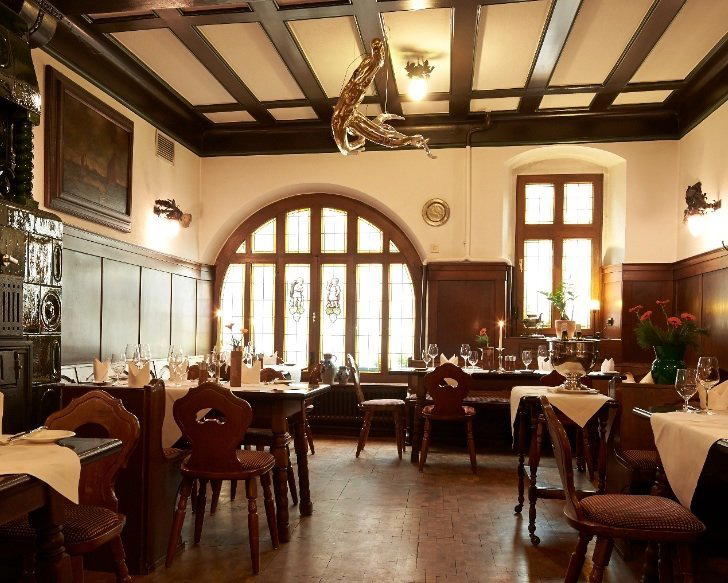
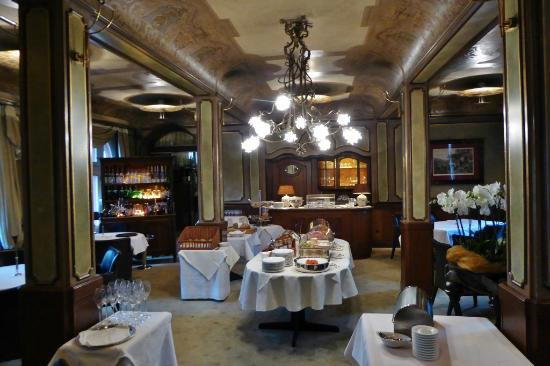
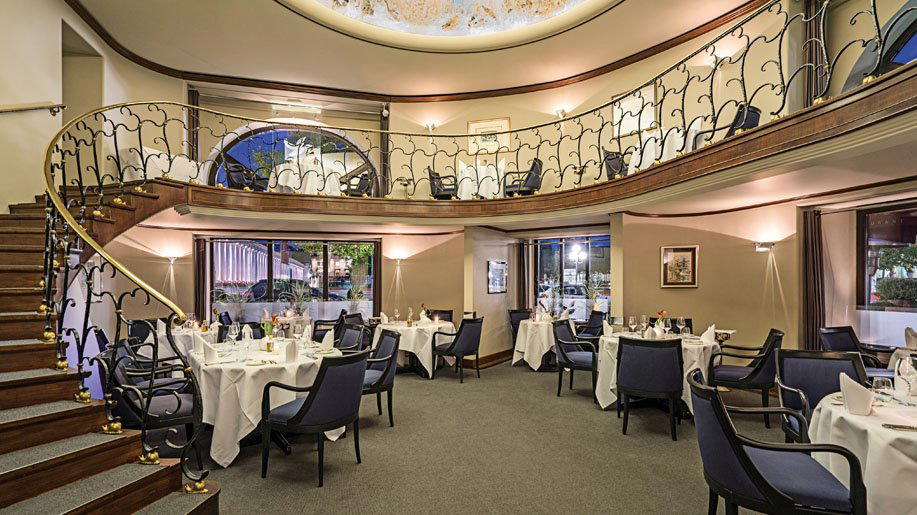
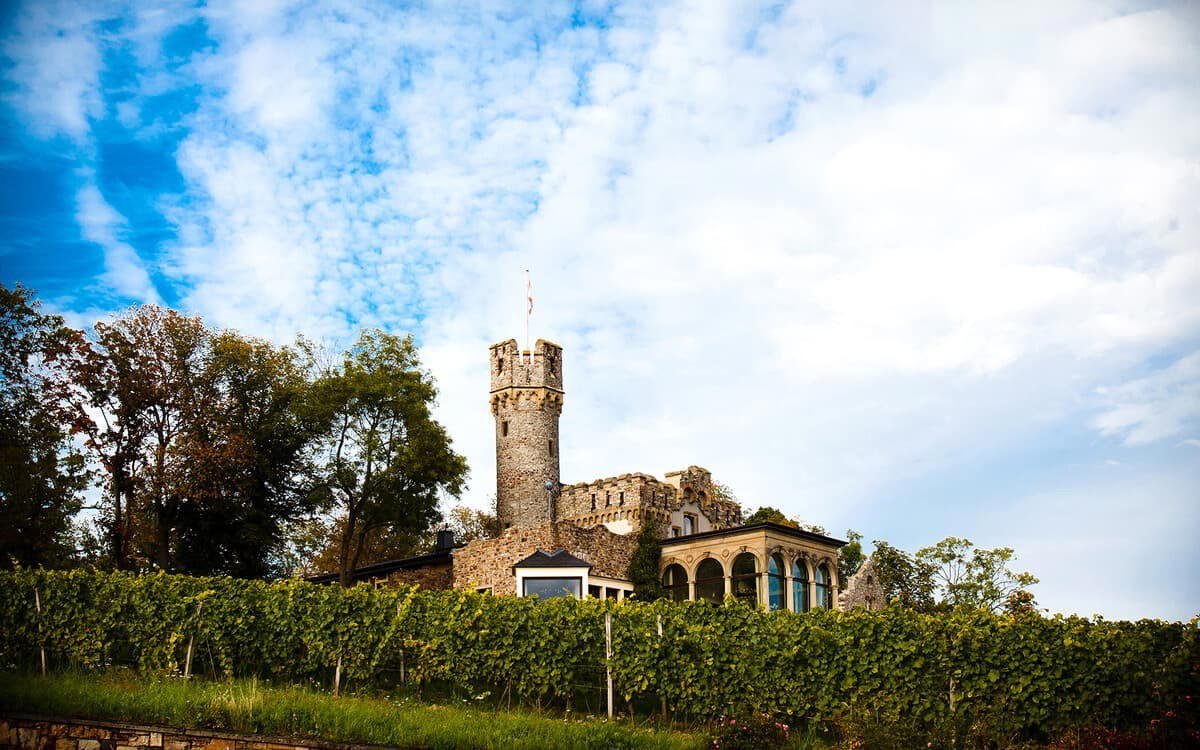
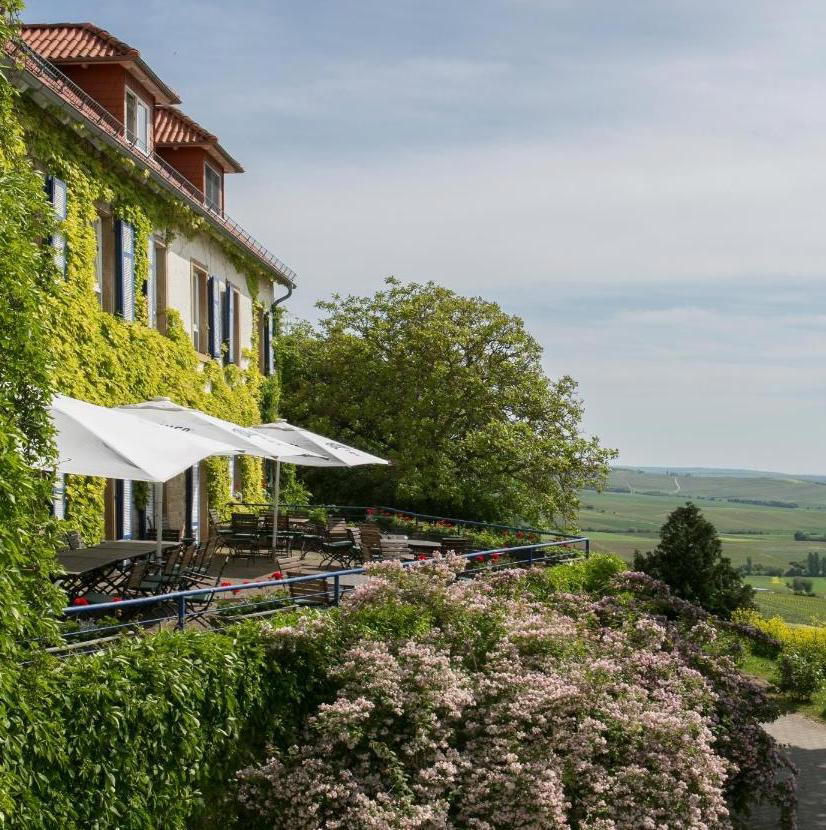
Elegant and refined tasting room atmosphere amid historic steep vineyards.