
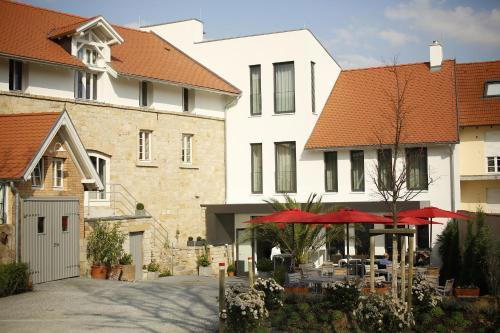
Weingut Schäfer-Fröhlich operates from the village of Bockenau in the Nahe, one of Germany's most compelling regions for Riesling with genuine terroir complexity. Visitors and collectors engaging with the Nahe should treat this address as a reference point for the region.
Pearl is the En Primeur Club membership app — saves, bookings, and concierge access live there. Same editors, same standards.
- Address
- Schulstraße 6, 55595 Bockenau
- Phone
- +49 6758 6521
- Directions
- Get directions
 Saves & bookings on Pearl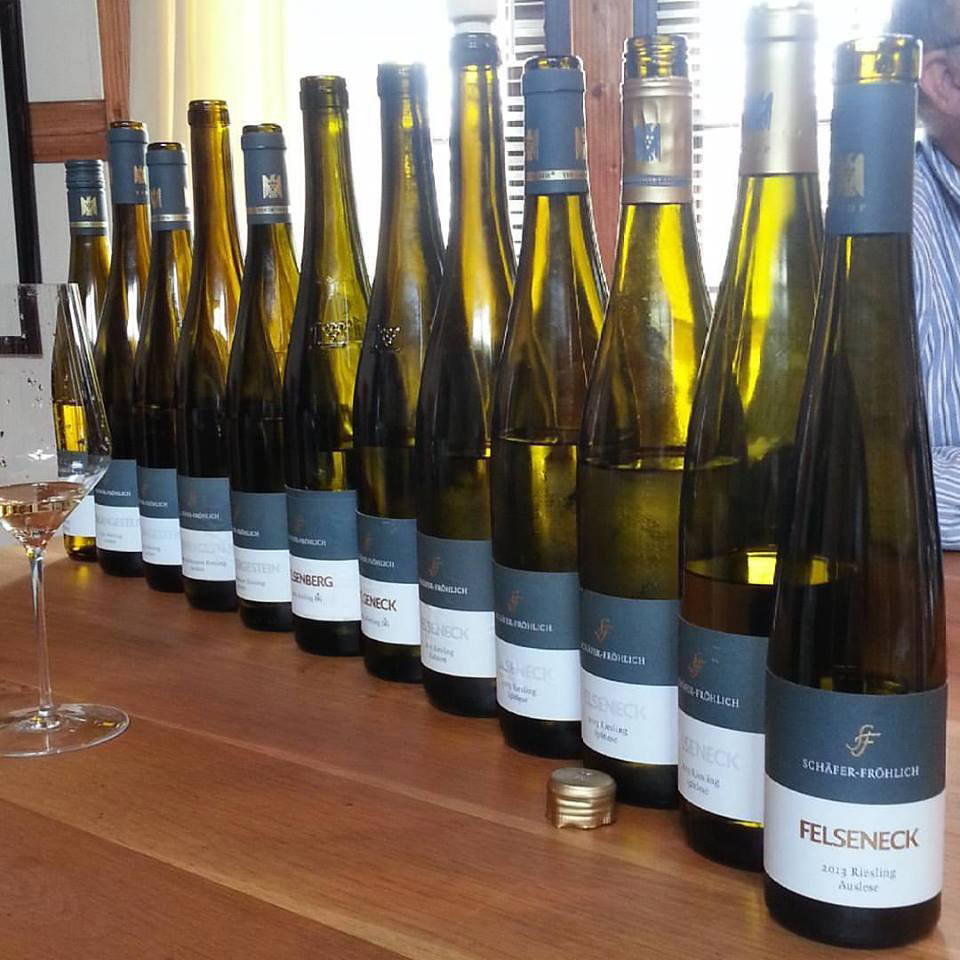
Slate, Porphyry, and the Nahe's Case for Complexity
The Nahe valley occupies an awkward position in the mental geography of German wine. Too small to command the name recognition of the Mosel or Rhine, too geologically varied to be summarised in a single sentence, it tends to be described by people who know it as Germany's most interesting region for Riesling, and then promptly overlooked by everyone else. That tension between quality and profile is precisely why addresses like Weingut Schäfer-Fröhlich in Bockenau carry such weight for serious collectors.
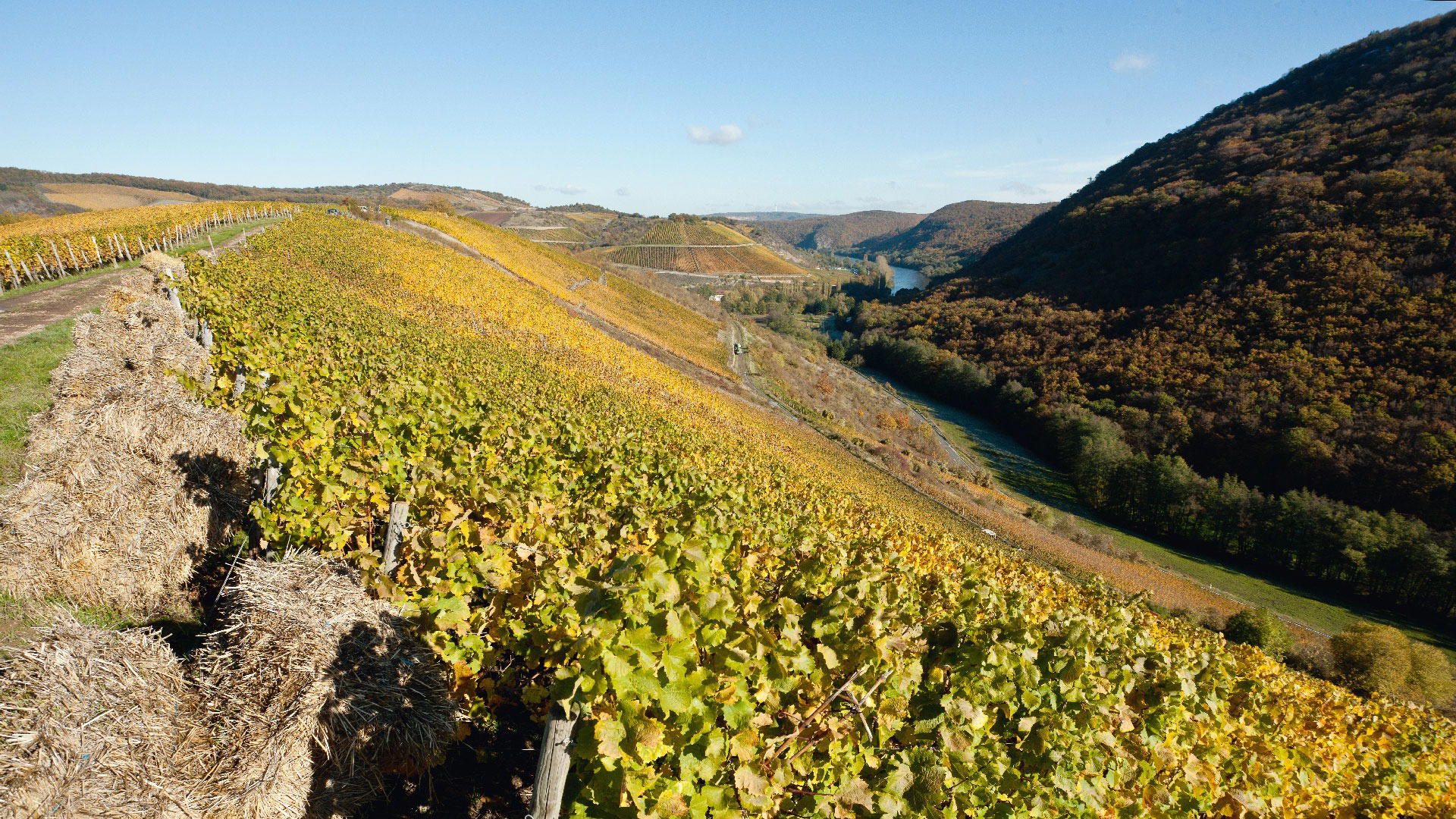
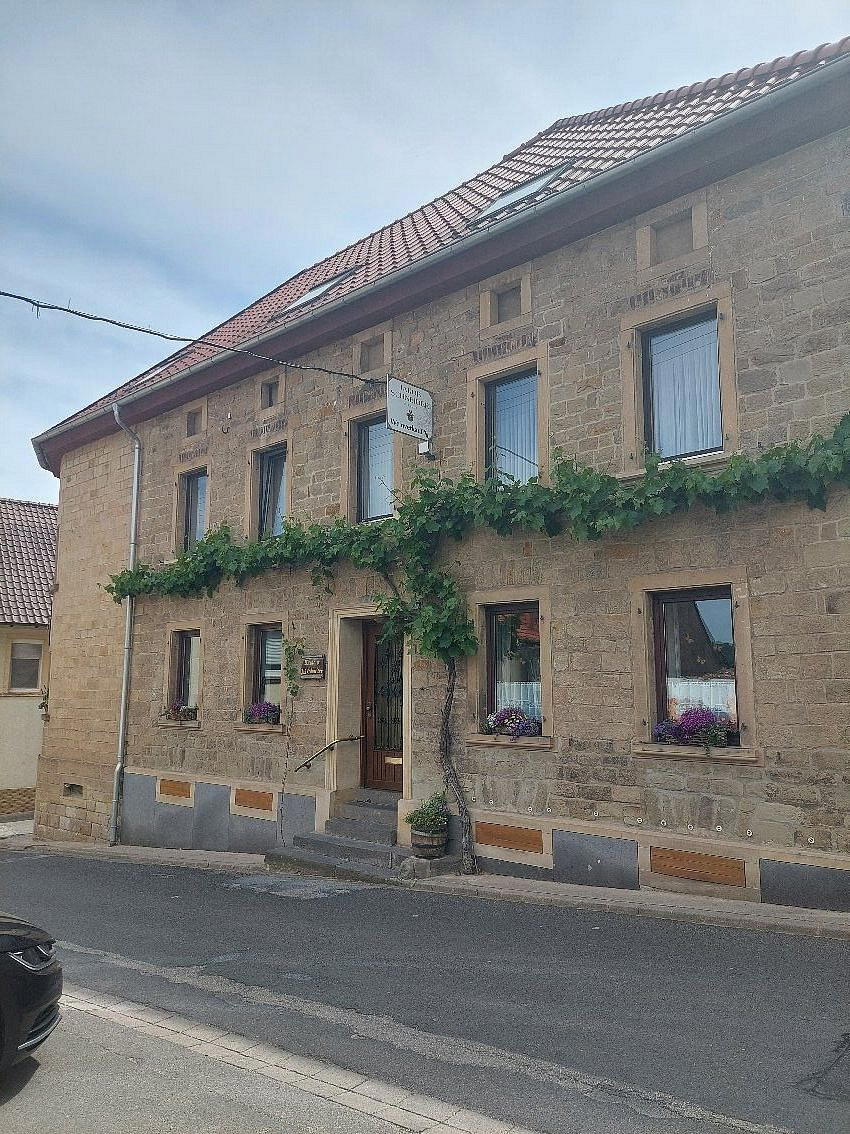
Bockenau itself is a village that demands no concessions to tourism. Schulstraße 6 is a working winery address, not a designed visitor experience, and the surrounding agricultural range of the upper Nahe communicates that clearly. Approaching from the valley floor, the slopes rising above the village reveal the geological patchwork that makes this corner of the Nahe genuinely distinct: porphyry, quartzite, slate, and loess deposits within short distances of each other, each pulling wine in a different direction. To understand why the estate's wines taste the way they do, understanding that ground is a prerequisite.
What the Nahe's Geology Actually Produces
German Riesling from the Mosel is typically framed through the lens of blue slate and cool-climate acidity. The Nahe resists that single-variable reading. The volcanic porphyry soils found in parts of the Nahe, present in significant concentration around the Bockenau area and extending toward the Monzinger vineyards further up the valley, produce wines with a different texture and aromatic character than slate-dominant sites. Where Mosel slate tends to drive transparency and a bright, linear mineral quality, porphyry contributes more weight, a spicier edge, and a structural density that allows wines to age along different, often slower trajectories.
This geological diversity is what separates the Nahe's leading producers from a simpler regional identity. Estates working across multiple soil types within the same appellation are essentially making site-differentiated wines that function as a study in geology as much as viticulture. The comparison set is not other Nahe producers operating at volume, but rather the precision-oriented end of Germany's Riesling spectrum: estates like Weingut Clemens Busch in Pünderich, whose slate-driven Mosel work draws similar collector attention, or Weingut Heymann-Löwenstein in Winningen, where the Terrassenmosel's steep terraces produce an analogous intensity. The peer group is defined by commitment to site, not by geography.
How the 2025 Award Positions the Estate
In the context of German wine, where the VDP classification (Grosse Gewächse, Premier Cru equivalent) operates as the primary trade and collector shorthand, independent prestige awards at this level function as a secondary confirmation of standing, particularly useful for international buyers who may be less familiar with the VDP's internal logic.
For context, the estates carrying equivalent recognition within Germany tend to share certain operational characteristics: relatively limited production, a focus on named-vineyard or single-site wines at the summit of the range, and a pricing structure that reflects allocation demand rather than broad retail distribution. Comparable holdings in this recognition tier include Weingut Fritz Haag in Brauneberg and Weingut Battenfeld-Spanier in Hohen-Sülzen, both of which operate at the intersection of critical acclaim and controlled availability. The Schäfer-Fröhlich position in that peer group confirms that the Nahe, at its serious end, competes on equal terms.
Riesling as a Study in Mineral Expression
German Riesling criticism has spent decades arguing about what minerality actually means in sensory terms. The academic consensus holds that soil composition does not translate directly into mineral flavour compounds in the finished wine, but the practical experience of tasting across different sites in the Nahe, porphyry versus quartzite versus loess, produces differences that are difficult to attribute to anything other than geology. Wines from volcanic porphyry sites tend to show a smoky, almost flint-like character alongside pronounced fruit density. Quartzite-influenced parcels often lean toward a cleaner, more austere profile. Loess brings texture and roundness.
At the quality level Schäfer-Fröhlich operates, these distinctions become the product. The winery's address within Bockenau puts it in proximity to some of the Nahe's more structurally demanding terroir, where achieving balance at Auslese or GG level requires precision in harvest timing and a willingness to leave wine alone in cellar for longer than commercial pressure usually allows. This is the craft argument for the Nahe: not the romantic narrative of a single great river valley, but the more demanding case that geological complexity, handled with discipline, produces a wine range of unusual internal variety.
Planning a Visit to the Upper Nahe
The Nahe wine route runs south from Bingen along the river toward Bad Kreuznach and then into the upper valley, where Bockenau sits in a lateral tributary zone away from the main tourist corridor. This geographic remove means Bockenau operates at a different pace than the more-visited towns further downstream. Visitors planning a Nahe itinerary that includes Schäfer-Fröhlich would do well to pair the trip with the broader upper Nahe, where the landscape becomes more enclosed and the wines more mineralically austere.
The wider German wine circuit from this base extends naturally to the Rheingau, Kloster Eberbach in Eltville and Weingut Georg Breuer in Rüdesheim am Rhein are both within reasonable driving range, and to the Pfalz, where Weingut A. Christmann in Neustadt an der Weinstraße, Weingut Bassermann-Jordan in Deidesheim, and Weingut Dr. Bürklin-Wolf in Wachenheim an der Weinstraße form a natural three-estate loop. For Mosel extensions, Weingut Grans-Fassian in Leiwen and Weingut Fritz Haag in Brauneberg are within a two-hour drive west.
Advance contact through the estate's direct channels before arriving is advisable. Visits are by appointment only. For Franconian Riesling and Silvaner alternatives within a longer Germany itinerary, Weingut Bürgerspital zum Heiligen Geist in Würzburg and Weingut Allendorf in Oestrich-Winkel round out a comparative tasting circuit across Germany's main white wine regions.
Comparable Venues
Comparable venues nearby, for context on price, style, and recognition.
| Venue | Cuisine | Price | Notes |
|---|---|---|---|
| Weingut Schäfer-FröhlichThis venue — the venue you are viewing | Riesling, Pinot Blanc | $$$ | Not listed |
| Kloster Eberbach | Riesling, Pinot Noir | $$$ | Eltville am Rhein |
| Weingut Robert Weil | Riesling | $$$ | Kiedrich |
| Sekthaus Raumland | Pinot Noir, Chardonnay | $$$ | Flörsheim-Dalsheim |
| Weingut Müller-Catoir | Riesling, Scheurebe | $$$ | Haardt |
| Gut Hermannsberg | Riesling, Weissburgunder | $$$ | Niederhausen |
Recognition history
Dated appearances from independent guides and award organizations, with the underlying list record or original source where available.
Falstaff Winery - 5 Stars
Falstaff
Continue exploring
More in Bockenau
Wineries in Bockenau
Browse all →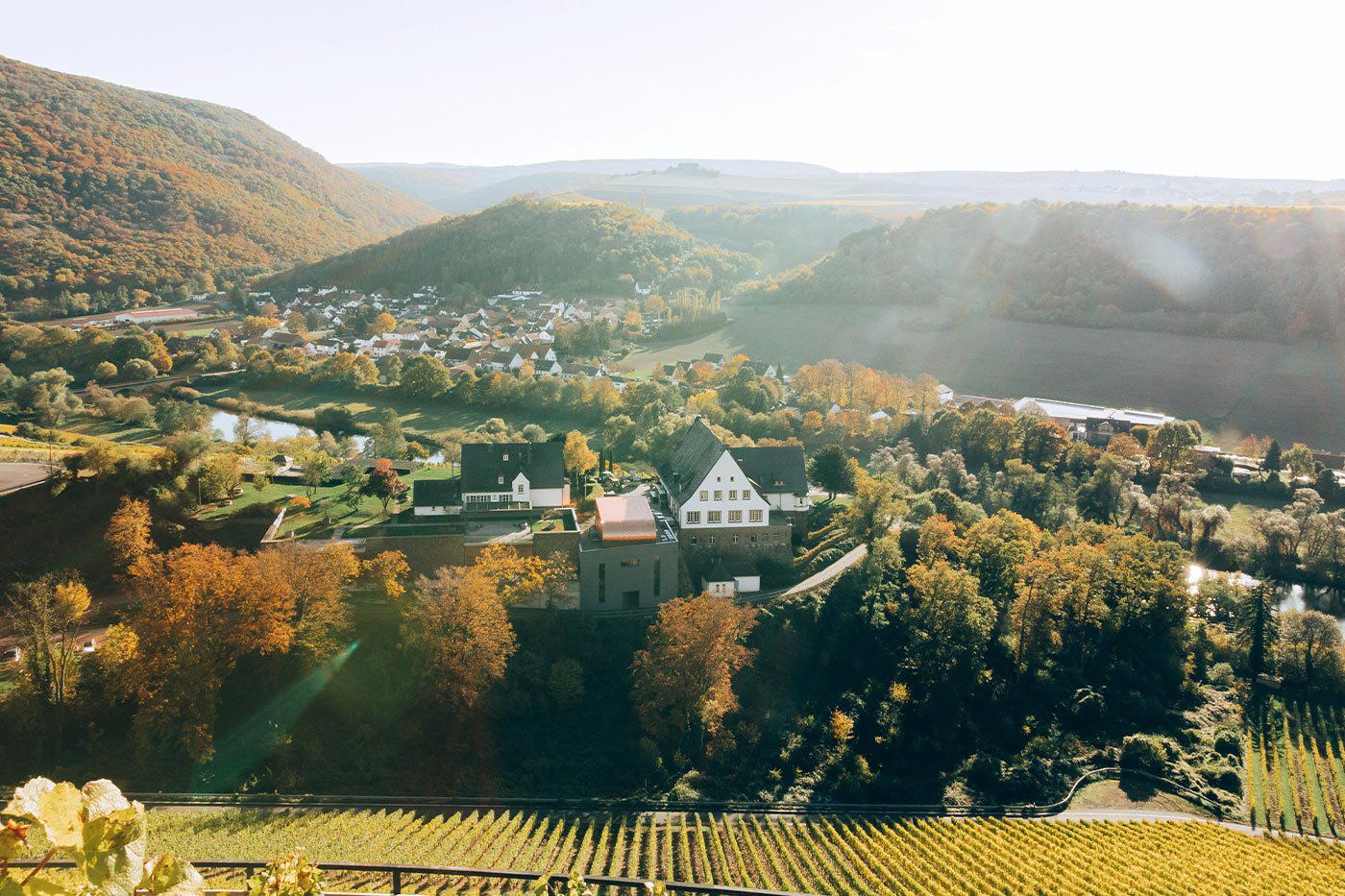
Bars in Bockenau
Browse all →
Restaurants in Bockenau
Browse all →

At a Glance
- Quiet
- Elegant
- Rustic
- Scenic
- Wine Education
- Solo Exploration
- Special Occasion
- Vineyard Tour
- Estate Grounds
- Panoramic View
- Vineyard
- Mountain
- Nahe
- Riesling
- Pinot Blanc
- Pinot Gris
- Pinot Noir
- Still White
- Cave Tasting
- Private Tasting
Refined and elegant with reductive, mineral-driven notes in young wines that evolve into graceful, complex expressions.