
Falstaff Winery - 4 Stars
Weingut Pittnauer operates from the Burgenland village of Gols, where the flat Pannonian basin and warm, dry summers shape a distinct red-wine character.

Pearl is the En Primeur Club membership app — saves, bookings, and concierge access live there. Same editors, same standards.
- Address
- Neubaugasse 90, 7122 Gols
- Phone
- +43 2173 3407
- Website
- pittnauer.com
- Directions
- Get directions
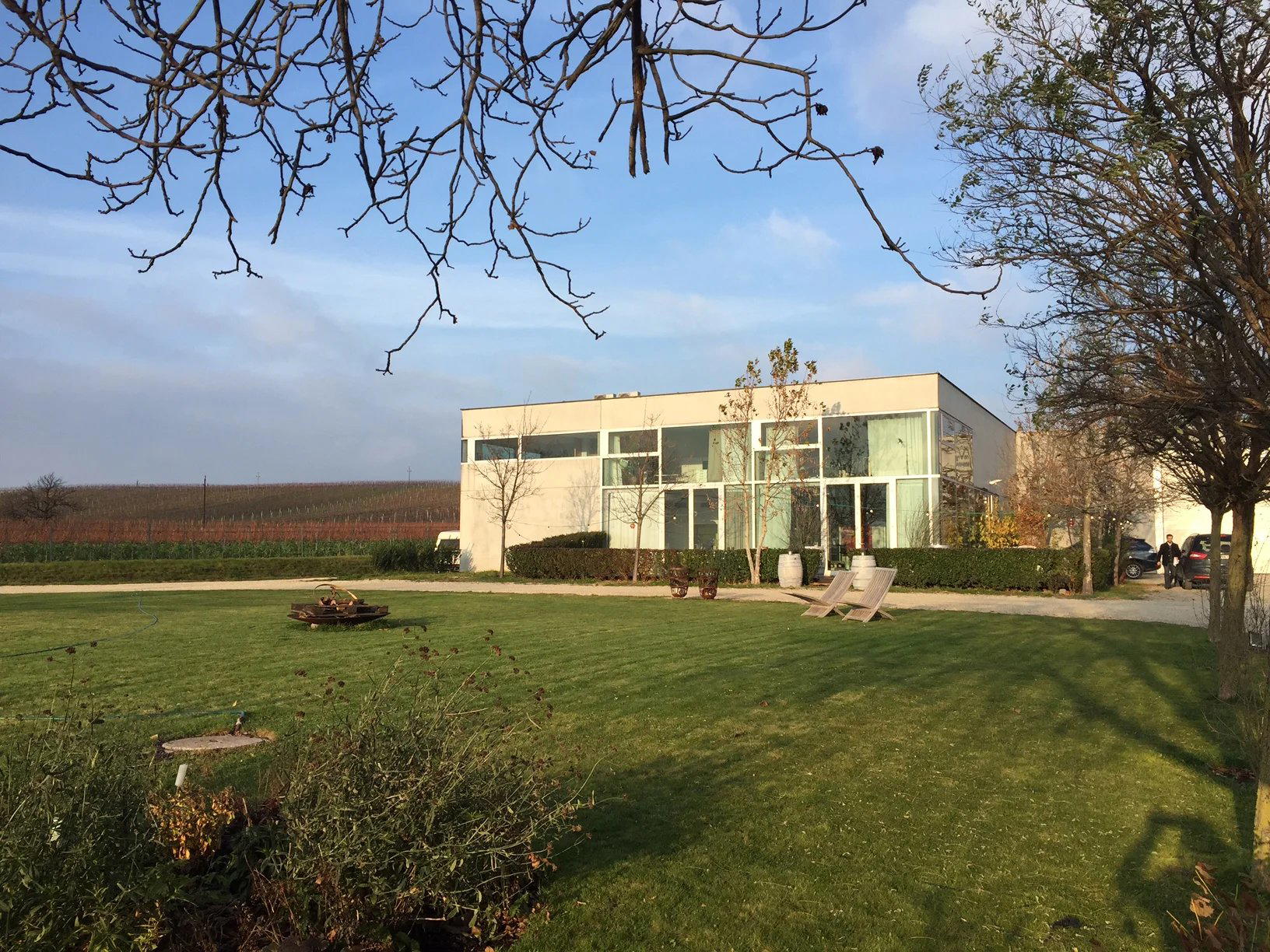
Gols and the Pannonian Case for Patience
The village of Gols sits at the northern edge of Lake Neusiedl, on a plain so flat that the horizon disappears in every direction. This is Burgenland's most concentrated wine address: a small commune whose growers have, over roughly two decades, built a collective reputation that pulls buyers and writers from Vienna and beyond. The heat accumulation here is significant. Long, dry autumns allow grapes to ripen fully without the race-against-rain urgency that defines cooler Austrian regions. What that climate demands in return is discipline in the cellar, because the raw material arrives with density that needs time to resolve.
After Harvest: What the Cellar Decides
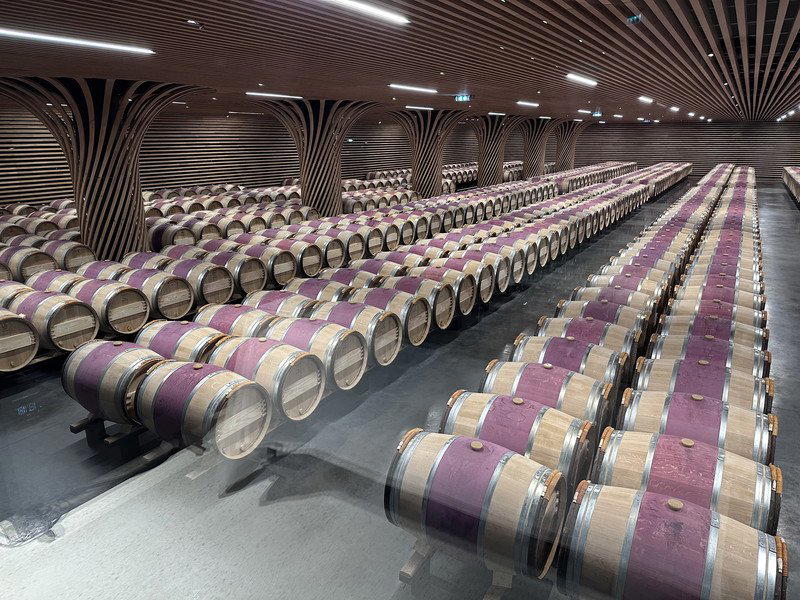
In Burgenland's serious red-wine estates, harvest is the beginning of an argument, not a resolution. The warm growing season delivers ripe, often thick-skinned fruit, and the choices made between pressing and bottling carry more weight here than in cooler climates where acid structure can carry a wine through an abbreviated élevage. Across Gols, the dominant varieties are Blaufränkisch and Zweigelt, both of which respond differently to oak contact, vessel size, and time. Blaufränkisch, with its firm tannin frame and dark-fruit character, tends to reward extended aging and emerges from longer élevage with greater structural definition. Zweigelt, more pliant and fruit-forward, can be released earlier without losing coherence but gains complexity when treated with the same patience.
Prestige-level recognition in the Burgenland context signals not just quality in a single year but a traceable approach to aging that produces wines a buyer can follow over time. For visitors arriving at Neubaugasse 90, the cellar itself is the clearest expression of that approach: the vessels in use, the proportion of new oak versus neutral wood, the length of time wines have been sitting before they are offered.
For broader context on how different Austrian estates handle the post-harvest phase, estates like Weingut Emmerich Knoll in Dürnstein and Weingut Bründlmayer in Langenlois offer instructive comparisons from white-wine-dominant regions, where aging decisions centre on oxidative versus reductive handling rather than tannin management. The contrast sharpens what is specific to Gols: the red-wine cellar as a site of sustained decision-making over months, sometimes years.
What the Pannonian Climate Builds Into the Wine
Lake Neusiedl is a thermal regulator of genuine importance. Its shallow water mass absorbs heat through the growing season and releases it slowly into autumn, extending the ripening window well beyond what the latitude alone would suggest. For Blaufränkisch in particular, this means the gap between phenolic maturity and sugar accumulation is more manageable than in many red-wine regions. Growers who read the season carefully can pick at full flavour development without landing at excessive alcohol levels.
Autumn visits, from late September through October, coincide with harvest activity across Gols and offer direct access to producers at the point when the cellar decisions are being set in motion. This is the most instructive time to visit an estate: barrels are being filled, sorting decisions are visible, and the conversation about the coming vintage is immediate and specific. Weingut Pittnauer at Neubaugasse 90 is reachable from Vienna in under an hour by car, making it viable as a day excursion or as part of a longer Burgenland itinerary that extends south through Neusiedlersee's other communes.
Outside Gols, the wider Austrian wine geography offers further contrasts. Weingut Wohlmuth in Kitzeck works in Styria's steep-slope Sauvignon and Muskateller territory, and Weingut Kracher in Illmitz, just south along the lake, operates in the botrytis sweet-wine category that built Burgenland's international profile in the 1990s. The dry red focus of Gols sits in deliberate contrast to both.
Gols in the Wider Austrian Premium Tier
Austria's premium wine map is more geographically dispersed than its total production volume might suggest. Wachau commands the highest prices for Riesling and Grüner Veltliner; Kamptal produces strong mid-range to premium whites; and Burgenland, with Gols at its northern tip, holds the credible claim to Austria's most serious red wines.
Within Gols itself, the estate sits alongside producers who have attracted international import attention across Germany, the UK, the United States, and Japan. That export profile matters to visitors who want to assess a winery's output relative to a global reference point, not just a regional one. Producers at this recognition level in Gols are typically presenting wines that have been aged long enough to show resolved structure at the point of sale, rather than releasing early for cash flow. That patience is visible in what arrives in the glass and in the allocation patterns that often mean serious wines from recognised vintages are available only in limited quantity during cellar visits.
Elsewhere in Burgenland, distillery operations like Weingut Scheiblhofer Distillery in Andau and Private Distillery Weisz in Gols itself point to a secondary fermented-spirits tradition alongside wine, worth noting for visitors building a broader regional programme. The full Gols guide covers the commune's drinking and producer map in detail.
Planning a Visit
Weingut Pittnauer is located at Neubaugasse 90 in Gols. Visitors travelling from Vienna should allow approximately 60 to 75 minutes by car via the A4 motorway and expect to combine the visit with stops at neighbouring Gols estates to make the journey worthwhile. Autumn is the most active period for cellar access; early spring, after winter bottling runs, is a quieter but often revealing time to taste wines that have just completed their élevage.
For visitors building a broader Austrian wine itinerary that extends beyond Burgenland, the contrast with Wachau producers like Weingut Emmerich Knoll or with Lower Austrian estates such as Weingut Heinrich Hartl in Oberwaltersdorf sharpens the Pannonian red-wine argument by setting it against the country's white-wine canon. For those who want to extend the reference set internationally, the aging-programme focus connects to producers like Accendo Cellars in St. Helena, where barrel selection and élevage length similarly define the estate's market position.
Peers in This Market
Comparable venues nearby, for context on price, style, and recognition.
| Venue | Cuisine | Price | Awards | Notes |
|---|---|---|---|---|
| Weingut PittnauerThis venue — the venue you are viewing | Blaufränkisch, Zweigelt | Not listed | Falstaff Winery - 4 Stars | Not listed |
| Weingut Juris (Stiegelmar) | Pinot Noir, St. Laurent | Not listed | Falstaff Winery - 4 Stars | Gols |
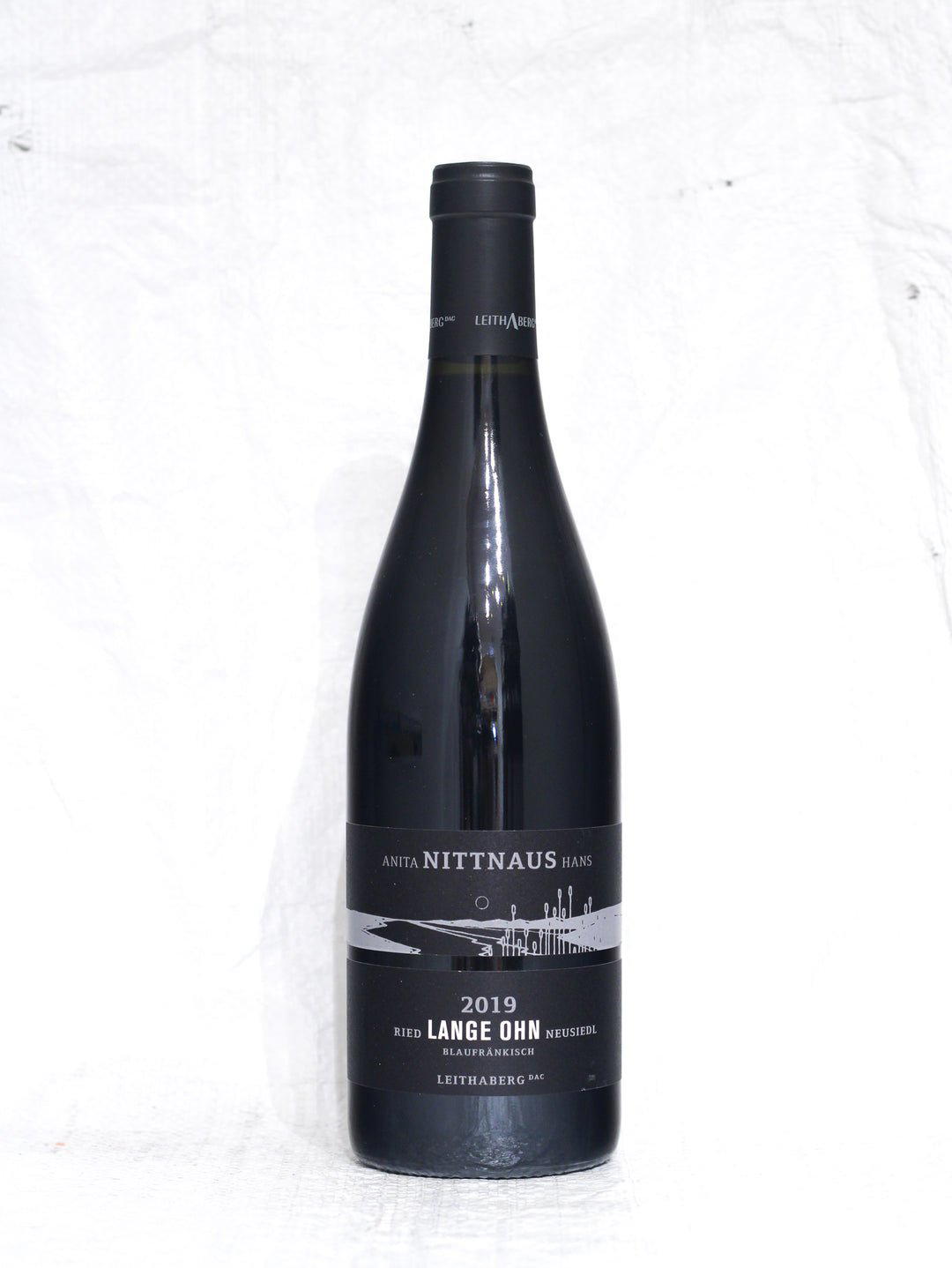
| Weingut Anita und Hans Nittnaus | Blaufränkisch, Zweigelt | Not listed | Falstaff Winery - 5 Stars | Gols |
| Weingut Gernot und Heike Heinrich | Blaufränkisch, Zweigelt | Not listed | Falstaff Winery - 5 Stars | Gols |
| Weingut Paul Achs | Blaufränkisch, Zweigelt | $20–30 | Falstaff Winery - 5 Stars | Gols |
Recognition history
Dated appearances from independent guides and award organizations, with the underlying list record or original source where available.
Falstaff Winery - 4 Stars
Falstaff
Continue exploring
More in Gols
Wineries in Gols
Browse all →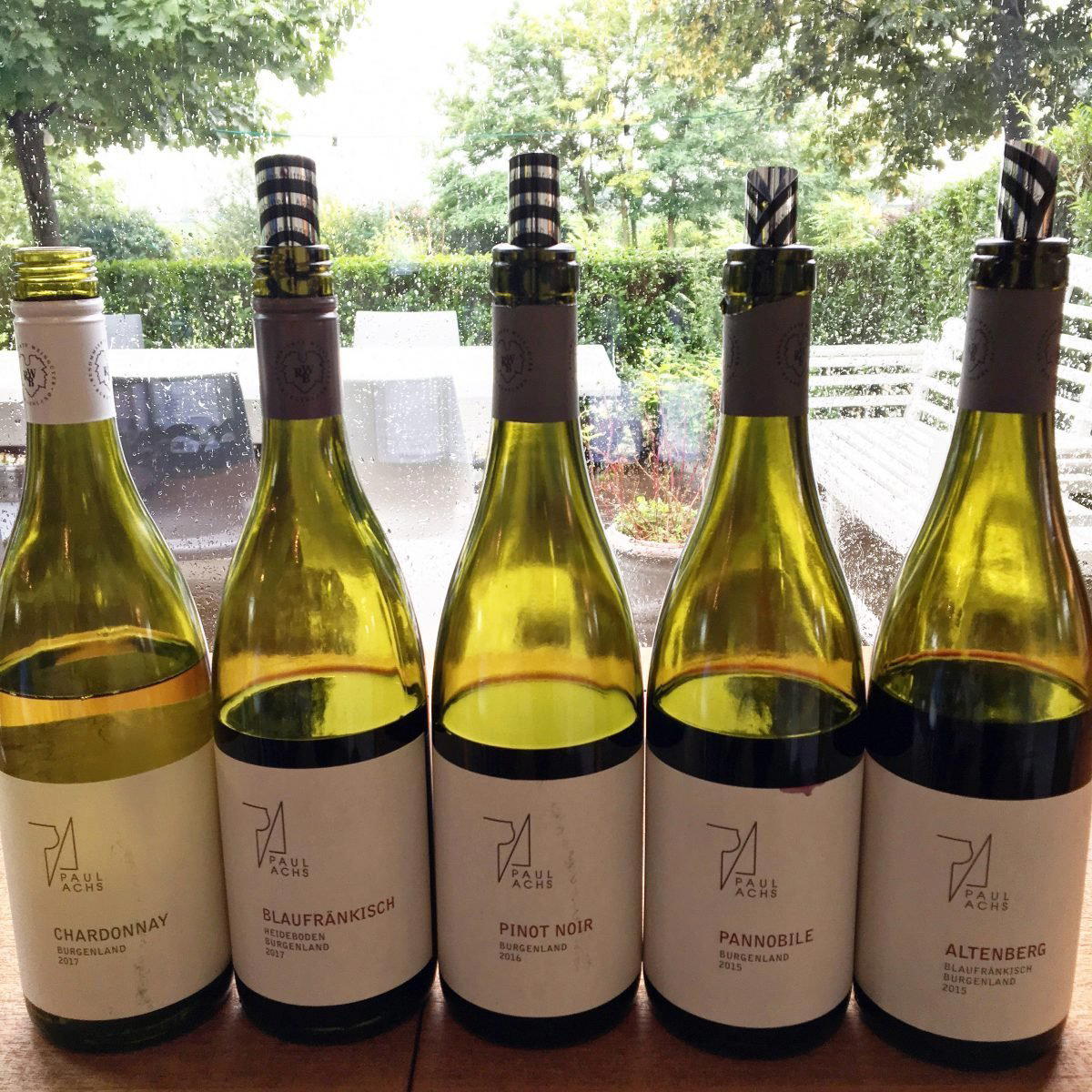
Bars in Gols
Browse all →

Restaurants in Gols
Browse all →
Details
- Rustic
- Scenic
- Cozy
- Wine Education
- Solo Exploration
- Vineyard Tour
- Estate Grounds
- Biodynamic
- Organic
- Vineyard
- Blaufränkisch
- Zweigelt
- St. Laurent
- Pinot Noir
- Merlot
- Grüner Veltliner
- Sauvignon Blanc
- Still Red
- Still White
- Still Rosé
- Pet Nat
- Skin Contact
- Amphora
- Cave Tasting
- Private Tasting
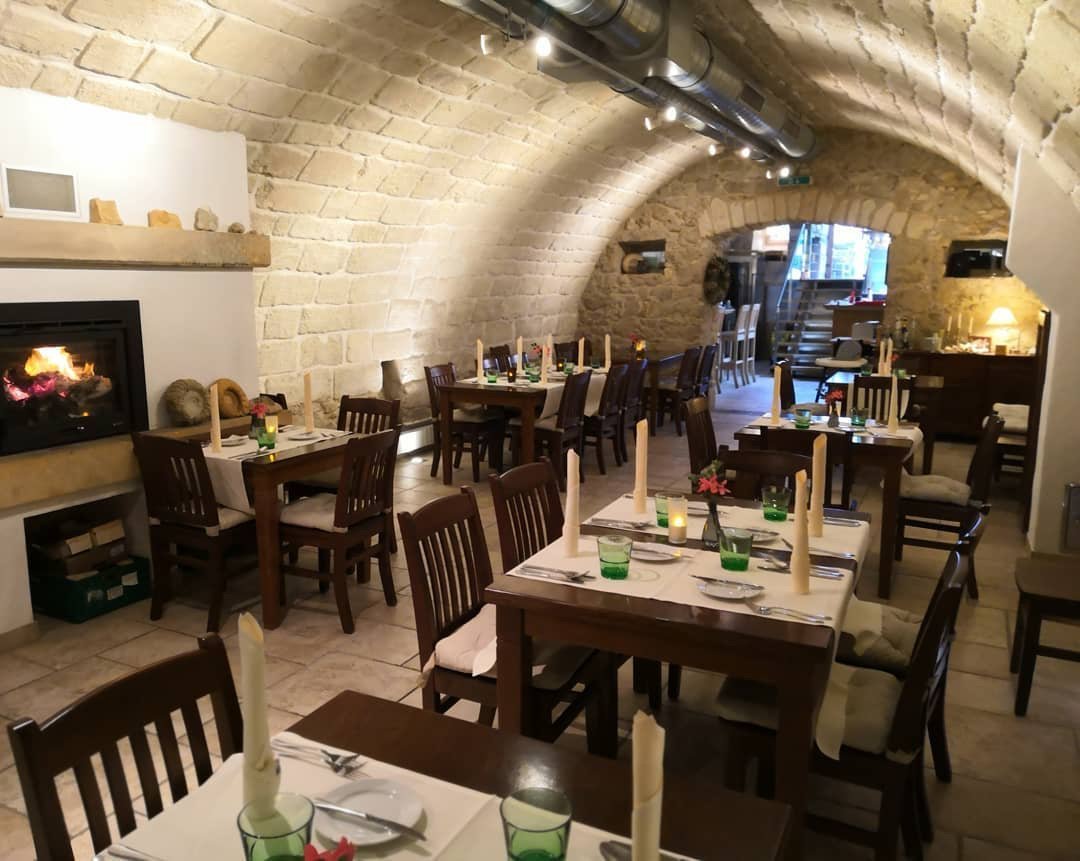
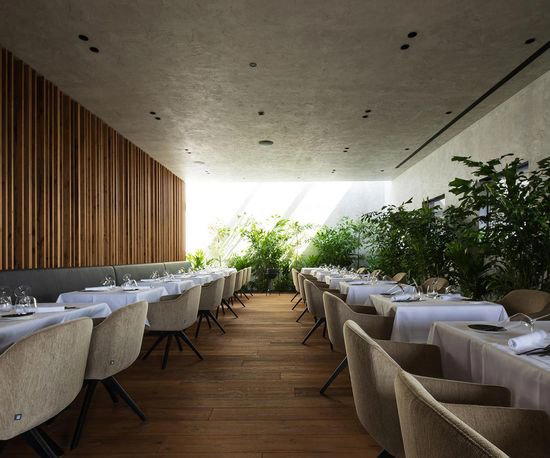
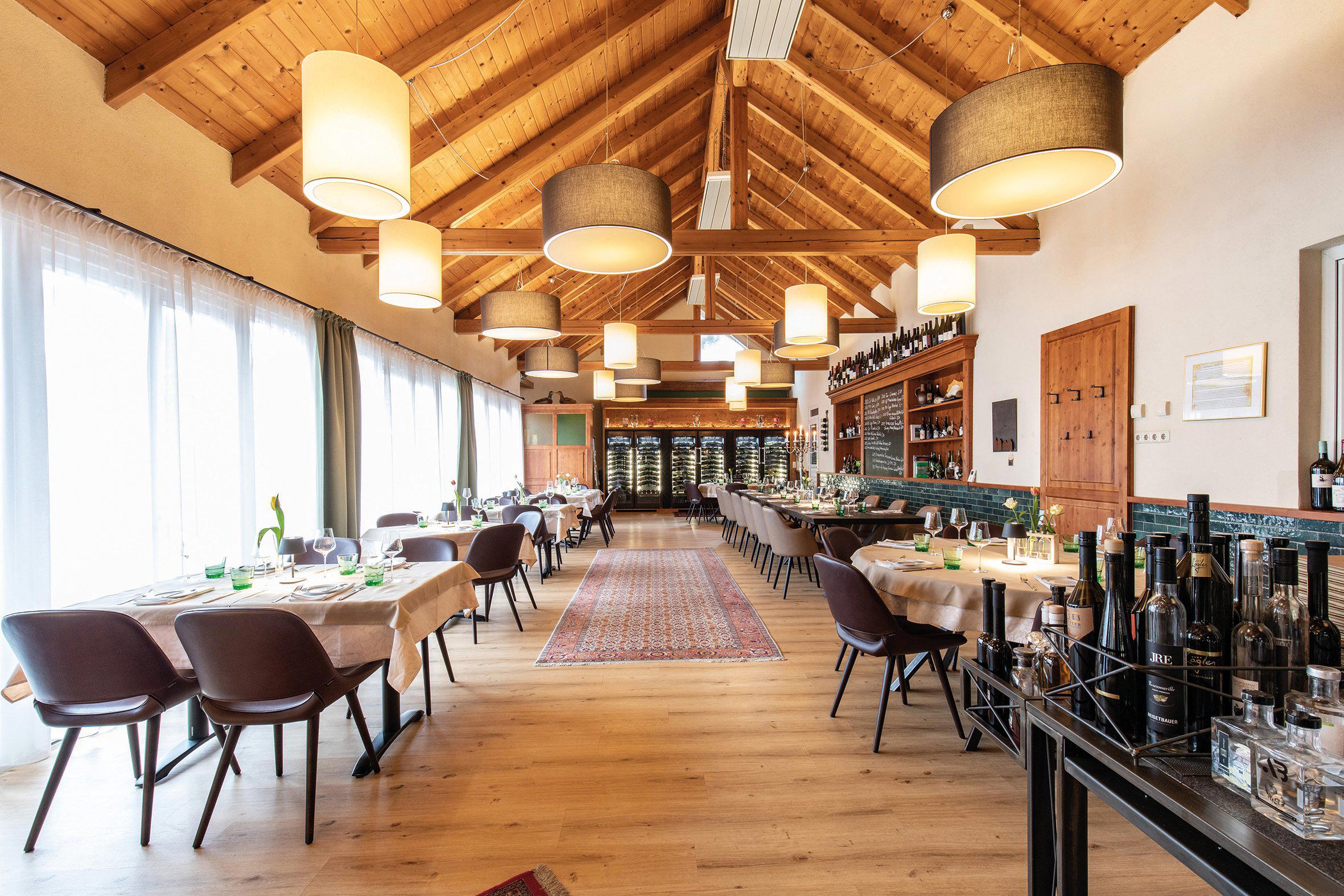
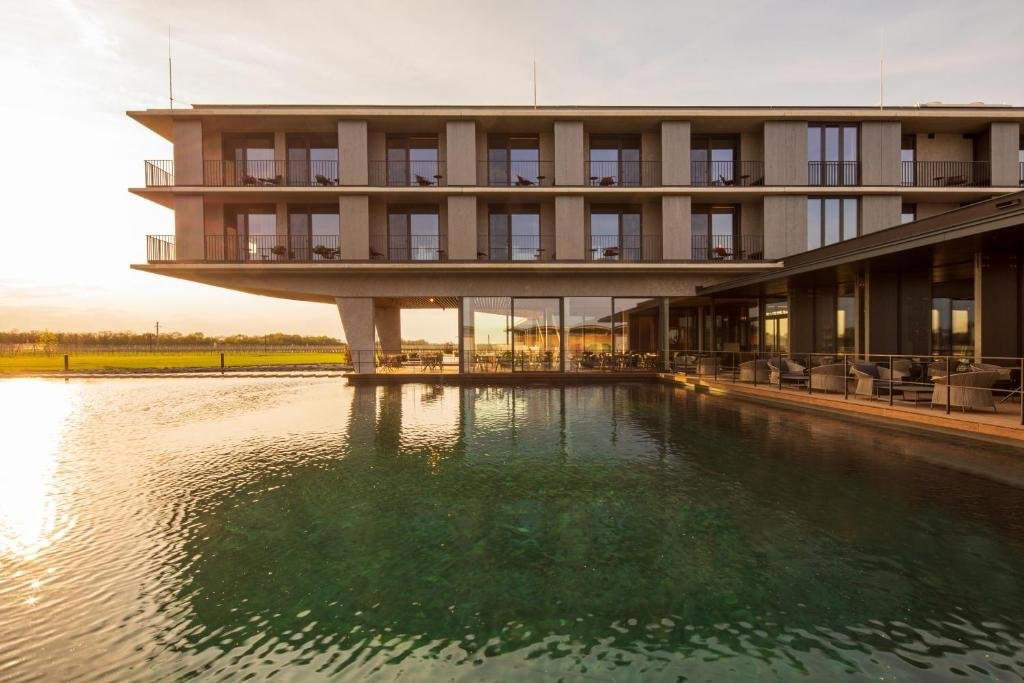
Laid-back and energetic atmosphere in a sleek modern winery amidst vineyards, enhanced by vinyl music and positive herbal rituals.