Weingut Bründlmayer

Weingut Bründlmayer holds among the more respected positions in the Kamptal, a wine region where loess, primary rock, and the thermal contrast between the Danube plain and the northern hills produce some of Austria's most expressive Grüner Veltliner and Riesling.
Pearl is the En Primeur Club membership app — saves, bookings, and concierge access live there. Same editors, same standards.
- Address
- Zwettler Str. 23, 3550 Langenlois
- Phone
- +43 2734 21720
- Website
- bruendlmayer.at
- Directions
- Get directions
 Saves & bookings on Pearl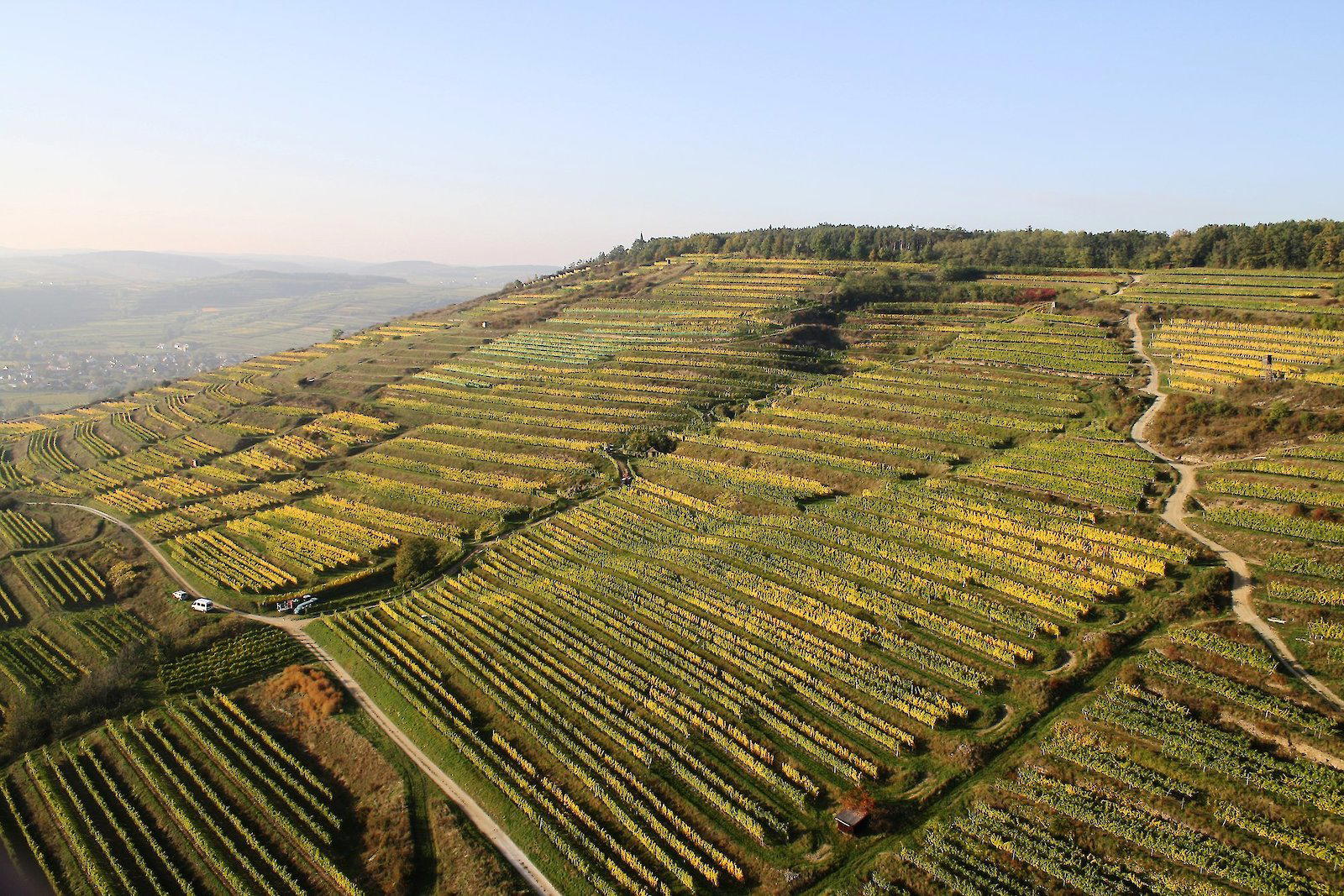
Where Kamptal Geology Becomes Legible in the Glass
Langenlois sits at the point where the Kamptal valley opens toward the Danube plain, and the geology here is unusually varied for a wine region of its size. Within a short radius of the town, vines grow on loess terraces, on decomposed primary rock, and on south-facing crystalline slopes that hold heat long after sunset. That diversity is not incidental to understanding why Bründlmayer, located at Zwettler Str. 23, draws visitors and collectors who are as interested in the land as they are in the bottle. The estate's address places it at the centre of Langenlois itself, which means a visit integrates naturally into a broader exploration of the town and its wine culture.
The Kamptal received DAC (Districtus Austriae Controllatus) status in 2008, a designation that formalised what producers here had argued for years: that the combination of continental climate, loess, and crystalline rock gives Grüner Veltliner and Riesling from this valley a character distinct from Wachau or Kremstal.
The Terroir Case: Loess, Granite, and Thermal Swing
The dominant soil type across much of the Kamptal's lower slopes is loess, wind-deposited sediment that drains well, retains moisture at depth, and tends to produce wines with a particular textural fullness. On loess, Grüner Veltliner from this valley often delivers the variety's characteristic white pepper note alongside a weight that distinguishes it from leaner examples grown further north. Higher and steeper exposures bring primary rock to the surface, and Riesling planted on those sites responds to the mineral-rich, lower-fertility soils with an intensity and acidic precision that ages differently from loess-grown fruit.
Thermal variation across the Kamptal amplifies both soil types. Warm days drive phenolic ripeness; cool nights, drawn down from the forested hills to the north, preserve acidity and aromatic lift. The gap between daytime and overnight temperatures in the growing season is among the widest in Lower Austria, and that range is visible in wines that can be simultaneously ripe and taut. Among Langenlois producers, Weingut Jurtschitsch, Schloss Gobelsburg, Weingut Fred Loimer, and Weingut Hiedler all work this same thermal pattern, but the specific vineyards each estate controls and the stylistic choices made in the cellar produce meaningfully different results.
Bründlmayer in Its comparable set
Within Langenlois and the wider Kamptal, a small group of estates has built international reputations for single-vineyard bottlings that reward ageing. For context on the depth of the Austrian wine scene, comparisons extend beyond the Kamptal: Weingut Emmerich Knoll in Dürnstein works the Wachau's steep terraced vineyards with a comparable precision, while Weingut Kracher in Illmitz operates in the Neusiedlersee's Seewinkel, producing late-harvest and TBA wines from an entirely different climatic and geological base. The contrast between those estates illustrates how much Austria's wine identity varies by region, and why the Kamptal's cool-continental signature remains distinct.
Further afield, producers such as Weingut Wohlmuth in Kitzeck, operating in Styria's refined Sausal ridge, and Weingut Pittnauer in Gols, working Burgenland red varieties with a low-intervention approach, demonstrate the breadth of Austria's premium wine map. Bründlmayer's position in Langenlois keeps it anchored to the white-wine tradition that defines the Kamptal's international reputation, rather than the red-variety or dessert-wine specialisations found elsewhere in the country.
Reading the Vineyard Hierarchy
The Kamptal's producers have developed a de facto quality pyramid that parallels the classification thinking in Burgundy or the Wachau's Vinea Wachau categories. At the base, regional blends draw from across the appellation. Above that, village or Ortswein bottlings represent a specific commune's character. At the leading, Riedenwein (single-vineyard wine) expresses one named site's geology and microclimate without blending across boundaries. This structure matters for understanding how to read a Bründlmayer label and why the price gap between the estate's entry-level and single-vineyard tiers can be substantial. A Ried Heiligenstein Riesling, for example, comes from a south-facing basalt and primary-rock slope that produces wines with a stony, saline grip that loess-grown Grüner Veltliner from the same producer cannot replicate. Both are valid expressions of Kamptal character; they are simply speaking about different parcels of land.
This vineyard-level thinking has accelerated across the Kamptal over the past two decades. Weingut Heinrich Hartl in Oberwaltersdorf and Weingut Scheiblhofer in Andau represent different regional traditions, but the broader movement toward site-specific transparency is shared across Austria's premium appellations.
Planning a Visit to Langenlois
Langenlois is the largest wine-producing town in Austria by area under vine, and its concentration of quality estates makes it the efficient single stop for understanding Kamptal wine at depth. Bründlmayer's cellar and tasting facility at Zwettler Strasse 23 sits within the town itself, which means visitors can combine a session here with calls on neighbouring estates without requiring a car for each leg. The town is approximately 70 kilometres northwest of Vienna, accessible by rail to Krems an der Donau followed by a regional connection or taxi into Langenlois. The spring and autumn months align with either post-bottling release periods or pre-harvest energy, and either window offers a clearer read on what the estate is currently showing than the quiet of mid-winter. For those building a full Austrian wine itinerary, the full Langenlois guide covers the town's broader estate lineup and practical logistics in detail.
Booking directly with the estate is advisable for any visit that goes beyond a standard tasting. Appointment-led estates at this tier in the Kamptal typically prefer advance notice of several weeks during the main visiting season.
1310 Spirit of the Country Distillery in Sierning and 1404 Manufacturing Distillery in Sankt Peter-Freienstein for those interested in the country's broader craft production beyond wine. Further international context on prestige estate production can be found through Accendo Cellars in St. Helena and Aberlour in Aberlour, each operating in their respective regional hierarchies at a comparable level of critical recognition.
Comparable Venues
Comparable venues nearby, for context on price, style, and recognition.
| Venue | Cuisine | Price | Awards | Notes |
|---|---|---|---|---|
| Weingut BründlmayerThis venue — the venue you are viewing | Grüner Veltliner, Riesling | $$$ | Not listed | Not listed |
| Weingut Hiedler | Grüner Veltliner, Riesling | $$ | Not listed | Langenlois |
| Weingut Jurtschitsch | Grüner Veltliner, Riesling | $$$ | Not listed | Langenlois |
| Weingut Fred Loimer | Grüner Veltliner, Riesling | $$ | Not listed | Langenlois |
| Schloss Gobelsburg (Weingut) | Grüner Veltliner, Riesling | $$$ | World's 50 Best #30 | Langenlois |
| Weingut F. X. Pichler | Grüner Veltliner, Riesling | $$$ | Not listed | Dürnstein |
Recognition history
Dated appearances from independent guides and award organizations, with the underlying list record or original source where available.
Falstaff Winery - 5 Stars
Falstaff
Continue exploring
More in Langenlois
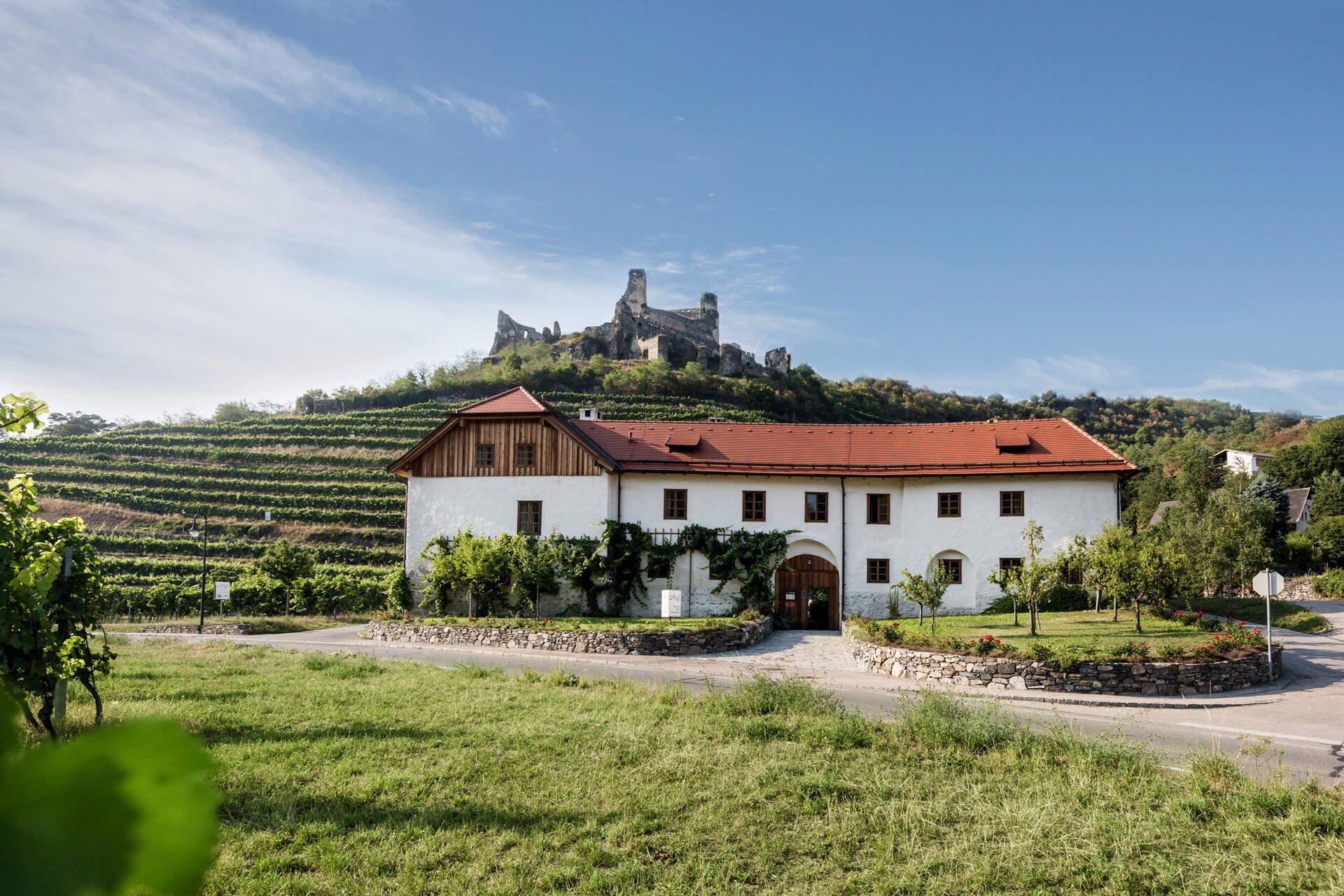
Wineries in Langenlois
Browse all →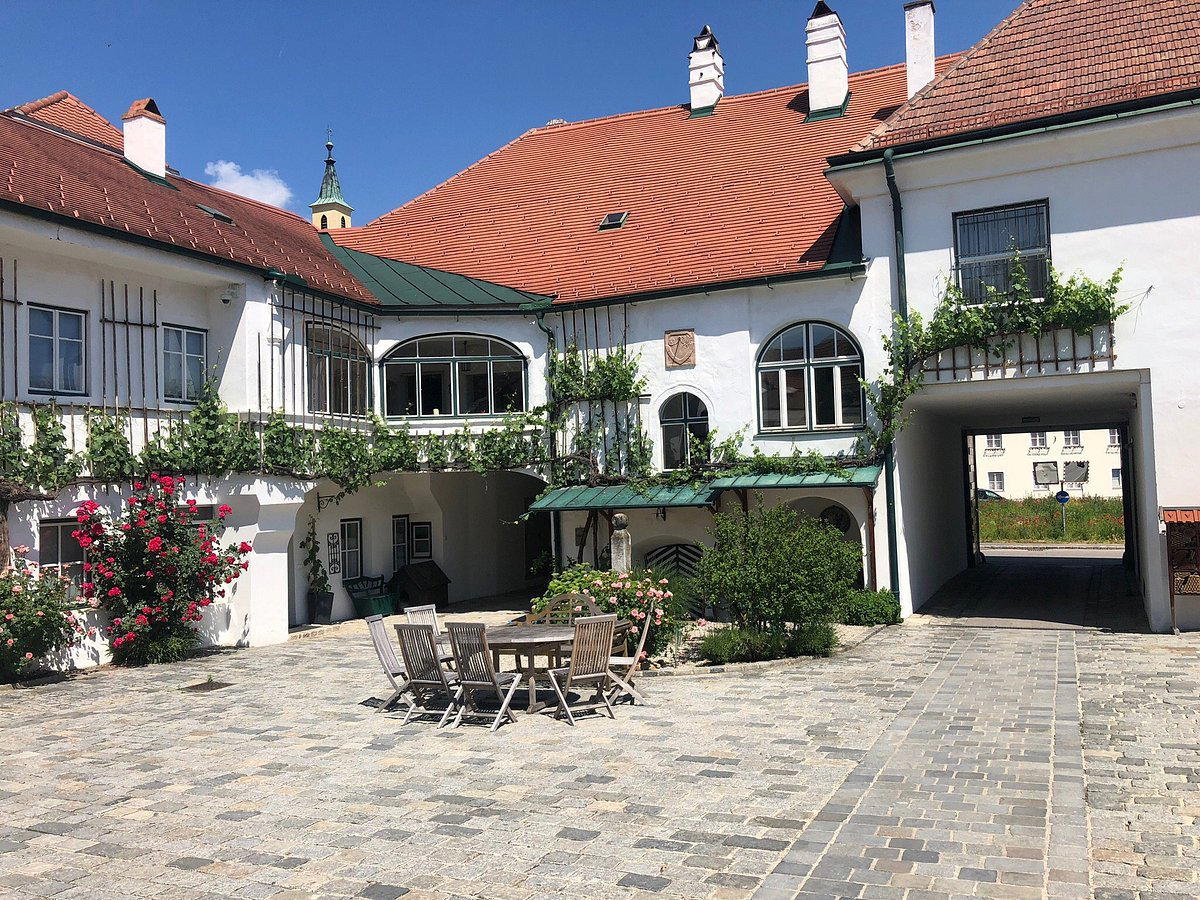
Bars in Langenlois
Browse all →
Restaurants in Langenlois
Browse all →
At a Glance
- Classic
- Elegant
- Scenic
- Rustic
- Wine Education
- Special Occasion
- Vineyard Tour
- Estate Grounds
- Historic Building
- Organic
- Vineyard
- Mountain
- Kamptal
- Grüner Veltliner
- Riesling
- Pinot Noir
- Chardonnay
- Pinot Gris
- Pinot Blanc
- Zweigelt
- St. Laurent
- Still White
- Still Red
- Sparkling
- Cave Tasting
- Private Tasting
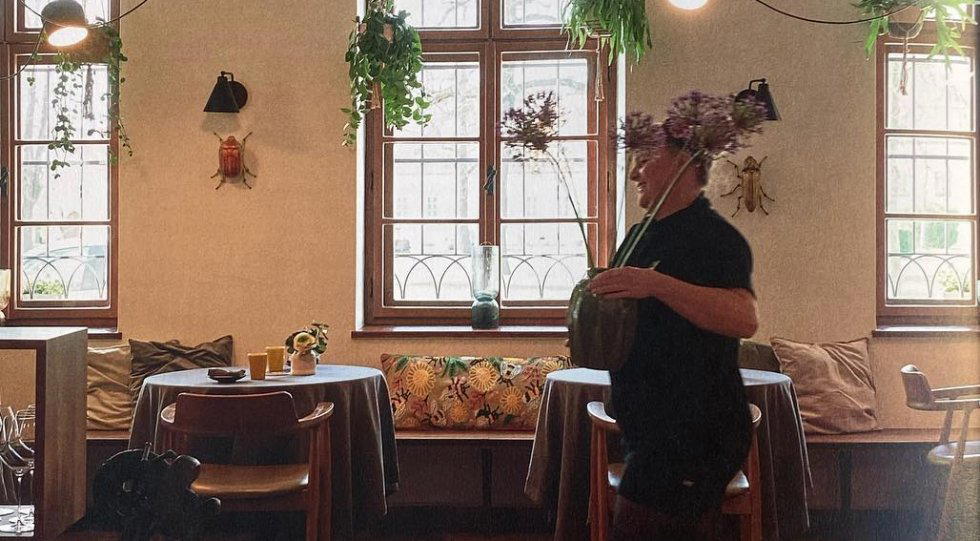
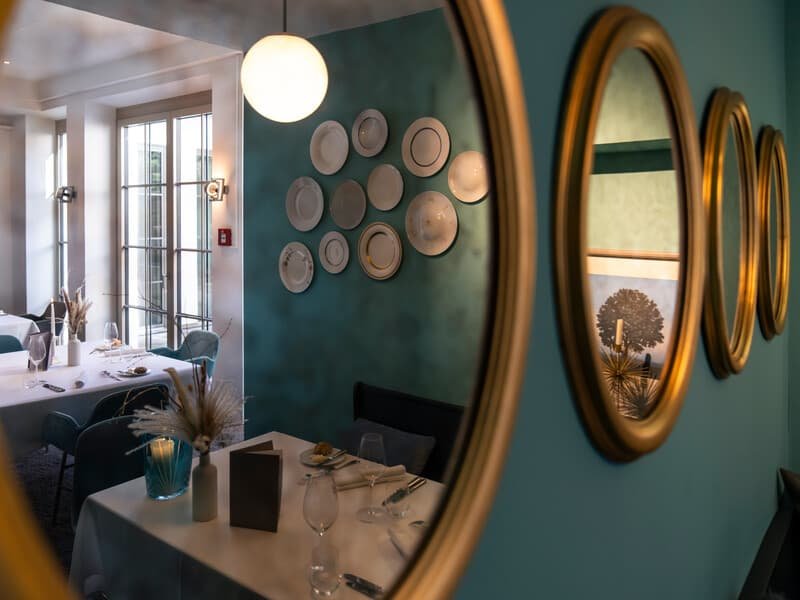
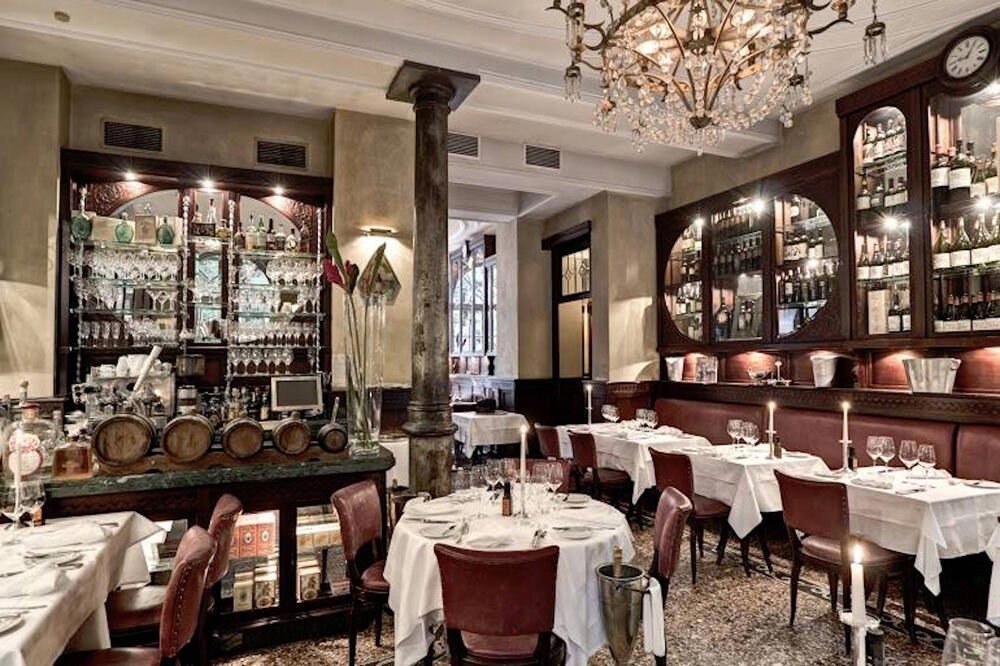
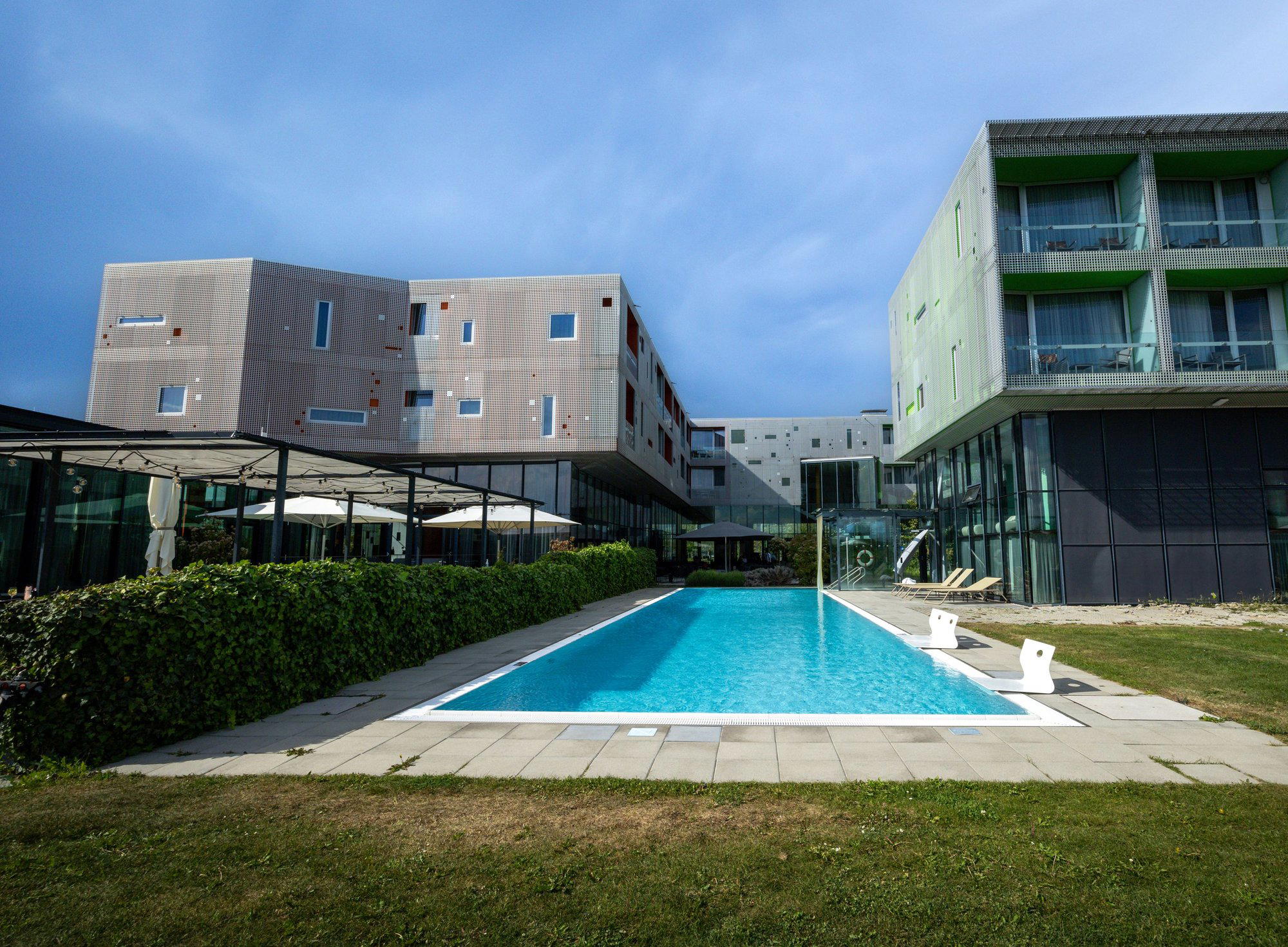
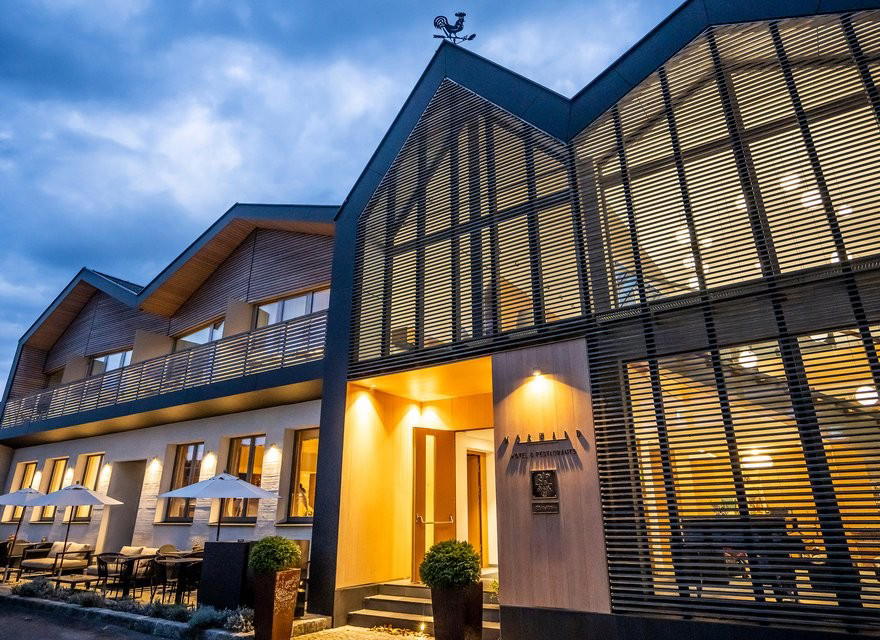
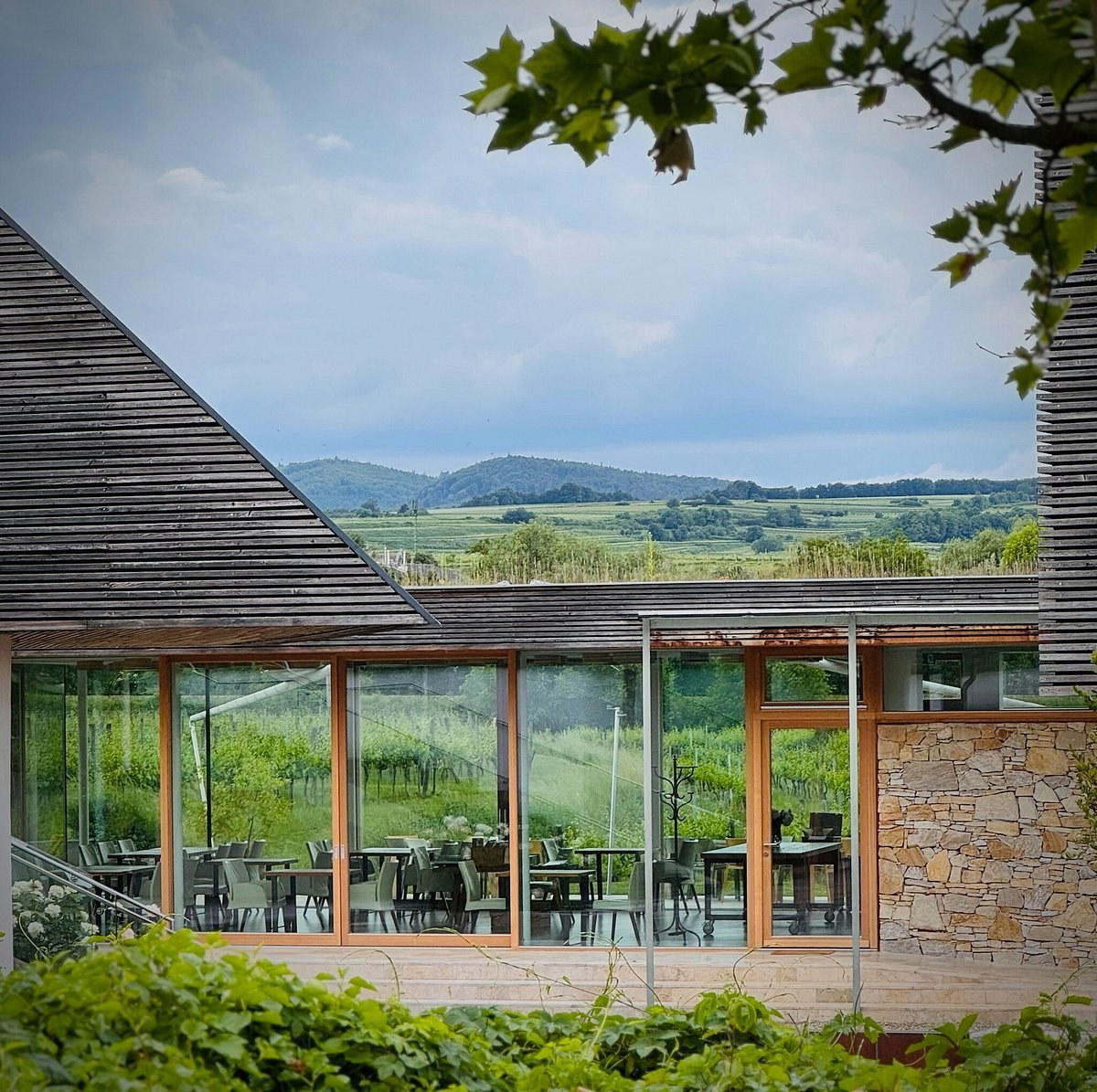
Classic and elegant atmosphere in a historic family winery surrounded by terraced vineyards.