Château La Tour-Carnet

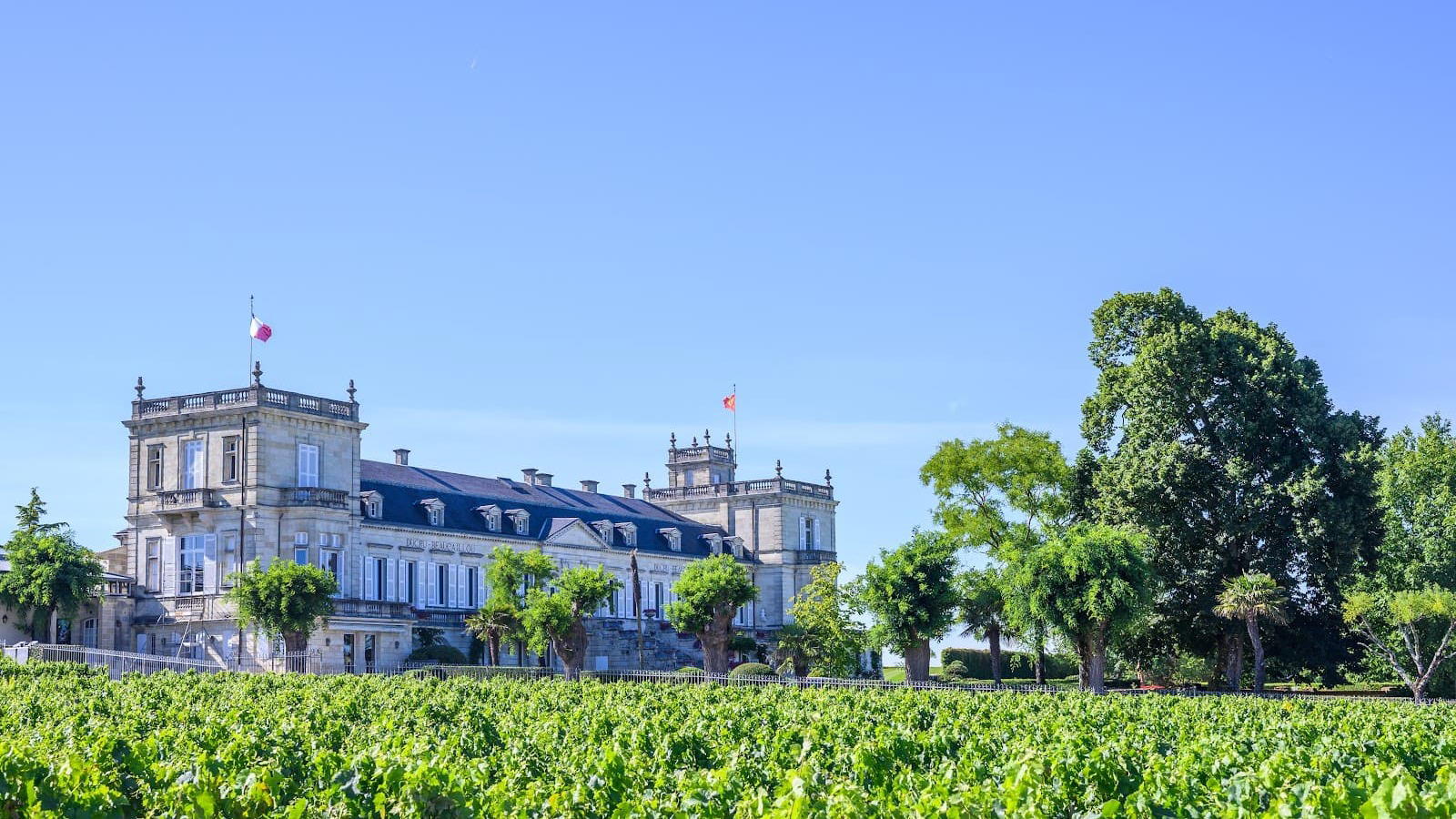
Château La Tour-Carnet sits in Saint-Laurent-de-Médoc, one of the Haut-Médoc's quieter appellations, where clay-rich soils and a cooler mesoclimate shape wines of structural weight rather than early opulence.
Pearl is the En Primeur Club membership app — saves, bookings, and concierge access live there. Same editors, same standards.
- Address
- Darrous, 33112 Saint-Laurent-Médoc
- Phone
- +33 5 56 73 30 90
- Website
- chateau-latourcarnet.fr
- Directions
- Get directions
 Saves & bookings on Pearl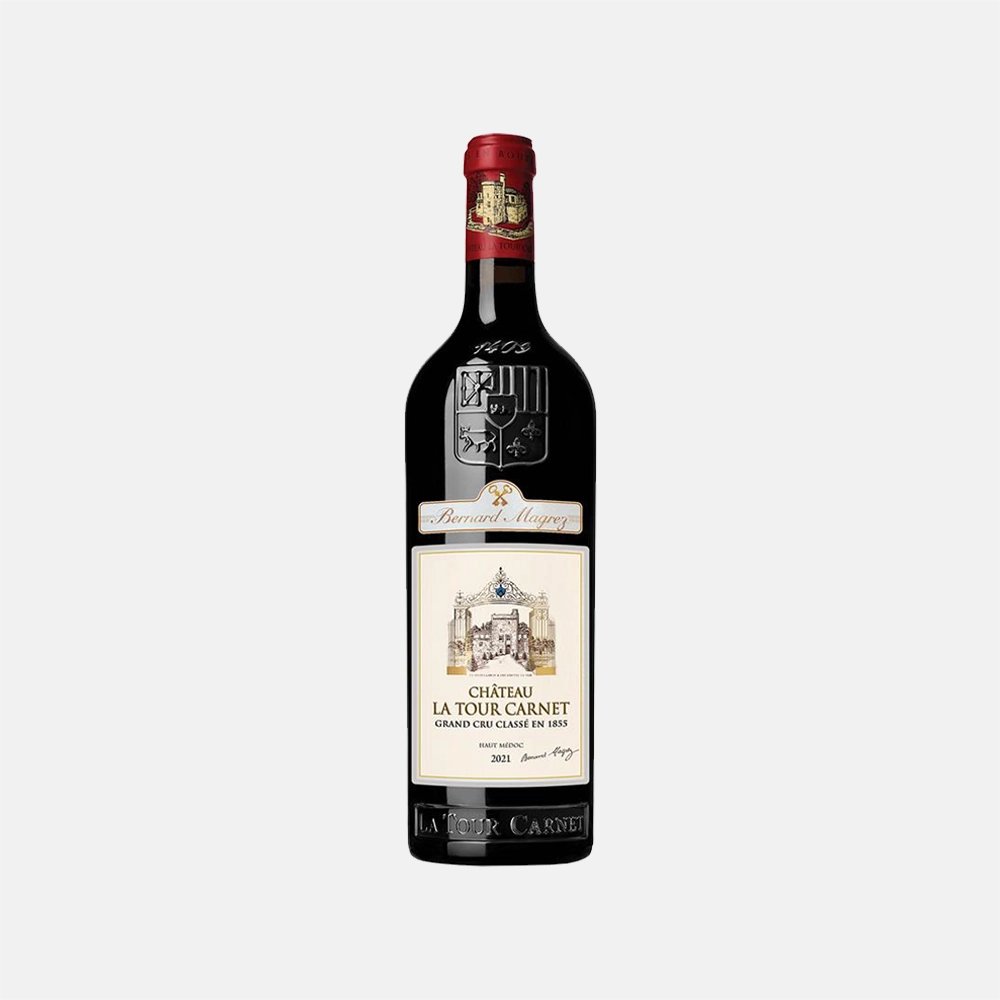
The Médoc's Quieter Register: Saint-Laurent-de-Médoc and What the Soil Says
There is a particular quality to the western Haut-Médoc that visitors arriving from Pauillac or Saint-Julien often underestimate. The villages thin out, the gravel ridges flatten into heavier clay-limestone mixes, and the wines produced here tend toward a denser, less immediately expressive profile than their celebrated northern neighbours. Saint-Laurent-de-Médoc sits in this quieter register, and Château La Tour-Carnet, addressed at Darrous in the commune, is among the properties that demonstrate what this specific patch of appellation can articulate when the vintage cooperates.
The broader context matters here: the 1855 Classification placed La Tour-Carnet as a Fourth Growth, one of only three crus classés in the Saint-Laurent area alongside Camensac and Belgrave. That classification positioned it in a tier that has historically been judged more by potential than by immediate commercial intensity, a characteristic shaped directly by the soils underfoot rather than by any stylistic choice made in the winery.
Terroir Architecture: What Clay, Gravel, and Position Actually Produce
Saint-Laurent's terroir is best understood in contrast to the gravel-dominant geology that defines the prestige appellations immediately to the north. Where Pauillac's renowned estates sit on deep, free-draining Quaternary gravel over iron-rich subsoil, La Tour-Carnet works with a more complex mix: lighter gravel on the higher parcels, heavier clay-dominant soils on the lower ground. The practical consequence is water retention that can work both for and against the estate depending on the vintage. In dry years, the clay acts as a reservoir, sustaining vine stress later in the season than gravel-only soils would allow. In wet vintages, the same retention can suppress phenolic ripeness and extend hang time.
This soil dynamic produces wines that, when conditions align, carry a textural density that gravel-grown Cabernet Sauvignon rarely delivers at the same price point. The tannic structure tends toward grip rather than polish in youth, which places La Tour-Carnet firmly in the category of Médoc properties that reward a cellaring window of at least five to eight years before the mid-palate resolves. Collectors who track this property typically do so alongside similar clay-influenced Haut-Médoc classified estates rather than benchmarking purely against Fourth Growth peers in Pauillac or Margaux.
The Estate in Its Competitive Set
Within the Haut-Médoc classified tier, La Tour-Carnet operates in a bracket where critical reception has historically been more volatile than at the leading two growths, reflecting both the variability of its terroir and the investment cycles that individual classified estates undergo over decades. That distinction matters when tracking classified Médoc properties, where individual vintage outliers can create a misleading picture of a château's actual baseline.
Both sit in appellations with stronger commercial reputations than Saint-Laurent, which creates the secondary question any serious buyer asks about La Tour-Carnet: does the price differential relative to better-known communes reflect a genuine quality gap, or is it an appellation discount that the wine itself doesn't necessarily justify?
The answer depends partly on vintage and partly on palate preference. Those who prioritise the immediate aromatic generosity and textural fluency of leading Saint-Julien, such as what Branaire Ducru demonstrates, will find La Tour-Carnet's style more demanding. Those willing to meet the wine on its own terms, accepting a longer development arc, tend to find the value proposition considerably more interesting.
Visiting the Estate: What to Expect on the Ground
Saint-Laurent-de-Médoc lies approximately midway along the Médoc peninsula, accessible from Bordeaux by car in under an hour via the D1 corridor that links the classified village appellations. The commune does not attract the same volume of wine tourism as Pauillac or Saint-Estèphe, which in practice means estate visits at classified properties here tend toward a more direct, less theatrically produced format than the purpose-built visitor centres that now characterise the Médoc's larger commercial operations. The estate address at Darrous places it in the quieter agricultural interior of the commune rather than on the main route, which reinforces the low-key character of the area.
Visitors planning a Médoc circuit who want to compare terroir expressions across appellations would do well to position Saint-Laurent as a deliberate detour rather than an afterthought. The contrast between a La Tour-Carnet tasting and a session at a property in the lighter-soiled, gravel-dominant Pauillac appellation illustrates the soil argument more vividly than any written description can. Those interested in how classified Bordeaux properties in quieter appellations maintain quality references in the current market can also track parallel dynamics in Sauternes, where Château Bastor-Lamontagne in Preignac and Château d'Arche occupy analogous positions in their own appellation hierarchy.
Practical logistics for visiting La Tour-Carnet point to appointment-only access.
Where La Tour-Carnet Sits in the Broader Wine Map
Across the EP Club network, comparably recognised properties include Château Bélair-Monange in Saint-Emilion and Château Boyd-Cantenac in Cantenac, both of which operate within classified frameworks shaped by soil type as much as appellation prestige. Further afield, the precision-driven approach of Albert Boxler in Alsace and the production discipline at Accendo Cellars in St. Helena indicate the company La Tour-Carnet keeps in terms of critical recognition, even if the styles diverge substantially.
The argument for doing so rests on the same soil: heavier, more patient, less immediately gratifying than gravel, but capable of producing something with genuine structural substance when the conditions and the winemaking align.
Side-by-Side Snapshot
Comparable venues nearby, for context on price, style, and recognition.
| Venue | Cuisine | Price | Notes |
|---|---|---|---|
| Château La Tour-CarnetThis venue — the venue you are viewing | Merlot, Cabernet Sauvignon | $$$$ | Not listed |
| Château Gruaud-Larose | Cabernet Sauvignon, Merlot | $$$$ | Saint-Julien |
| Château Haut-Bages-Libéral | Cabernet Sauvignon, Merlot | $$$$ | Pauillac |
| Château Nénin | Merlot, Cabernet Franc | $$$$ | Pomerol |
| Château Peby Faugeres | Merlot, Cabernet Sauvignon | $$$$ | Saint-Emilion |
| Château Suduiraut | Semillon, Sauvignon Blanc | $$$$ | Preignac |
Recognition history
Dated appearances from independent guides and award organizations, with the underlying list record or original source where available.
Falstaff Winery - 2 Stars
Falstaff
Continue exploring
More in Saint-Laurent-de-Médoc
Wineries in Saint-Laurent-de-Médoc
Browse all →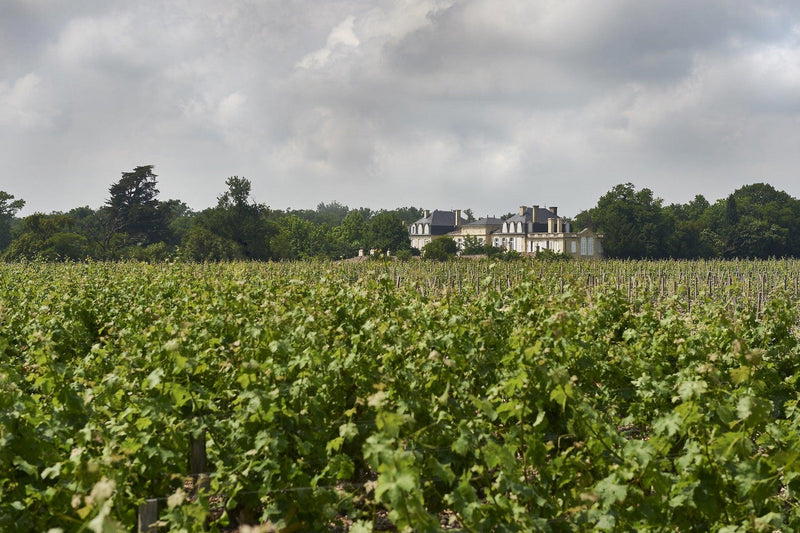
Bars in Saint-Laurent-de-Médoc
Browse all →

Restaurants in Saint-Laurent-de-Médoc
Browse all →

At a Glance
- Classic
- Elegant
- Historic
- Scenic
- Wine Education
- Special Occasion
- Vineyard Tour
- Historic Building
- Estate Grounds
- Vineyard
- Haut Médoc
- Merlot
- Cabernet Sauvignon
- Cabernet Franc
- Petit Verdot
- Sauvignon Blanc
- Sémillon
- Sauvignon Gris
- Muscadelle
- Still Red
- Still White
- Cave Tasting
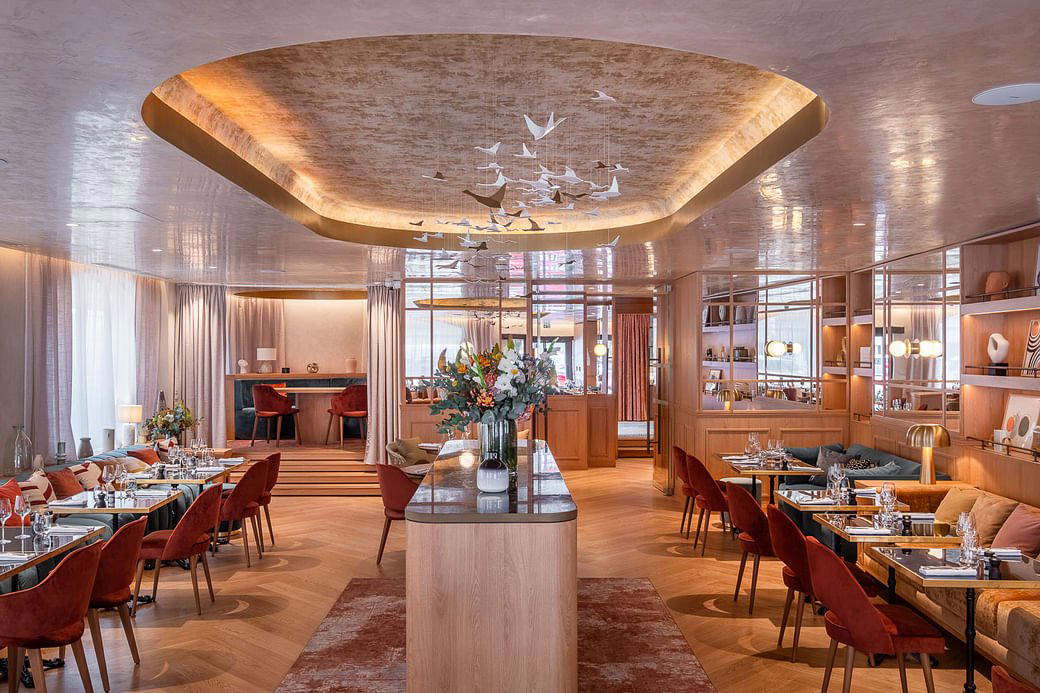
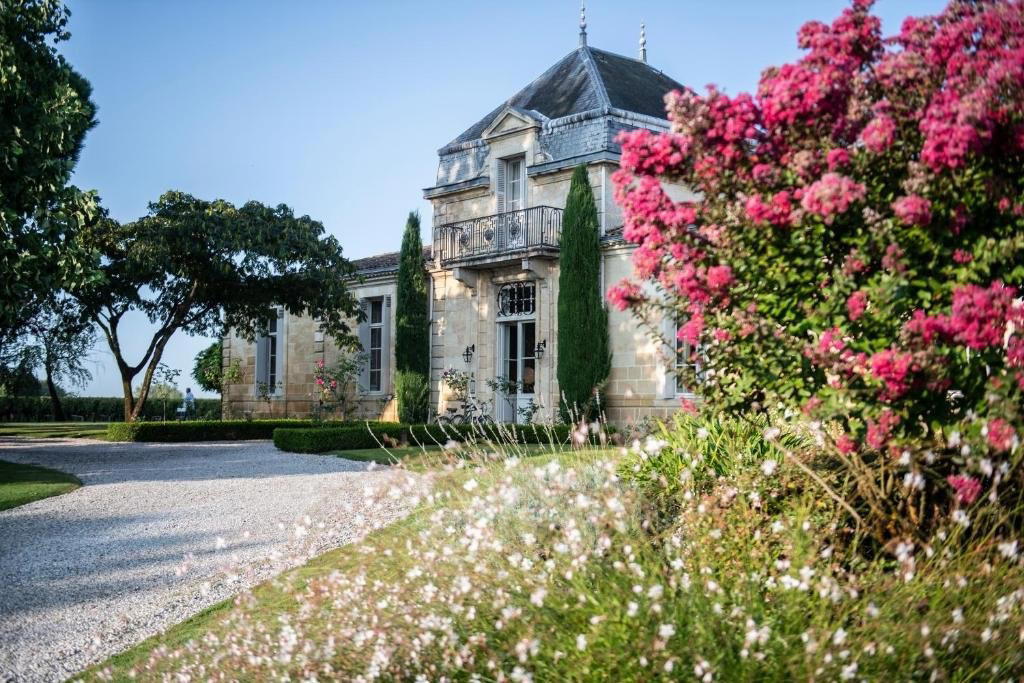
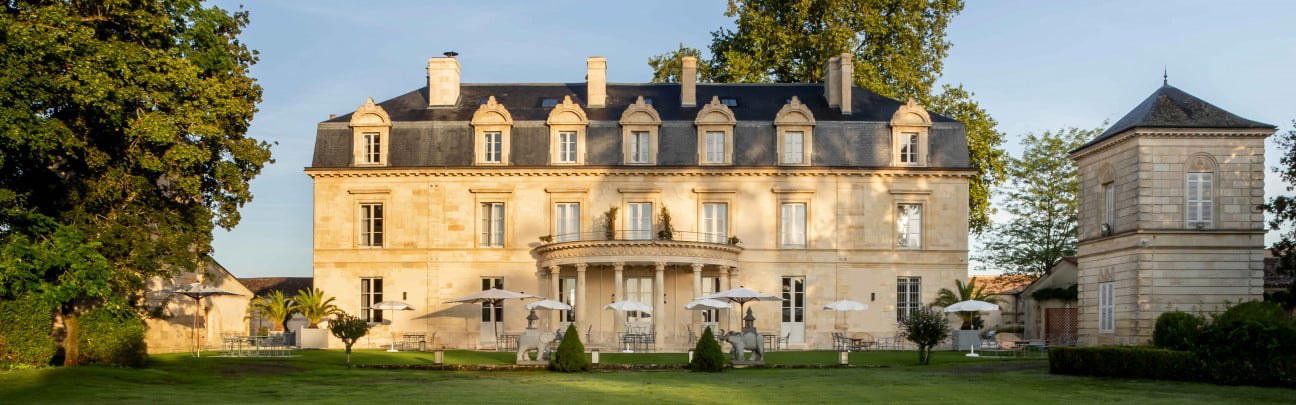
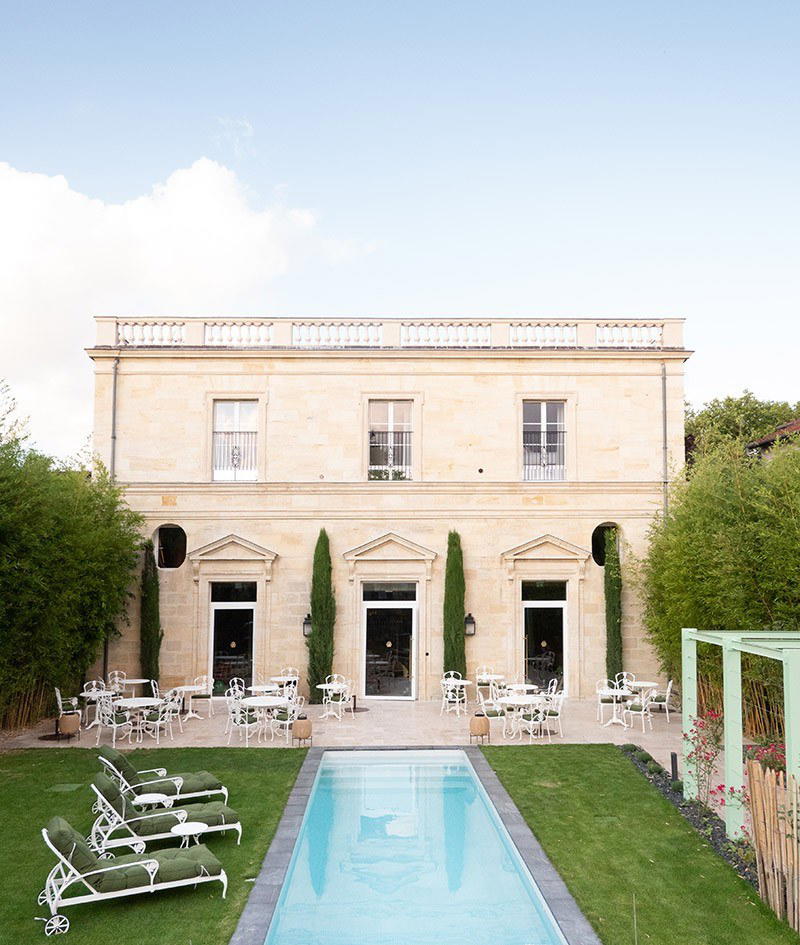
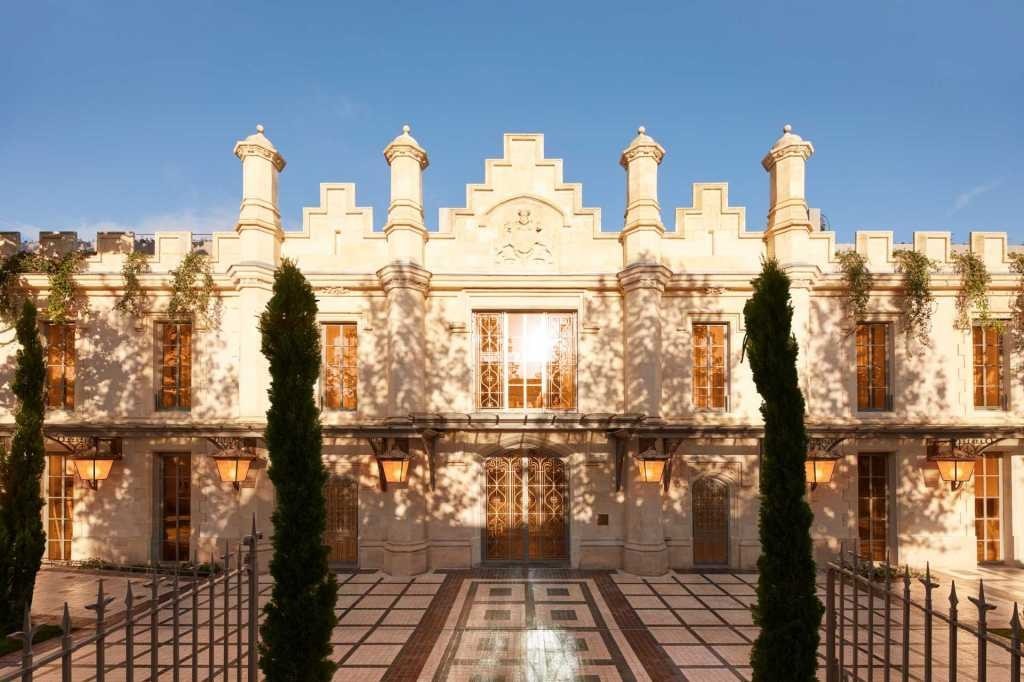
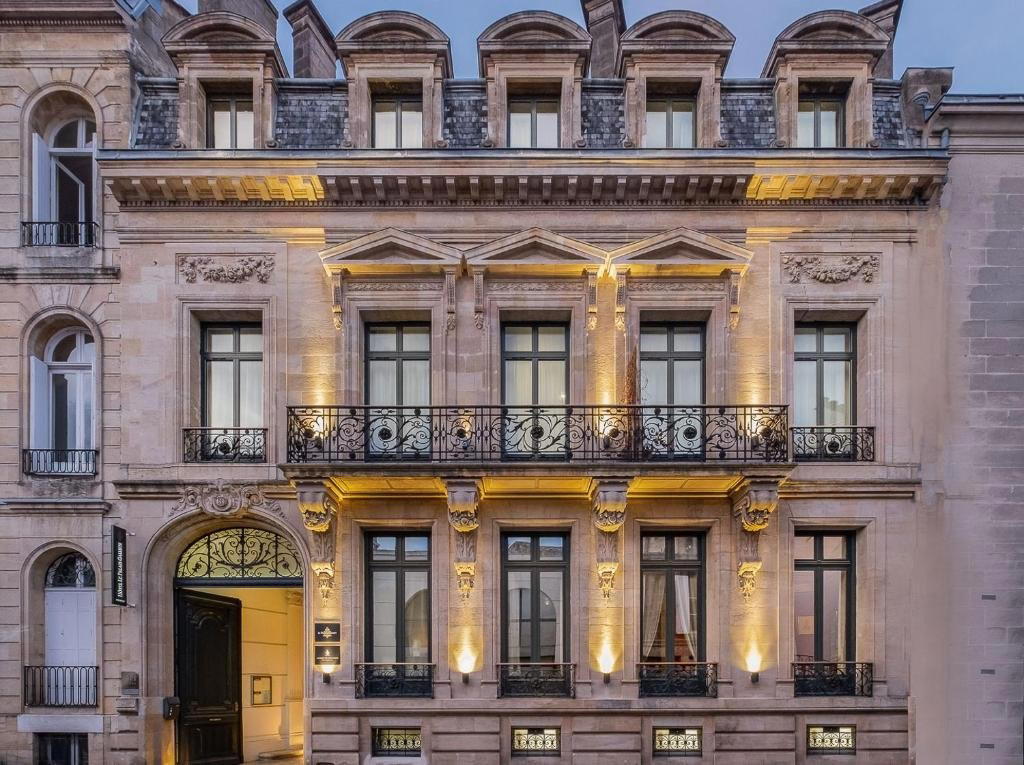
Historic and elegant atmosphere in a renovated medieval fortress blending tradition with modern sophistication.