
Falstaff Winery - 4 Stars
Weingut Grans-Fassian is a Mosel estate based in Leiwen. The winery sits on Römerstraße, the Roman road that threads through the heart of one of Germany's most storied Riesling villages. For visitors tracing the Mosel's slate-driven terroir from producer to producer, it represents serious local standing in a competitive field.

Pearl is the En Primeur Club membership app, where members save venues, book tables and use the concierge.
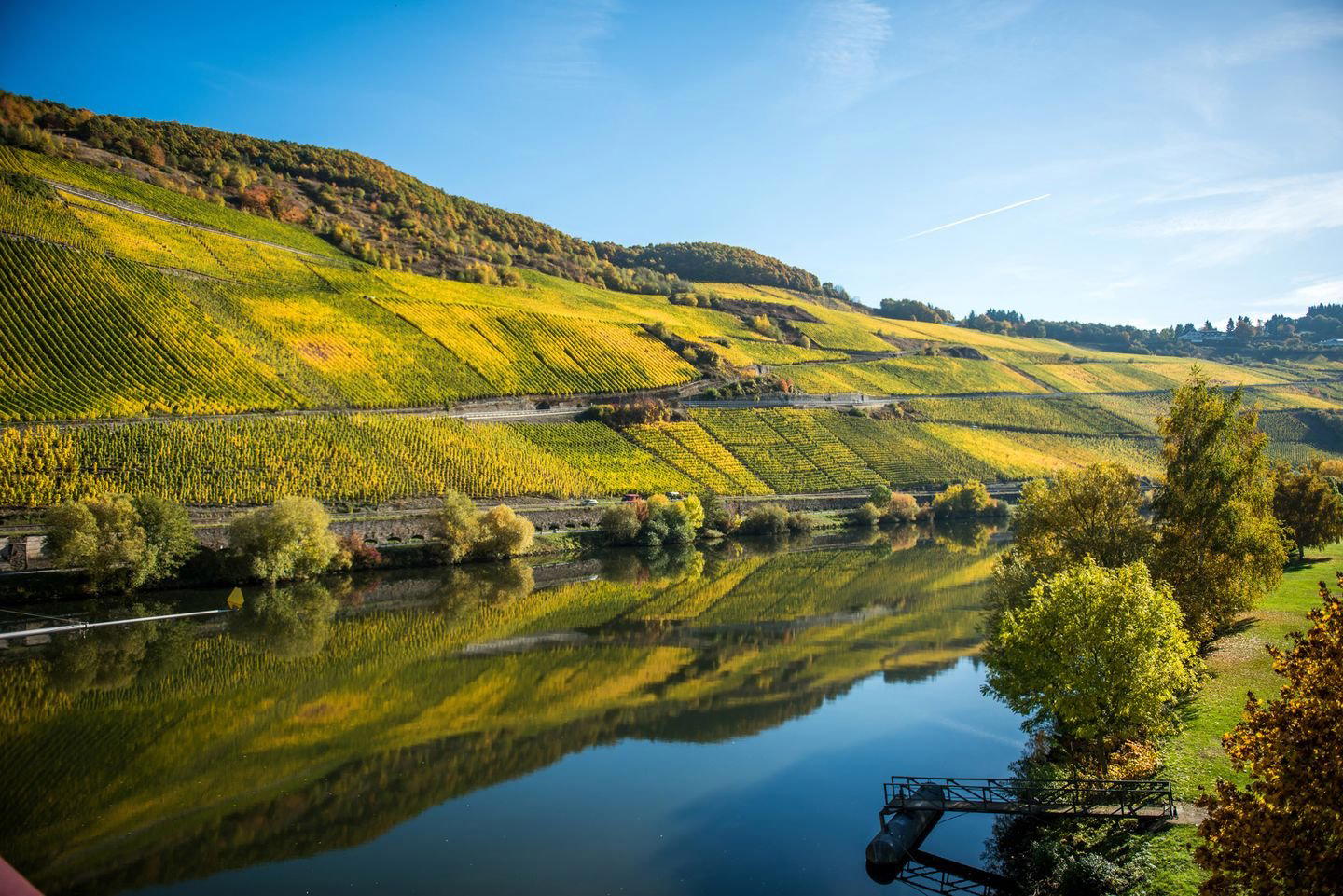
Leiwen and the Mosel's Slate-Ledger Wines
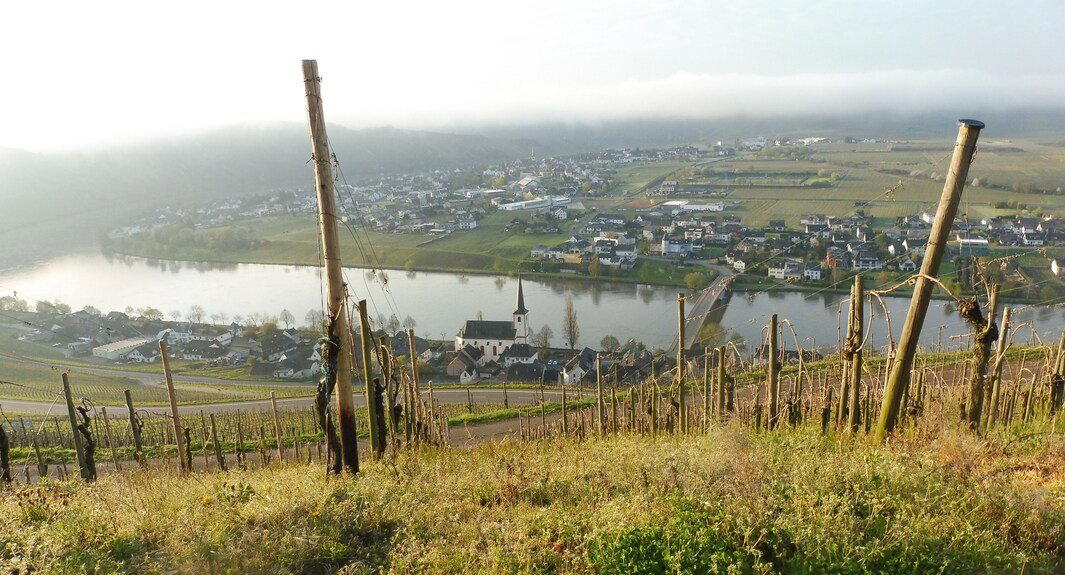
The village of Leiwen occupies a bend in the Mosel river where the valley walls steepen and the slate content of the hillside vineyards becomes visually apparent even from the road. This is not incidental geography. The slate here absorbs heat during the day and radiates it at night, extending the growing season and allowing Riesling to accumulate the kind of slow-ripening complexity that defines the Mosel's most serious wines. The region has been producing wine since Roman occupation, and the street name Römerstraße, where Weingut Grans-Fassian is located, is a literal reminder of that continuity. Within Germany's wine regions, the Mosel sits in a distinct tier: its Rieslings are lower in alcohol, higher in acidity, and more explicitly mineral than those from the Pfalz or Rheingau, and producers here tend to compete on terroir expression rather than on body or weight.
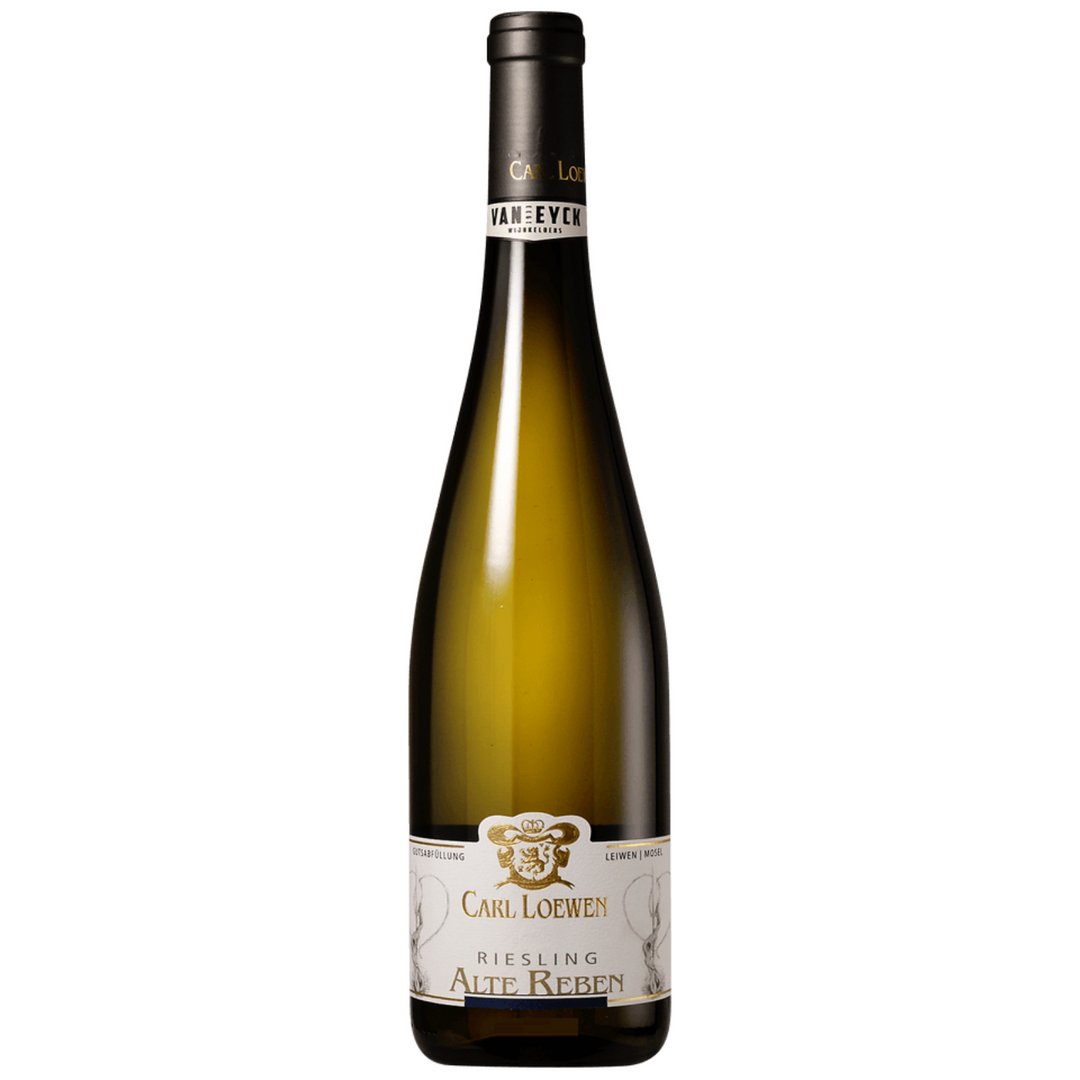
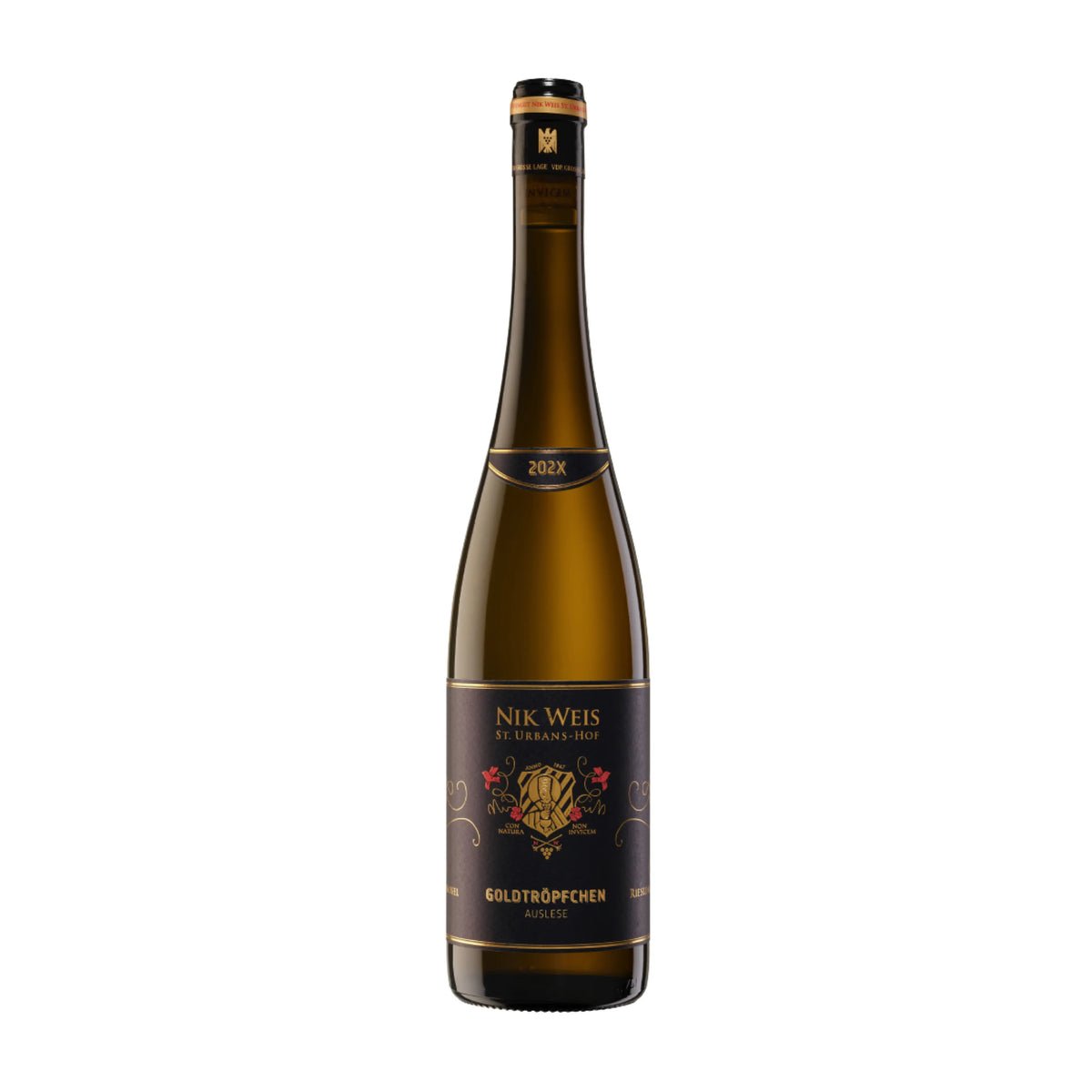
Leiwen itself is a smaller village in a region where names like Bernkastel, Wehlen, and Graach tend to attract more international attention. That positioning has a practical consequence: serious estates here operate with somewhat less fanfare than their counterparts in the more celebrated middle-Mosel communes, which can make discovery feel more earned for visitors who do the work. Producers like Weingut Carl Loewen and Weingut Nik Weis – St. Urbans-Hof have helped put Leiwen on the itinerary for serious wine travellers, and Grans-Fassian occupies a comparable position in that local peer group.
Awards in the German wine sector tend to be more granular than in many other regions: classification bodies distinguish between estate-level consistency and single-vineyard performance, and a prestige-tier recognition indicates that quality holds across the range rather than peaking on a single showpiece bottling. For a visitor or buyer, this matters because it sets a floor on what to expect from any wine in the portfolio, not just the flagships.
Placing that recognition against the broader German Riesling scene is useful. Estates like Weingut Fritz Haag in Brauneberg and Weingut Clemens Busch in Pünderich have built international reputations on similar slate-terroir Riesling, while estates further south such as Weingut A. Christmann in Neustadt an der Weinstraße and Weingut Dr. Bürklin-Wolf in Wachenheim an der Weinstraße work in the richer, warmer idiom of the Pfalz. The stylistic contrast between those two approaches is one of the defining fault lines of German fine wine, and Grans-Fassian's Leiwen base plants it firmly on the more restrained, acid-driven side of that divide.
The Winemaking Approach: Mosel Restraint and Terroir Fidelity
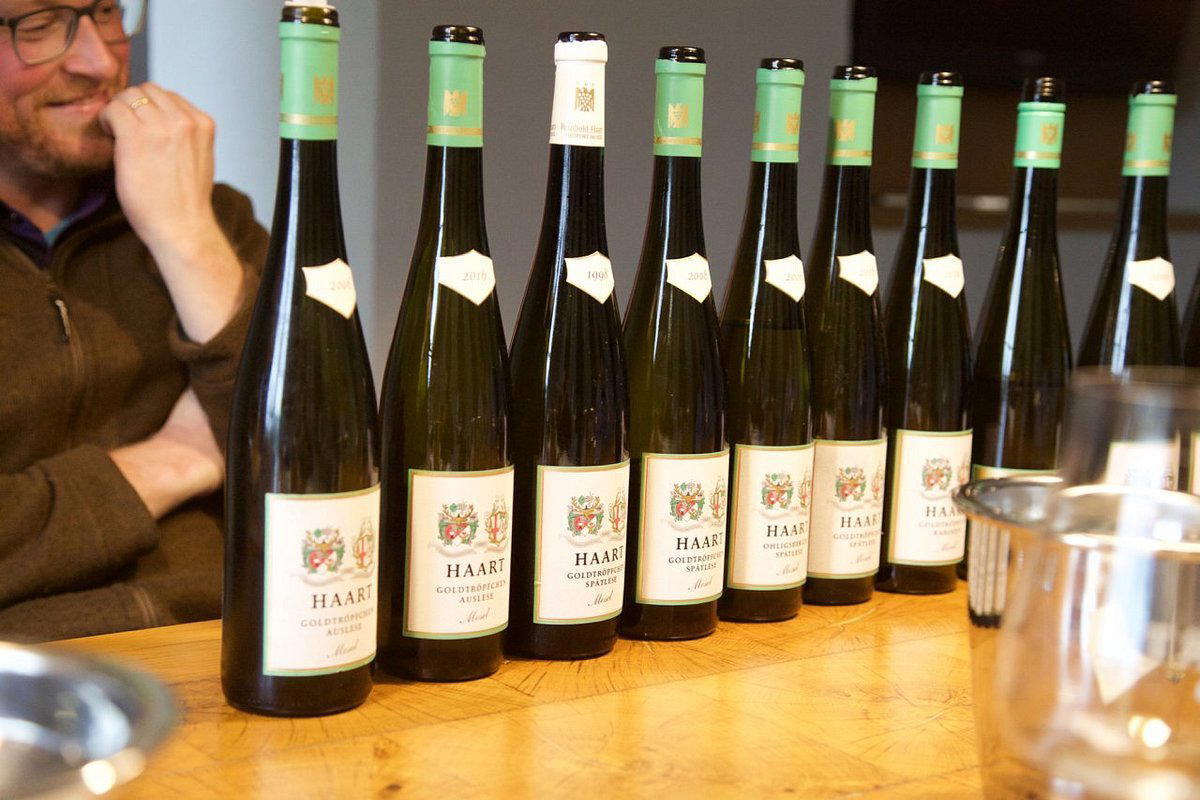
Mosel winemaking at the serious end of the market is not a philosophy of addition. The region's tradition runs toward minimal intervention in the cellar, extended lees contact, and the use of old large-format oak casks rather than small barrique, all in service of transmitting what the vineyard produces rather than shaping it after the fact. Alcohol levels in Mosel Riesling regularly fall below 9%. At the same time, the Mosel's classification system, running from Kabinett through Spätlese, Auslese, Beerenauslese, and Trockenbeerenauslese, reflects a range of ripeness levels that can confuse first-time visitors: off-dry and even sweet designations are not concessions to accessibility but expressions of what the vintage made possible in a specific vineyard at a specific moment.
For a producer with recognised standing in Leiwen, the winemaking conversation tends to revolve around which parcels of vineyard are being worked, how old the vines are, and what harvest date decisions were made. These are the levers that shape the wine before it reaches the cellar. Older vines produce lower yields and more concentrated fruit; later harvests risk weather but gain complexity; specific slate exposures within the same village can produce measurably different wines. Visitors who arrive at estates like Grans-Fassian with those questions ready tend to get the most out of any tasting conversation.
Comparison with other regions in Germany and Europe sharpens the picture. The Rheingau's Riesling tradition, represented by producers such as Weingut Georg Breuer in Rüdesheim am Rhein and the historic Kloster Eberbach in Eltville, tends toward fuller body and more obvious structure. The Franconian tradition at estates like Weingut Bürgerspital zum Heiligen Geist in Würzburg moves further still toward weight and earthiness. The Mosel's signature remains lightness with precision, and that signature is what Leiwen producers including Grans-Fassian are working to express.
Planning a Visit to Leiwen
Leiwen sits on the Moselle Wine Route (Moselweinstraße), making it direct to reach by car from Trier, which lies roughly 20 kilometres to the southwest. The village is small enough that Römerstraße, the address of Grans-Fassian, is easily navigated on foot once you arrive. Wine tourism in this part of the Mosel follows a familiar pattern: visitors move between estates, tasting rooms, and the river promenade, with the season running from spring through late autumn. The harvest period, typically September into October, is when the valley is most alive, with activity in the vineyards visible from the road and estates often hosting open-door events. For travellers building a broader Mosel itinerary, our full Leiwen restaurants guide covers where to eat and drink across the village. Neighbouring estates Weingut Carl Loewen and Weingut Nik Weis – St. Urbans-Hof are logical additions to the same day's programme.
For those building a wider German wine tour, the contrast with Nahe and Pfalz producers adds dimension. Estates such as Weingut Battenfeld-Spanier in Hohen-Sülzen, Weingut Bassermann-Jordan in Deidesheim, and Weingut Allendorf in Oestrich-Winkel offer points of comparison that underscore what makes the Mosel's particular approach so distinct. Contact Grans-Fassian directly at their Römerstraße 28 address to arrange a visit or tasting appointment, as details on booking method and opening hours are not published centrally.
Price and Positioning
Comparable venues nearby, for context on price, style, and recognition.
| Venue | Cuisine | Price | Awards | Notes |
|---|---|---|---|---|
| Weingut Grans-FassianThis venue (the venue you are viewing) | Leiwen, Riesling, Pinot Blanc | Not listed | Falstaff Winery - 4 Stars | Not listed |
| Weingut Nik Weis – St. Urbans-Hof | Leiwen, Riesling | Not listed | Falstaff Winery - 4 Stars | Not listed |
| Weingut Carl Loewen | Leiwen, Riesling, Pinot Blanc | $50–100 | Falstaff Winery - 4 Stars | Not listed |
| Bethel Heights Vineyard | Eola-Amity Hills, Pinot Noir, Chardonnay | Not listed | Not listed | Not listed |
| Walter Scott Wines | Winery | Not listed | Not listed | Not listed |
| Domdechant Werner’sches Weingut | Not listed | $20–30 | Falstaff Winery - 3 Stars | Hochheim am Main, Riesling, Spätburgunder |
Recognition history
Dated appearances from independent guides and award organizations, with the underlying list record or original source where available.
Falstaff Winery - 4 Stars
Falstaff
Continue exploring
More in Leiwen
Wineries in Leiwen
All wineries in Leiwen →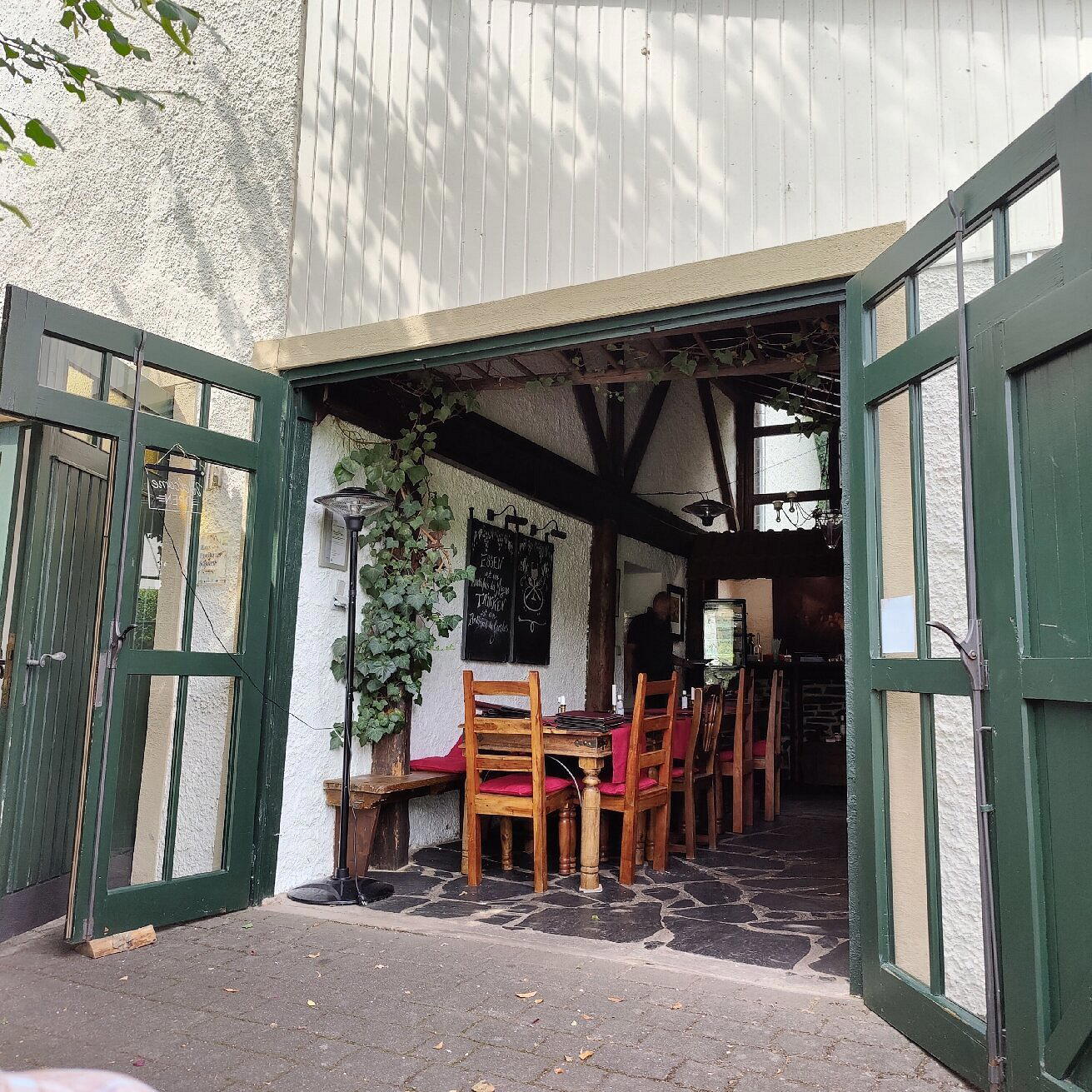
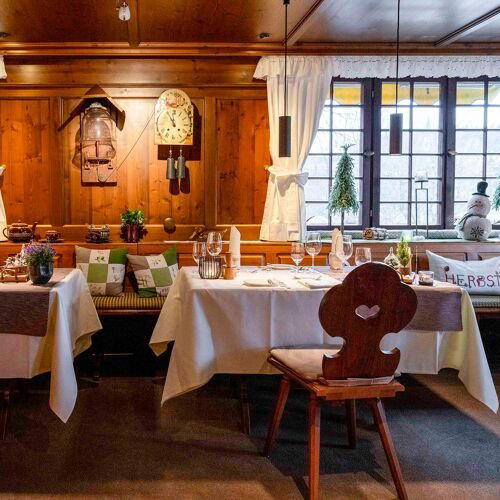
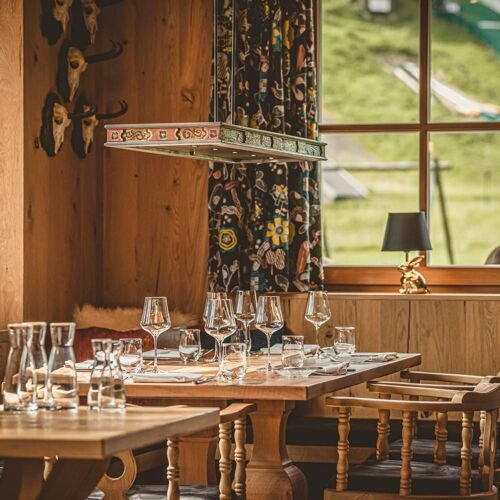
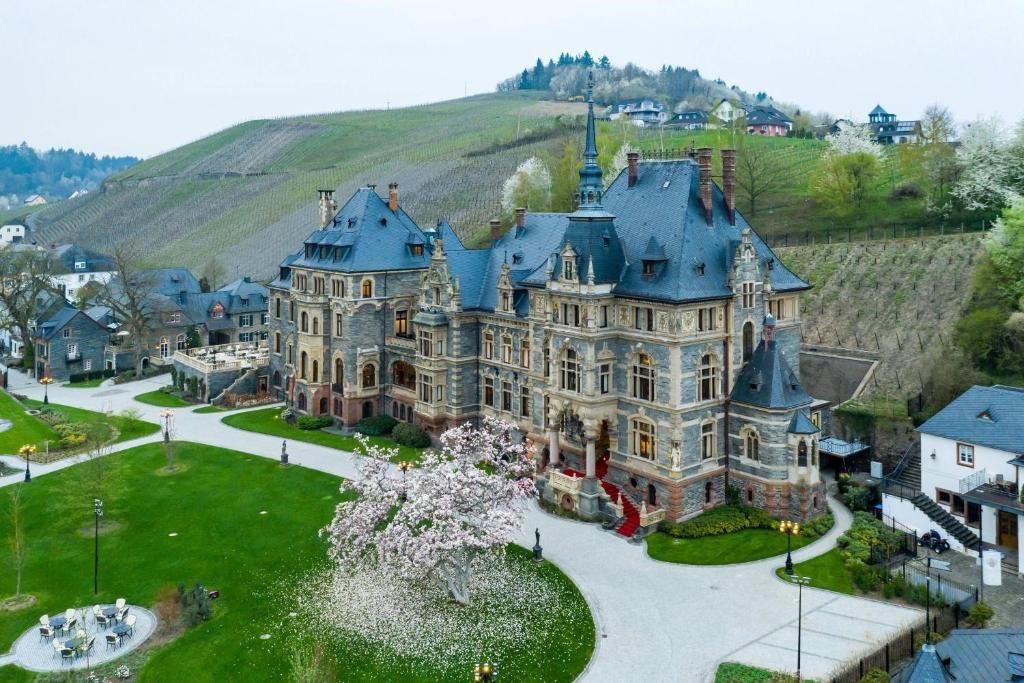
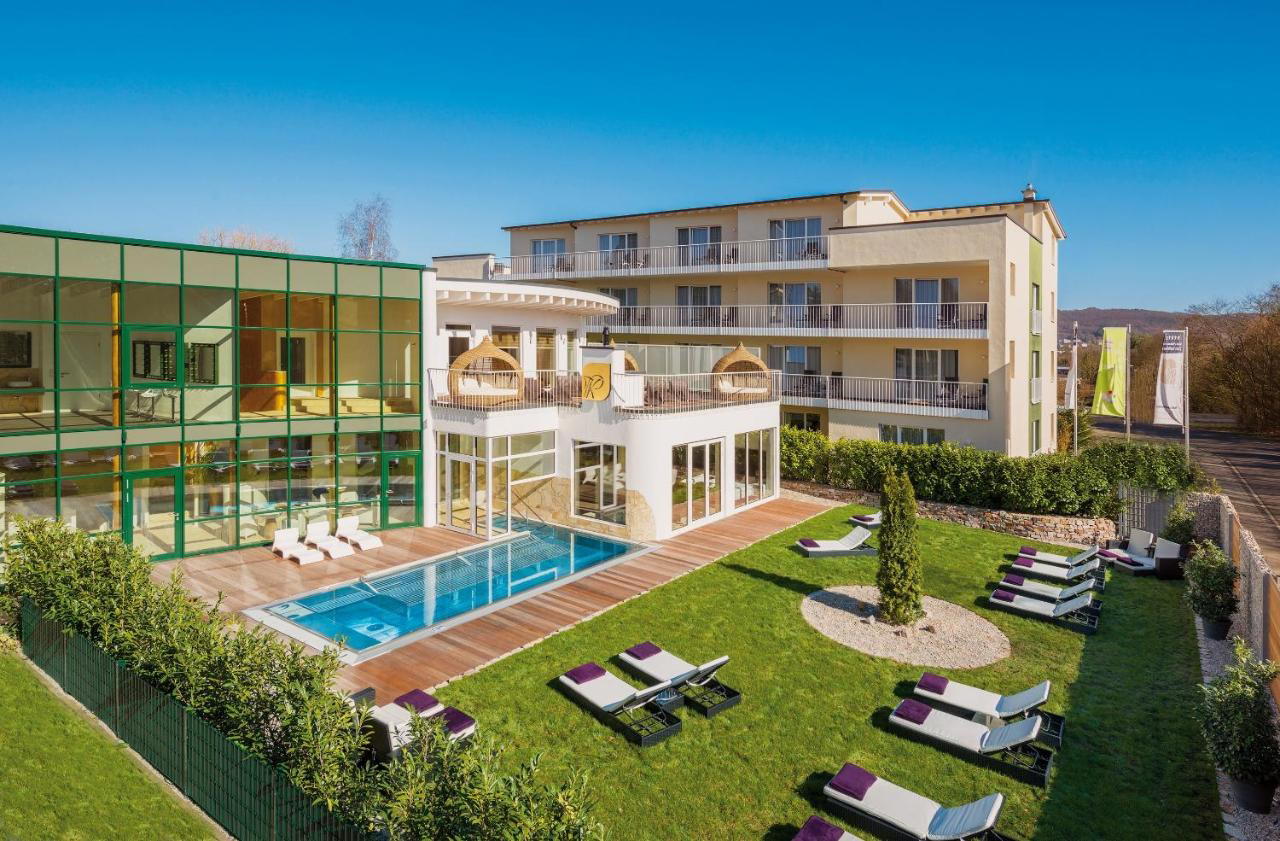
Details
- Classic
- Rustic
- Elegant
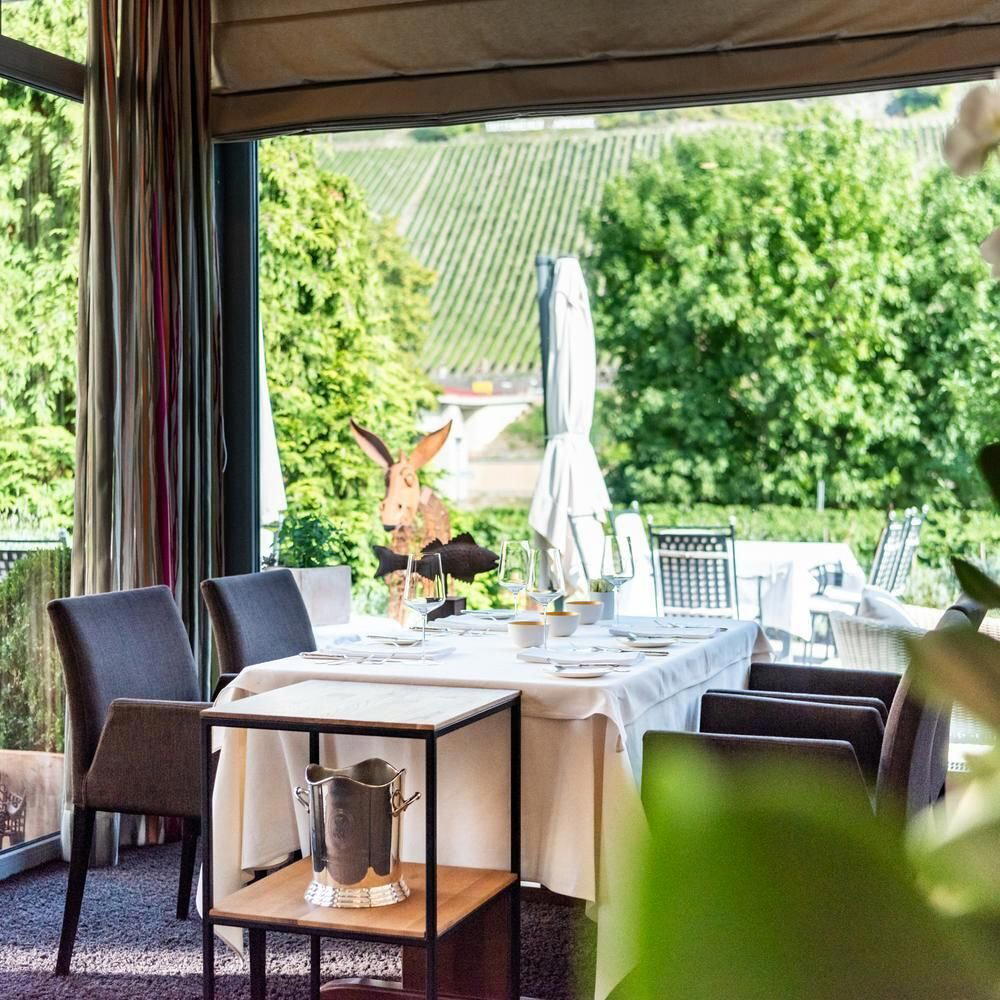
- Scenic
- Wine Education
- Solo Exploration
- Vineyard Tour
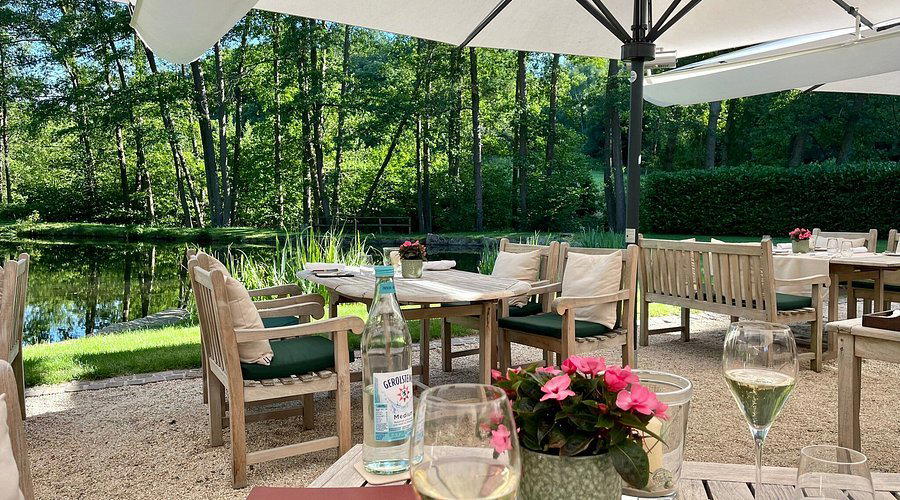
- Estate Grounds
- Vineyard
- Riesling
- Pinot Blanc
- Pinot Gris
- Still White
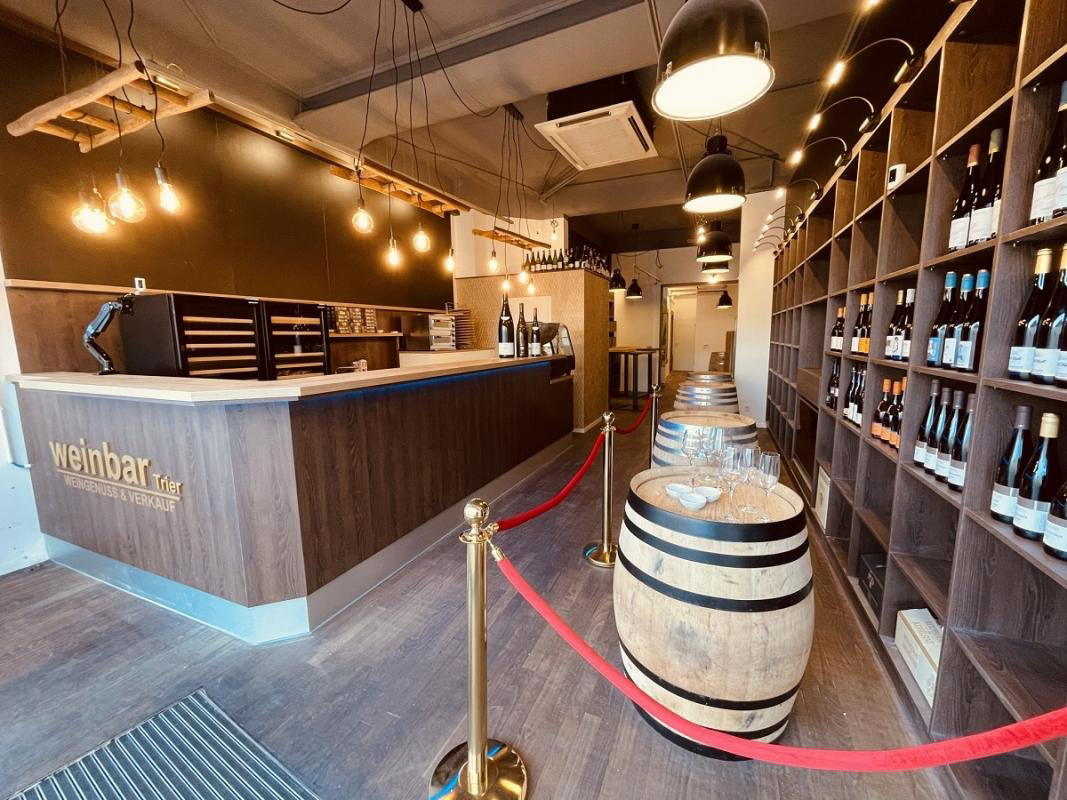
- Tasting Room