
The estate sits within a comparable set defined by centuries of institutional winemaking, placing Silvaner and Riesling from the region's shell limestone soils at the centre of its identity.
Pearl is the En Primeur Club membership app — saves, bookings, and concierge access live there. Same editors, same standards.
- Address
- Klinikstraße 1, 97070 Würzburg
- Phone
- +49 931 3931400
- Website
- juliusspital-weingut.de
- Directions
- Get directions
 Saves & bookings on Pearl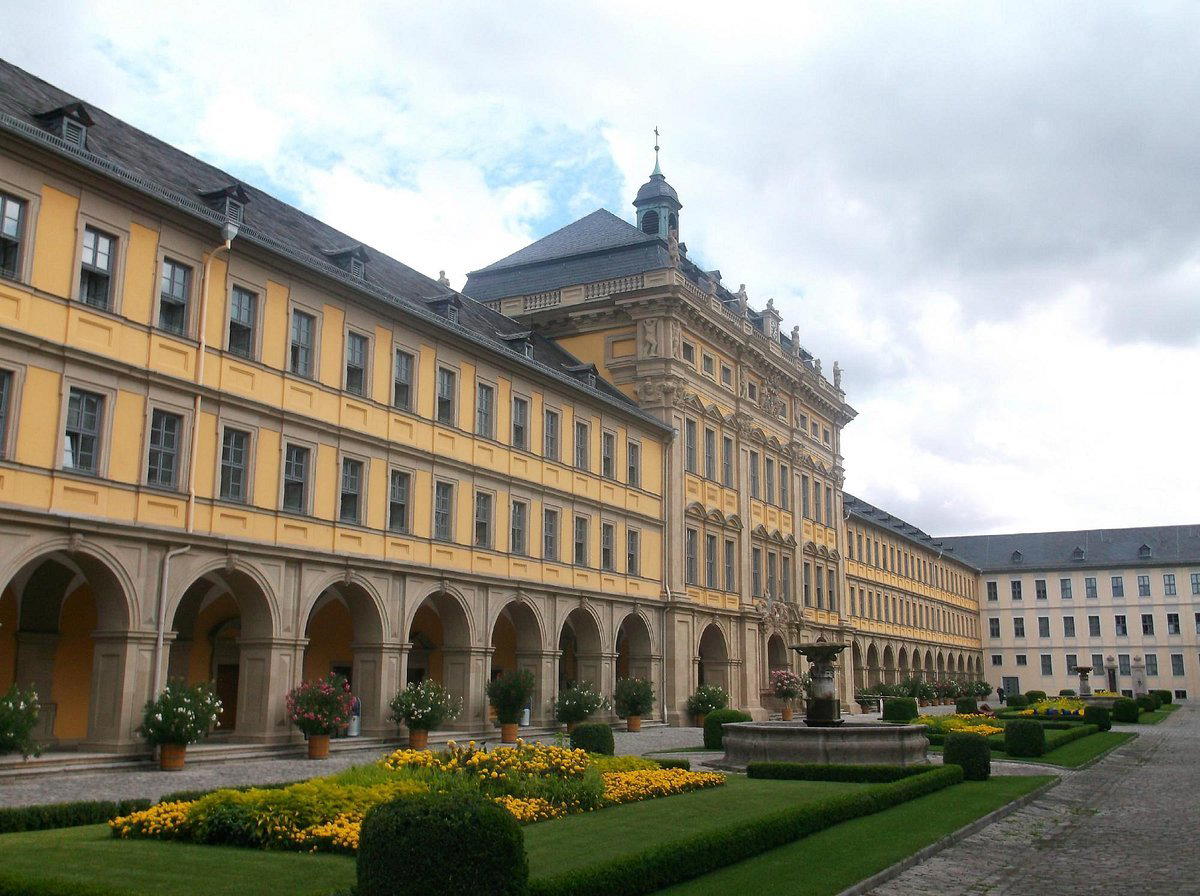
Franconia's Institutional Winemaking Tradition
These are not family domaines built around a single winemaker's ambitions, nor investment-backed operations chasing international scores. They are civic and religious institutions that have been producing wine for centuries, their vineyards held in perpetuity, their production revenues funding hospitals and social care. Weingut Juliusspital, operating from Klinikstraße 1 in the centre of Würzburg, belongs to this tradition in its most developed form.
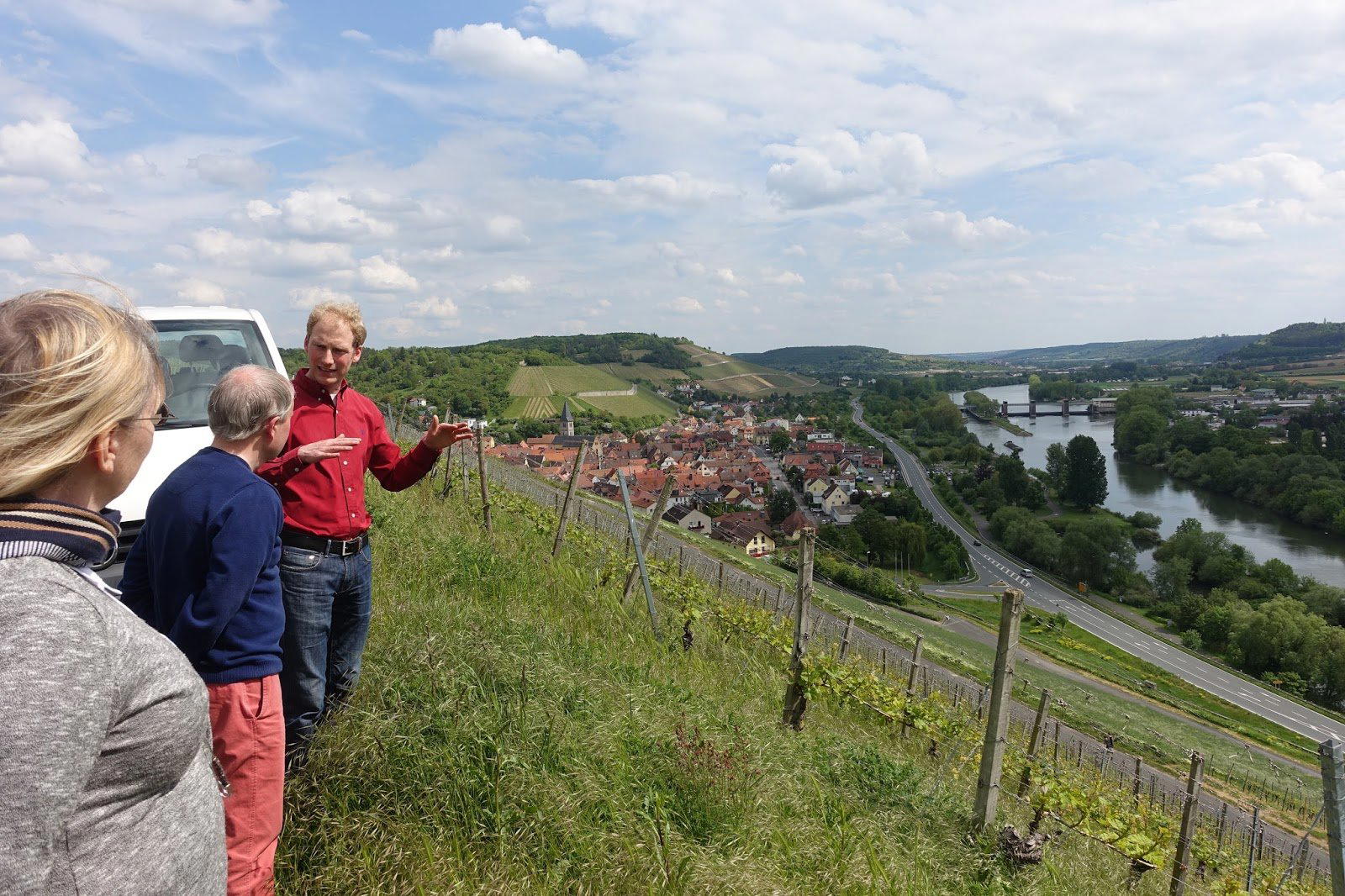
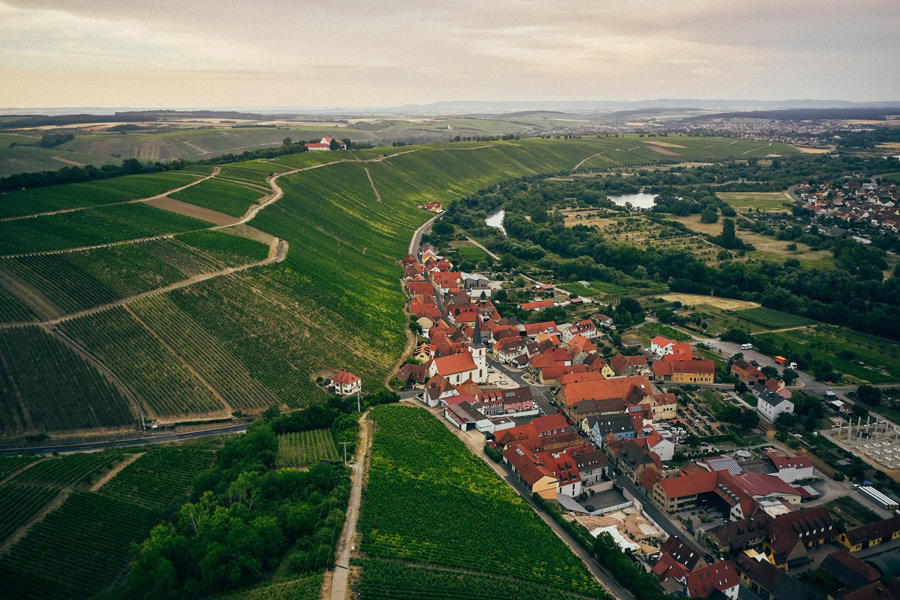
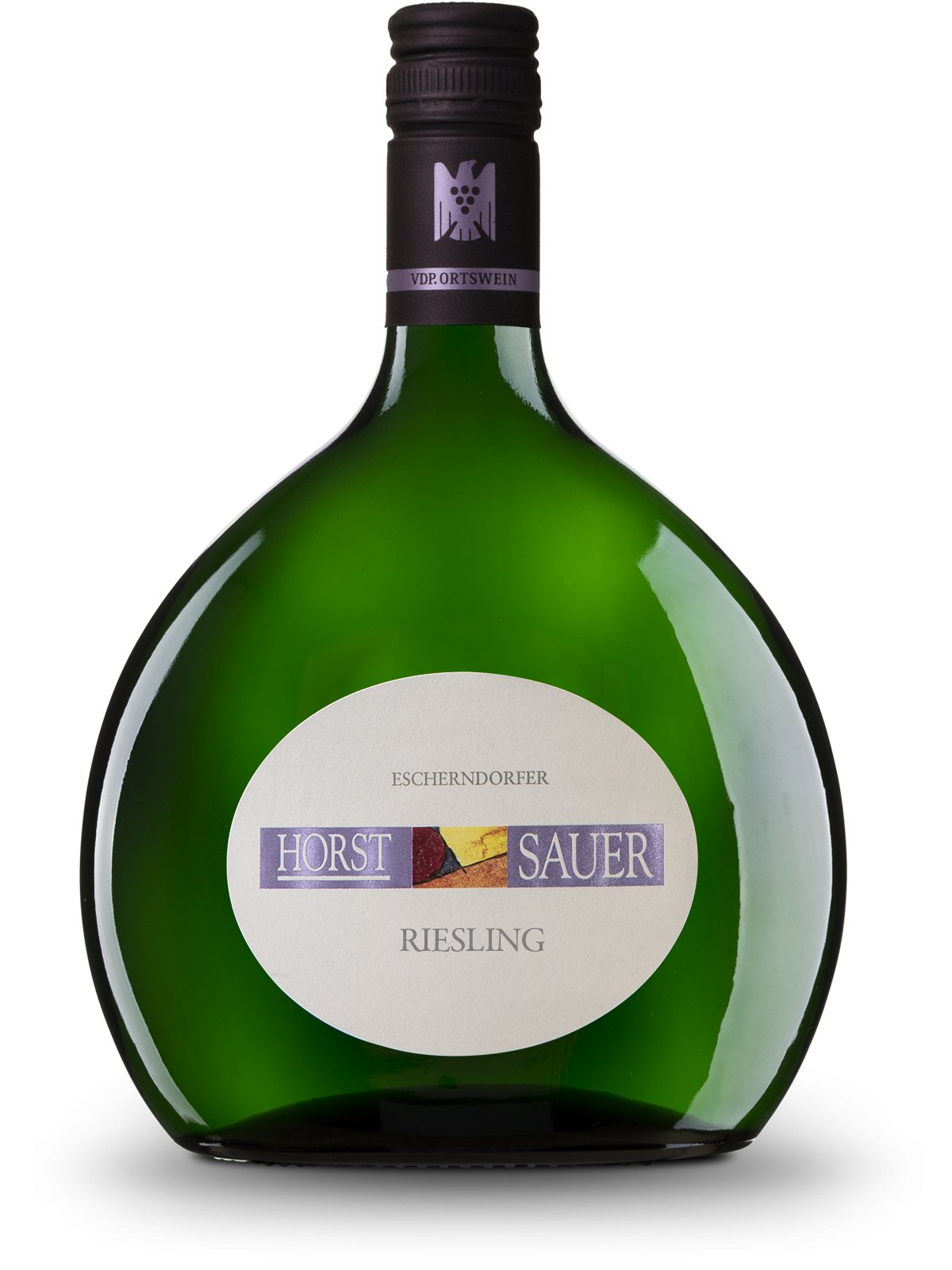
To understand what Juliusspital represents, it helps to map Würzburg's wine geography first. The city sits at the northern end of Franconia's wine corridor, where the Main River cuts through a range of sandstone and shell limestone (Muschelkalk). These soils produce wines with a mineral austerity that sets Franconian Silvaner and Riesling apart from the fruit-forward styles of the Pfalz or the steely precision of the Mosel. The region's producers have historically prioritised dry, food-compatible wines, and that orientation remains central to how estates like Juliusspital position their output. The Bocksbeutel, Franconia's distinctive flat, round bottle, signals that tradition visually before you've opened the wine.
The Charitable Estate Model and What It Produces
Juliusspital's institutional structure shapes its winemaking in ways that a private domaine cannot replicate. The estate manages vineyards across several of Franconia's premier sites, including parcels in Würzburger Stein, one of the region's most respected single-vineyard classifications. Shell limestone soils in these sites produce wines with a particular textural weight: Silvaners that carry body without obvious fruit sweetness, and Rieslings that read as angular and precise rather than aromatic. This is not a house style chosen for commercial reasons, it reflects what the terroir consistently delivers when yields are managed carefully and harvests are timed for phenolic maturity rather than sugar accumulation.
The charitable model also means the estate operates at a scale that private producers rarely achieve. Larger production volumes can dilute quality at lesser estates, but at the summit tier of Franconian winemaking, scale combined with historic site access creates a different dynamic: the ability to offer GG (Grosses Gewächs) dry wines from premier sites at prices that remain accessible relative to equivalently credentialed Burgundy or German Pinot producers. For context, Weingut A. Christmann in Neustadt an der Weinstraße and Weingut Bassermann-Jordan in Deidesheim operate in the Pfalz with similarly long institutional histories, yet their pricing and grape varieties place them in a distinct competitive bracket. Juliusspital's identity is anchored specifically to Franconia's dry white tradition.
Würzburg's Winery comparable set
Würzburg has two other major charitable estates that function as direct peers to Juliusspital: Weingut Bürgerspital zum Heiligen Geist and the city-owned Hofkeller Würzburg. These three institutions together hold a significant portion of Franconia's classified vineyard land, and their wines define the city's palate in a way that private producers, however talented, rarely achieve. Visitors who come to Würzburg for wine purposes typically move between these estates as a structured circuit, comparing how each interprets shared sites like Würzburger Stein or Randersacker Pfülben. The differences are instructive: soil parcel location, harvest timing philosophy, and cellar approach all produce measurable variation even when the grape variety and address are the same.
Beyond Würzburg, the broader German fine wine scene includes estates with different regional identities that help clarify what Franconia's approach represents by contrast. Weingut Fritz Haag in Brauneberg, Weingut Grans-Fassian in Leiwen, and Weingut Heymann-Löwenstein in Winningen all work in the Mosel valley with Riesling on slate, where residual sweetness and delicacy define the house approach. Weingut Clemens Busch in Pünderich pushes further toward biodynamic methods on those same river-facing slopes. None of these estates produces Silvaner as a primary variety, and none operates in the institutional charitable format that gives Juliusspital its particular character.
In the Rheingau, Kloster Eberbach in Eltville offers the closest structural parallel: a monastic estate with documented winemaking history reaching back centuries, now producing Riesling from classified sites across the region. Weingut Georg Breuer in Rüdesheim am Rhein and Weingut Allendorf in Oestrich-Winkel operate in the same appellation but with private ownership structures and a stronger focus on single-vineyard Riesling branding. Weingut Battenfeld-Spanier in Hohen-Sülzen and Weingut Dr. Bürklin-Wolf in Wachenheim an der Weinstraße extend the conversation into the Pfalz, where warmer conditions push wines toward riper profiles. Juliusspital's Franconian positioning sits at a cooler, drier end of this German white wine spectrum.
Awards at this level are typically assessed across a producer's portfolio rather than a single wine, which means the recognition implies range consistency, the ability to deliver credible quality from entry-level estate wines through to GG-classified single-vineyard bottlings. For visitors planning a tasting visit, this is relevant framing: the estate is not a one-vintage wonder or a producer known for a single spectacular bottling. The portfolio breadth is part of the proposition.
Planning Your Visit
Weingut Juliusspital's address at Klinikstraße 1 places it within walking distance of Würzburg's historic centre, close to the Residenz palace and the old hospital buildings that still form the architectural core of the estate. Würzburg is accessible by rail from Frankfurt in under two hours and from Munich in approximately two and a half hours, making it a practical day-trip destination for wine-focused travellers based in either city.
Pricing, Compared
Comparable venues nearby, for context on price, style, and recognition.
| Venue | Cuisine | Price |
|---|---|---|
| Weingut JuliusspitalThis venue — the venue you are viewing | Würzburg center, Silvaner, Riesling | $$ |
| Weingut Bürgerspital zum Heiligen Geist | Altstadt, Riesling, Silvaner | $$ |
| Bethel Heights Vineyard | Eola-Amity Hills, Pinot Noir, Chardonnay | $$ |
| Weingut Hans Wirsching | Iphofen, Silvaner, Riesling | $$ |
| Weingut Schmitt’s Kinder | Randersacker, Silvaner, Riesling | $$ |
| Weingut Dautel | Bönnigheim, Riesling, Spätburgunder | $$ |
Recognition history
Dated appearances from independent guides and award organizations, with the underlying list record or original source where available.
Falstaff Winery - 4 Stars
Falstaff
Continue exploring
More in Würzburg
Wineries in Würzburg
Browse all →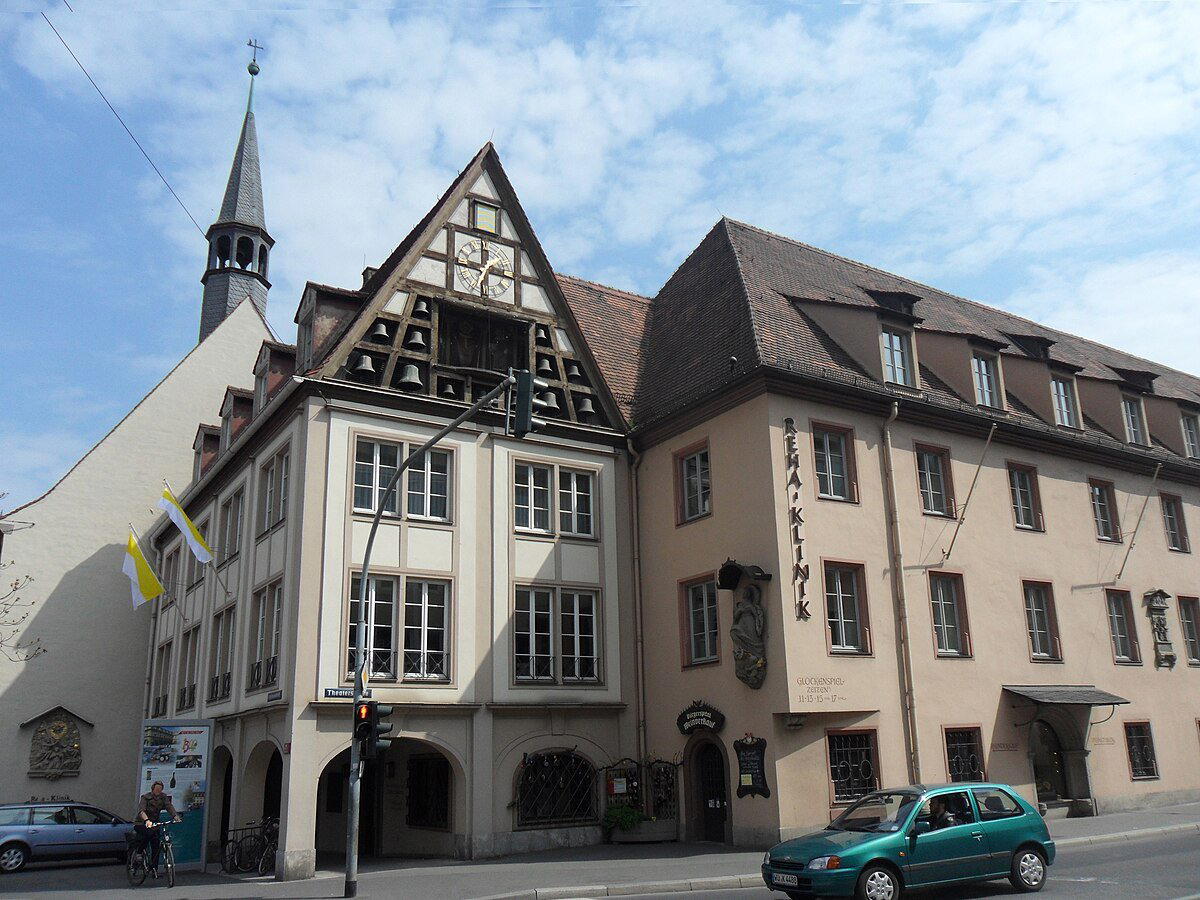

Restaurants in Würzburg
Browse all →
At a Glance
- Historic
- Classic
- Elegant
- Wine Education
- Special Occasion
- Historic Building
- Barrel Room
- Organic
- Vineyard
- Franconia
- Silvaner
- Riesling
- Müller Thurgau
- Pinot Noir
- Pinot Blanc
- Pinot Gris
- Still White
- Still Red
- Cave Tasting
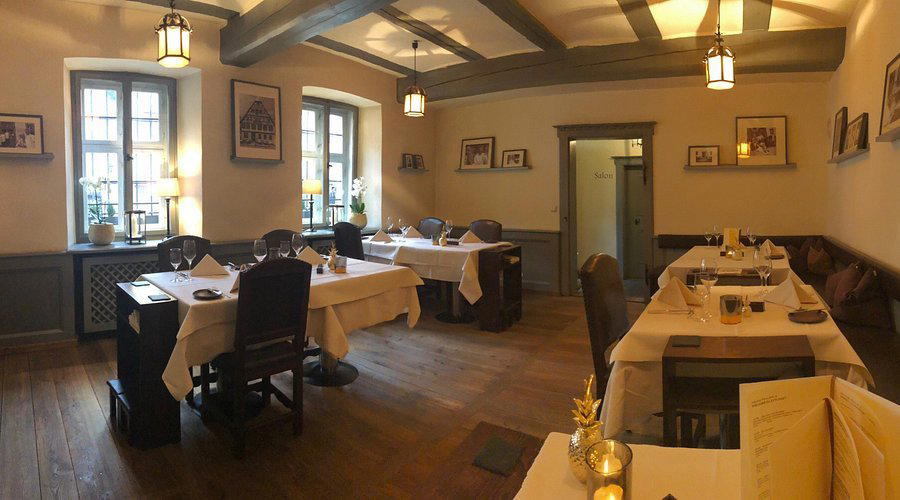
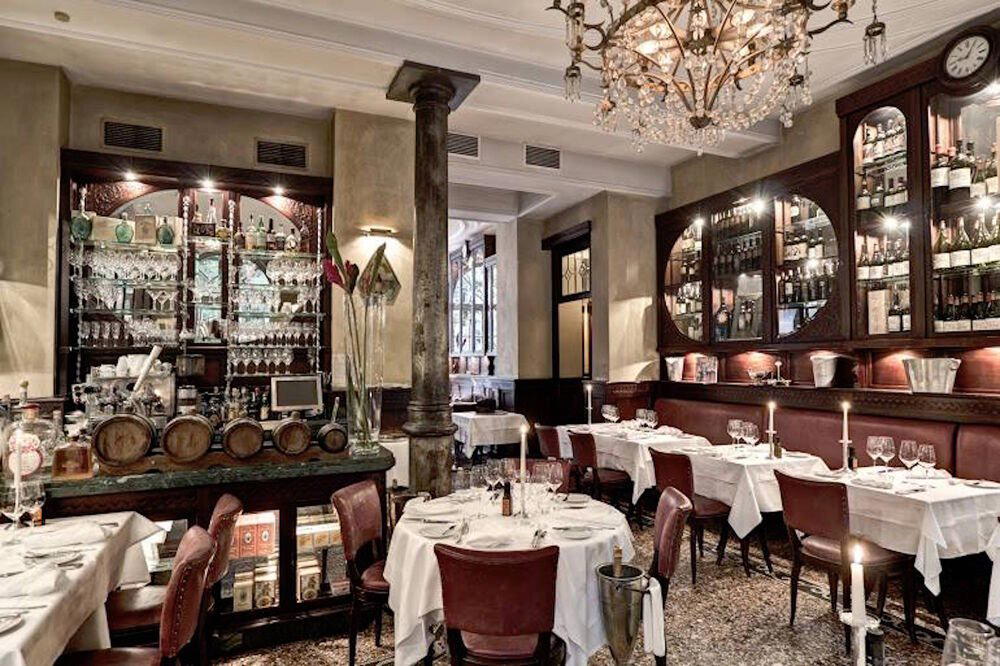
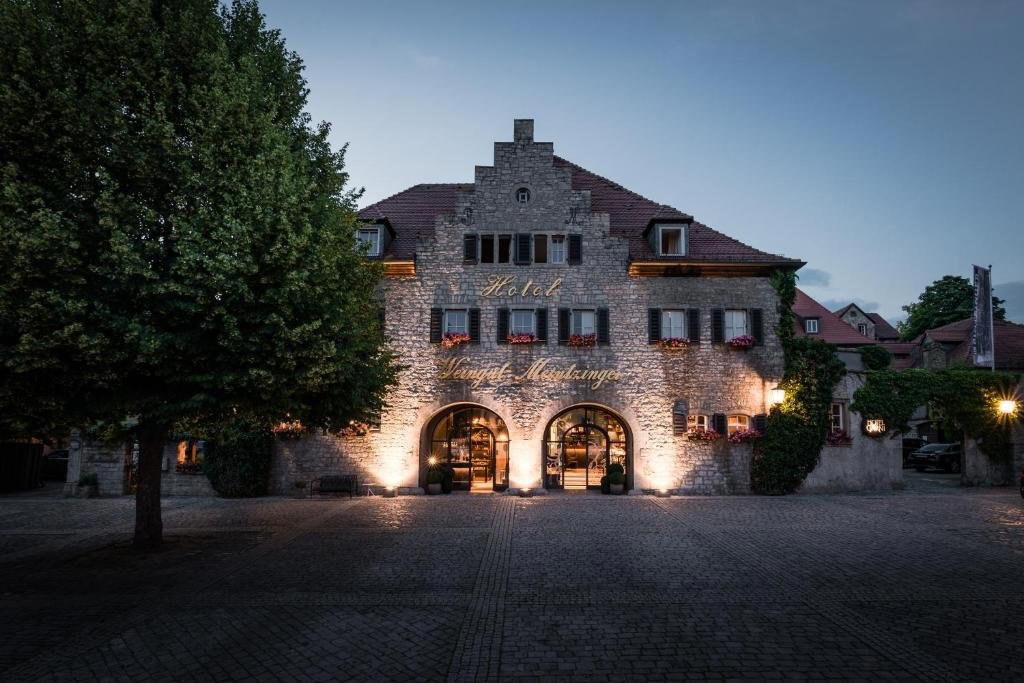
Historic barrel cellar with impressive size and atmosphere, combined with modern cellar technology.