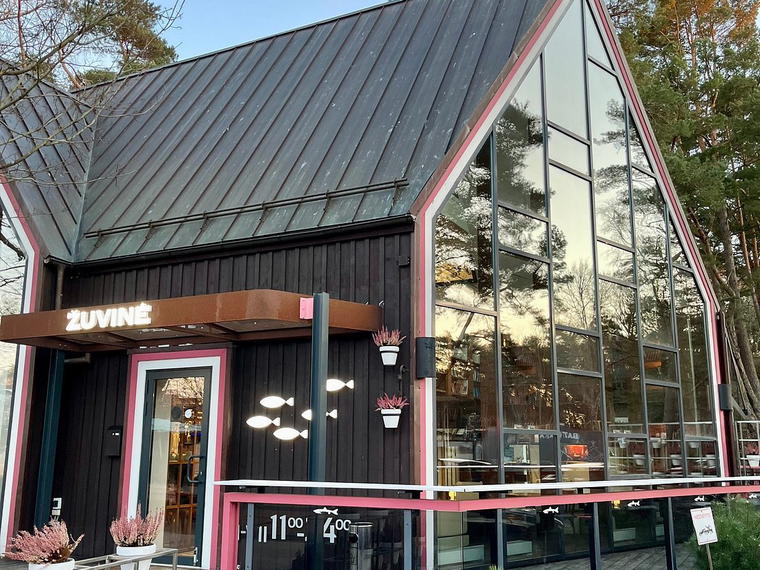
1
Düsseldorf, Germany
ĂN BÁNH MÌ
The address in the 40233 postal district places it away from the tourist centre, in a neighbourhood where everyday eating shapes the character of the street.
Results
Düsseldorf, Germany
The address in the 40233 postal district places it away from the tourist centre, in a neighbourhood where everyday eating shapes the character of the street.

Ljubljana, Slovenia
Čad occupies a quiet address on Cesta na Rožnik 18, on the wooded western edge of Ljubljana where the city gives way to the Rožnik hill. The kitchen sits within a dining tradition that prizes Slovenian pantry staples — foraged herbs, cured meats, seasonal game — refracted through contemporary technique. For visitors tracking Ljubljana's evolving restaurant scene, Čad represents the kind of neighbourhood-rooted address that rarely surfaces in mainstream coverage.

Osijek, Croatia
Čarda kod Baranjca sits on Biljska cesta in Podravlje, on the outskirts of Osijek, and operates in the tradition of the Slavonian čarda: a riverine or rural tavern format with deep roots in Baranja regional cooking. For visitors moving through eastern Croatia's agricultural heartland, it represents the more grounded, locality-specific end of the Osijek dining spectrum.

Apatin, Serbia
A riverside čarda on the Danube in Apatin, Zlatna Kruna represents the traditional Serbian fishing-house format at its most direct: fresh catch from the river, a setting shaped by proximity to the water, and cooking that follows the logic of what arrived that morning. For visitors tracing the Vojvodina dining circuit, it anchors the kind of ingredient-first, place-specific eating that distinguishes this corner of the country.
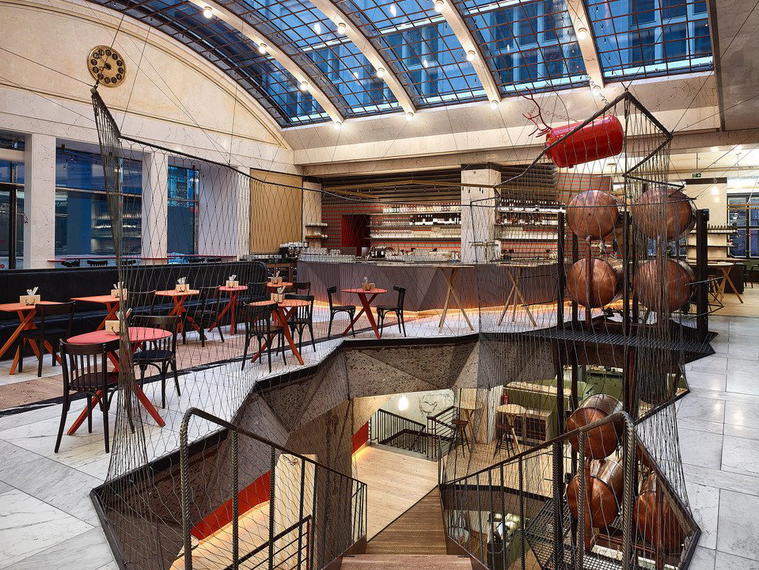
Prague, Czech Republic
Červený jelen sits on Hybernská in Prague's Nové Město district, a short walk from the city's historic core. The name — Czech for Red Deer — signals a grounding in Central European tradition, placing the restaurant within a neighbourhood bracket that ranges from grand café institutions to tighter, more considered modern rooms. For occasion dining in Prague, the address puts it within reach of the city's main cultural venues and hotels.
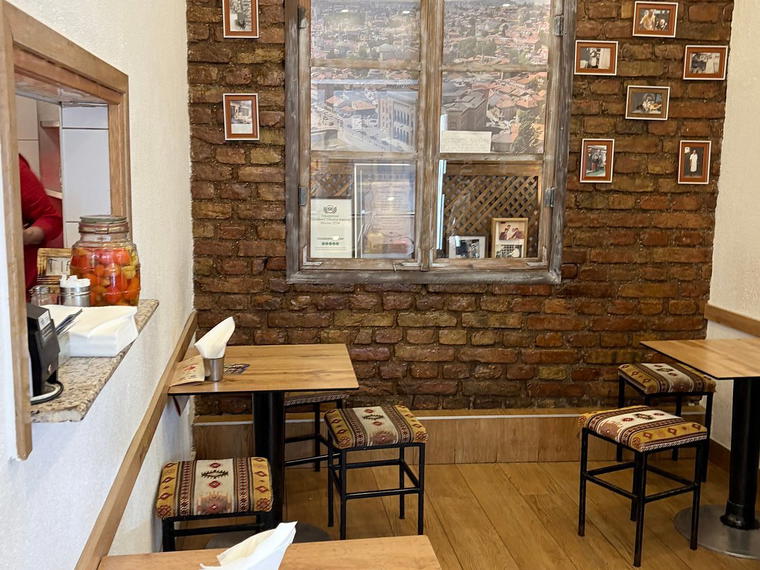
Sarajevo, Bosnia and Herzegovina
Čevabdžinica Nune serves Traditional Bosnian Ćevapi in a historic building on Ferhadija in Sarajevo, with ćevapi, sausages, and burgers for lunch or dinner.

Belgrade, Serbia
On Dobračina street in Belgrade's Stari Grad quarter, Ćevap kod Dekija holds a position in the city's ćevapi tradition that goes beyond mere proximity to the old town. The format is direct: hand-formed cevapi served the way Belgrade has eaten them for generations. In a city where grilled-meat institutions are measured by repeat custom rather than accolades, this address draws both neighbourhood regulars and visitors who know to look past the tourist trail.
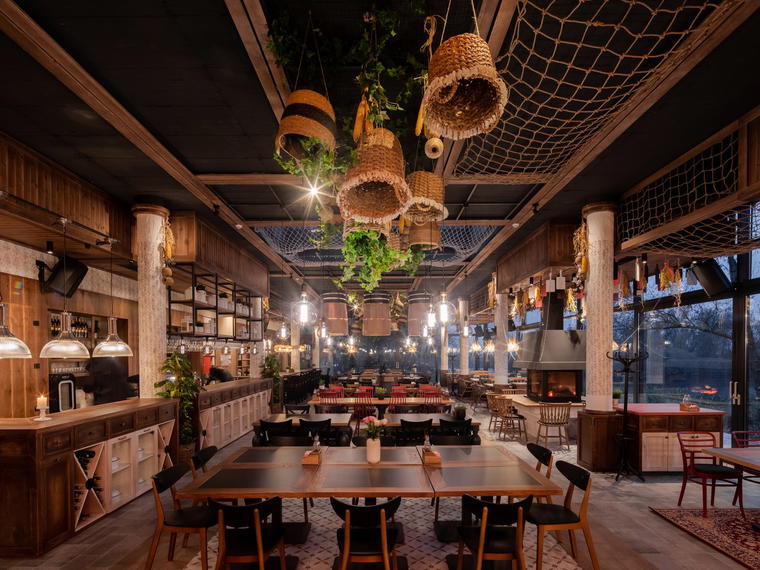
Bilje, Croatia
Čingi Lingi Čarda sits along the Drava and Danube corridor in Bilje, a village where Slavonian and Baranjian cooking traditions converge around freshwater fish, wild game, and paprika-heavy preparations. The čarda format — a riverside inn rooted in this corner of Croatia — places the kitchen firmly in local ingredient cycles rather than imported culinary fashions. For visitors to the Kopački Rit nature reserve area, it represents a direct line to regional cooking as it has long been practised.

Novigrad, Croatia
Čok occupies a compact address on Ul. Sv. Antona in Novigrad's old town, where Istrian dining traditions meet the Adriatic coast's emphasis on local produce and seafood. The restaurant sits within a scene that has made Novigrad one of Croatia's most closely watched dining destinations, drawing comparisons to larger coastal cities without the crowds. A practical choice for visitors exploring the town's concentrated restaurant quarter.
Metkovic, Croatia
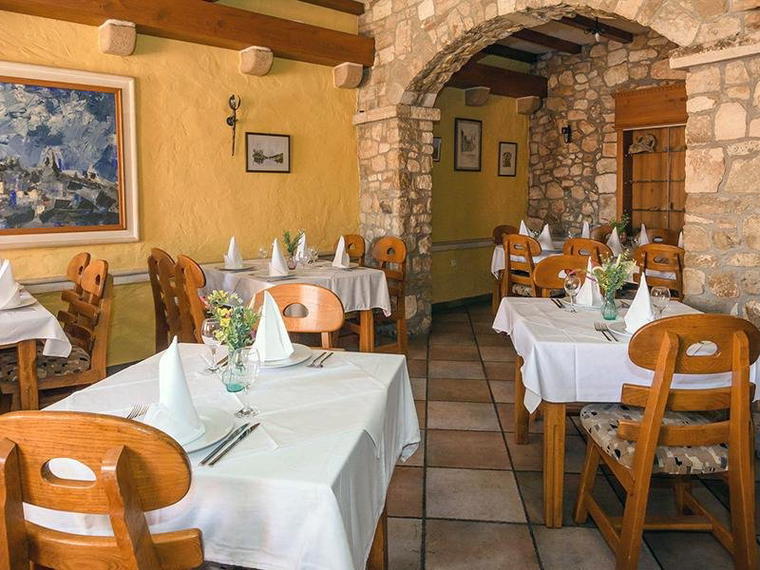
On the Neretva River delta in Vid, a village just outside Metkovic, Đuđa&Mate draws on one of Dalmatia's most distinctive freshwater larders. The restaurant sits at Velika riva 2, where the delta's eels, frogs, and carp have fed local tables for centuries. For anyone tracing Croatia's inland river cuisine away from the coast's more familiar seafood circuit, this address earns attention.

Glenview, United States
Ēma Glenview at 1320 Patriot Blvd brings a considered dining proposition to the northern Chicago suburbs, where restaurants of this kind tend to sit between the casual chains of strip-mall Glenview and the destination dining of the city proper.

Seoul, South Korea
íë í¼ì¤ ë¤ì´ì´í¸ í¸ë ííìì (Preppers Diet Food Hyehwa) serves Diet Japanese at 22 1 Daemyeong-gil in Jongno, with casual service and standard pacing for dinner.
Lombok Utara, Indonesia
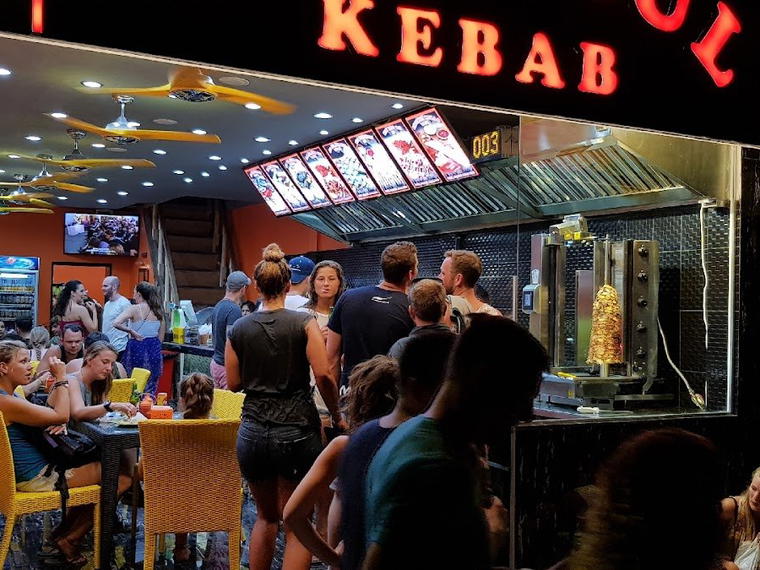
A Turkish kebab concept operating in the distinctly Indonesian context of North Lombok, İstanbul Kebab sits at an unusual intersection of Middle Eastern grill tradition and the island's emerging dining scene. North Lombok's food culture is dominated by Sasak staples and coastal seafood, making this one of the few addresses where charcoal-grilled meats follow a recognisably Anatolian logic. For visitors moving between Gili Islands transfers and the Rinjani foothills, it offers a reliable departure from the local default.
Brussels, Belgium
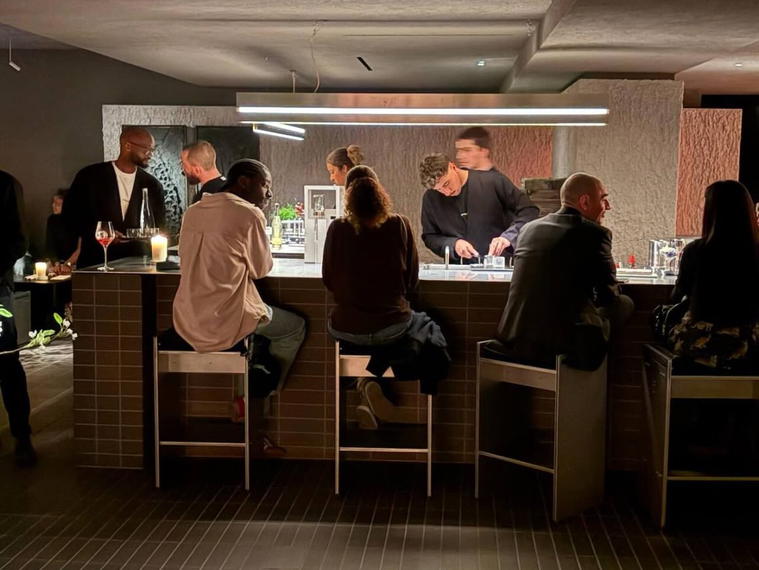
Occupying a considered address at Place Poelaert in Brussels, ökēn sits within a dining city that rewards close attention. The venue draws from cultural roots that position it against Brussels' broader movement toward identity-driven cooking, where provenance and technique carry more weight than category labels. For travellers already familiar with the city's fine dining tier, ökēn merits a direct look.
Los Angeles, United States
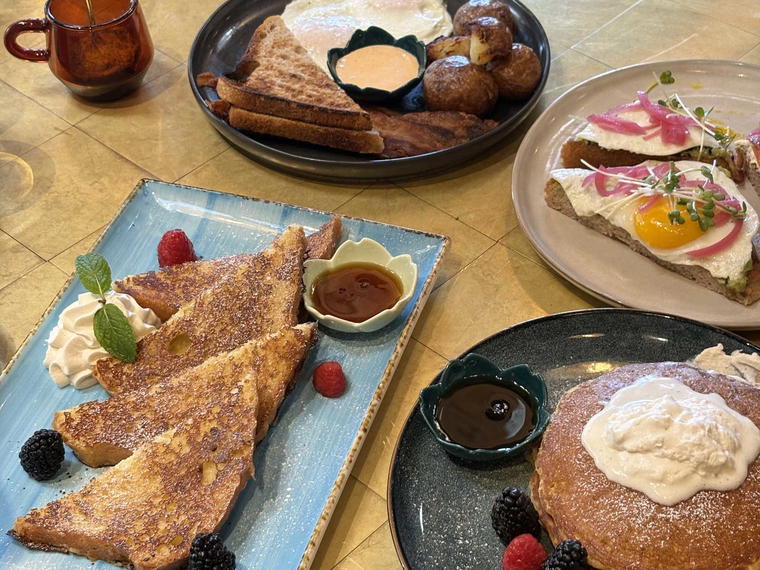
Venice go-to for sushi, cocktails, and breakfast! Well-suited day-to-night spot for morning brunch or a late-night at the bar. Oder a few rolls, a martini, and let the night decide what happens next.

Mostar, Bosnia and Herzegovina
Šadrvan sits in Mostar's Stari Grad, a few steps from the Neretva on a street where Ottoman-era dining traditions have persisted for generations. The kitchen draws on the agricultural produce and livestock of the Herzegovinian hinterland, translating local ingredients into the grilled meat, stew, and slow-cooked formats that define the region's table. For visitors working through Mostar's Old Town, it represents the direct route into the city's culinary bedrock.
Novi Pazar, Serbia
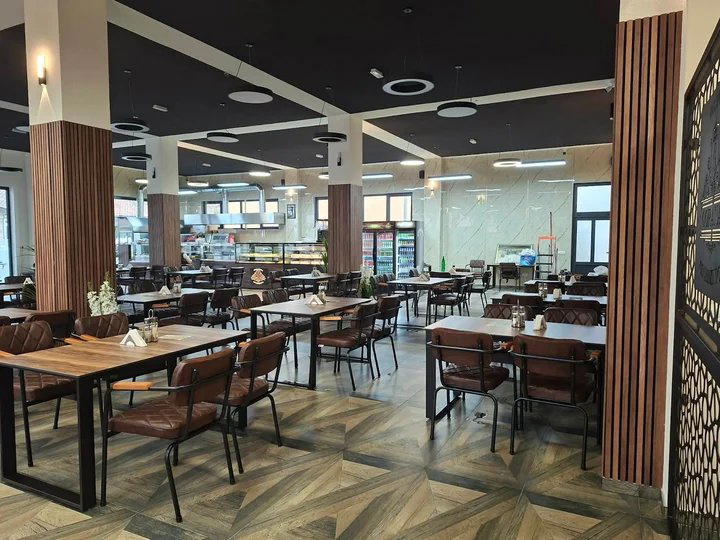
On a central Novi Pazar street, Šadrvan Roštilj kod Jonuza represents the kind of roštilj-focused dining that has defined Serbian grill culture for generations. The format is direct: fire, meat, and the unhurried rhythm of a communal table. For visitors tracing the Sandžak region's food traditions, this address on 28. novembra 12 sits at the practical center of that search.
Pancevo, Serbia
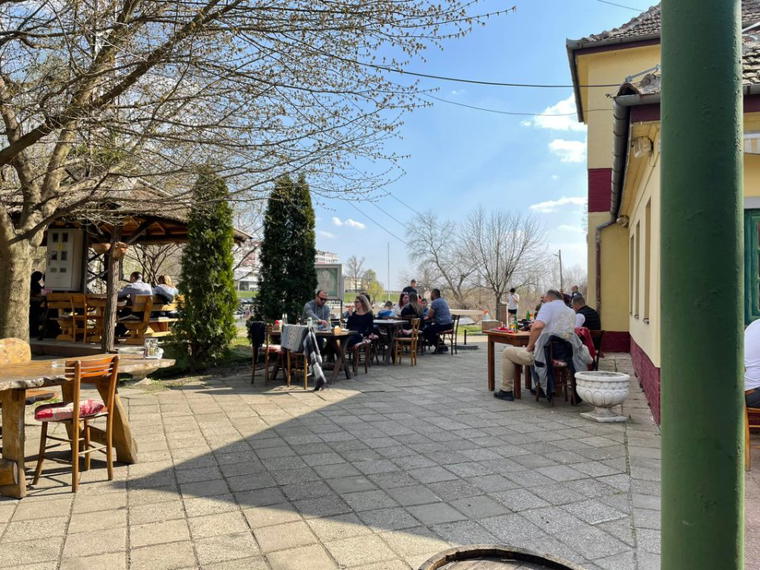
Šajka sits on the Danube embankment in Pančevo, where the riverfront dining tradition runs deeper than most visitors expect. The address on Kej Radoja Dakića places it within easy reach of central Pančevo, making it a practical anchor for anyone exploring Serbia's underrated satellite city. For readers already familiar with Belgrade's dining circuit, Šajka offers a quieter register of the same regional cooking culture.
Istanbul, Turkey
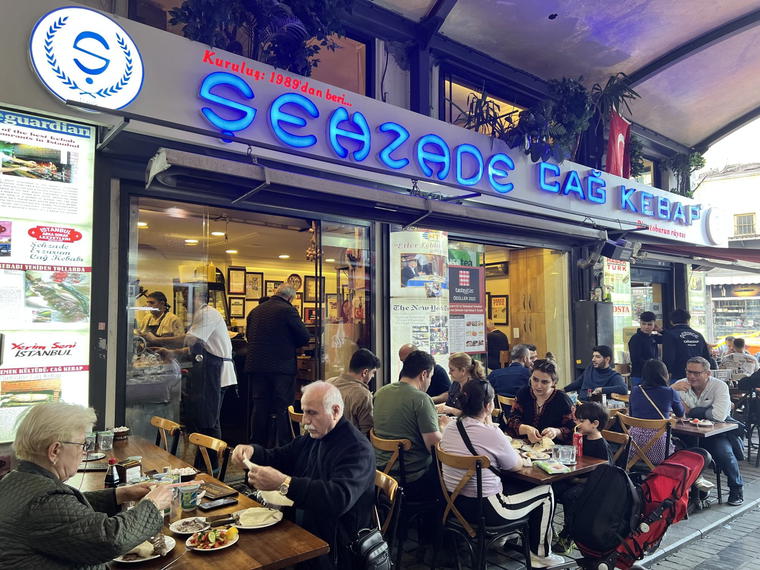
In the Hocapaşa district of Fatih, Şehzade Cağ Kebap is one of Istanbul's few addresses dedicated to the Erzurum tradition of cağ kebap, where horizontal spit-roasted lamb is sliced to order onto skewers and served without ceremony. The format is specific, the sourcing regional, and the experience anchored in a culinary practice that predates the vertical döner by centuries.

Zagreb, Croatia
Šestinski Lagvić sits in the hillside village of Šestine, just above Zagreb, where the cooking follows the logic of the Croatian Zagorje interior: slow-braised meats, wood-fire technique, and seasonal produce tied closely to what grows or grazes nearby. The address alone signals a departure from the city's central restaurant circuit, and the atmosphere matches it — unhurried, rooted, and built around the rhythms of the surrounding landscape.

Minneapolis, United States
Šhotá Indigenous BBQ brings Native American fire-cooking traditions into Minneapolis's growing conversation about Indigenous cuisine and chef-driven casual formats. Operating in a city where Owamni has already redrawn expectations for what Indigenous food can look like in a formal setting, Šhotá positions itself in the accessible, smoke-forward register of that same movement. Expect live-fire technique rooted in pre-colonial culinary knowledge, served without the formality of a tasting-menu framework.
Maslinica, Croatia
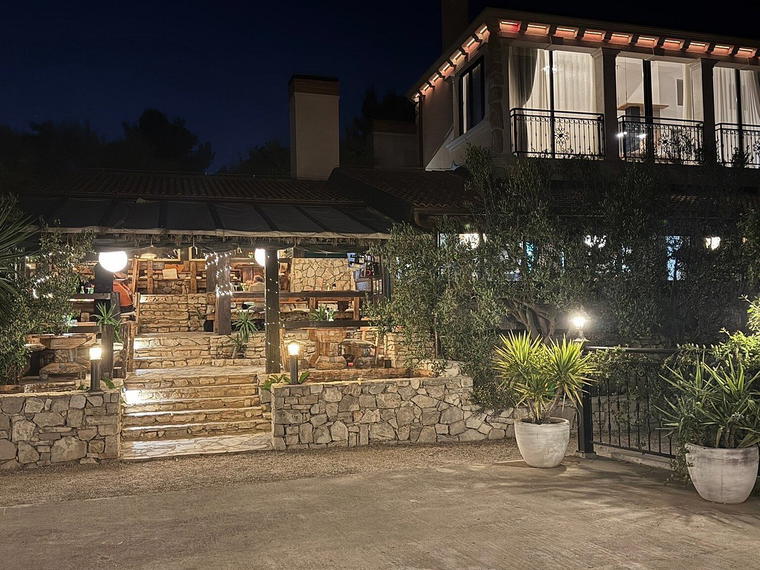
Šišmiš sits on the Dalmatian island of Šolta in the small fishing settlement of Maslinica, where the surrounding sea and land dictate what reaches the kitchen. The address — a quiet harbour-front street in one of Croatia's least-trafficked island villages — places it firmly outside the coastal restaurant circuit that dominates Split tourism, which is precisely the point.

Rovinj, Croatia
Škatuleta occupies a quiet address in Rovinj's old town, placing it among the Istrian port's more considered dining options. The setting and location make it a candidate for celebratory meals where atmosphere carries as much weight as the plate. Visitors planning occasion dining in Rovinj should read it alongside the town's other serious addresses before committing.
Sopot, Poland
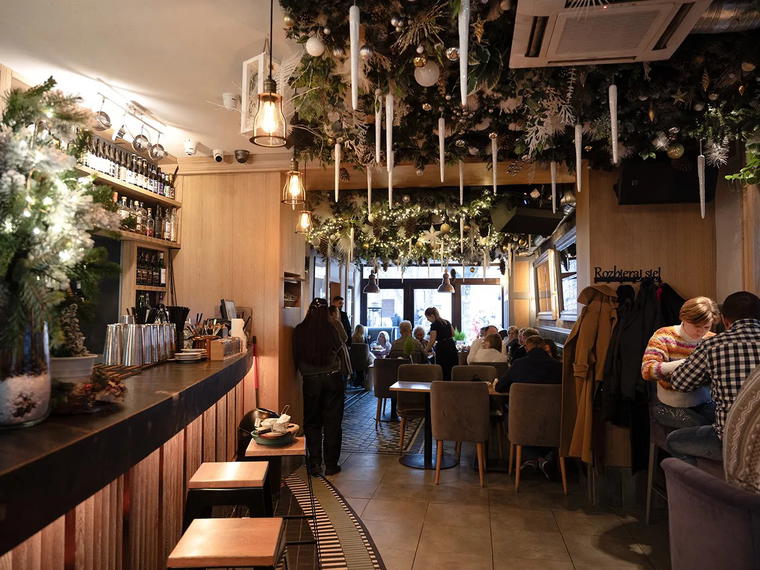
Śliwka w Kompot sits on Bohaterów Monte Cassino 42, Sopot's main pedestrian artery, placing it at the social centre of Poland's most storied Baltic resort town. The name — 'Plum in Compote' — signals an orientation toward Polish culinary tradition, where preserved and fermented fruits carry as much cultural weight as any savoury technique. Visitors to Sopot's dining scene will find this address worth factoring into any serious itinerary alongside the town's broader restaurant options.

Porec, Croatia
Špadiči sits outside Poreč's old town in the quieter agricultural fringe of Istria, where the cooking draws on the peninsula's deep larder of truffles, olive oil, and locally reared meat. The address alone signals a different register from the harbour-facing trattorias: this is a destination table reached by intent, not by accident, and that self-selection shapes the room's character from the moment you arrive.
Ljubljana, Slovenia
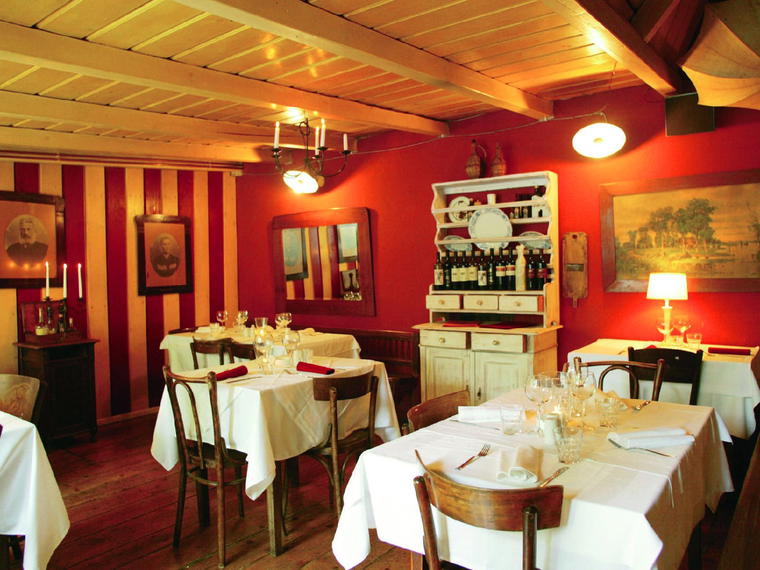
Špajza occupies a centuries-old townhouse on Gornji trg, one of Ljubljana's oldest residential streets in the Castle Hill quarter. The room's stone walls, timber details, and compressed scale place it firmly within the city's tradition of intimate, neighbourhood-anchored dining. For visitors moving through Ljubljana's Old Town restaurant circuit, it represents the more settled, historically grounded end of the spectrum.

Hvar, Croatia
Štajun occupies a quietly residential address on Hvar's old town periphery, positioned away from the harbour-front crowds that define the island's louder dining options. The kitchen draws on Dalmatian tradition without the souvenir-menu tendencies common at tourist-facing restaurants on the waterfront. For visitors willing to seek it out, it represents the kind of local-facing dining that requires a reservation and rewards the effort.

Bratislava, Slovakia
Štefánka by Pulitzer occupies a composed address on Palisády, one of Bratislava's quieter residential ridges above the old town. The Pulitzer name connects it to a broader hospitality group with established presence in the Slovak capital, positioning it above the city's casual dining tier. For travellers seeking a structured meal with local anchoring, it merits consideration alongside the city's more formally oriented tables.

Split, Croatia
Štorija sits on Split's Riva promenade at Obala Hrvatskog narodnog preporoda 15, where the city's working waterfront meets its dining scene. The address places it squarely in the tier of promenade restaurants that trade on location as much as on plate, a dynamic that defines how locals and visitors alike read the room before they have sat down.

Kintai, Lithuania
Šturmų Švyturys sits in the Šturmai settlement near Kintai, a corner of the Nemunas Delta where the land barely rises above the water and the surrounding marshes define what ends up on the table. This is one of the few dining addresses in Lithuania where geography does the majority of the editorial work, placing it in a distinct category from the country's urban restaurant scene.
Ljubljana, Slovenia
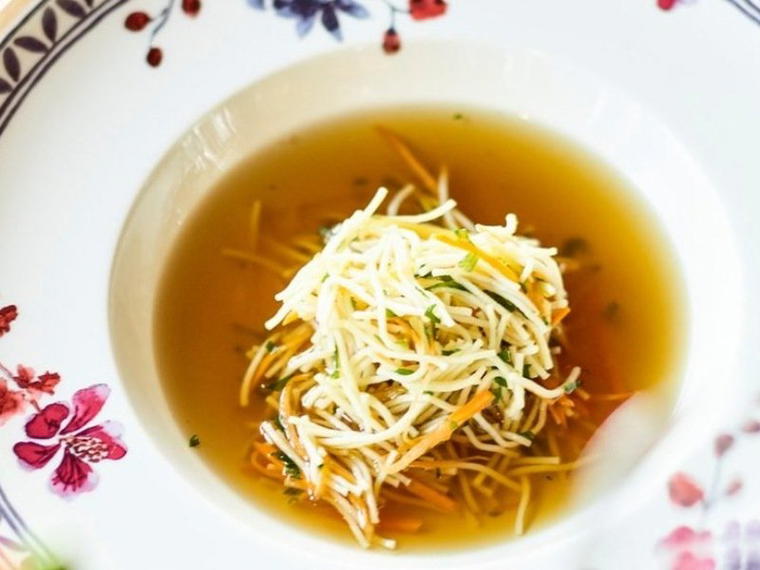
Švicarija occupies a storied position in Ljubljana's dining fabric, drawing on the city's central park setting to frame a meal that moves through Slovenian seasonal produce with deliberate pacing. The address at Pod turnom 4 places it within walking distance of the Old Town's main dining corridor, where the comparison set ranges from regional gostilna formats to the more structured modern cuisine programs at venues like Restavracija Strelec.

Kornati, Croatia
Žakan sits on Otok Ravni Žakan, a small island inside Croatia's Kornati archipelago, placing it among the more remote dining addresses on the Adriatic. The setting defines the experience: arrival is by boat, the surrounding national park frames every meal, and the kitchen draws on island fishing traditions that have shaped Dalmatian cooking for centuries. Booking ahead is strongly advised during the summer season.
Klimno, Croatia
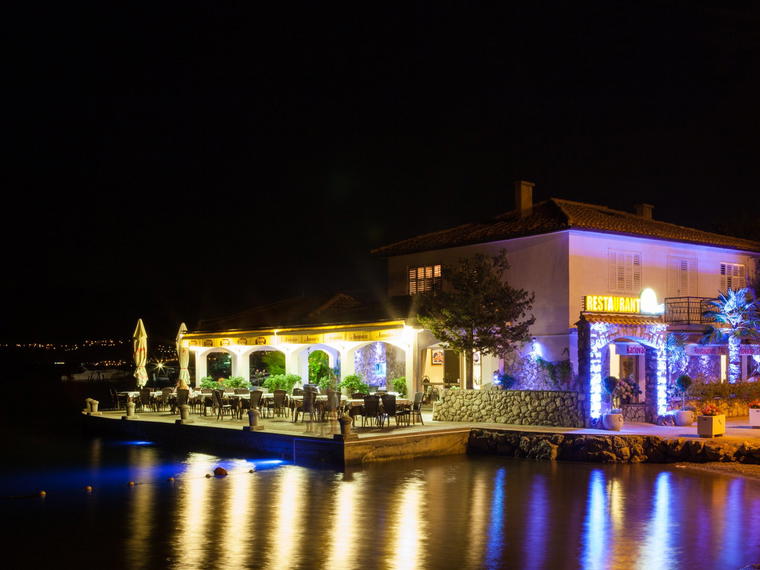
On the Kvarner bay island of Krk, Žal occupies a quietly considered position in Klimno — a village whose waterfront defines the pace of eating here. The address at Klimno 44 places it at the edge of a sheltered cove, where the logic of the kitchen follows what the sea and the surrounding karst land make available. For those tracing Croatia's smaller coastal dining circuit, it belongs in the itinerary alongside the island's other low-key addresses.

Valentici, Croatia
Žardin brings Traditional Dalmatian Agritourism to a standalone garden setting in Valentici, with local sourcing, vineyard views, house wine, and seasonal vegetable dishes for leisurely lunch or dinner.

Warsaw, Poland
On Poznańska Street in central Warsaw, Żebra i Kości occupies a stretch of the city where creative dining has quietly consolidated over the past decade. The name — Polish for 'ribs and bones' — signals a kitchen at ease with direct, material cooking rather than concept-first abstraction. For visitors tracking Warsaw's mid-to-upper dining tier, it belongs on the shortlist alongside the neighbourhood's other serious addresses.
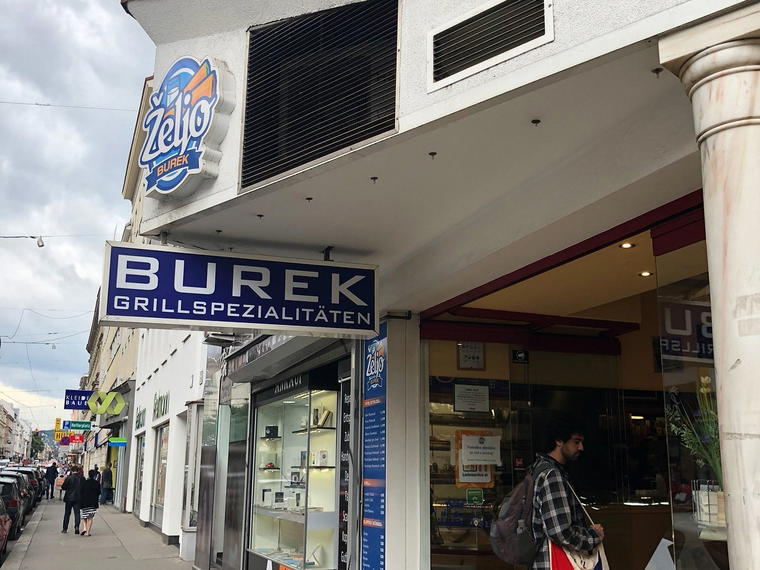
Vienna, Austria
Located in Vienna's 10th district at Quellenplatz, Željo occupies a corner of the city's dining scene well outside the tourist circuits of the inner Ringstrasse. The address alone signals a neighbourhood-rooted operation rather than a prestige showcase, placing it in a cohort of Viennese spots where the local community sets the register rather than international visitors.
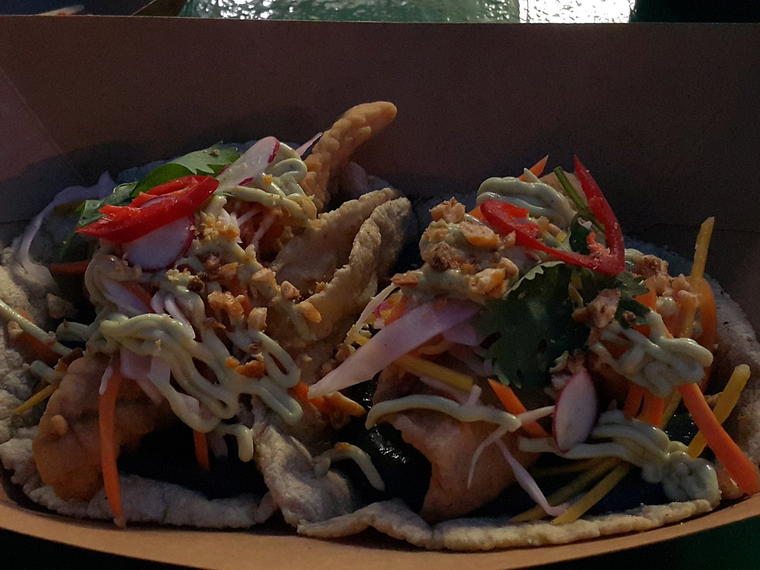
Ljubljana, Slovenia
Žmoht occupies an address on Zaloška cesta in Ljubljana's less-touristed eastern fringe, placing it at a remove from the Old Town restaurant circuit. The venue sits within a city dining scene that has grown increasingly attentive to sourcing ethics and low-waste kitchen discipline. For readers tracking where Ljubljana's food culture is heading, Žmoht represents that eastward shift in both geography and culinary orientation.
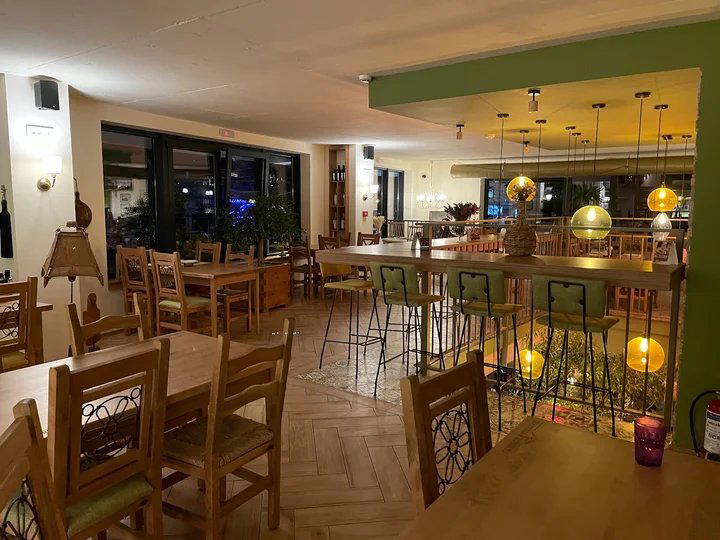
Sokobanja, Serbia
In the hill-country spa town of Sokobanja, ŽUPAN occupies an address at Jabukar 1 that signals a deliberate remove from the town's busier corridors. The setting frames a meal as an occasion rather than a transaction, placing it within a Serbian tradition where time at the table is unhurried and the progression of dishes carries social weight. For visitors making the drive from Niš or beyond, it is one of Sokobanja's more considered dining addresses.
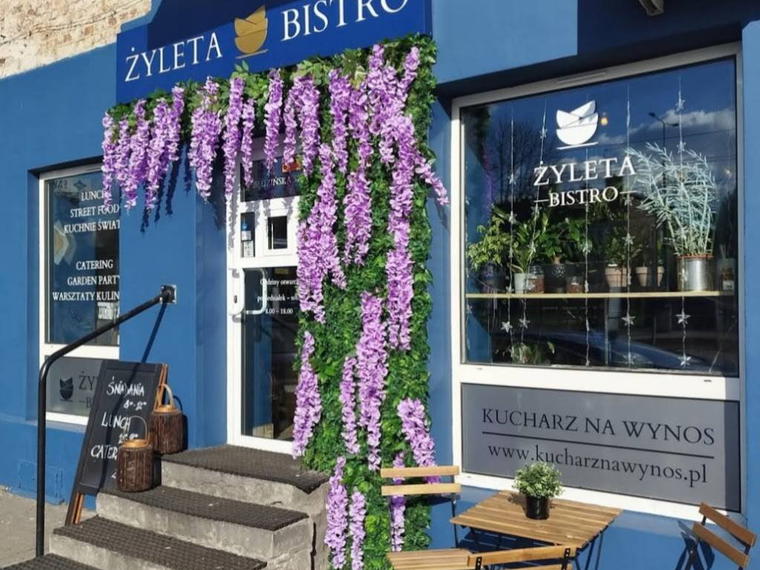
Sosnowiec, Poland
A daytime bistro on Będzińska Street in Sosnowiec, Żyleta draws a loyal neighbourhood crowd for breakfast and lunch in a city where the casual all-day format is still finding its footing. The Silesian dining scene increasingly rewards places that take sourcing and timing seriously, and Żyleta positions itself squarely in that register. Check our full guide for context on where it sits among the city's options.

Dendra Tyrnavou, Greece
Set along an unnamed road in Dendra Tyrnavou, Thessaly, Άργ(η)ισσα draws its name from the ancient settlement of Argissa, one of the oldest inhabited sites in Europe. The restaurant roots its identity in the agricultural character of the Tyrnavos basin, where wheat plains and livestock farming have shaped local cooking for centuries. For those tracing ingredient-led Greek cooking outside the tourist circuit, this is where that search leads.

Athens, Greece
Ατίταμος occupies a address on Kapodistriou in central Athens, placing it within reach of the city's growing conversation around conscious dining and ingredient provenance. The name itself signals a deliberate stance: in Greek, atitamos carries connotations of the untamed and uncompromising. For travelers tracking Athens's shift toward sustainability-led restaurant culture, this address warrants attention.

Athens, Greece
Ενθύμιον occupies a quieter register than Athens's more prominent contemporary Greek tables, sitting at Agias Lavras 56 in the 111 41 district away from the central tourist circuit. Where venues like Hytra and Botrini's position themselves within the city's recognized fine-dining tier, Ενθύμιον draws a more local, neighborhood-anchored crowd. Its name, Greek for 'remembrance' or 'keepsake,' signals an orientation toward continuity rather than reinvention.

Athens, Greece
On Ploutarchou Street in Kolonaki, ΟΙΚΕΙΟ occupies the quieter, more residential register of Athens dining — a neighbourhood table where the sourcing of ingredients carries as much weight as the cooking itself. The address places it among Athens's more considered mid-to-upper tier, within walking distance of the city's sharper contemporary restaurants yet operating at its own deliberate pace.
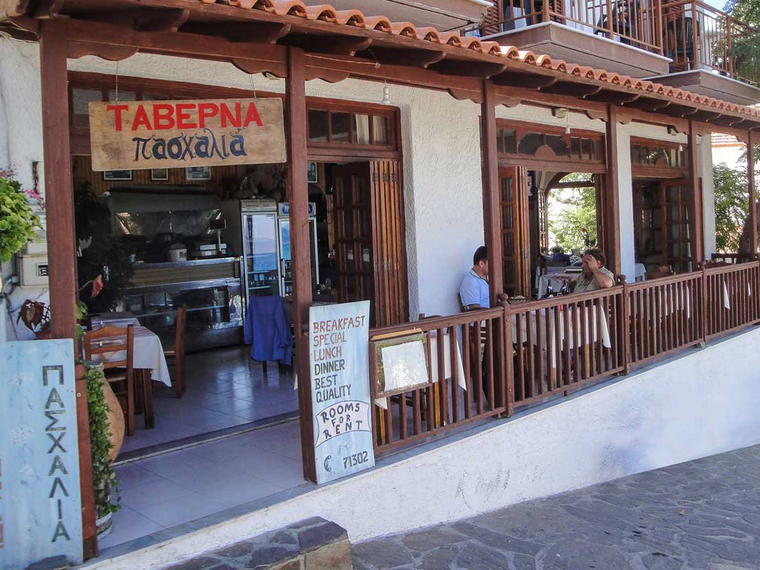
Evdilos, Greece
Πασχαλιά sits in Evdilos, the quieter northern port town of Ikaria, where the dining tradition runs closer to the household table than the tourist circuit. The kitchen draws on what the island produces rather than what ferry schedules allow, placing it inside a broader Ikarian food culture built on seasonal availability and local supply chains. For anyone spending time in Evdilos rather than passing through, it represents the kind of place the island is actually known for.

Agia Paraskevi, Greece
Τα Ρωμανάκια sits on Leoforos Mesogeion in Agia Paraskevi, one of Athens' eastern suburbs where neighbourhood restaurants hold a different kind of authority than city-centre destinations. The cooking here draws on the kind of ingredient-led Greek tradition that suburban tavernas have sustained for decades, away from the tourist-facing dining that dominates central Athens. It occupies a recognisable local niche: the place regulars return to rather than discover once.
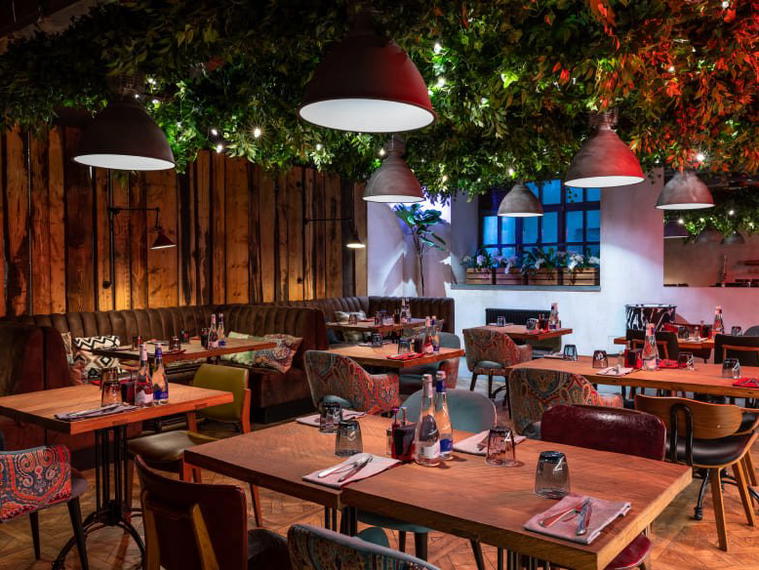
Yekaterinburg, Russia
A basement BBQ address on Ulitsa 8 Marta, АГОНЬ BBQ Ratskeller brings live-fire cooking into one of Yekaterinburg's most distinctly European-feeling urban corridors. The ratskeller format, historically associated with beer halls beneath civic buildings, here frames a Russian take on ember and smoke cookery. For fire-cooked meat in a city better known for its European restaurant scene, it occupies a specific and deliberate niche.

Saint Petersburg, Russia
Банщики occupies a distinctive address on Degtyarnaya Ulitsa in central Saint Petersburg, positioning itself within the city's broader shift toward dining experiences that foreground provenance and local sourcing. For visitors tracking where Saint Petersburg's restaurant scene is moving, it belongs on the itinerary.
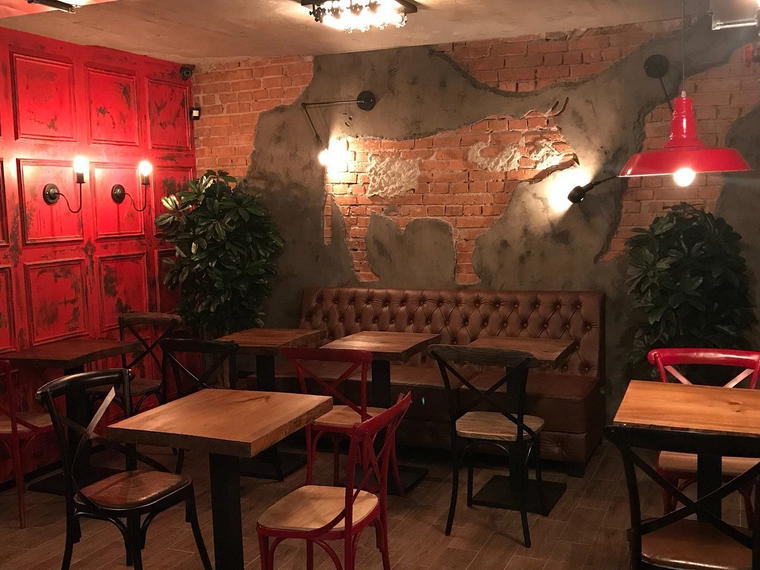
Pyatigorsk, Russia
A burger spot on Prospekt 40 Let Oktyabrya in Pyatigorsk, Бургерная «Скотный Двор» takes its name — roughly, 'The Stockyard' — seriously as a sourcing proposition. In a city better known for mineral springs than dining ambition, it represents a strand of Russian casual dining that grounds itself in agricultural provenance rather than imported branding. Worth knowing before your visit to the North Caucasus foothills.
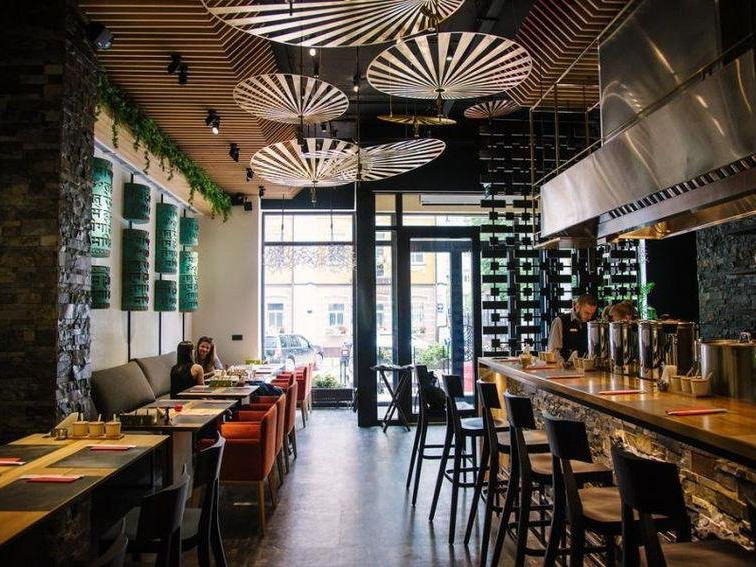
Kyiv, Ukraine
Among Kyiv's Asian restaurant options, Чанг occupies a specific niche: Vietnamese cooking refracted through a bistronomy lens, on a stretch of Yaroslaviv Val that draws a cosmopolitan, design-literate crowd. The menu structure signals intent — this is not pho and spring rolls as comfort shorthand, but Vietnamese ingredient logic applied at a different register. An address worth tracking on vул. Ярославів Вал, 23а.

Saint Petersburg, Russia
On Finlyandsky Prospekt in Saint Petersburg's Vyborgskaya district, Деда Хинкали на Финлядском anchors the city's Georgian dumpling scene with a format built around the khinkali itself. The restaurant speaks to a broader pattern across Russian cities: Georgian comfort cooking finding serious, dedicated houses rather than appearing as a side note on pan-Caucasian menus. A practical, no-ceremony address for those who know what they came for.
Bajina Basta, Serbia
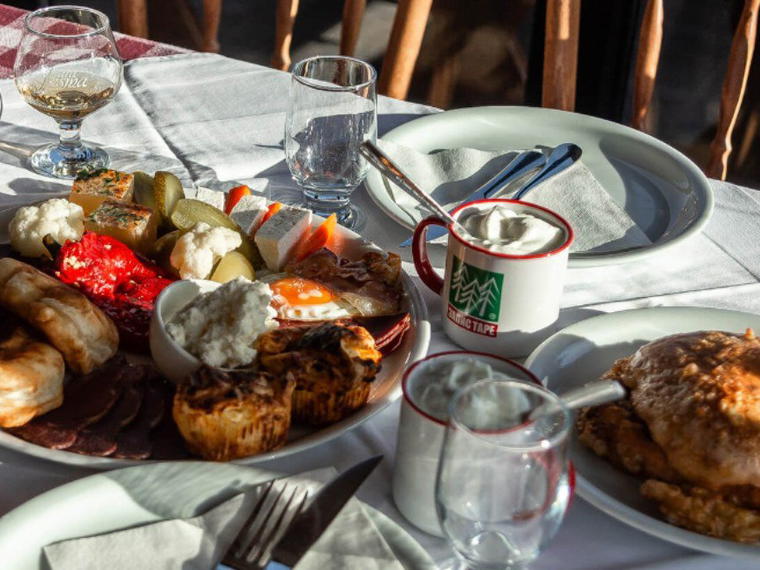
Кафана Курта sits in Solotuša, a quiet settlement near Bajina Bašta in western Serbia, operating within the kafana tradition that remains one of the country's most enduring social institutions. The format here belongs to a category of rural Serbian eating houses where the kitchen, the company, and the unhurried pace of a meal are the entire point. Details on booking and hours are best confirmed locally before visiting.

Novi Sad, Serbia
Код Брке is a Serbian pub restaurant on Futoški put in Novi Sad, with beer program service and a casual, conversational setup that fits breakfast, lunch, or dinner.

Lviv, Ukraine
On a quiet stretch of Lesi Ukrainky Street in central Lviv, The Room operates in the specialist tier of Ukraine's growing cocktail bar scene — a format where atmosphere and craft matter more than capacity or spectacle. The bar draws a steady crowd from Lviv's after-dinner circuit and sits within easy reach of the city's main restaurant corridor.
Saratov, Russia
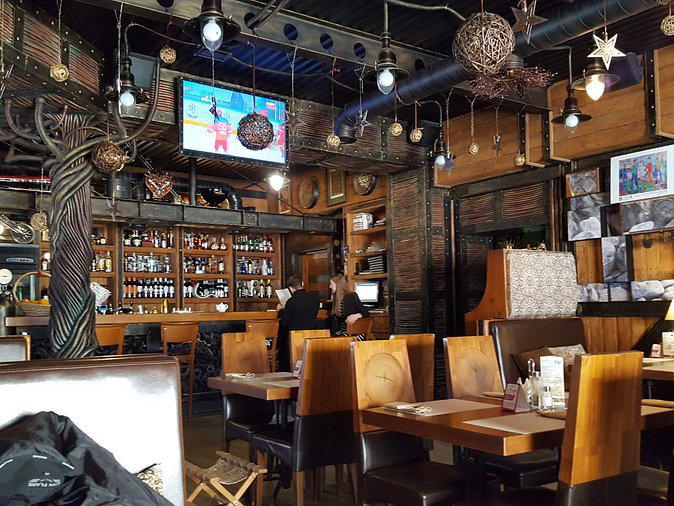
A Saratov address on Ulitsa Maksima Gor'kogo that fits into the city's mid-range dining fabric, Конек draws on the regional produce traditions of the Volga corridor. With limited information in the public record, it operates as a neighbourhood fixture rather than a destination play, making it a practical choice for visitors wanting grounded, locally-oriented eating over imported formats.
Saint Petersburg, Russia
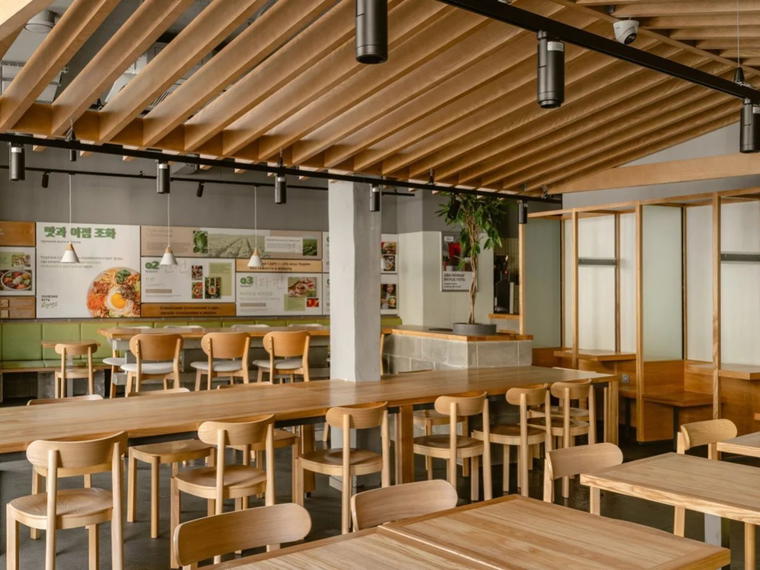
On Nevsky Prospekt at number 95, Кореана Light represents Saint Petersburg's appetite for Korean cuisine delivered in a lighter, more accessible register than the city's traditional heavy-hitting dining rooms. The address places it squarely in the city's central dining corridor, where Korean and other Asian formats have quietly carved out a consistent audience over the past decade.

Gorskoe, Russia
Кофемания occupies a low-profile address on Rublevo-Uspenskoye Shosse in Gorki-2, placing it squarely within the Moscow Oblast corridor that has long served the capital's western commuter belt. The format sits between a serious café and a full-service restaurant, with a reach across multiple Moscow locations that gives it a consistency most independent operators cannot match. For the area around Gorskoe, it functions as a reliable, professionally run anchor in a stretch where dining options thin out considerably.

Pirot, Serbia
Краљев Чардак sits on Nikole Pašića in Pirot, southeastern Serbia, positioned within a dining scene where traditional kafana formats and regional cooking remain the dominant register. The address places it in the working fabric of a city that has held onto its culinary identity longer than most provincial Serbian towns, where grilled meats, slow-cooked stews, and local rakija still define how people eat out.

Bishkek, Kyrgyzstan
Crostini brings Italian-inflected cafe dining to central Bishkek, occupying a category that sits between the city's traditional teahouse circuit and its newer European-format restaurants. In a city where ingredient sourcing is shaped by Central Asian supply chains and seasonal mountain produce, the kitchen's choices carry more weight than the menu format alone. A useful reference point for visitors calibrating Bishkek's evolving dining scene.

Kragujevac, Serbia
Крофна Бар occupies a distinct corner of Kragujevac's bar scene, where the Serbian tradition of casual, neighbourhood-anchored drinking culture meets a format built around a single, memorable item. Positioned within a city whose hospitality circuit is smaller and more intimate than Belgrade's, it represents the kind of place that earns local loyalty through consistency rather than spectacle.

Dolgoprudny, Russia
A neighbourhood dining spot on Staroye Dmitrovskoye Shosse in Dolgoprudny, Кулинария Вилка occupies the kind of practical, ingredient-forward position that has defined Russian provincial cooking for generations. The name — translating loosely as 'Culinary Fork' — signals an unpretentious approach to food in a city better known for its aerospace industry than its restaurant scene.
Moscow, Russia
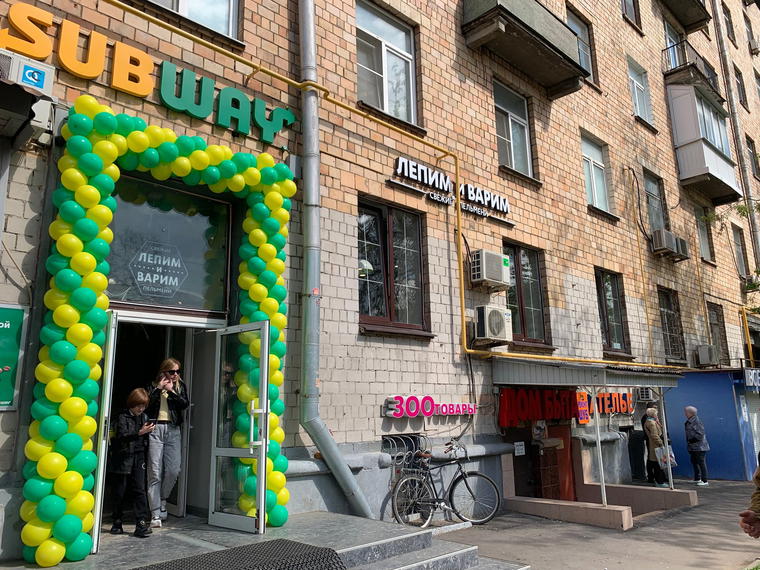
On Prospekt Mira, one of Moscow's most storied northern boulevards, ЛЕПИМ и ВАРИМ occupies a place in the city's growing canon of restaurants devoted to hand-shaped dough traditions. The name translates literally as 'we sculpt and we boil,' signalling a focus on dumplings and similar craft forms that span Russian and post-Soviet culinary geography. It sits in a neighbourhood that bridges the city's monumental Soviet past with a more neighbourhood-scaled, contemporary dining scene.
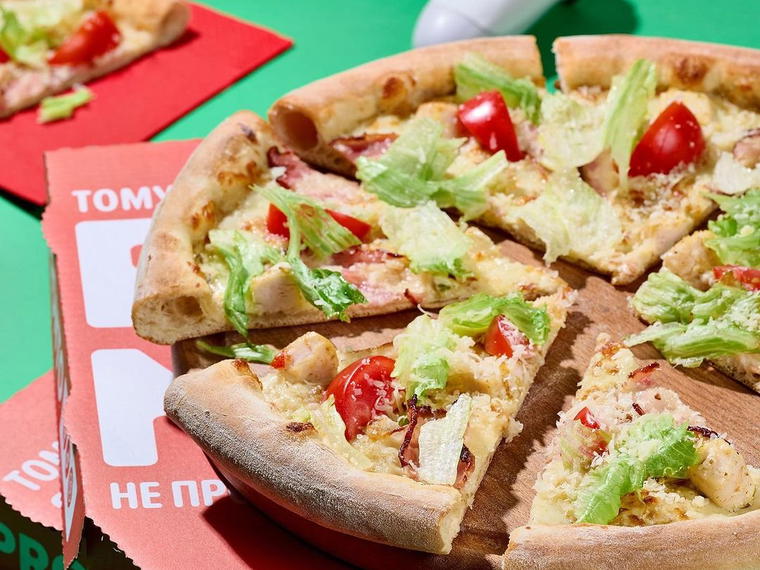
Chernivtsi, Ukraine
Пронто Піца Чернівці sits on Ruska Street in the heart of one of western Ukraine's most architecturally layered cities, serving pizza in a dining culture increasingly shaped by local sourcing and regional identity. For visitors building a picture of Chernivtsi's casual dining scene, it represents a practical and accessible entry point into the city's neighbourhood restaurant circuit.

Ternopil, Ukraine
СТАРИЙ МЛИН - Музейна ресторація serves Traditional Ukrainian in a historic building on Brodivs'ka St, with live music and private dining for a conversational, upscale-casual meal.

Chernivtsi, Ukraine
On Kobylyans'koi Street, Chernivtsi's main pedestrian artery, Траторія Gorno occupies a position that reflects the city's broader embrace of Italian trattoria culture as an everyday dining register. The address places it within walking distance of the city's Austro-Hungarian architectural core, where informal European dining has taken root alongside traditional Ukrainian hospitality.

Belgrade, Serbia
Šaran sits on the Belgrade waterfront at Kej Oslobođenja 53, representing a tradition of river-facing dining that has defined the city's relationship with the Danube and Sava for generations. The kitchen leans into Serbia's freshwater heritage, where the sourcing of carp, catfish, and pike from local waters is not a selling point but a baseline expectation. For visitors trying to understand how Belgrade eats, Šaran is a useful reference point.
Tel Aviv-Yafo, Israel
A practical kosher burger choice on Rothschild Boulevard for quick, casual meals rather than a planned dining event. Go for beef or vegetarian burgers, crispy chicken, wings, and nuggets in a lively fast-casual setting; skip it if you need outdoor seating, private dining, or a tasting-menu experience.

Beersheba, Israel
B7 Beer House occupies a spot on He-Khaluts Street in the heart of Beersheba, where the city's shifting drinking culture meets a dedicated craft-beer format. As one of the Negev's few venues built around beer as the primary lens, it sits in a distinct niche within a city whose food and drink scene has grown considerably over the past decade. Visit for the atmosphere and the selection; check ahead on hours and availability.
Jerusalem, Israel
גולדן בורגר GOLDEN BURGER is a smart City Center pick when the plan is a kosher American-style burger, not a long sit-down meal. At about $18 per person, it works for a quick lunch, dinner, late-night bite, solo meal, or casual group stop, with the main reason to go being the house-developed burger-and-sauce identity.
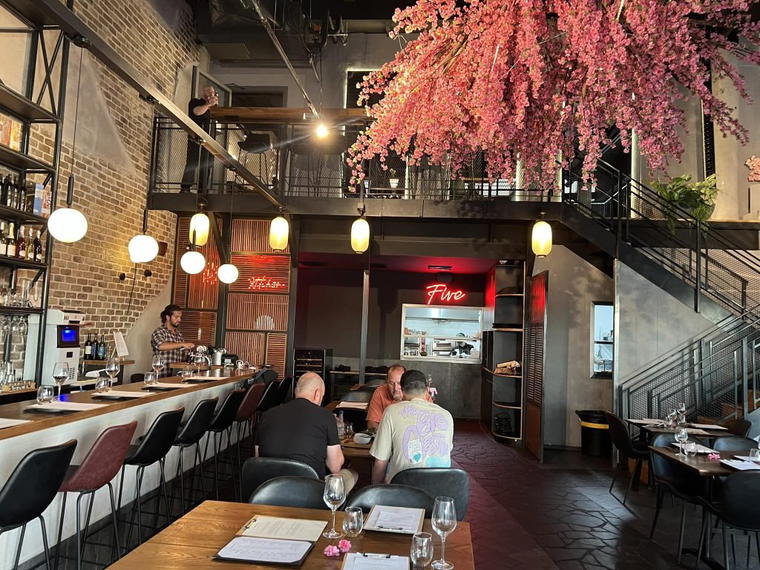
Petah Tikva, Israel
המקדש - מסעדת בשרים sits on Ha-Psagot Street in Petah Tikva, operating as a meat restaurant in a city that takes its grill culture seriously. The name — 'The Temple' — signals the register the kitchen is working in, placing red meat at the centre of the dining experience rather than treating it as one option among many. For those tracing the meat-focused dining thread running through Israel's suburban restaurant scene, this address is part of that conversation.
Tel Aviv-Yafo, Israel
Choose La Mer Beach Tel Aviv for a casual beachfront meal, sunset drinks, or a lively group hangout where the Mediterranean setting is the point. At $$, the value sits in the sand-side seating, all-day flexibility, seafood-leaning menu, and easy walk-in feel rather than formal dining polish.
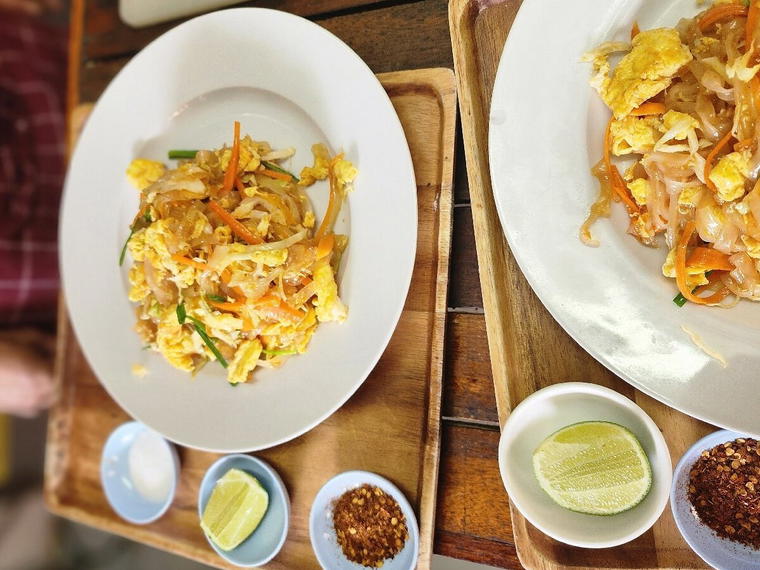
Pattaya, Thailand
Yasmin Restaurant in Pattaya's Bang Lamung district operates within a city dining scene that spans budget seafood shacks and mid-range international tables.

Beersheba, Israel
On HaTvuna Street in Beersheba, רווה קולינריה נוזלית occupies a niche that the city's dining scene is still defining: serious liquid-focused cookery in a desert city better known for grilled meat and hummus counters. The name itself signals intent, pointing toward a culinary approach built around liquid forms, from broths and reductions to emulsions and poured sauces. A focused destination for anyone tracking Israel's regional restaurant conversation.

Ajloun, Jordan
In the hill villages above Ajloun, أكلة وفتلة operates from Orjan as part of a growing network of community kitchens that treat locally sourced, home-style Jordanian cooking as their core proposition. The food here draws from the agricultural traditions of northern Jordan, where proximity to olive groves, herb gardens, and smallholder farms shapes what ends up on the table. For travellers passing through or hiking the Ajloun Forest Reserve, it represents one of the more grounded eating options in the area.
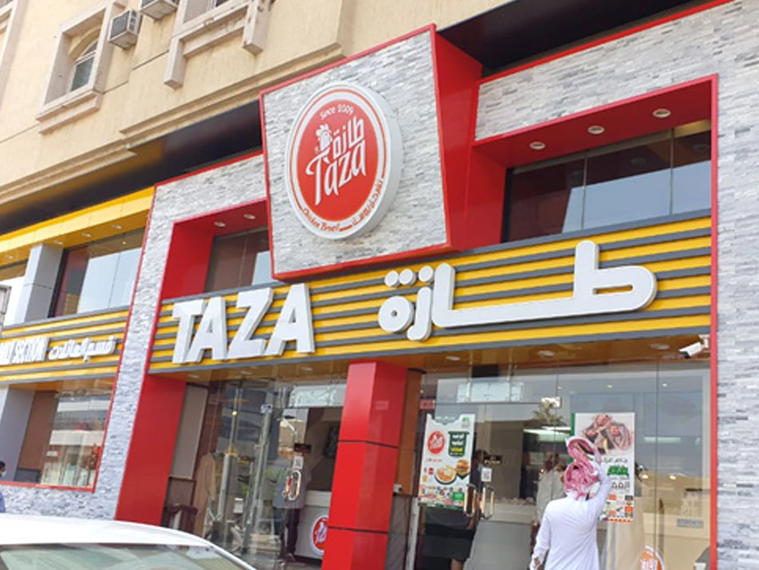
Taif, Saudi Arabia
Broast Taza sits in Taif's Ibn Al Khatib district, a city whose mountain elevation and famously cool microclimate have long shaped how its residents eat. The name signals a specific promise: fresh broasted chicken, prepared to order. In a Saudi dining scene increasingly defined by imported formats, Taif's neighbourhood spots like this one hold ground by sourcing and serving simply, without ceremony.

Burayda, Saudi Arabia
Located on شارع البخاري in the Ar Rayan district, بيتوتي sits within Burayda's quieter residential dining corridor, where the emphasis tends toward home-style Saudi cooking over commercial production. The name itself signals the premise: food rooted in domestic tradition, positioned for a city whose culinary identity is built on the agricultural heartland of Al-Qassim region.

Rain, Iran
Where the Kerman Desert Meets the Table Rain is not a city that announces itself. Tucked into the mountainous folds of Kerman Province in southeastern Iran, it sits at an altitude that keeps summers mild and winters sharp, and it draws...
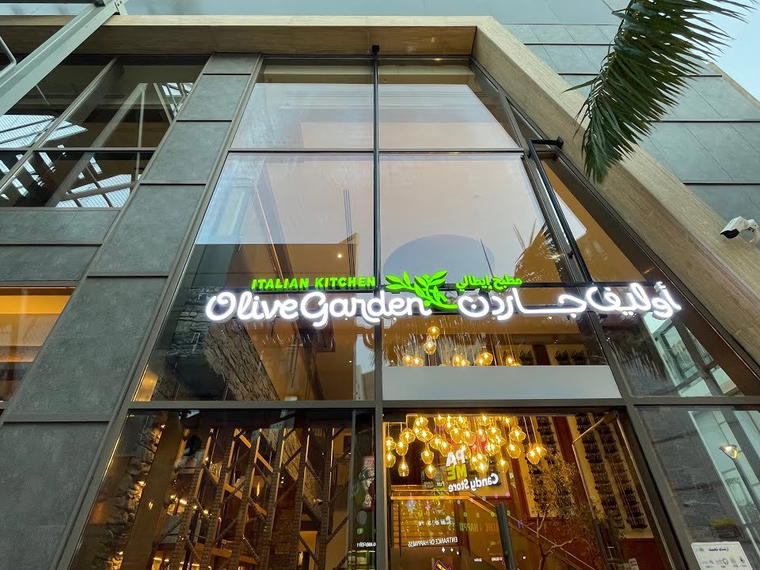
Jeddah, Saudi Arabia
Olive Garden Jeddah occupies a prominent address on King Abdul Aziz Road within the Atelier LaVie complex, placing it inside one of the city's more design-conscious retail and dining corridors. As a Western casual-dining chain operating in Saudi Arabia's rapidly expanding restaurant market, it sits at a specific intersection of international brand familiarity and local appetite for global formats. Visitors seeking a known quantity in an unfamiliar city will find it a reliable reference point.

Doha, Qatar
Al Majlis Al Arabi in Doha's Al Salama district draws a loyal crowd of regulars who return for the kind of Arabic hospitality that formal dining rooms rarely replicate. The atmosphere skews traditional, the format is rooted in Gulf social customs, and the location in the Al Sdd area places it squarely within a neighbourhood that takes its local dining seriously. For visitors seeking an alternative to hotel-lobby Arabic dining, this is where Doha residents actually eat.

Hafar Al Batin, Saudi Arabia
Beirut Restaurant brings Lebanese culinary tradition to Hafar Al Batin's Almasif district, serving a city where sit-down dining options are still finding their footing. The address on Almasif street places it within reach of the city's residential core. Specific menu details, pricing, and hours are best confirmed directly before visiting.