Кореана Light
On Nevsky Prospekt at number 95, Кореана Light represents Saint Petersburg's appetite for Korean cuisine delivered in a lighter, more accessible register than the city's traditional heavy-hitting dining rooms. The address places it squarely in the city's central dining corridor, where Korean and other Asian formats have quietly carved out a consistent audience over the past decade.
Pearl is the En Primeur Club membership app — saves, bookings, and concierge access live there. Same editors, same standards.
- Address
- Nevsky Ave, д. 95, St Petersburg, Russia, 191036
- Phone
- +78124907464
- Website
- koreanalight.ru
- Directions
- Get directions
 Saves & bookings on Pearl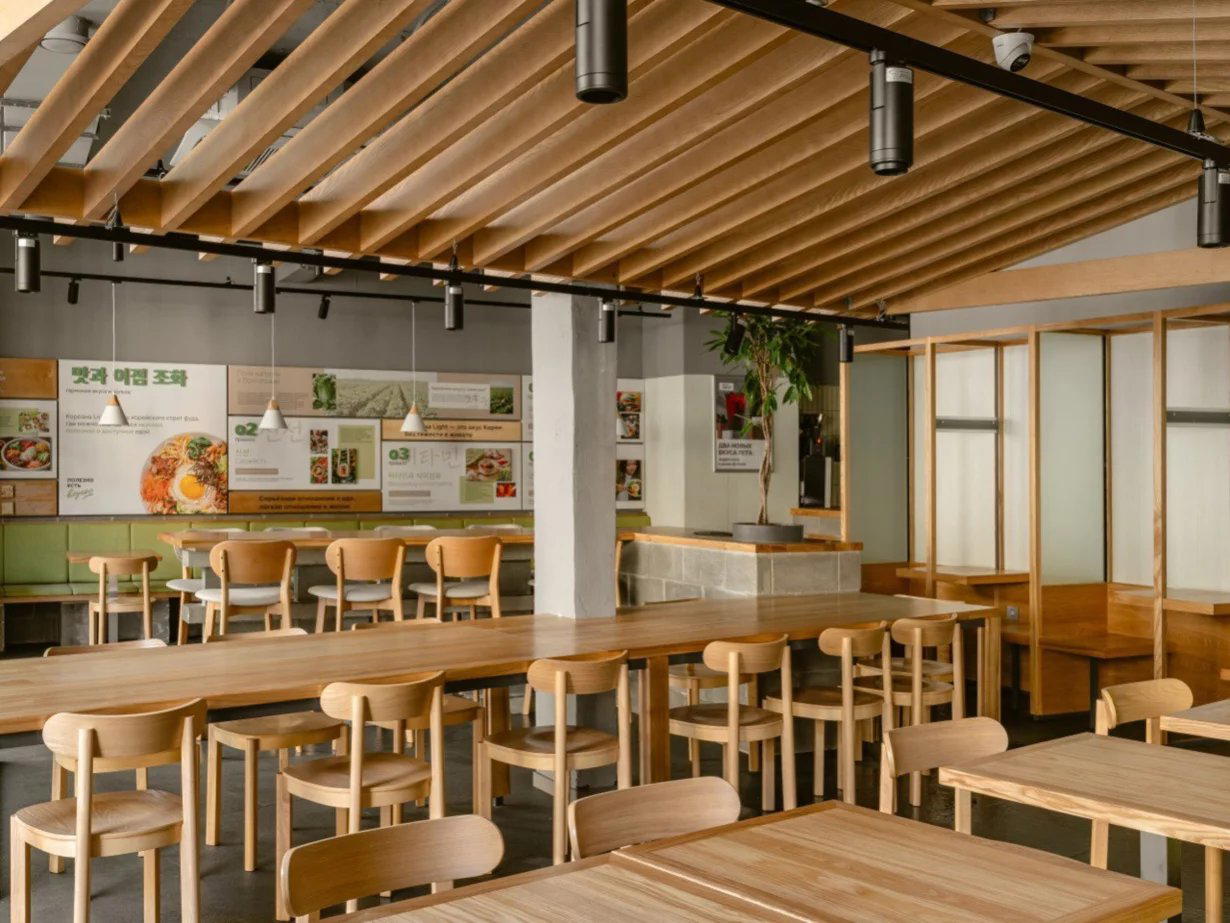
Korean Cooking on Nevsky: Where the Ingredient Conversation Starts
Nevsky Prospekt has always been a barometer for what Saint Petersburg's dining public is willing to accept and at what price. The avenue runs through the heart of the city's restaurant economy, from the heritage Russian rooms near the Hermitage end to the more format-experimental addresses toward the Vosstaniya Square stretch. Number 95 sits in that middle zone, where the foot traffic is dense enough to support a range of cuisines but informed enough that Korean cooking, with its specific ingredient logic and fermentation culture, can land without being exoticised.
The name itself signals the operating philosophy. 'Light' in this context is not a marketing diminutive, it positions the restaurant within a broader shift in how Korean food is being received across Russian cities. In many urban settings, Korean dining now appears in a cleaner, faster, ingredient-led presentation that keeps the sourcing integrity of the cuisine. Saint Petersburg has seen this pattern play out across its Asian dining options over the past several years, and Кореана Light sits inside that shift rather than against it.
The Ingredient Logic of Korean Cooking in a Northern City
Korean cuisine is built on a sourcing philosophy that most Western dining traditions take decades to catch up to. Fermentation, seasonal vegetable preservation, and protein selection tied to specific regional origins are not optional add-ons, they are the structural logic of the food. When Korean restaurants operate outside Korea, the question of ingredient sourcing becomes the central editorial question: what arrives from origin, what is substituted locally, and how honestly does the kitchen communicate that?
In Saint Petersburg, this question carries particular weight. The city's geography places it far from the agricultural zones that produce Korea's canonical ingredients, the specific varieties of gochugaru, doenjang aged in traditional onggi pots, or the particular brassicas that make authentic kimchi texturally distinct from its imitations. What serious Korean operations in the city do, and what restaurants in this format category tend to do, is maintain a supply chain for the non-negotiable fermented staples while sourcing proteins and fresh vegetables as locally as the season allows. The result is a hybrid ingredient logic that, when handled honestly, produces food that is neither a faithful replica nor a diluted approximation, but a contextually coherent version of Korean cooking.
This is the broader pattern that Korean restaurants across Russia's major cities have been working through. Atomix in New York City operates at the far end of the sourcing-integrity spectrum for Korean fine dining, with a research-led approach to both Korean and local ingredients that has shaped how critics discuss Korean cuisine globally. The Saint Petersburg context is less rarified, but the underlying ingredient question is the same: where does the food come from, and does the kitchen know?
The Nevsky Address in Context
Positioning on Nevsky Prospekt at number 95 gives Кореана Light a specific commercial and cultural weight. This stretch of the avenue is walkable from the city's major hotel cluster and close enough to the Fontanka embankment that it draws both tourist traffic and a local office-lunch demographic. That dual audience shapes what a restaurant in this location can and cannot be: overly formal tasting-menu formats rarely succeed here, while accessible, ingredient-led menus with clear visual identity tend to find a consistent audience.
Saint Petersburg's Korean dining options sit within a wider Asian restaurant scene that includes strong Chinese representation. Made in China in St. Petersburg operates in the same broad category of Asian cuisine with a central-city address, and the two represent different points on the spectrum of how Asian food cultures are being adapted for the local market. The Korean format, with its emphasis on table-shared dishes and fermentation-forward flavour profiles, occupies a distinct niche from Chinese cooking in terms of both ingredient sourcing and dining ritual.
For a fuller picture of where Кореана Light sits within Saint Petersburg's wider restaurant offering, the full Saint Petersburg restaurants guide maps the city's dining by neighbourhood and format. The city's European-facing heritage restaurants, places like 1913 and Astoria Cafe, represent one pole of the dining market, while the more format-fluid addresses on and around Nevsky represent another. Bellevue and Blok sit at different points of this spectrum as well, each positioning against a different version of what the city's dining public expects.
Russian Cities and the Korean Dining Format
The appetite for Korean cuisine across Russian cities has grown steadily over the past decade, tracking a broader pattern of Asian dining diversification that has moved well beyond the sushi-and-dim-sum defaults of the early 2000s. Cities like Yekaterinburg, where Khmeli Suneli represents the Caucasian end of the non-European dining spectrum, and Nizhny Novgorod, where Dzhani Restorani operates in a similar register, show that the appetite for culturally specific cuisine outside the Russian-European tradition is not confined to the two major capitals.
Saint Petersburg's Korean dining scene benefits from the city's port history and its tradition of absorbing culinary influences that arrive through trade and migration rather than through the restaurant trend cycle. BeefZavod and Lev I Ptichka represent the protein-forward and more playful ends of the city's mid-market dining, while Korean formats occupy a distinct lane focused on fermentation culture and vegetable complexity. That lane has proven durable in cities where a food-literate audience is willing to engage with ingredient sourcing as a topic rather than simply a menu footnote.
For context on how Korean dining has developed internationally, Atomix in New York remains a reference point, while the regional Russian Korean dining scene operates at a more accessible register. The comparison is useful not to benchmark Saint Petersburg against New York, but to illustrate how far the ingredient conversation in Korean cooking can travel, and how much of it survives the journey to a northern European city with a radically different agricultural base.
Planning Your Visit
Кореана Light's address at Nevsky Ave, 95 places it within walking distance of several metro stations along the Nevsky line, making it accessible from most parts of the city centre without requiring a separate transit plan. The Nevsky location means it operates within a high-footfall environment, and mid-week visits during off-peak lunch and dinner hours are likely to offer a more considered experience than weekend evenings when the avenue's foot traffic peaks. The restaurant is walk-in friendly, and one practical approach is to arrive directly. Allergy and dietary queries are leading directed to the venue on arrival, as the fermentation-forward character of Korean cooking means that several staple preparations contain common allergens including soy, wheat, and shellfish-derived stocks.
Peers Worth Knowing
Comparable venues nearby, for context on price, style, and recognition.
| Venue | Cuisine | Price | Notes |
|---|---|---|---|
| Кореана LightThis venue — the venue you are viewing | Korean Street Food | $$ | Not listed |
| Social Club | Young Kitchen: Israeli Street Food & Franco-Italian Fusion | $$ | Rubinshtein Street |
| Деда Хинкали на Финлядском | Traditional Georgian Khinkali House | $$ | Выборгский район |
| 1913 | Classic Russian | $$ | City Center |
| BeefZavod | Modern Steakhouse with Nose-to-Tail | $$$ | Petrogradsky |
| Royal Beach | Modern European Fine Dining | $$$ | Krestovsky Island |
Continue exploring
More in Saint Petersburg
Restaurants in Saint Petersburg
Browse all →
Bars in Saint Petersburg
Browse all →

Hotels in Saint Petersburg
Browse all →
At a Glance
- Modern
- Trendy
- Casual
- Casual Hangout
- After Work
- Solo
- Open Kitchen
- Organic
Current opening hours
- Monday
- 11 AM–11 PM
- Tuesday
- 11 AM–11 PM
- Wednesday
- 11 AM–11 PM
- Thursday
- 11 AM–11 PM
- Friday
- 11 AM–11 PM
- Saturday
- 11 AM–11 PM
- Sunday
- 11 AM–11 PM
Hours can change for holidays and private events. Last verified .
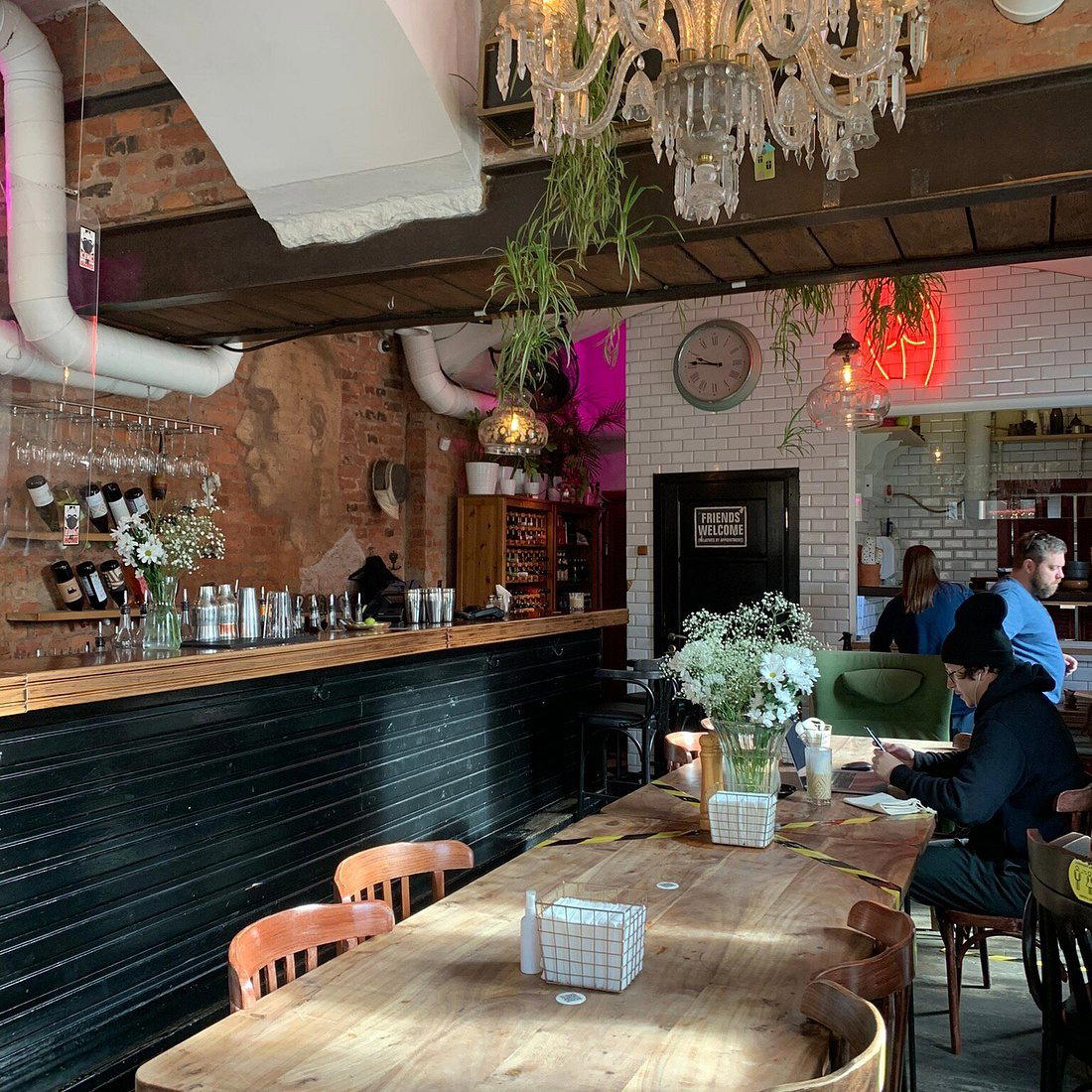
Clean and cozy self-service café environment with casual, energetic atmosphere typical of modern fast-casual dining.