Skip to Main Content
La Fête du ChampagneCode: PEARL
← Back to countries

Country dossier

Bosnia and Herzegovina

Restaurants, hotels, bars and wineries across Bosnia and Herzegovina in the En Primeur Club guide.

Accolades in Bosnia and Herzegovina

15
2
Bosnia and Herzegovina luxury dining and travel destination
Herzegovina’s wineries work with indigenous grapes including Žilavka and Blatina, while Sarajevo’s restaurants range from burek counters to sushi bars and grilled-meat rooms. Our guide covers 36 venues across 21 cities, with restaurant dining concentrated in Sarajevo and winery groups in Citluk and Ljubuski. Mostar combines traditional Bosnian cooking with rural konobas, bringing grilled meats, slow-cooked dishes and local sourcing into the same city’s dining scene. Wine experiences vary across the country’s producers. Family estates combine cellar tastings with vineyard context and traditional meals, while larger wineries connect regional grapes with a tasting-room and restaurant format. Organic farming, terraced vineyards and low-intervention cellar work feature at smaller estates. Trebinje adds monastic winemaking with Vranac and Žilavka, and Capljina offers sparkling Žilavka alongside still wines from native varieties. Falstaff-listed producers span these different styles. For restaurant wine, programs accompany traditional Bosnian cooking in Mostar, while an extensive wine list accompanies international fusion cuisine in Istocno Sarajevo.

Sarajevo restaurants serving pita, ćevapi and crepes

Sarajevo’s restaurants include Bosnian pita and ćevapi specialists alongside a family-run trattoria serving crepes. These restaurants sit in Baščaršija, Old Town and city centre.

  • Buregdžinica ASDŽ

    In Baščaršija, Buregdžinica ASDŽ specialises in traditional Bosnian pita with buffet service. Its burek is a flaky, meat-filled pastry, and the kitchen works with recipes passed down through generations in a district of traditional food specialists.

  • Buregdžinica Bosna

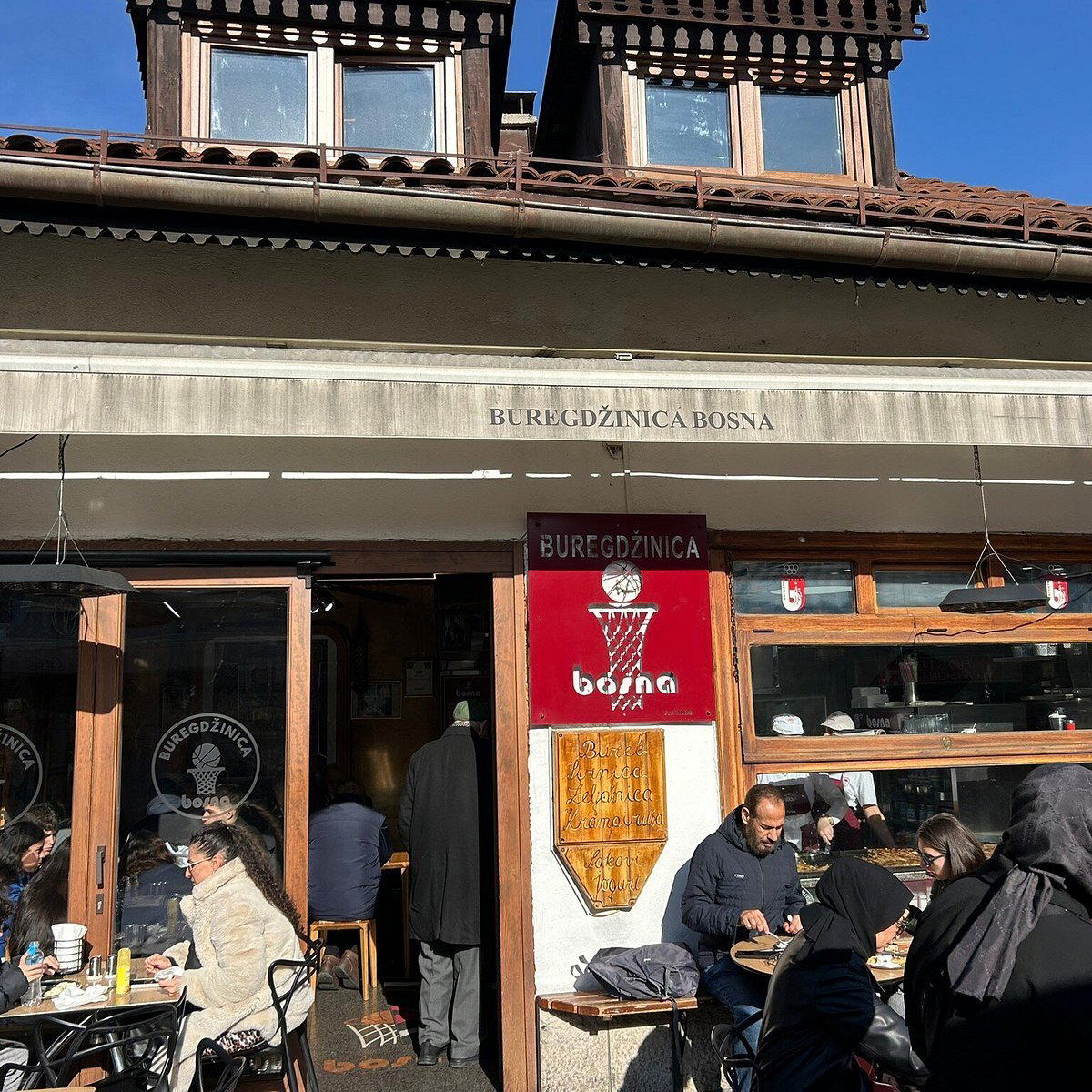
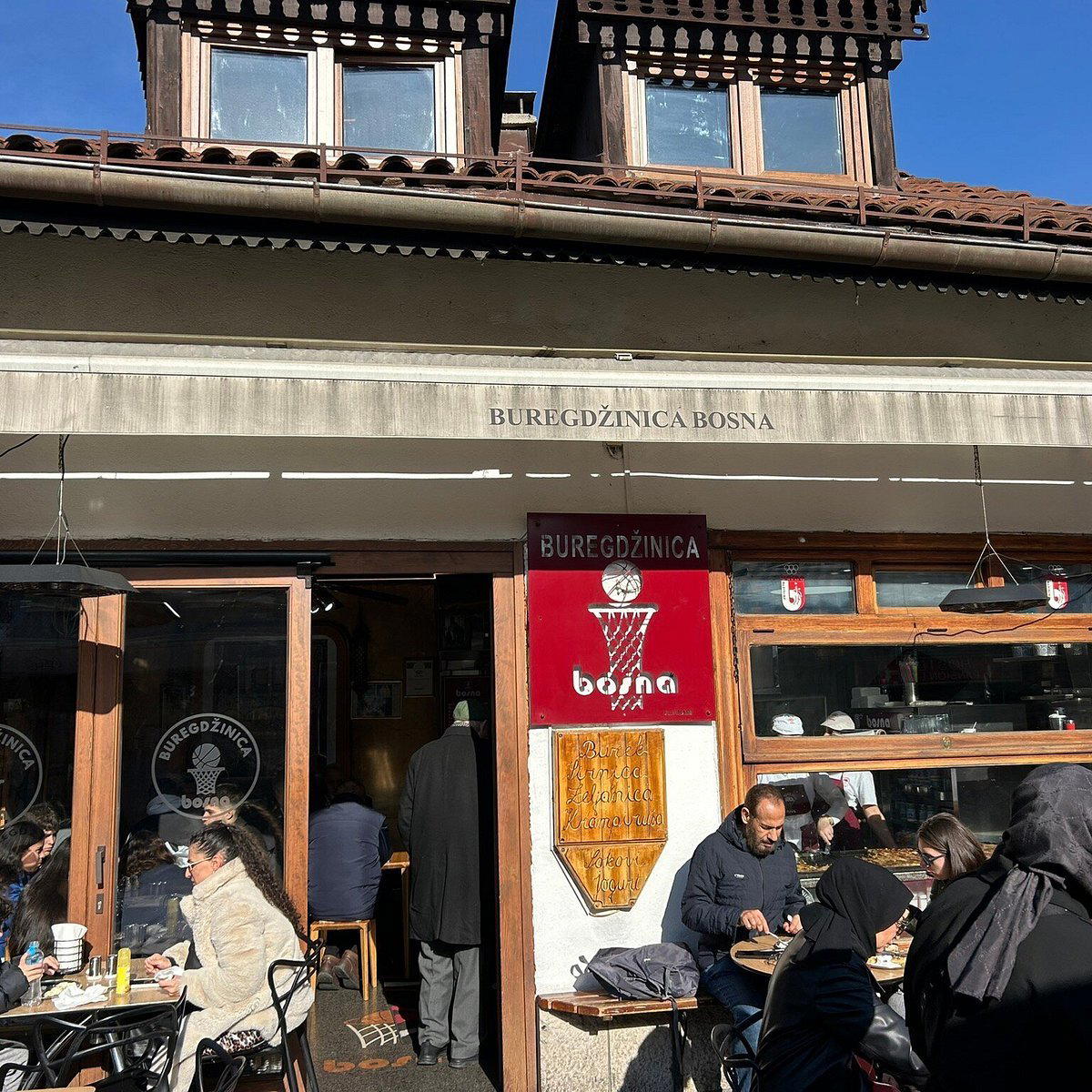
    In Old Town, Buregdžinica Bosna is a counter-service burek specialist with an à la carte format. Its crisp, flaky pastries have savoury fillings including meat, cheese, spinach and potato, and are served with yogurt.

  • Čevabdžinica Nune

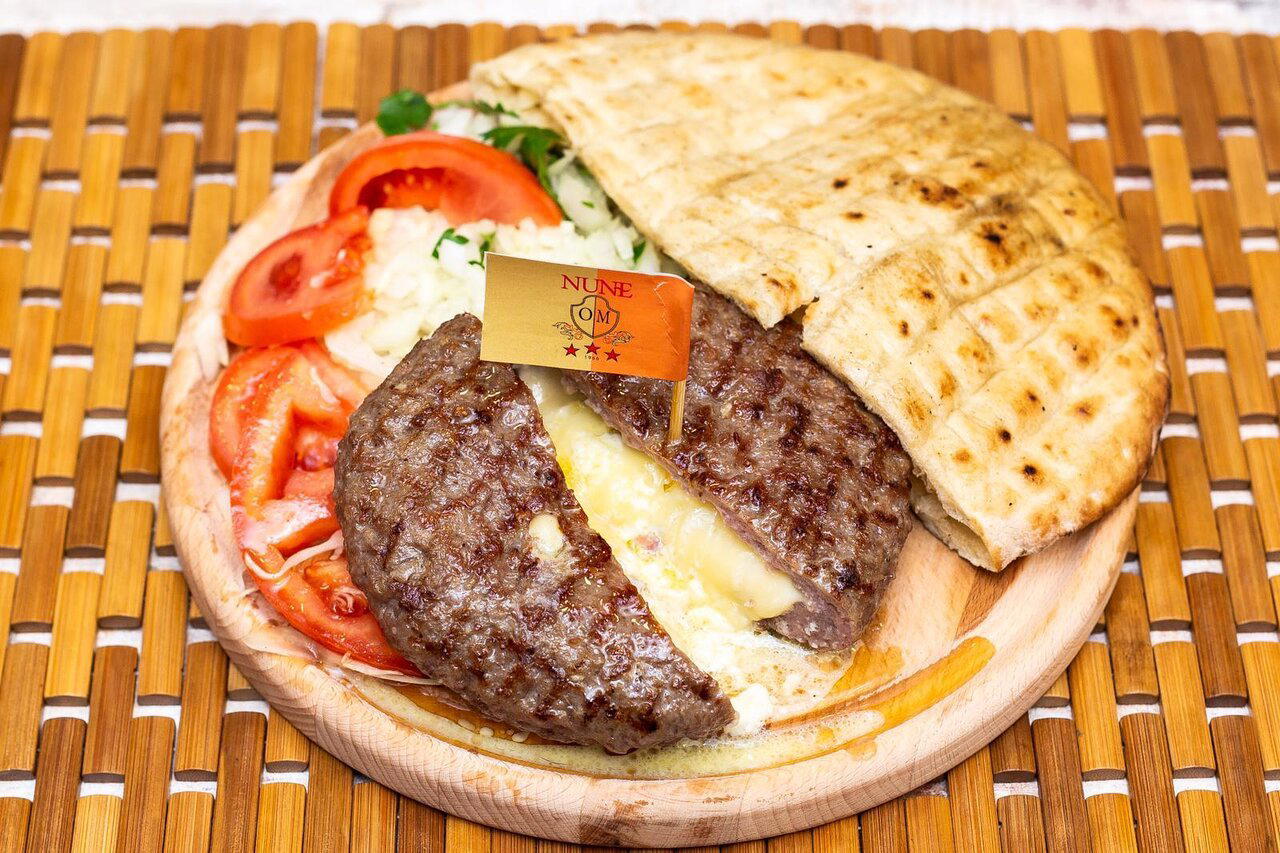
    In city centre, Čevabdžinica Nune is a family-owned restaurant serving traditional Bosnian ćevapi in a historic building. Its à la carte menu includes ćevapi in somun bread alongside sausages and burgers.

  • Cakum-Pakum

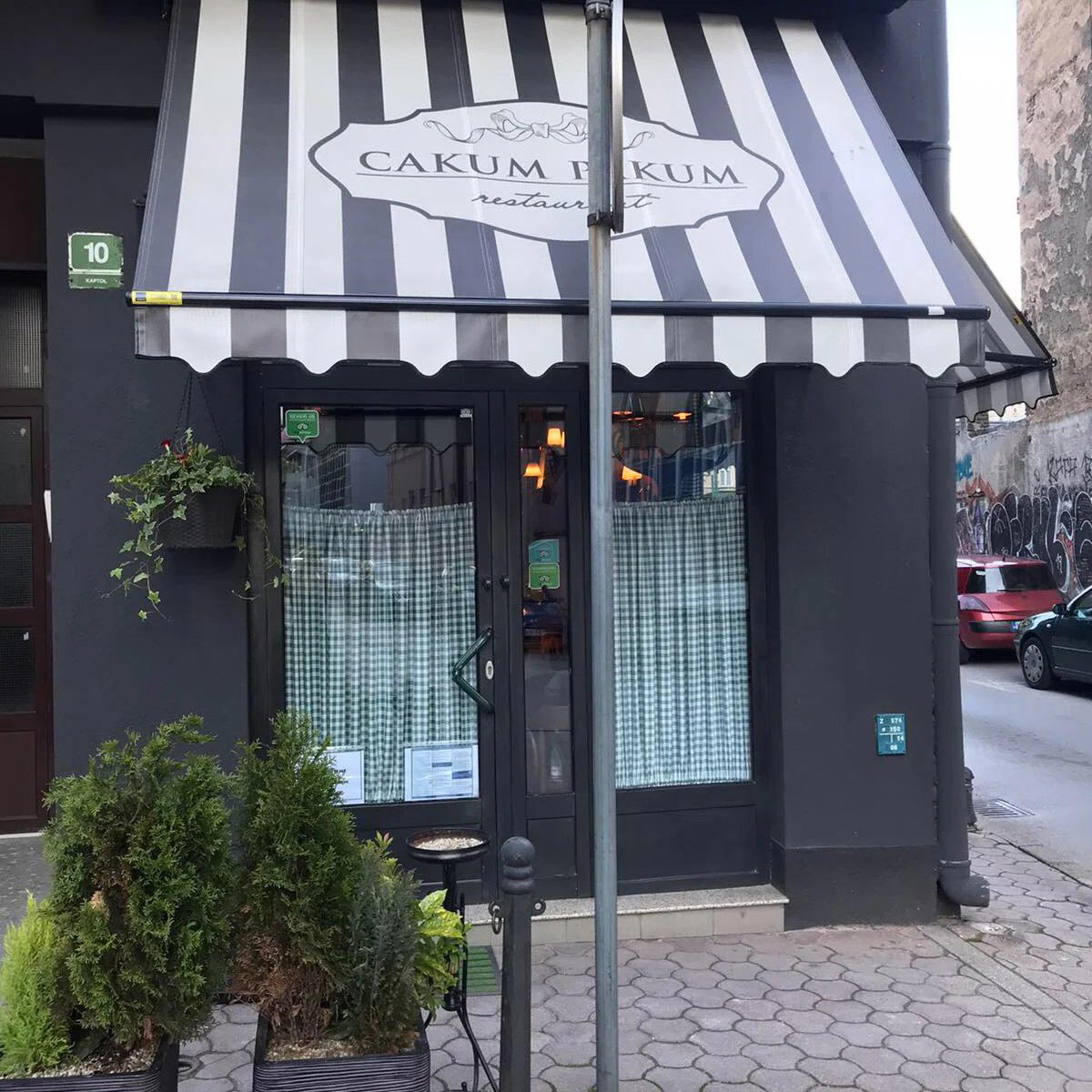
    In Old Town, Cakum-Pakum is a small, family-run trattoria serving Mediterranean and Italian cooking with a standard wine program. Its à la carte menu includes homemade crepes with both savoury and sweet fillings.

Mostar and the hillside dining circuit

Mostar’s dining in our guide runs between Old Town and Goranci. The hills lean toward konoba cooking, while the centre keeps traditional Bosnian food in view.

  • Šadrvan

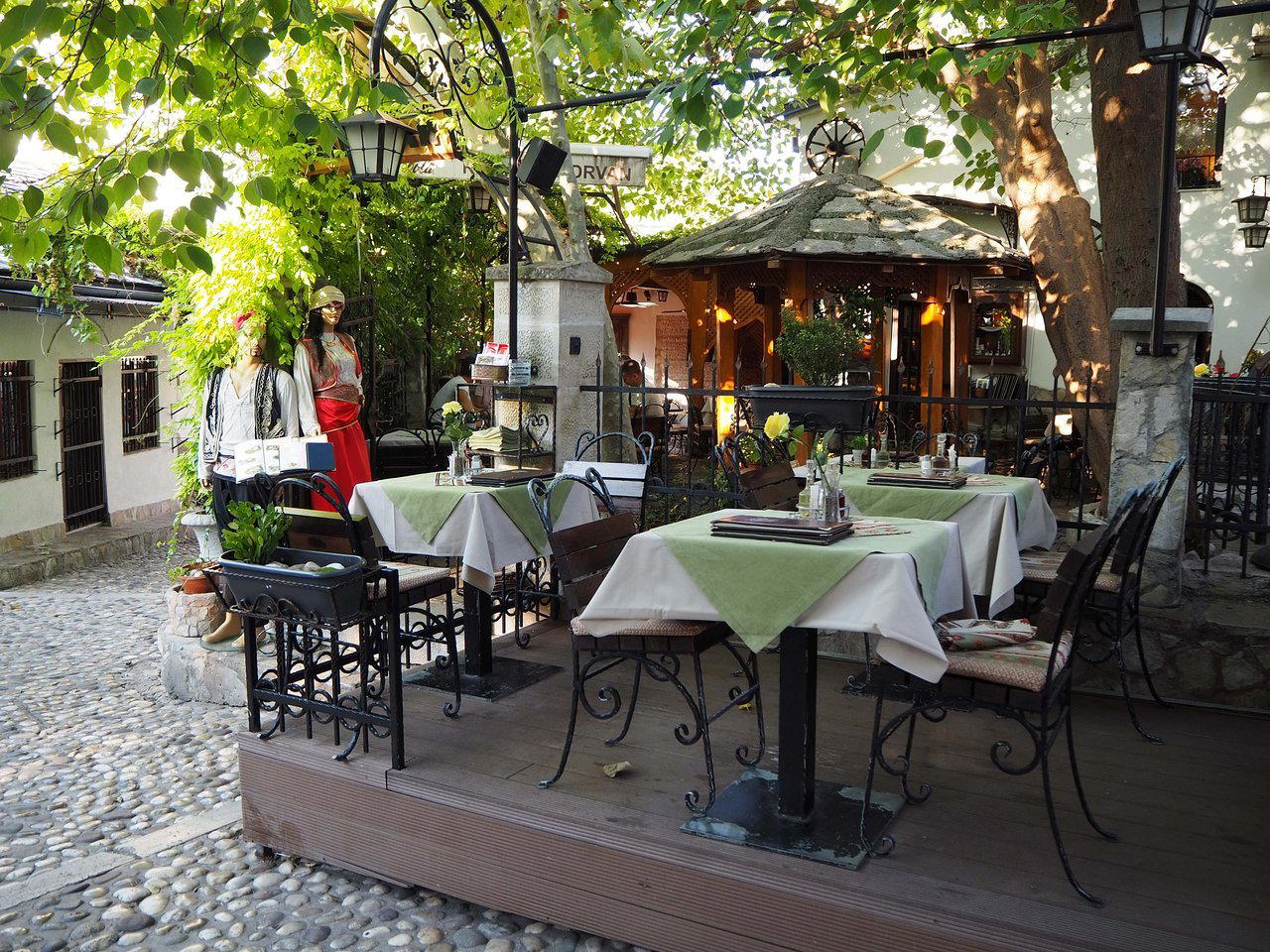
    In Old Town, Šadrvan serves traditional Bosnian food with a wine list in a garden setting. Local ingredients underpin grilled meats, stews and slow-cooked dishes, with ćevapi and baklava among its Bosnian specialities.

  • Restaurant Goranci

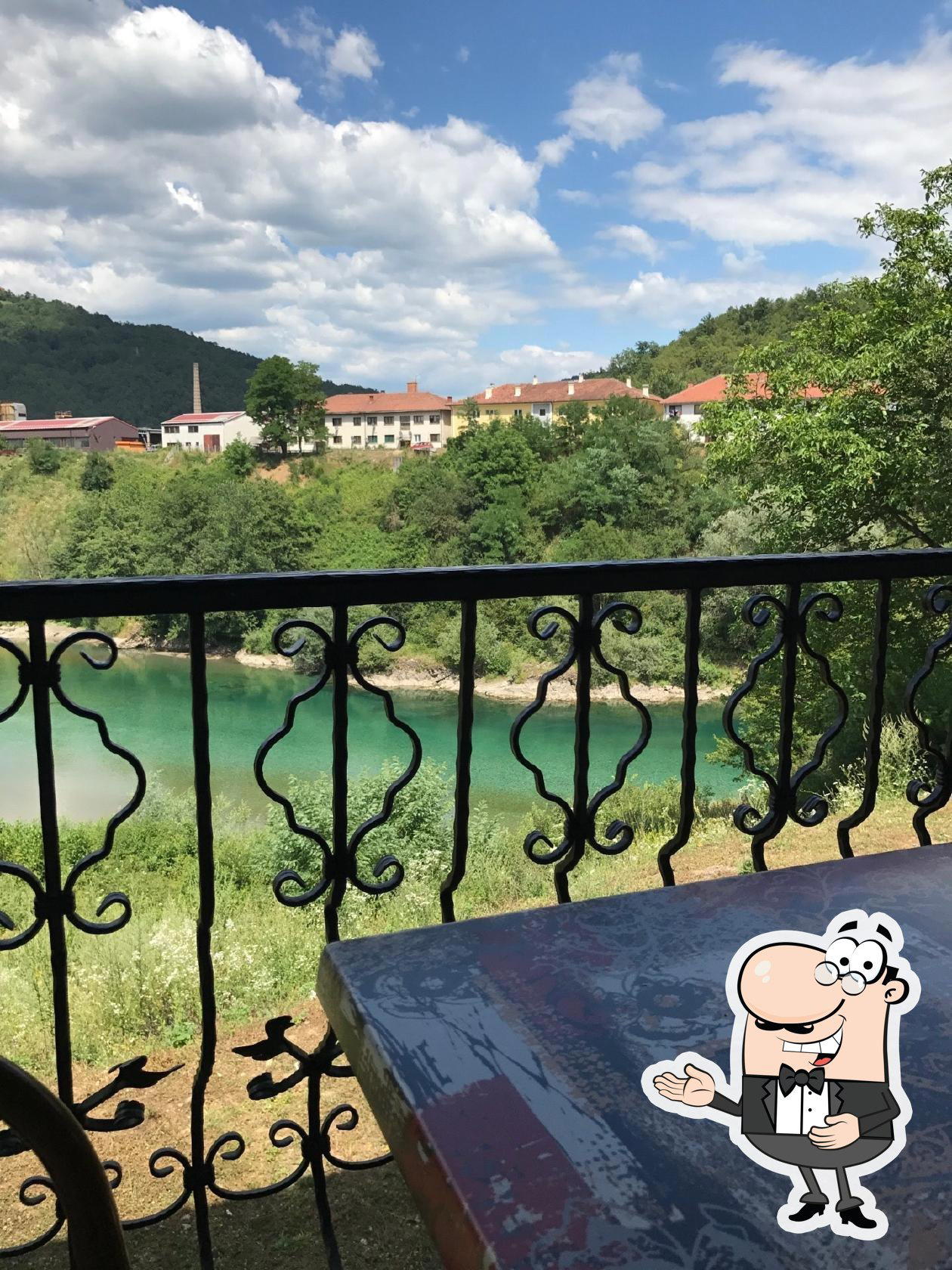
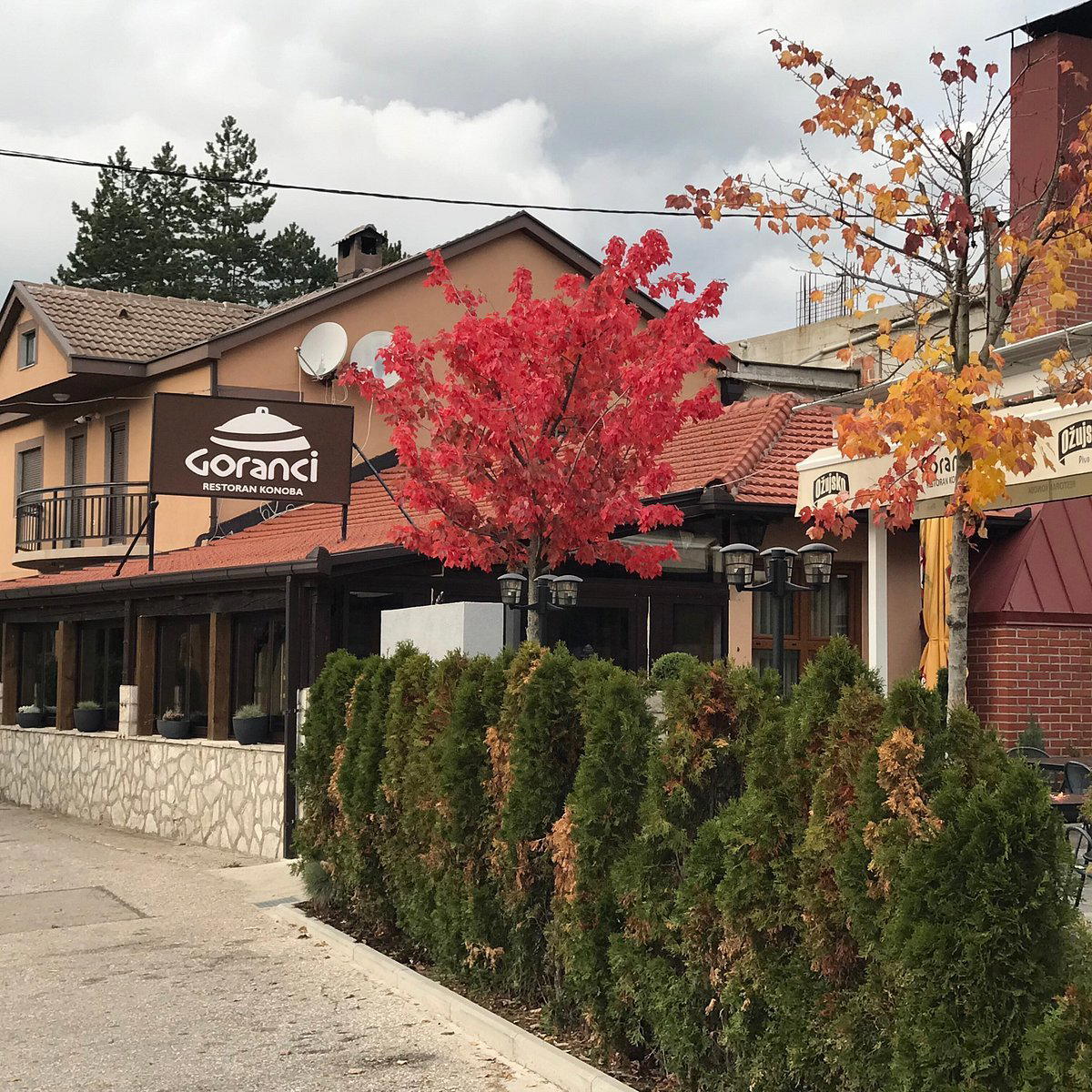
    In Goranci, Restaurant Goranci serves traditional Herzegovinian Mediterranean cooking in a rustic hillside konoba. Its à la carte and family-style formats accompany a standard wine program, with mountain views and an emphasis on local sourcing.

  • Restaurant Konoba Kod Marinka

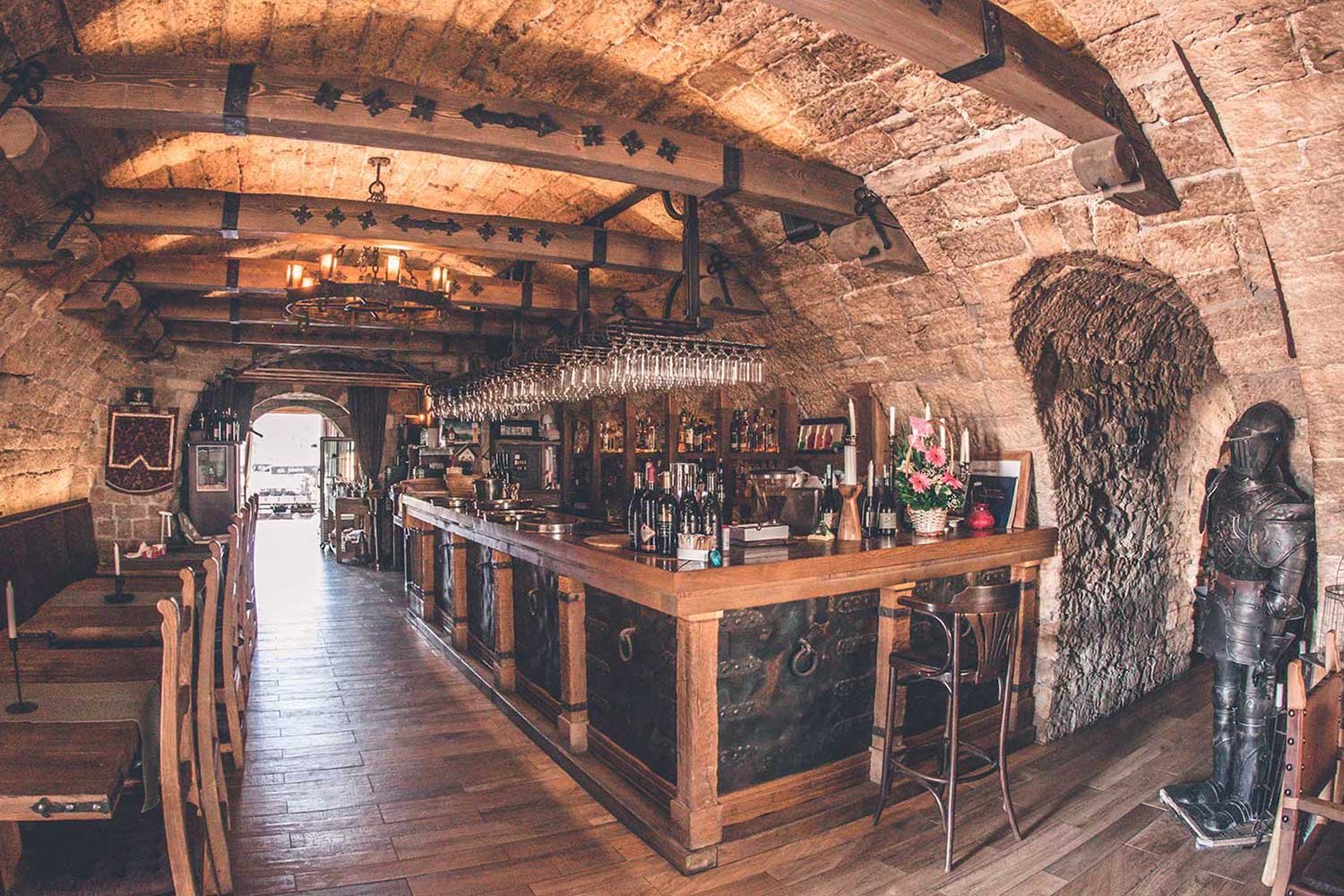
    In Goranci, Restaurant Konoba Kod Marinka is a small, rustic konoba with a wine list and domestic wine. The kitchen serves traditional Bosnian grill cooking, using locally sourced ingredients and an open fire.

Herzegovinian wineries and cellar visits

Herzegovina’s wineries combine indigenous grapes with cellar visits. Family estates and larger producers offer different settings for exploring Žilavka, Blatina and Trnjak.

  • Škegro Family Winery

    In Radišići, Škegro Family Winery combines terraced vineyards and organic farming at a small family estate. This Falstaff-listed producer works with Žilavka, Blatina and Trnjak, with low-intervention cellar work and skin-contact whites among its wine interests.

  • Podrum Tolj

    In Blatnica (Čitluk municipality), Podrum Tolj is a family winery on a rural farm, working with Žilavka, Blatina and Trnjak. It produces around 40,000 bottles annually and holds the Sunflower of Rural Tourism Silver Charter for wine tourism.

  • Podrumi Andrija

    In Paoča, Podrumi Andrija is a Falstaff-listed family winery specialising in Žilavka and Blatina. Guided tours and tastings connect a modern production cellar with an underground barrel room, an old cellar museum and traditional meals.

  • Čitluk winery

    In Čitluk, Čitluk winery is a Falstaff-listed producer with 400 hectares tied to Žilavka and Blatina. Its tasting-room and restaurant format explores regional grapes, while vineyard visits show vines growing in a stony landscape.

Herzegovinian wine styles and monastic cellars

Herzegovina’s producers include small family cellars and a working monastery. Their wines range from Plavac Mali and Vranac to sparkling Žilavka.

  • Wine cellar Begic

    In Prolog, Wine cellar Begic is a small-batch cellar with Falstaff Winery - Listed (2026). The range includes Žilavka, Plavac Rosé, and the regionally uncommon Plavac Mali, with tastings shaped by terrace views and local food pairings.

  • Monastery Tvrdos

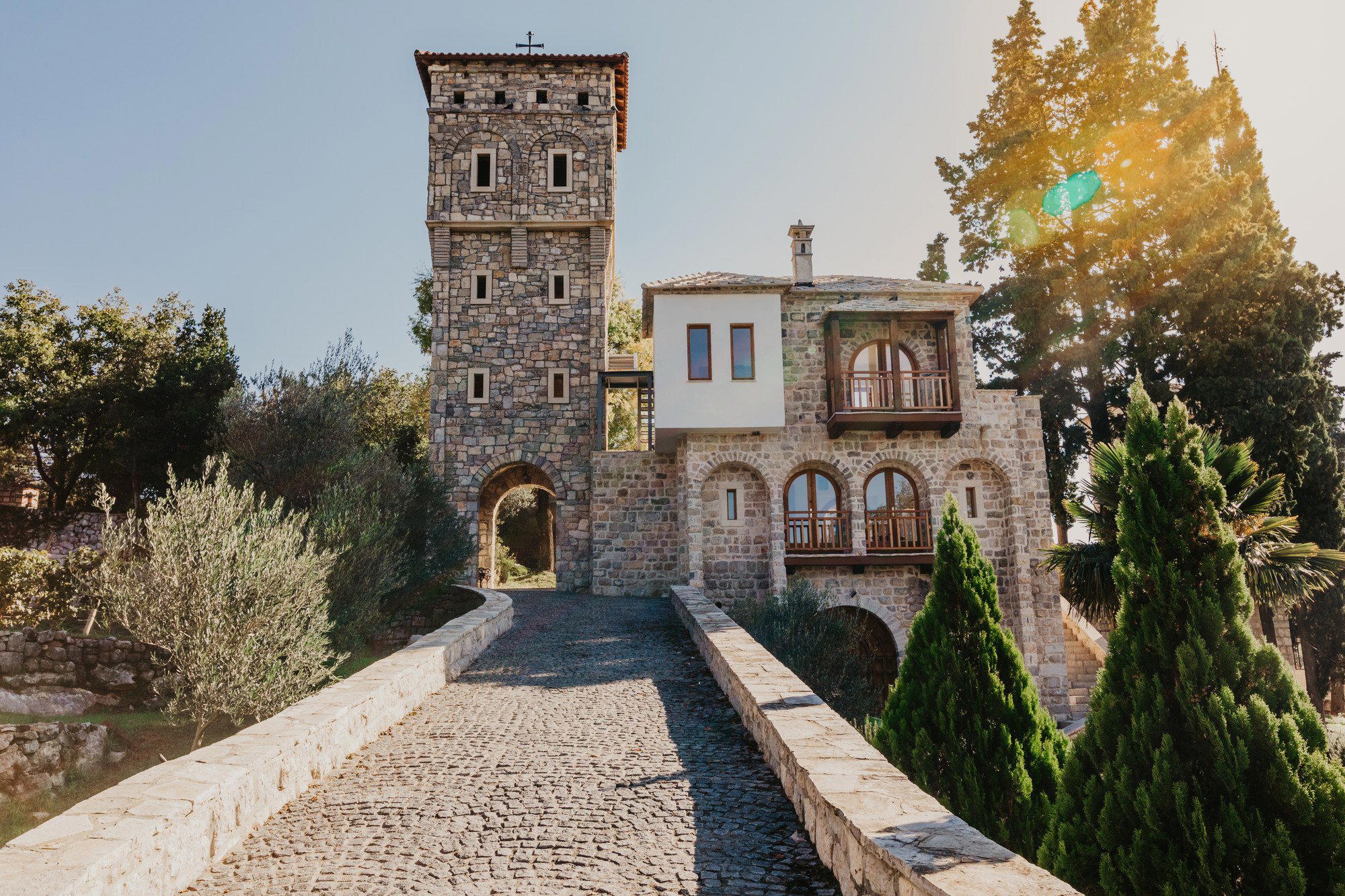
    Monastery Tvrdos is a Falstaff-listed Serbian Orthodox monastic winery near Trebinje (right bank of the Trebišnjica River). Its Vranac and Žilavka wines connect karst soils with stone cellars, old oak barrels and modern gravity-flow production.

  • Vinarija Domano

    In Domanovići, Vinarija Domano produces Bosnia and Herzegovina’s first and only sparkling Žilavka. This Falstaff-listed winery offers guided tastings, with a native-grape portfolio that also includes still wines from Žilavka and Blatina.

Planning FAQ

Which part of Bosnia and Herzegovina has the strongest wine scene in your guide?

Herzegovina has the main winery concentration in our guide, including groups in Citluk and Ljubuski. Family producers work with indigenous Žilavka and Blatina, and Falstaff-listed wineries offer cellar tours, guided tastings and traditional food pairings.

Which Sarajevo neighbourhoods have traditional specialists in our guide?

Baščaršija, Old Town and city centre have traditional Bosnian specialists in our guide. Buregdžinica ASDŽ serves pita in Baščaršija. Buregdžinica Bosna in Old Town serves burek with meat, cheese, spinach and potato fillings, paired with yogurt. Čevabdžinica Nune in city centre serves ćevapi in somun bread.

How many venues does our guide cover in Bosnia and Herzegovina?

Our guide covers 36 venues in Bosnia and Herzegovina across 21 cities. Sarajevo has 7 restaurants in our guide, including burek specialists, a Japanese sushi bar and a family-run trattoria serving homemade crepes.

Which cities are best for winery visits?

Citluk and Ljubuski each have 3 wineries in our guide. Citluk includes family estates with tours and tastings, while Ljubuski’s producers combine regional grape varieties with rocky-terrace vineyards, cellar hospitality and traditional food pairings.

By Emmett Haley · Updated October 8, 2026 · Editorial standards

Bosnia and Herzegovina

Where to eat in Bosnia and Herzegovina

Selected entries from the current guide for Bosnia and Herzegovina.

"Garden" Restaurant restaurant in Mokro

Mokro, Bosnia and Herzegovina

"Garden" Restaurant

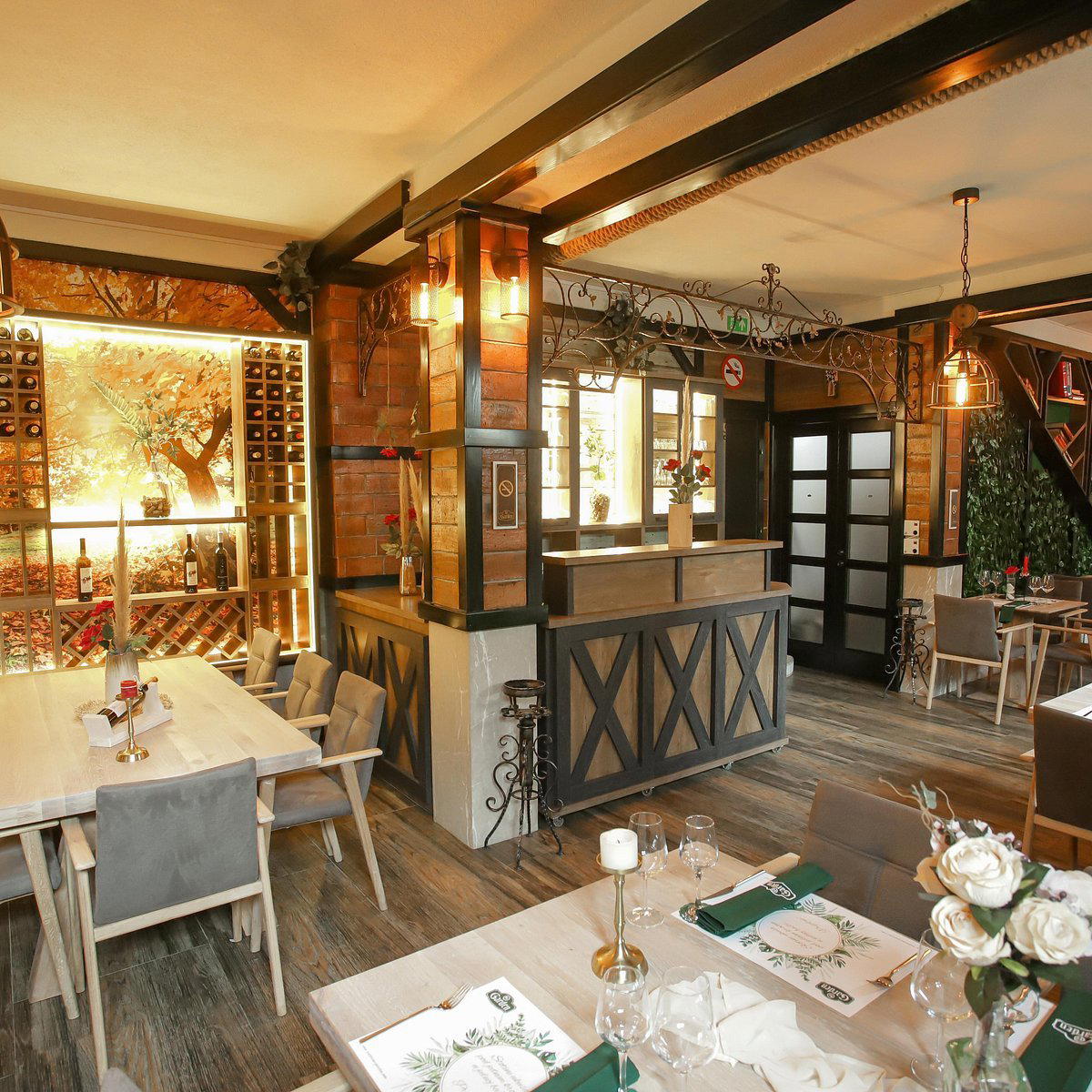
A countryside restaurant in Mokro, Bosnia and Herzegovina, "Garden" sits along the rural Rogoušići corridor where local sourcing traditions shape the character of dining in this part of the Sarajevo Canton hinterland. The setting, the name, and the address together suggest a kitchen oriented toward what the surrounding land produces, placing it within a broader regional pattern of farm-adjacent dining that defines much of rural Bosnian hospitality.
Mokro, Bosnia and Herzegovina
Bistro Stari Grad restaurant in Metkovic

Metkovic, Bosnia and Herzegovina

Bistro Stari Grad

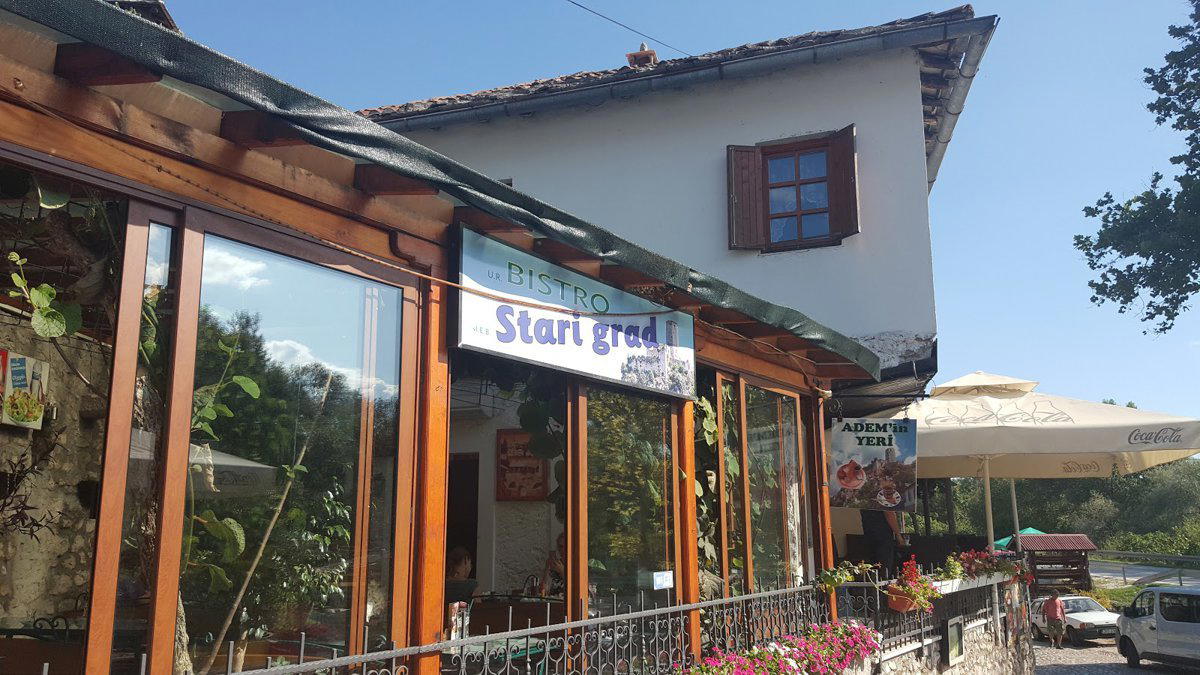
Bistro Stari Grad sits in Metkovic, a small Dalmatian hinterland town where the Neretva Delta shapes what ends up on local plates. The restaurant draws on the ingredient geography that defines southern Herzegovinian and coastal Dalmatian cooking, placing it within a dining tradition built on freshwater fish, grilled meats, and produce grown close to the river. It is a reference point for visitors tracing the food culture of this border territory.

Metkovic, Bosnia and Herzegovina
Buregdžinica ASDŽ restaurant in Sarajevo

Sarajevo, Bosnia and Herzegovina

Buregdžinica ASDŽ

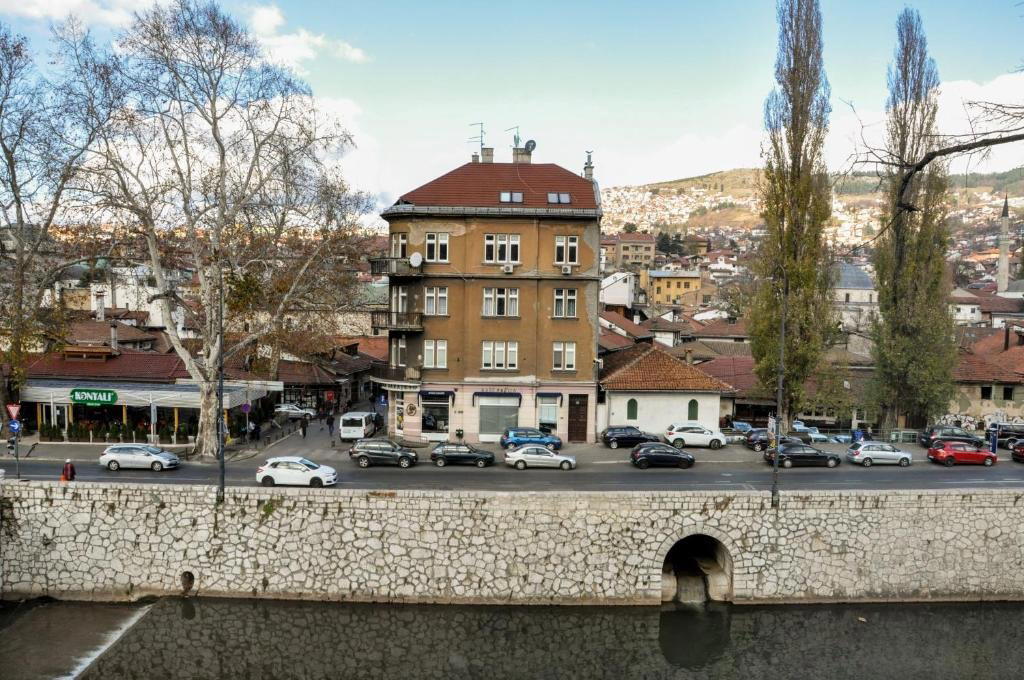
On Bravadžiluk in the heart of Baščaršija, Buregdžinica ASDŽ is one of Sarajevo's most referenced addresses for burek, the flaky, meat-filled pastry that sits at the centre of Bosnian daily food culture. The address places it inside the Old Bazaar's dense cluster of traditional specialists, where the format is fixed, the portions are generous, and the queue tells you everything you need to know about local trust.

Sarajevo, Bosnia and Herzegovina
Casa El Gitano restaurant in Sarajevo

Sarajevo, Bosnia and Herzegovina

Casa El Gitano

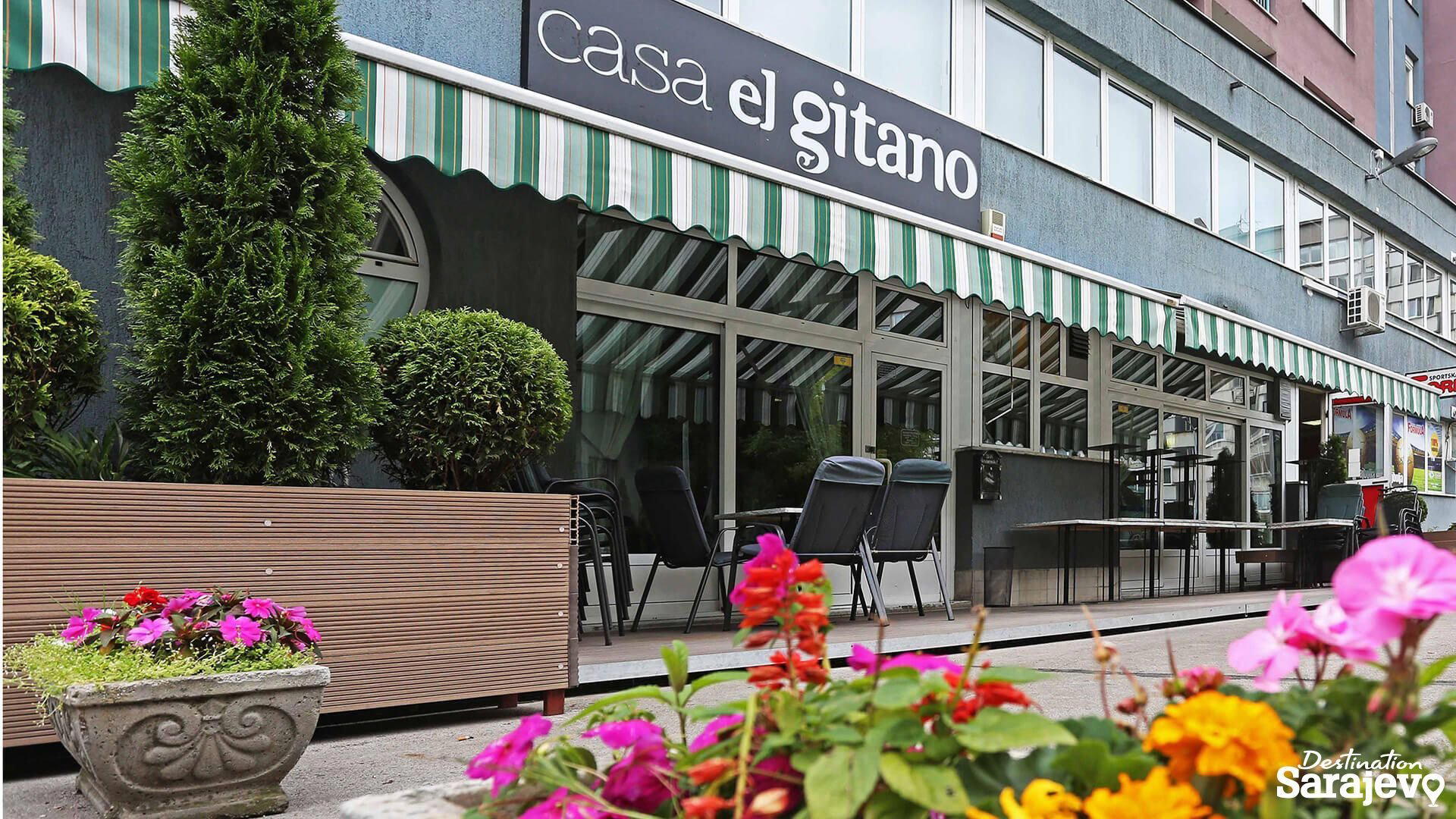
Casa El Gitano occupies a quiet stretch of Paromlinska in central Sarajevo, operating in a city where the line between neighbourhood canteen and serious kitchen is often thinner than the menu suggests. The address places it within reach of the older urban fabric that defines Sarajevo dining at its least performative. Coverage remains sparse, which makes it a venue that rewards those already oriented to the city rather than passing visitors relying on aggregator lists.

Sarajevo, Bosnia and Herzegovina
Konoba ROGIĆ restaurant in Trn

Trn, Bosnia and Herzegovina

Konoba ROGIĆ

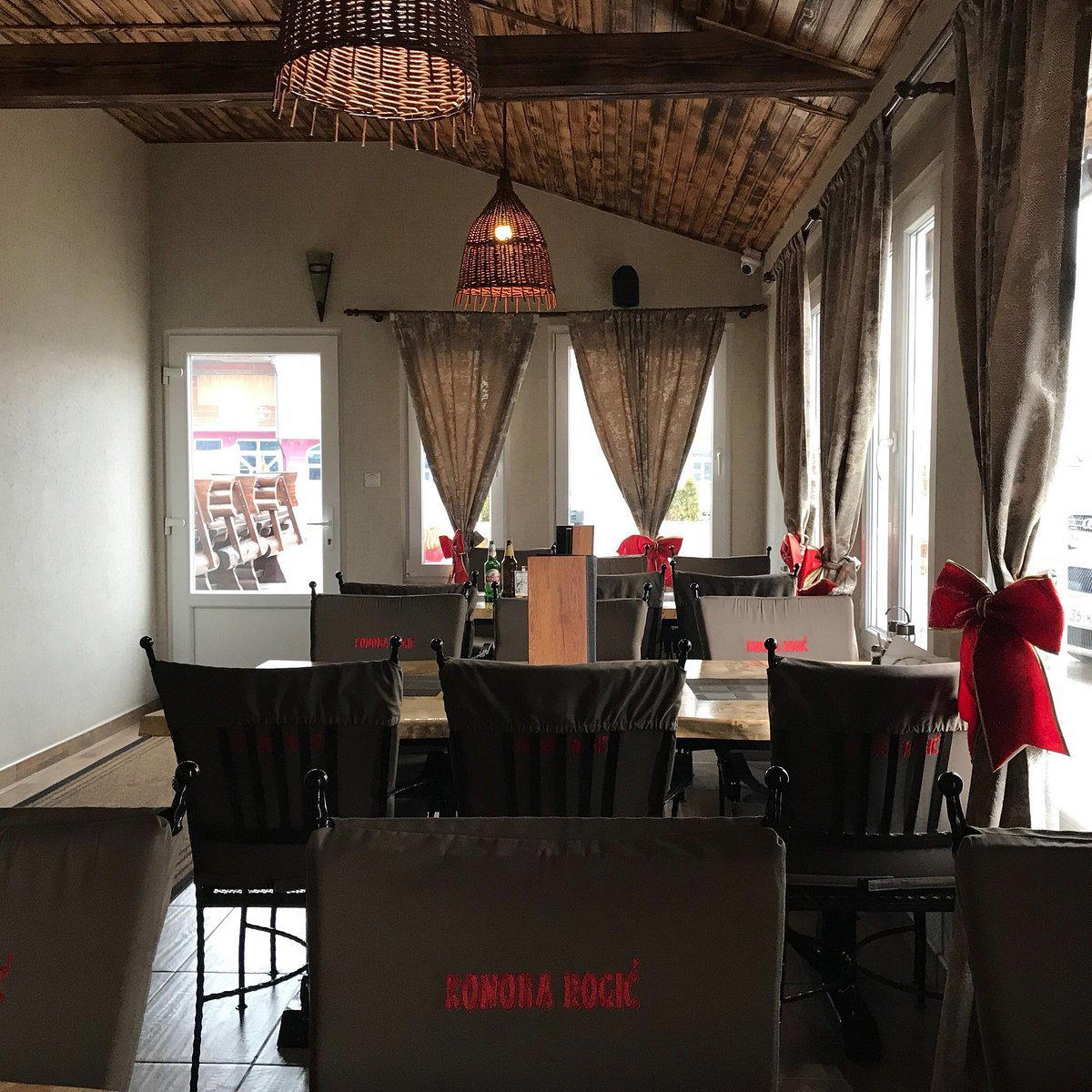
Konoba Rogić sits in Trn, a small settlement in Bosnia and Herzegovina where the konoba format, a traditional family-run tavern rooted in local produce, remains the dominant dining mode. The address on Cara Dušana places it within the agricultural hinterland west of Banja Luka, where sourcing from nearby land is a practical reality rather than a marketing position. For travellers passing through Republika Srpska, it represents the kind of direct, produce-first eating that the region does quietly and consistently well.

Trn, Bosnia and Herzegovina
Restaurant Konoba Kod Marinka restaurant in Mostar

Mostar, Bosnia and Herzegovina

Restaurant Konoba Kod Marinka

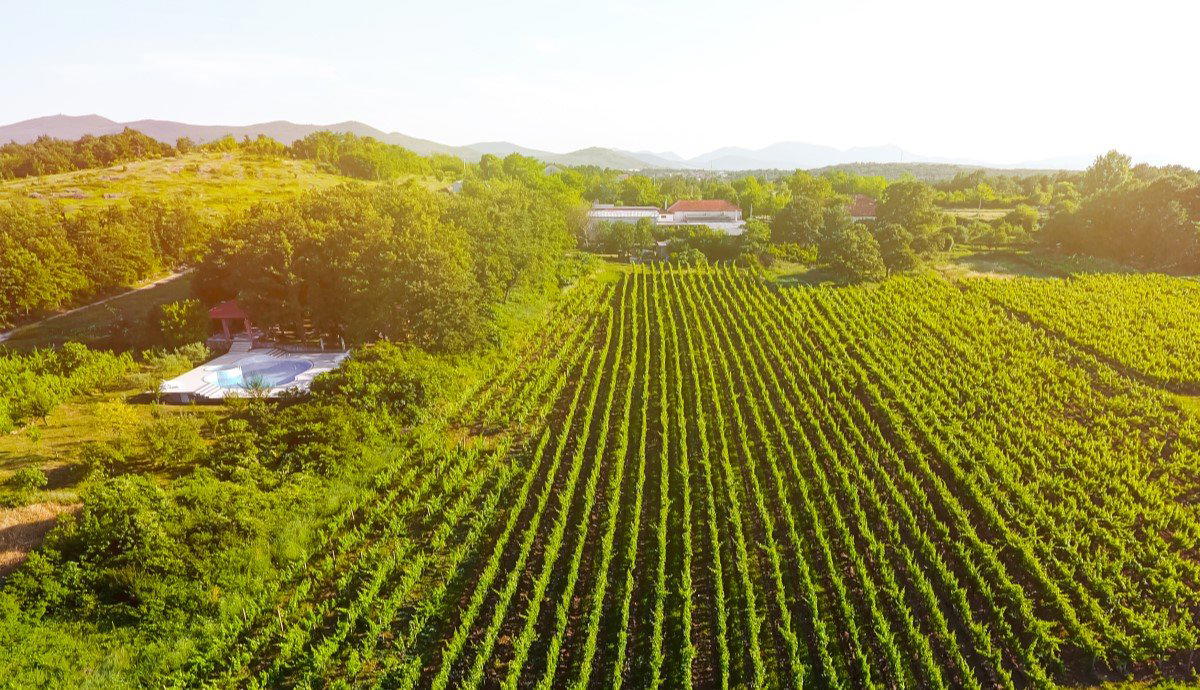
Konoba Kod Marinka sits in the village of Goranci on the outskirts of Mostar, operating in the konoba tradition that defines rural Herzegovinian hospitality. The format is direct: locally sourced ingredients, open-fire cooking, and a setting that rewards the short drive out of the old city. For visitors who have already covered the Stari Most circuit, this is where Mostar's domestic dining character surfaces.
Mostar, Bosnia and Herzegovina
Šadrvan restaurant in Mostar

Mostar, Bosnia and Herzegovina

Šadrvan

Šadrvan sits in Mostar's Stari Grad, a few steps from the Neretva on a street where Ottoman-era dining traditions have persisted for generations. The kitchen draws on the agricultural produce and livestock of the Herzegovinian hinterland, translating local ingredients into the grilled meat, stew, and slow-cooked formats that define the region's table. For visitors working through Mostar's Old Town, it represents the direct route into the city's culinary bedrock.

Mostar, Bosnia and Herzegovina
Zeks Doner restaurant in Konjic

Konjic, Bosnia and Herzegovina

Zeks Doner

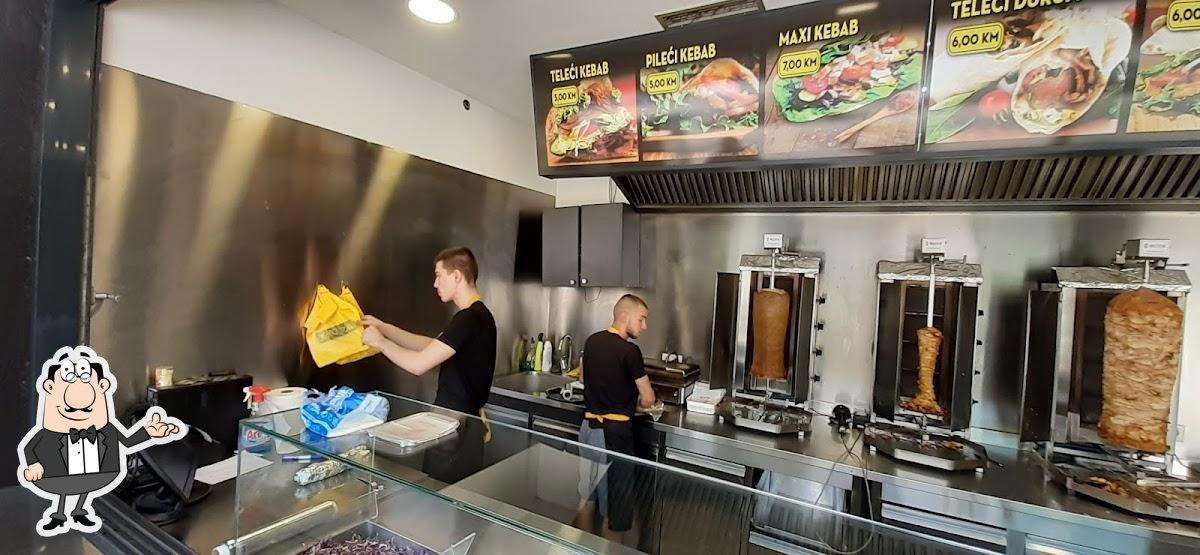
In a town where the Neretva River sets the pace and Ottoman-era street food culture still shapes what people eat, Zeks Doner on Kolonija 2 occupies the casual, fast end of Konjic's dining scene. The doner format here connects to a regional tradition rooted in slow-cooked meat and fresh bread that stretches across the western Balkans. For travellers passing through on the Neretva corridor, it represents the kind of honest, low-ceremony eating that Konjic does more reliably than most towns its size.

Konjic, Bosnia and Herzegovina

Bosnia and Herzegovina

Where to stay in Bosnia and Herzegovina

Selected entries from the current guide for Bosnia and Herzegovina.

Maroon hotel in Sarajevo

Sarajevo, Bosnia and Herzegovina

Maroon

In a city where Ottoman-era texture meets Austro-Hungarian geometry, Maroon occupies a particular position in Sarajevo's evolving dining scene. The name signals something deliberate about colour, warmth, and register, placing it at a remove from the capital's more casual čevapi counters and tourist-facing kafanas. For travellers working through our full Sarajevo restaurants guide, Maroon is worth understanding on its own terms.

Sarajevo, Bosnia and Herzegovina
Pension Jelena hotel in Višegrad

Višegrad, Bosnia and Herzegovina

Pension Jelena

A small pension in Višegrad, the Bosnian town defined by Ivo Andrić's Nobel Prize-winning novel and the Ottoman-era stone bridge spanning the Drina River. Pension Jelena occupies the quieter, personal-scale end of local accommodation, positioning it alongside the handful of family-run guesthouses that serve the town's literary and heritage tourism. For travellers moving through the western Balkans on a slower itinerary, it represents a practical and grounded base.

Višegrad, Bosnia and Herzegovina
Uno Apartman Jajce hotel in Jajce

Jajce, Bosnia and Herzegovina

Uno Apartman Jajce

Uno Apartman Jajce sits in one of Bosnia and Herzegovina's most historically layered towns, where a medieval fortress overlooks the Pliva waterfall and Ottoman-era streets meet Yugoslav modernist traces. For travellers seeking self-contained accommodation in Jajce rather than a conventional hotel format, the apartment offers a base that keeps the town's architecture and atmosphere within reach. Practical details are best confirmed directly with the property before booking.

Jajce, Bosnia and Herzegovina

Bosnia and Herzegovina

Where to go for a drink in Bosnia and Herzegovina

Selected entries from the current guide for Bosnia and Herzegovina.

No venues found.

Bosnia and Herzegovina

Which wineries to visit in Bosnia and Herzegovina

Selected entries from the current guide for Bosnia and Herzegovina.