İstanbul kebab
A Turkish kebab concept operating in the distinctly Indonesian context of North Lombok, İstanbul Kebab sits at an unusual intersection of Middle Eastern grill tradition and the island's emerging dining scene. North Lombok's food culture is dominated by Sasak staples and coastal seafood, making this one of the few addresses where charcoal-grilled meats follow a recognisably Anatolian logic. For visitors moving between Gili Islands transfers and the Rinjani foothills, it offers a reliable departure from the local default.
Pearl is the En Primeur Club membership app — saves, bookings, and concierge access live there. Same editors, same standards.
- Address
- Lombok Utara, Indonesia
- Directions
- Get directions
 Saves & bookings on Pearl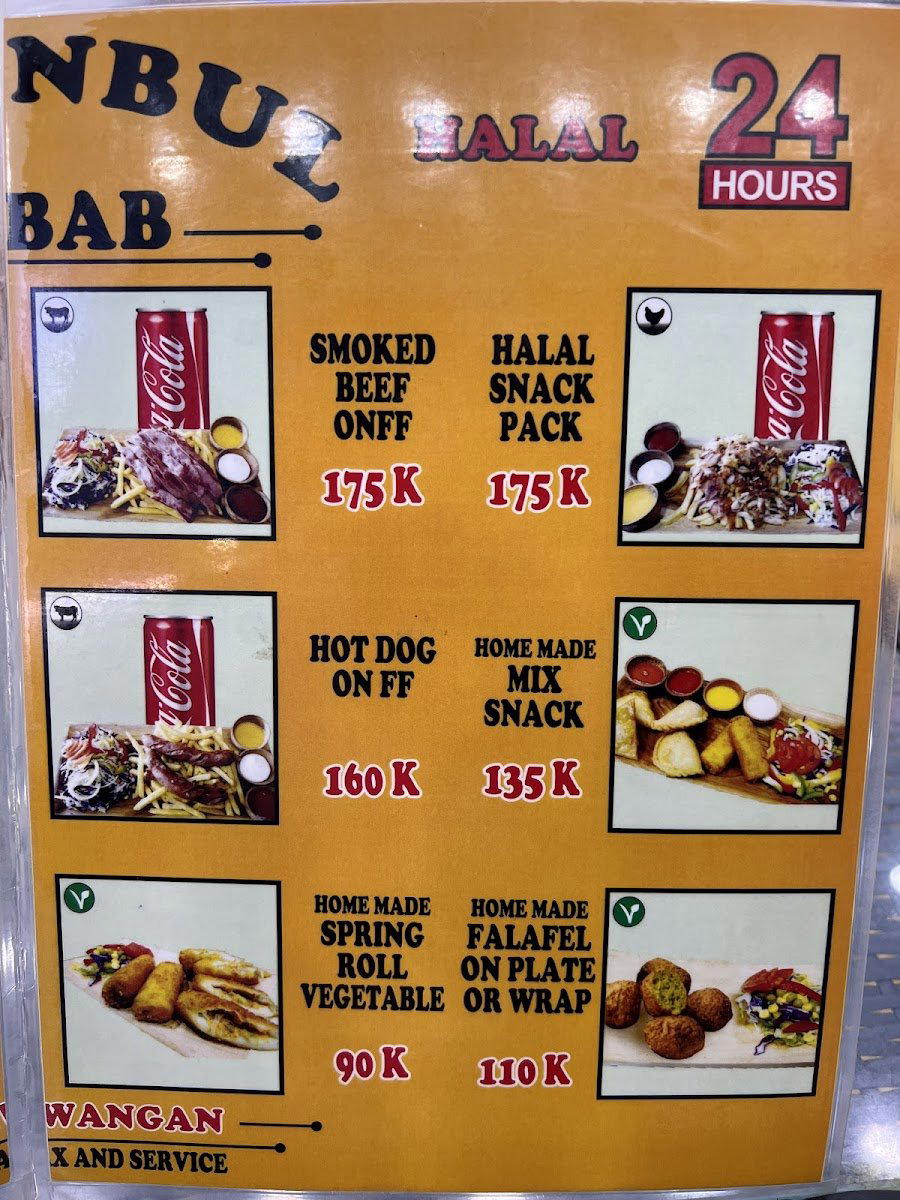
Where Anatolian Grill Tradition Meets North Lombok's Table
North Lombok's dining scene operates on a narrow register. The regency's food culture is built around Sasak staples, principally plecing kangkung, ayam taliwang, and the kind of grilled seafood that follows the catch rather than any fixed menu. Against that backdrop, a Turkish kebab concept is not a minor curiosity. It represents a category almost entirely absent from the island's culinary geography, and the cultural distance between an Anatolian mangal and a Sasak wood-fire signals something worth examining: how does a grill tradition that relies on specific cuts, specific spice logic, and a particular relationship with bread and fat translate when it lands in eastern Indonesia?
That question of sourcing and translation sits at the centre of what makes any kebab operation outside its home territory either coherent or merely decorative. The Anatolian kebab tradition is, at its root, an exercise in ingredient discipline. Adana requires high-fat lamb mince, worked by hand around flat skewers. Döner depends on layered, slowly rendered meat. Shish relies on marinades built from dried chilies, yoghurt, and charcoal contact time. Each format begins with the raw material. When those raw materials are unavailable or substituted, the result shifts into something adjacent rather than authentic, and the shift is often visible before the first bite.
The Sourcing Logic Behind Turkish Grill Outside Turkey
Indonesia's meat supply chain is geographically and culturally specific. Lombok, as a predominantly Muslim island, has strong halal infrastructure, which aligns with the requirements of a Turkish grill format more naturally than it would in, say, Bali's largely imported beef environment. Locally raised goat and free-range chicken circulate through Lombok's markets at volumes that support small restaurant operations. The halal alignment is not incidental. It means that a kebab concept in Lombok Utara can theoretically access the kinds of cuts and slaughter practices that underpin the tradition, even if the breed profiles differ from Anatolian sources.
What Lombok's supply chain cannot easily provide is the specific fat content and muscle structure of Turkish sheep breeds, or the dried red pepper pastes integral to Gaziantep-style preparations. This is where the editorial question sharpens: a kebab restaurant operating in North Lombok is, by definition, working within constraint. The interest lies in how those constraints are acknowledged or resolved, not in whether the result matches an Istanbul original. Across Southeast Asia, particularly coherent Middle Eastern concepts tend to be those that fix their sourcing first and build the menu outward from what local supply can genuinely support, rather than attempting a full recreation of a distant tradition on unavailable ingredients.
For a broader view of how Indonesian restaurants approach the sourcing question from the opposite direction, drawing on local produce to build globally informed menus, Locavore NXT in Ubud and August in Jakarta represent the clearest current examples of that model in the country.
North Lombok's Position in Indonesia's Dining Geography
Lombok Utara sits at a particular moment in its development as a travel destination. The Gili Islands, administratively part of the regency, draw a consistent international visitor flow, and that traffic has begun to shape the food supply and ambition of restaurants further inland and along the northern coast. The post-pandemic recovery of the Gili corridor has brought a modest but real expansion in non-Indonesian dining options, as operators respond to visitor demand for familiar formats alongside local food.
This mirrors a pattern visible across Indonesia's secondary tourism corridors. In Manado, Japanese concepts like Kimukatsu Manado Town Square have taken root in a food culture defined by rica-rica and cakalang fufu. In Tangerang, Hwang Fu Dimsum operates within a Chinese-Indonesian culinary tradition that has been locally embedded for generations. The Turkish kebab format in Lombok Utara belongs to a different tier of this pattern, one where the concept is newer, the local precedent thinner, and the sourcing adaptation more visible.
For visitors eating their way through the region, Pituq Waroeng offers a particularly grounded entry point into North Lombok's Sasak culinary tradition. Our full Lombok Utara restaurants guide maps the regency's food options across formats and price points.
At-a-Glance Comparison
Comparable venues nearby, for context on price, style, and recognition.
| Venue | Cuisine | Price | Notes |
|---|---|---|---|
| İstanbul kebabThis venue — the venue you are viewing | Turkish Kebab | $ | Not listed |
| Pituq Waroeng | Organic Vegan Indonesian | $ | Gili Trawangan, Pemenang |
| MM Juice | Juice Bar | $ | Bandara Soekarno-Hatta |
| Hotway's Chicken Lombok Ampenan Seruni | Fried Chicken & Rice | $ | Ampenan |
| IKEA Restaurant Alam Sutera | Swedish Cafeteria | $ | Alam Sutera |
| Holy Barbeque Cirebon | Barbecue | $ | Cirebon City |
Continue exploring
More in Lombok Utara
Restaurants in Lombok Utara
Browse all →
Bars in Lombok Utara
Browse all →
At a Glance
- Lively
- Casual
- Casual Hangout
- Late Night
- Solo
Lively and welcoming atmosphere with a casual, laid-back island vibe typical of Gili Trawangan's dining scene.