Čevabdžinica Nune
Čevabdžinica Nune serves Traditional Bosnian Ćevapi in a historic building on Ferhadija in Sarajevo, with ćevapi, sausages, and burgers for lunch or dinner.
Pearl is the En Primeur Club membership app — saves, bookings, and concierge access live there. Same editors, same standards.
- Address
- Ferhadija 12, Sarajevo 71000, Bosnia & Herzegovina
- Phone
- +387 33 212-946
- Website
- nune.ba
- Directions
- Get directions
 Saves & bookings on Pearl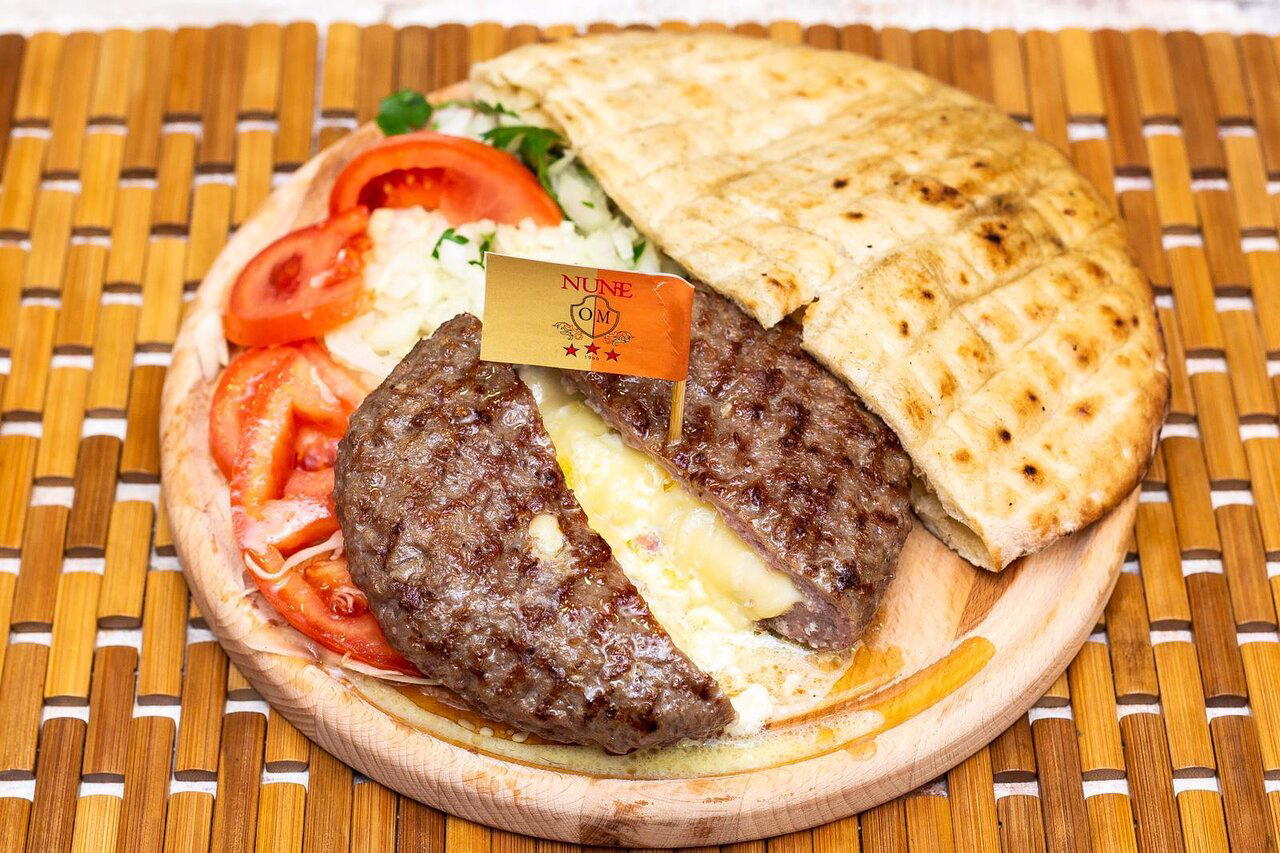
Ferhadija's Smoke and Heat: Sarajevo's Grilled Meat Tradition at Street Level
Step onto Ferhadija, Sarajevo's long pedestrian spine that connects the Ottoman-era bazaar district to the Austro-Hungarian grid, and the smell reaches you before the sign does. Wood smoke and rendered fat drift from the small storefronts that have served this street since the Yugoslav era. Čevabdžinica Nune, at number 12, sits in that current: a compact grill counter on among the more-walked streets in the city.
The čevabdžinica format is worth understanding before you arrive. These are not restaurants in the continental European sense. There is no amuse-bouche, no progression, no extended wine list. A čevabdžinica is a specialist grill house, built entirely around one task: the production of ćevapi, the hand-rolled skinless sausages of minced beef and lamb that define Bosnian fast eating. The category has its own hierarchy in Sarajevo, and Ferhadija concentrates several of these counters within a few hundred metres.
What the Environment Communicates
At street-level grill counters of this type, the sensory experience is front-loaded. The grill is in view. The charcoal heat is felt at the threshold. The bread, traditionally somun, the round Bosnian flatbread with a slightly dense crumb, arrives warm from a separate bakery supply or an on-site oven. These physical signals operate as quality indicators before any food has been ordered: the temperature of the room, the timing of the bread, the colour of the coals, and whether the kitchen is producing ćevapi to order or resting pre-made portions. In the mid-range and above of the čevabdžinica tier, production runs continuously and turnover is high enough that you are rarely eating something that has sat. Ferhadija's foot traffic volume supports that cadence.
The address also places this counter in direct conversation with the Baščaršija end of town, where tourist density and local lunch demand run simultaneously from late morning through the early afternoon. Between noon and 2pm on weekdays, and across a longer arc on weekends, the foot traffic along Ferhadija creates conditions where grill counters serve at full pace. That volume is meaningful context: a counter at this address is operating under genuine pressure, not in a quiet neighbourhood setting where pace can be manufactured.
How Čevabdžinica Nune Sits in Sarajevo's Grill Hierarchy
Sarajevo's ćevapi counters are more differentiated than they appear from outside. There is a documented prestige tier, anchored by counters in Baščaršija with decades of local reputation, and a mid-tier of Ferhadija and near-centre locations where quality is consistent but the audience is more mixed between locals and visitors. Nune operates in that Ferhadija band, competing on proximity, pace, and the basic execution of a format with few places to hide. A ćevapi counter cannot compensate for poor meat blending with presentation. The product has two variables: the sausage itself and the bread. Both are legible immediately.
For context on how Sarajevo's specialist eating fits into a wider scene, These two formats, ćevapi and burek, together constitute the pillars of Sarajevo's working-food culture. For visitors moving between them in a single afternoon, Ferhadija is a logical corridor.
The broader Bosnia and Herzegovina scene extends well beyond Sarajevo's centre. Restaurant Goranci in Mostar represents the southern end of the country's grill and traditional cooking tradition, while Kazamat in Banja Luka and Nešković in Foca situate the meat-forward tradition within their respective cities' eating cultures.
Seasonal and Time-of-Day Considerations
Summer along Ferhadija runs longer and hotter than the interior of Bosnia, and the pedestrian street fills with a different crowd from June through August: more international tourists, more extended family groups, more evening foot traffic. For a grill counter, this creates longer service windows and, in some cases, outdoor seating extending onto the pedestrian zone. Spring and autumn bring the more local lunch dynamic, with office workers and shoppers filling the midday hour. Winter contracts the street but does not close it; the warmth of a grill counter is a functional asset in Sarajevo's cold months, and locals continue to use these spots year-round. If you are visiting in December or January, the warm interior and the smoke from active grills produce an environment that operates quite differently from the summer street-eating mode.
Planning Your Visit
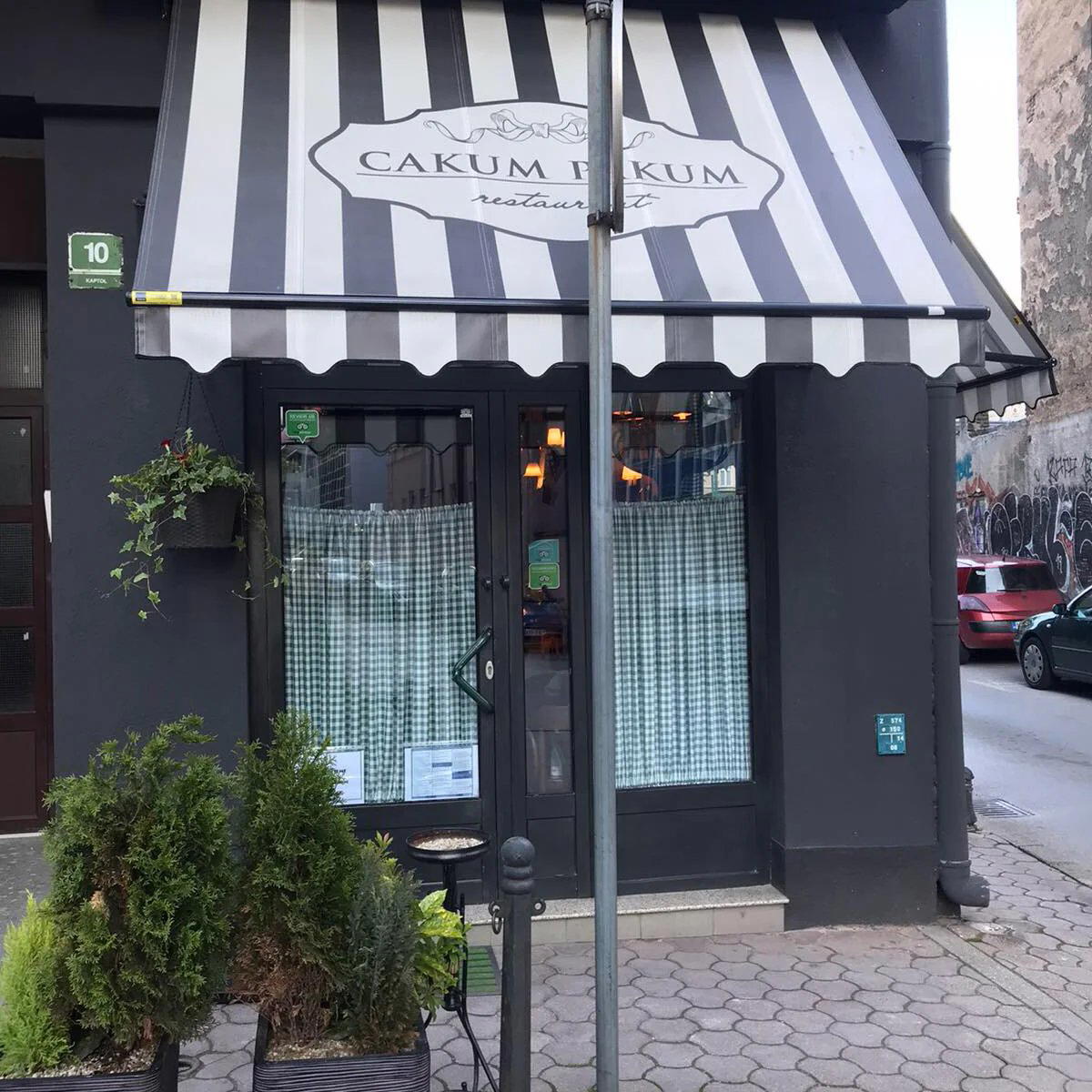
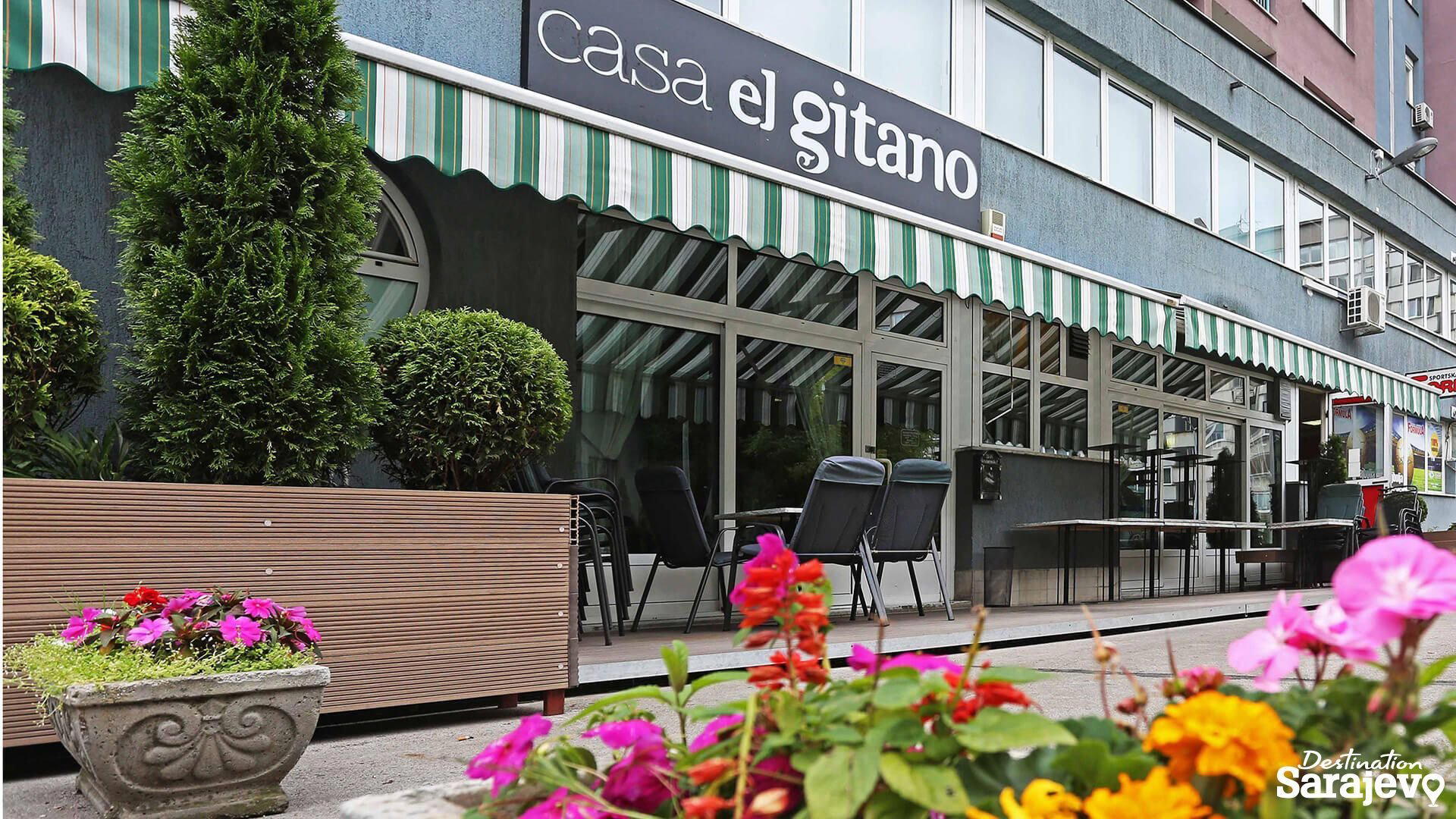
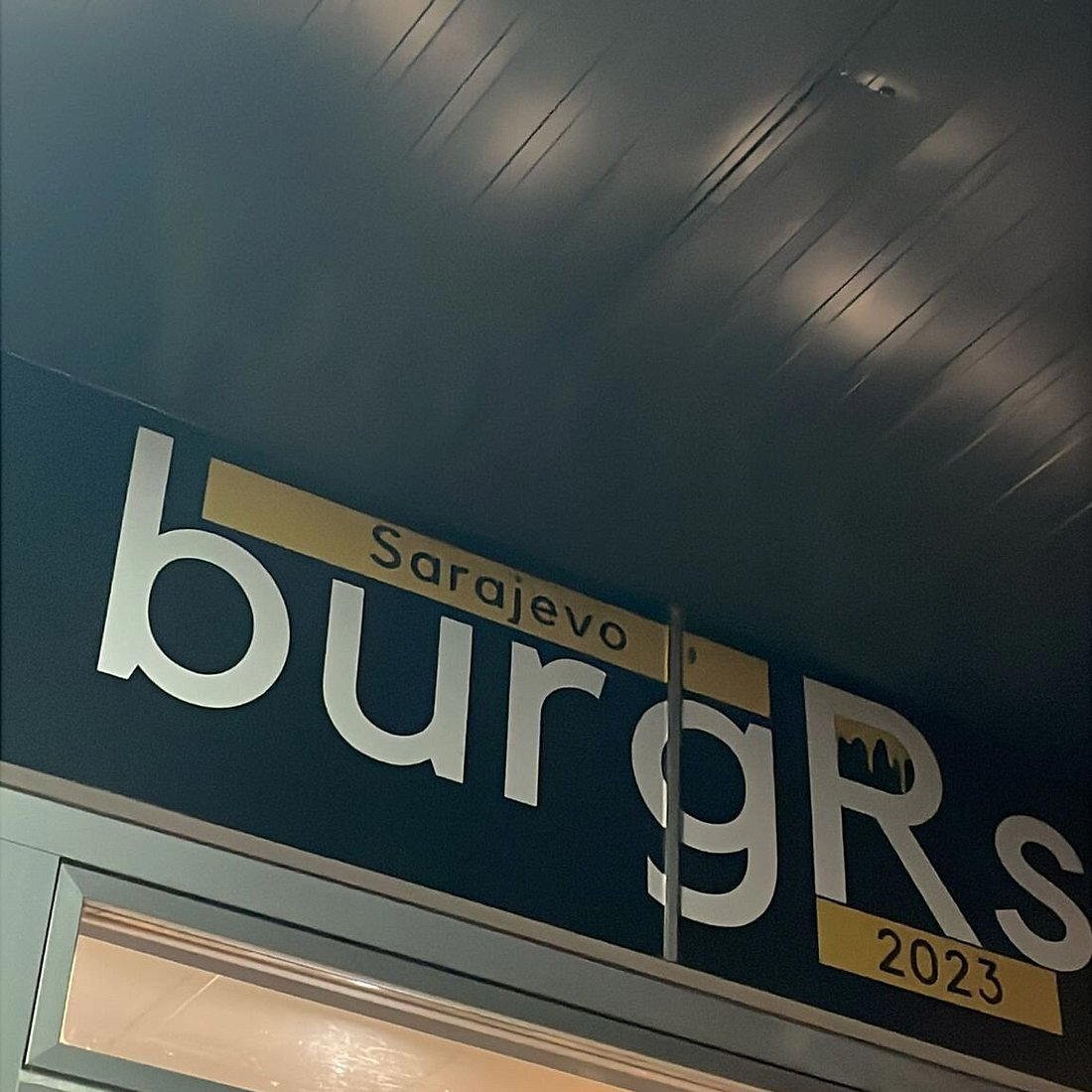
Ferhadija 12 is on the main pedestrian axis of Sarajevo's city centre, walkable from Baščaršija in under ten minutes and from Trg Bosne i Hercegovine in a similar distance in the opposite direction. For visitors staying in the old town or the Ferhadija corridor, this is an easy stop within a day's circuit. Čevabdžinica Nune is walk-in friendly. Payment norms at this tier are cash-preferred, though practices vary. Arriving at 11:30am or after 2pm avoids the peak pressure of the lunch hour if a slower pace is preferred, though volume at this address means service is typically brisk regardless. Other Sarajevo options in adjacent formats worth noting include Cakum-Pakum, burgrs Sarajevo, and Casa El Gitano for those who want to map the city's range from traditional to contemporary.
For reference beyond Sarajevo's borders, Zeks Doner in Konjic and Grill Kostro in Posusje show how the grilled meat tradition extends through smaller Bosnian towns, each with its own local variation on the core format. Caffe Restaurant Soho in Istocno Sarajevo and Konoba ROGIĆ in Trn sit further afield but within the broader Sarajevo region. Coffee Zone in Tuzla and “Garden” Restaurant in Mokro represent the northern and periurban spread of Bosnia's eating culture. Arigato in Sarajevo demonstrates the city's increasing range beyond its traditional food identity.
Same-City Peers
Comparable venues nearby, for context on price, style, and recognition.
| Venue | Cuisine | Price | Notes |
|---|---|---|---|
| Čevabdžinica NuneThis venue — the venue you are viewing | Traditional Bosnian Ćevapi | $ | Not listed |
| Buregdžinica ASDŽ | Traditional Bosnian Pita & Specialties | $ | Baščaršija |
| Buregdžinica Bosna | Bosnian Burek Specialist | $ | Old Town |
| burgrs Sarajevo | American Smash Burgers | $ | Dobrinje |
| Casa El Gitano | Mediterranean with Italian, Spanish & Bosnian influences | $$ | central Sarajevo |
| Arigato | Japanese Sushi Bar | $$ | Čobanija |
Continue exploring
More in Sarajevo
At a Glance
- Classic
- Rustic
- Well Known
- Casual Hangout
- Historic Building
Current opening hours
- Monday
- 8:30 AM–9:30 PM
- Tuesday
- 8 AM–8:45 PM
- Wednesday
- 8 AM–9:30 PM
- Thursday
- 8 AM–9:30 PM
- Friday
- 8:30 AM–9:30 PM
- Saturday
- 8:30 AM–9:30 PM
- Sunday
- Closed
Hours can change for holidays and private events. Last verified .
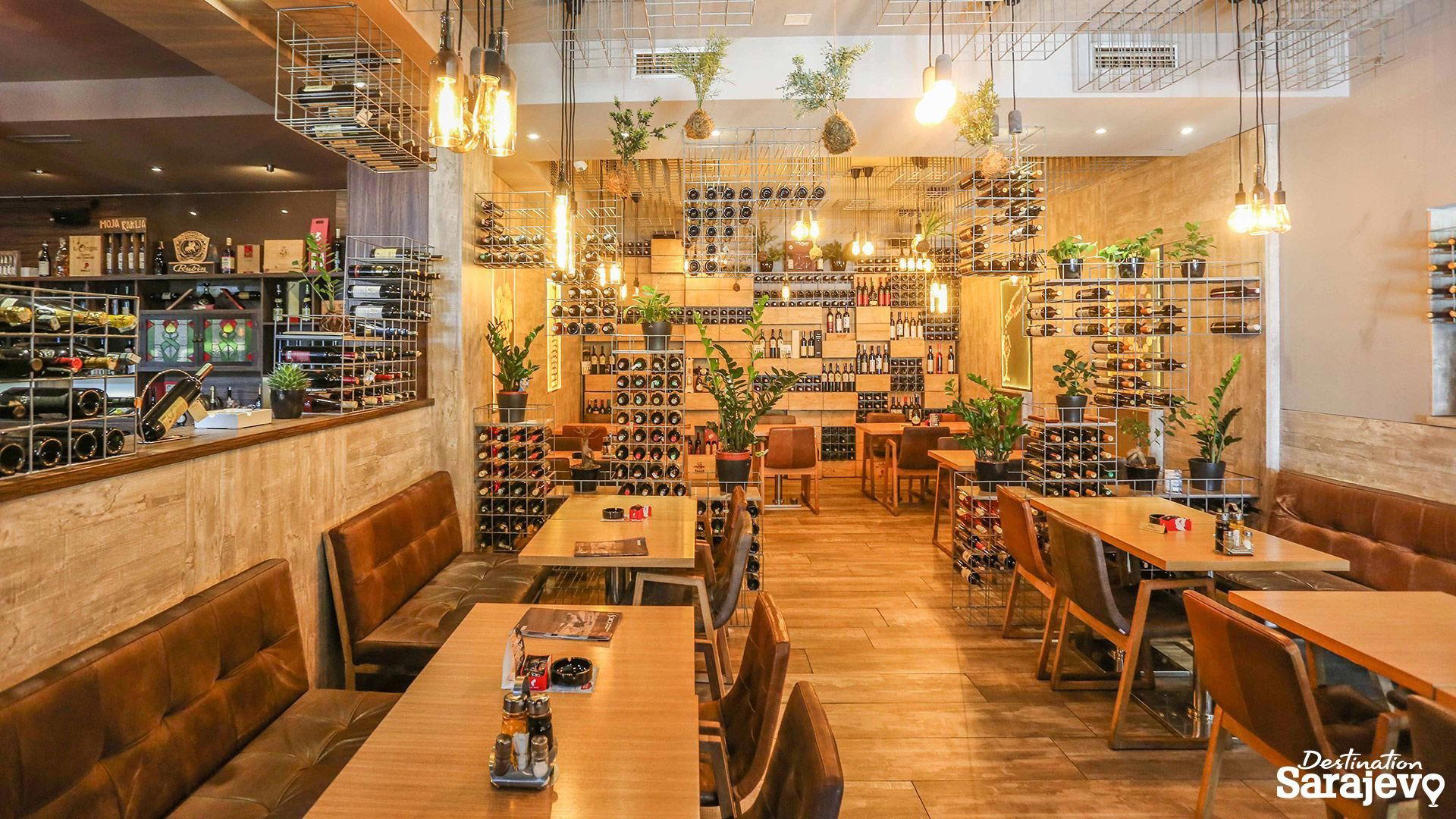
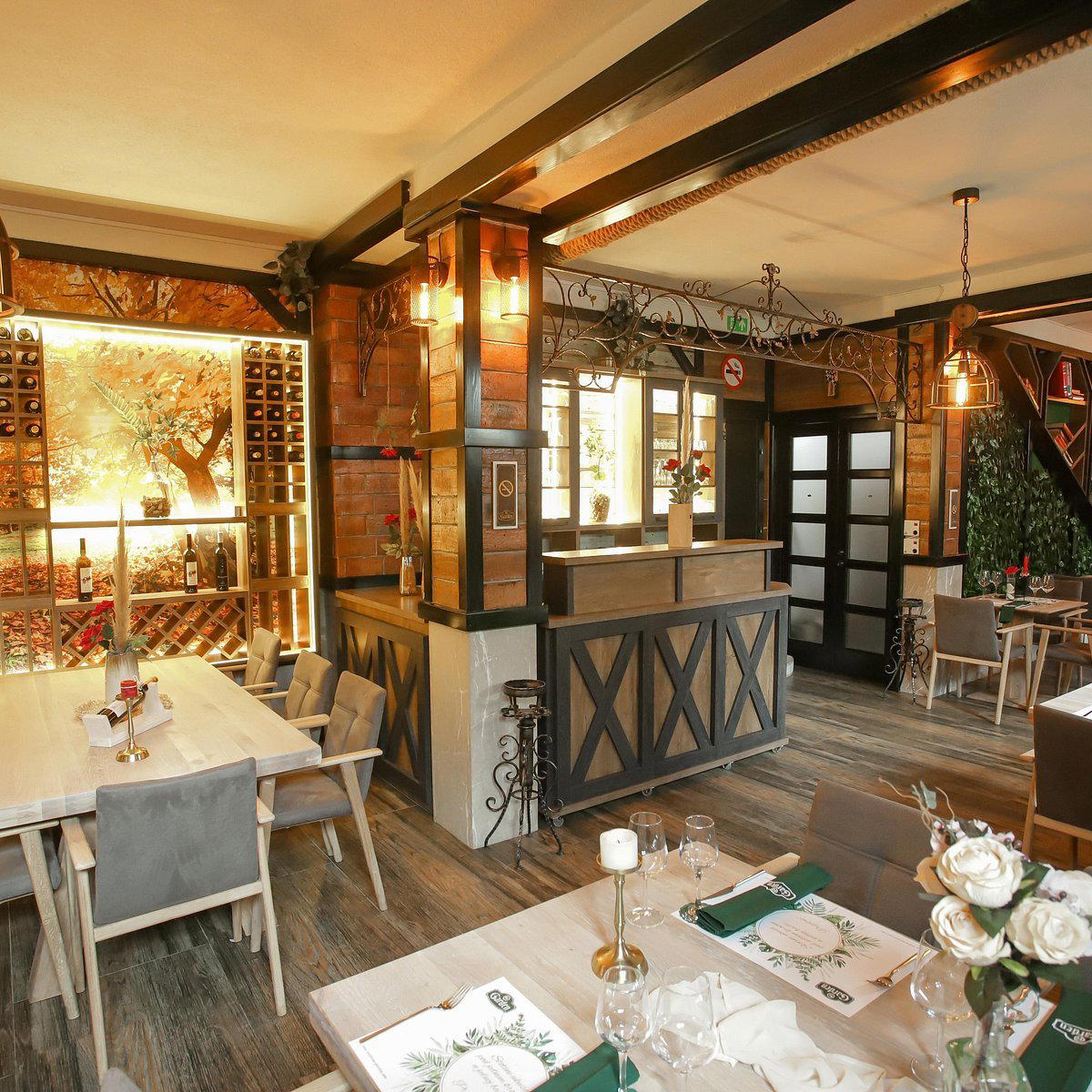
Casual, bustling atmosphere in a small city-center spot with focus on grilled specialties and welcoming service.