Štorija sits on Split's Riva promenade at Obala Hrvatskog narodnog preporoda 15, where the city's working waterfront meets its dining scene. The address places it squarely in the tier of promenade restaurants that trade on location as much as on plate, a dynamic that defines how locals and visitors alike read the room before they have sat down.
Pearl is the En Primeur Club membership app — saves, bookings, and concierge access live there. Same editors, same standards.
- Address
- Obala Hrvatskog narodnog preporoda 15, 21000, Split, Croatia
- Phone
- +385993000303
- Website
- storijasplit.com
- Directions
- Get directions
 Saves & bookings on Pearl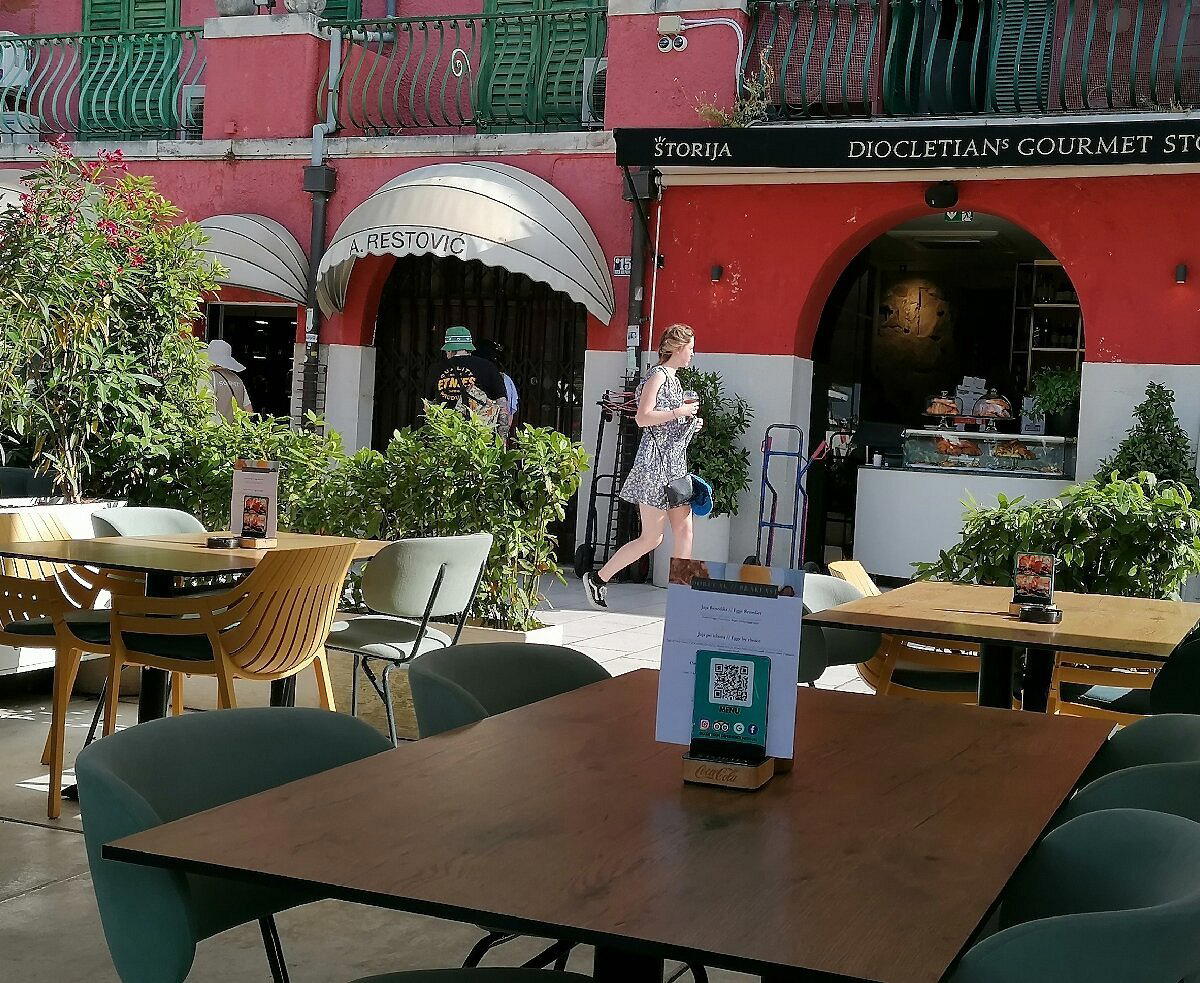
The Riva Table: Reading Split's Promenade Dining Code
Split's Riva is among the more architecturally concentrated waterfronts in the Adriatic. The limestone promenade runs directly against the southern wall of Diocletian's Palace, a UNESCO World Heritage site, which means that every restaurant operating along it carries a context that has nothing to do with the kitchen. The backdrop does most of the first impression. What separates the better addresses from the merely well-positioned ones is whether the kitchen earns its own argument once the view has done its work.
Štorija is a modern Dalmatian fine dining restaurant in Split at Obala Hrvatskog narodnog preporoda 15. The address is the central stretch of the Riva, where foot traffic is at its densest and the competition for outdoor tables during the summer months is sharpest. For a diner arriving with some knowledge of how promenade restaurants operate across the Croatian coast, the first question is always the same: does the room behave like a tourist trap that bought a good postcode, or does it function as a serious address that happens to have a waterfront terrace?
How the Meal Moves Here
Croatian dining along the Dalmatian coast follows a rhythm that owes something to Italian influence and something to Ottoman-era Levantine hospitality: the meal is not rushed, courses are paced with deliberate gaps, and the expectation is that a table is held for the duration of the evening rather than turned. This is not incidental to the experience on the Riva. It is a social contract that the better promenade restaurants in Split maintain because their regulars demand it, and because the promenade itself functions as an extension of the dining ritual. Guests watch the foot traffic, the boats returning to the harbour, the light changing on the palace wall.
Split's dining culture also carries a specific local ritual around aperitivo and digestivo. The meal typically opens with a local spirit, often a travarica or other herb-based grappa, and closes with the same. At the middle tier of Dalmatian dining, where addresses like Bokamorra and Bajamonti POP have built their formats around a more international bar-led identity, this local pacing sometimes gives way to faster service cadences. Štorija's Riva position suggests a longer, more settled format.
The broader competitive set on and near the Riva includes Adriatic, which leans into seafood-forward Mediterranean cooking, and Bistro Noir, which operates as a more European bistro proposition. Krug (Mediterranean Cuisine) sits at the €€€ tier and provides a useful benchmark for what a more refined Mediterranean offer looks like in this city.
The Croatian Fine Dining Context
Croatia's restaurant scene has undergone a meaningful shift over the past decade. Michelin entered the market in 2020, awarding stars for the first time and confirming what food-focused visitors had been observing: that certain Croatian kitchens were operating at a level of technical ambition comparable to their counterparts in established European markets. Pelegrini in Sibenik and Restaurant 360 in Dubrovnik were among the early Michelin-recognised addresses. On the islands and in smaller coastal towns, properties like Agli Amici Rovinj in Rovinj, Boskinac in Novalja, and LD Restaurant in Korčula have built reputations that attract visitors specifically for the food rather than as a by-product of the setting.
Split itself has been a slower mover in this conversation. The city's size, its year-round population of working residents, and the dominance of summer tourism have kept its dining scene more heterogeneous than Dubrovnik's or Rovinj's more polished, tourism-oriented offers. That heterogeneity is an asset for the visitor who wants to eat as the city actually eats rather than as it performs for foreign guests. Addresses like Nebo by Deni Srdoč in Rijeka and Alfred Keller in Mali Losinj show what regional Croatian kitchens can do when they commit to a specific point of view.
Inland Croatian fine dining, represented by addresses like Dubravkin Put in Zagreb and Korak in Jastrebarsko, operates without the seafront premium and compensates with a tighter focus on produce sourcing and tasting menu discipline. That inland model provides a useful counter-reference for assessing what coastal restaurants are and are not prioritising.
What the Promenade Address Demands
At any waterfront restaurant operating in the peak summer months, from June through August, demand compresses dramatically. Tables on the outer terrace of a Riva address are among the more sought-after seats in Split during this window, and the practical intelligence for the visitor is to plan well ahead. Shoulder season, specifically May and September, offers the promenade at its most functional: comfortable temperatures, thinner crowds, and kitchens that are typically better-rested and more consistent than at the height of July.
For the dining ritual specifically, shoulder-season visits also allow for the longer pacing that Dalmatian dining at its leading rewards. A two-to-three hour meal on the Riva in September, when the evening light on the palace wall turns amber and the foot traffic thins after nine, is a different proposition from the same meal in the tourist crush of August. The physical environment amplifies or compresses the ritual depending on when you arrive.
Visitors building a wider Croatian itinerary around serious eating should also consider BioMania Bistro Bol in Bol on the nearby island of Brač, which takes a different approach to Dalmatian ingredients. For context on what technically ambitious restaurants at an international reference point look like, Le Bernardin in New York City and Atomix in New York City represent the kind of single-minded kitchen commitment that some Croatian chefs are now benchmarking against.
Planning a Visit
Štorija is located at Obala Hrvatskog narodnog preporoda 15, on the central section of Split's Riva promenade, directly accessible from the old town. Reservations are recommended. Walk-in availability during July and August is limited, and securing a terrace table during peak season requires advance planning. Visiting outside the summer window, from late April through May or in September and October, gives the better combination of reasonable access and full kitchen performance.
Cost and Credentials
Comparable venues nearby, for context on price, style, and recognition.
| Venue | Cuisine | Price | Notes |
|---|---|---|---|
| ŠtorijaThis venue — the venue you are viewing | Old Town, Modern Dalmatian Fine Dining | $$$ | Not listed |
| TRITON | Split, Modern Dalmatian Mediterranean | $$$ | Not listed |
| Bajamonti POP | Trg Republike, Dalmatian Coastal | $$$ | Not listed |
| Konoba Matejuska | Varoš, Authentic Dalmatian Seafood | $$ | Not listed |
| Pimpinella | Firule, Croatian Mediterranean Seafood | $$ | Not listed |
| Konoba Laganini | Not listed | $$$ | Diocletian's Palace, Modern Dalmatian Seafood |
Continue exploring
More in Split
Restaurants in Split
Browse all →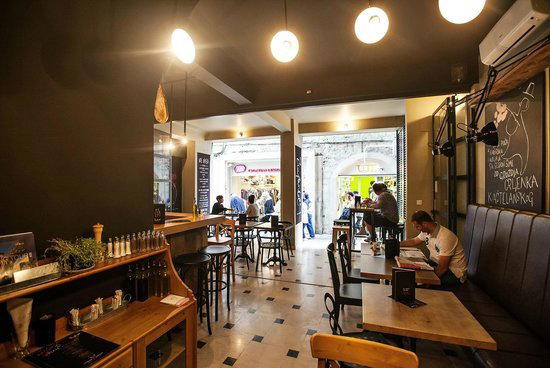
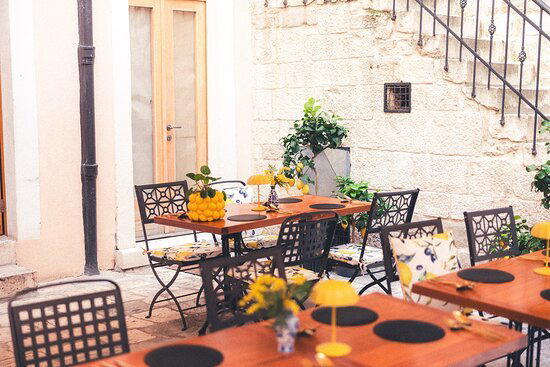
Bars in Split
Browse all →
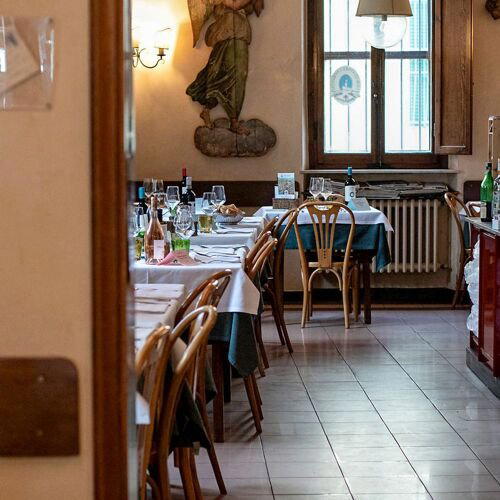
Hotels in Split
Browse all →

At a Glance
- Elegant
- Sophisticated
- Date Night
- Special Occasion
- Waterfront
- Extensive Wine List
- Waterfront
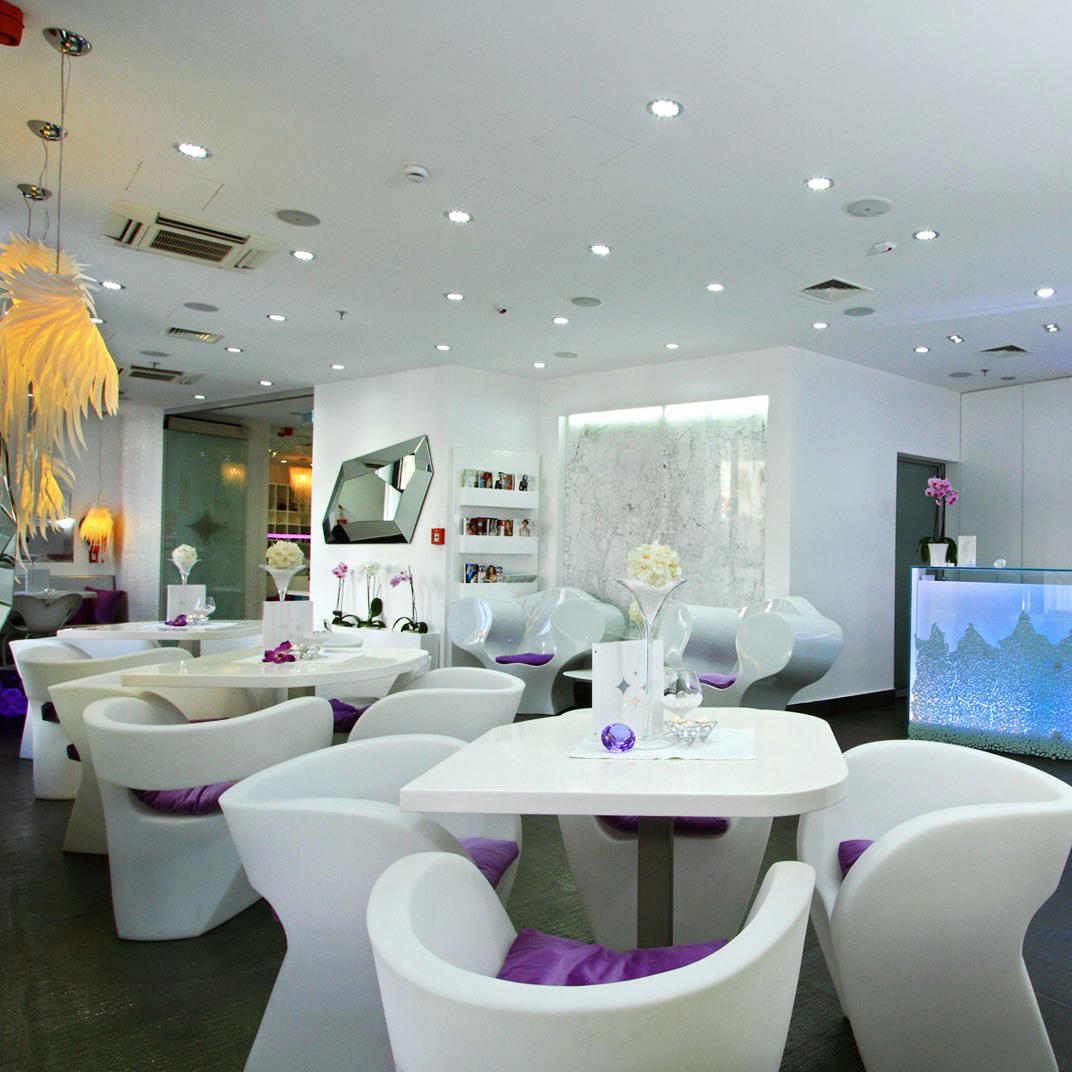
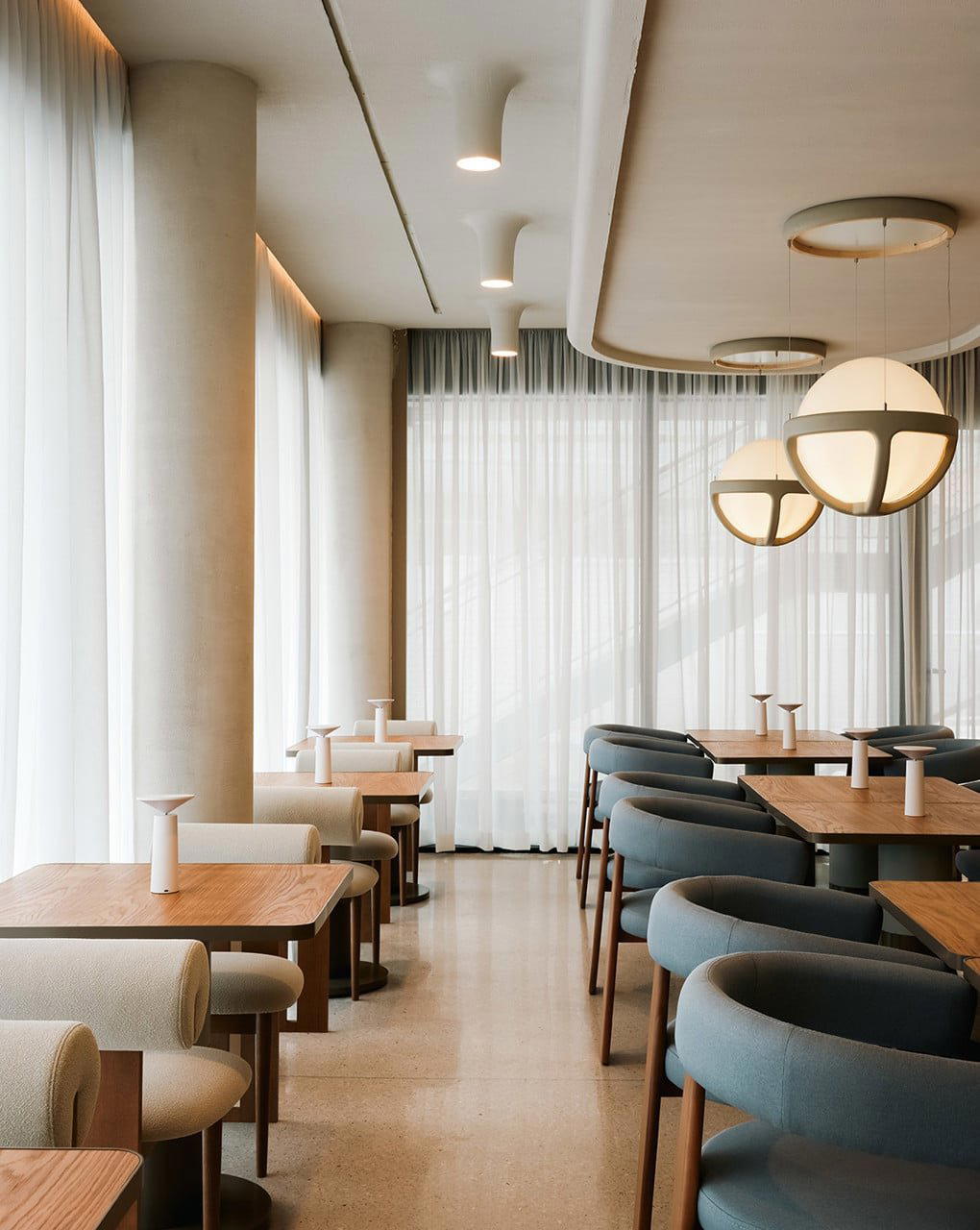
Beautiful lighting, elegant yet understated table decor, and a relaxing, charming atmosphere.