On the Neretva River delta in Vid, a village just outside Metkovic, Đuđa&Mate draws on one of Dalmatia's most distinctive freshwater larders. The restaurant sits at Velika riva 2, where the delta's eels, frogs, and carp have fed local tables for centuries. For anyone tracing Croatia's inland river cuisine away from the coast's more familiar seafood circuit, this address earns attention.
Pearl is the En Primeur Club membership app — saves, bookings, and concierge access live there. Same editors, same standards.
- Address
- Velika riva 2, 20352, Vid, Croatia
- Phone
- +38520687500
- Website
- djudjaimate.hr
- Directions
- Get directions
 Saves & bookings on Pearl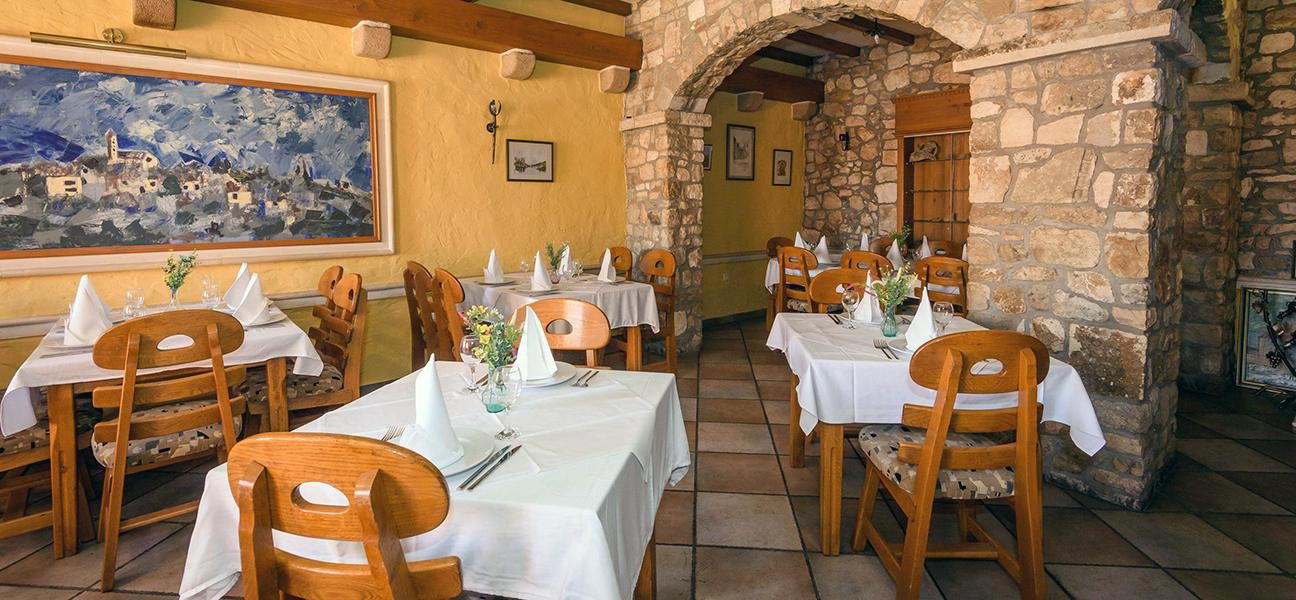
Where the Neretva Feeds the Table
Most of Croatia's dining conversation runs along the Adriatic: grilled fish on stone quays, oysters from Mali Ston, peka slow-cooked under a bell in Dalmatian farmhouses. The Neretva delta operates on a different logic. This flat, reed-lined corridor between the Dinaric Alps and the sea produces a freshwater larder that has almost no equivalent elsewhere in the country. Eels that migrate through the delta, frogs harvested from the wetlands, carp raised in still channels, and mandarins grown in the alluvial fields just back from the water: the delta's ingredients are hyper-local in a way that predates any modern conversation about provenance. Đuđa&Mate, a restaurant in Vid at Velika riva 2, sits inside this tradition rather than importing one from outside it.
Vid is a small settlement a short drive from Metkovic itself, placed where the Roman town of Narona once controlled the delta's trade routes. The address on the riva, the riverside embankment, positions the restaurant directly against the water, which means the source of much of what appears on the table is visible from where you sit. That proximity between ingredient origin and plate is not a marketing device here; it is simply how the delta has always worked, and Đuđa&Mate; is one of the places that keeps the continuity intact.
The Neretva Larder and Why It Matters
Understanding what makes Neretva delta cooking distinct requires a moment on geography. The delta sits at the southernmost reach of Dalmatia, close to the Herzegovinian border, where the river fans into a series of channels before reaching the Adriatic near Ploce. The brackish mixing zones, the reed beds, and the slow-moving freshwater channels create conditions that support species rarely found in Croatian coastal restaurants. Jegulja, the Neretva eel, is the signature ingredient: long-farmed and wild-caught in the delta, it has sustained local communities for generations and appears in preparations ranging from simple grilling over open fire to more complex stewing with local vegetables.
Frogs from the delta wetlands represent another ingredient that defines the region's cuisine and separates it sharply from the Adriatic model. Delta frog legs, typically floured and pan-fried or prepared with garlic and local olive oil, have been a Metkovic table staple long before any restaurant formalised them. The mandarin orchards of the Neretva valley, which produce fruit with noticeably higher acidity than their Adriatic island counterparts due to the continental temperature swings in the valley, provide the citrus backdrop that turns up across the menu in both savoury and sweet applications. This is an ingredient culture built from a specific microclimate, not assembled from regional generics.
For Croatian dining as a whole, this positions Metkovic and the Neretva delta as a counterpoint to the more-visited coastal circuit. While Pelegrini in Sibenik, LD Restaurant in Korčula, and Restaurant 360 in Dubrovnik anchor a Adriatic-focused fine dining tier, the Neretva valley sits in a different register: older, less formalised, and rooted in an ingredient set that the coast cannot replicate. Visitors who have worked through Croatia's seafood-heavy coastal restaurants and want to understand the country's inland river traditions will find the delta a necessary stop.
Dining in Vid: Context and Character
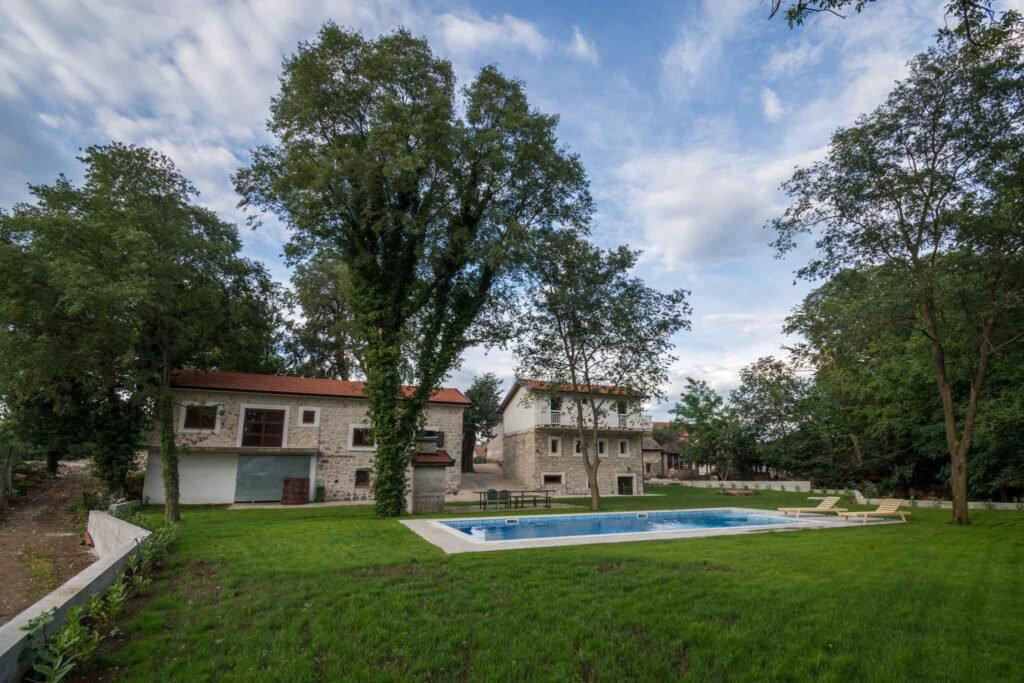
The village of Vid has a quiet, unhurried pace that is typical of the Neretva agricultural settlements rather than the tourist infrastructure of the coast. The riva position means the restaurant faces the river rather than a car park or a tourist promenade, which shapes the atmosphere in practical terms: the light changes through the day as it tracks across the water, and in the warmer months the outdoor seating faces the channel directly. This is a riverine setting with no particular effort to theatricalise itself, which is part of the point. Comparable konoba-style addresses along the Dalmatian coast have gradually accommodated tourist-facing menus; the delta's relative inaccessibility has kept Đuđa&Mate; operating closer to local demand.
Within the Metkovic dining scene, the restaurant sits alongside Bistro Stari Grad as one of the addresses that anchors the town's reputation for delta cuisine. The delta is also an easy day-trip connection for anyone based in Dubrovnik or staying along the southern Dalmatian coast, though the distance means it works well as a deliberate destination rather than a casual detour.
Where Đuđa&Mate; Sits in the Croatian Dining Picture
Croatia's restaurant scene has developed a small but serious fine-dining tier over the past decade, with Michelin recognition reaching addresses such as Agli Amici Rovinj in Rovinj, Nebo by Deni Srdoč in Rijeka, Korak in Jastrebarsko, Alfred Keller in Mali Lošinj, Boskinac in Novalja, and Dubravkin Put in Zagreb. Đuđa&Mate; operates in a different register from that tier: the emphasis here is on a specific regional tradition rather than on progressive technique or tasting-menu format. The comparison set is less Krug in Split or San Rocco in Brtonigla and more the traditional konoba model that the Neretva valley has sustained largely independent of the coastal dining boom.
That distinction matters for how you approach the meal. The delta tradition prizes the quality of the primary ingredient over technical elaboration: an eel that has been sourced correctly and cooked simply will always outperform a clever preparation of an inferior product. This is the same principle that drives the leading Istrian konobas, places like Humska Konoba in Hum and EatIstria in Pluj, and it shares a philosophical kinship with the sourcing logic behind internationally recognised fish-focused restaurants such as Le Bernardin in New York City and Lazy Bear in San Francisco, even if the format and scale are entirely different. The argument in each case is the same: proximity to the source, handled with discipline, produces results that technique alone cannot manufacture.
For visitors who arrive expecting the coastal Dalmatian seafood template, the delta menu will read as unfamiliar in a way that works. Restaurant Filippi in Curzola and comparable coastal addresses offer the Adriatic version of this story; Đuđa&Mate; tells the freshwater chapter, and in Croatia that chapter is rarely this accessible or this coherently expressed.
Planning Your Visit
Vid sits just outside Metkovic on the Neretva, reachable by road from Dubrovnik in roughly an hour and from Split in approximately two hours, making it a viable lunch or dinner destination for travellers moving along the coastal highway. Contact the restaurant directly before visiting, particularly if you are travelling specifically for the delta specialities, which can depend on seasonal availability of eel and frog. The Neretva mandarin harvest runs through autumn and early winter, which is when the valley's citrus character peaks across both food and the local markets. Visiting in that window, between October and December, places the regional ingredient story at its most complete.
Comparable Venues
Comparable venues nearby, for context on price, style, and recognition.
| Venue | Cuisine | Price | Notes |
|---|---|---|---|
| Đuđa&MateThis venue — the venue you are viewing | Neretvian Fish Restaurant | $$ | Not listed |
| Trica Gardelin | Traditional Croatian Seafood | $$ | Vrboska |
| Obala | Seafood Mediterranean | $$ | Lopud |
| Kod Barba Luke | Mediterranean Seafood | $$ | Stari Grad |
| Mandrac | Traditional Croatian Seafood | $$ | Lopud |
| Seosko domaćinstvo Ficović | Dalmatian Seafood | $$ | Hodilje |
Continue exploring
More in Metkovic
Restaurants in Metkovic
Browse all →
Bars in Metkovic
Browse all →
Hotels in Metkovic
Browse all →

At a Glance
- Rustic
- Cozy
- Family
- Casual Hangout
- Standalone
- Local Sourcing
Current opening hours
- Monday
- 10 AM–11 PM
- Tuesday
- 10 AM–11 PM
- Wednesday
- 9 AM–11 PM
- Thursday
- 10 AM–11 PM
- Friday
- 10 AM–11 PM
- Saturday
- 10 AM–11 PM
- Sunday
- 10 AM–11 PM
Hours can change for holidays and private events. Last verified .
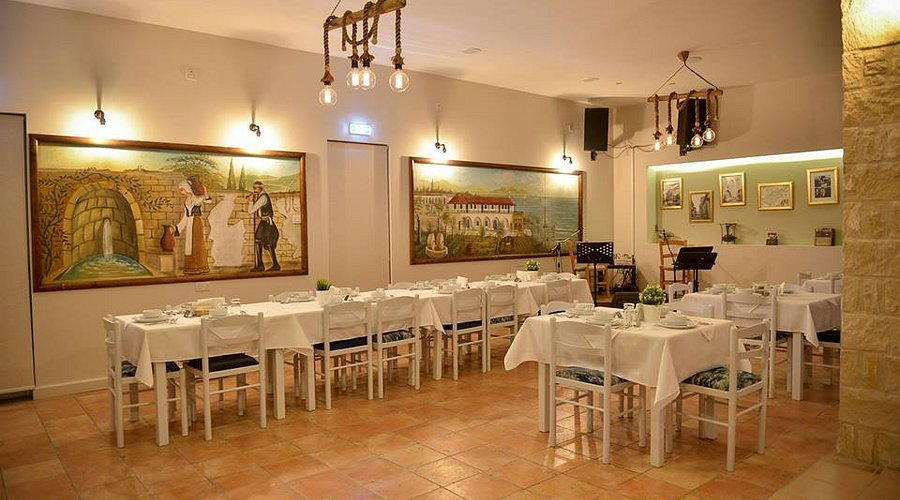
Harmonious blend of traditional rustic charm and modern touches.