بيتوتي
Our verdict
Located on شارع البخاري in the Ar Rayan district, بيتوتي sits within Burayda's quieter residential dining corridor, where the emphasis tends toward home-style Saudi cooking over commercial production. The name itself signals the premise: food rooted in domestic tradition, positioned for a city whose culinary identity is built on the agricultural heartland of Al-Qassim region.

Pearl is the En Primeur Club membership app — saves, bookings, and concierge access live there. Same editors, same standards.
- Address
- شارع البخاري, Ar Rayan, Buraydah 52377, Saudi Arabia
- Phone
- +966920007741
- Hours
- Mon–Tue 11 AM–2 AMWed–Thu 11 AM–3 AMFri–Sat 12:45 PM–2 AMSun 11 AM–2 AM
- Website
- baytoti.com
- Directions
- Get directions
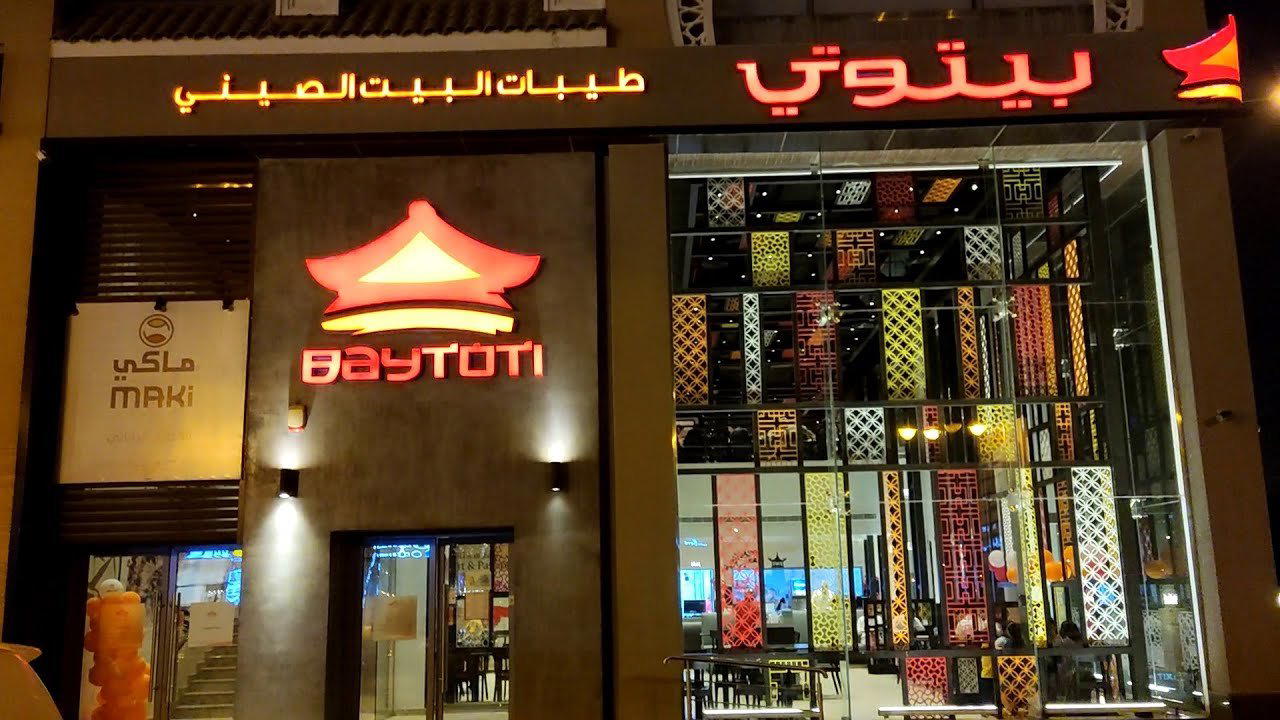
Where Burayda's Agricultural Identity Reaches the Table
Al-Qassim region has long held a specific place in Saudi Arabia's food geography. The province supplies a substantial share of the kingdom's dates, wheat, and livestock, and Burayda, as its administrative and commercial center, has historically been the point where that agricultural output translates into everyday eating. Restaurants that operate in this environment inherit a particular set of expectations from local diners: ingredients that reflect the surrounding land, preparations that read as domestically grounded rather than internationally inflected, and a social register that sits closer to the family table than the formal dining room. بيتوتي, on شارع البخاري in the Ar Rayan district, positions itself squarely within that tradition.
The name بيتوتي carries a specific weight in Arabic — it connotes something of the home, the domestic, the overnight stay, food that belongs to a household rather than a commercial kitchen. That framing is a choice, and it shapes what a diner should expect before arriving. This is not a venue signaling toward Riyadh's contemporary restaurant scene or toward the internationally trained brigade model seen at places like Aseeb in Riyadh. The reference point is closer, more local, and more deliberately rooted in the Najdi cooking tradition that defines central Saudi Arabia's culinary character.
The Sourcing Logic of Central Saudi Cooking
Understanding what makes a Burayda restaurant credible to local diners requires understanding Al-Qassim's supply position. The region's date palm groves produce varieties, including Sukkari, that command premium prices across the Gulf. Its lamb and mutton come from breeds adapted to the Najd plateau's conditions. Wheat grown here historically fed the region's bread tradition, from the flatbreads served alongside stews to the heavier grain-based dishes that anchor Najdi feasting tables. A restaurant operating under a home-cooking premise in this city has access to ingredients that urban restaurants in Jeddah or Khobar must source from a distance — and local diners know the difference.
That sourcing proximity is not a marginal detail. It is the structural advantage that home-style Saudi restaurants in Al-Qassim hold over comparable concepts elsewhere in the kingdom. When you compare the ingredient chain available to a Burayda kitchen against what a concept like Kuuru in Jeddah operates with, or even regionally distinct operations like kol restaurant in Jizan, where the ingredient palette shifts toward coastal and Yemeni-influenced produce, the Najdi central-region kitchen is working from a different and specifically agricultural base. The gap between farm and plate here is measured in shorter distances and fewer intermediaries than most Saudi cities can claim.
Ar Rayan and the Character of the Neighborhood
The Ar Rayan district places بيتوتي in a residential and mid-commercial corridor rather than Burayda's primary commercial strips. This matters because it sets the social context of the dining experience. Restaurants in residential-adjacent areas of Saudi cities tend to draw a more local, repeat-visit clientele than those positioned on major commercial thoroughfares. The foot traffic is less transient, the regulars more loyal, and the implicit contract between kitchen and diner is more specific: people return because the food matches a standard they have benchmarked against their own domestic cooking, not against international reference points.
This is a different competitive dynamic than what governs venues in Riyadh's dining-dense districts or the Red Sea coastal market. For context on how Saudi cities vary in their dining register, the contrast with something like yello in Ad Diriyah, a heritage-adjacent site operating within a curated tourism zone, illustrates how geography and neighborhood type shape the entire premise of a restaurant, not just its menu. بيتوتي's address suggests it is not oriented toward tourism or destination dining, but toward sustained local use.
Najdi Tradition in a Saudi Context
The broader category بيتوتي operates within, home-style Najdi cooking, sits at one end of a spectrum that Saudi dining has expanded significantly over the past decade. At the other end are internationally trained kitchens producing tasting menus that could hold their own in conversation with venues like Le Bernardin in New York City or Atomix in New York City. The vast middle ground is where most Saudis eat most of the time, and the home-cooking format occupies a specific, durable position within it.
Najdi cooking is built around a handful of structural techniques: slow-cooked meat, rice dishes with dried fruit and spice layering, bread as a vehicle and accompaniment, dairy from goat and sheep, and the concentrated sweetness of local dates as both ingredient and hospitality gesture. A restaurant that executes these with discipline and locally sourced ingredients earns its credibility not through novelty but through consistency measured against a benchmark every regular diner carries from their own kitchen. That is a harder standard to meet than it appears.
For travelers approaching Burayda from elsewhere in the kingdom, the city does not generate the dining conversation that Riyadh, Jeddah, or even the developing scene around AlUla, represented by properties like Banyan Tree AlUla, currently attract. That relative quietness is also what makes it worth attention for anyone interested in Saudi food as it is actually eaten by Saudis, rather than as it is being curated for export or tourism. Our full Burayda restaurants guide maps the broader dining options across the city for those planning a longer visit.
Planning a Visit
بيتوتي is located at شارع البخاري in the Ar Rayan district of Buraydah, postal code 52377. Given the residential neighborhood character, it is worth arriving during established lunch and dinner windows rather than assuming extended or all-day service, as home-style restaurants in Saudi Arabia's smaller cities frequently operate on tighter schedules than their urban counterparts. Dress code expectations in this register tend toward the modest and conservative, consistent with Burayda's social norms generally. Comparable dining contexts across the kingdom, from Shawarmer in Shaqra to Camel Burger Food Truck in Medina, suggest that central and western Saudi dining outside major metropolitan areas rewards flexibility and local knowledge over advance reservation systems.
Frequently asked questions
Can I bring kids to بيتوتي?
The home-style cooking premise and residential setting of Ar Rayan district both point toward a family-oriented format. Burayda's dining culture is built around communal, multigenerational meals, and venues operating in this neighbourhood corridor typically reflect that.
Is بيتوتي formal or casual?
بيتوتي sits firmly in the casual register. The Ar Rayan address places it in a residential and mid-commercial corridor rather than Burayda's commercial centres, which sets the tone before you walk in.
What kind of dining experience does بيتوتي represent within Burayda's food scene?
بيتوتي operates in the home-style Najdi category, which in Burayda means cooking that references domestic tradition rather than restaurant convention. Al-Qassim's identity as a major agricultural province, particularly for dates and wheat, gives this style a regional grounding that distinguishes it from Riyadh's broader restaurant spectrum. For visitors to Buraydah, it represents local culinary culture rather than imported dining formats.
What's the best thing to order at بيتوتي?
Al-Qassim is the kingdom's primary date-producing region, and Burayda's home-style Najdi cooking tradition centres on grain-based dishes, slow-cooked meats, and locally sourced produce. A venue operating under a home-kitchen premise in this region would logically feature dishes anchored in that supply chain.
What's بيتوتي's location?
بيتوتي is located at شارع البخاري, Ar Rayan, Buraydah 52377, Saudi Arabia, Burayda.
A Quick Peer Check
Comparable venues nearby, for context on price, style, and recognition.
| Venue | Cuisine | Price | Notes |
|---|---|---|---|
| بيتوتيThis venue — the venue you are viewing | Chinese Fast Food | $10–20 | Not listed |
| Bistro Lounge | Coffee Lounge | Not listed | Riyadh |
| Shawarmer | Modern Middle Eastern Shawarma | Not listed | Al Aziziyah |
| Section B | Craft American Burgers | $10–20 | Hera Street |
| Berenjak Riyadh | Modern Persian Restaurant | Not listed | Al Hada |
| Flour & Firewood | Italian Artisan Bakery & All-Day Brunch | $20–30 | Al Sulaimaniyah |
Continue exploring
More in Burayda
Hotels in Burayda
Browse all →
Details
- Cozy
- Casual Hangout
- A La Carte
- Halal
Current opening hours
- Monday
- 11 AM–2 AM
- Tuesday
- 11 AM–2 AM
- Wednesday
- 11 AM–3 AM
- Thursday
- 11 AM–3 AM
- Friday
- 12:45 PM–2 AM
- Saturday
- 12:45 PM–2 AM
- Sunday
- 11 AM–2 AM
Hours can change for holidays and private events. Last verified .
Comfortable atmosphere with friendly service and generous portions.