Банщики
Our verdict
Банщики occupies a distinctive address on Degtyarnaya Ulitsa in central Saint Petersburg, positioning itself within the city's broader shift toward dining experiences that foreground provenance and local sourcing. For visitors tracking where Saint Petersburg's restaurant scene is moving, it belongs on the itinerary.

Pearl is the En Primeur Club membership app — saves, bookings, and concierge access live there. Same editors, same standards.
- Address
- Degtyarnaya Ulitsa, 1А, St Petersburg, Russia, 191024
- Phone
- +79219411744
- Hours
- Mon–Tue 11 AM–11 PMWed–Thu 11 AM–12 AMFri–Sat 11 AM–1 AMSun 11 AM–12 AM
- Website
- banshiki.spb.ru
- Directions
- Get directions
- Booking
- Book on the venue's website
The menu
What to order
- Пельмени с говяжьим языком
- Чебуреки с бараниной
- Треску в глазури из кваса
Degtyarnaya Ulitsa and the Sourcing Question
Saint Petersburg's dining culture has spent the better part of the last decade working through a fundamental question: what does Russian cooking look like when it takes its ingredients seriously? The answer emerging from the city's more interesting addresses is not a single aesthetic but a shared discipline — tracing produce, fish, and meat back to specific regions, seasons, and suppliers, then letting that transparency do the editorial work that once fell to technique-heavy presentation. Банщики, at Degtyarnaya Ulitsa 1А in the Vladimirskaya district, sits inside this current. The address itself signals something: this is not the embankment, not the tourist corridor running between Palace Square and Nevsky Prospekt, but a residential-commercial side street where the clientele tends to be local and the cooking tends to be honest.
The neighbourhood dynamic matters because it shapes the ingredient logic. Areas removed from the premium tourist belt in Saint Petersburg have historically been where chefs work out sourcing relationships with smaller regional suppliers — fishermen from the Gulf of Finland, dairy producers from the Leningrad Oblast, foragers operating out of the forests north of the city. That supply chain, when it functions well, produces a table that reads as specifically Russian in a way that the more tourist-facing restaurants on Nevsky rarely achieve. Compare this to 1913 or the Astoria Cafe, both of which operate closer to the city's historic core and pitch their identity partly at an international audience. Банщики's Vladimirskaya position puts it in a different orientation entirely.
What Russian Ingredient-Led Cooking Actually Means
The broader movement toward sourcing transparency in Russian restaurant culture has a specific shape. It is not a farm-to-table import from California or Scandinavia, though those influences exist in the background. It is more accurately a reassertion of pre-Soviet regional food logic, the understanding that Russian cuisine, in its pre-standardised form, was intensely local and seasonal, varying sharply between the Baltic coast, the Volga basin, the Urals, and Siberia. Restaurants working in this register are effectively doing archival work as much as cooking.
In Saint Petersburg specifically, this means close attention to the Gulf of Finland's cold-water fish, to mushroom and berry harvests that shift week by week through the brief northern summer, and to preserved and fermented products that carry the logic of a climate where fresh produce is unavailable for six months of the year. Cococo in St. Petersburg has been one of the more visible exponents of this approach, working with new-Russian cuisine as an explicit menu framework. Банщики operates in a related register, though its character as derived from the banya tradition, the Russian bathhouse, gives it a more communal, less formally composed frame.
The banya reference is not incidental. Bathhouse culture in Russia has always been tied to a specific kind of hospitality: informal, physical, convivial, with food and drink understood as part of a longer ritual of restoration rather than a standalone event. Restaurants drawing on this tradition tend to emphasise sharing formats, preserved and fermented accompaniments, and the kind of food that holds up well over an extended table, pickled vegetables, cured fish, slow-cooked meats, rye bread. These are ingredients that by definition require sourcing decisions made weeks or months before service, and they foreground the supply chain in a way that à la minute cooking does not.
Saint Petersburg's restaurant scene has a wider spread than its size might suggest. At the top of the price-and-prestige tier, you have places like Bellevue, which operates within a hotel context and prices against an international luxury benchmark. Further along the spectrum, BeefZavod works a different register entirely, with a meat-focused industrial-conversion format that has become a reference point for the city's mid-market dining. Blok represents the kind of neighbourhood-anchored contemporary cooking that has emerged as a credible alternative to hotel dining across many Russian cities.
The banya-derived identity gives it a cultural specificity that few competitors can replicate without it reading as affectation. Russian bathhouse hospitality is not a style that translates well into a trend or a concept night, it is a social institution with deep roots, and restaurants that draw on it convincingly do so because the format fits their audience and their sourcing logic, not because they have designed an atmosphere around it. This is the difference between a restaurant with a concept and a restaurant with a conviction.
For reference across Russia's dining scene more broadly, Twins Garden in Moscow and Cafe Pushkin (Кафе Пушкинъ) in Москва represent how the capital has handled the question of Russian culinary identity at different price tiers. Saint Petersburg's answer, of which Банщики is a part, tends toward less theatrical framing and more direct engagement with northern ingredients and preservation traditions. The contrast is worth noting for travellers moving between the two cities.
Other interesting reference points across Russian regions include Alanskaya Kukhnya in Krasnodar, which demonstrates how regional culinary traditions outside the two capitals are being reasserted with similar sourcing discipline, and BEEFSTROGANOFF GRILL in Yekaterinburg, which shows how Ural-region beef heritage translates into a specific restaurant format. Lev I Ptichka in Saint Petersburg City provides a closer local comparison within the same city's mid-range tier.
Planning a Visit
Банщики is located at Degtyarnaya Ulitsa 1А, Saint Petersburg 191024, in the Vladimirskaya district, walkable from Vladimirskaya and Dostoevskaya metro stations, both on Line 4. The area is quieter than the main tourist corridors and functions as a neighbourhood dining destination rather than a destination-in-itself stop on a city itinerary. For a broader sense of where Банщики sits within the city's dining options, the Our full Saint Petersburg restaurants guide provides comparative context across price tiers and neighbourhoods.
Frequently asked questions
Does Банщики work for a family meal?
The Vladimirskaya district address on Degtyarnaya Ulitsa 1А puts Банщики in a residential neighbourhood rather than a tourist corridor, which tends to attract a local crowd including families rather than just destination diners. The format leans toward ingredient-led Russian cooking rather than a formal tasting-menu structure, so the pacing is likely to suit a shared table.
What's the vibe at Банщики?
Банщики sits in the Vladimirskaya district, one of Saint Petersburg's more grounded residential quarters, which sets the tone: this is not a Nevsky Prospekt showpiece. The focus on Russian sourcing and ingredient transparency suggests a kitchen-led environment where what's on the plate does the talking. Expect a considered rather than theatrical atmosphere, consistent with the broader movement in Saint Petersburg toward restaurants that prioritise provenance over spectacle.
How does Банщики fit into Saint Petersburg's current Russian cuisine movement?
Saint Petersburg's restaurant scene has spent the last decade refining what Russian ingredient-led cooking actually means in practice, moving away from Soviet-era reference points toward menus built around regional sourcing and seasonal availability. Банщики, positioned in the Vladimirskaya district rather than the city's prestige dining corridor, is part of that middle tier where cooking ambition and neighbourhood accessibility meet. It occupies a different position from the city's headline-price restaurants while sharing the same sourcing orientation that defines the broader movement.
What dish is Банщики famous for?
What the restaurant is associated with is the wider Saint Petersburg turn toward Russian ingredient-led cooking, where seasonal sourcing and regional produce define the menu rather than a fixed marquee dish. For current menu details, check the venue's official channels or check their reservations channel.
Where do I go for Банщики?
Банщики is located at Degtyarnaya Ulitsa, 1А, St Petersburg, Russia, 191024, Saint Petersburg.
Should I book Банщики in advance?
Банщики is located at Degtyarnaya Ulitsa 1А in the Vladimirskaya district, a well-connected neighbourhood walkable from two metro stations, which makes it accessible but also consistently busy with local regulars.
In Context: Similar Options
Comparable venues nearby, for context on price, style, and recognition.
| Venue | Cuisine | Price | Awards | Notes |
|---|---|---|---|---|
| БанщикиThis venue — the venue you are viewing | Modern Russian | $30–50 | Not listed | Not listed |
| Royal Beach | Modern European Fine Dining | Not listed | Not listed | Krestovsky Island |
| Birch | Modern European Fusion | $50–100 | La Liste Top Restaurants | Tsentralny District |
| GREBESHKI Bistro&Shop | Modern Northern Seafood Bistro | $30–50 | Not listed | Arsenalnaya Emb. |
| Blok | Modern Russian Steakhouse | $30–50 | Not listed | Smolny |
| Taleon | Modern European Fine Dining | $100–150 | Not listed | Admiralteisky |
Continue exploring
More in Saint Petersburg
Restaurants in Saint Petersburg
Browse all →
Bars in Saint Petersburg
Browse all →

Hotels in Saint Petersburg
Browse all →
Банщики
The wine
- Wine program
- Curated wine list
- Extensive wine list
Details
- Cozy
- Rustic
- Classic
- Group Dining
- Family
- Celebration
- Historic Building
- Extensive Wine List
- A La Carte
- Vegetarian Friendly
- Vegan Options
- Gluten Free Options
Current opening hours
- Monday
- 11 AM–11 PM
- Tuesday
- 11 AM–11 PM
- Wednesday
- 11 AM–12 AM
- Thursday
- 11 AM–12 AM
- Friday
- 11 AM–1 AM
- Saturday
- 11 AM–1 AM
- Sunday
- 11 AM–12 AM
Hours can change for holidays and private events. Last verified .
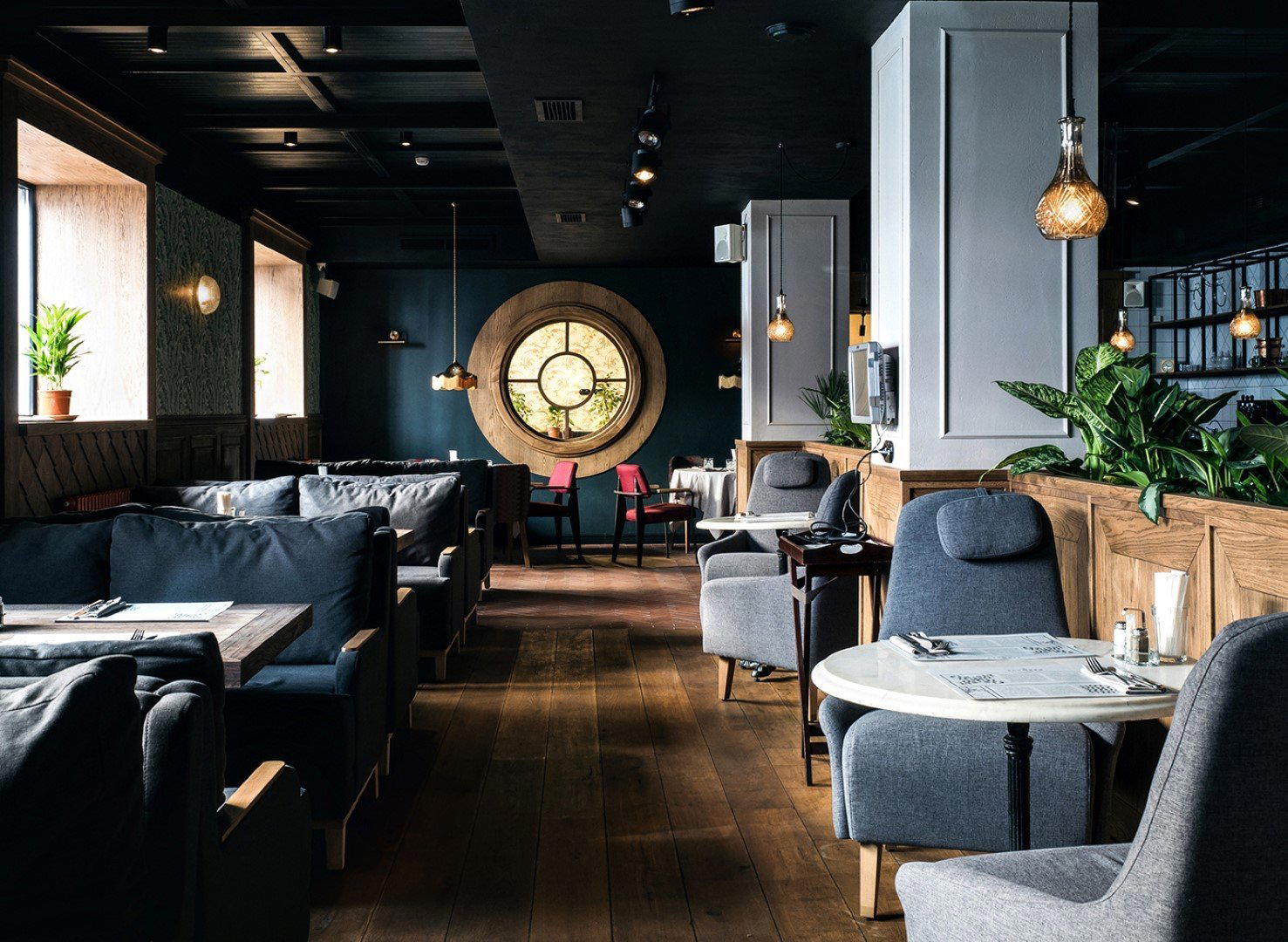
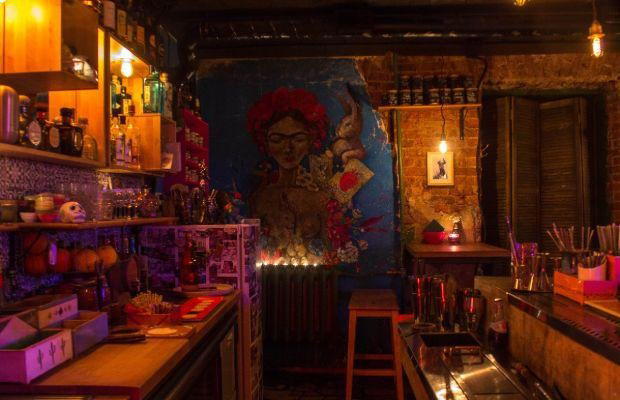
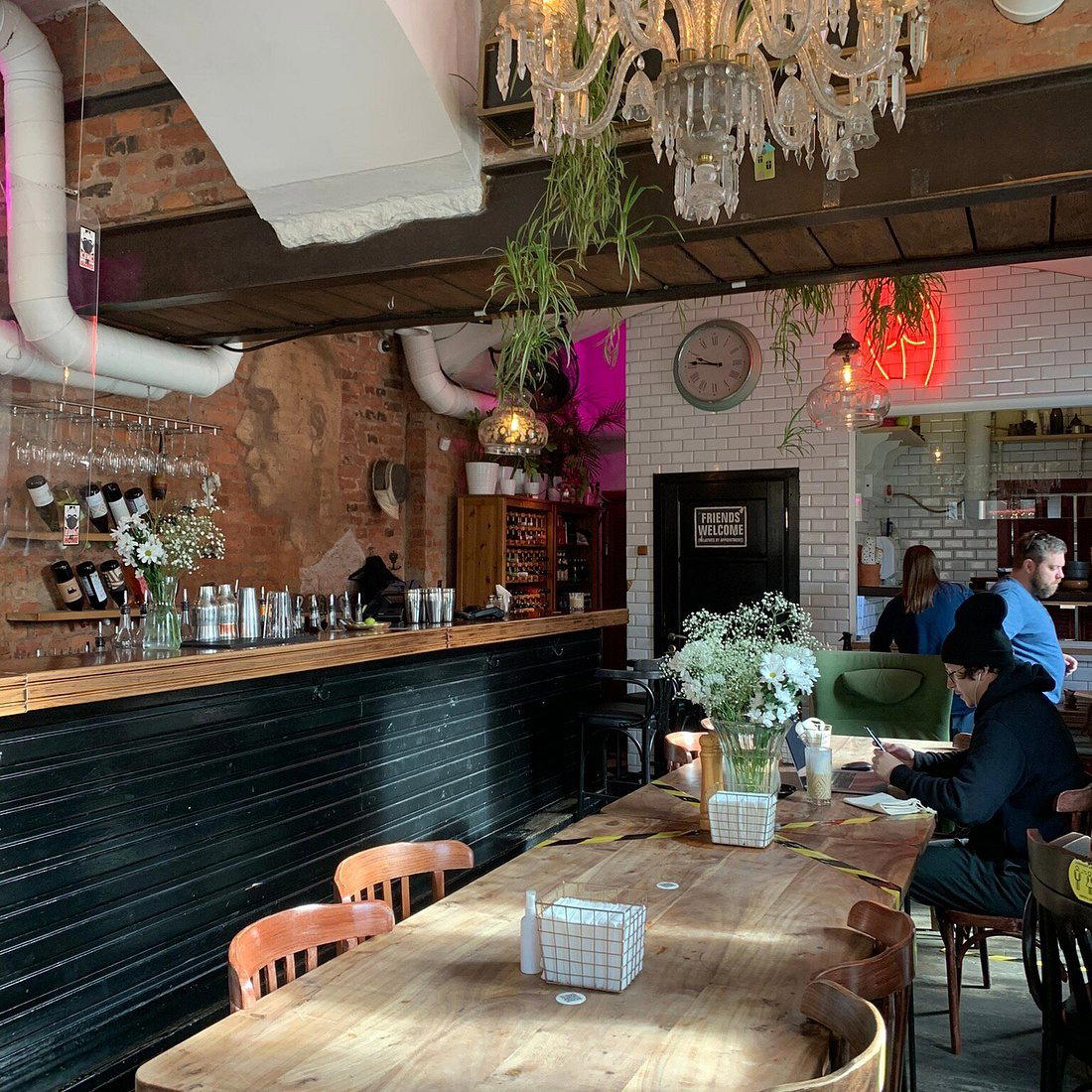
Cozy atmosphere resembling a countryside home with warm, nostalgic lighting and comfortable seating areas.