Кулинария Вилка
A neighbourhood dining spot on Staroye Dmitrovskoye Shosse in Dolgoprudny, Кулинария Вилка occupies the kind of practical, ingredient-forward position that has defined Russian provincial cooking for generations. The name, translating loosely as 'Culinary Fork', signals an unpretentious approach to food in a city better known for its aerospace industry than its restaurant scene.
Pearl is the En Primeur Club membership app — saves, bookings, and concierge access live there. Same editors, same standards.
- Address
- Staroye Dmitrovskoye Shosse, 11, Dolgoprudny, Moscow Oblast, Russia, 141707
- Phone
- +79855034912
- Website
- xn--80adsie.xn--80adxhks
- Directions
- Get directions
 Saves & bookings on Pearl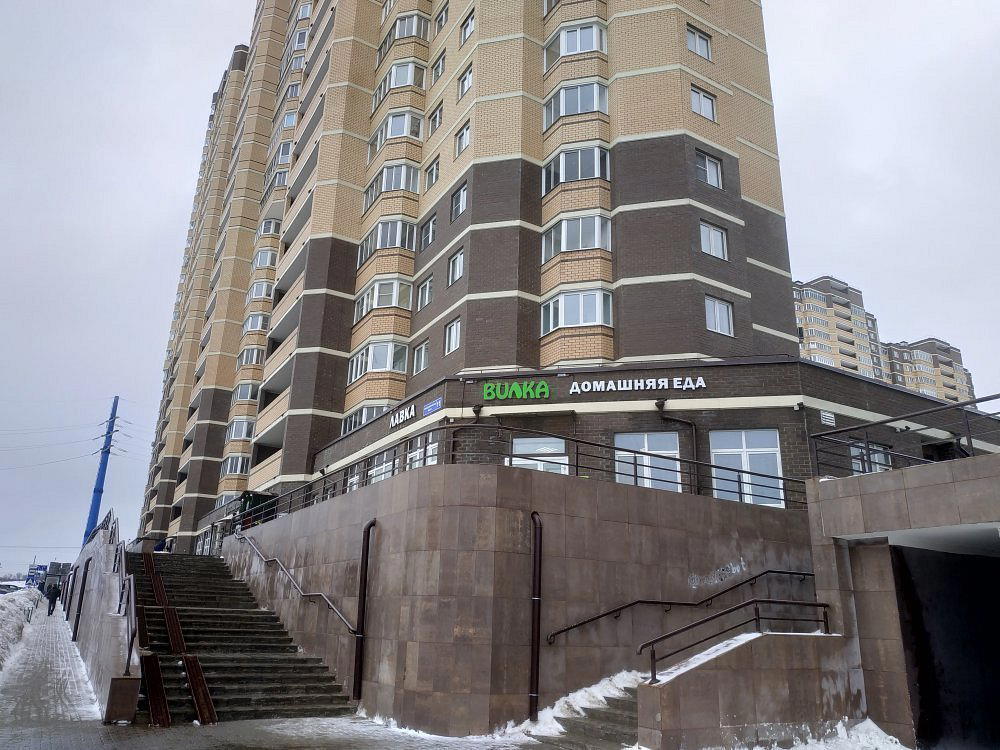
Eating in Dolgoprudny: The Context Behind the Counter
Dolgoprudny sits roughly twenty kilometres north of central Moscow, connected to the capital by the Savyolovskaya railway line and shaped far more by its industrial and academic identity than by any dining ambition. The city grew around the Dolgoprudnensky Research and Production Enterprise, and its food culture reflects that practical character: residents here eat to live well, not to perform doing so. That is, in many ways, a more honest starting point for a neighbourhood restaurant than the competitive theatre of Moscow’s inner ring, where venues like Twins Garden in Moscow operate under sustained international scrutiny.
In that context, Кулинария Вилка on Staroye Dmitrovskoye Shosse occupies a position worth understanding before you arrive. Dolgoprudny does not have a deep bench of destination restaurants. What it has are places that serve the people who actually live there, and those places tend to operate by different rules than the award-tracked counters of the capital. The question for a visitor is whether the cooking reflects that community honestly.
What the Name Signals About the Approach
The word кулинария in Russian carries specific weight. It refers historically to a type of Soviet-era food shop and prepared-food counter where cooked dishes were sold alongside raw ingredients, a format that blurred the line between grocery and restaurant in ways that most Western dining cultures never developed. The tradition survives in various forms across Russian cities, and where it persists, it tends to prioritise ingredient practicality over menu theatre. The addition of вилка (fork) gives the name a slight wink of modernity without abandoning the utilitarian suggestion.
That nomenclature matters when thinking about ingredient sourcing, which is the lens through which this kind of establishment earns or loses credibility. Russian provincial cooking at its most coherent draws on seasonal and regional produce, root vegetables in the colder months, preserved and fermented preparations that carry summer harvests through winter, dairy from local supply chains that urban restaurants increasingly bypass in favour of standardised wholesale. Whether Кулинария Вилка operates within that tradition or has moved toward the convenience-oriented supply chain that dominates lower-cost urban dining is the core question a first visit would answer.
Dolgoprudny’s Place in the Moscow Oblast Dining Pattern
The Moscow Oblast contains a ring of satellite cities, Khimki, Mytishchi, Korolev, Dolgoprudny, each with its own character and each underserved by serious food writing. The dining scene across these towns has shifted in the post-pandemic period as remote work patterns changed how often residents commute into Moscow for meals. Restaurants that previously captured weekend trade have had to reckon with a more consistent local clientele with specific expectations about value and familiarity.
This structural shift has been positive for ingredient-driven neighbourhood spots in a way it has not been for the casual chains. When diners eat closer to home more often, they become more demanding about quality and more loyal to places that reward that loyalty with consistency. The comparison set for Кулинария Вилка is not Cafe Pushkin in Moscow or 1913 in Saint Petersburg. It is the everyday cooking that Dolgoprudny residents return to weekly, evaluated against what they know a kitchen in this price tier and this location can realistically deliver.
For wider reference points on how Russian regional cooking operates outside the major cities, venues like Kukhterin in Tomsk, Grisha in Omsk, and Alanskaya Kukhnya in Krasnodar each demonstrate how regional identity can anchor a menu when a kitchen commits to a specific geographic and cultural supply chain. The Caucasian thread at Alanskaya Kukhnya, the Siberian character at Kukhterin: these are not decorative choices. They are sourcing commitments that determine what arrives on the plate.
The Russian Culinary Tradition and the Fork’s Position Within It
Russian cooking, when it operates from its own logic rather than imitating Western formats, is built around preservation, fermentation, slow heat, and the transformation of relatively simple raw materials into deeply layered preparations. Borscht is not a soup that performs complexity through exotic ingredients; it achieves depth through technique and time applied to things that grow readily in Russian soil. Pelmeni, blini, solyanka, rassolnik: the canon is built around accessibility of ingredient and sophistication of process, which is precisely why it translates well to neighbourhood formats where sourcing is local and margins are managed carefully.
That tradition has been complicated in recent decades by the influence of Soviet-era standardisation, post-Soviet convenience culture, and the ambitions of Moscow’s fine dining scene, which has done interesting work reinterpreting Russian ingredients at venues operating in a different tier entirely. The honest neighbourhood restaurant sits somewhere between those poles, and the кулинария format, historically speaking, was never trying to be either extreme. It was trying to feed people well with what was available.
For readers interested in how other Russian cities are interpreting this question of ingredient identity and regional cooking, Khmeli Suneli in Yekaterinburg draws on Georgian culinary traditions that have deep roots in Russian urban dining culture, while Dzhani Restorani in Nizhny Novgorod represents another regional interpretation of how food identity operates outside Moscow. Lev I Ptichka in Saint Petersburg and Made in China in St. Petersburg show how that city’s dining culture absorbs multiple culinary references simultaneously. Knyagininskiy Dvor in Volgograd and krevetka in Voronezh offer further data points on how provincial Russian cities are calibrating their dining ambitions.
Planning a Visit: What to Know in Advance
Кулинария Вилка is located at Staroye Dmitrovskoye Shosse, 11, in Dolgoprudny, Moscow Oblast. The address places it along one of the older arterial roads through the city, accessible from Dolgoprudnaya or Водники stations on the Savyolovskaya direction from Savelovsky terminal in Moscow.
For readers who prefer their neighbourhood dining with a more casual register, Burger Records in Novosibirsk, Dodo Pizza in Kirov, and Konditerskaya Kuzina in Syktyvkar each represent different approaches to accessible, community-facing dining across Russian cities outside the capital. At the other end of the spectrum, Le Bernardin in New York City and Atomix in New York City define what ingredient-sourcing commitment looks like when operating at the highest technical tier.
In Context: Similar Options
Comparable venues nearby, for context on price, style, and recognition.
| Venue | Cuisine | Price | Notes |
|---|---|---|---|
| Кулинария ВилкаThis venue — the venue you are viewing | Russian Home Cooking Cafeteria | $$ | Not listed |
| Pyshechnaya | Russian Pyshechnaya (Donut Cafe) | $ | Nevskiy |
| Кофемания | Café & Bakery | $$ | Gorskoe |
| Bistrot | Italian Bistro (Tuscany-inspired) | $$ | Khamovniki |
| Китайская грамота | Кантонская кухня | $$$ | Бульварное кольцо |
| Kitayskaya Gramota | Authentic Cantonese Chinese | $$ | Boulevard Ring |
Continue exploring
More in Dolgoprudny
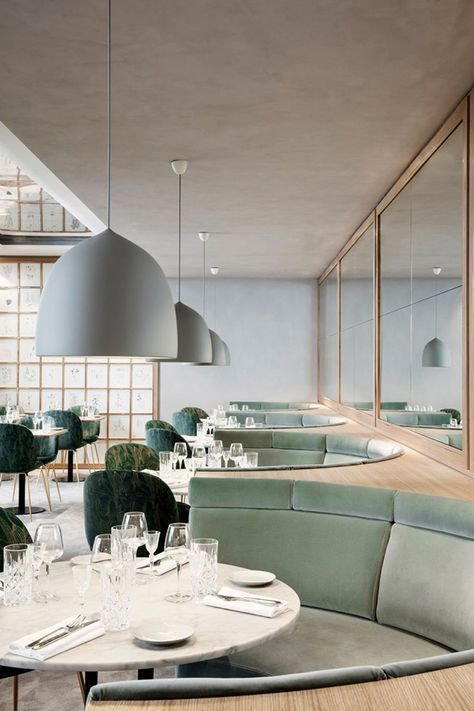
Restaurants in Dolgoprudny
Browse all →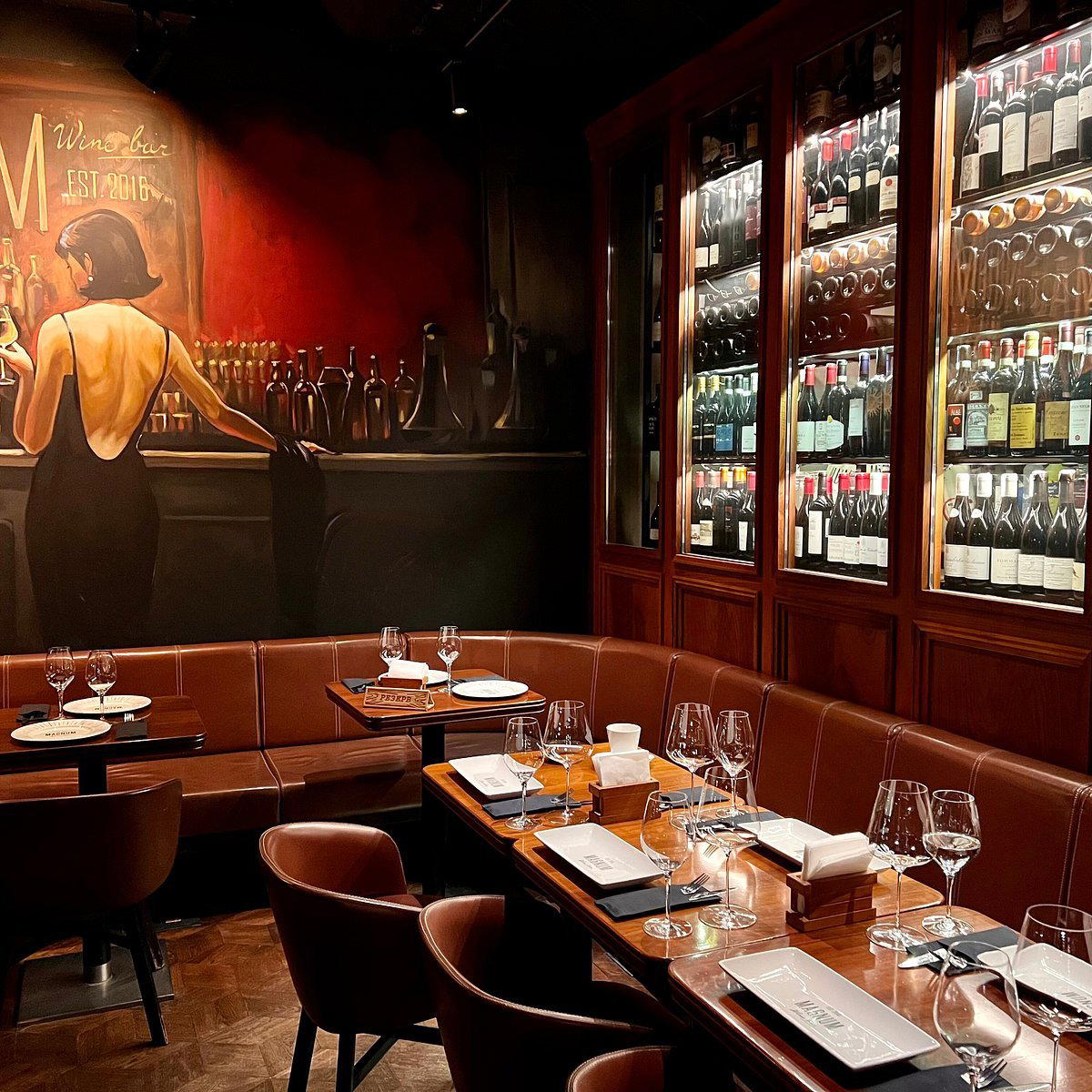
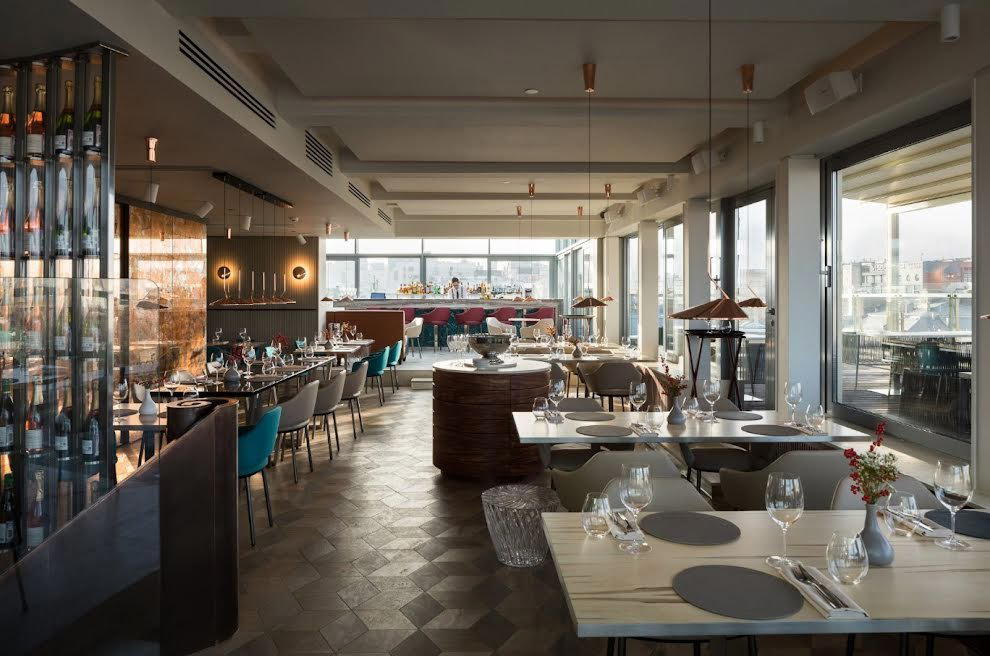
Bars in Dolgoprudny
Browse all →
At a Glance
- Cozy
- Casual Hangout
Current opening hours
- Monday
- 10 AM–10 PM
- Tuesday
- 10 AM–10 PM
- Wednesday
- 10 AM–10 PM
- Thursday
- 10 AM–10 PM
- Friday
- 10 AM–10 PM
- Saturday
- 10 AM–10 PM
- Sunday
- 10 AM–10 PM
Hours can change for holidays and private events. Last verified .
Casual and welcoming with a homey feel, friendly staff, and focus on fresh, quality dishes.