Кафана Курта
Our verdict
Кафана Курта sits in Solotuša, a quiet settlement near Bajina Bašta in western Serbia, operating within the kafana tradition that remains one of the country's most enduring social institutions. The format here belongs to a category of rural Serbian eating houses where the kitchen, the company, and the unhurried pace of a meal are the entire point. Details on booking and hours are best confirmed locally before visiting.

Pearl is the En Primeur Club membership app — saves, bookings, and concierge access live there. Same editors, same standards.
- Address
- VHV4+WF, Solotuša, Serbia
- Phone
- +381313859433
- Hours
- Daily 8 AM–8 PM
- Website
- kurta-tara.com
- Directions
- Get directions
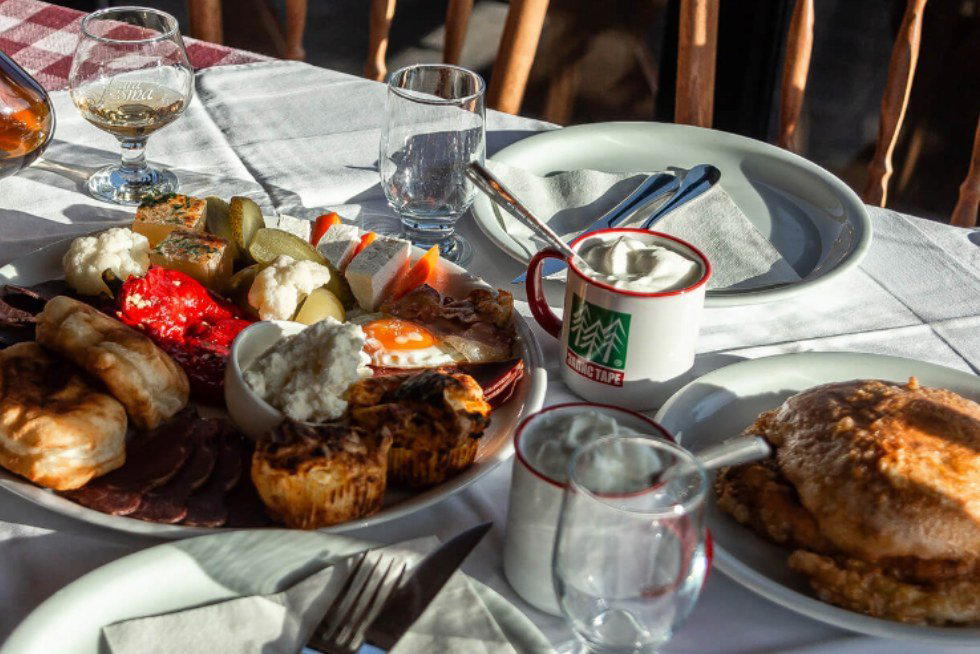
The Kafana as a Serbian Institution
In western Serbia, the kafana is not simply a restaurant category. It is a civic format, older than any modern hospitality concept, that has functioned simultaneously as tavern, community hall, and dining room for generations. The word itself carries a specific cultural weight: kafanas historically served as the place where locals settled disputes, celebrated harvests, marked weddings, and conducted the slower, unhurried business of daily life that urban culture has largely routed through different channels. To understand Кафана Курта, you need to understand what that word commits a place to, because the format shapes everything from the pace of service to the structure of the menu. For a broader view of where this fits within the local dining scene, see our full Bajina Bašta restaurants guide.
Bajina Bašta sits at the edge of the Tara National Park in the Zlatibor district, a region that has maintained its rural character and culinary identity more durably than most parts of the country. The surrounding villages, including Solotuša where Кафана Курта is located, belong to an older pattern of Serbian life that urban development has left largely intact. That geographic distance from Belgrade or Novi Sad is part of what keeps kafanas in places like this operating according to their original logic rather than performing a nostalgic version of it for tourists.
Rural Serbian Cooking and What It Represents
The kafana tradition in villages like Solotuša tends to reflect the cooking habits of the Dinaric highland region: grilled meats, slow-cooked bean dishes, kajmak (a clotted cream dairy product that functions as both condiment and spread), and whatever is seasonal from local producers. This is not a cuisine that travels well under interpretation. Its authority comes from sourcing proximity and from cooks who learned the food as domestic practice before professional practice. In that respect, a rural kafana in the Bajina Bašta area operates from a different premise than the ethnographic restaurants that have proliferated in Serbian cities, places that stage the rural aesthetic while working from reconstructed recipes and imported produce.
Comparable rural kafana formats can be found across Serbia's western highlands. Kafana Pećinar Ljubiš in Cajetina and Kafana Studenac in Bajina Bašta both operate within this same regional tradition, where the emphasis falls on grilled and slow-cooked dishes prepared from locally familiar ingredients. The distinction between these places and the urban ethnographic category is not about prestige but about function: these are working kafanas serving a local population, not repositioned concepts aimed at visitors seeking authenticity.
The contrast becomes clearer when set against what has happened in Belgrade, where a new tier of restaurant has emerged around Serbian heritage ingredients interpreted through modern plating. Langouste in Belgrade represents one end of that spectrum, operating at the premium end of Serbian urban dining with an entirely different price point and ambition. The kafana in Solotuša operates at the other end, where the value proposition is directness and cultural continuity rather than interpretation.
What Draws Visitors to This Part of Western Serbia
The Tara and Zlatibor region attracts a consistent flow of Serbian domestic tourists and a smaller international contingent, primarily drawn by hiking, the Drina River canyon, and the wooden architecture that characterizes this part of the country. Accommodation ranges from the national park lodges to privately operated rural guesthouses. For visitors staying in the area, meals tend to resolve around local kafanas and ethno-style restaurants rather than destination dining in any urban sense. Aleksandar Gold in Uzice, the nearest larger town, gives a sense of the more formal end of the regional dining spectrum.
Eating calendar in this region follows agricultural and seasonal rhythms more closely than restaurant-driven ones. Autumn is the time for game dishes and the first cold-weather stews. Summer brings river fish, given the proximity to the Drina. Spring marks the arrival of fresh dairy in its most expressive form. A kafana embedded in a working rural settlement will typically reflect those seasonal transitions in its cooking without necessarily framing them as a menu concept, because they are simply what is available.
The Wider Kafana Category Across Serbia
Serbia's kafana tradition has been the subject of renewed attention in the past decade, partly as a reaction to the acceleration of urban dining formats and partly because the UNESCO intangible heritage process in neighbouring countries prompted similar reflection in Serbia. The kafana as a format has an argument for cultural classification that goes well beyond the food: it is a specific arrangement of social time, a room where nobody is in a hurry and where sitting for three hours over a meal is not considered an imposition on the house.
This social architecture shows up in how kafanas are laid out, typically with larger tables designed for group occupancy, and in how they are staffed, with servers who are comfortable with long, unhurried sittings. It is a format that stands in direct contrast to the turnover logic of most contemporary restaurant economics. For visitors accustomed to that turnover logic, it requires a different disposition: kafanas reward patience and do not respond well to being treated as quick stops. That dynamic plays out similarly at KAFANA DUKAT in Pirot, ETNO PODRUM BRKA in Nis, and Koliba Etno Restoran in Leskovac, all operating within the same general tradition across different Serbian regions.
Other Serbian dining formats that have absorbed elements of this tradition while adapting to tourist and urban expectations include Etno Kuća Dinar in Vrsac and Kod Brana in Cacak, both of which position around Serbian heritage cooking without operating as pure kafana formats. The distinction matters if you are making a specific choice about what kind of experience you are after.
Planning a Visit
Кафана Курта is located in Solotuša, a small settlement outside Bajina Bašta, reachable by road from the town centre. As with most rural kafanas in this part of Serbia, a phone call or local enquiry before arriving is the practical approach, since operating hours, seasonal closures, and capacity can vary. The venue does not maintain a web presence, and booking infrastructure of the kind common to urban restaurants does not apply here. The most reliable approach for international visitors is to ask locally in Bajina Bašta, either at accommodation or at the tourist information office, which can confirm current operating status. Drivers are better positioned than those relying on public transport, given the rural location.
For visitors building a wider itinerary through western Serbia, comparable rural eating options in the region include Lovački dom in Valjevo and Kod poštara in Aran Đelovac, both reflecting the highland kafana tradition in different sub-regional registers. Those planning to travel further afield might also consider ČARDA ZLATNA KRUNA in Apatin for Danube-region fish cooking, which represents a different but equally embedded regional tradition within Serbian food culture.
Frequently asked questions
Where do I go for Кафана Курта?
Кафана Курта is located at VHV4+WF, Solotuša, Serbia, Bajina Basta.
Is Кафана Курта worth visiting as a day trip from Bajina Bašta town centre?
Solotuša is a short drive from Bajina Bašta by road, making Кафана Курта a practical stop when exploring the Tara region rather than a dedicated destination requiring significant detour. The draw is the kafana format itself — a sitting-down, unhurried meal in a village setting that contrasts with the more tourist-facing options in the town centre. Visitors combining a visit with hiking or driving through the Dinaric highlands will find the location fits naturally into that circuit.
What should I eat at Кафана Курта?
Rural kafanas in the Solotuša and Bajina Bašta area follow the Dinaric highland cooking tradition, which centres on grilled meats, slow-cooked bean dishes, and hearty pork preparations. These are not composed dishes in a fine-dining sense — they are the product of a domestic cooking register that has not shifted much in decades. Order whatever is listed on the board that day, as smaller kafanas typically cook what is seasonal and available locally.
Can I walk in to Кафана Курта?
Кафана Курта is located in Solotuša, a small settlement outside Bajina Bašta, at the address VHV4+WF on the Serbian plus-code grid. Rural kafanas in this region generally operate without a reservation system, and walk-ins are the norm. That said, weekend visits tied to Tara or Zlatibor hiking traffic can fill smaller venues quickly, so arriving early in the meal period is sensible.
What has Кафана Курта built its reputation on?
The kafana as a format carries its own institutional weight in Serbia — it predates modern hospitality categories and functions as a civic and social anchor in village life. Кафана Курта sits within that tradition in Solotuša near Bajina Bašta, drawing visitors who are looking for the format itself: long tables, local food, and a setting that reflects the community it serves rather than an external dining concept.
How does Кафана Курта handle allergies?
No allergy policy is documented for Кафана Курта. Village kafanas in the Bajina Bašta region typically operate with small kitchens and limited staff, and formal allergen documentation is uncommon in this category. Guests with serious dietary requirements should communicate directly with the venue on arrival, as menus in rural kafanas are often verbal or written on a daily board.
Budget and Context
Comparable venues nearby, for context on price, style, and recognition.
| Venue | Cuisine | Price | Notes |
|---|---|---|---|
| Кафана КуртаThis venue — the venue you are viewing | Serbian Grill | Not listed | Not listed |
| Kafana Studenac | Serbian Grill & European | $10–20 | Bajina Bašta, Serbian Grill & European |
| Viskonti | Authentic Serbian | $10–20 | Mokra Gora, Authentic Serbian |
| Plava Ruža | Traditional Serbian with Fish Specialties | $20–30 | Apatin, Traditional Serbian with Fish Specialties |
| Windmill | Traditional Serbian | $20–30 | Pančevo, Traditional Serbian |
| Trandafilović | Traditional Serbian Bistro | $10–20 | Vračar, Traditional Serbian Bistro |
Continue exploring
More in Bajina Basta
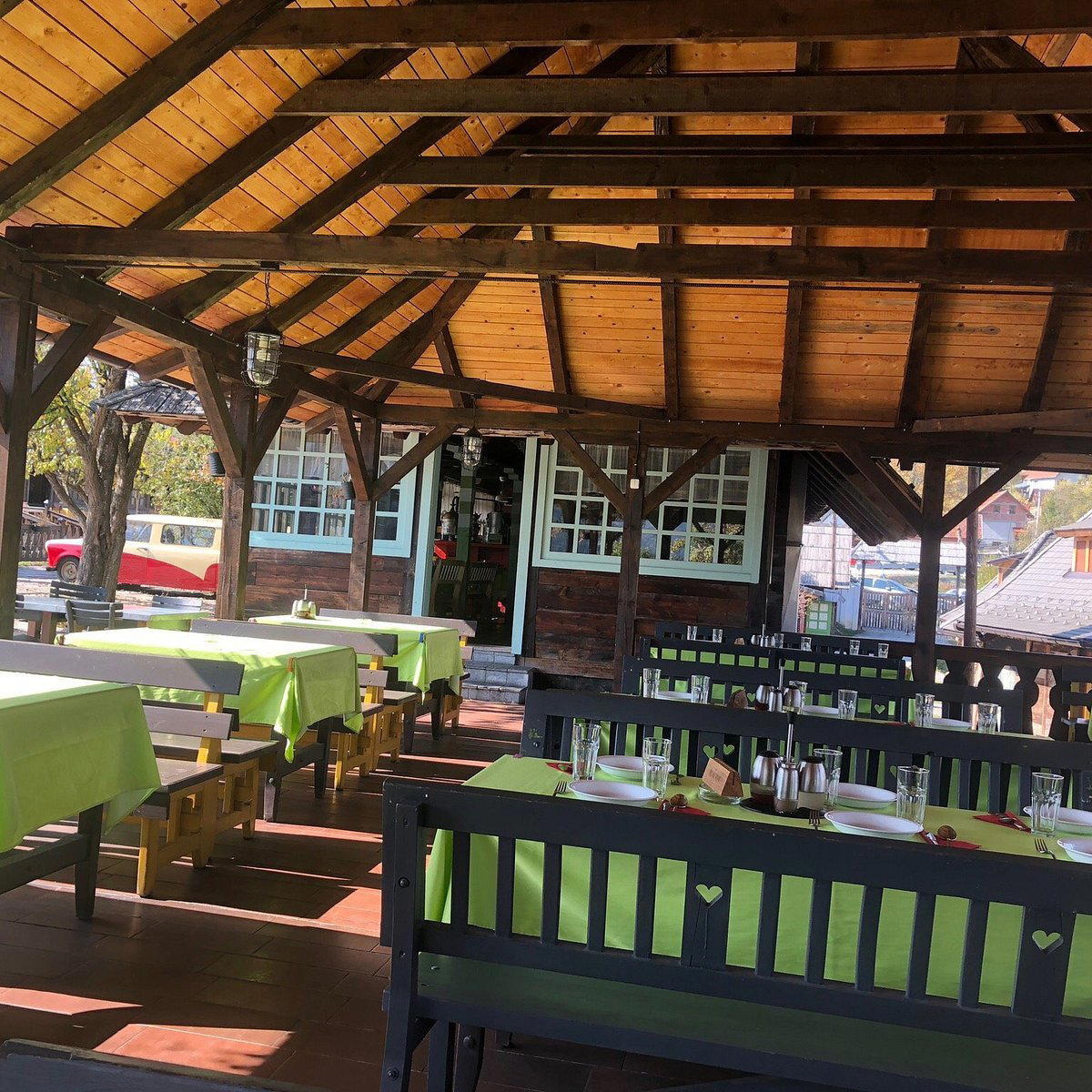
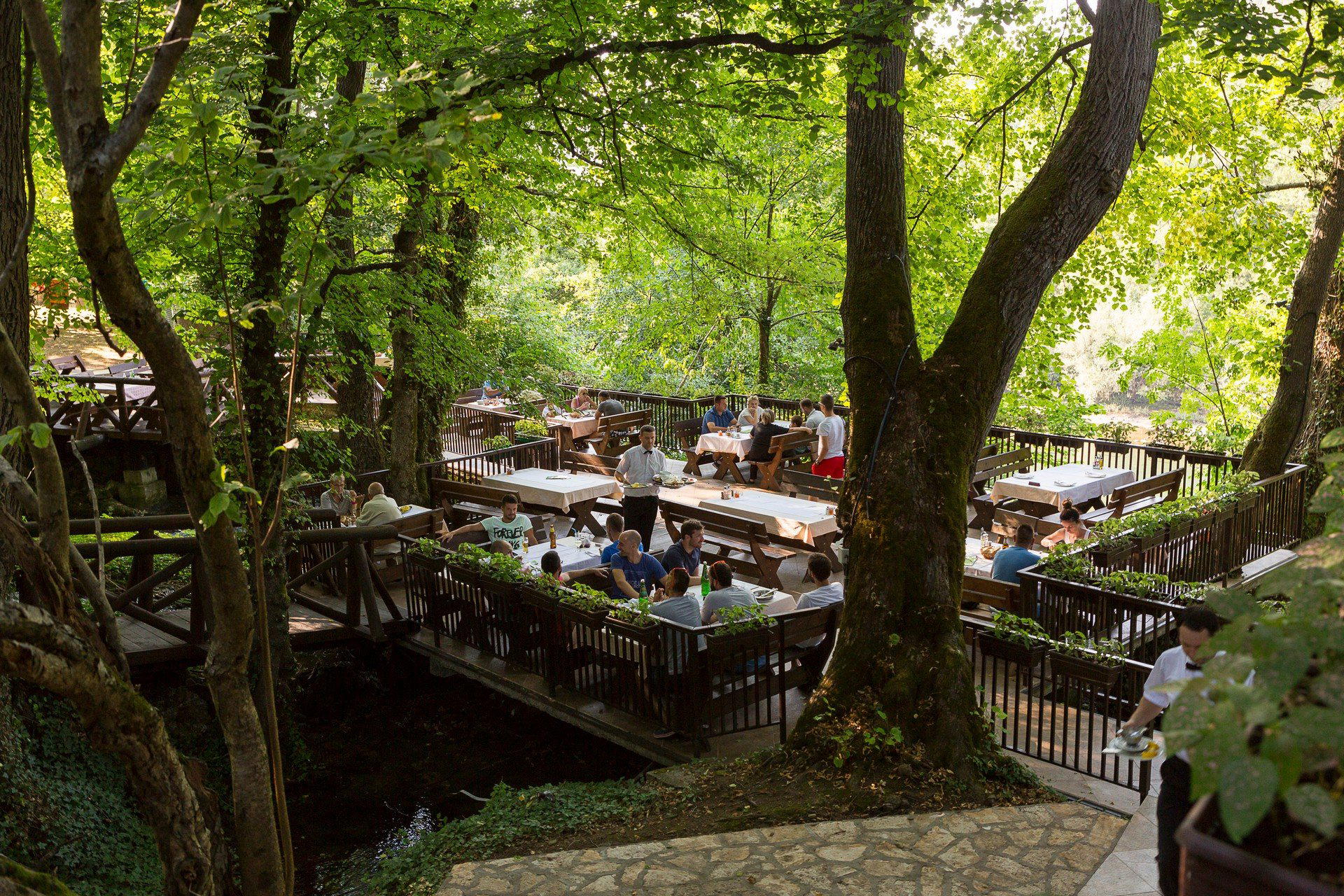
Restaurants in Bajina Basta
Browse all →
Hotels in Bajina Basta
Browse all →
Wineries in Bajina Basta
Browse all →
Details
- Rustic
- Cozy
- Casual Hangout
- Standalone
- Mountain
- A La Carte
Current opening hours
- Monday
- 8 AM–8 PM
- Tuesday
- 8 AM–8 PM
- Wednesday
- 8 AM–8 PM
- Thursday
- 8 AM–8 PM
- Friday
- 8 AM–8 PM
- Saturday
- 8 AM–8 PM
- Sunday
- 8 AM–8 PM
Hours can change for holidays and private events. Last verified .
rustic and charming with serene mountain landscapes