Крофна Бар
Our verdict
Крофна Бар occupies a distinct corner of Kragujevac's bar scene, where the Serbian tradition of casual, neighbourhood-anchored drinking culture meets a format built around a single, memorable item. Positioned within a city whose hospitality circuit is smaller and more intimate than Belgrade's, it represents the kind of place that earns local loyalty through consistency rather than spectacle.

Pearl is the En Primeur Club membership app, where members save venues, book tables and use the concierge.

A City That Drinks on Its Own Terms
Kragujevac operates on a different register from Serbia's capital. Belgrade's bar scene has spent the last decade absorbing international influences, from clarified cocktail programs to natural wine lists, while cities like Kragujevac have maintained a more self-referential hospitality culture, one where bars are measured by their role in daily neighbourhood life rather than their position in a regional ranking. Крофна Бар fits squarely into that pattern. The name itself, referencing the krofna, Serbia's answer to the filled doughnut, signals an identity rooted in local food culture rather than imported format. That kind of specificity tends to build the most durable customer relationships in mid-sized Serbian cities.
For context on how the city's food and drink scene is structured, our full Kragujevac restaurants guide maps the full range of options across neighbourhoods and price tiers.
Place and Neighbourhood as the Frame
Serbian bar culture in cities like Kragujevac tends to cluster around a few core formats: the kafana, which carries historical and social weight; the modern café-bar hybrid; and the specialist concept, which trades on a single product or atmosphere. Крофна Бар occupies that third category, using its name and apparent focus to define its position before a guest even steps inside. In a city where word-of-mouth travels faster than algorithm-driven discovery, that kind of naming clarity functions as both a marketing tool and a social contract with the neighbourhood.
Kragujevac's position in central Serbia, roughly equidistant from Belgrade and the western highlands, gives it a hospitality character that draws on both urban and regional influences. Venues here don't compete against the capital's more internationally visible addresses, places like Langouste in Belgrade operate in a different competitive conversation entirely.
The Krofna Tradition and Its Place in Serbian Food Culture
The krofna has a longer history in Serbian food culture than its casual appearance suggests. Variants of the fried, filled pastry appear across Central and Eastern Europe, but Serbia's version has become embedded in everyday life in a way that distinguishes it from its Austrian or Hungarian cousins. In the kafana tradition, sweet items like krofne often appeared alongside coffee in the mid-morning, serving as the bridge between breakfast and the longer, more social afternoon meal. A bar built around that item is, in a sense, making an argument about what comfort eating means in this specific cultural context.
Across Serbia's regional dining circuit, venues that anchor themselves to a single product or tradition tend to polarise opinion: they either earn fierce loyalty or struggle to hold attention as novelty fades. Specialist venues in comparable Serbian cities, from Kod Brana in Cacak to KAFANA DUKAT in Pirot, demonstrate that the format works well when the product quality is consistent and the social atmosphere compensates for limited menu range. The same logic applies here.
Situating the Bar in Its Broader Serbian Context
Serbia's secondary cities have developed distinct hospitality personalities over the past decade. Novi Sad trends more cosmopolitan, with venues like Kafe Restoran Maša representing a more polished café-bar hybrid. Apatin and the Danube corridor lean toward river-culture formats, as seen at ČARDA ZLATNA KRUNA. Highland venues in Cajetina and beyond, like Kafana Pećinar Ljubiš, draw on mountain hospitality codes entirely. Kragujevac sits apart from all of these sub-categories, functioning as a working industrial city whose bar culture prioritises accessibility and neighbourhood belonging over destination appeal.
That positioning matters for the visitor assessing whether Крофна Бар belongs in their itinerary. This is not a venue that competes with the technical precision of Atomix in New York City or the seafood authority of Le Bernardin. It operates in a register where those comparisons are beside the point. The relevant question is whether it serves its neighbourhood function well, and in a city like Kragujevac, that is the measure that matters.
For those travelling through central Serbia more broadly, the region offers a range of hospitality formats worth mapping: Lovački dom in Valjevo covers the hunting-lodge tradition to the northwest, while Aleksandar Gold in Uzice and Etno Kuća Dinar in Vrsac demonstrate how regional identity gets expressed through hospitality in different corners of the country. Grand in Kopaonik sits at the mountain resort end of the spectrum, while Windmill in Pancevo and Kod poštara in Aran Elovac round out the picture of how Serbia's non-capital hospitality circuit has diversified.
Planning a Visit
As is common with neighbourhood bars in Serbian secondary cities, walk-in visits during standard café-bar hours are typically the norm rather than advance reservation. Kragujevac's compact central area means that the bar is accessible on foot from most points in the city centre, and the venue sits within the broader cluster of eating and drinking options that define the city's social geography. Visitors combining Крофна Бар with other stops in the city's dining circuit are advised to check current hours directly before visiting, as independently operated bars in this tier often adjust their schedules seasonally.
Frequently asked questions
What part of town is Крофна Бар in?
Крофна Бар is located at Kragujevac, Serbia, Kragujevac.
How does Крофна Бар fit into Kragujevac's broader drinking and eating scene?
Kragujevac sits outside the Belgrade-Novi Sad axis that draws most international attention to Serbian hospitality, which gives venues here a more locally anchored character. Крофна Бар's name signals a deliberate tie to the krofna tradition rather than the cosmopolitan bar formats gaining ground in Serbia's larger cities. For travellers moving through central Serbia, it represents a format shaped by Kragujevac's own social rhythms rather than imported trends.
What's the must-try dish at Крофна Бар?
The venue's name points directly to its focus: the krofna, a fried filled pastry with deep roots in Serbian food culture. Variants of the krofna appear across Central and Southeastern Europe, but Serbian iterations tend toward richer fillings and are tied to everyday social rituals rather than special-occasion eating.
Is Крофна Бар reservation-only?
Bar-format venues in Serbian secondary cities like Kragujevac typically operate on a walk-in basis rather than advance reservations, though this varies by occasion and time of day. Checking directly with the bar before visiting is the most reliable approach.
The Short List
Comparable venues nearby, for context on price, style, and recognition.
| Venue | Cuisine | Price | Awards | Notes |
|---|---|---|---|---|
| Крофна БарThis venue (the venue you are viewing) | Cafe | Not listed | Not listed | Not listed |
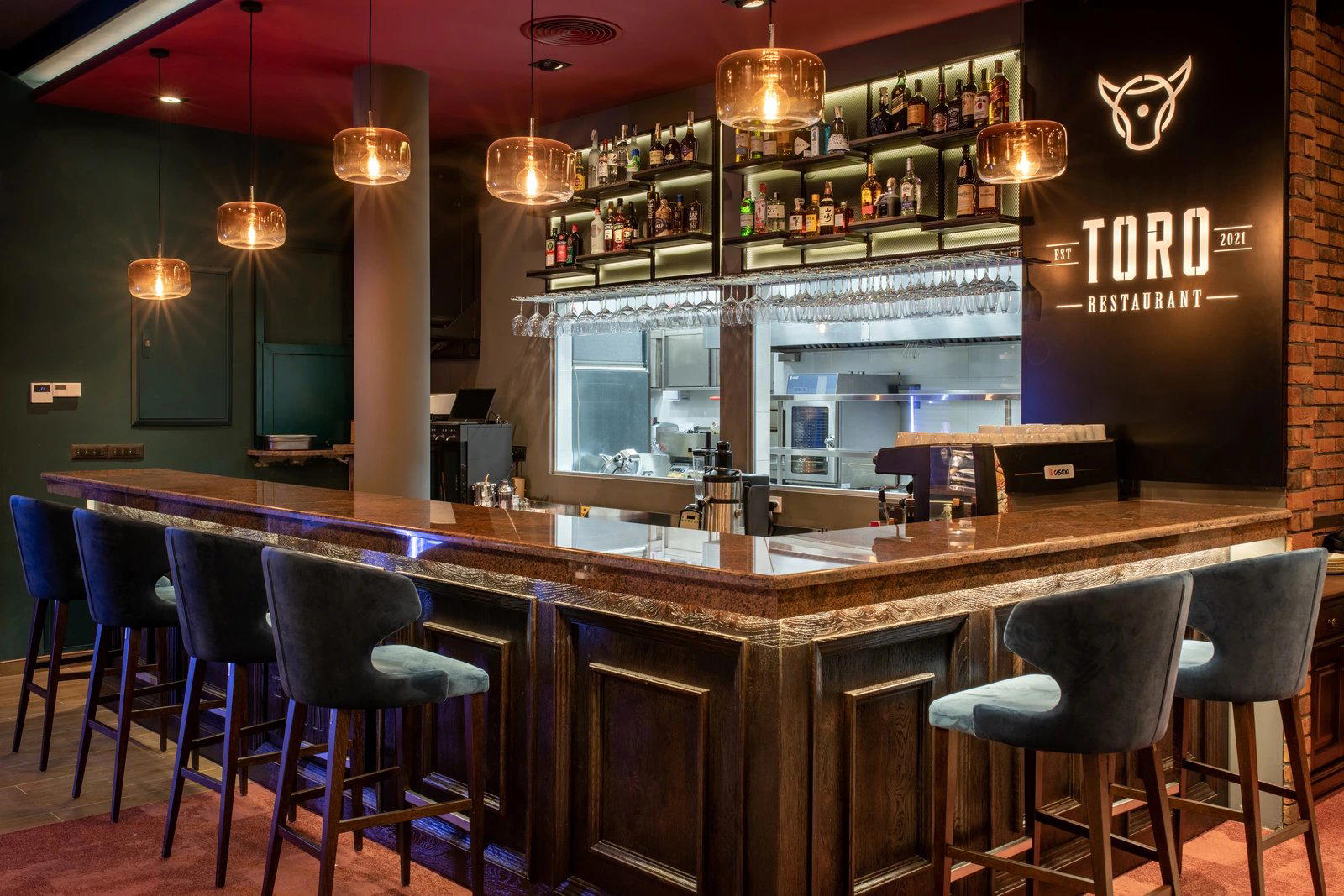
| RESTORAN TORO | Modern International with Serbian Influences | Not listed | Not listed | Sušica, Modern International with Serbian Influences |
| Kano | Mediterranean-Asian Fusion | $20–30 | Star Wine List | city center, Mediterranean-Asian Fusion |
| Pizza Favola | Pizza | $10–20 | Not listed | Kragujevac, Pizza |
| Kano | Mediterranean-Asian Fusion | $20–30 | Star Wine List | Kragujevac, wine_bar |
| Restoran Kod Jukića | Sjenica, Balkan Barbecue | Not listed | Not listed | Not listed |
Continue exploring
More in Kragujevac
Restaurants in Kragujevac
All restaurants in Kragujevac →
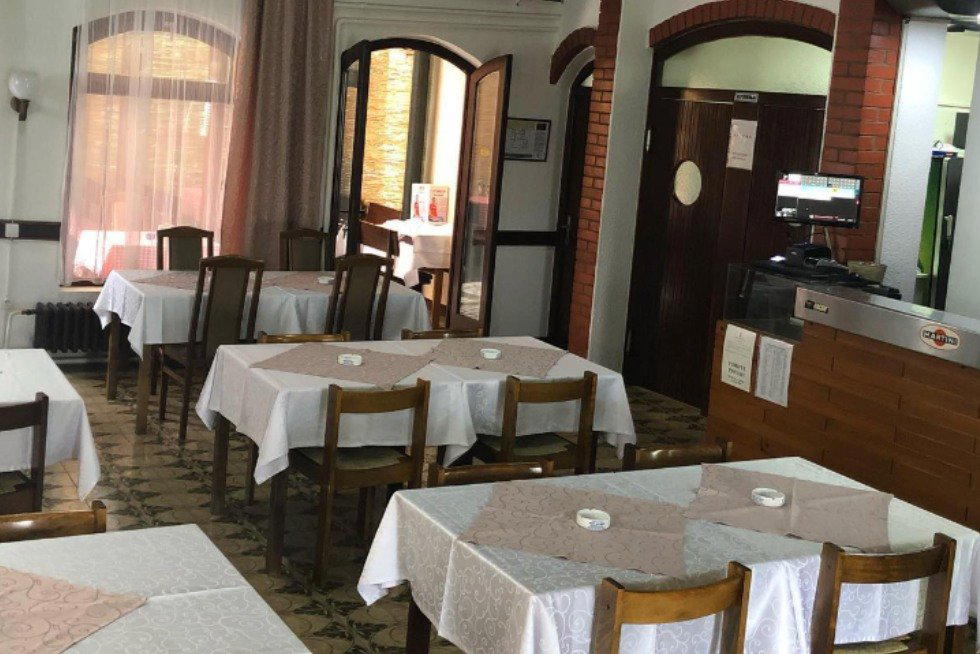
Bars in Kragujevac
Browse all →
Details
- Casual Hangout
- A La Carte
Current opening hours
- Monday
- 8 AM–8 PM
- Tuesday
- 8 AM–8 PM
- Wednesday
- 8 AM–8 PM
- Thursday
- 8 AM–8 PM
- Friday
- 8 AM–8 PM
- Saturday
- 8 AM–5 PM
- Sunday
- Closed
Hours can change for holidays and private events. Hours as of .
Casual, laid-back cafe environment with moderate activity