Žakan sits on Otok Ravni Žakan, a small island inside Croatia's Kornati archipelago, placing it among the more remote dining addresses on the Adriatic. The setting defines the experience: arrival is by boat, the surrounding national park frames every meal, and the kitchen draws on island fishing traditions that have shaped Dalmatian cooking for centuries. Booking ahead is strongly advised during the summer season.
Pearl is the En Primeur Club membership app — saves, bookings, and concierge access live there. Same editors, same standards.
- Address
- Otok Ravni Žakan 8, 22243, Murter, Croatia
- Phone
- +385913776015
- Website
- zakan-kornati.hr
- Directions
- Get directions
 Saves & bookings on Pearl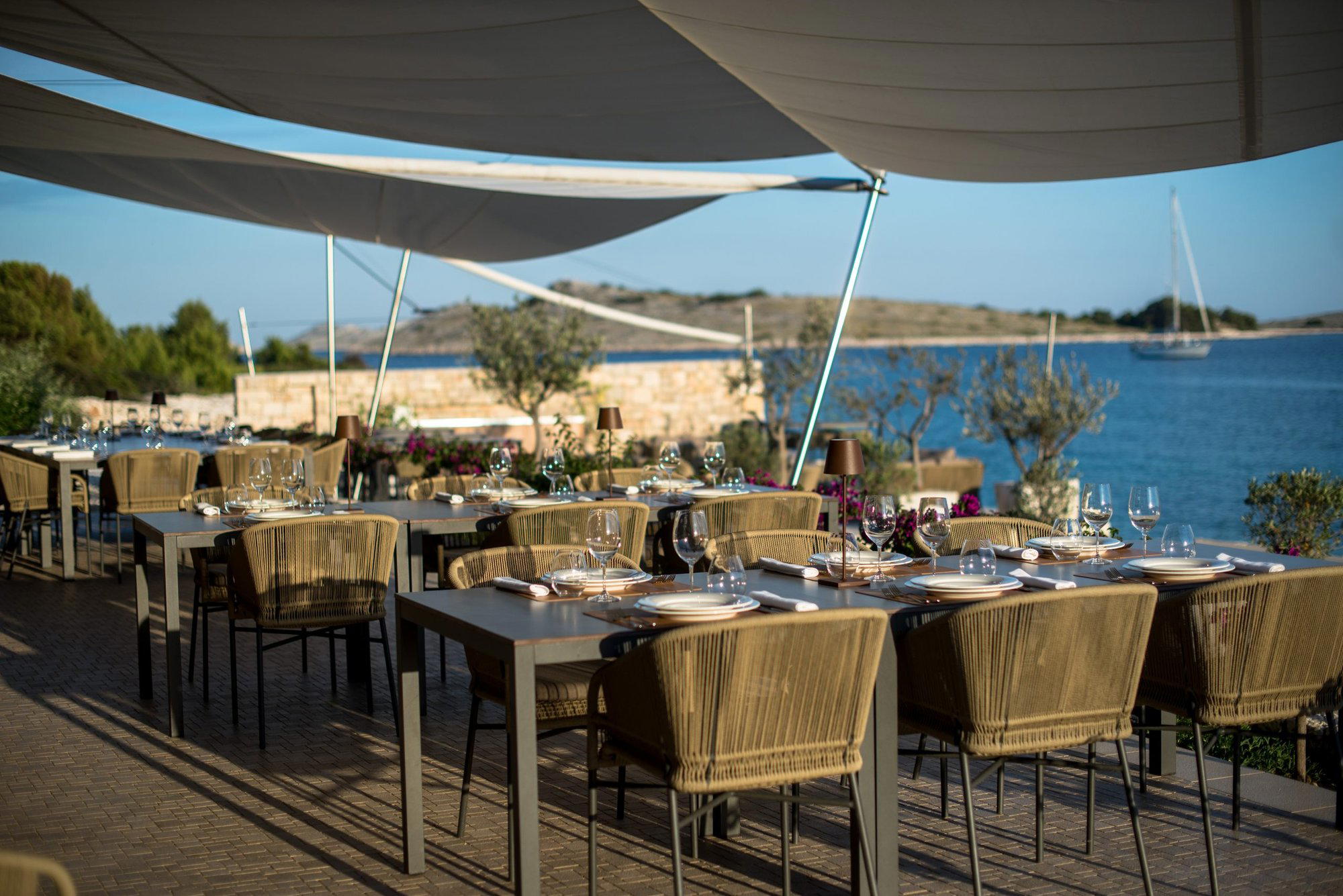
Dining at the Edge of the Adriatic
The Kornati archipelago, 89 islands, islets, and reefs spread across 320 square kilometres of protected national park, has never been a place of easy access. That inaccessibility is precisely what has preserved both its ecology and its food culture. Restaurants here do not compete on theatre or technical modernism. They compete on proximity to source: the fish pulled from surrounding waters that morning, the olive oil pressed on nearby islands, the wine brought over by boat from Dalmatian producers on the mainland coast. Žakan, addressed at Otok Ravni Žakan 8 in the municipality of Murter, operates from within this tradition rather than alongside it.
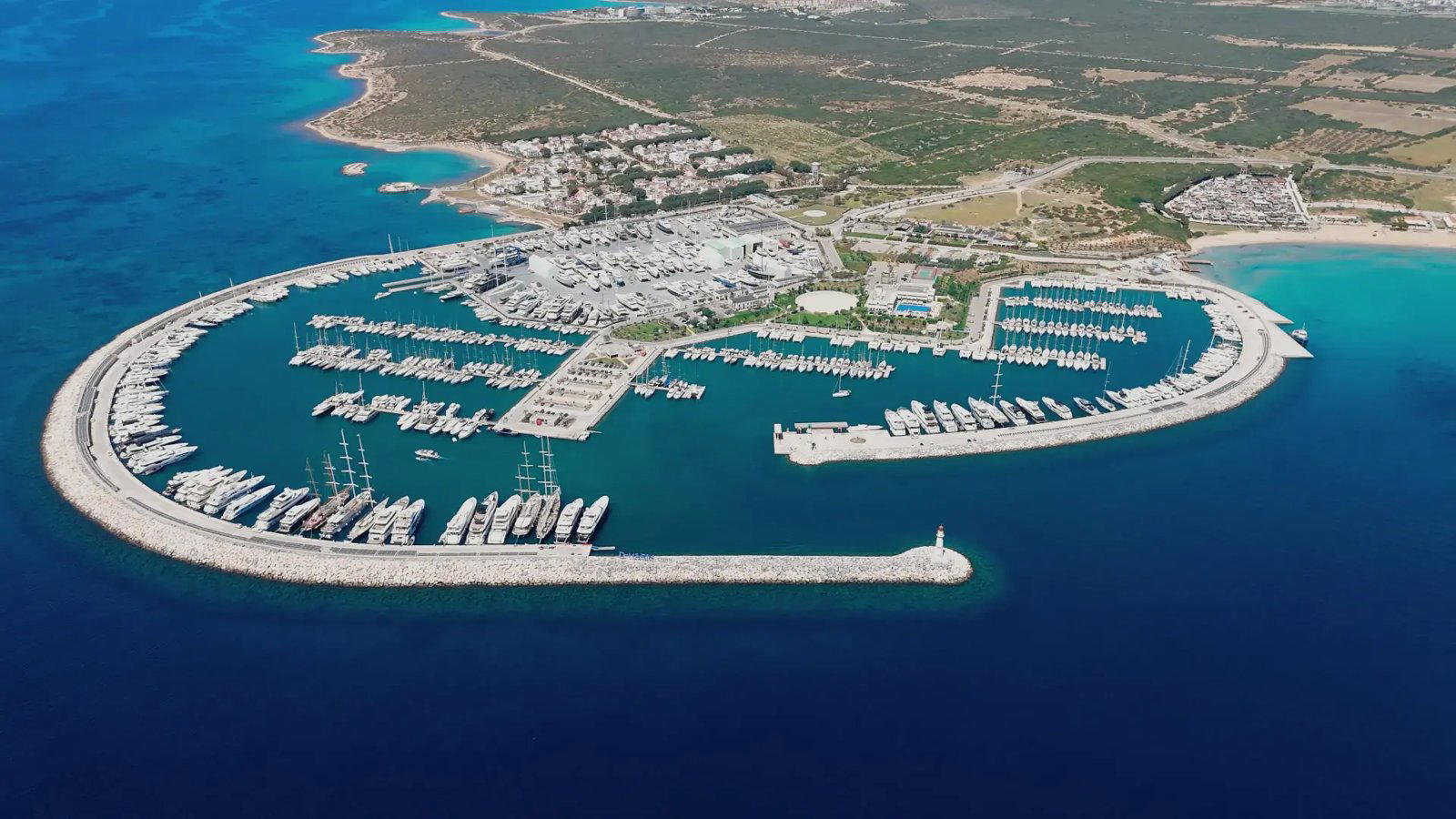
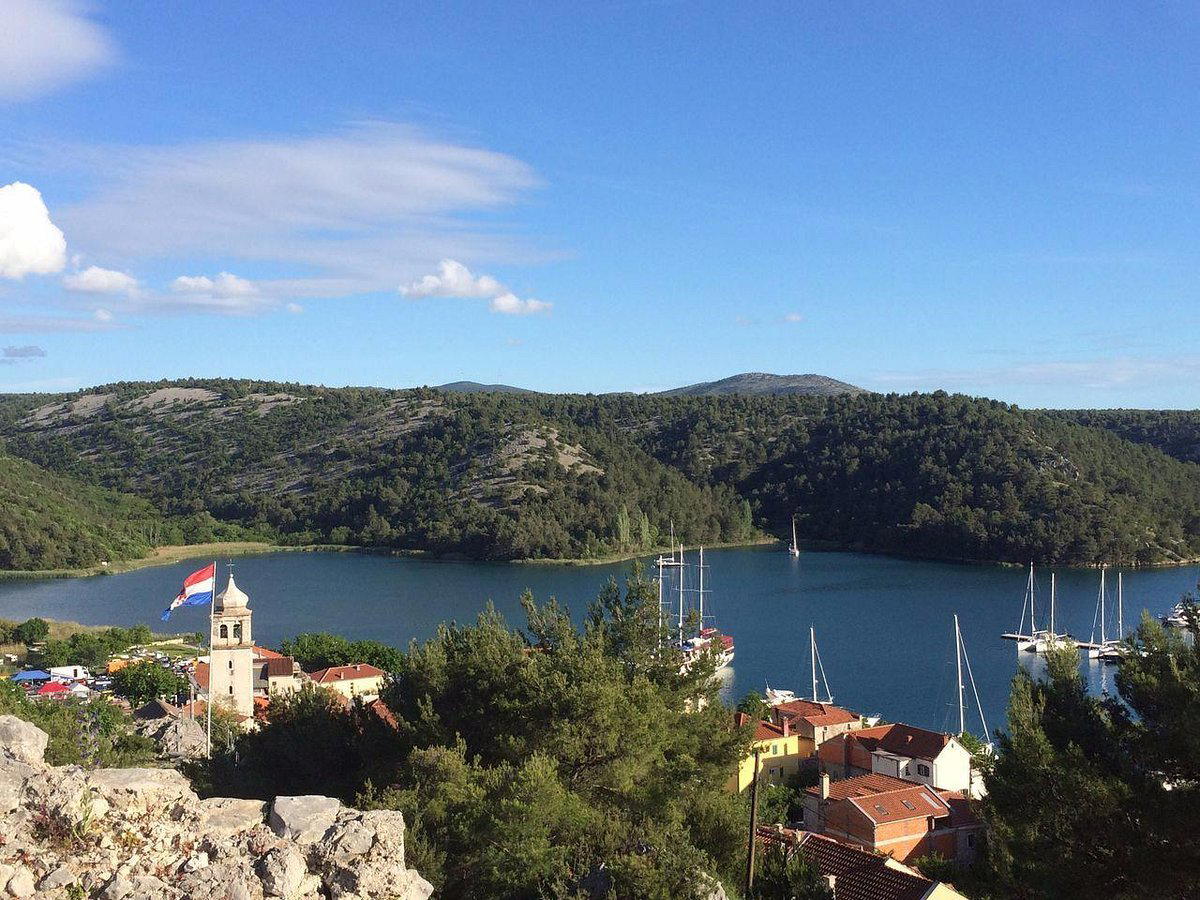
Arriving on the island by boat, the only way to get here, the context resets immediately. There is no road noise, no passing traffic, no urban hum. The waters of the Kornati national park extend in every direction, the limestone karst of the islands bleached pale by sun and sea wind. What appears is a building integrated into a shoreline that has remained functionally unchanged for generations. The Adriatic fishing tradition that shaped cooking across Dalmatia did not develop in restaurants: it developed on boats, in small harbours, and on islands exactly like this one.
A Cuisine Shaped by Isolation
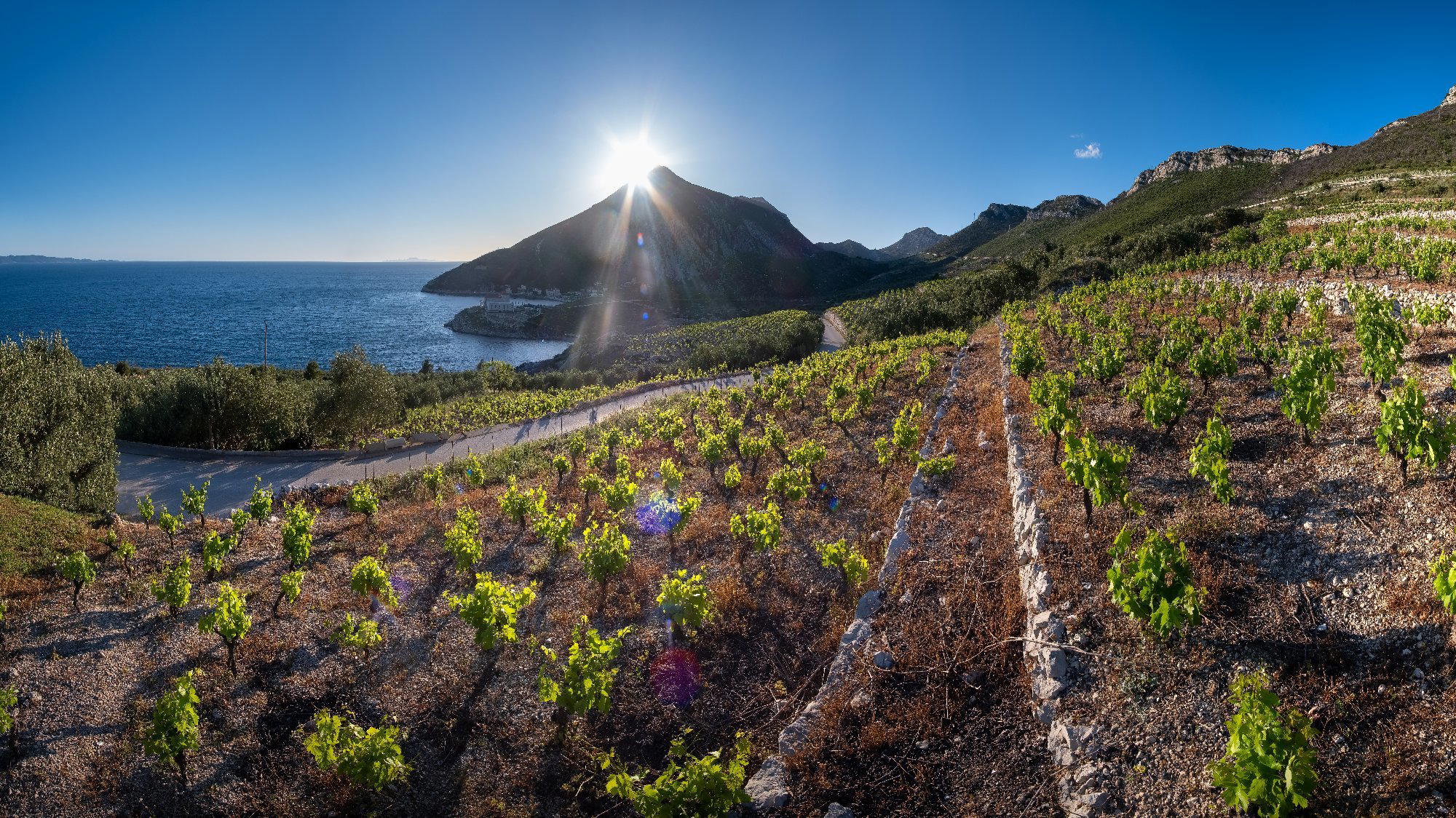
Dalmatian coastal cooking is, at its structural core, a cuisine of constraint transformed into character. The islands of the central Adriatic produced no significant agriculture: thin soil, scarce water, and exposure to the bura wind made cultivation difficult except for olives and a small number of hardy grape varieties. What the sea provided, however, was notable. Kornati waters are among the cleaner fishing grounds remaining in the Adriatic, a direct consequence of the national park designation that has limited commercial trawling in the area. Fish and shellfish from these waters carry a quality argument that their urban counterparts in Split or Dubrovnik cannot always match on provenance alone.
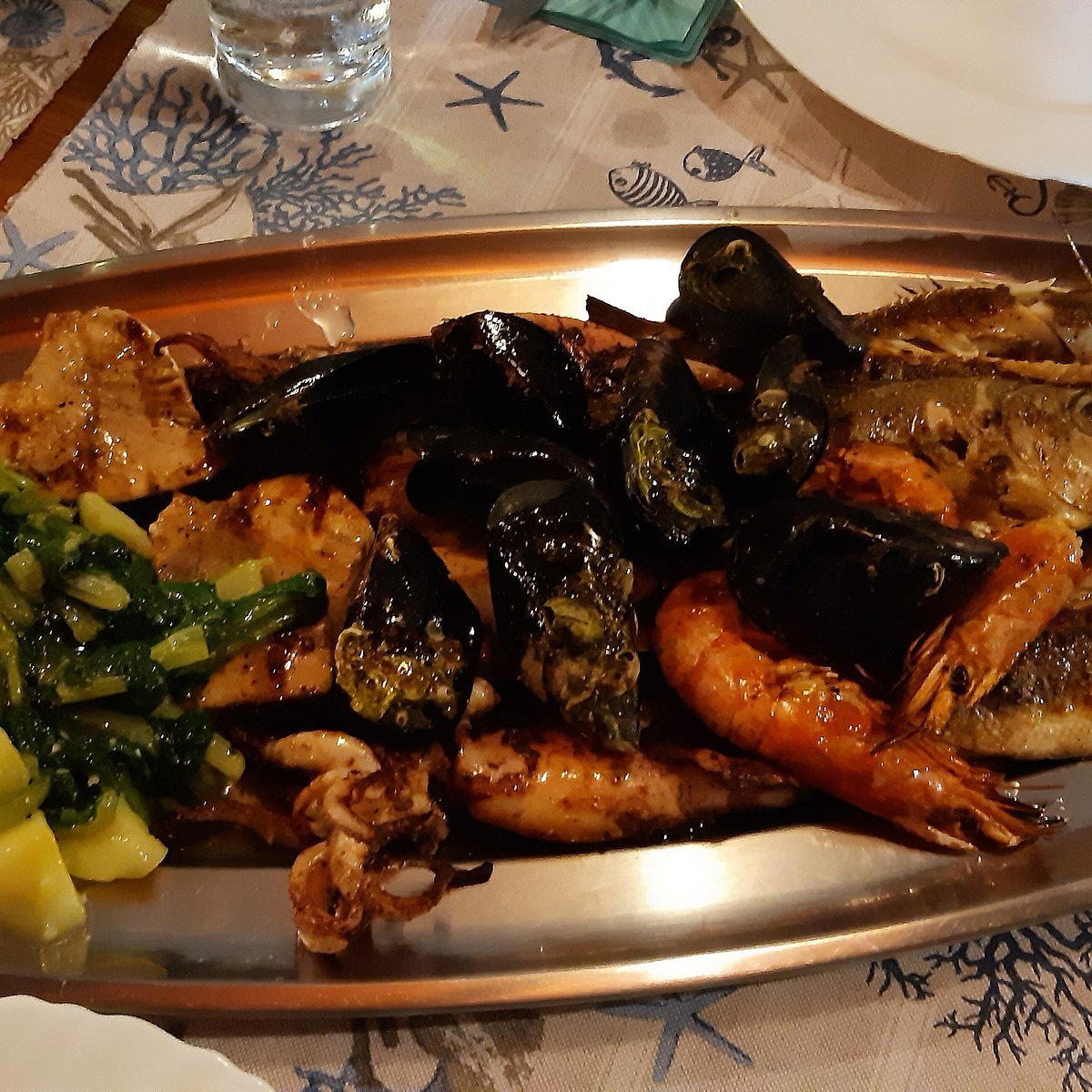
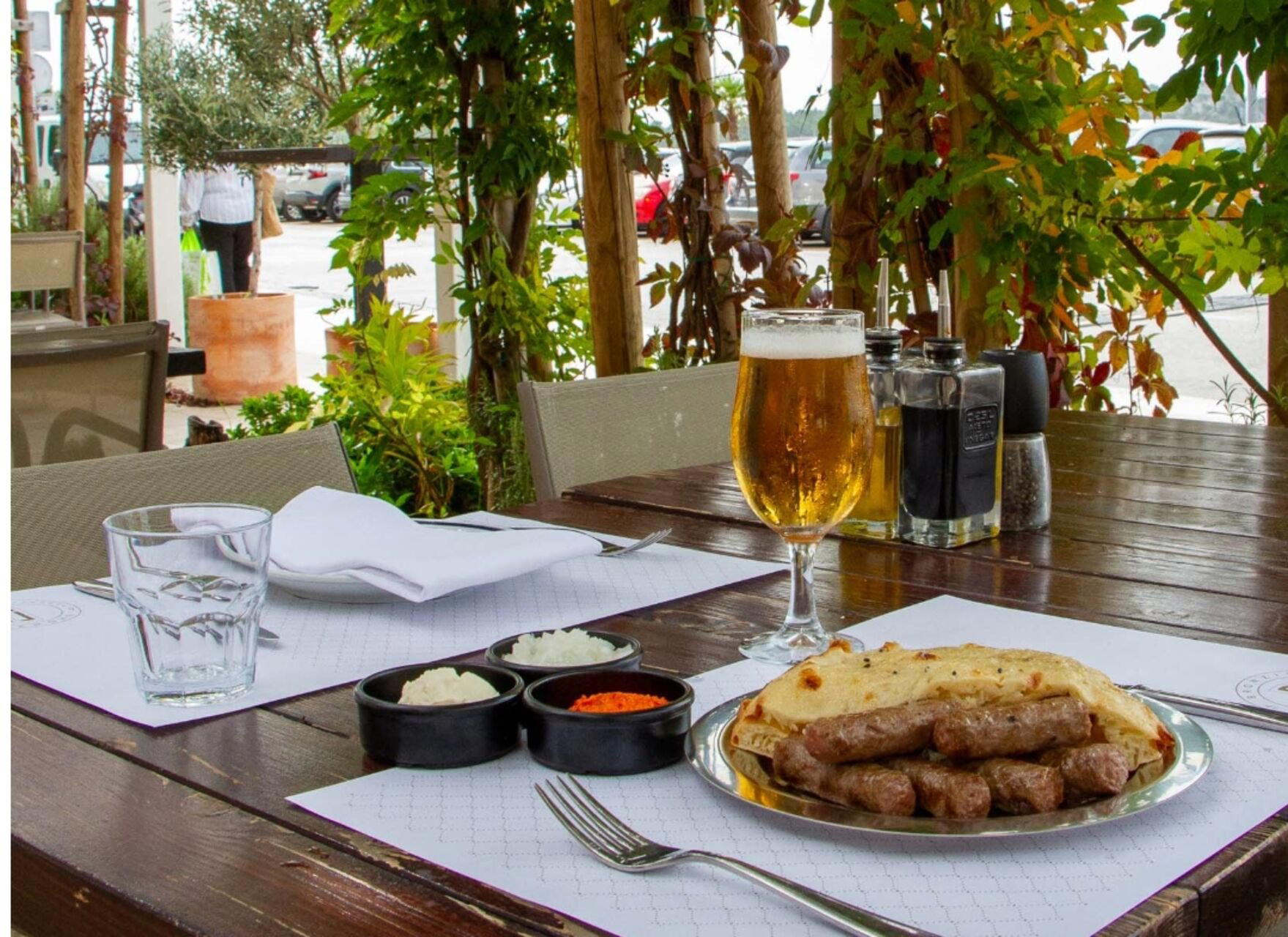
The tradition Žakan operates within is sometimes called ribarska kuhinja, fisherman's kitchen, and its hallmarks are legible in the broader regional canon: whole grilled fish, shellfish prepared without heavy sauce, bread baked in a peka (the bell-shaped dome used across Dalmatia and inland Croatia), and wine poured without ceremony. Elsewhere on the Dalmatian coast, this tradition has been packaged into tourist-facing konoba formats of varying integrity. On a working island inside a national park, the audience narrows sharply, and with it the incentive to perform authenticity rather than practice it.
Croatia's recognised fine dining addresses cluster in predictable geography: Pelegrini in Šibenik and Restaurant 360 in Dubrovnik hold positions at the summit of the awards tier, both running contemporary Mediterranean programs at the €€€€ price point. Agli Amici Rovinj in Istria operates at a similar level with Italian-contemporary framing. Further along the coast, Alfred Keller in Mali Lošinj and Boskinac in Novalja represent the island-based premium category. Inland, Dubravkin Put in Zagreb and Korak in Jastrebarsko anchor a different register of Croatian cooking focused on continental produce.
Žakan occupies a different category: the working island restaurant defined by its setting and access. The distinction matters when choosing between Dalmatian dining experiences. Venues like Krug in Split, Nebo by Deni Srdoč in Rijeka, or LD Restaurant in Korčula offer the controlled, chef-led experience of the contemporary Croatian dining scene. Žakan offers something the contemporary tier cannot: a meal on a national-park island where the logistics of getting there are part of what you are paying for.
Planning Your Visit
Access to Otok Ravni Žakan requires a boat, and the practical implication is that timing your visit around weather and marina logistics matters as much as any restaurant booking. The Kornati national park charges an entry fee for vessels, and most visitors arrive by charter, private boat, or organised excursion from Murter, Šibenik, or Zadar. Summer months from June through August represent peak season across the archipelago: anchorages fill, and popular island restaurants attract visiting sailors and day-trippers alongside those who have planned ahead specifically to eat here.
Given the island's remote position and limited capacity, contacting the restaurant before arrival, rather than turning up from the anchorage and hoping for a table, is the practical approach. Specific hours, pricing, and current booking methods should be checked directly before your visit. For those planning a broader Dalmatian itinerary, restaurants at accessible coastal towns provide a useful fallback: BioMania Bistro Bol in Bol on Brač, Bodulo in Pag, Burin in Crikvenica, and Cantilly Garden Restaurant in Samobor all represent the wider geography of Croatian regional cooking.
Cost Snapshot
Comparable venues nearby, for context on price, style, and recognition.
| Venue | Cuisine | Price | Notes |
|---|---|---|---|
| ŽakanThis venue — the venue you are viewing | Ravni Žakan, Modern Dalmatian Seafood | $$$$ | Not listed |
| Konoba Soleta | Not listed | $$$ | Kornati Islands National Park, Traditional Croatian Seafood |
| Taverna Bota Sare | Not listed | $$$ | Mali Ston, Traditional Dalmatian Seafood & Oysters |
| Boba | Murter, Contemporary Adriatic Seafood | $$$ | Not listed |
| Konoba Cigale | Not listed | $$$ | Čikat Cove, Mali Lošinj, Traditional Adriatic Seafood |
| Fešta | Not listed | $$$ | Žut Island, Kornati Archipelago, Traditional Adriatic Seafood |

At a Glance
- Scenic
- Romantic
- Rustic
- Intimate
- Date Night
- Group Dining
- Special Occasion
- Waterfront
- Terrace
- Extensive Wine List
- Local Sourcing
- Waterfront
Current opening hours
- Monday
- 9 AM–12 AM
- Tuesday
- 9 AM–12 AM
- Wednesday
- 9 AM–12 AM
- Thursday
- 9 AM–12 AM
- Friday
- 9 AM–12 AM
- Saturday
- 9 AM–12 AM
- Sunday
- 9 AM–12 AM
Hours can change for holidays and private events. Last verified .
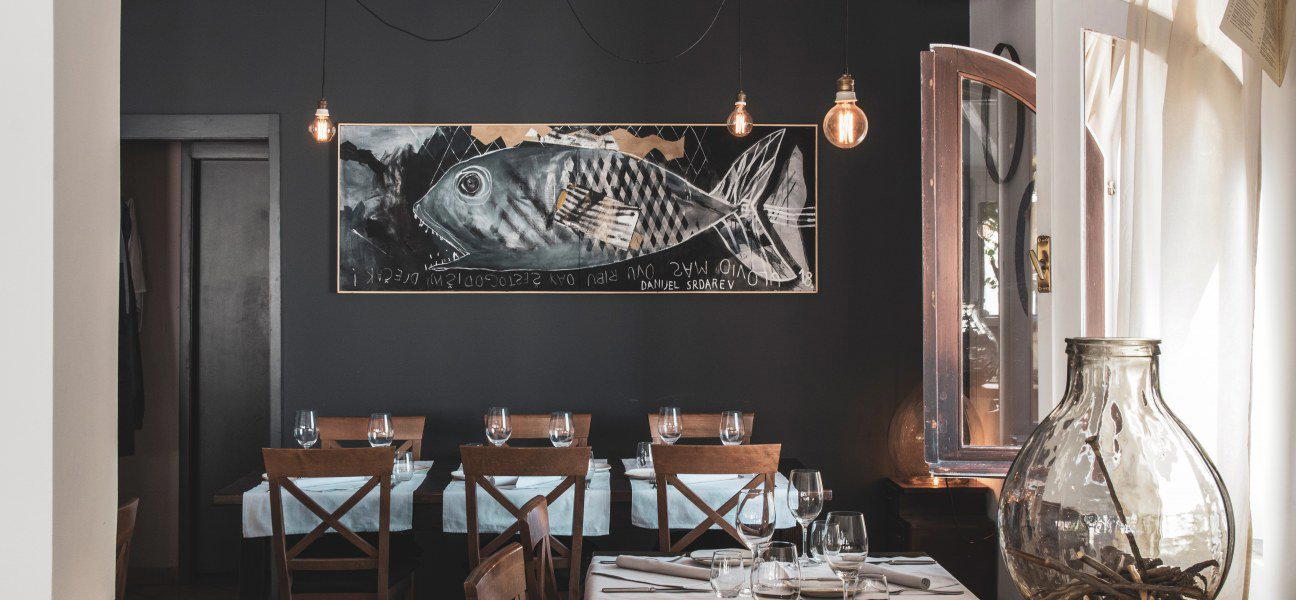
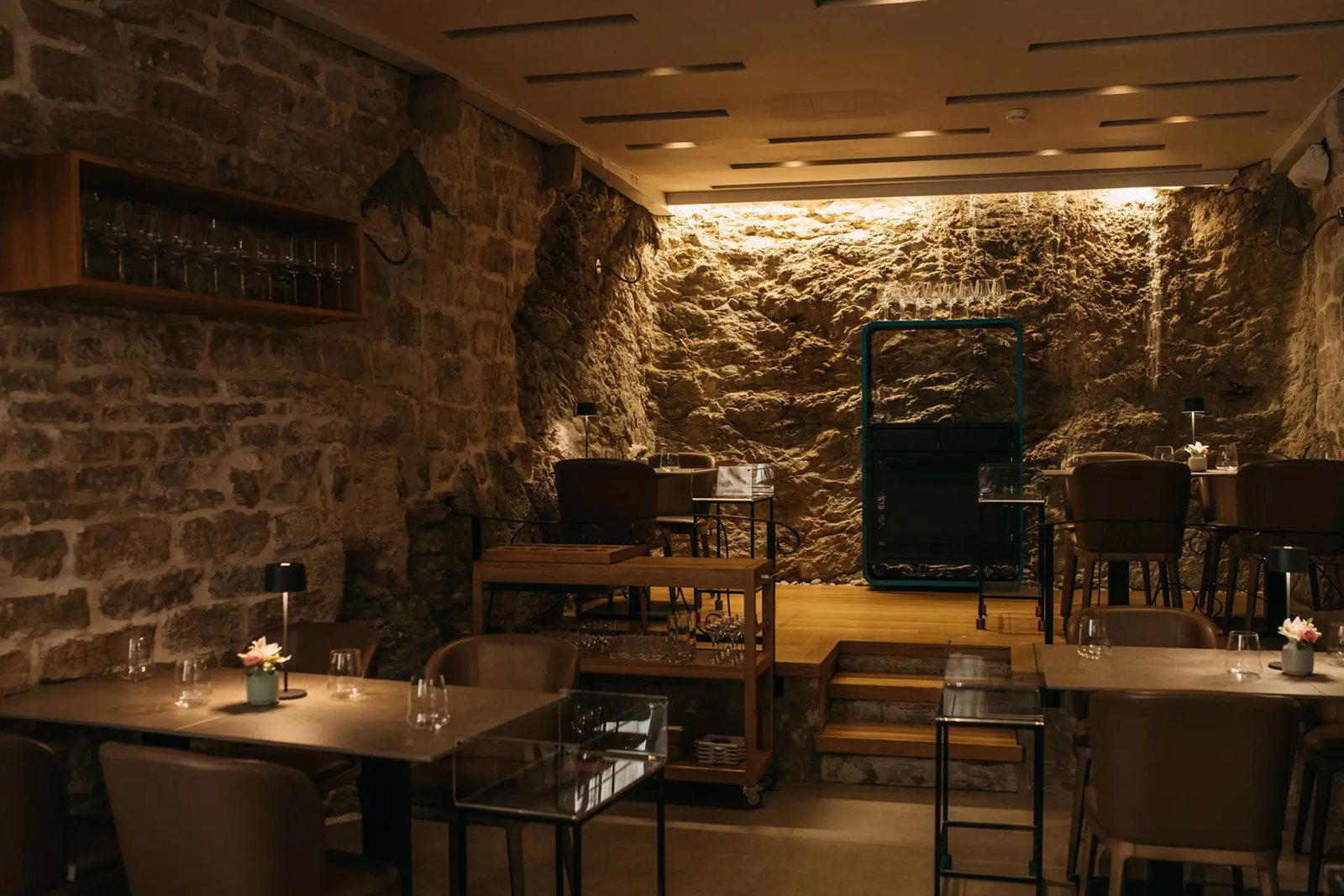
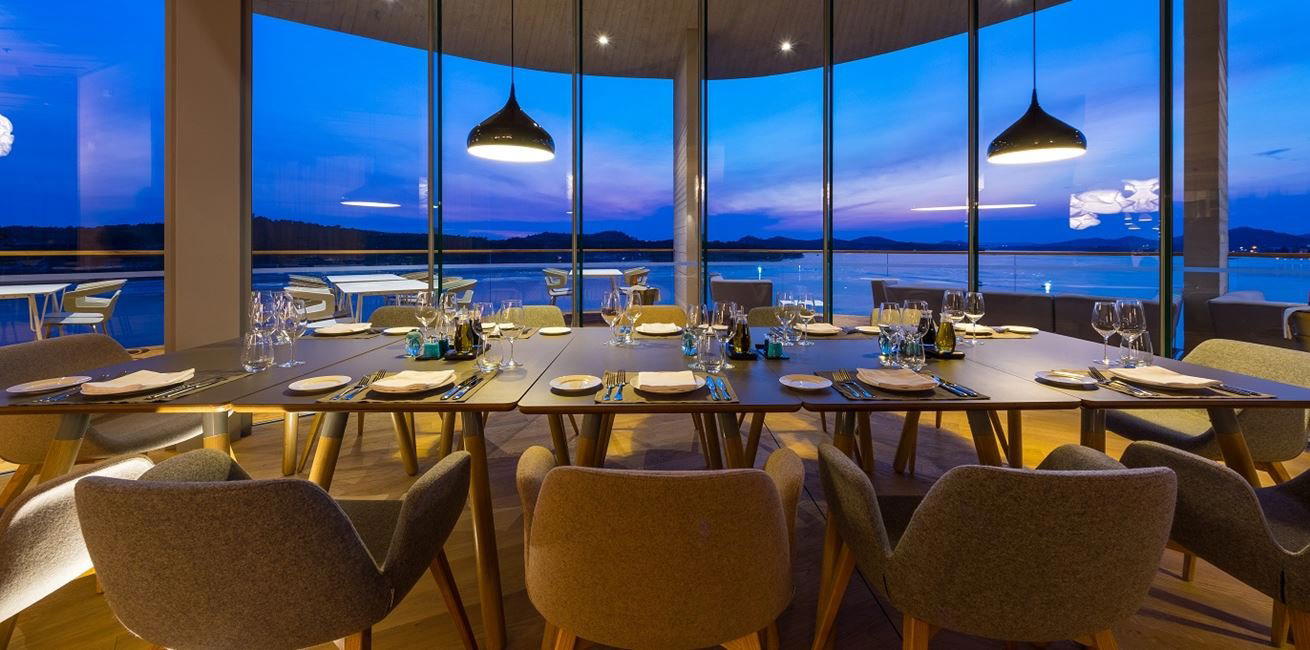
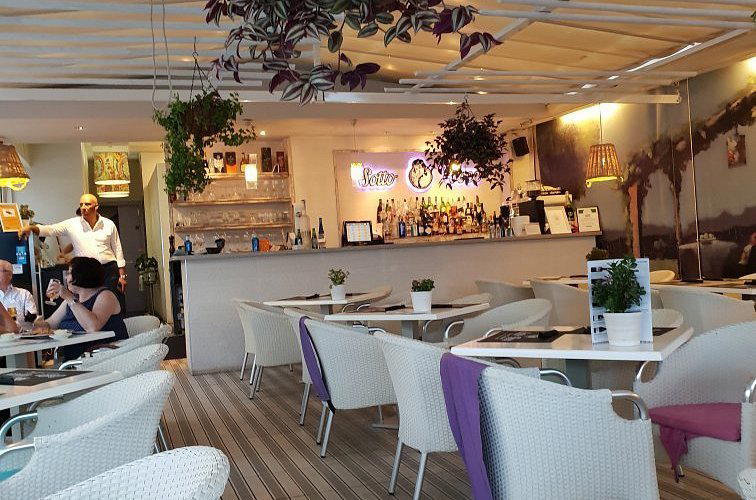
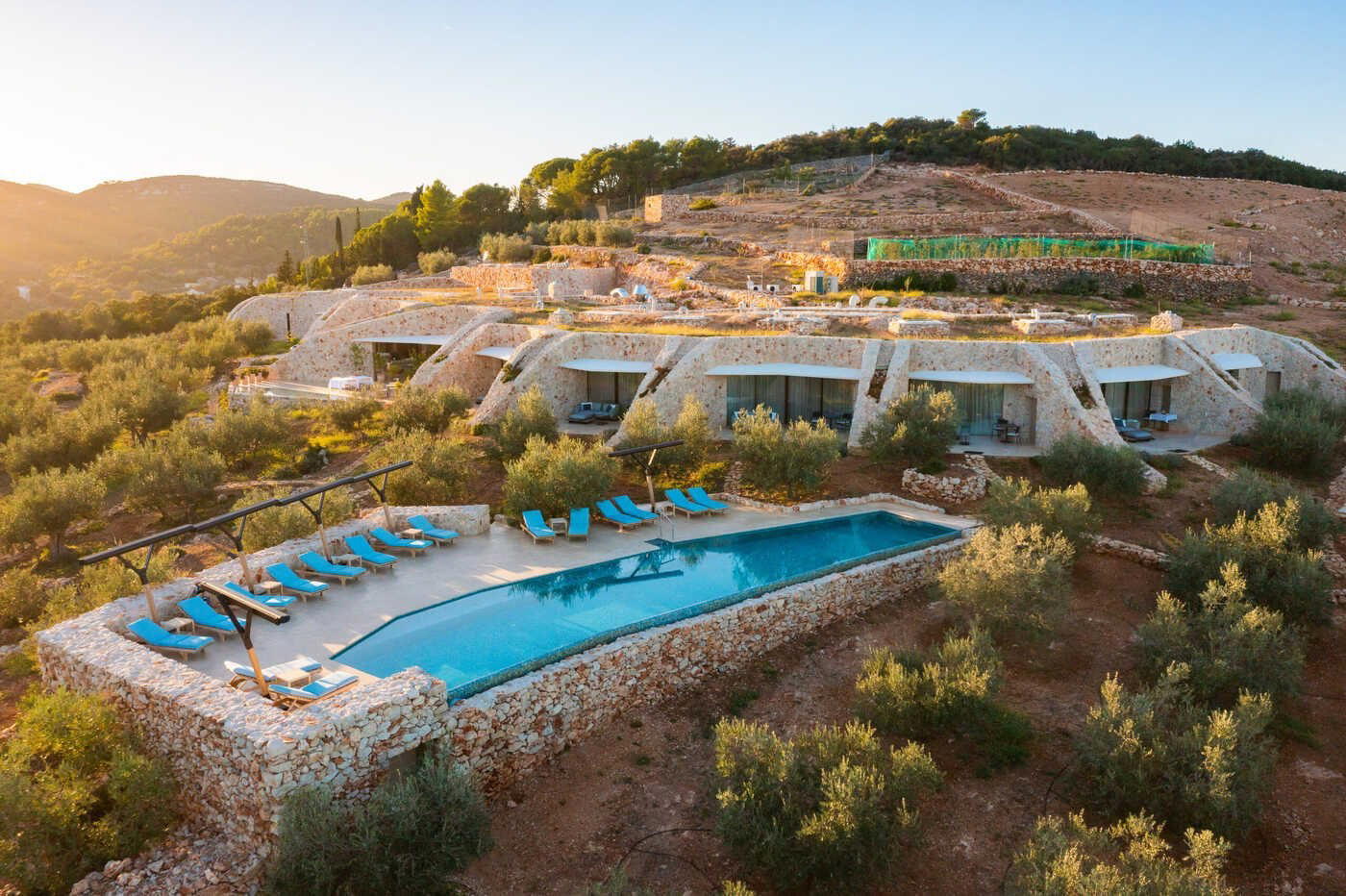
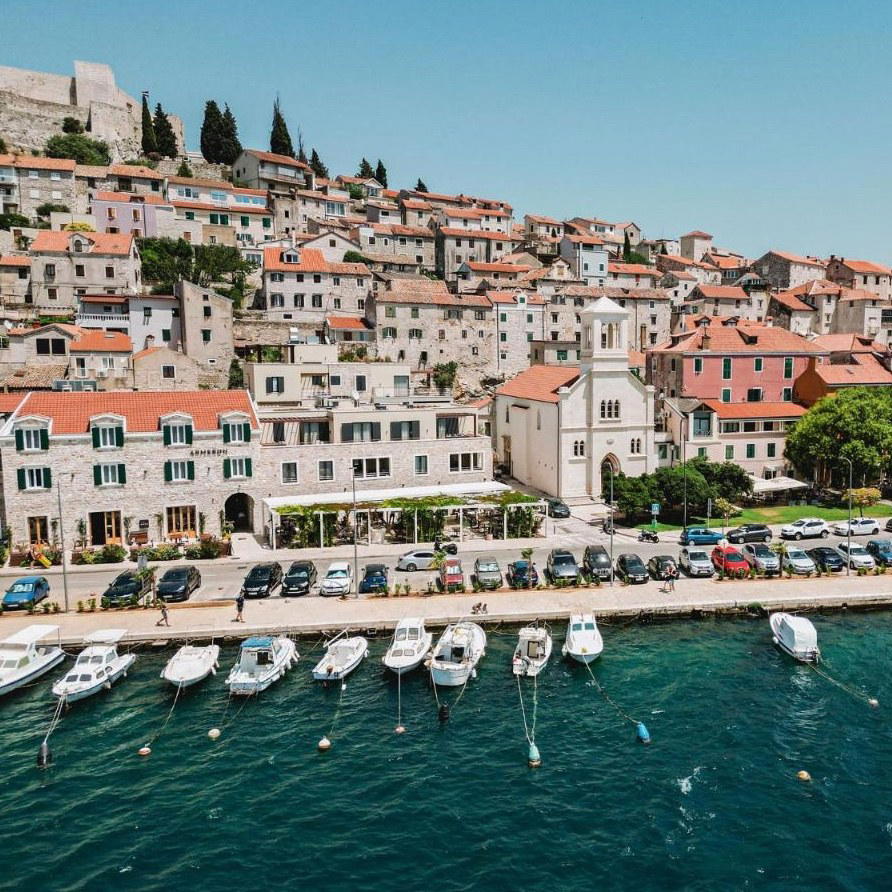
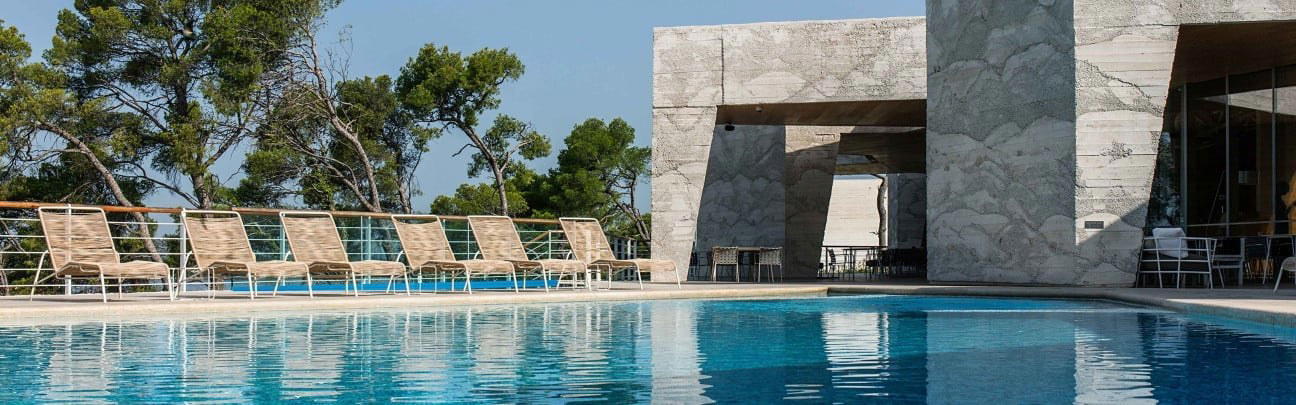
Atmospheric stone terrace overlooking the bay with modern airy design reflecting the natural beauty of the location.