Our verdict
On Dobračina street in Belgrade's Stari Grad quarter, Ćevap kod Dekija holds a position in the city's ćevapi tradition that goes beyond mere proximity to the old town. The format is direct: hand-formed cevapi served the way Belgrade has eaten them for generations. In a city where grilled-meat institutions are measured by repeat custom rather than accolades, this address draws both neighbourhood regulars and visitors who know to look past the tourist trail.

Pearl is the En Primeur Club membership app, where members save venues, book tables and use the concierge.
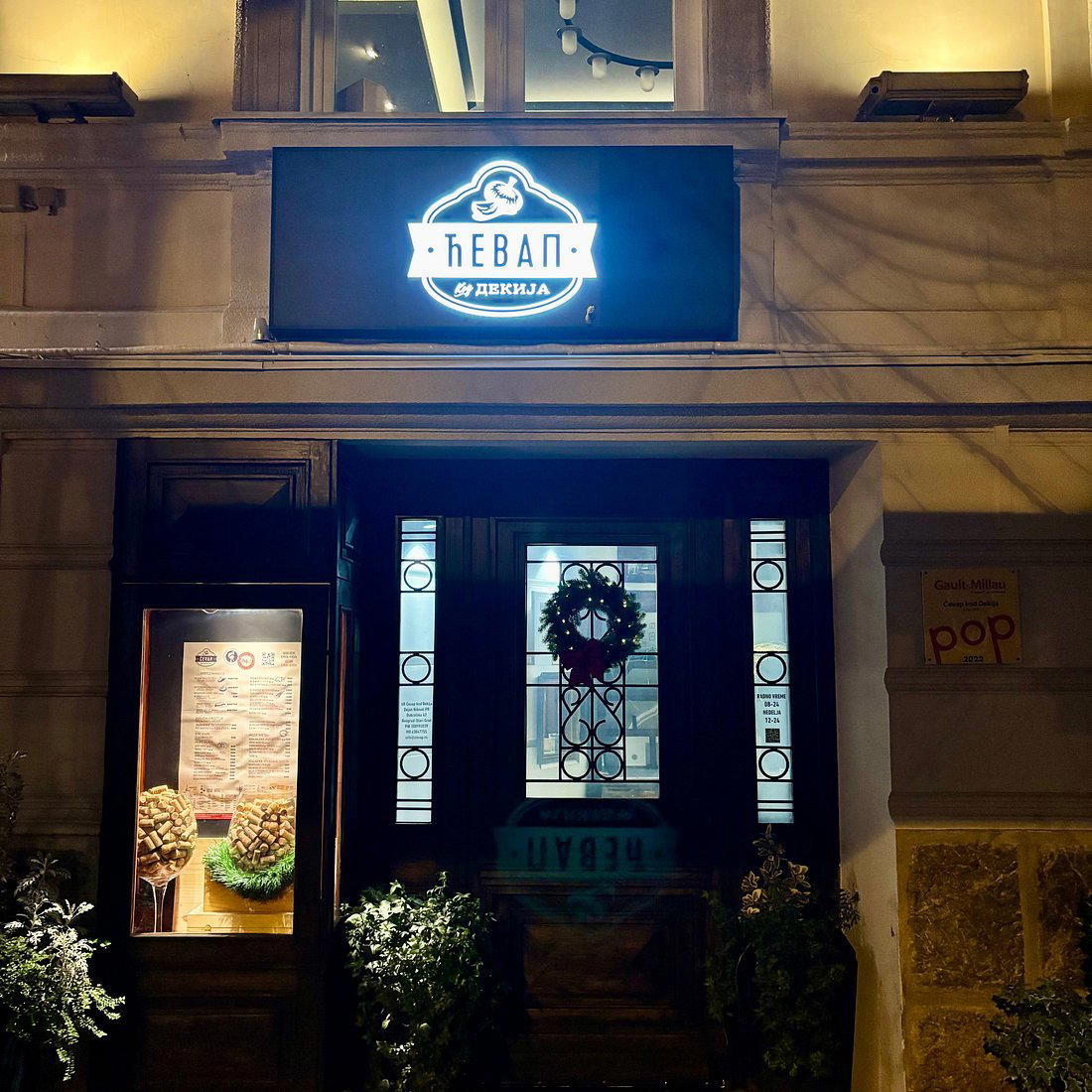
Dobračina Street and the Grammar of Belgrade's Grilled-Meat Tradition
Belgrade's relationship with ćevapi is not casual. The city has eaten this dish, ground meat, hand-formed, cooked over open charcoal, long enough that standards have calcified into a kind of informal institution. Regulars in any given neighbourhood can tell you within a bite whether the ratio of beef to pork is right, whether the casing has the correct resistance, and whether the accompaniments (ajvar, raw onion, kajmak on request) have been handled with care or afterthought. Ćevap kod Dekija, at Dobračina 42 in Stari Grad, sits inside that tradition rather than commenting on it from a distance.
Stari Grad is the part of Belgrade where the city's older eating habits have survived longest. The neighbourhood sits between the Kalemegdan fortress and the commercial energy of Knez Mihailova, and its side streets retain a pace that resists the bar-and-brunch homogenisation visible elsewhere in the centre. Dobračina itself is a quieter artery, which makes an address like this one something of a fixed point for those who know the area.
Where Ćevap kod Dekija Sits in Belgrade's Eating Order
Belgrade's dining options now spread across several tiers. At the upper end, restaurants like Langouste and The Square price and position against European contemporary peers. Ambar works the Balkan-sharing format at a higher production level. Below that, in a tier measured by repetition and neighbourhood loyalty rather than by tasting menus or wine programmes, sit the city's ćevap houses, and this is the competitive set that matters for Ćevap kod Dekija.
That tier is not simple. Belgrade has dozens of addresses that serve ćevapi, ranging from tourist-facing operations near major landmarks to family-run spots that barely advertise beyond word of mouth. The distinction between them is rarely the ingredient itself, ćevapi is a constrained format by definition, but the execution: temperature control at the grill, freshness of the meat on any given service, the quality of the flatbread, and whether the kitchen holds its standard when the room is full. Repeat visitors are the most reliable signal of which operations take those details seriously.
On Drinks and the Question of Wine at a Ćevap House
The editorial angle of wine curation sits at an interesting angle to a ćevap specialist. Serbia's wine production has expanded considerably over the past two decades, with indigenous varieties, Prokupac, Tamjanika, Župski Crni, gaining traction both domestically and in export markets. The Šumadija and Morava regions in particular have produced smaller producers working with lower intervention approaches, and their wines have started appearing on Belgrade restaurant lists that would once have defaulted to imported options.
For a neighbourhood ćevap house, the drinks list is rarely the primary reason to visit. What matters more is whether the house is serving a local beer or a draft lager that suits the food, and whether the modest wine offering, if there is one, has been chosen with any awareness of what the food actually needs. A glass of Prokupac alongside grilled meat is a straightforwardly sensible pairing: the variety's moderate tannin and earthy character align well with the char and fat of ćevapi in a way that heavier international reds would complicate.
Visitors who want a longer drinks experience alongside Balkan food in Belgrade are better served by combining a ćevap stop with a later visit to a bar or wine-focused restaurant. Avala and Barrel House offer contexts where the drinks programme is a more deliberate part of the proposition.
Eating at Ćevap kod Dekija: What to Know Before You Go
The address, Dobračina 42, places the restaurant within walking distance of both the Kalemegdan park and the Republic Square, which means it is reachable from most central accommodation on foot. Stari Grad's street grid is compact and the address is findable without difficulty. Midday and early evening are the periods when demand at this type of address tends to be highest; arriving slightly outside those windows generally reduces any wait.
Pricing at ćevap houses in Belgrade sits at the accessible end of the city's range. By the standards of European city dining, even a full portion with sides represents a modest spend. This is not a category where the bill is a factor in the decision.
For those building a broader Serbia itinerary, the country's regional eating traditions are worth tracking beyond Belgrade. Fleur de Sel in Novi Slankamen, Aleksandar Gold in Uzice, and Ananda in Novi Sad represent different registers of regional cooking worth considering. Elsewhere in Vojvodina and the south, addresses like Borkovac in Ruma, Cafe Boem in Pirot, Čarda Zlatna Kruna in Apatin, Etno Kuća Dinar in Vrsac, Etno Podrum Brka in Nis, and Etno Restoran Fijaker in Sombor show how Serbian regional cooking diversifies away from the capital's grilled-meat focus. Further afield for international comparison, the format discipline of a specialist like Le Bernardin in New York City or the tasting-menu commitment of Lazy Bear in San Francisco and Burrito Madre Big Pančevo in Pancevo illustrate how single-subject focus, applied rigorously, is its own form of credibility, the same logic that runs through a well-run ćevap house in Stari Grad. Our full Belgrade restaurants guide maps the city's broader dining range.
Frequently asked questions
Is Ćevap kod Dekija a family-friendly restaurant?
Ćevap houses are a cornerstone of everyday Belgrade eating, and Ćevap kod Dekija on Dobračina 42 fits squarely within that tradition. The format, straightforward grilled meat, no elaborate service ceremony, suits tables of mixed ages. There is no children's menu documented, but the simplicity of the food makes it broadly accessible.
Is Ćevap kod Dekija better for a quiet night or a lively one?
The address on Dobračina, within walking range of both Kalemegdan park and Republic Square, puts the restaurant in a well-trafficked part of central Belgrade rather than a removed side street. Ćevap houses in this part of the city tend to draw a steady neighbourhood crowd rather than a late-night scene. Expect functional, convivial energy rather than either hushed fine dining or nightlife-adjacent noise.
How does Ćevap kod Dekija compare to other ćevap spots in central Belgrade?
Ćevap kod Dekija sits on Dobračina 42 in Stari Grad, one of the more accessible parts of central Belgrade for visitors arriving from Kalemegdan or Republic Square, which gives it a locational advantage over ćevap houses in outer neighbourhoods. In a city where the dish is taken seriously at every price point, proximity and consistency tend to determine loyalty.
What do regulars order at Ćevap kod Dekija?
The name of the restaurant makes the answer direct: ćevapi are the point. In Belgrade's grilled-meat tradition, a standard order runs to a portion of hand-formed ground-meat cylinders cooked over open charcoal, typically served with flatbread and raw onion.
What part of town is Ćevap kod Dekija in?
Ćevap kod Dekija is located at Dobračina 42, Beograd 11000, Serbia, Belgrade.
How hard is it to get a table at Ćevap kod Dekija?
No reservation system or advance booking requirement is documented for Ćevap kod Dekija. In Belgrade's ćevap-house culture, walk-in is the norm rather than the exception. Peak lunch hours in central Belgrade can bring a wait, given the restaurant's proximity to both Kalemegdan and Republic Square, but this is a feature of the neighbourhood's foot traffic rather than cult-level demand.
What's the defining dish or idea at Ćevap kod Dekija?
The defining idea is specificity: this is a ćevap specialist, not a broad Serbian grill menu. Belgrade has a long, unsentimental relationship with this dish, ground meat, hand-formed, open charcoal, and a dedicated ćevap house operates on the logic that doing one thing repeatedly well matters. Ćevap kod Dekija on Dobračina 42 positions itself within that tradition rather than alongside the city's newer, multi-course dining tier.
Quick Comparison
Comparable venues nearby, for context on price, style, and recognition.
| Venue | Cuisine | Price | Notes |
|---|---|---|---|
| Ćevap kod DekijaThis venue (the venue you are viewing) | Traditional Serbian Grill | $10–20 | Not listed |
| Pretop | Traditional Serbian Roast Pork | $10–20 | Zemun |
| Znak pitanja (?) | Traditional Serbian Kafana | $20–30 | Stari Grad |
| Sinđelić | Traditional Serbian | $10–20 | Voždovac |
| Bistro Tri | Modern Serbian Bistro | $20–30 | Vračar |
| Potkovica | Traditional Serbian Horse Meat Barbecue | Not listed | Savski venac |
Continue exploring
More in Belgrade
Restaurants in Belgrade
All restaurants in Belgrade →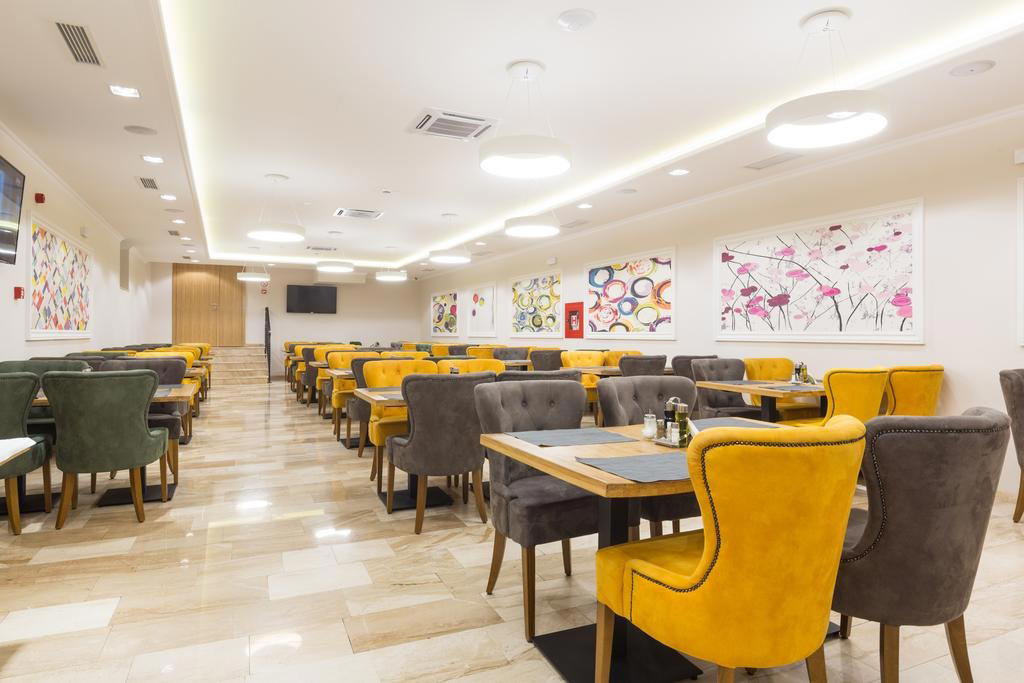
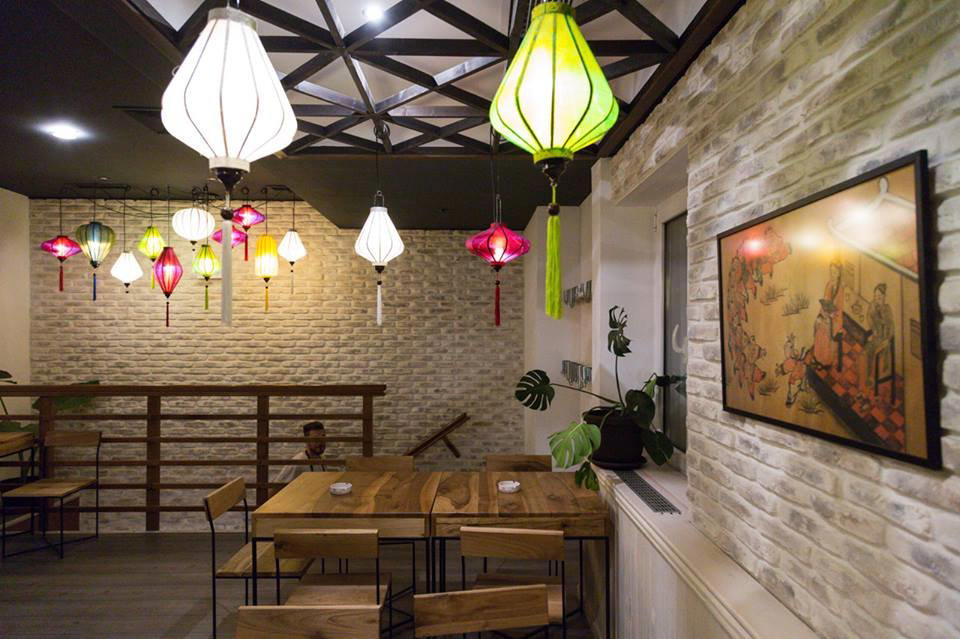
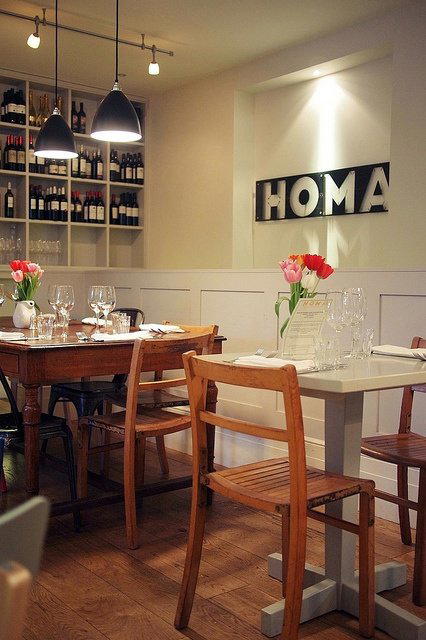
Bars in Belgrade
All bars in Belgrade →

Details
- Cozy
- Rustic
- Classic
- Casual Hangout
- Group Dining
- Family
- Open Kitchen
- Beer Program
- A La Carte
- Beer
Current opening hours
- Monday
- 9 AM–12 AM
- Tuesday
- 9 AM–12 AM
- Wednesday
- 9 AM–12 AM
- Thursday
- 9 AM–12 AM
- Friday
- 9 AM–12 AM
- Saturday
- 9 AM–12 AM
- Sunday
- 12 PM–12 AM
Hours can change for holidays and private events. Hours as of .
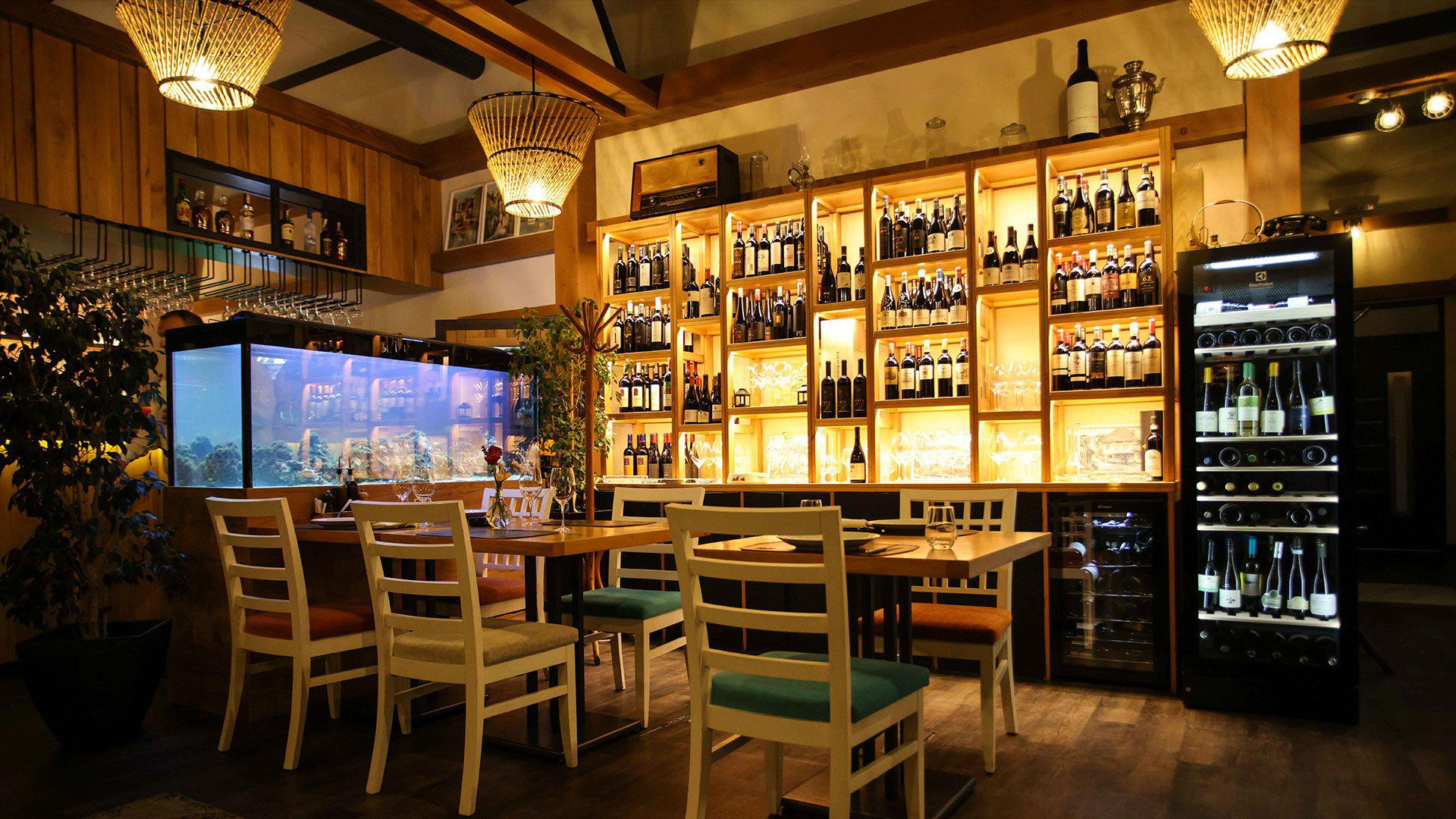
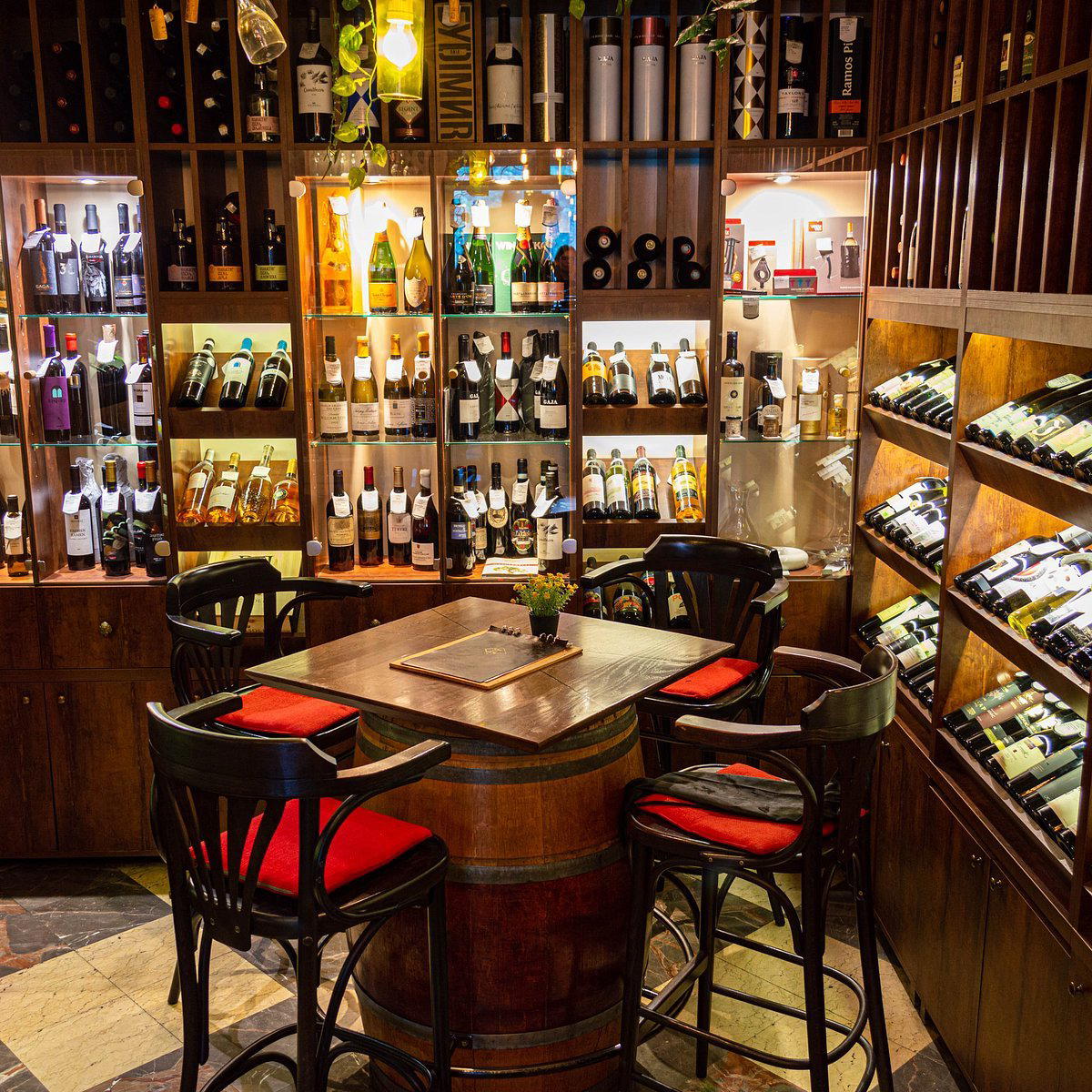
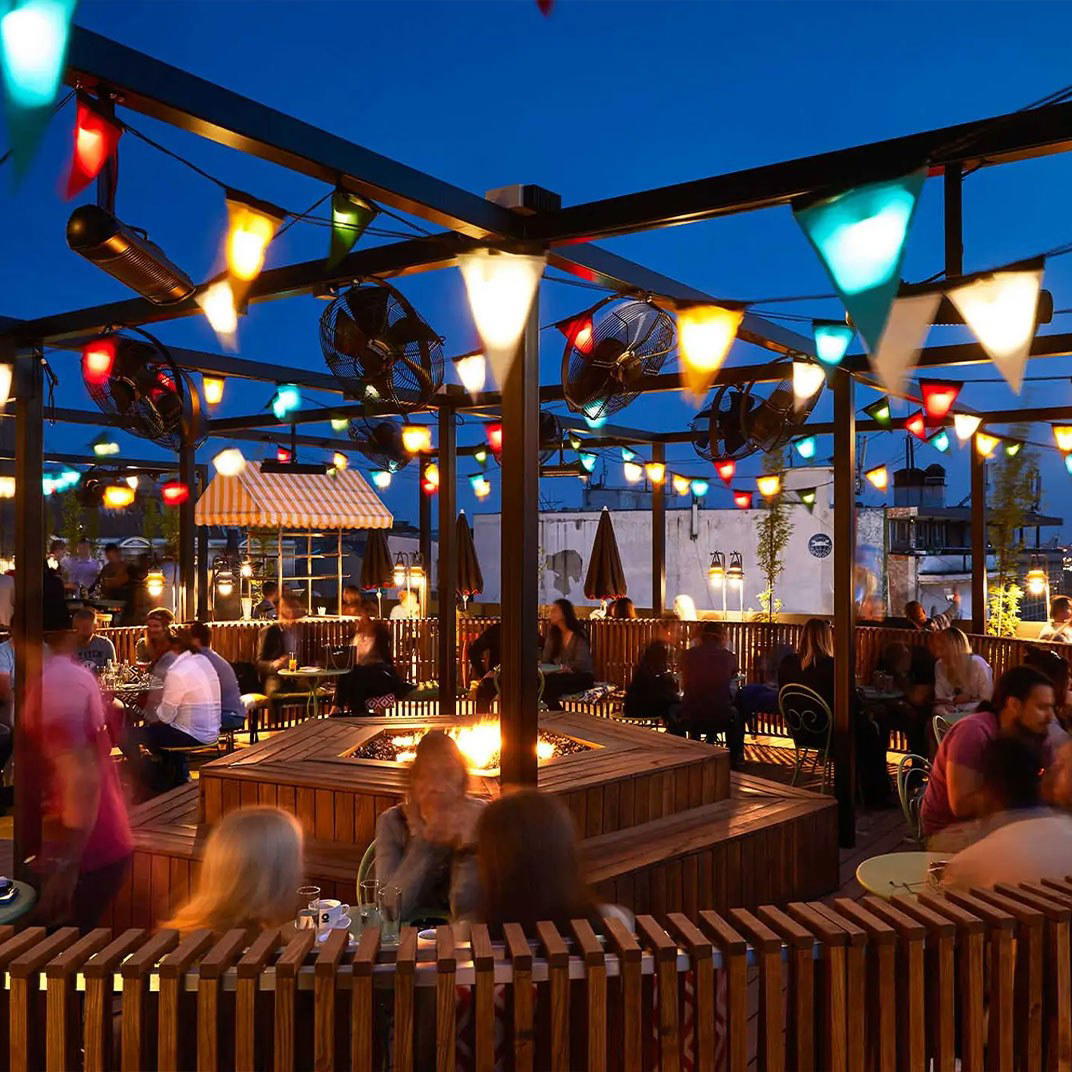
Cozy and relaxed with traditional Serbian decor, warm atmosphere under outdoor umbrellas, and pleasant conversational noise levels.