

















Belgrade, Serbia
Langouste
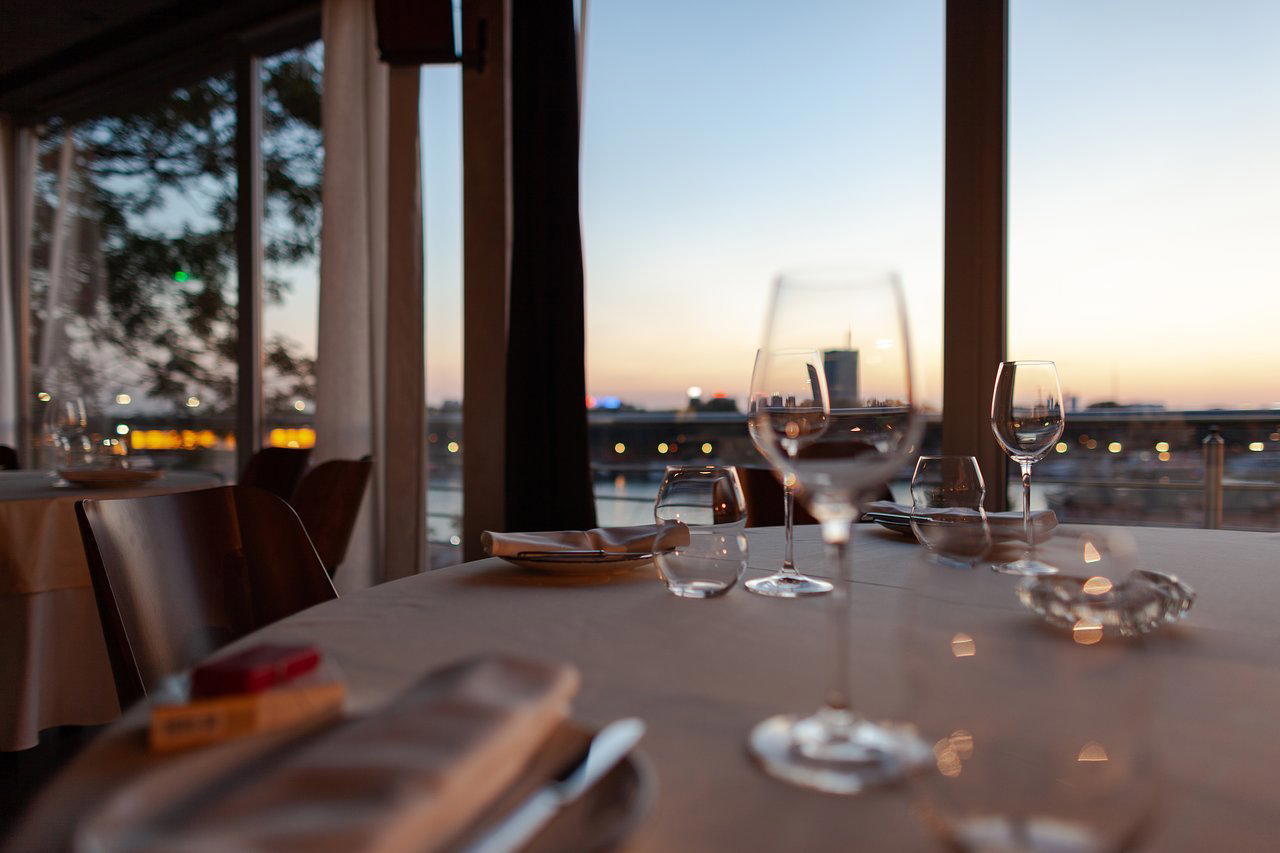
Holding a Michelin star since 2024 and scoring 82 points on La Liste 2026, Langouste sits at the summit of Belgrade's fine-dining tier. The room's picture windows frame an unobstructed view over the Sava River.
Country dossier
Restaurants, hotels, bars and wineries across Serbia in the En Primeur Club guide.
Accolades in Serbia

Belgrade is the country’s main dining city in our guide, with the deepest mix of Michelin-recognised restaurants and wine-led rooms across several neighbourhoods.
In Stari Grad, Langouste is Belgrade’s first Michelin-starred restaurant in our guide. The restaurant pairs tasting menus and à la carte dining with an extensive wine list. Its place on the Sava River and its Michelin and La Liste awards put it at the top of the city’s fine-dining tier.
The Square in Stari Grad pairs tasting menus and à la carte service with an exceptional, sommelier-led wine program. The restaurant is in the Square Nine Hotel and has an enclosed garden courtyard. It holds Michelin Plate recognition for 2024, 2025, and 2026.
In Vozdovac, Legat 1903 pairs a tasting menu and à la carte service with an exceptional, sommelier-led wine program. Michelin Plate recognition and Star Wine List recognition place it among Belgrade’s more serious wine-driven restaurants, with a polished setting outside the centre.
Belgrade’s wine bar scene is small, but the strongest rooms are easy to identify through serious lists, Star Wine List recognition, and bottle-led service.
In New Belgrade, Srpska Kuća Vina is one of the city’s longest-running wine bars and shops. Its exceptional wine program covers Serbian and international wines, and Star Wine List recognition in 2026 places it firmly in the list-driven end of Belgrade drinking.
Vinoteka Decanter in Skadarlija is a wine bar and shop with over 200 wine labels from around the world. The wine program holds Star Wine List recognition for 2026. Tastings are offered with international cheeses and hams. The bar opened in 2023.
In Dalmatinska, Konoba & Wine Bar Tata Mata serves Adriatic seafood with a regional wine list in a wine bar. The program includes natural wine. It holds Star Wine List recognition for 2026. The bar occupies a restored historic house.
Novi Sad gives the country a smaller dining scene, but its nearby winery orbit adds useful planning depth for wine-focused trips.
Korpa Deli Market & Bistro in Novi Sad joins a deli market to a sit-down bistro, and the adjacent shop holds over 400 wine labels. Dry-aged steaks are prepared in Josper grills. The wine program has Star Wine List recognition for 2026.
In Sremski Karlovci, Vinarija Bjelica belongs to the Fruška Gora wine region around Novi Sad. It is a family-house winery with a still-white focus that includes Sauvignon Blanc. Falstaff awards it 3 Stars for 2026. Recent public investment is tied to upgraded hospitality and accommodation.
Fleur d’Oranger in Biserno ostrvo (Pearl Island) is a small estate winery near Novi Sad, focused on the rare Muscat Krokan grape. The estate has 20 hectares of vineyards and a compact varietal range in a Tisa river setting. Falstaff awards it 1 Star for 2026.
Vinarija Aleksandrović in Vinča / Oplenac and Vinarija Kovačević in Irig offer winery tastings, while Hotel Ramonda in Rtanj has a mountain setting.
In Vinča / Oplenac, Vinarija Aleksandrović centres on the revived Trijumf wine, drawn from a historic recipe. The estate offers guided tastings and food pairings, with vineyard scenery and overnight stays among the vines. Falstaff awards the winery 3 Stars for 2026.
In Irig, Vinarija Kovačević occupies a historic 1930 cellar estate with organic winemaking, amphora and barrel ageing, and a restaurant-lounge. Guided tastings include food pairings. The estate has barrique rooms, archive wines and vineyard views. Falstaff awards the winery 2 Stars for 2026.
Hotel Ramonda in Rtanj is a boutique mountain hotel inspired by the rare Ramonda Serbica flower. It blends modern design with natural mountain surroundings. In 2025 the World Luxury Hotel Awards named it Country Winner for Luxury Family Hotel, Regional Winner for Luxury Hotel, and Continent Winner for Luxury Boutique Hotel.
Belgrade is the strongest city for serious wine lists, especially New Belgrade, Stari Grad, Vozdovac, and Skadarlija. Those districts hold the capital’s most developed wine bars and wine-led restaurants, including exceptional programs and Star Wine List recognition. Outside Belgrade, Sremski Karlovci and Šid stand out for winery visits.
Our Serbia guide includes 1 Michelin-starred restaurant and 1 Michelin star in total. Langouste in Stari Grad holds a Michelin star for 2026 and serves tasting menus and à la carte with an extensive wine list.
Langouste in Stari Grad, The Square in Stari Grad, Legat 1903 in Vozdovac, and Homa in Dorćol serve tasting menus in Belgrade. Fleur de Sel in Novi Slankamen also serves a tasting menu. Each of these restaurants pairs the tasting menu with à la carte service.
Fleur de Sel in Novi Slankamen holds a Wine Spectator Best of Award of Excellence, including the 2026 award. Metropolitan in New Belgrade holds a Wine Spectator Award of Excellence for 2025. Fleur de Sel’s wine program is exceptional. Metropolitan’s wine program has an extensive wine list.
By Emmett Haley · Updated October 8, 2026 · Editorial standards
City atlas


Serbia
Selected entries from the current guide for Serbia.
Belgrade, Serbia
Holding a Michelin star since 2024 and scoring 82 points on La Liste 2026, Langouste sits at the summit of Belgrade's fine-dining tier. The room's picture windows frame an unobstructed view over the Sava River.
Novi Slankamen, Serbia
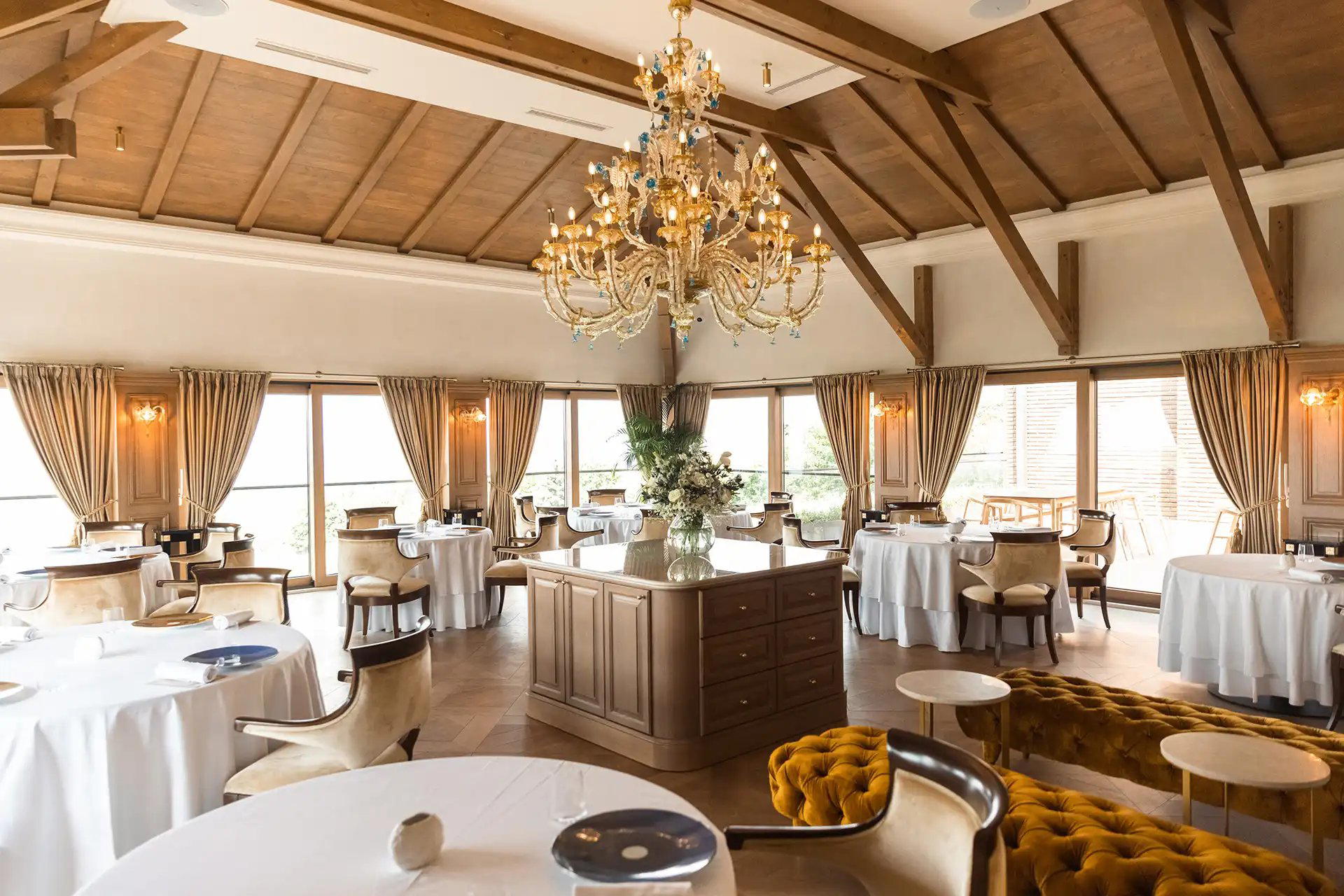
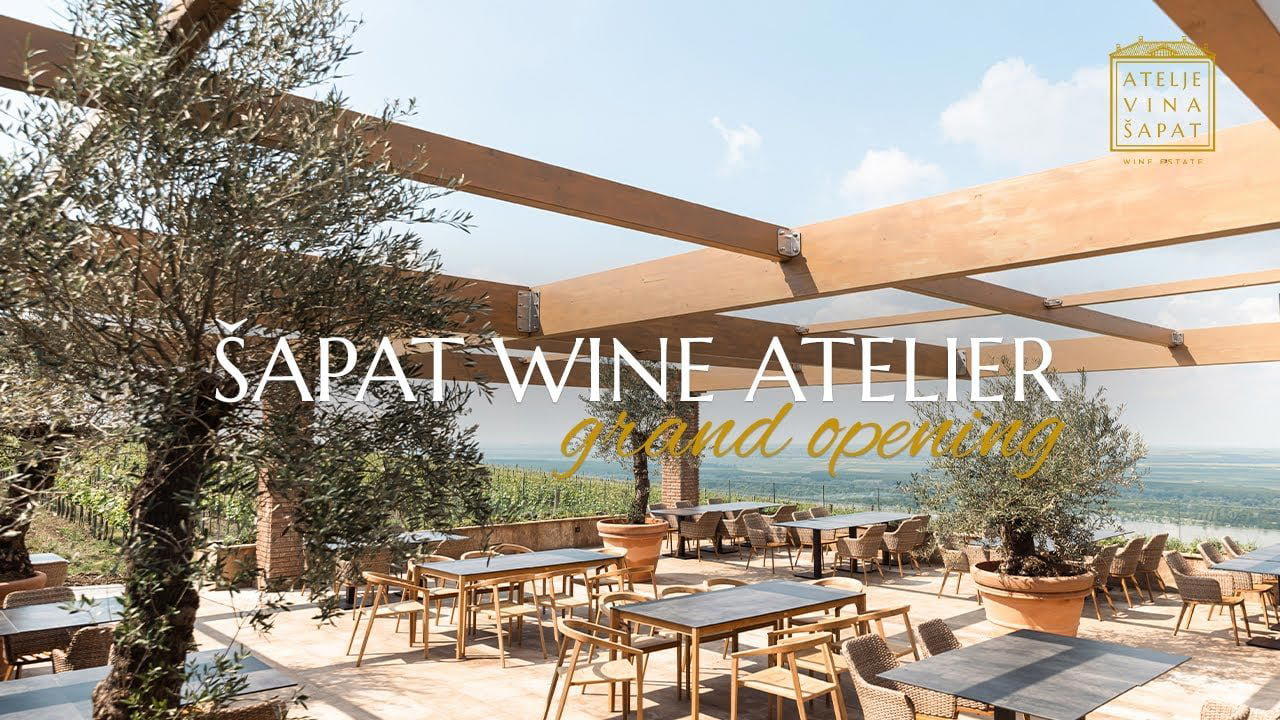
Fleur de Sel – Atelje vina Šapat invites informed travelers to a poised union of vineyard craft and coastal finesse, where each plate is choreographed to the cadence of Šapat’s cellar. The menu moves with quiet confidence from pristine Adriatic delicacies to garden-bright produce and expertly aged local meats, all calibrated to highlight the estate’s limited-release wines. Candlelit tables, linen-smooth service, and a terrace that opens toward rows of vines create an atmosphere of effortless exclusivity—intimate, unhurried, and exquisitely tuned to the season. Guests depart with the lingering memory of a place where the sea’s mineral whisper meets the silken hush of a great cellar, and where every course feels like a private conversation between chef and winemaker.
Belgrade, Serbia
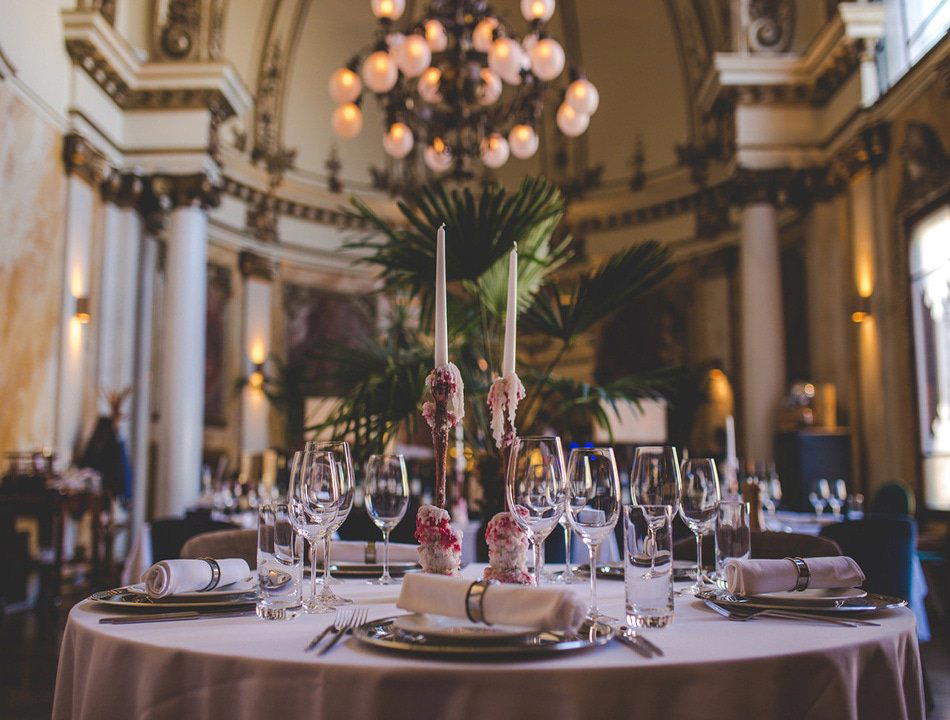
Set inside the marble-and-gilt Geozavod building on Karađorđeva, Salon 1905 operates at the uppermost tier of Belgrade dining. Chef Ivan Tasic runs a surprise tasting menu that draws on Serbian produce and traditional recipes refracted through a contemporary lens. La Liste recognition in both 2025 and 2026, alongside consecutive Michelin Plates, places it among the more credentialed tables in the city.
Belgrade, Serbia
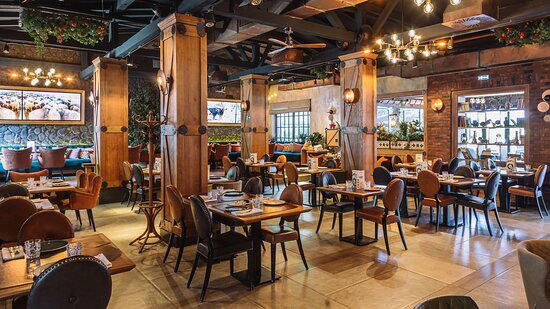
A Michelin Plate holder for two consecutive years, Bela Reka sits on Belgrade's western fringe and makes a case for Serbian cuisine anchored in direct farm sourcing. Ewe's milk cheese arrives from the restaurant's own farm in the Homolje Mountains, and dry-aged lamb shoulder has become the reference dish for what traditional Serbian cooking can achieve at this level.
Belgrade, Serbia
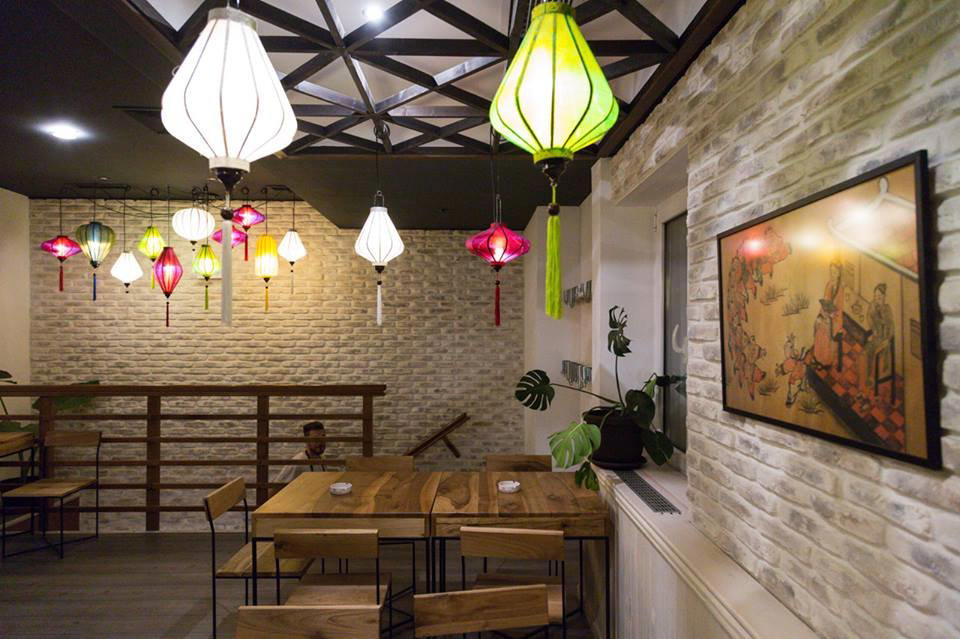
Istok holds back-to-back Michelin Bib Gourmand recognition (2024 and 2025) for its Vietnamese, Korean, and Thai comfort cooking on Gospodar-Jevremova in Belgrade's old town. The menu covers pho, grilled dishes, and shareable small plates at prices that sit firmly in the city's most accessible tier, with a South Asian-inflected interior that gives the room a distinct character among Belgrade's growing roster of Asian restaurants.
Belgrade, Serbia
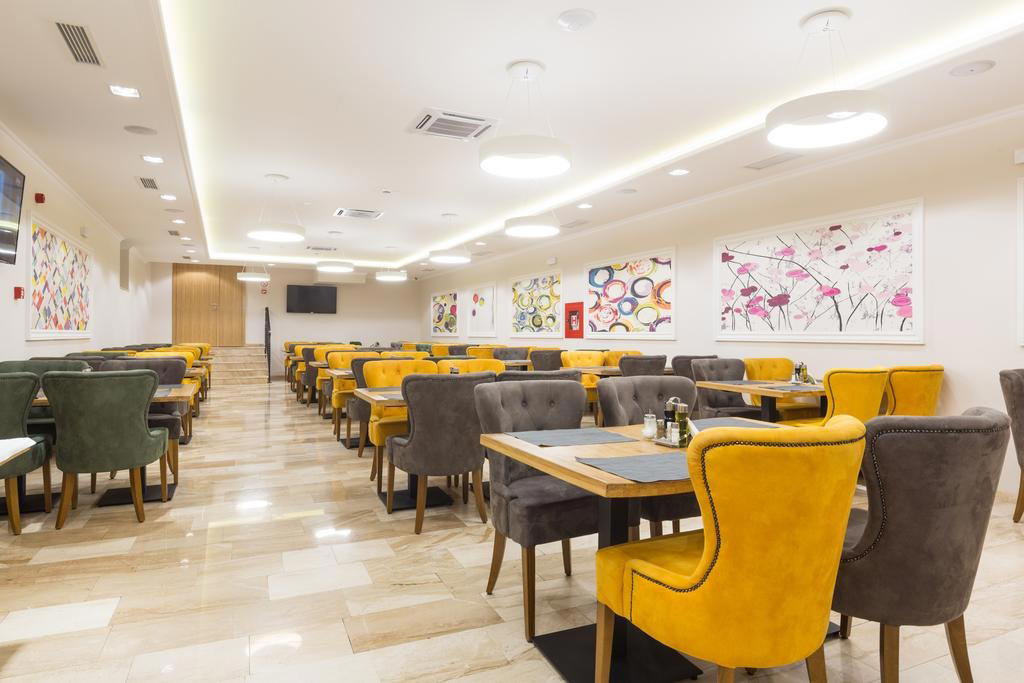
Iva New Balkan Cuisine holds back-to-back Michelin Bib Gourmand recognition (2024 and 2025) for its approach to Serbian cooking: traditional recipes restructured with local ingredients, without erasing the flavours that made them worth preserving in the first place. Situated on Kneginje Ljubice in central Belgrade, the bistro runs a pavement terrace through summer and an interior defined by colourful, contemporary furnishings. At the € price point, it represents one of the more credentialled arguments for Serbian food on the city's dining scene.
Belgrade, Serbia
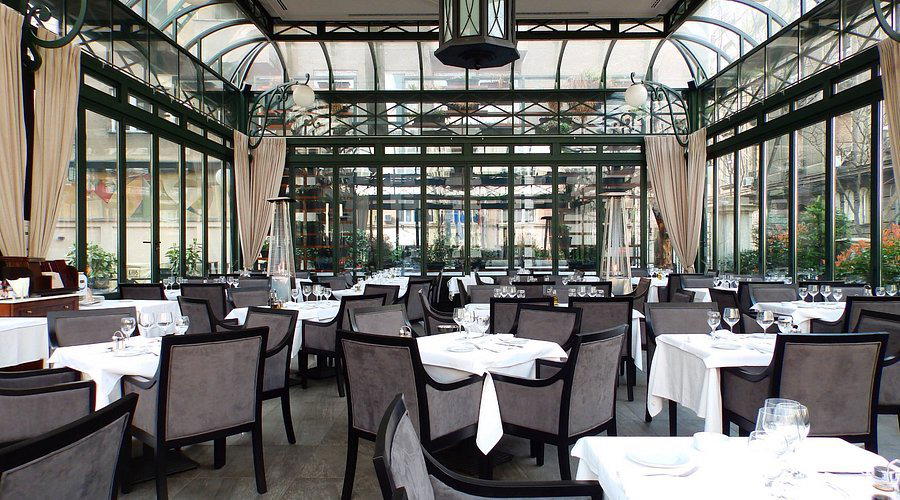
Few Belgrade restaurants carry as much cultural weight as Klub Književnika by Branko Kisic, a Michelin Plate-recognised address on Francuska Street that has drawn writers, journalists, and politicians since 1946. The menu is a focused Serbian lineup, gibanica, krempita, and seasonal Balkan staples, delivered in a setting that moves between a glassed winter garden and a formal dining room, often with live music.
Belgrade, Serbia
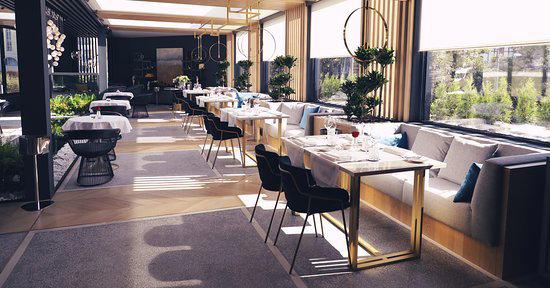
Located outside the city centre on Jasenička 7, it rewards the detour with precise cooking, a polished interior, and a menu that moves confidently between lamb, Adriatic fish, and well-executed pasta.
Belgrade, Serbia
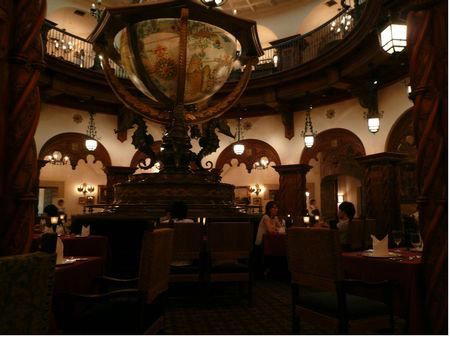
A Michelin Plate holder in Novi Beograd, Magellan pairs Serbian produce with Italian technique across both a tasting menu and an extensive à la carte. The dining room is anchored by a striking aquarium, and the front-of-house runs with the kind of precision rarely found at the €€ price point.
Belgrade, Serbia
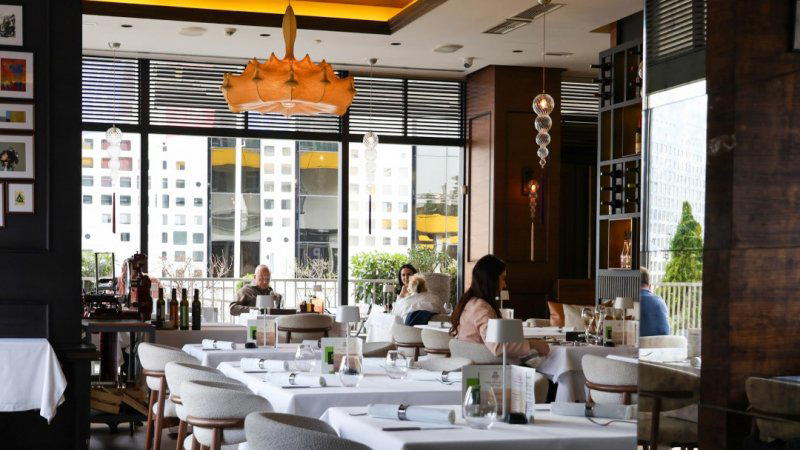
In Novi Beograd's West 65 district, Pinòt operates as a seasonally driven bistro where the menu shifts with market availability rather than kitchen convenience. A concise lineup of daily specials sits alongside a tasting menu supported by wine pairings guided by an award-winning sommelier on the ownership team. The 2025 Michelin Plate signals where this address sits in Belgrade's expanding modern dining conversation.
Belgrade, Serbia
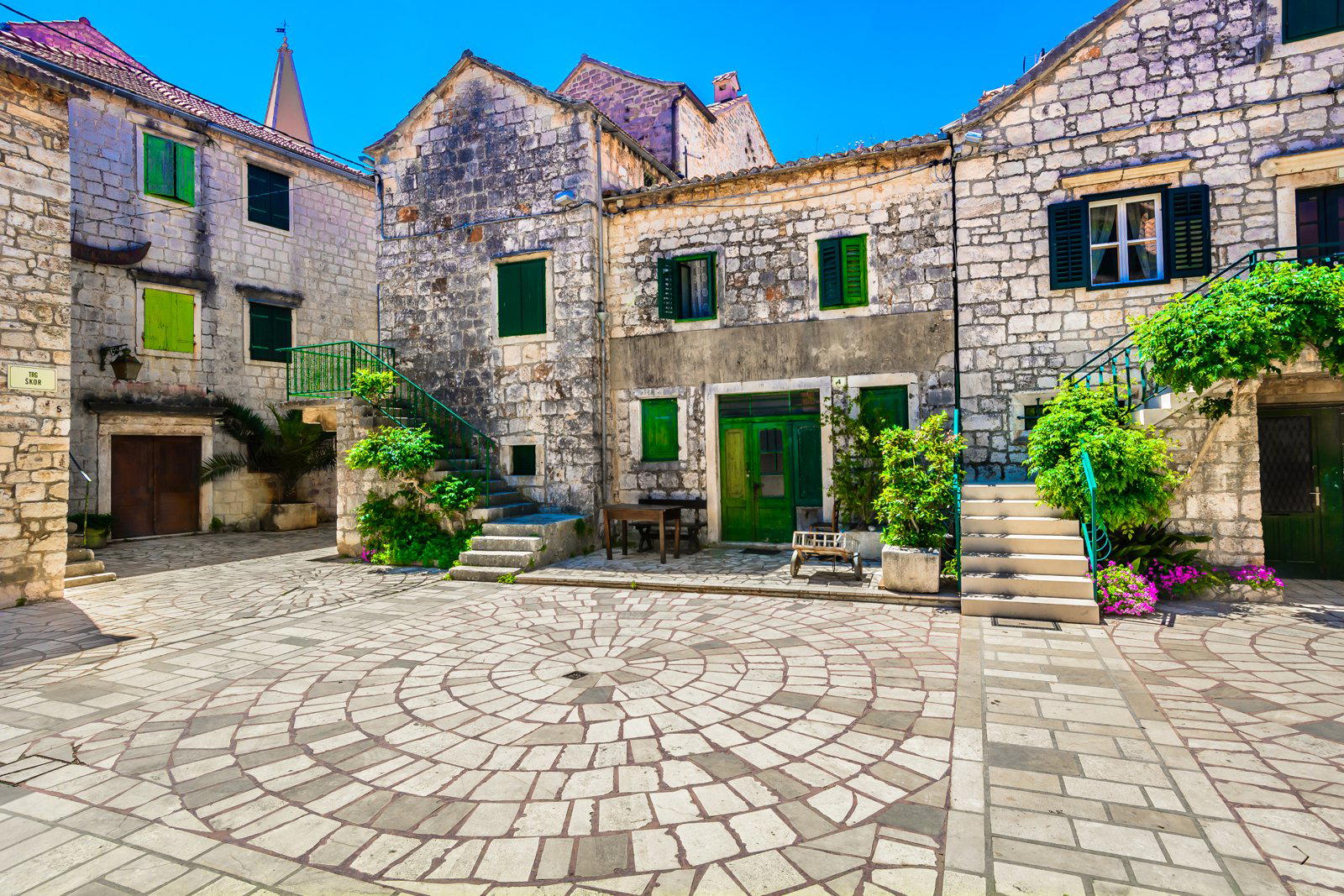
Housed in the Square Nine Hotel steps from Knez Mihailova, The Square pairs Contemporary French technique with modern Serbian sensibility under Michelin Plate recognition. Chef Clément Leroy's à la carte menu sits at the mid-range price point for Belgrade's hotel dining tier, while the wine list and lobby cocktail programme rank among the capital's more serious offerings. The garden piazzetta makes it a reliable year-round address.
Novi Slankamen, Serbia
Where the Danube and Fruška Gora Meet the Vine The confluence of the Sava and Danube rivers, visible from the refined terrain above Novi Slankamen, has shaped this stretch of Vojvodina for millennia. Loess cliffs drop toward the water, the soil...
Belgrade, Serbia
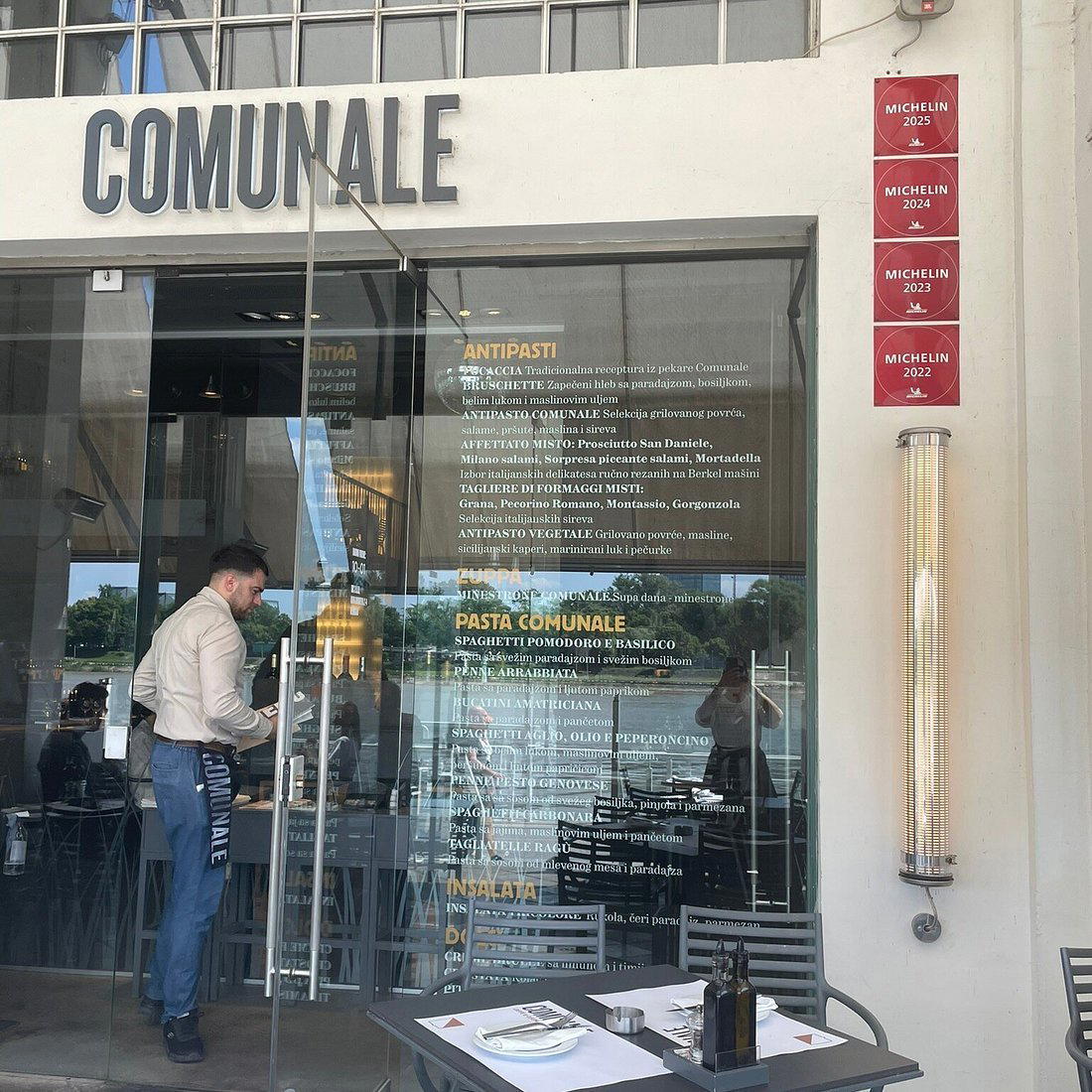
A Michelin Plate recipient two years running (2024 and 2025), Comunale Caffè e Cucina occupies one of Beton Hala's whitewashed riverside warehouses at the foot of Belgrade Fortress, where architect-designed interiors frame a menu of classical Italian cooking, tagliatelle al ragù, bruschetta, tiramisu, at accessible prices. A serious gin selection and well-constructed cocktail list extend the appeal beyond mealtimes.
Belgrade, Serbia
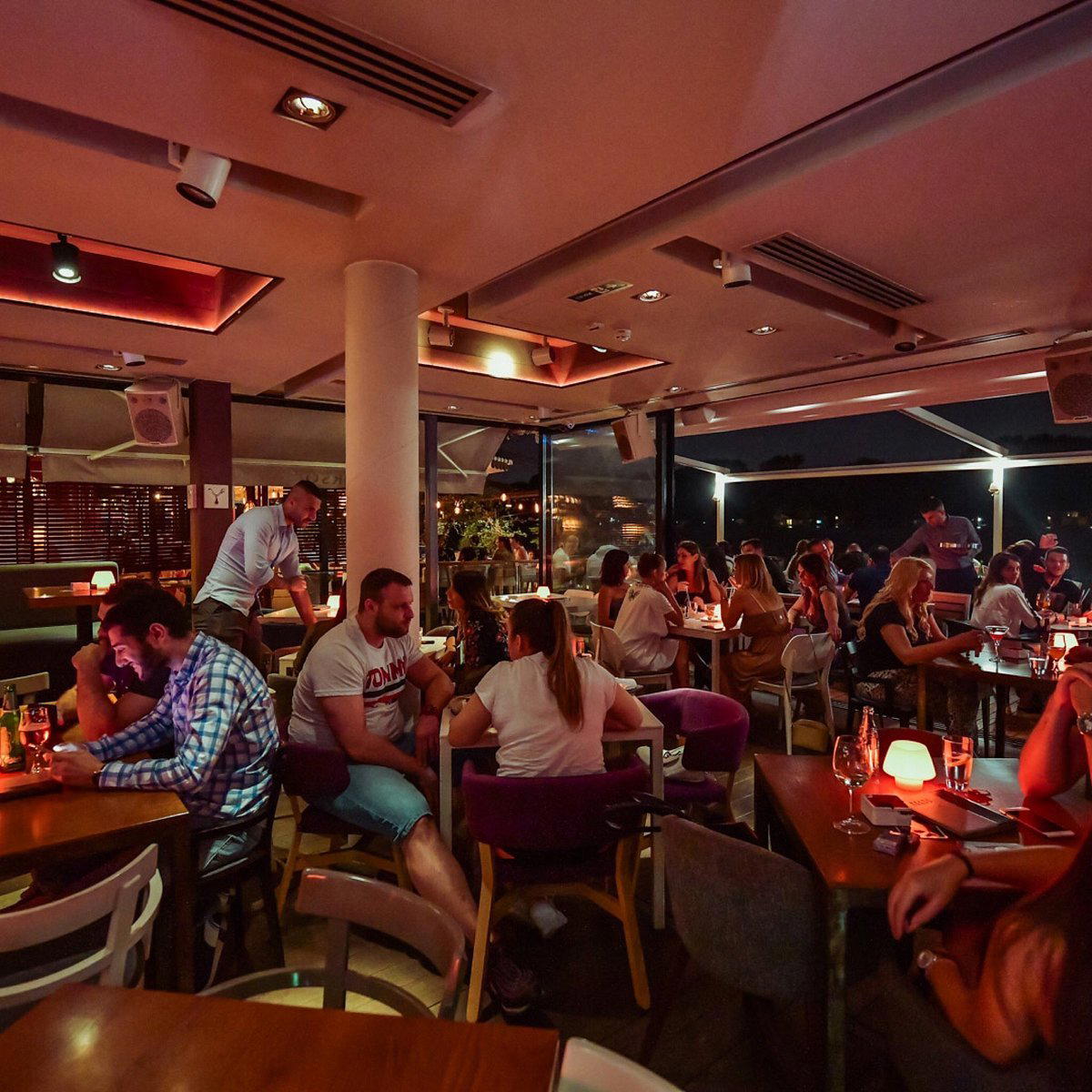
On the Sava Promenade in Savski kej, Corso occupies one of Belgrade's most visually distinctive waterfront positions, where modern architecture and nautical references frame a dining room oriented around the river. The setting places it within a specific tier of Belgrade riverside dining, venues where location and atmosphere carry as much weight as what arrives on the plate. Explore it alongside the broader Belgrade dining scene for full context.
Belgrade, Serbia
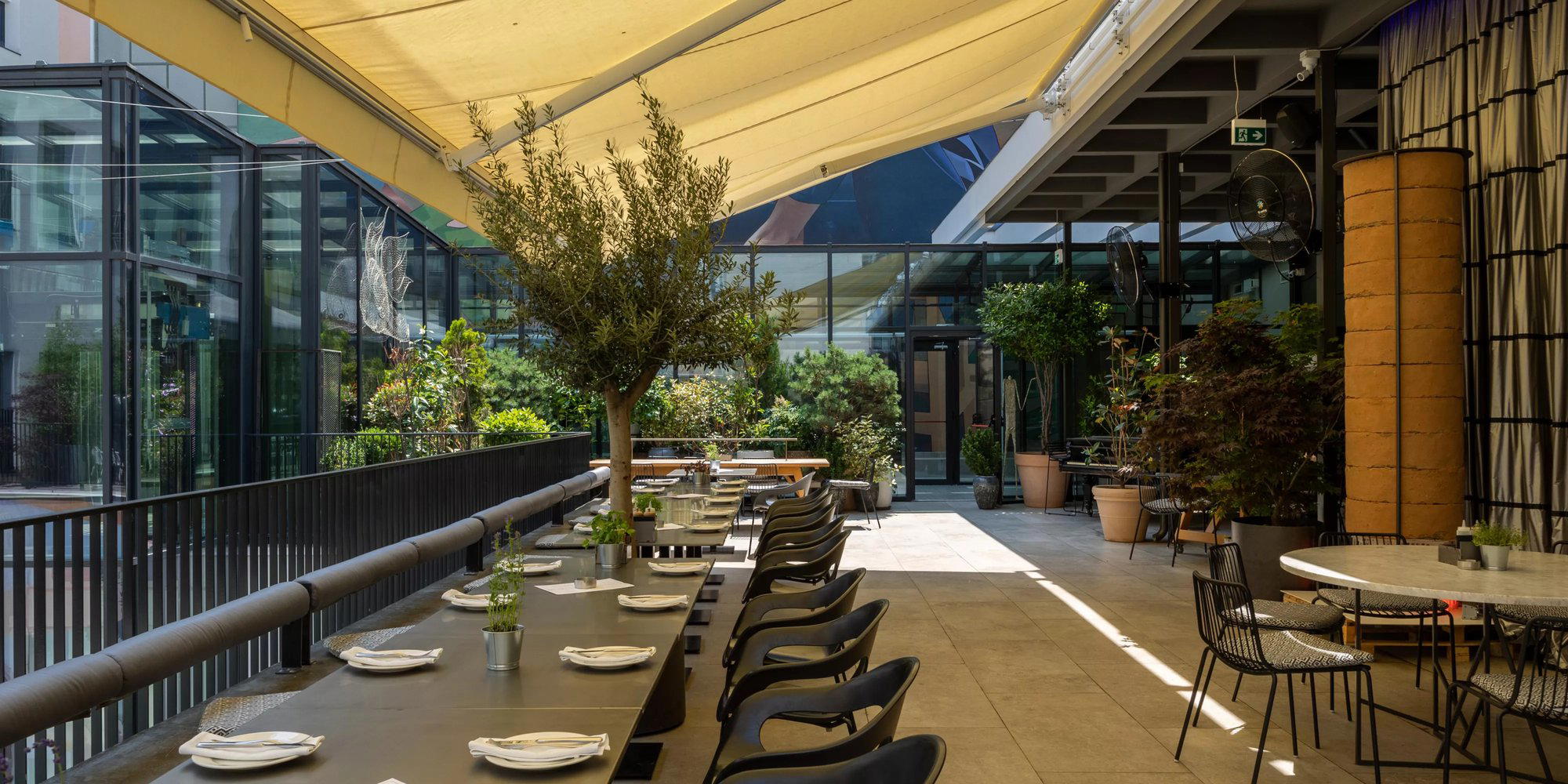
Set inside Hotel Indigo on Čika-Ljubina, Cveće Zla brings a contemporary menu and a considered wine list to one of Belgrade's most walkable streets. The room draws both hotel guests and locals navigating the city's shifting dining scene, positioning itself at a middle register between the neighbourhood's traditional kafana culture and its newer modern-cuisine addresses.
Belgrade, Serbia
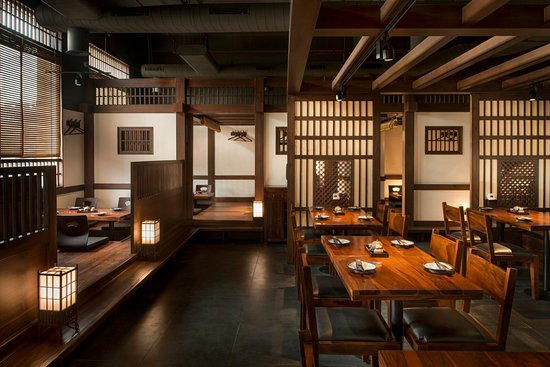
On the seventh floor of Square Nine Hotel, Ebisu brings a methodical Japanese menu to central Belgrade, with sushi, sashimi, teppanyaki, and ramen on offer alongside a sake-led cocktail list. Two consecutive Michelin Plate recognitions (2024 and 2025) place it in a small tier of Japanese restaurants operating at this standard outside major European capitals. The rooftop terrace looks across the old city toward Kalemegdan.
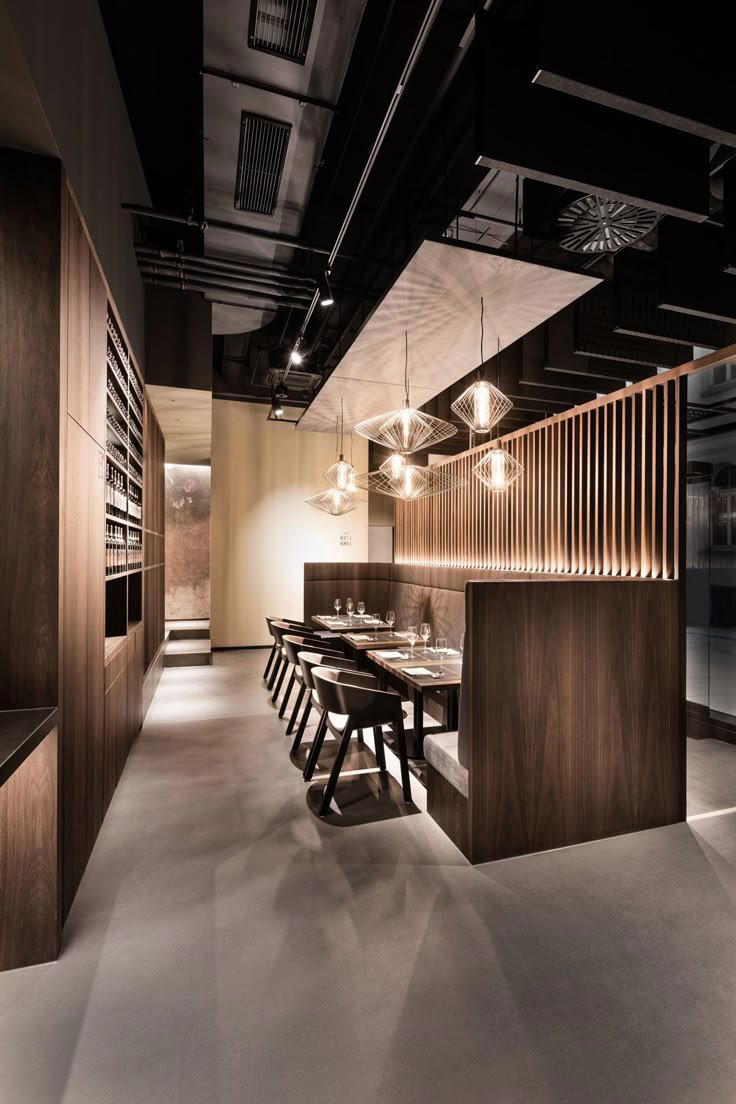
Belgrade, Serbia
Holding consecutive Michelin Plate recognition in 2024 and 2025, Enso is part of Belgrade's growing cohort of creative-cuisine addresses that price accessibly without compromising ambition.
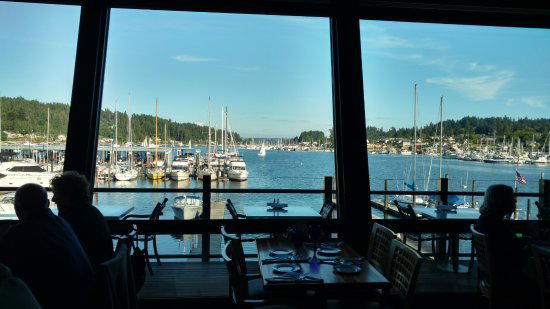
Belgrade, Serbia
GiG sits in Novi Beograd's emerging fine dining corridor, holding a 2024 Michelin Plate. Its tasting menu draws on Serbian ingredients shaped by international technique, positioning it at the upper tier of Belgrade's modern cuisine scene. For the price bracket, the format delivers structured, composed cooking with few direct local rivals at the same level.
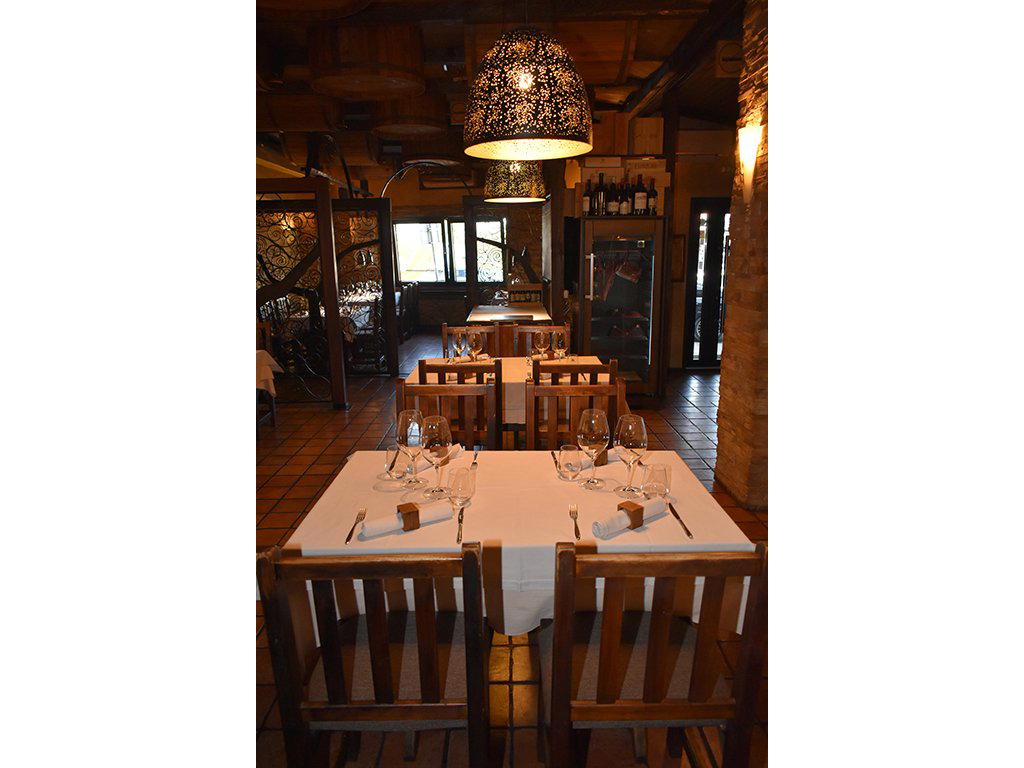
Belgrade, Serbia
A Michelin Plate-recognised seafood address in Belgrade's Radnička quarter, Gušti mora brings a tradition-led approach to fish and shellfish at a mid-range price point. The menu follows the catch rather than a fixed formula, with daily specials sitting alongside risottos and pasta that reflect an Adriatic sensibility.
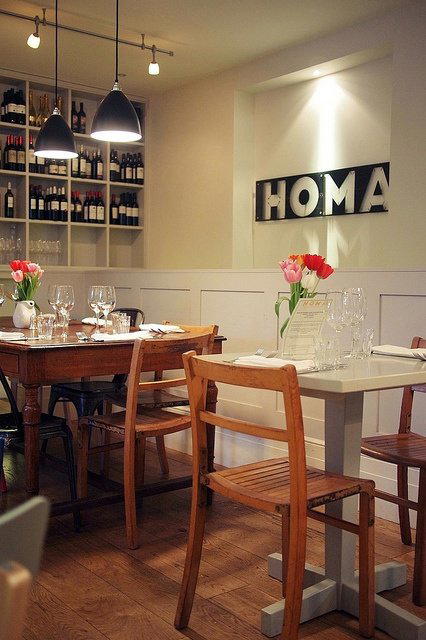
Belgrade, Serbia
A Michelin Plate-recognised address in Belgrade's historic Dorćol quarter, Homa operates at the premium end of the city's creative dining scene. Two tasting menus sit alongside an à la carte of vegetarian, fish, and meat dishes, all shaped by creative cooking with Italian accents. The terrace and candlelit dining room together make it one of Belgrade's more considered rooms.
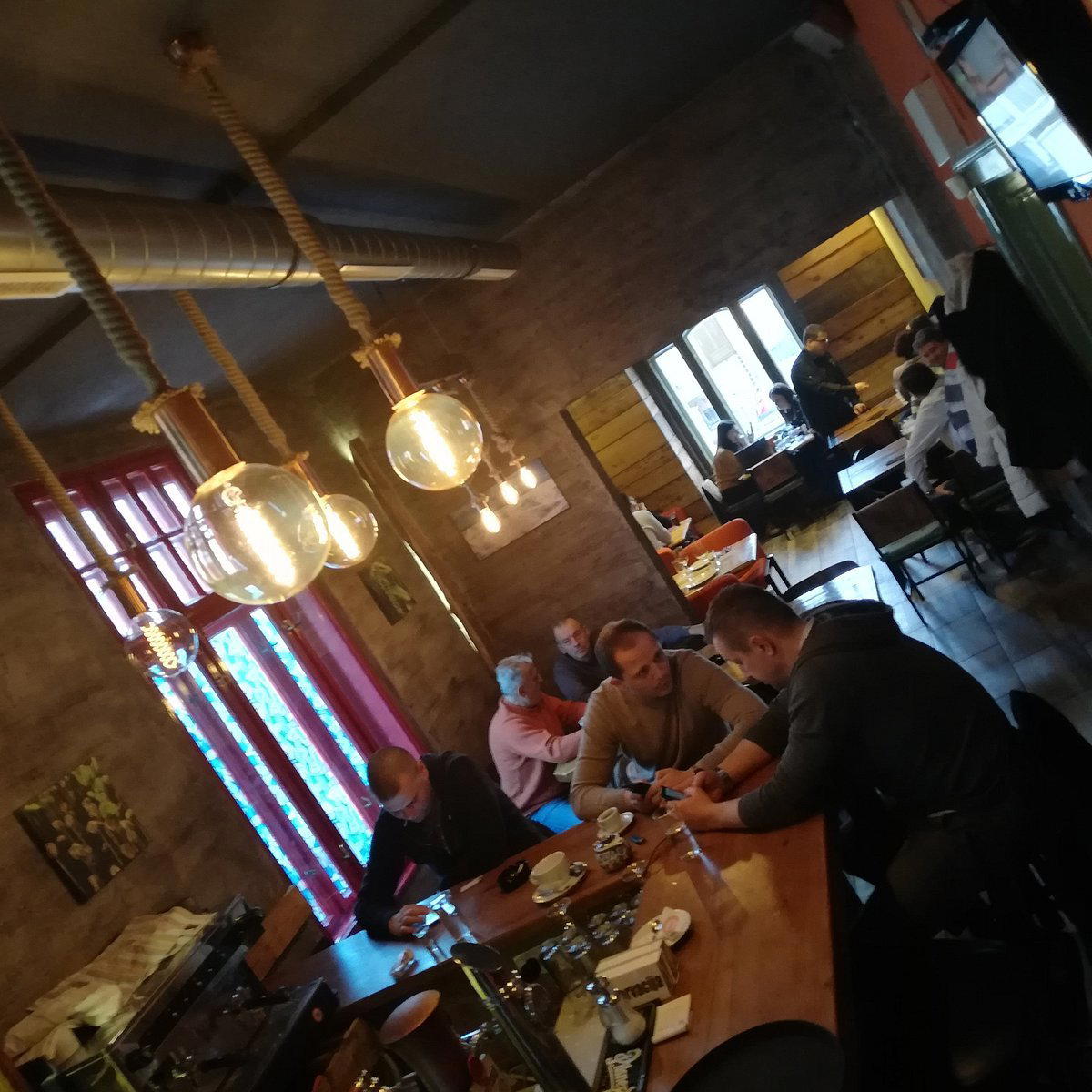
Kragujevac, Serbia
On Milovana Glišića in central Kragujevac, Kano occupies a city where Serbian dining traditions run deep and local restaurants carry the weight of community identity. The address places it squarely in the fabric of a mid-sized Serbian city that rarely appears on international radar, which makes it worth understanding on its own terms. Visitors seeking alternatives in the area can cross-reference our full Kragujevac restaurant guide.
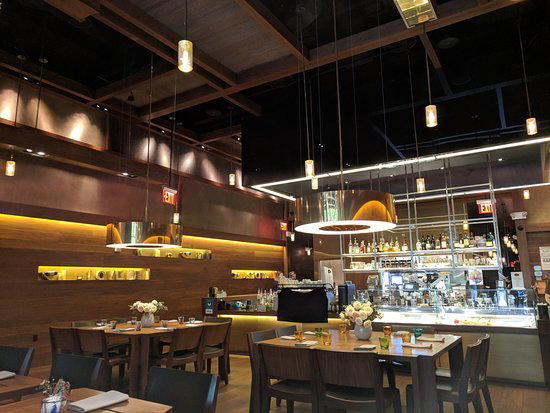
Belgrade, Serbia
Inside the Saint Ten boutique hotel on Svetog Save, L'Adresse holds a Michelin Plate for 2024 and 2025 and delivers European-inflected cooking with a clear lean toward meat, particularly its house-signature Saint Ten beef fillet. The dining room sits in the Vračar district, close to the Church of Saint Sava, and connects directly to a lounge bar suited to aperitifs or late drinks. Priced at the accessible €€ tier for Belgrade's hotel dining scene.
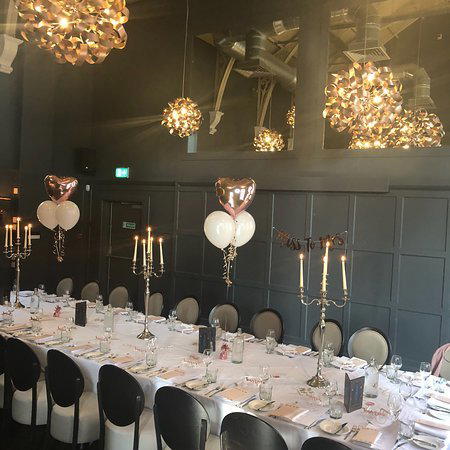
Belgrade, Serbia
A Michelin Plate holder in Belgrade's Milentija Popovića corridor, Metropolitan pairs an American and European kitchen with one of the city's more considered wine programs, 350 selections across 1,000 bottles of inventory, with California and France as the twin anchors. At the €€ price point, it occupies a middle tier where serious wine curation is relatively rare in the Serbian capital.
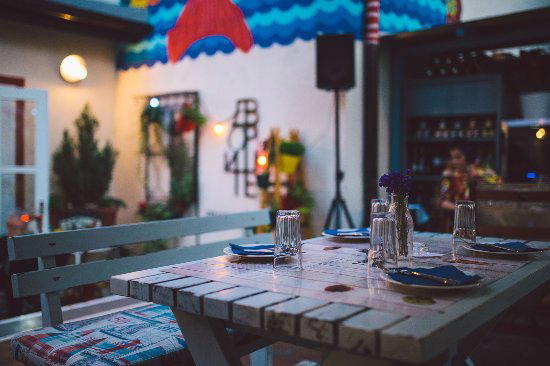
Belgrade, Serbia
A Michelin Plate-recognised Greek taverna on Svetogorska Street, Mezestoran Dvorište draws a loyal local crowd to its shaded courtyard with a menu built around Aegean staples: chickpea fritters, tzatziki, Cretan croutons, and char-wrapped gyros. At single-euro price points, it occupies a different tier from Belgrade's modern dining rooms, and holds its own through consistency and atmosphere rather than ambition.
Serbia
Selected entries from the current guide for Serbia.
Belgrade, Serbia
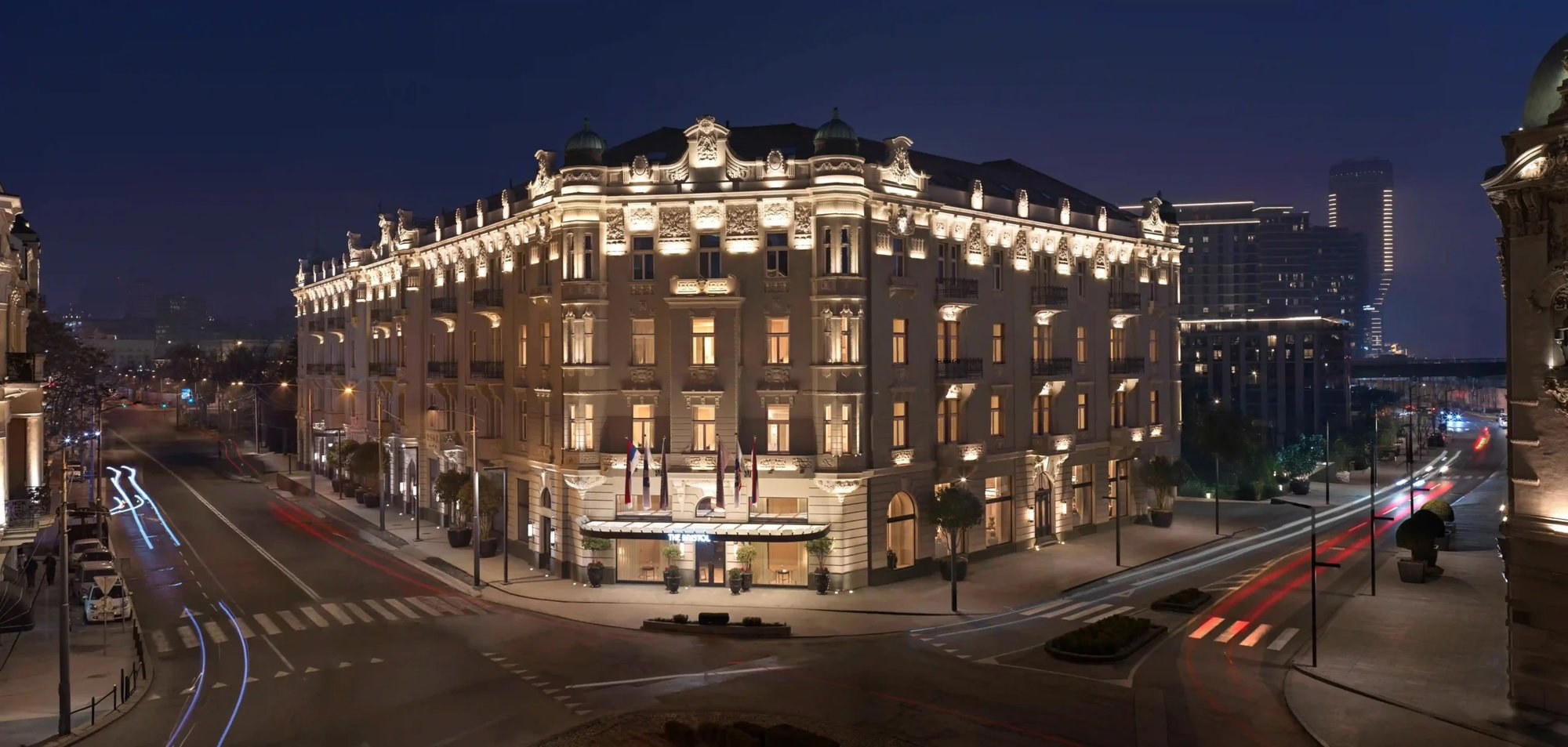
Opened in 1912, The Bristol Belgrade is one of the Serbian capital's original grand hotels, carrying Art Nouveau bones and a guest register that once included the Rockefellers and the British royal family. A recent renovation has refreshed its 143 rooms with Art Deco-inflected detail, while The Dining Room addresses Serbian cuisine with a contemporary approach. At $270 per night, it sits in Belgrade's upper-mid luxury tier, closer in spirit to heritage than to branded modernity.
Belgrade, Serbia
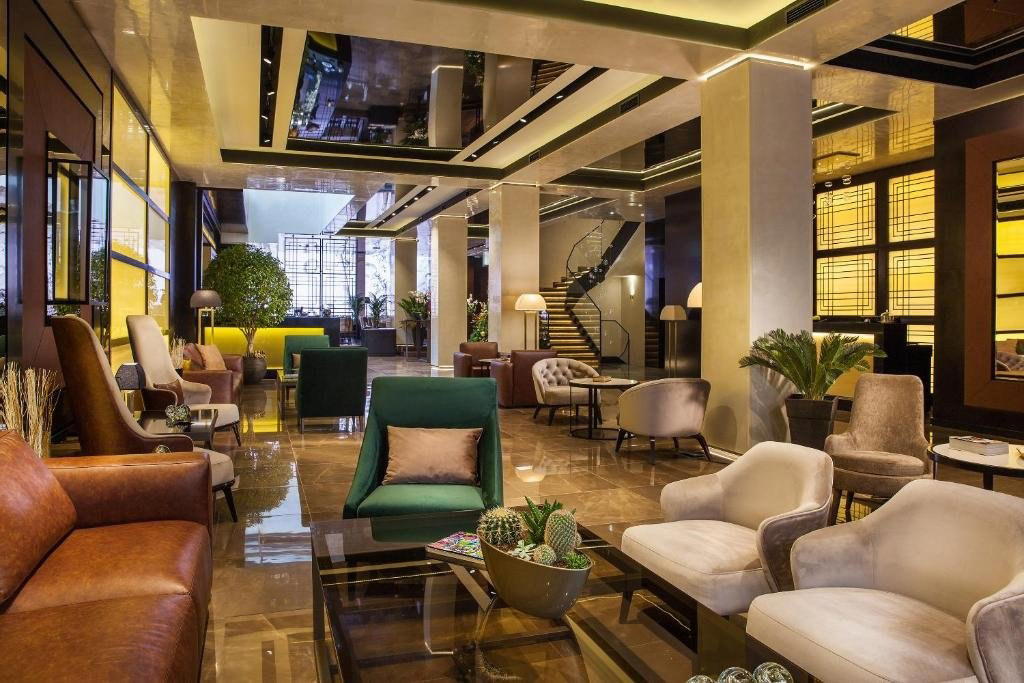
SAINT TEN Hotel in Belgrade is a boutique luxury accommodation blending 1929 Vejković architecture with contemporary comfort. Guests enjoy L’Adresse Restaurant’s Mediterranean menus, the curated Saint Ten Reserve wine and cheese selection, and a wellness spa with sauna and massage vouchers. The 54-room property pairs handcrafted furniture, natural stone bathrooms and soundproofed rooms for restful stays. Located in Vračar within walking distance of Saint Sava Temple, Saint Ten Hotel offers refined, personalized service through its hospitality team and membership in Small Luxury Hotels of the World. Expect warm, inviting public spaces, crisp linens, and attentive service that makes cultural exploration and business travel effortless and memorable.
Belgrade, Serbia
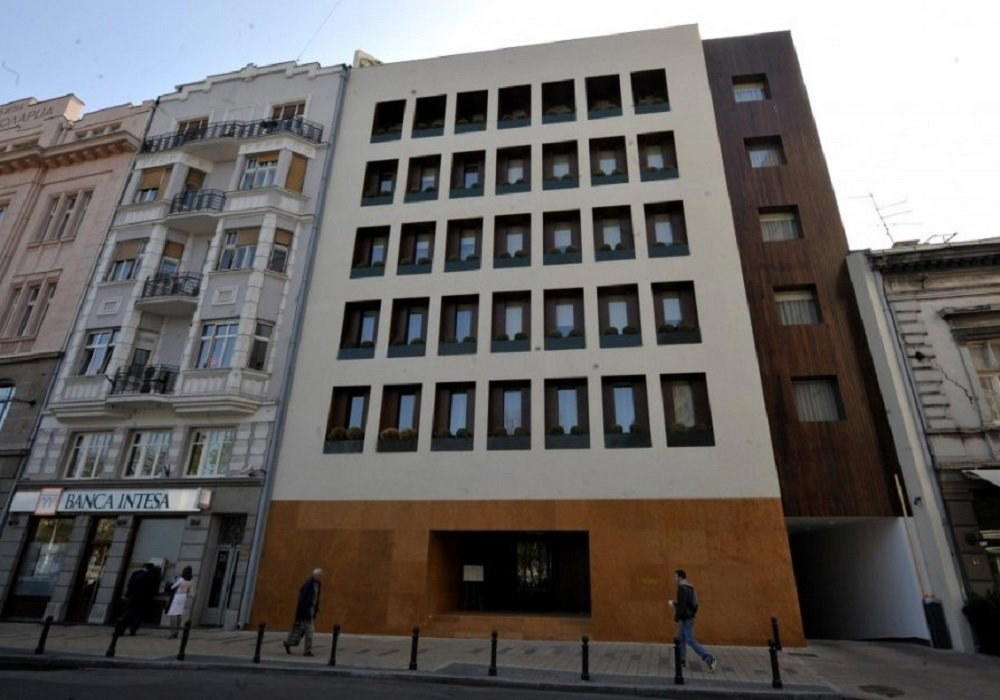
A 45-room Leading Hotels of the World member on Studentski Trg, Square Nine occupies a quiet corner of Belgrade's Old Town with a design sensibility that runs from Danish Modern to mid-century jet-age. Architect Isay Weinfeld's restraint-led interior, limestone bathrooms stocked with Hermès amenities, and rates from $405 per night place it in a different competitive register from the city's international chain hotels.
Belgrade, Serbia
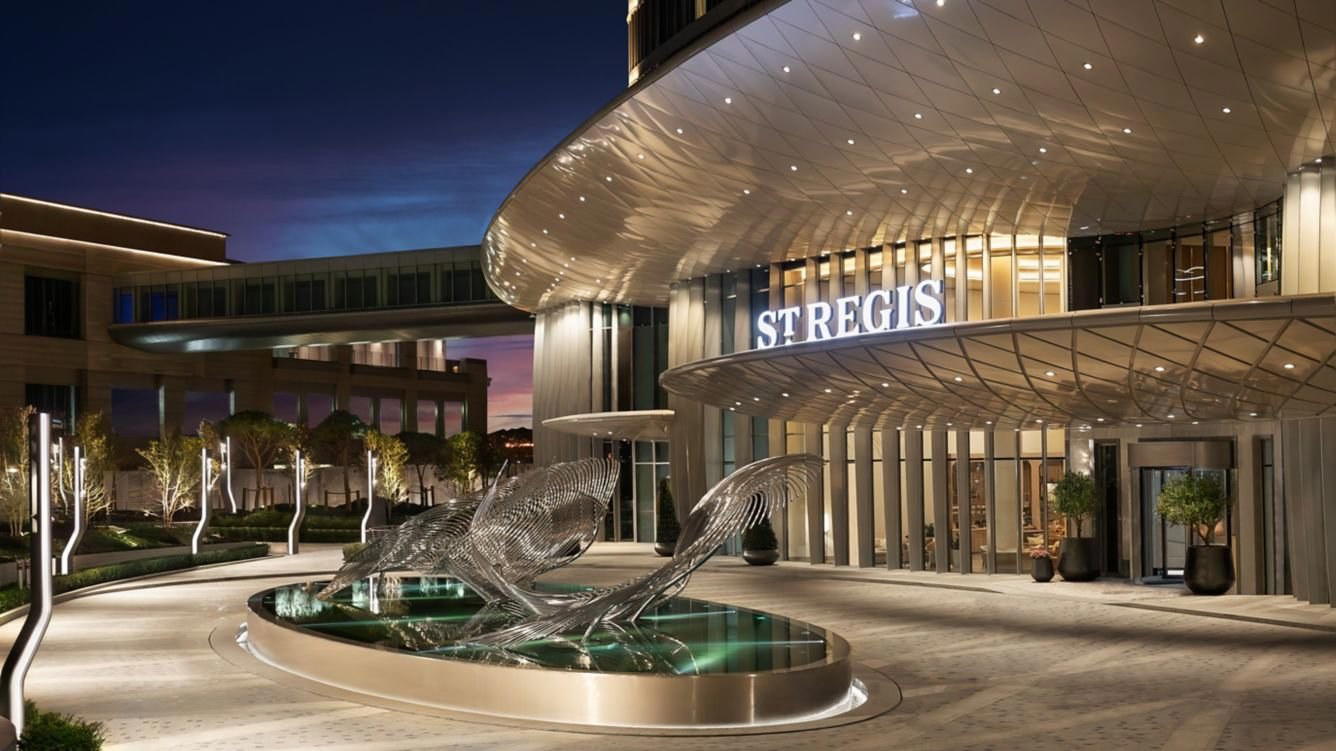
The St. Regis Belgrade opened in late 2024 as the brand's first foothold in the Western Balkans, positioning 119 rooms along Belgrade Waterfront above the Sava River. Contemporary silhouettes, polished marble, and signature butler service place it at the upper end of the city's rapidly developing luxury tier, within walking distance of the neighbourhood's restaurants, galleries, and riverside promenades.
Zlatibor, Serbia
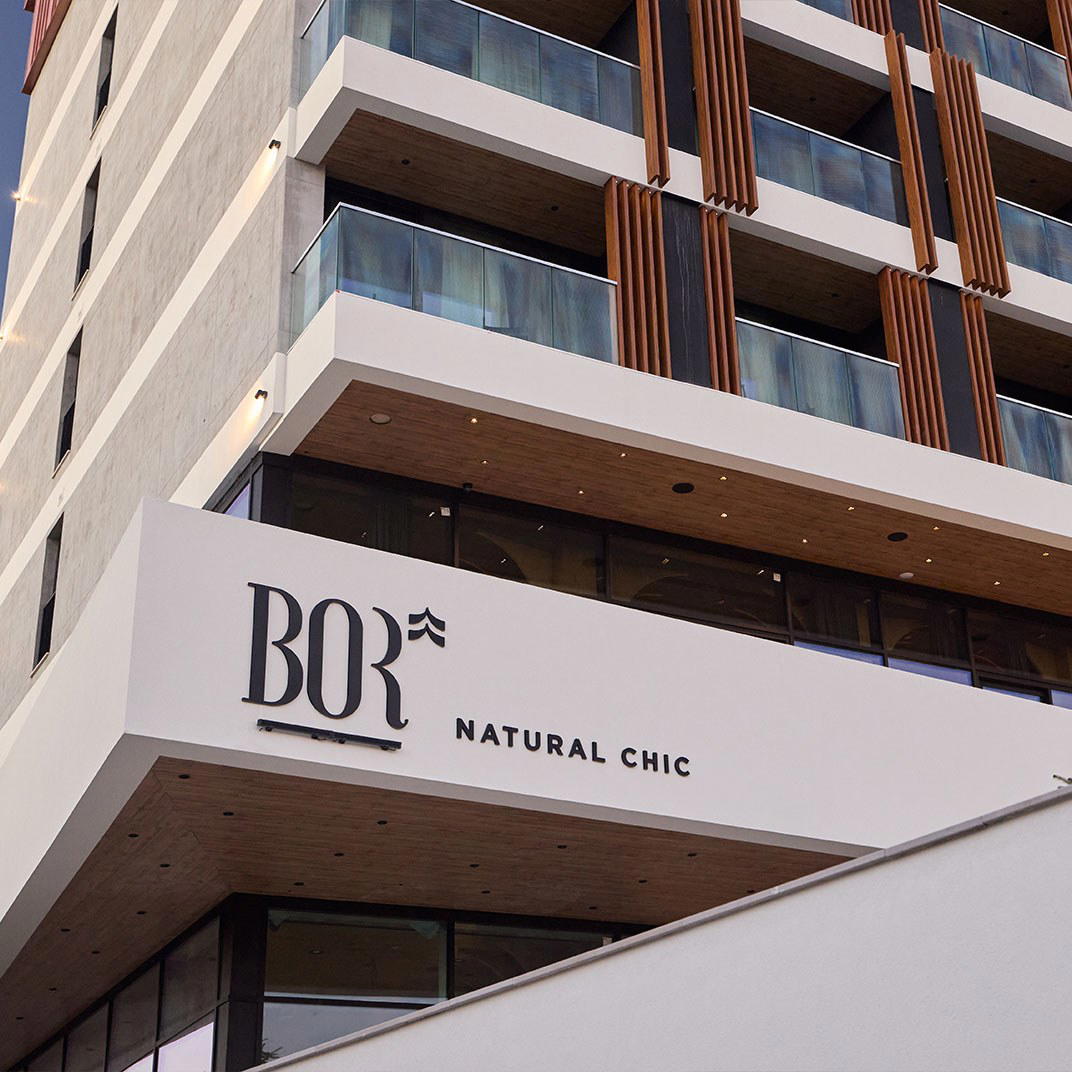
Bor hotel by Karisma holds a Michelin Selected distinction in 2025, placing it within a small group of recognised properties on Serbia's Zlatibor plateau. The hotel sits at Drinske divizije 40, within easy reach of the mountain resort's pine-covered slopes and trails. For travellers considering western Serbia's expanding hospitality offer, it represents a credible anchor point.
Belgrade, Serbia
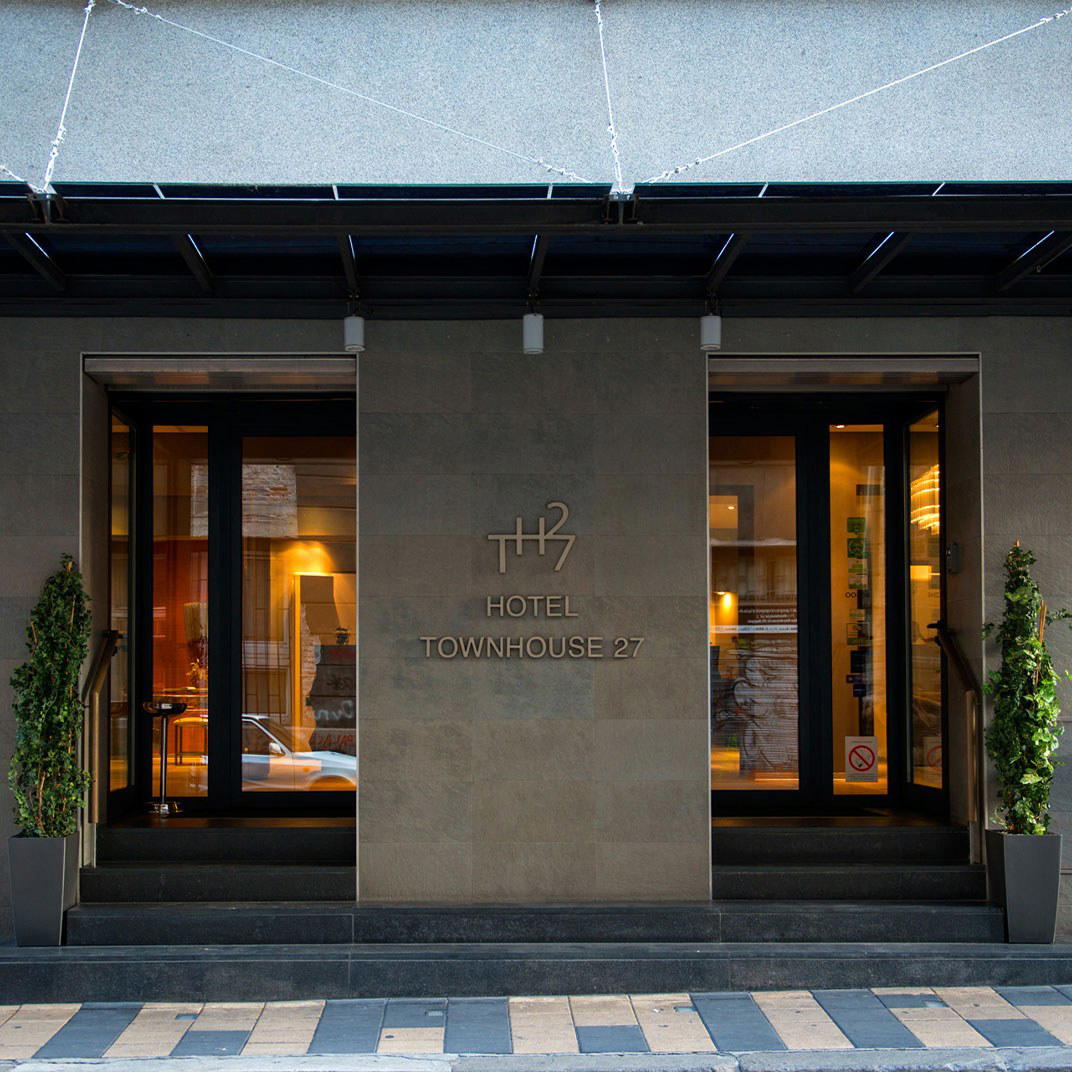
Boutique Hotel Townhouse 27 occupies a townhouse address on Marsala Birjuzova in central Belgrade, carrying a Michelin Selected distinction for 2025. The property sits within Belgrade's small-scale, design-conscious hotel tier, offering an alternative to the larger palace and international chain formats that otherwise dominate the city's upper accommodation bracket.
Belgrade, Serbia
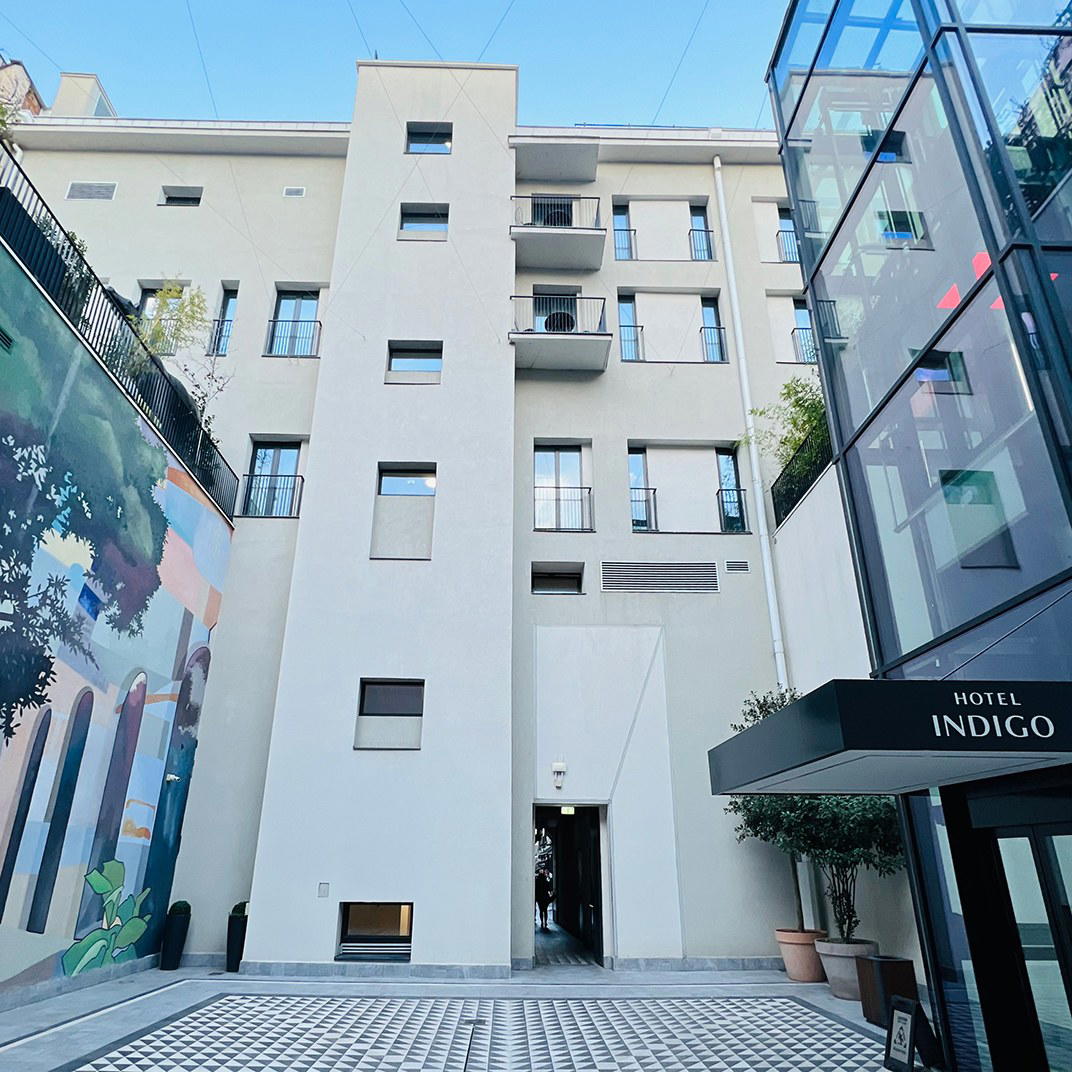
Hotel Indigo Belgrade occupies a position in the Serbian capital's upper-mid hotel tier that few properties in this city have historically managed to hold: design-conscious, internationally credentialed, and rooted in the pedestrian heart of the old city. A MICHELIN Selected property for 2025, it sits on Čika Ljubina Street within walking distance of Knez Mihailova, Belgrade's principal promenade.
Boljevac, Serbia
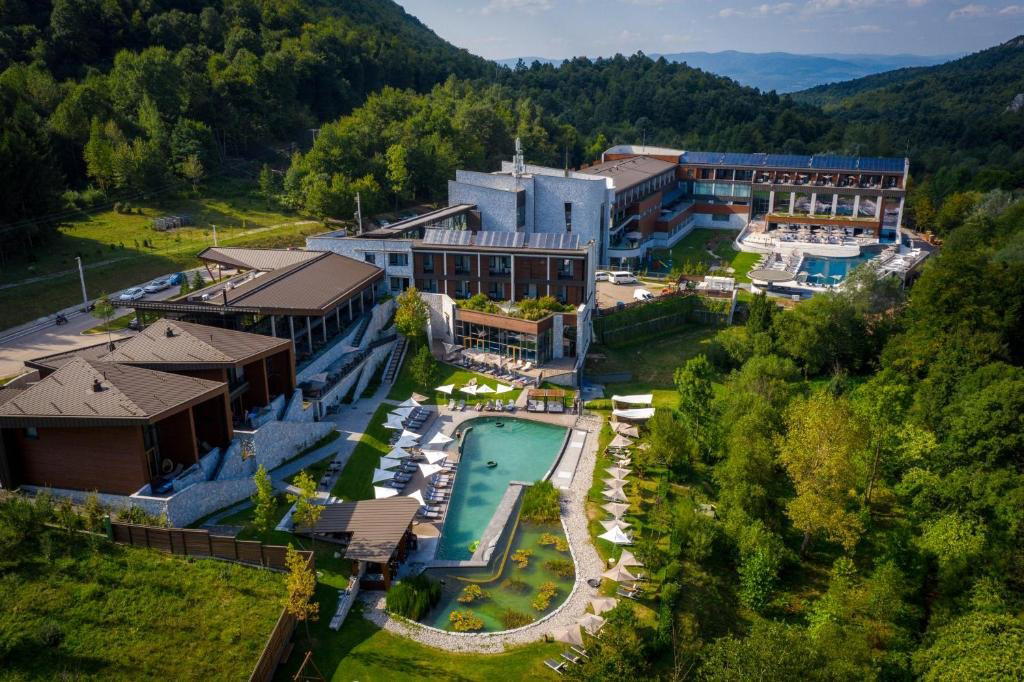
Hotel Ramonda sits in Boljevac, Serbia, near the distinctive pyramid-shaped Mount Rtanj, and holds three award tiers from the World Luxury Hotel Awards: Regional Winner for Luxury Hotel, Country Winner for Luxury Family Hotel, and Continent Winner for Luxury Boutique Hotel. That triple recognition places it in a rare bracket among Serbian properties, combining boutique intimacy with family-oriented programming in a mountain setting that most international travellers have yet to encounter.
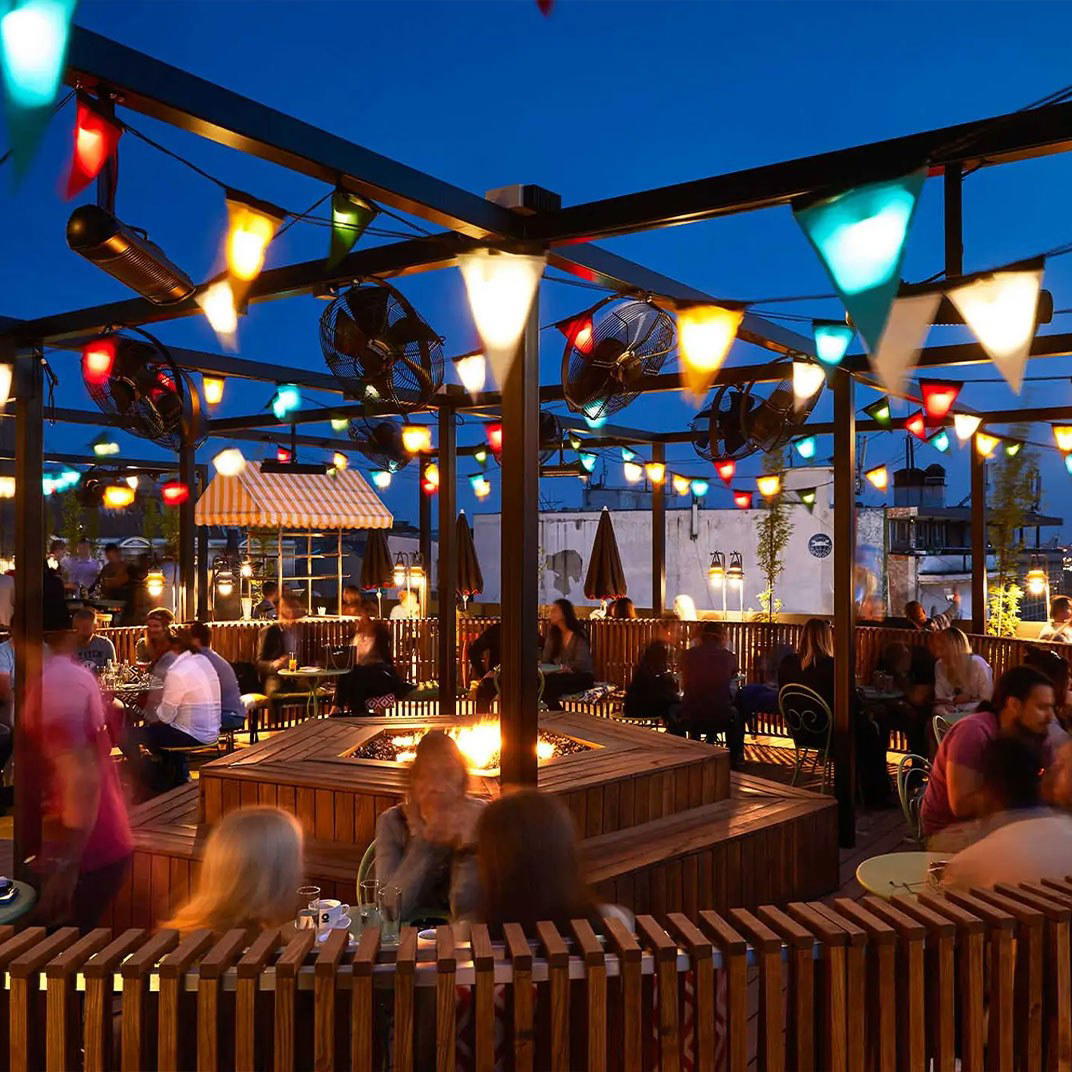
Belgrade, Serbia
Mama Shelter Belgrade occupies a prime address on Kneza Mihaila, Belgrade's main pedestrian artery, and carries Michelin Selected status in the 2025 hotel guide. The property belongs to the Mama Shelter group's irreverent, design-forward format, communal spaces built for noise and sociability, rooms scaled for the kind of traveller who treats the city as the real hotel. A useful base for Stari Grad, with the energy to match the neighbourhood.
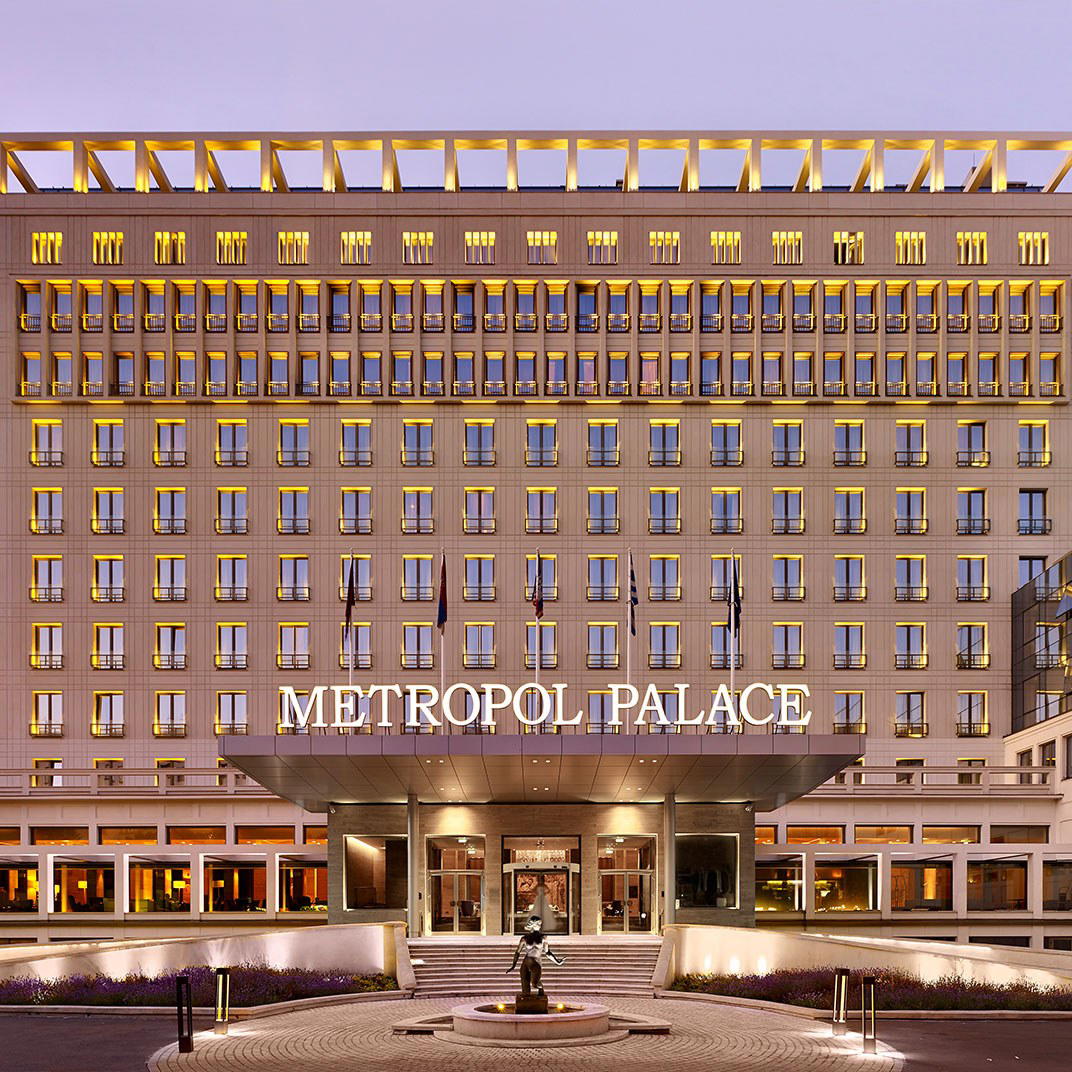
Belgrade, Serbia
A MICHELIN Selected hotel on Bulevar kralja Aleksandra, Metropol Palace occupies a position at the upper end of Belgrade's grand-hotel tier, a category defined by institutional scale, full-service dining programmes, and proximity to the city's central political and cultural corridor. The property carries the kind of address-weight that places it in the same conversation as the city's other large-format prestige hotels.
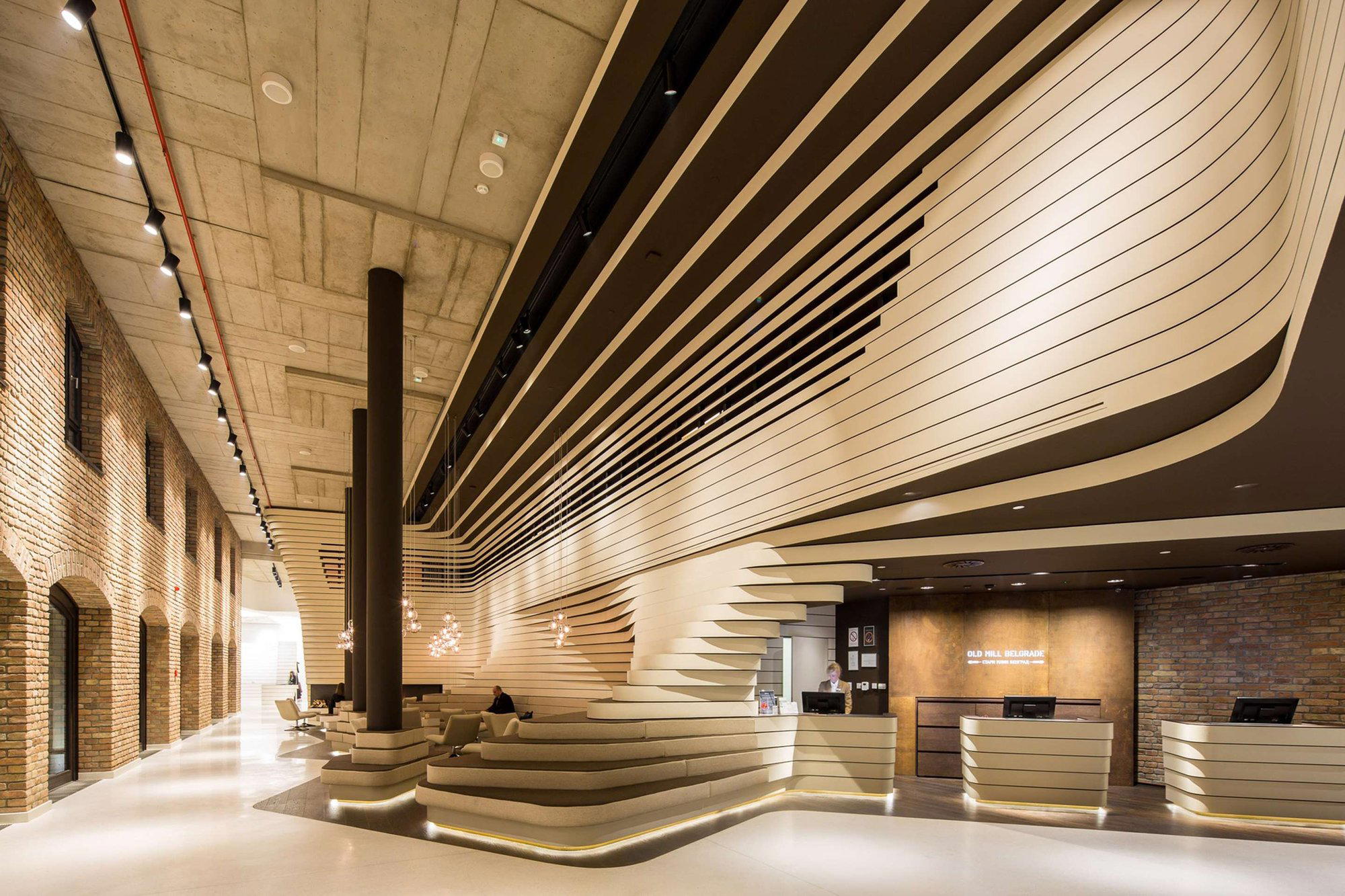
Belgrade, Serbia
Set within a converted 19th-century watermill complex on the Sava riverbank, Radisson Collection Hotel, Old Mill Belgrade holds dual recognition as both a Regional Winner for Luxury Design Hotel and Serbia's Country Winner for Luxury Business Hotel. The property represents a strand of Belgrade hospitality that treats industrial heritage as architectural currency, placing it in a distinct tier within the city's growing premium hotel scene.
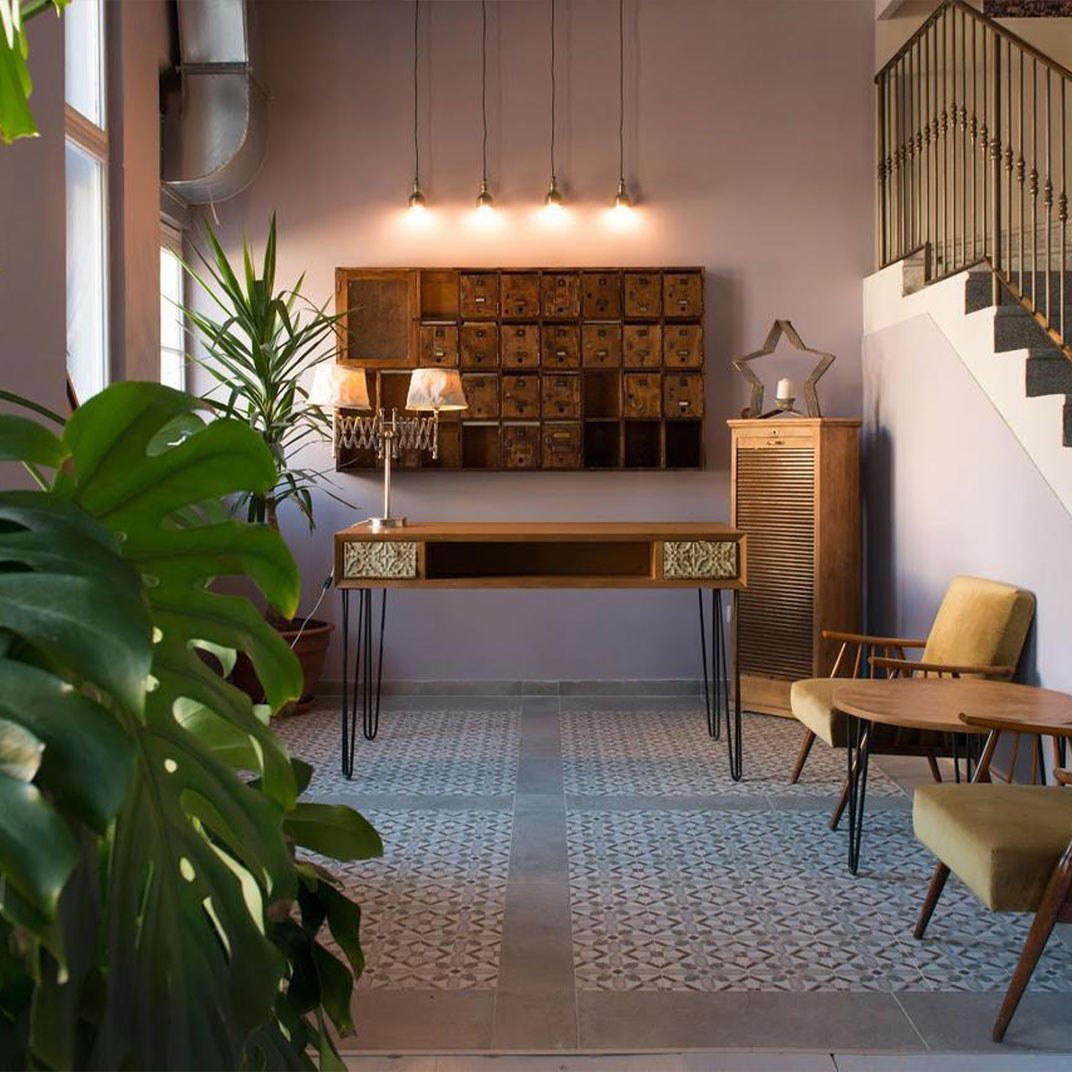
Belgrade, Serbia
A Michelin Selected property on one of Dorćol's quietest residential streets, Smokvica Dorćol sits closer to the Danube waterfront and the Ottoman-era Bajrakli Mosque than most of Belgrade's hotel options. The address places guests inside a neighbourhood that moves at a different pace from the Republic Square cluster, with kafana culture, independent wine bars, and river-terrace dining all within a short walk.
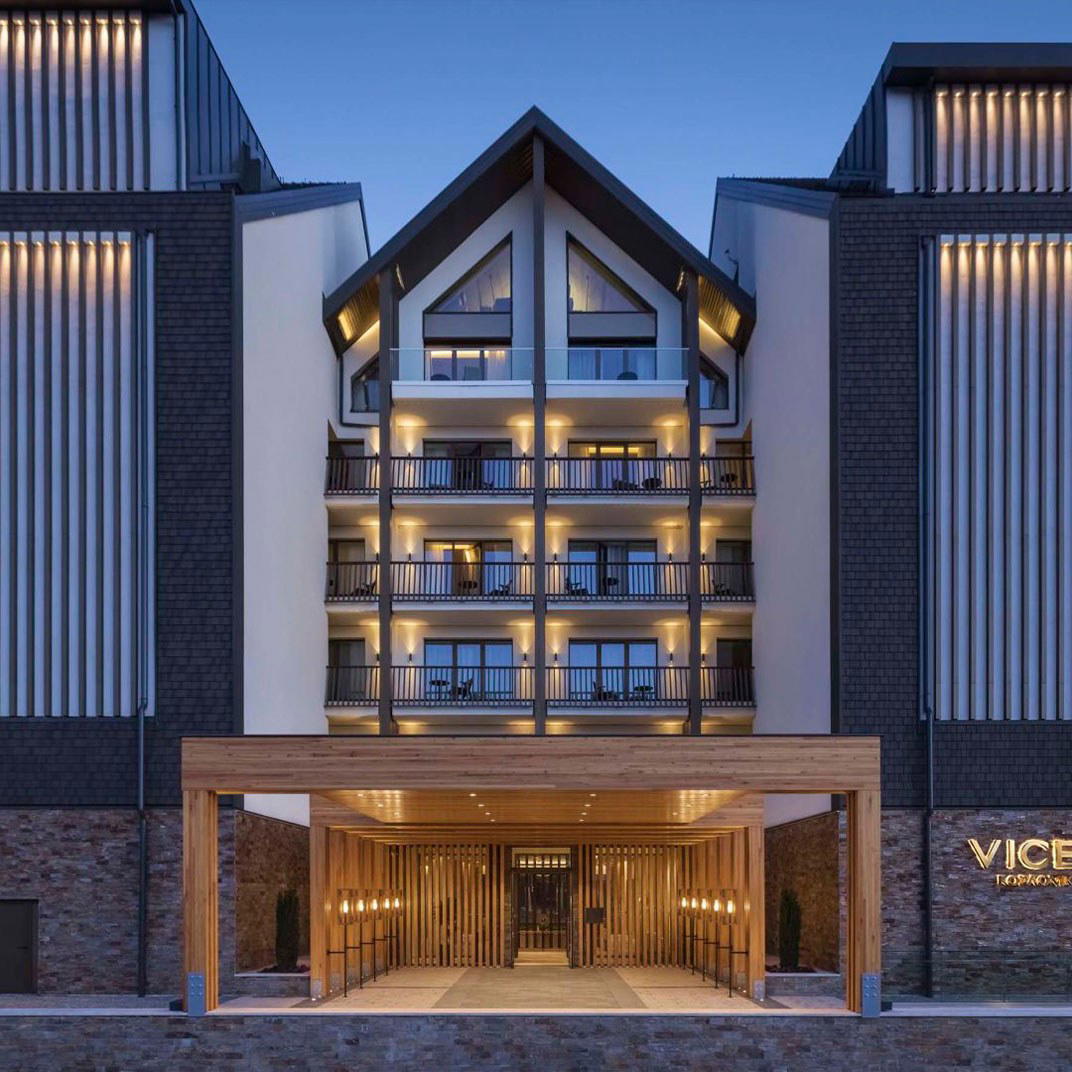
Kopaonik, Serbia
Michelin Selected for 2025, Viceroy Kopaonik Serbia sits at the centre of Serbia's premier ski resort on the Kopaonik massif, where mountain architecture and alpine positioning separate it from the country's urban hotel tier. For travellers moving beyond Belgrade's city hotels, it represents the clearest marker of international-grade accommodation in Serbia's mountain interior.
Serbia
Selected entries from the current guide for Serbia.
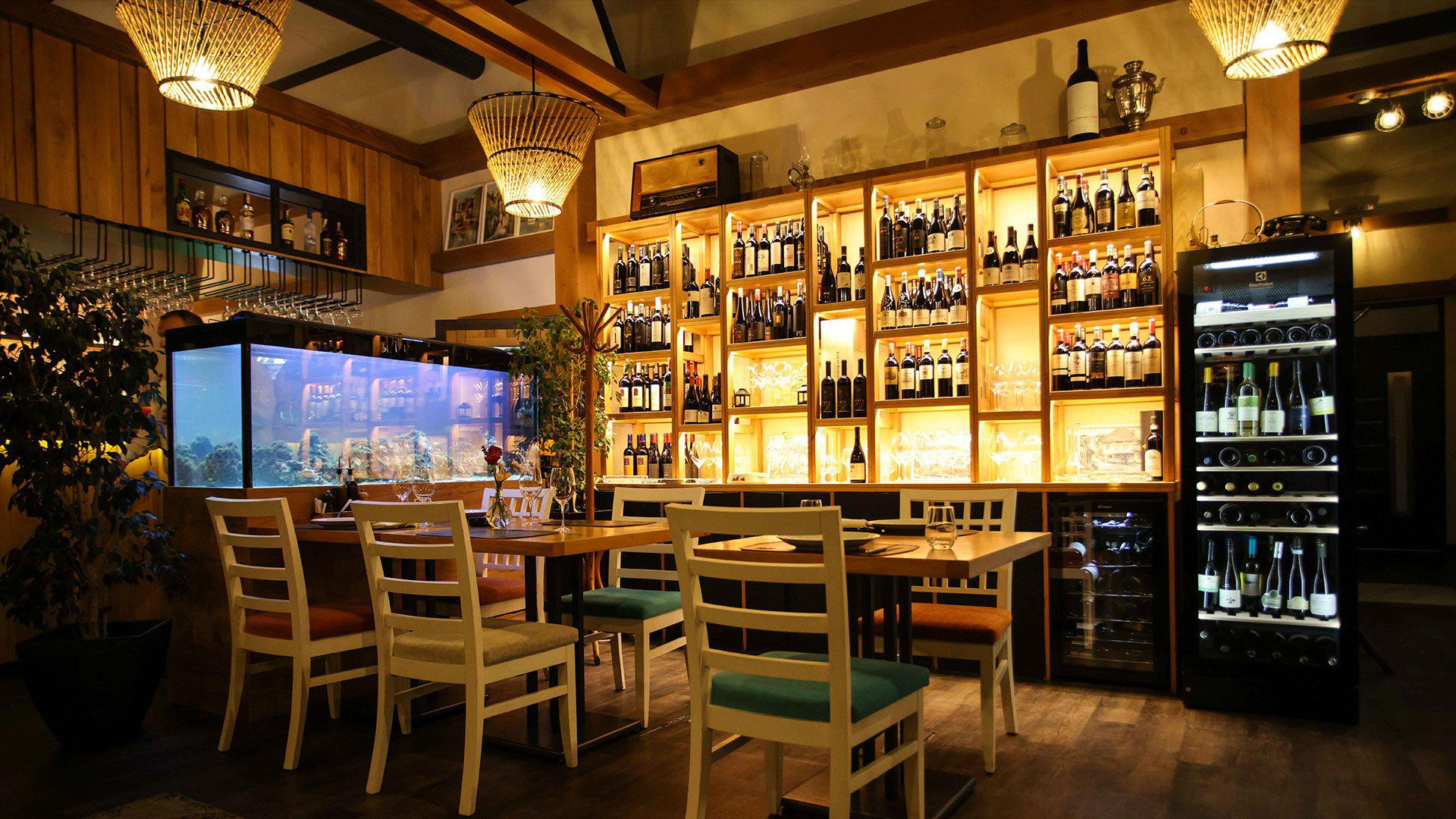
Belgrade, Serbia
A Dalmatian-coast outpost in Belgrade's Stari Grad district, Konoba & Wine Bar Tata Mata brings Adriatic seafood and regional wine to a city more associated with grilled meats and rakija. The wine bar format places it in a growing Belgrade niche where coastal Dalmatian traditions meet the Serbian capital's appetite for sit-down drinking culture. Worth knowing for those working through the city's emerging wine bar circuit.
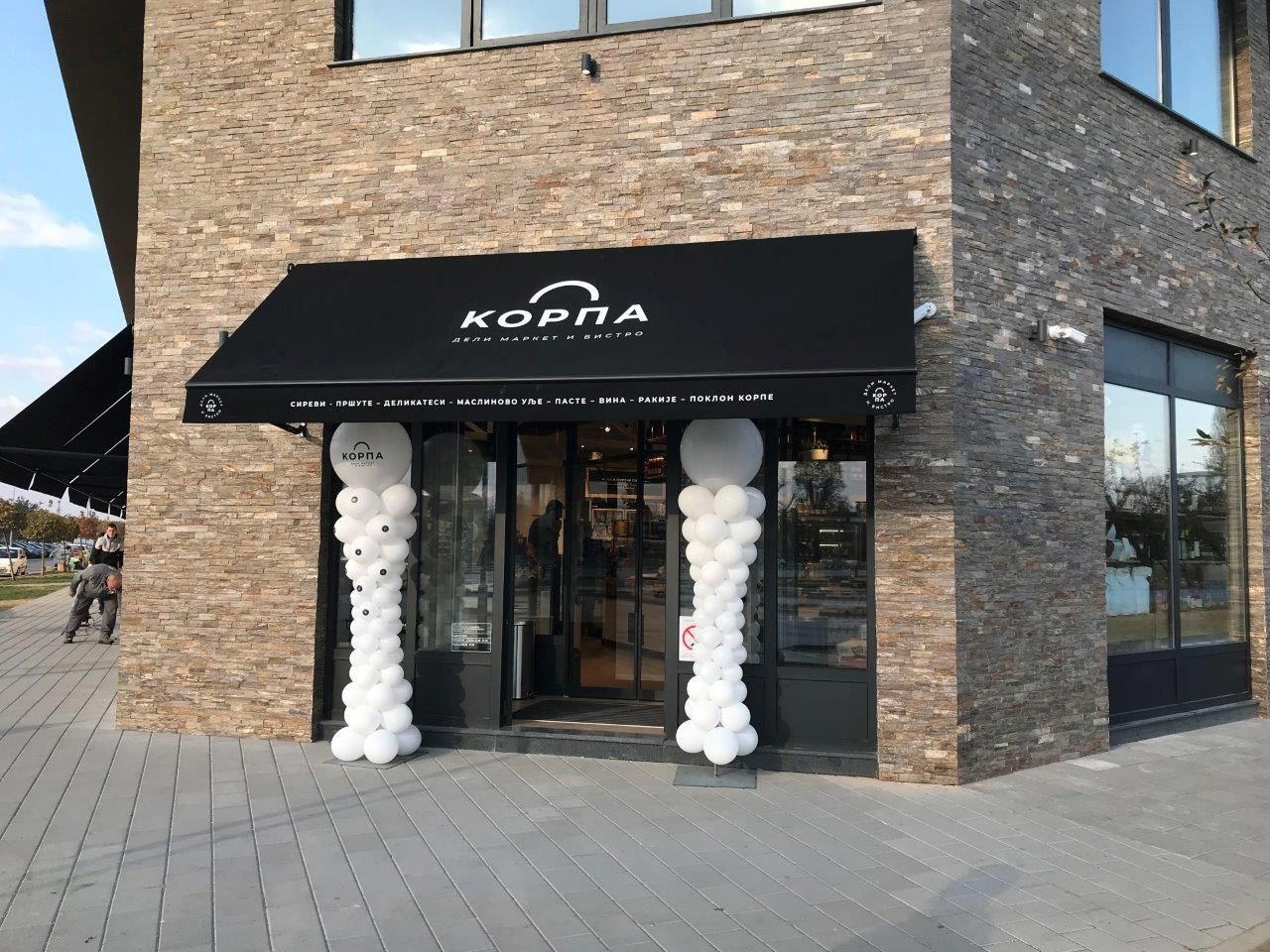
Novi Sad, Serbia
Korpa Deli Market & Bistro occupies a corner of Novi Sad's dining scene where gourmet deli shelves and a sit-down bistro share the same address on Veselina Masleše 2. The format marries local Serbian produce with international preparation in a setting that rewards both a quick lunch stop and a longer table session. For a city building a credible food-and-drink identity, it represents the kind of hybrid concept that defines the current direction of travel.
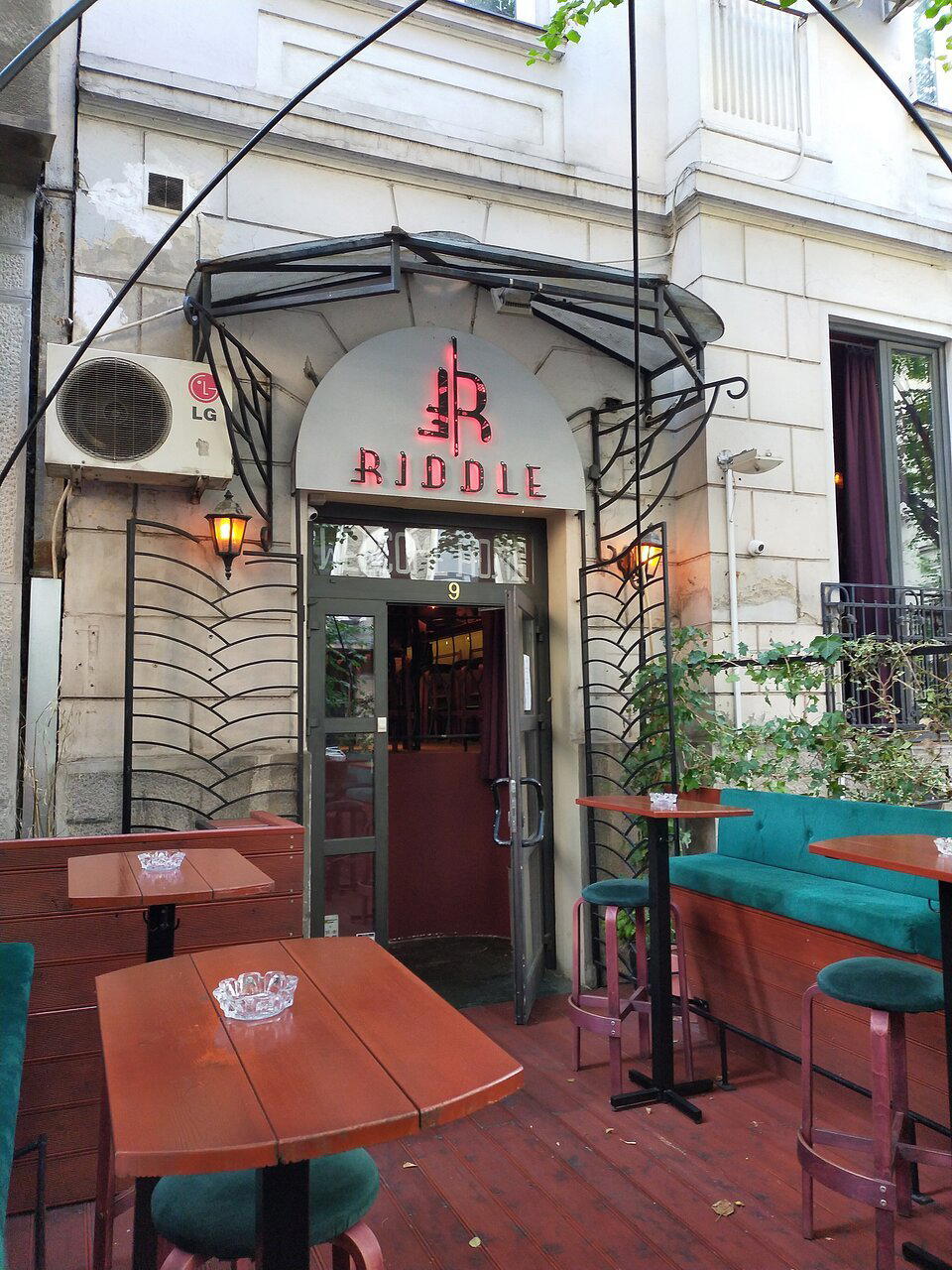
Belgrade, Serbia
On Skadarska, Belgrade's cobblestoned bohemian strip, Riddle Bar occupies the sharper, more technically minded end of the city's cocktail offer. Ranked 488th in the 2025 Top 500 Bars list, it represents one of the few Serbian entries on that global index, placing it in a competitive set that extends well beyond the Balkans. Come for the craft behind the bar; the street outside will take care of the atmosphere.
Belgrade, Serbia
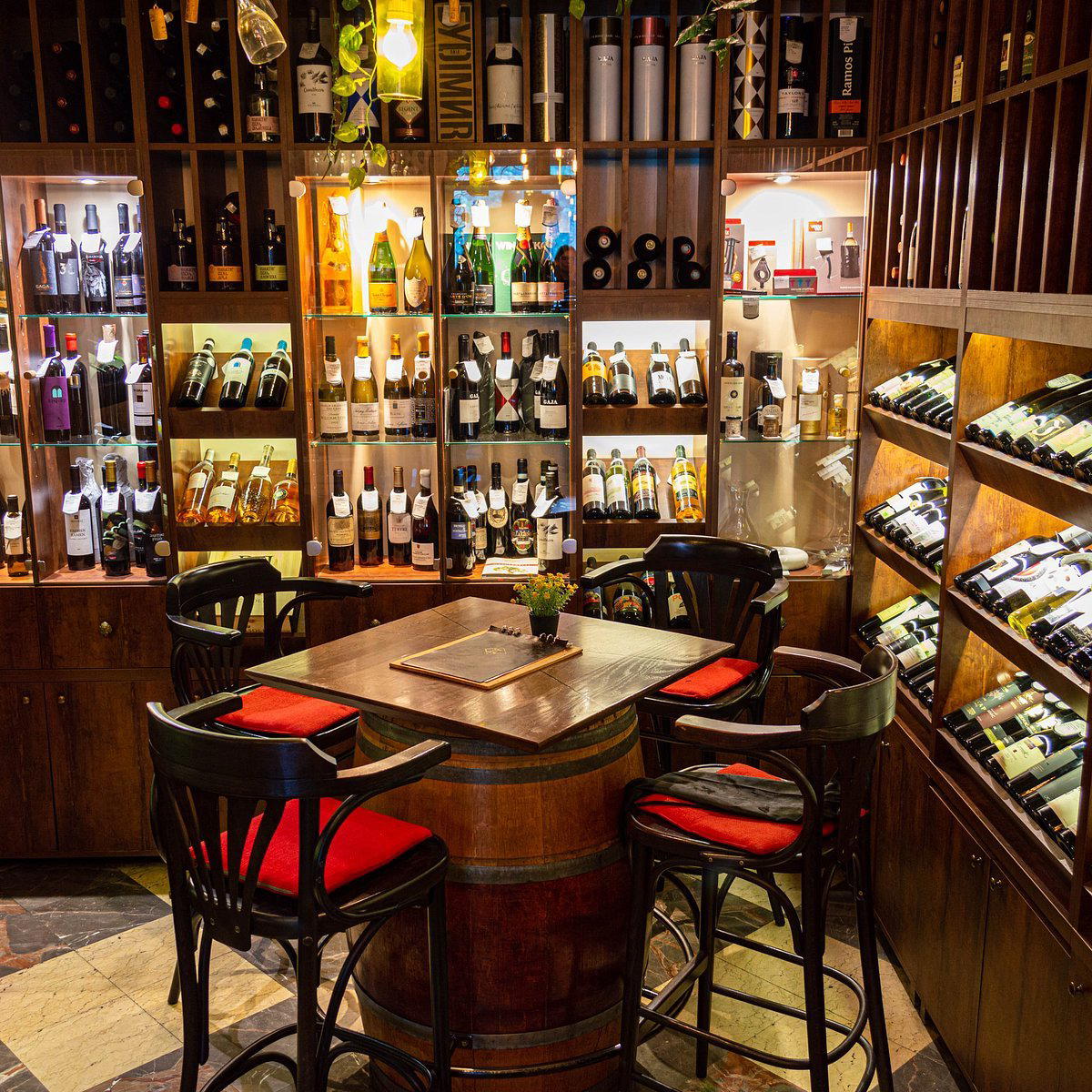
Srpska Kuća Vina is a Belgrade wine bar on Antifašističke borbe, recognised by Star Wine List in 2026 for the depth and focus of its wine program. In a city where the wine bar format is still finding its shape, it occupies the more serious, list-driven end of the spectrum. Expect a room built around the bottle rather than the occasion.
Belgrade, Serbia
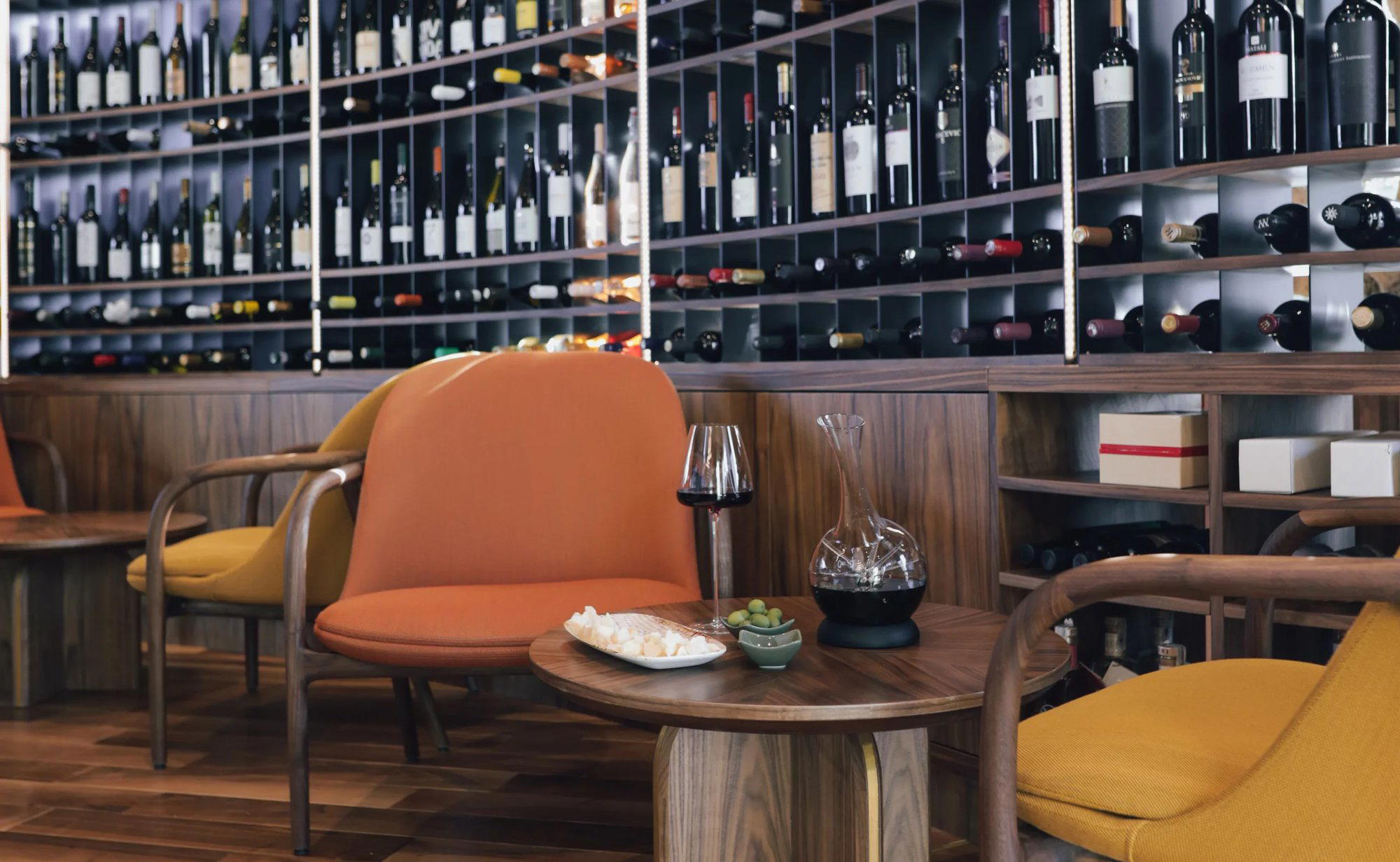
Opened in 2023 at Belgrade Waterfront, Vinoteka Decanter is a wine bar with a sleek, modern design that has drawn wine-focused visitors and locals to the Hercegovačka address since its first year. The space sits within a district that has reshaped how Belgrade's bar scene positions itself, pairing design ambition with a serious wine offer in a city more often associated with rakija and craft beer.
Kragujevac, Serbia
On Milovana Glišića in central Kragujevac, Kano occupies a city where Serbian dining traditions run deep and local restaurants carry the weight of community identity. The address places it squarely in the fabric of a mid-sized Serbian city that rarely appears on international radar, which makes it worth understanding on its own terms. Visitors seeking alternatives in the area can cross-reference our full Kragujevac restaurant guide.
Belgrade, Serbia
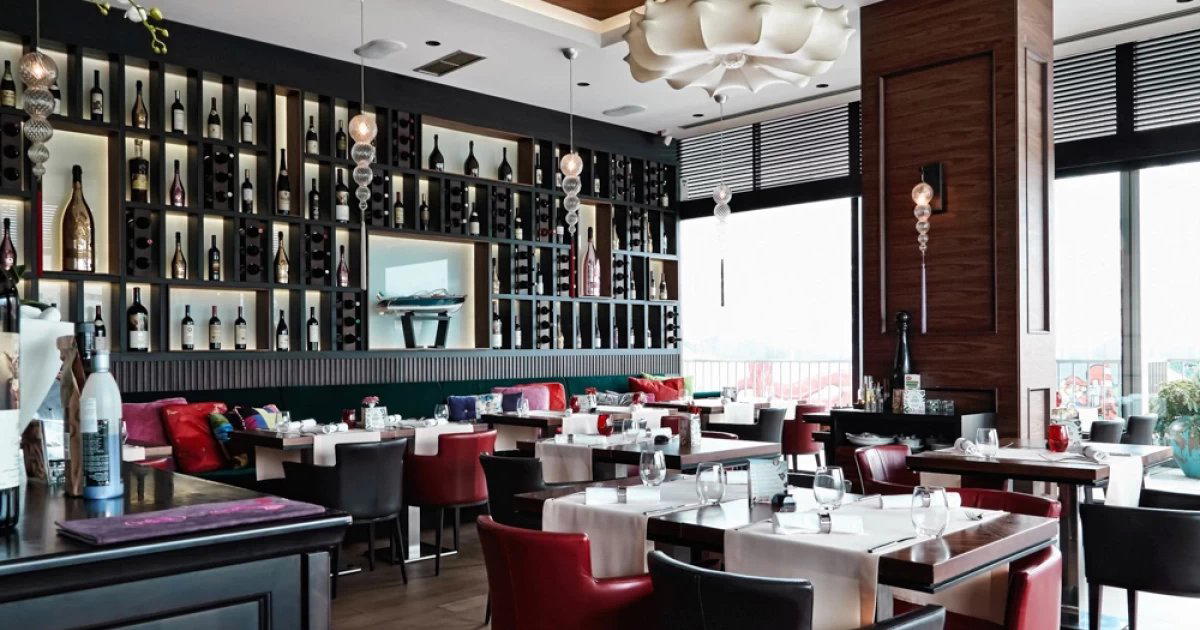
RESTORAN JERRY runs as a modern Serbian steakhouse with an open kitchen, an extensive wine list, and a conversational pace for lunch or dinner.
Serbia
Selected entries from the current guide for Serbia.
Vranje, Serbia
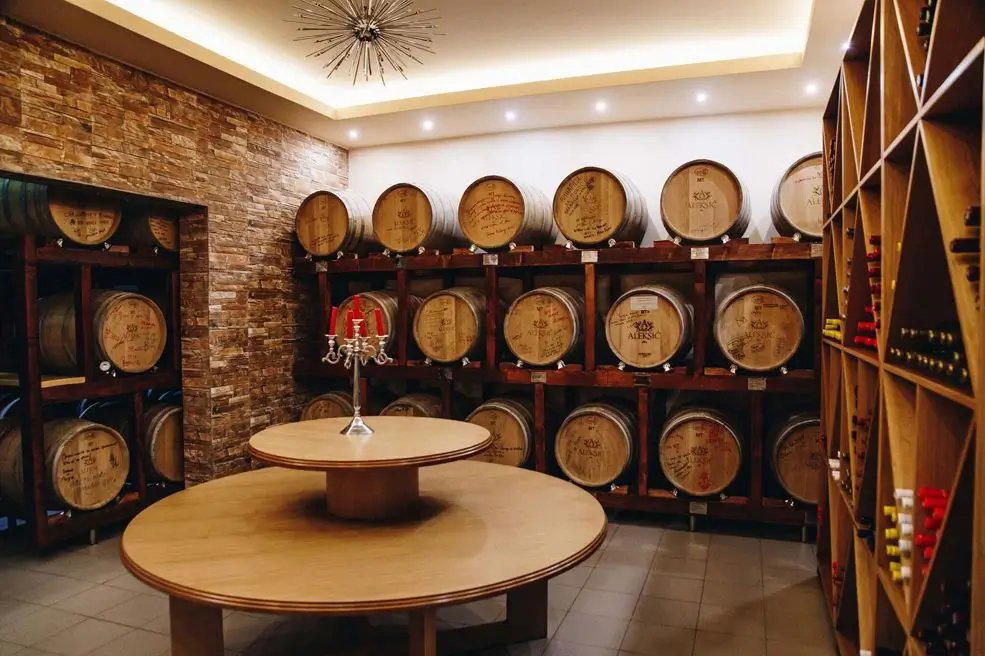
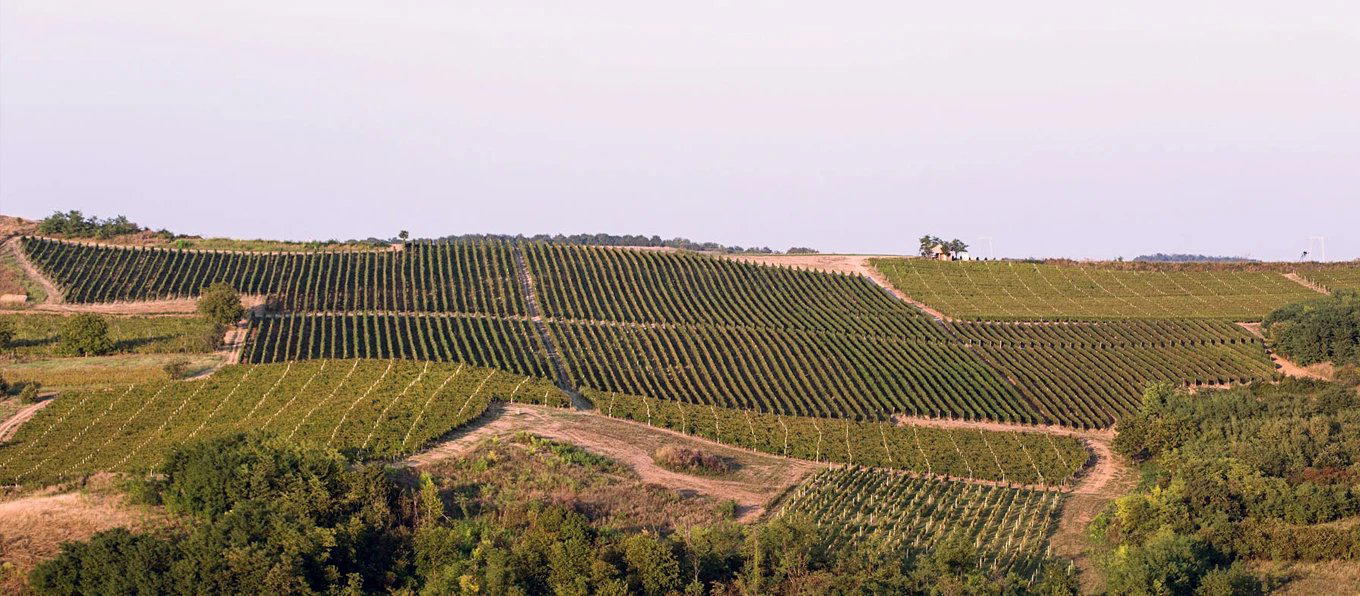
Aleksić Winery gives Vranje a serious modern cellar address: a family-run southern Serbian producer founded in 2006, with 70 hectares under vine and annual production around 500,000–550,000 liters. The draw is not micro-scale rarity, but the way local revival, stainless-steel whites and rosés, barrique-aged reds, and a three-sister ownership story meet inside a contemporary winery complex.
Banostor, Serbia
Bikicki is a small natural-wine estate in Banostor, working from Fruška Gora vineyards influenced by Danube-facing slopes, clay, volcanic rock, limestone and marl. The draw is Serbia’s low-intervention wine movement in a concentrated form: organic farming, native-yeast fermentations, unfiltered bottlings, and a portfolio that moves from still reds and whites to orange wine, pet-nat and dessert styles.

Syrmien, Serbia
Bojan Baša belongs to Serbia’s small-production natural wine current, with Fruška Gora terroir treated as the main argument rather than a backdrop. The estate works organically and biodynamically across 5.5 hectares, producing around 15,000 bottles a year with a focus on skin-contact, orange and amber wines from varieties including Furmint, Tamjanika, Pinot Grigio, Grašac and Morava.
Lozovik, Serbia
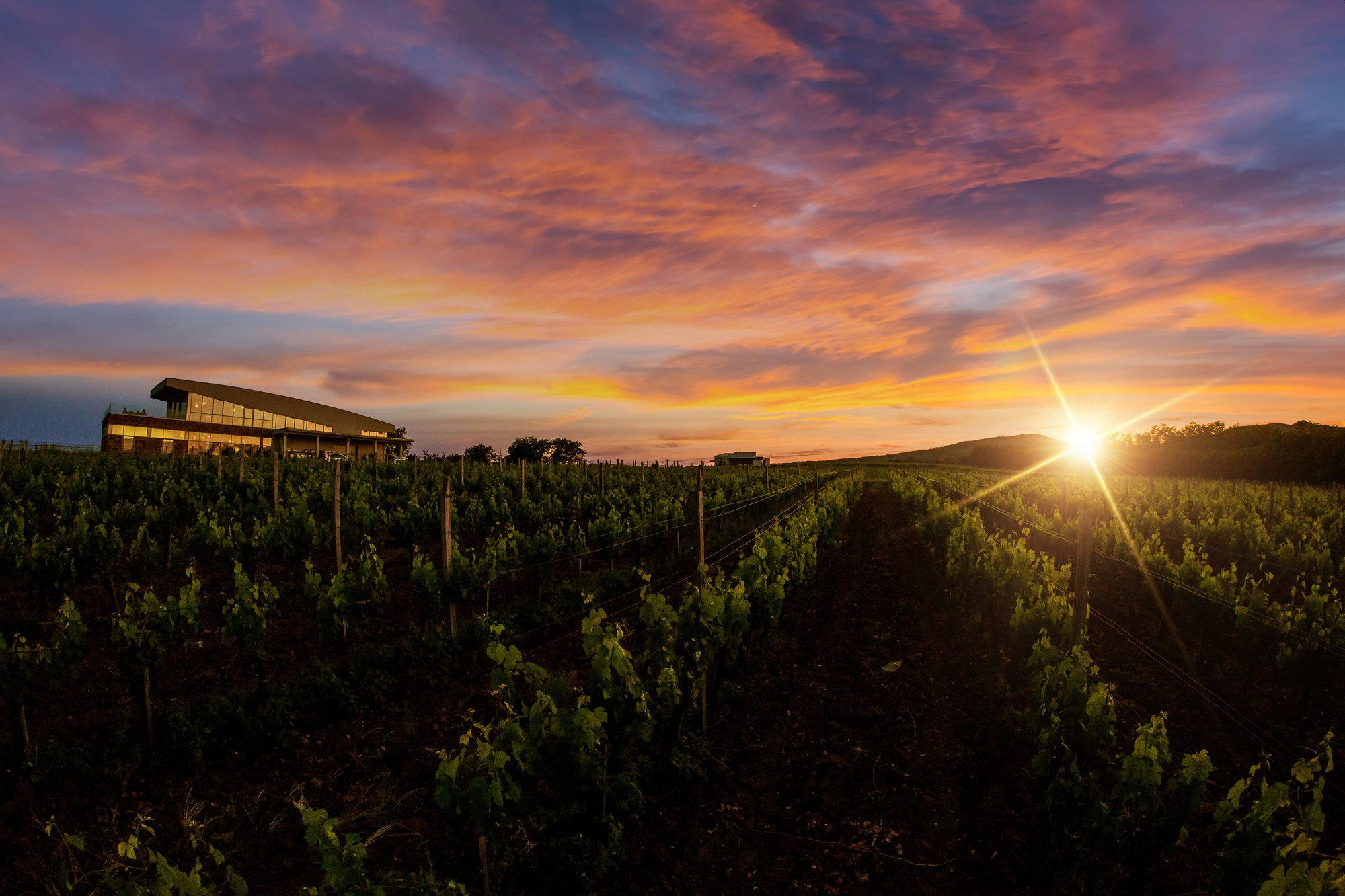
Cilić Vinarija gives Lozovik a grounded expression of the Tri Morave wine region: family viticulture, hilltop vineyard scenery, and a portfolio that keeps Serbian varieties in conversation with Cabernet-led plantings. The draw is not trophy collecting; it is a small-production estate lens on Šumadija’s sun, slopes, and local grapes.
Smederevska Pa, Serbia
Despotika Winery gives Šumadija wine tourism a clear sense of place: southwest-facing vineyard slopes, indigenous Serbian varieties and a rural estate format built around views rather than formality. The draw is the land as much as the glass, with Morava and Prokupac carrying the regional argument alongside international varieties.
Magyarkanizsa, Serbia
Ernő Sagmeister is a small appointment-only winery in Magyarkanizsa with vineyards tied to Srem and Fruška Gora. The draw is not cellar-door polish but a quiet, personal tasting culture built around Furmint, Kadarka, Pinot Noir and a natural production philosophy shaped by specific hillside parcels.
Novi Sad, Serbia
Fleur d’Oranger is a small estate winery near Novi Sad shaped by Pearl Island, the Tisa river setting, and the rare Muscat Krokan grape. The interest here is not trophy culture or grand-cellar theatre, but a specific Serbian wine story: 20 hectares of vineyards, a compact varietal range, and a visitor experience built around place rather than spectacle.
Aleksandrovac, Serbia
Fragaria gives Serbia’s Župa wine country a compact, cellar-led expression: family vineyards, mountain-framed countryside, and a tasting format built around education rather than spectacle. The draw is the way local grapes such as Tamjanika and Prokupac sit beside Sauvignon Blanc and Cabernet Sauvignon, with Decanter and AWC Vienna medals adding external weight to a young boutique label.
Banostor, Serbia
Fruškogorski Vinogradi gives Banostor a scale-driven, terroir-led wine stop on the Fruška Gora slopes near the Danube. Its 110 hectares, four branded wine lines, vineyard tours and tasting-center format make it a useful lens on Serbian wine country as it moves between regional identity, export ambition and visitor-facing hospitality.
Negotin, Serbia
Matalj Vinarija gives Negotin a polished wine-country address: a hillside winery in Bukovo with vineyard and mountain views, guided tastings, cellar visits, and a small-production focus. The draw is not spectacle but regional context, especially for travelers trying to understand Negotinska Krajina through Cabernet Sauvignon, Merlot, Chardonnay, Sauvignon Blanc, Gamay, and the estate’s Kremen Kamen red.
Orasac, Serbia
Matijašević vinogradi belongs to Serbia’s newer, polished winery tier: an Orašac estate in Šumadija working with local and international grapes across still white, red, and orange styles. The draw is terroir-led tasting rather than rustic cellar theatre, with vineyard views, guided estate formats, and bottlings such as Belina, SoviNoa, Čukundeda, and Tri Doline shaping the conversation.
Valjevo, Serbia
Milijan Jelić is a family-owned winery in Valjevo built around estate hospitality rather than bottle sales alone. Its 20 hectares, underground cellar, tasting-room bar, seated tastings, group degustations, and focus on the Serbian Morava grape make it a useful lens on how contemporary Serbian wineries turn regional identity into a visitor experience.
Negotin, Serbia
Monastery Bukovo is a Serbian Orthodox monastic wine site in Negotin where viticulture, religious heritage, and regional recovery after phylloxera meet in one estate. Its strongest claim is agricultural rather than trophy-led: a rare Black Tamjanika focus, a vineyard-school legacy dating to 1887, and a setting shaped by the Negotin wine region’s climate and soils.
Hajdukovo, Serbia
Oszkar Maurer is a small family-run natural winery in Hajdukovo, defined by northern Serbia’s sandy Subotica–Horgoš plains, Fruška Gora sites, native grapes and low-intervention cellar work. Its strongest pull is terroir rather than polish: Kadarka, Bakator, Kövidinka and orange wines connect old vineyard material with a modern sommelier audience.
Topola, Serbia
PIK Oplenac gives Topola’s wine culture a strongly physical setting: restored cellars, art-filled tasting rooms, archive spaces, and vineyard views on the slopes of Oplenac. The draw is less trophy-chasing than context, with Šumadija’s royal history, large-scale production heritage, and local varieties folded into a structured winery visit.
Starci, Serbia
Podrum Čokot is a small Župa cellar in Starci shaped around Prokupac and Tamjanika rather than international varieties. Its appeal is terroir rather than polish: high-elevation vineyards, limestone and schist soils, restrained cellar work, and Decanter silver recognition for Prokupac place it inside Serbia’s modern native-grape revival.
Krnjevo, Serbia
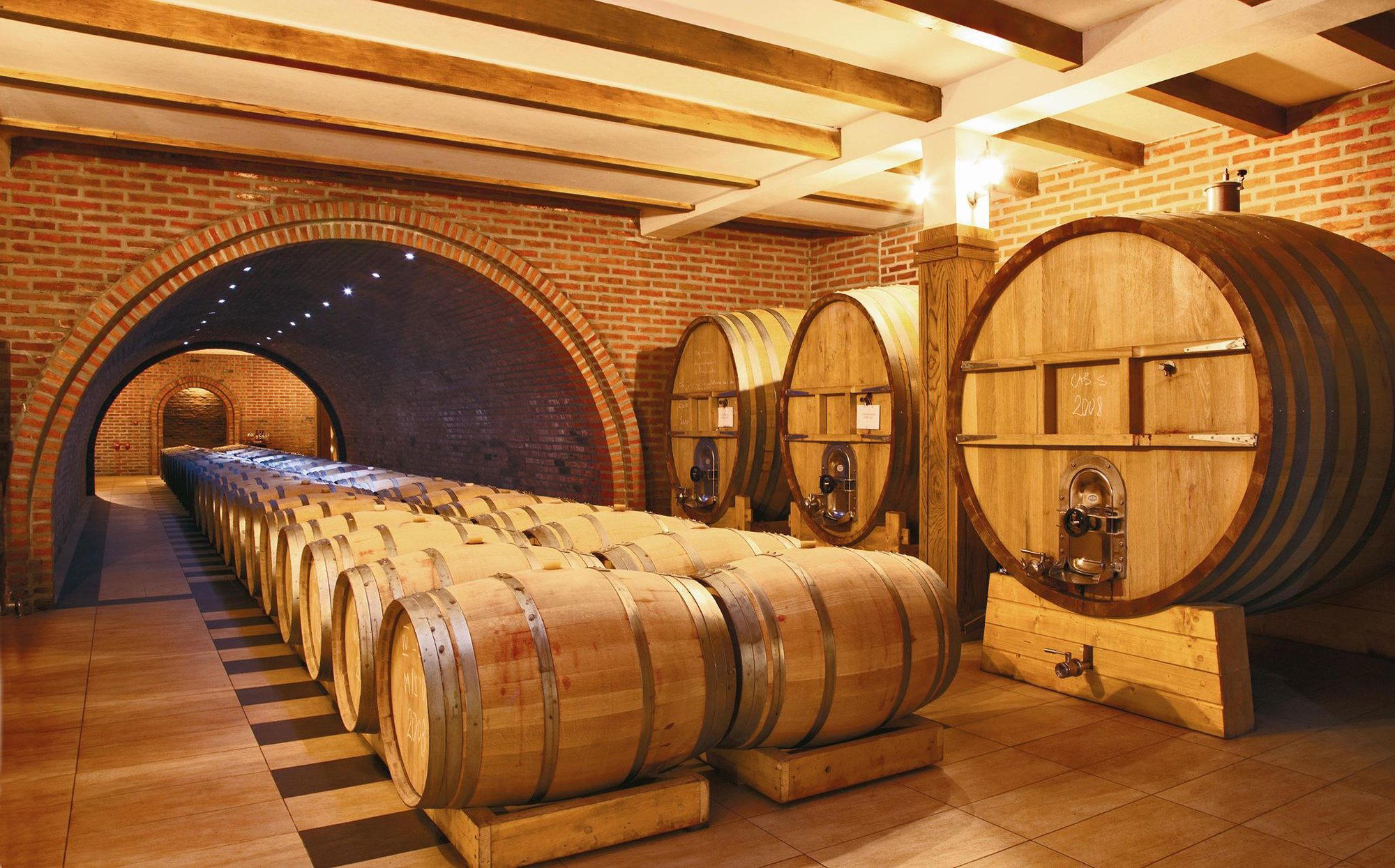
Podrum Radovanović is a Krnjevo estate winery tied closely to Šumadija’s modern private-wine story. Founded in 1990 on family vineyard land, it works with a focused portfolio of Cabernet Sauvignon, Chardonnay, Riesling, Sauvignon Blanc, Pinot Gris and rosé, with visits shaped around the cellar, tasting room and vineyard setting rather than high-volume entertainment.
Topola, Serbia
Vinarija Aleksandrović is a Šumadija estate where Oplenac vineyard culture, royal-cellar heritage, and structured hospitality meet in one polished wine destination. The draw is not only the Trijumf story, revived from a historic recipe, but the way the property frames Serbian wine through estate vineyards, guided tastings, food pairings, and overnight stays among the vines.
Novi Sad, Serbia
Vinarija Bjelica belongs to the Fruška Gora wine orbit around Novi Sad, where vineyard properties increasingly combine production with visitor infrastructure. Its strongest signal is place: a family-house winery format in Sremski Karlovci, with still-white focus, sauvignon blanc listed, and recent public investment tied to hospitality and accommodation capacity.
Lezimir, Serbia
Vinarija Chichateau is a small garage winery in Ležimir, shaped by a 3-hectare estate on the southern slopes of Fruška Gora and a deliberately informal, rural tasting rhythm. The appeal is not polish or scale, but a compact Serbian wine address focused on Cabernet Sauvignon, Cabernet Franc, Merlot, Sauvignon Blanc, and Chardonnay, with visits handled by appointment.
Topola, Serbia
Vinarija Delena reads as a compact Šumadija wine address shaped by hillside vineyards, family continuity, and estate-grown fruit rather than trophy chasing. Its small portfolio, including Traminac, Sauvignon Blanc-Semillon, and Merlot-Malbec, gives a concise view of how Lipovac and the Oplenac area frame modern Serbian wine.
Mala Remeta, Serbia
Vinarija Deurić is a modern Fruška Gora winery in Mala Remeta, built around south-facing vineyards, gravity-conscious cellar work, French oak barrique aging, and a broad portfolio spanning local and international grapes. It suits travelers looking for a Serbian wine-country stop with guided tasting, restaurant service, wine school programming, estate views, and a medium-scale hospitality setup rather than a small cellar-door pour.
Donje Svarce, Serbia
Vinarija Doja brings Serbia’s Toplica wine story into a cellar-led hospitality format: guided tastings, food pairings, a restaurant above the cellar, and lodging looking over the vines. The draw is the regional grape frame, especially Prokupac and Tamjanika, supported by Pinot Noir, Merlot, Chardonnay, and reserve bottlings in a quiet mountain-slope setting.
Erdevik, Serbia
Vinarija Erdevik is a historic Serbian winery in Erdevik, rooted in an 1826 cellar and a Fruška Gora terroir story shaped by the Danube, forest air and mineral soils. Its appeal lies in the overlap of barrique-led cellar culture, a broad estate portfolio and a gastro chalet format built around wine rather than standard tasting-room traffic.