Among Kyiv's Asian restaurant options, Чанг occupies a specific niche: Vietnamese cooking refracted through a bistronomy lens, on a stretch of Yaroslaviv Val that draws a cosmopolitan, design-literate crowd. The menu structure signals intent — this is not pho and spring rolls as comfort shorthand, but Vietnamese ingredient logic applied at a different register. An address worth tracking on vул. Ярославів Вал, 23а.
Pearl is the En Primeur Club membership app — saves, bookings, and concierge access live there. Same editors, same standards.
- Address
- вул. Ярославів Вал, 23а (вул. Олеся Гончара), Київ, 01054
- Directions
- Get directions
 Saves & bookings on Pearl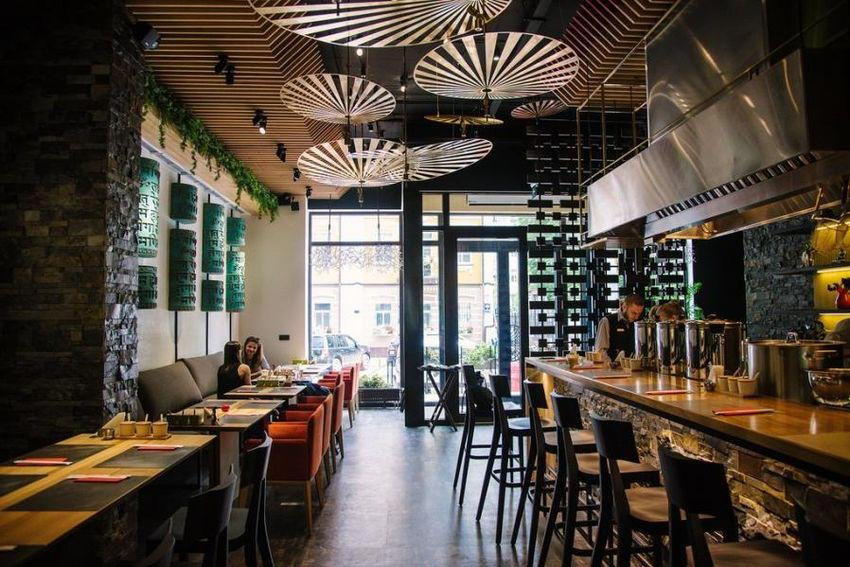
Vietnamese Bistronomy in Kyiv: Where the Format Does the Talking
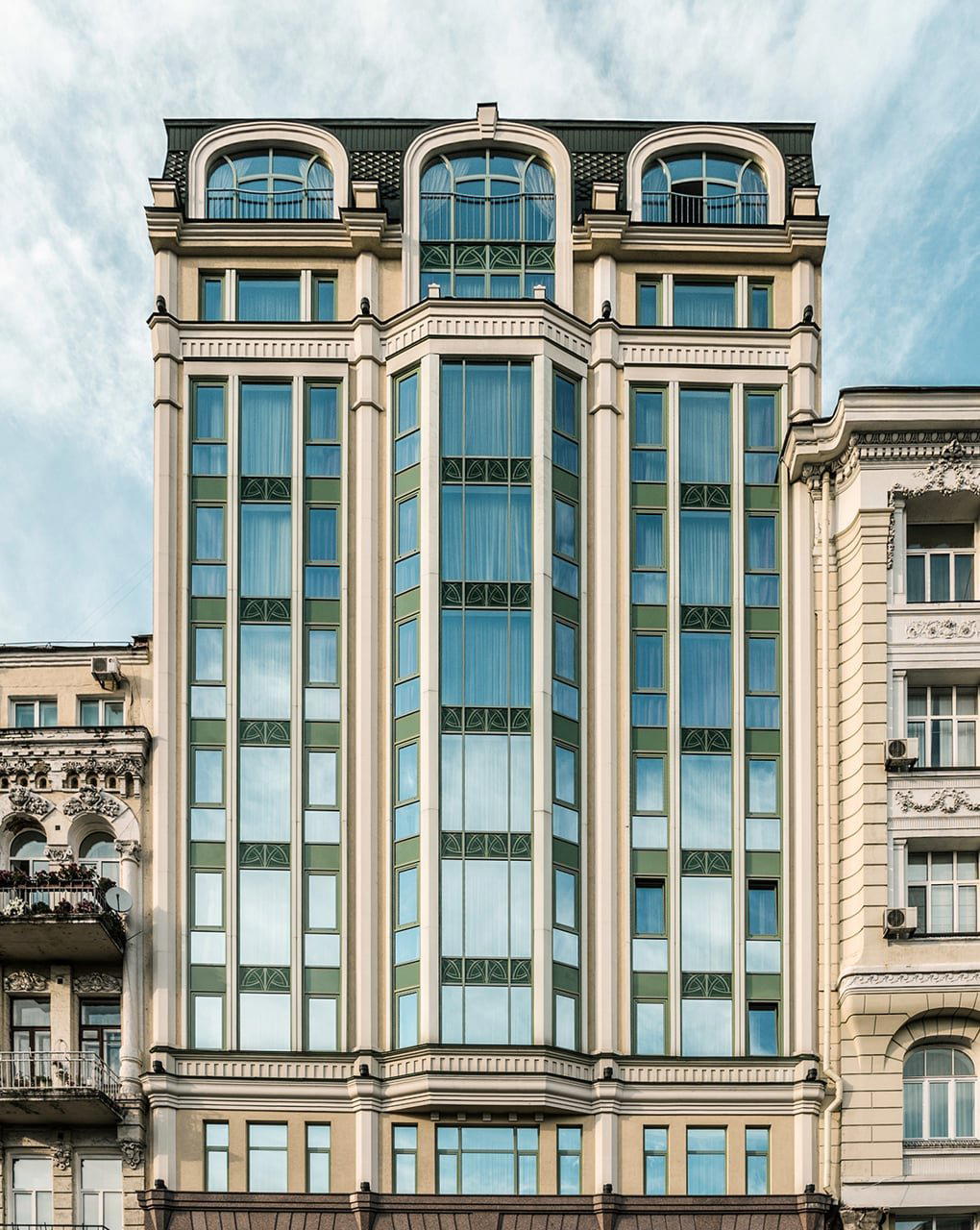
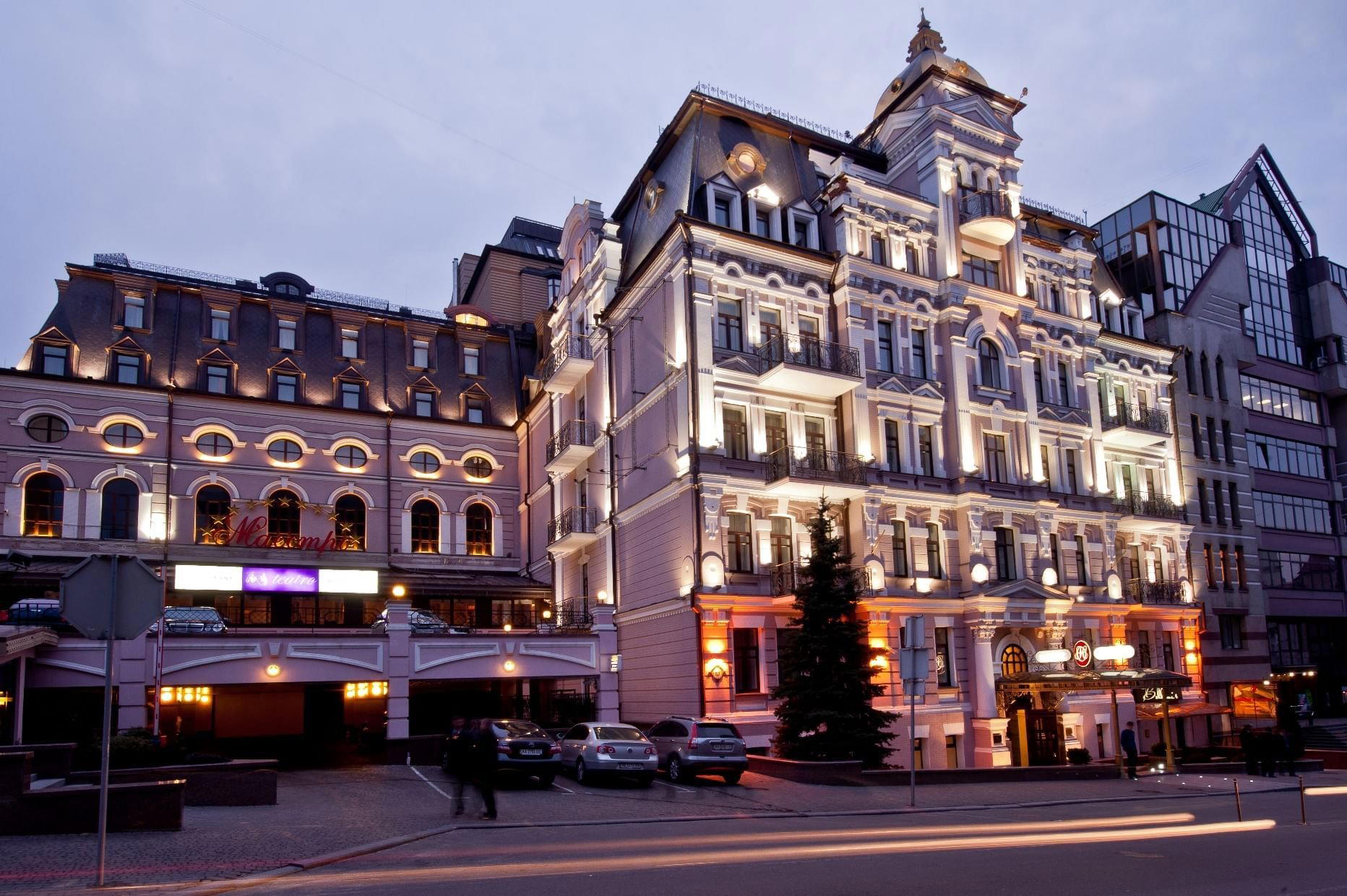
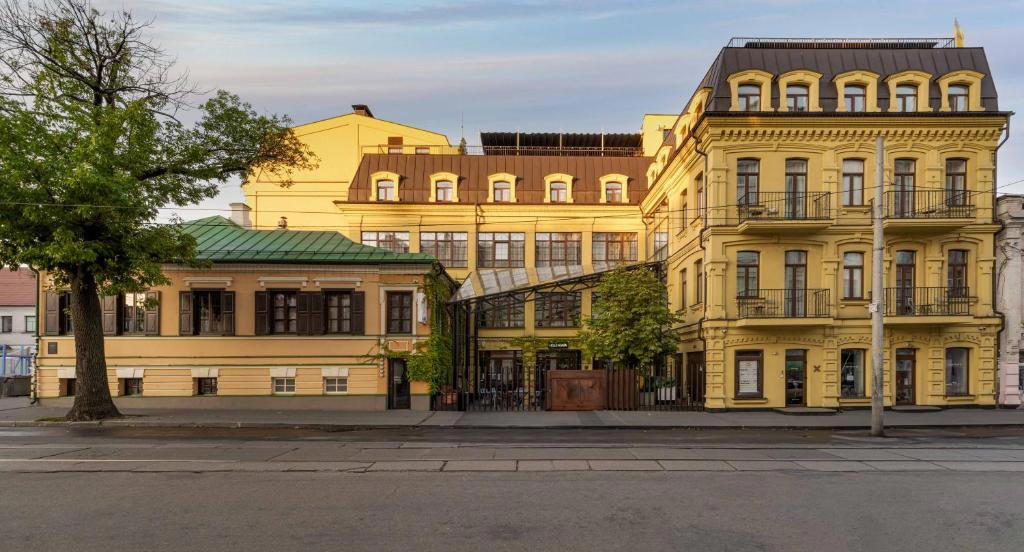
Yaroslaviv Val has become one of Kyiv's more reliable streets for restaurants that take their format seriously. The stretch running toward Olesia Honchara draws a crowd that reads menus rather than just scanning Instagram captions, and the buildings — a mix of pre-war residential and Soviet-era commercial — give the neighbourhood a particular density that rewards foot traffic. В'єтнамська бістрономія «Чанг», at number 23а, fits that context. The name itself is doing editorial work: "bistronomy" is a specific claim, not a vague lifestyle tag, and pairing it with Vietnamese cuisine in a city where Asian dining has historically defaulted to pan-Asian catchall menus is a considered positioning move.
Kyiv's Asian restaurant scene has matured unevenly. Large-format venues covering sushi, ramen, dim sum, and Thai curries under one roof still exist across the city, but a parallel tier of more focused operations has grown alongside them. Asia Bar & Grill and BAO • Modern Chinese Cuisine represent different approaches to bringing Asian food into a more deliberate dining register. Чанг takes a narrower path still: a single-country culinary tradition, filtered through the bistronomy model that European cities applied to French regional cooking roughly a decade ago, now landing in a Ukrainian capital navigating its own complicated relationship with cosmopolitan dining culture.
What Bistronomy Actually Means on This Menu
The bistronomy format, shorthand for bistro-level informality combined with gastronomy-level technique, emerged in Paris as a counter-argument to the formality of haute cuisine and the carelessness of casual dining. Applied to Vietnamese cooking, it produces something specific: dishes that take the structural logic of the cuisine seriously (fermentation, fresh herb registers, the balance of fat, acid, and heat) while shortening the gap between kitchen ambition and room temperature. You are not eating in a recreation of a Hanoi street stall, but you are also not eating Vietnamese food filtered through generic "fusion" reduction.
The menu architecture at a venue operating under this model typically signals its priorities in how it divides the card. Small plates that carry the kitchen's technical argument tend to appear early, the places where fermentation depth or herb precision can be isolated and read clearly. Larger plates, if the Vietnamese template is followed with any rigour, will anchor around broth work, slow-cooked proteins, or the kind of layered spice building that does not abbreviate well. A menu that collapses those registers into a single undifferentiated list of dishes is usually a menu that has not committed to bistronomy's core premise. Whether Чанг's card achieves that structural discipline is the operative question for a first visit.
For broader context on how Kyiv's more ambitious dining rooms structure their menus, the comparison set is instructive. Al Fresco (Tuscan Italian) takes a regional European tradition and applies it at a considered level; the contrast with a venue doing the same for Vietnamese cooking illustrates how Kyiv's restaurant development has begun to track a diversity of culinary geography, not just European defaulting. Venues like 32 JazzClub and Barbara Bar show a city building out its cultural dining infrastructure in parallel directions, atmospheric, format-led, and with a clearer sense of what each room is arguing for.
The Neighbourhood as Context
Yaroslaviv Val's dining density matters because it conditions what diners expect when they walk in. This is not a neighbourhood where generic comfort food survives on footfall alone. The proximity to Kyiv's older residential core and the concentration of creative-economy workers in the surrounding streets means the clientele tends to have opinions about what they are eating. A Vietnamese bistronomy concept on this street is being tested by a crowd that has probably eaten in similar formats in Warsaw, Berlin, or London, and will notice immediately if the cooking is defaulting to a simpler playbook while the label does the heavy lifting.
That pressure is, in the current Ukrainian dining context, part of what makes Kyiv interesting. The city's restaurant culture has demonstrated considerable resilience and creativity in recent years, with operators continuing to open format-driven venues that engage seriously with culinary tradition. For a wider map of how the city's dining rooms are distributing themselves across cuisine type and price tier, our full Kyiv restaurants guide covers the current field in detail.
Ukrainian Dining Beyond Kyiv: The Wider Picture
It is worth situating Чанг within the broader development of Ukrainian restaurant culture, which has been producing format-led dining rooms in cities well beyond the capital. Maiak in Odesa operates with its own distinct maritime register; Don Omar in Kharkiv takes a different cultural approach altogether; Valentino in Lviv sits within that city's more Central European dining tradition. Across smaller cities, venues like Delikacia in Ivano Frankivsk, Kovcheg in Ternopil, Melange in Rivne, and Cafe de Vino in Lutsk suggest a country building dining culture at multiple scales simultaneously. That context matters because it clarifies what Чанг is participating in: a national restaurant development moment, not an isolated Kyiv anomaly.
At the international end of the format spectrum, the bistronomy model Чанг draws on has produced some of the most discussed restaurants of the last decade. The tasting-menu discipline visible at venues like Atomix in New York City and the technical rigour of Le Bernardin represent one end of that spectrum; Чанг's bistronomy framing places it at a more accessible register within the same general argument about cooking with intent.
Planning Your Visit
The address is вул. Ярославів Вал, 23а (corner of вул. Олеся Гончара), in central Kyiv's 01054 district, within walking distance of the city's older residential core and well-served by public transport. The venue does not appear in major international award databases at this time, which, given the current operational environment for Ukrainian restaurants, should not be read as a comment on quality.
Continue exploring
More in Kyiv
Restaurants in Kyiv
Browse all →
At a Glance
- Modern
- Cozy
- Casual Hangout
- Family
- Open Kitchen
- Local Sourcing
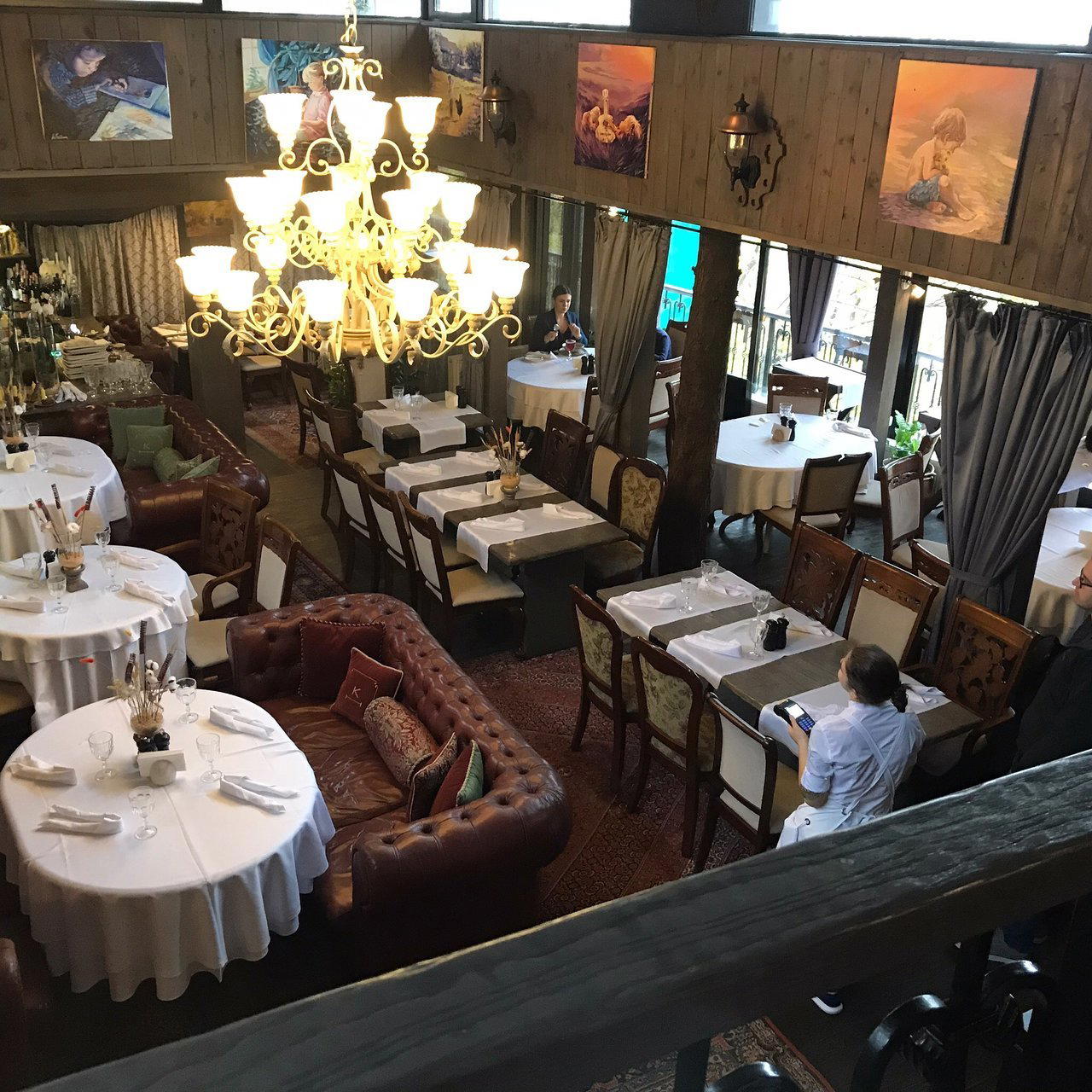
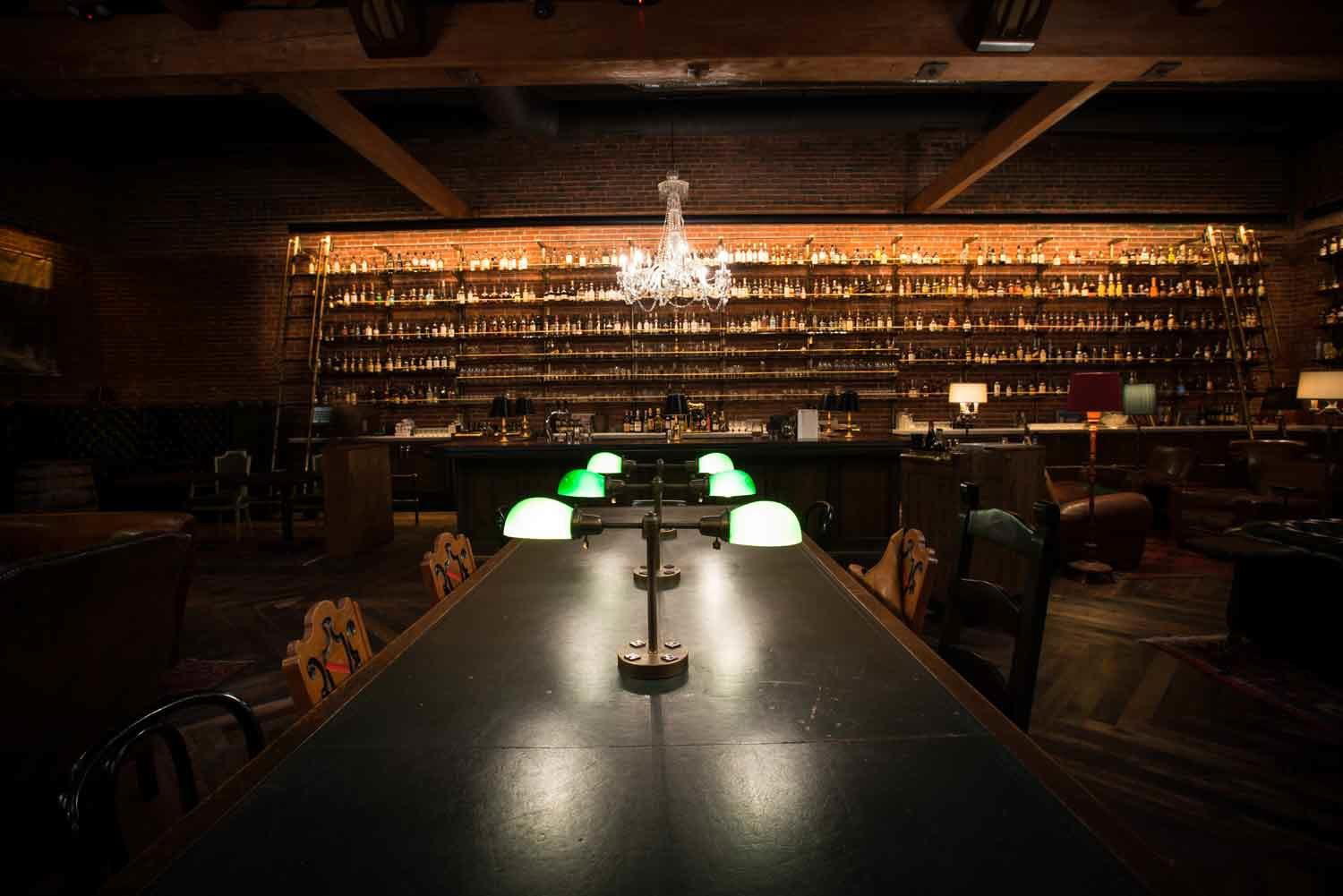
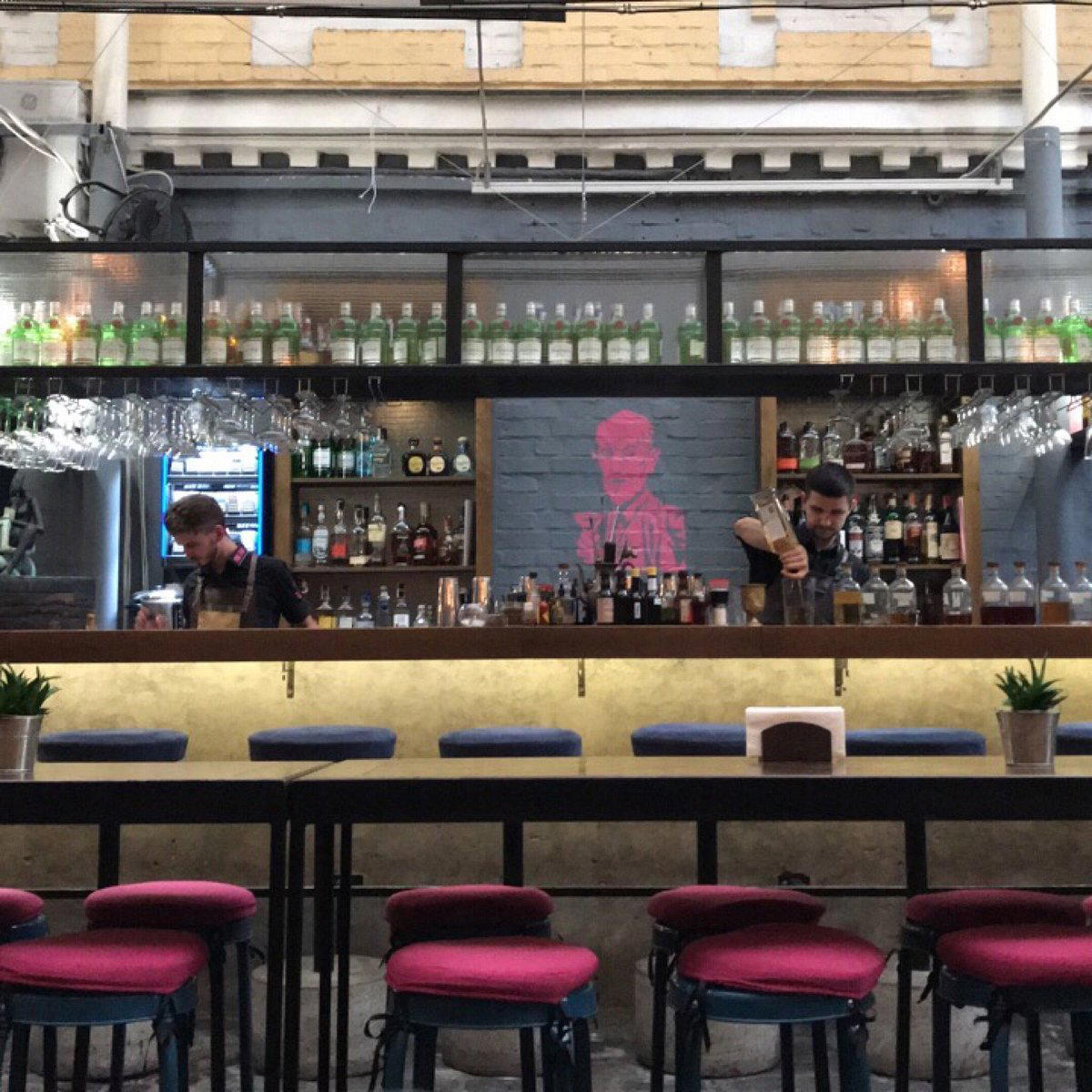
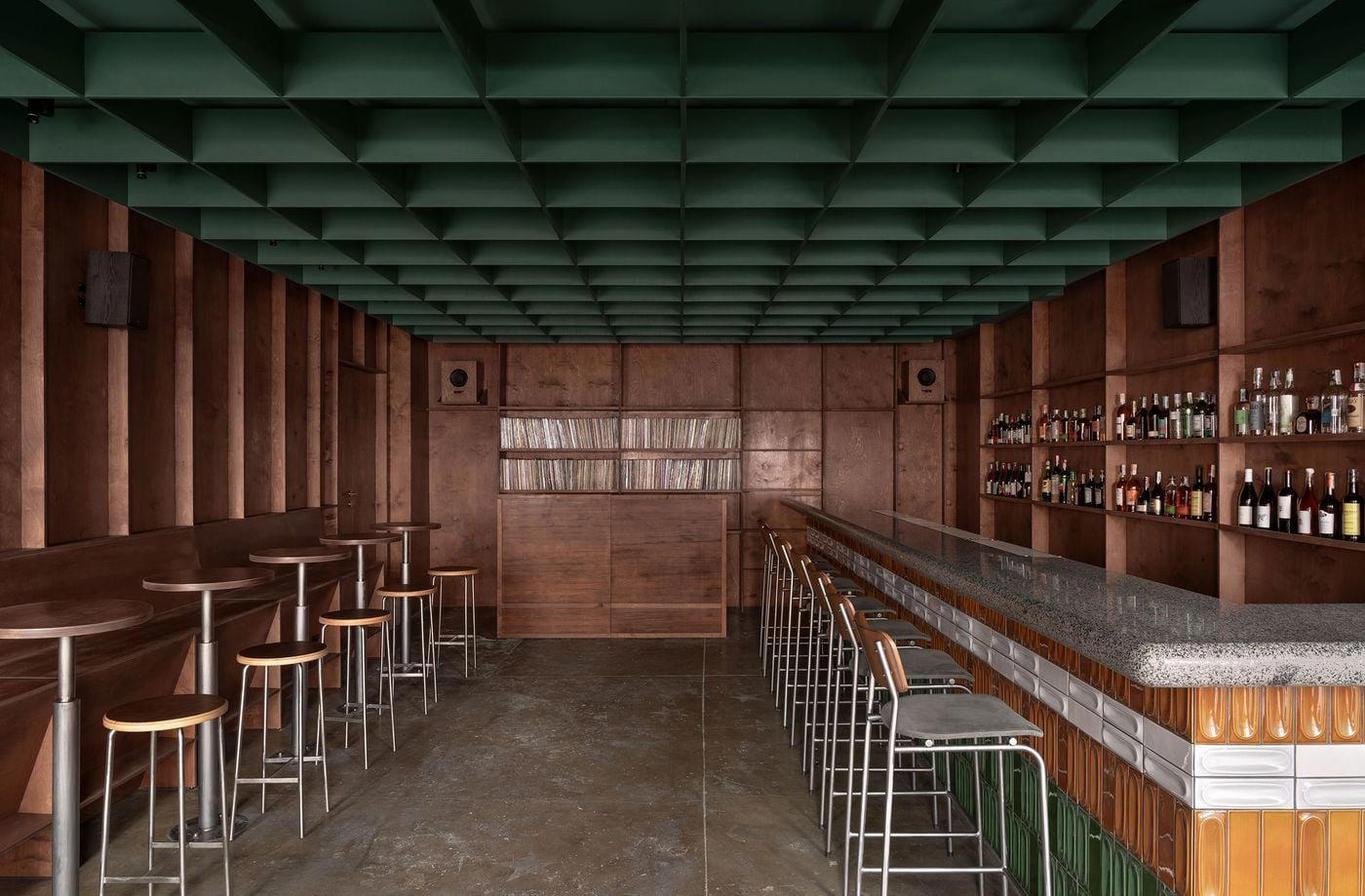
Modern and stylish interior with a large Buddha image on the wall, creating a welcoming atmosphere.
Know Before You Go
- Getting there
- вул. Ярославів Вал, 23а (вул. Олеся Гончара), Київ, 01054