СТАРИЙ МЛИН - Музейна ресторація serves Traditional Ukrainian in a historic building on Brodivs'ka St, with live music and private dining for a conversational, upscale-casual meal.
Pearl is the En Primeur Club membership app — saves, bookings, and concierge access live there. Same editors, same standards.
- Address
- Brodivs'ka St, 1а, Ternopil, Ternopil Oblast, Ukraine, 46000
- Phone
- +380352519555
- Website
- samogon.org
- Directions
- Get directions
 Saves & bookings on Pearl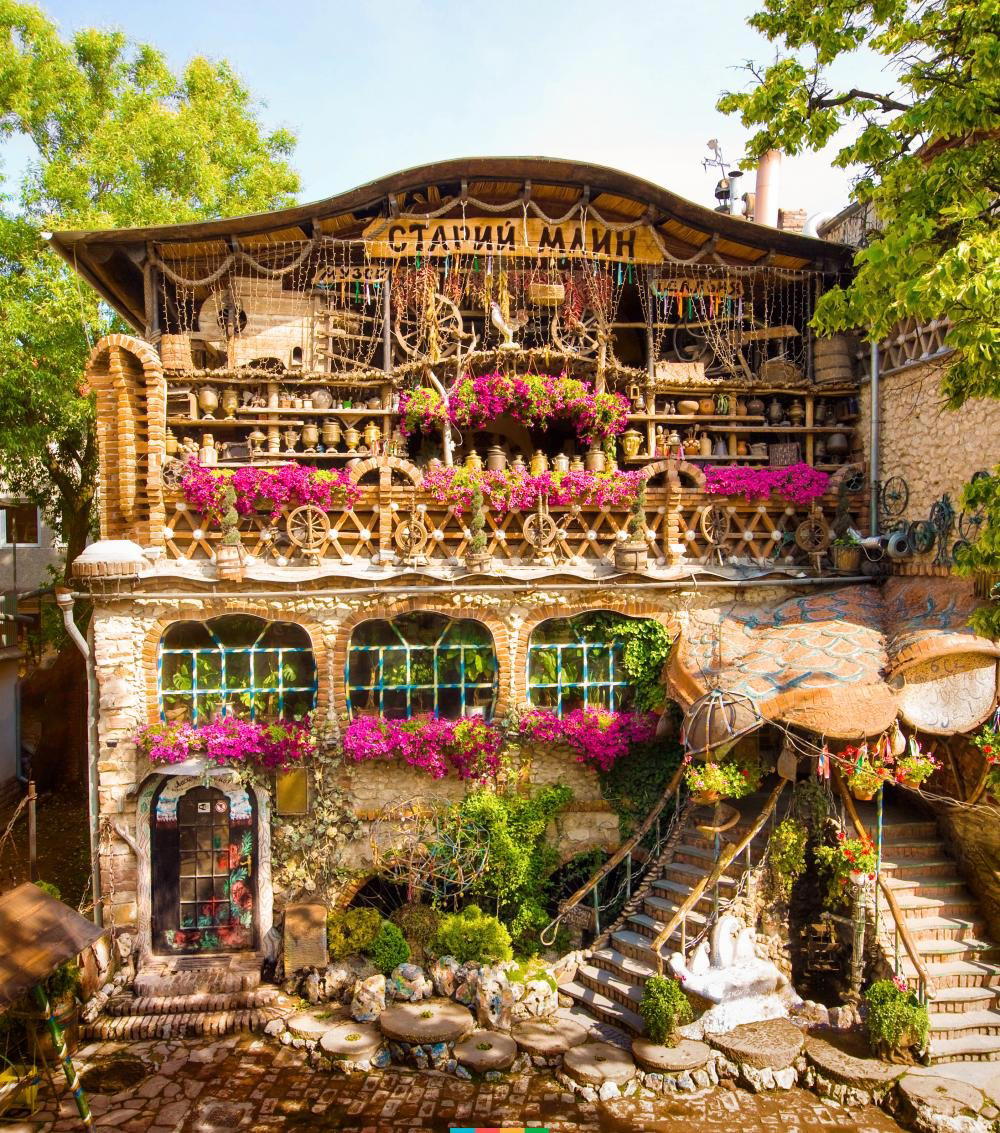
Where Ternopil Keeps Its Memory
On Brodivska Street, at the edge of Ternopil's older urban fabric, there is a category of restaurant that Ukrainian cities have been quietly developing for the past two decades: the museum-restaurant, a format that treats the dining room as both archive and table. Staryy Mlyn (Old Mill) belongs to that tradition by name and, from all indicators, by intention. The "Muzeyna Restoratsiya" designation is not decorative. It signals a deliberate layering of ethnographic display, vernacular craft objects, and hospitality that asks guests to read the room as much as the menu.
This format has particular resonance in western Ukraine, where Podillia and Galicia meet and where the material culture of pre-Soviet rural life survived in fragments: wooden implements, hand-loomed textiles, mill machinery repurposed as interior architecture. Restaurants that frame themselves as keepers of that record occupy a different position than standard Ukrainian dining rooms. They are making an argument about continuity, and that argument shapes everything from the furniture to the food philosophy.
The Museum-Restaurant Format in Western Ukraine
The museum-restaurant has proliferated across Ukraine's regional cities partly because it fills a real gap. National chains offer speed and uniformity. Fine-dining venues in Kyiv or Lviv offer cosmopolitan ambition. But the mid-tier regional dining room that anchors itself to local tradition, and takes that anchoring seriously enough to build an installation around it, addresses a third appetite: the desire to eat inside a version of the place itself. Kovcheg represents another point in Ternopil's growing dining scene, but Staryy Mlyn occupies a more specific lane by foregrounding heritage display as a structural element of the experience rather than a decorative afterthought.
In cities like Ivano-Frankivsk, Delikacia represents the more contemporary end of western Ukrainian dining. Staryy Mlyn sits closer to the preservationist end of the spectrum, where the physical environment carries as much editorial weight as what arrives on the plate. That positioning requires discipline. When the room is itself a statement, the food cannot afford to contradict it with generic European-café defaults.
Ukrainian Cuisine and the Podillian Table
Ternopil Oblast sits in a zone where Ukrainian culinary tradition runs deep and relatively unbroken. The Podillian table historically emphasized fermented dairy, slow-cooked grain dishes, river fish preparations, and seasonal preservation: pickled vegetables, dried mushrooms, fruit distillates. These are not the same traditions as Lviv's Austro-Hungarian-inflected café culture or Kyiv's more urbane synthesis. They are older, more agrarian, and less legible to outside audiences, which is precisely why restaurants that surface them have value beyond their immediate market.
A restaurant named Old Mill carries implicit expectations. Mills in this part of Ukraine were community infrastructure, the place where grain became flour and where seasons became food. Using that reference as the organizing metaphor of a dining room is a commitment to a specific register of tradition. It is not the same commitment as, say, a Kyiv restaurant that labels itself "Ukrainian" while serving borscht as one item among a pan-European roster. The name here implies a tighter editorial frame.
For a broader orientation to how Ukrainian regional dining has evolved across the country's cities, our full Ternopil restaurants guide maps the current options with city-level context. Elsewhere in Ukraine, venues like Maiak in Odesa show how port-city traditions produce a different culinary register, while Barbara Bar in Kyiv reflects the capital's appetite for more contemporary formats. Western Ukrainian dining, by contrast, has tended to use heritage more directly as structural content.
Reading the Room Before the Menu
The address, Brodivska 1a, places Staryy Mlyn in a part of the city that retains some of Ternopil's pre-war architectural character. The "1a" designation typically indicates a secondary building or courtyard structure, which in practice often means a venue that arrives with a degree of discovery built into the approach. This physical condition, arriving through a gate or along a side passage before the restaurant opens up, is common among Ukrainian heritage-format venues and reinforces the sense of entering a preserved rather than constructed space.
The museum-restaurant format tends to work leading when the object environment is genuinely curated rather than assembled for atmosphere. When it works, the objects prompt conversation, provide historical anchoring, and make the food feel like a continuation of something rather than an invention. When it does not work, the objects become background clutter and the room loses the argument it was trying to make. At Staryy Mlyn, the name and the format designation suggest the curatorial intention is present, though the depth of execution is something each visitor will assess for themselves.
Ternopil in the Context of Ukrainian Regional Dining
Ternopil is not a city that appears frequently in international food writing, which reflects the broader tendency to compress Ukrainian dining into a Kyiv-and-Lviv binary. That compression misses significant regional variation. Ternopil's dining scene is developing along lines visible in comparable mid-sized Ukrainian regional capitals: a small number of serious independent venues, a clearer sense of local identity than the larger cities, and less pressure to perform cosmopolitanism for visiting audiences.
That context makes a venue like Staryy Mlyn more meaningful than it might appear in isolation. It is not competing with the format ambition of Valentino in Lviv or the scale of dining options in Don Omar in Kharkiv. It is functioning within a local ecosystem where the preservation and interpretation of regional food culture carries weight that does not require external validation to matter. Melange restaurant in Rivne and Cafe de Vino in Lutsk represent how other Volhynian and Podillian regional cities are developing their own mid-market dining identities, and Staryy Mlyn fits into the same broader regional picture.
Planning Your Visit
Staryy Mlyn sits at Brodivska Street 1a in Ternopil's central zone. Current contact details and hours are best confirmed locally or through Google Maps, as the venue does not maintain a listed website or phone number in available directories. Given the heritage-format positioning, the experience is better suited to unhurried visits: a lunch or early dinner where there is time to engage with the room rather than simply pass through it. Visitors travelling between Lviv and Ternopil, a route common among both domestic and international travellers exploring western Ukraine, will find the detour proportionate to the interest. For reference, Пронто Піца in Chernivtsi and Delikacia in Ivano-Frankivsk anchor other stops along similar western Ukrainian itineraries. A venue of this format is almost certainly more relaxed about families than a fine-dining counter; the heritage environment tends to encourage curiosity across ages. Dress is almost certainly informal, consistent with the agrarian aesthetic the venue projects.
Continue exploring
More in Ternopil
Restaurants in Ternopil
Browse all →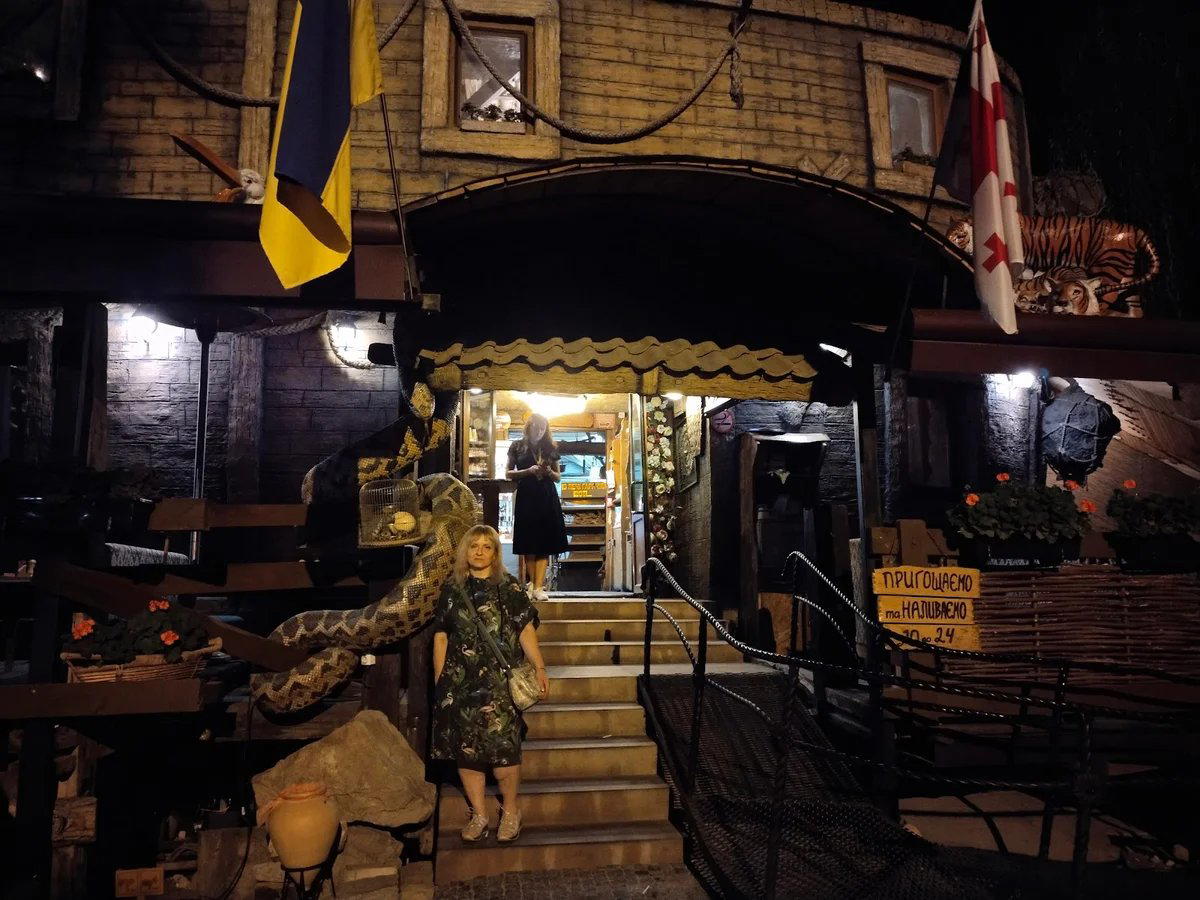
At a Glance
- Rustic
- Classic
- Cozy
- Family
- Group Dining
- Celebration
- Historic Building
- Live Music
- Private Dining
Current opening hours
- Monday
- 9:01 AM–11 PM
- Tuesday
- 9:01 AM–11 PM
- Wednesday
- 9:01 AM–11 PM
- Thursday
- 9:01 AM–11 PM
- Friday
- 9:01 AM–11 PM
- Saturday
- 9:01 AM–11 PM
- Sunday
- 9:01 AM–11 PM
Hours can change for holidays and private events. Last verified .
Cozy old-style Ukrainian decor with traditional elements, warm atmosphere, and live Ukrainian music.
Know Before You Go
- Getting there
- Brodivs'ka St, 1а, Ternopil, Ternopil Oblast, Ukraine, 46000