Šajka sits on the Danube embankment in Pančevo, where the riverfront dining tradition runs deeper than most visitors expect. The address on Kej Radoja Dakića places it within easy reach of central Pančevo, making it a practical anchor for anyone exploring Serbia's underrated satellite city. For readers already familiar with Belgrade's dining circuit, Šajka offers a quieter register of the same regional cooking culture.
Pearl is the En Primeur Club membership app — saves, bookings, and concierge access live there. Same editors, same standards.
- Address
- Kej Radoja Dakića, Pančevo, Serbia
- Phone
- +38113377044
- Website
- instagram.com
- Directions
- Get directions
 Saves & bookings on Pearl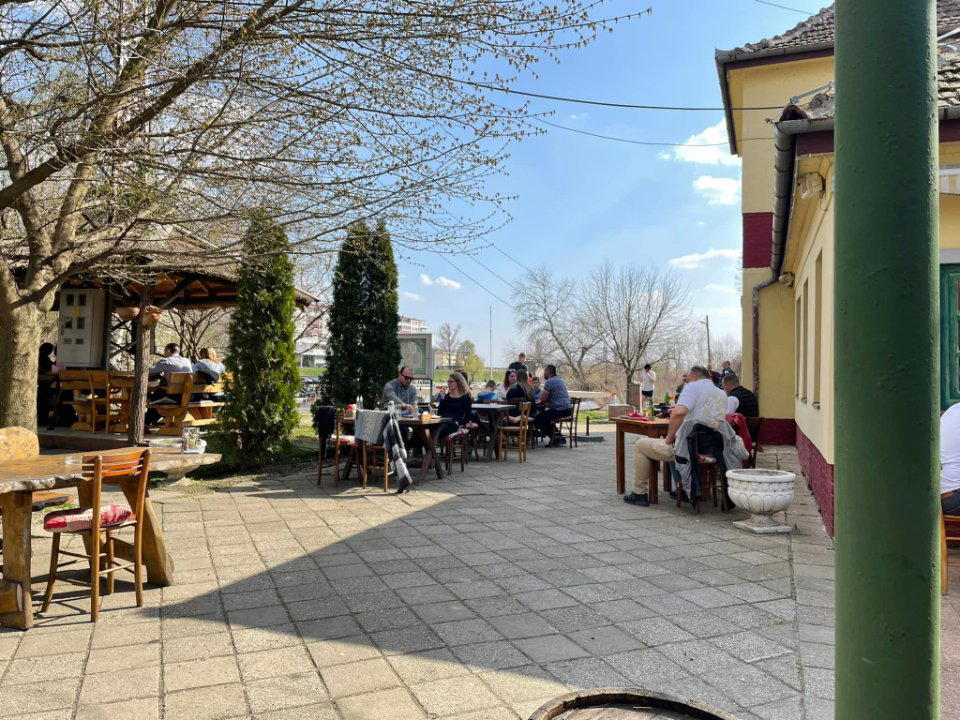
The Danube Edge and What It Means for Dining in Pančevo
Along the Kej Radoja Dakića, Pančevo's main embankment strip, the relationship between water and food is not decorative. The Danube has defined the economy and the diet of this region for centuries: freshwater fish, riparian vegetables, and the kind of slow-cooked traditions that develop when a town sits at a river crossing used by traders and soldiers alike. Šajka occupies an address on that embankment, which immediately positions it within a specific dining archetype common to Serbian river towns, the kej restaurant, where the view across the water is as much a part of the experience as what arrives on the table.
Pančevo sits roughly 15 kilometres northeast of Belgrade, separated by the Danube and technically administered as a distinct city, yet functionally part of the greater capital orbit. That proximity shapes its dining scene in both directions: Belgrade's influence pushes standards upward, while Pančevo's smaller scale and lower cost base allow a more relaxed, neighbourhood-inflected hospitality that the capital's busier venues can rarely sustain. The embankment here does not carry the commercial pressure of Belgrade's Savamala or Skadarlija districts, which means restaurants in this stretch tend to operate at a pace their guests can actually feel.
Riverfront Tradition: What the Setting Delivers
The kej as a dining format across Serbian river towns operates on a consistent logic. Guests arrive for the combination of open air, proximity to water, and a menu that tends to emphasise regional fish preparations, šaran (carp), som (catfish), and the smaller freshwater species that appear less frequently in city-centre restaurants oriented toward grilled meats. At venues along stretches like this one in Pančevo, the cooking is grounded in the Pannonian Basin tradition: paprika-forward broths, slow-braised preparations, and fish soups that bear more resemblance to a Hungarian halászlé than to anything from the Adriatic coast.
Šajka's name itself references the šajka, a flat-bottomed river vessel historically used on the Danube and Sava, which signals an identity rooted in riverine rather than urban culinary culture. That framing matters when placing a venue in its local comparable set. Where Dvorište and Kordun occupy different registers of Pančevo's dining offer, and where Burrito Madre Big Pančevo and Poco Loco serve the city's growing appetite for international formats, Šajka sits closer to the Serbian vernacular tradition, a position that also differentiates it from Windmill, which targets a different audience profile. Across Serbia more broadly, this embankment-and-river category has strong regional equivalents: ČARDA ZLATNA KRUNA in Apatin represents the čarda tradition further along the Danube, while Lovački dom in Valjevo and Etno Kuća Dinar in Vrsac show how regional identity gets expressed through food in smaller Serbian cities.
Pančevo as a Dining Destination: Context Before the Restaurant
For readers who have spent time eating well in Belgrade, at, say, the more technically ambitious end of the scene represented by venues like Langouste in Belgrade, Pančevo reads as a decompression. The city has a distinct industrial and artistic character shaped by its chemical and manufacturing heritage, a large Roma cultural presence, and a 20th-century modernist architecture layer that distinguishes it visually from the Vojvodina towns further north. Its restaurant scene reflects that layered identity: it is not a food-tourist destination in the way that Novi Sad has become (see Kafe Restoran Maša in Novi Sad for that city's more polished end), but it sustains a circuit of genuine neighbourhood restaurants that reward exploratory visitors.
The embankment specifically benefits from Pančevo's river geography. The Tamis meets the Danube just to the east of the city centre, creating a waterfront geometry that gives the kej its character. Arriving on foot from central Pančevo, the transition from the older commercial streets to the open riverside is abrupt and pleasant. In warmer months, terrace seating along this stretch extends the dining season outdoors from April through October.
Planning a Visit
Pančevo is reachable from Belgrade by road in under 30 minutes, or by bus from the capital's Lasta terminal, making a lunch visit practical without overnight logistics. The embankment location means that parking along the kej is generally available outside peak weekend hours. Šajka's recommended reservation policy makes advance booking sensible, and the restaurant is located on Kej Radoja Dakića in Pančevo.
Compact Comparison
Comparable venues nearby, for context on price, style, and recognition.
| Venue | Cuisine | Price | Notes |
|---|---|---|---|
| ŠajkaThis venue — the venue you are viewing | Not listed | $$$ | Not listed |
| Windmill | Pančevo, Traditional Serbian | $$$ | Not listed |
| Burrito Madre Big Pančevo | TC BIG, Mexican Burritos & Tacos | $$ | Not listed |
| Dvorište | Not listed | $$ | Central Pančevo, Traditional Serbian with Pizza and Barbecue |
| Kordun | Pancevo, Traditional Serbian Cuisine | $$ | Not listed |
| Poco Loco | Not listed | $$ | city center, International and Serbian Cuisine |
Continue exploring
More in Pancevo
Restaurants in Pancevo
Browse all →
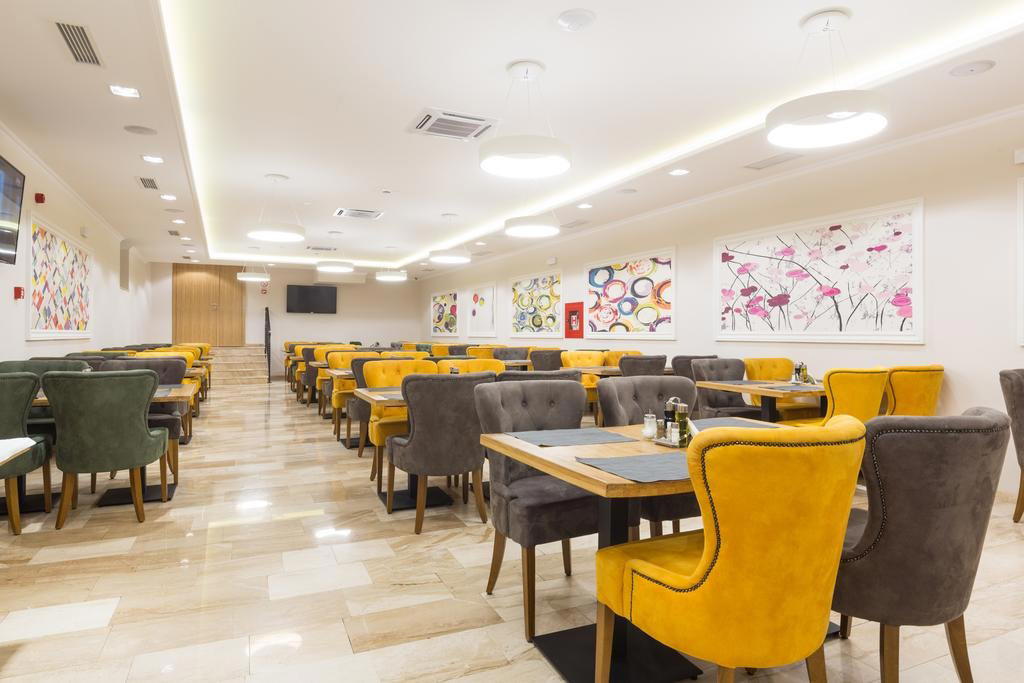
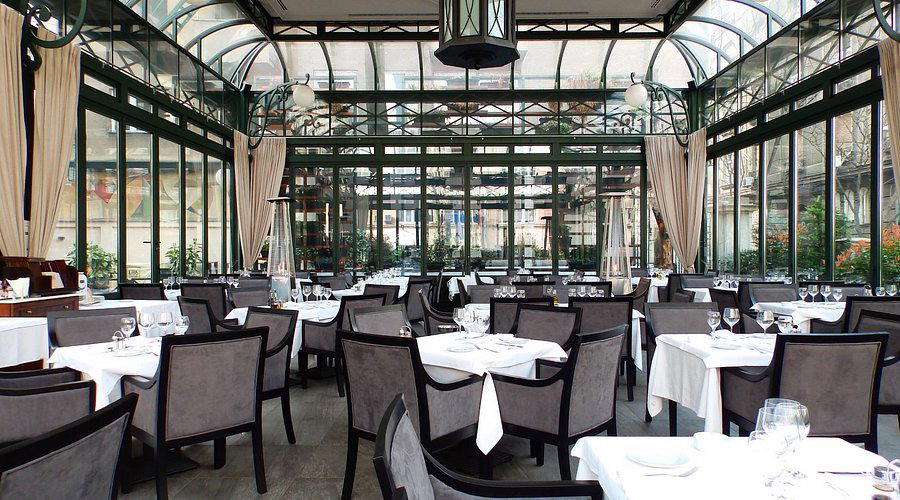
Bars in Pancevo
Browse all →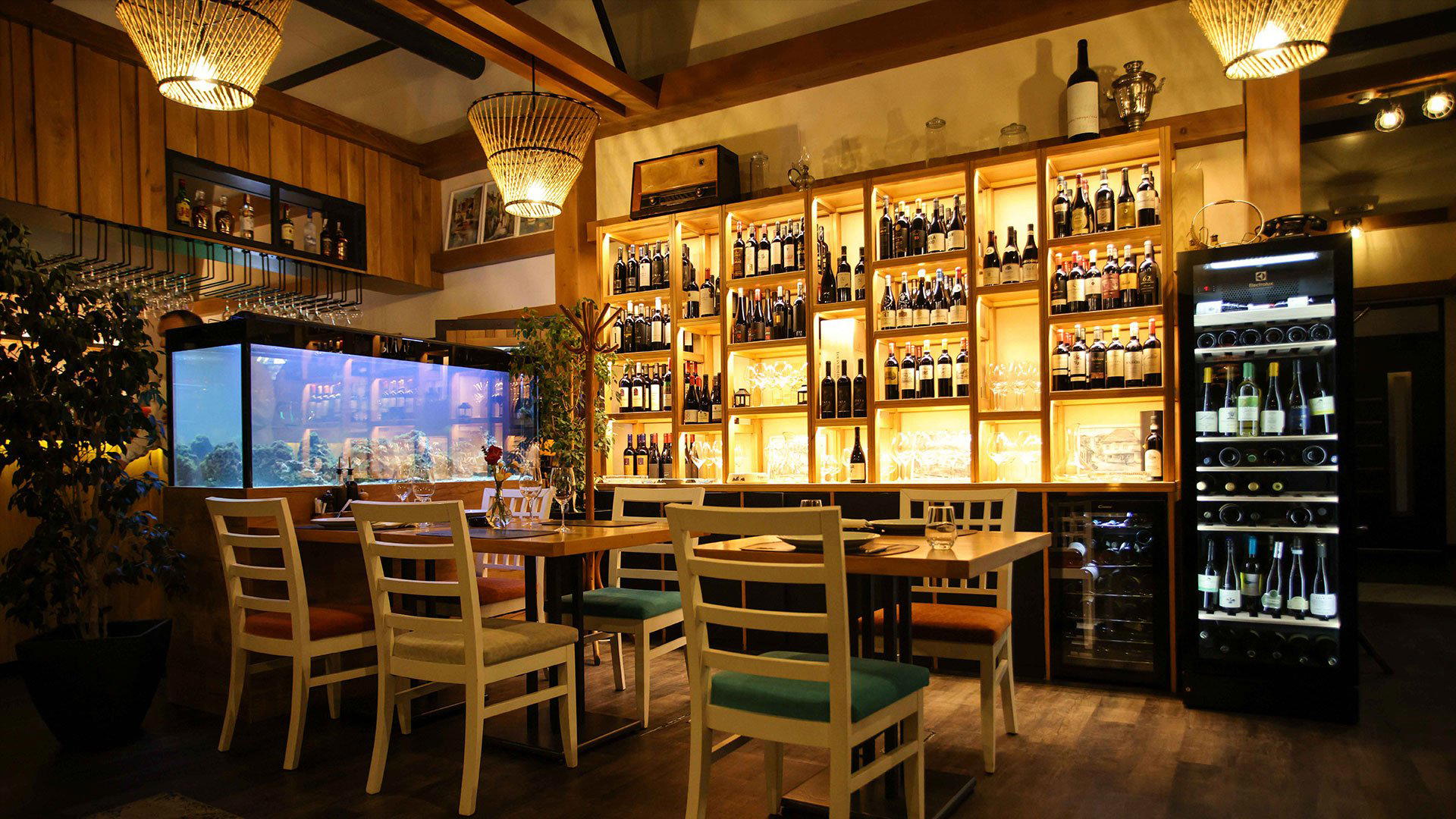
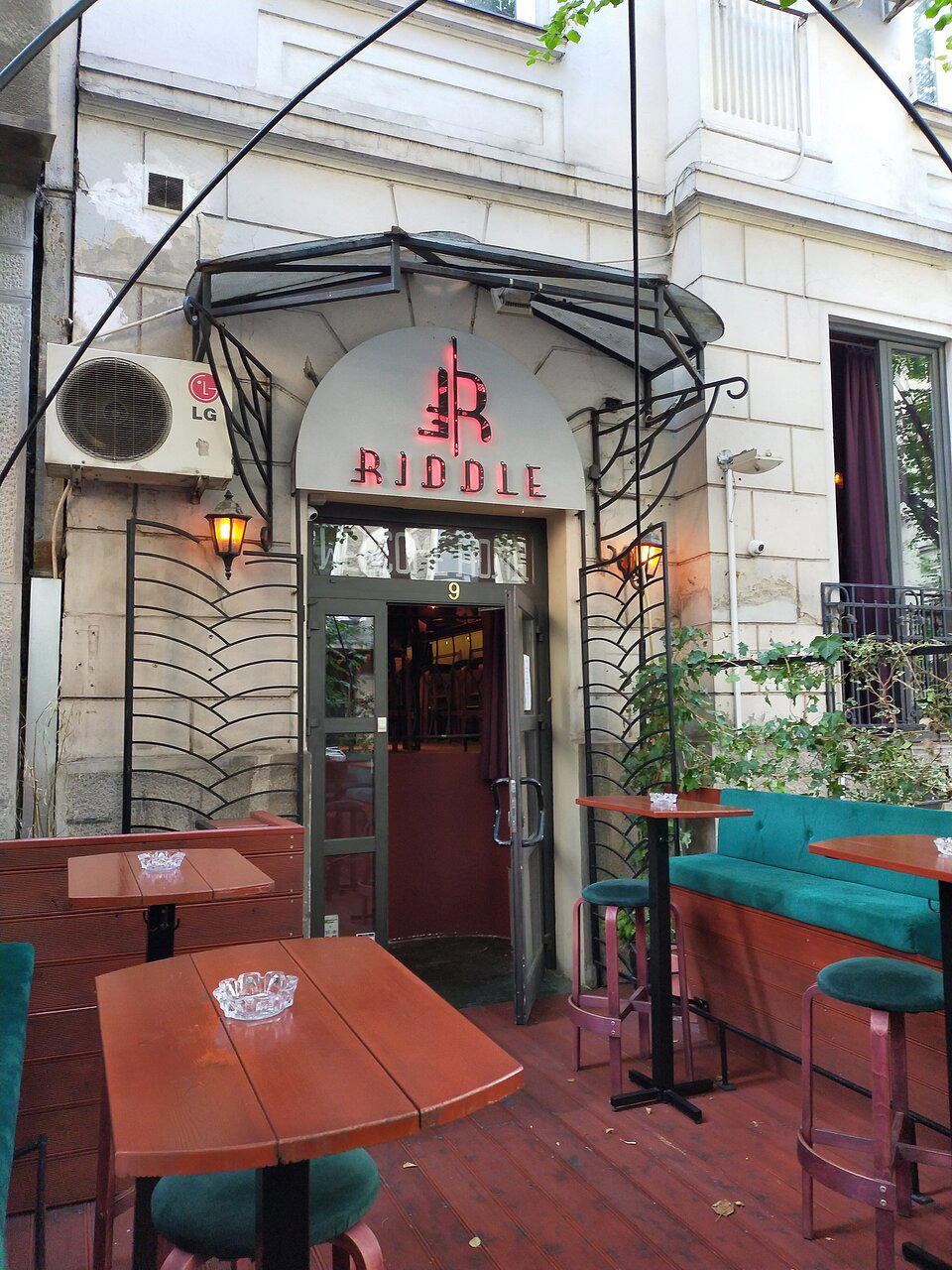
Hotels in Pancevo
Browse all →

At a Glance
- Cozy
- Scenic
- Rustic
- Family
- Date Night
- Group Dining
- Waterfront
- Live Music
- Terrace
- Waterfront
Current opening hours
- Monday
- 11 AM–12 AM
- Tuesday
- 11 AM–12 AM
- Wednesday
- 11 AM–12 AM
- Thursday
- 11 AM–12 AM
- Friday
- 11 AM–12 AM
- Saturday
- 11 AM–12 AM
- Sunday
- 11 AM–12 AM
Hours can change for holidays and private events. Last verified .
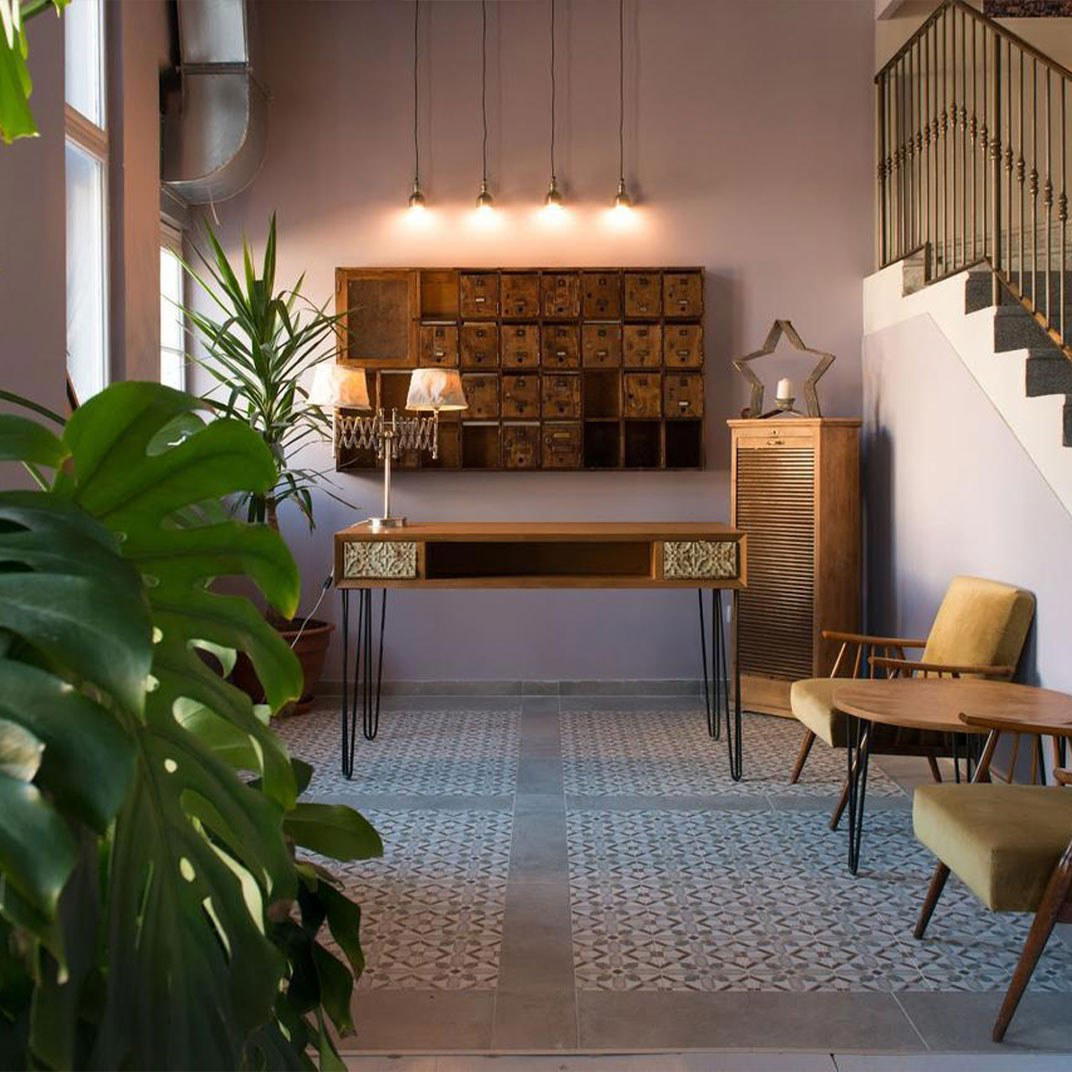
Cozy homey atmosphere with natural outdoor garden seating, river views, occasional live ethnic music, and a fireplace.