Our verdict
A riverside čarda on the Danube in Apatin, Zlatna Kruna represents the traditional Serbian fishing-house format at its most direct: fresh catch from the river, a setting shaped by proximity to the water, and cooking that follows the logic of what arrived that morning. For visitors tracing the Vojvodina dining circuit, it anchors the kind of ingredient-first, place-specific eating that distinguishes this corner of the country.

Pearl is the En Primeur Club membership app, where members save venues, book tables and use the concierge.
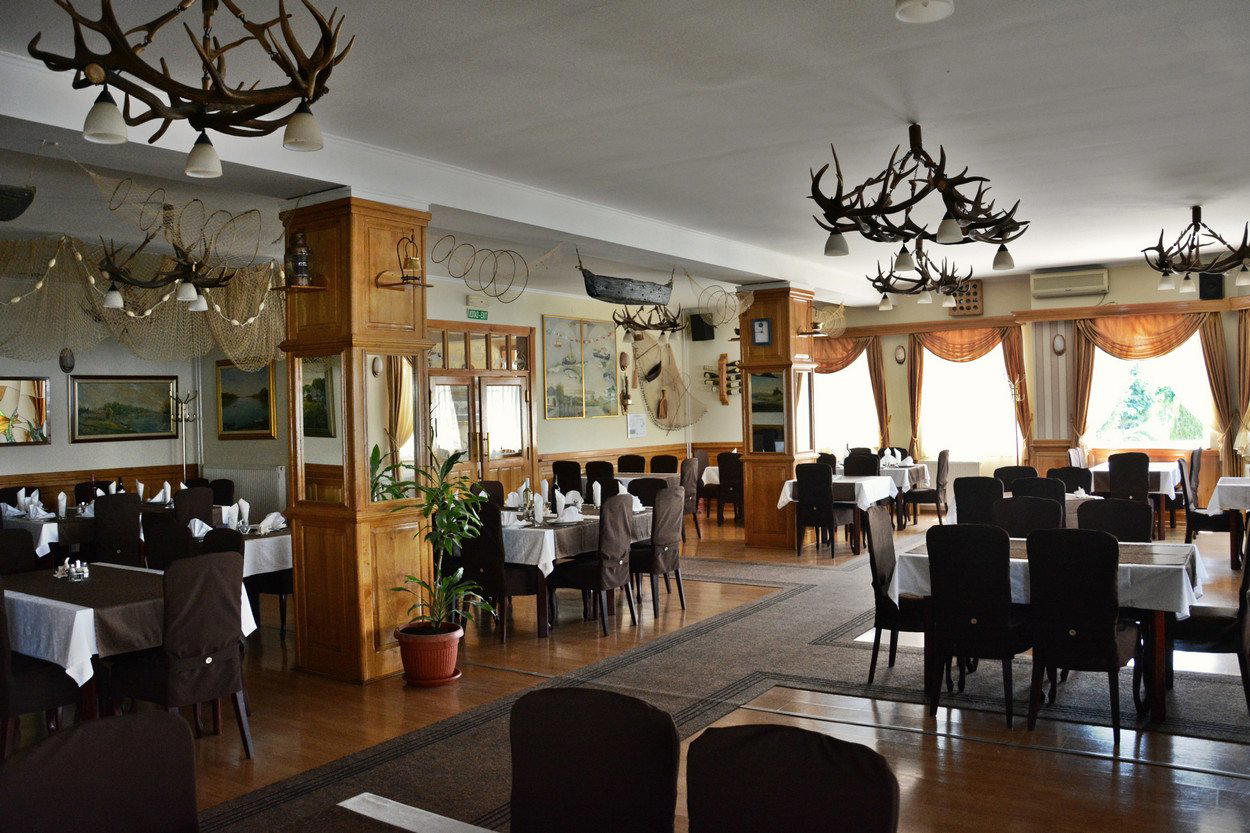
Where the Danube Sets the Menu
Along the Vojvodina stretch of the Danube, the čarda is a specific and storied format: a riverside eating house, often constructed partly over or beside the water, built around fish caught locally and cooked simply. The form predates any contemporary notion of farm-to-table eating by generations. In Apatin, one of Serbia's principal fishing towns, this tradition is not a nostalgic reconstruction but a functioning part of daily life. Čarda Zlatna Kruna, on Ive Lole Ribara, sits within that context, a place where the logic of the kitchen is determined by the river, not by a printed concept.
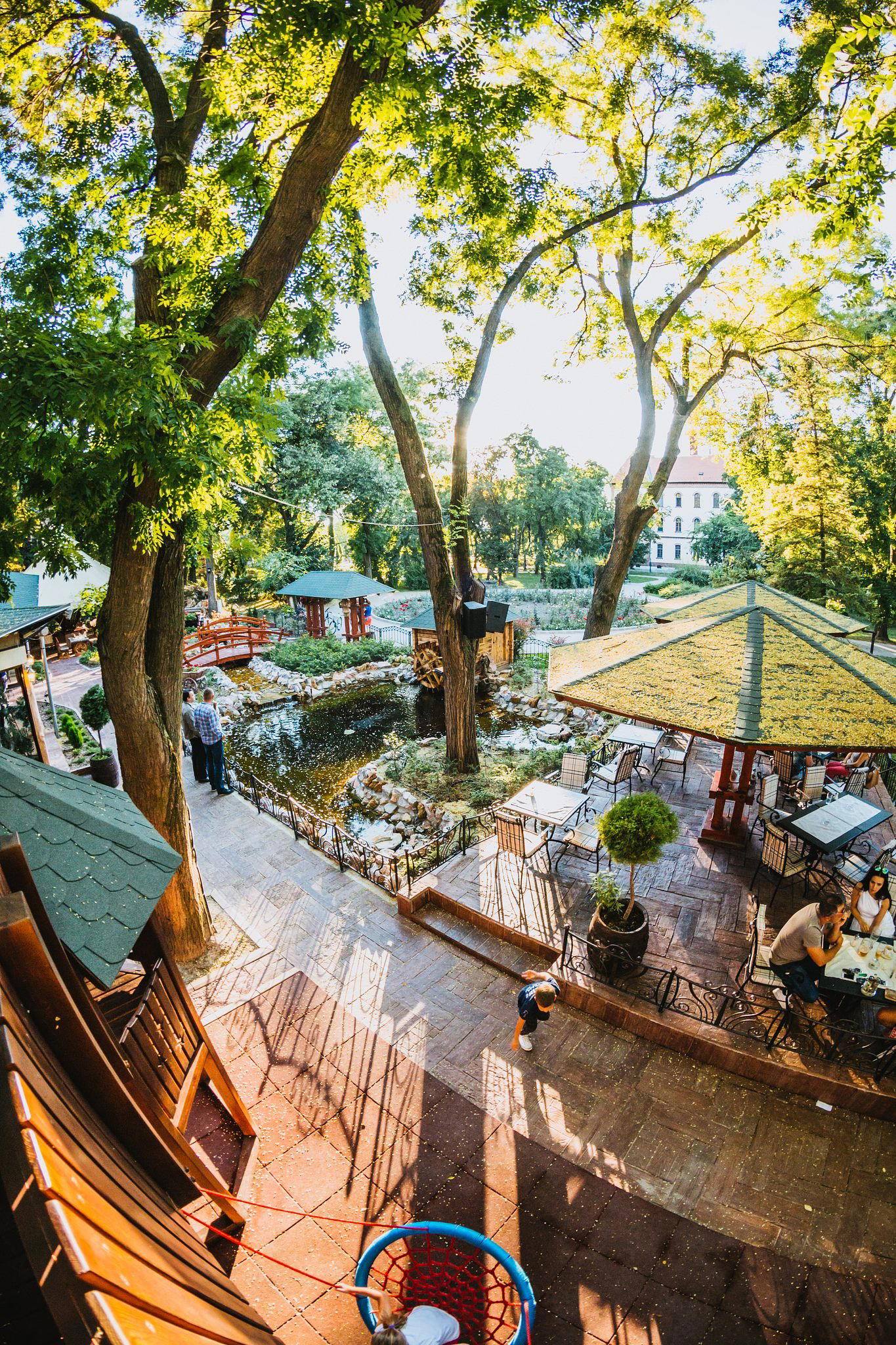
Approaching a Danube čarda, particularly in the late afternoon when the light flattens across the water, the experience is shaped as much by geography as by the kitchen. The town of Apatin sits on the western bank of the Danube in the Bačka region, close to the Hungarian border and within the broader Vojvodina agricultural zone that supplies some of Serbia's most consistent freshwater fish. The river here is wide and slow, and the čarda format, low buildings, often with terrace access toward the water, draws from that proximity both physically and in terms of what it puts on the table.
The Ingredient Logic of Freshwater Cooking
Serbian freshwater cuisine operates on a different axis from the coastal Adriatic tradition. Where Dalmatian cooking leans on bream, sea bass, and shellfish, the Vojvodina and Danube regions center on carp, catfish (som), pike-perch (smederevac or štuka), and the prized Danube salmon equivalent. In Apatin specifically, the local fishing industry has long supplied both household tables and čarda kitchens, which means ingredient provenance here is less a marketing claim and more a geographical given, the fish does not travel far.
The čarda kitchen tradition in this region favors preparations that let the freshness of the catch carry the dish: fish paprikash (riblja čorba in its soup form, or paprikaš as a richer stew), grilled fillets with minimal seasoning, and the kind of slow-cooked onion-and-paprika bases that define Pannonian cooking. Paprika, sourced predominantly from the surrounding Vojvodina flatlands, functions as the dominant spice architecture across these dishes. This is cooking shaped by regional supply chains that have existed for centuries, and Zlatna Kruna operates within that tradition.
For a comparative frame, consider how the restaurant scene in larger Serbian cities has engaged with this ingredient legacy. In Belgrade, venues like Langouste in Belgrade interpret Balkan seafood and fish within a modern, higher-price context. The čarda format represents the opposite end of the spectrum: place-specific, tradition-bound, and priced for the local market rather than international visitors. Both approaches reflect genuine ingredient quality; they differ in the layer of interpretation placed between the source and the plate.
Apatin's Position in the Vojvodina Dining Circuit
Vojvodina's dining character is distinct from the rest of Serbia. The region's Hungarian, Slovak, Rusyn, and Serbian cultural overlap produces a table that mixes paprika-heavy stews with Germanic-influenced pastry traditions and Orthodox fasting-table cooking. Apatin, with its significant historical German (Donauschwaben) settlement, adds another layer to that mix. The town is also among Serbia's better-known craft beer producers, with the Apatin Brewery operating for over two centuries, a logistical detail worth noting if you are planning a broader food-and-drink day in the area.
Within Apatin itself, the riverside restaurant offer is anchored by čarda-format venues, of which Zlatna Kruna is one. For visitors covering the wider region, Plava Ruža provides a nearby reference point. The broader Vojvodina circuit connects toward Sombor, where Etno Restoran Fijaker in Sombor represents the ethnographic restaurant format applied to land-based Pannonian cooking, and further toward Novi Sad, where Ananda in Novi Sad and Fish and Zeleniš occupy more contemporary positions in the city's dining hierarchy.
Across Serbia more broadly, the traditional regional restaurant format appears in various inflections: Etno Kuća Dinar in Vrsac, ETNO PODRUM BRKA in Nis, and etno restoran Gaziya in Novi Pazar each operate within local ingredient and tradition frameworks that parallel, in their own regional registers, what Zlatna Kruna represents on the Danube. You can find the full picture at our full Apatin restaurants guide.
What the Format Demands of a Visitor
Čarda dining is not a format that rewards the same approach as a reservation-heavy urban restaurant. The experience is seasonal in practice even where it is not explicitly described as such: the fish available shifts with the river, the terrace is central to the experience in warmer months, and the pace is set by the kitchen's rhythm rather than a tasting-menu clock. Visitors arriving at Danube čardas in the late spring or summer access the fullest version of what the format offers; winter visits are possible but the atmosphere contracts considerably.
Planning a visit to Apatin requires factoring in the town's location in the far northwest of Serbia, a drive of roughly two to two and a half hours from Belgrade depending on the route. For visitors combining the trip with broader regional itineraries, the Fruška Gora monastery corridor and the Sombor old town sit within reasonable range and provide cultural context for the day.
Where This Fits in the Wider Picture
The distance between the čarda format and the top end of the global dining hierarchy is vast and intentional. Restaurants like Le Bernardin in New York City or Lazy Bear in San Francisco represent a mode of cooking where technique and narrative carry equal weight to ingredient provenance. The Danube čarda operates on a different contract: the provenance is structural, the technique is traditional, and the narrative is the river itself. Neither approach is the primary one; they answer different questions about what a meal is for.
Within Serbia, venues that interpret traditional formats through a more design-conscious or modern lens, like Aleksandar Gold in Uzice or Borkovac in Ruma, represent one direction the regional dining scene is moving. The čarda as a format resists that evolution, and in Apatin's case that resistance is appropriate: the town's identity as a fishing and river community gives the traditional form genuine grounding rather than nostalgic performance.
For visitors whose Serbia itinerary spans the breadth of the country's dining registers, Zlatna Kruna offers access to one of the most geographically honest eating experiences the Vojvodina region produces, a kitchen answering to the river outside its door.
Frequently asked questions
Is ČARDA ZLATNA KRUNA a family-friendly restaurant?
The čarda format along the Vojvodina Danube has historically served multigenerational tables, and Zlatna Kruna in Apatin follows that tradition. Riverside čardas operate as relaxed, informal eating houses rather than formal dining rooms, which suits groups that include children. The setting at Ive Lole Ribara BB places it in a riverside context where pace and atmosphere are unhurried.
What kind of setting is ČARDA ZLATNA KRUNA?
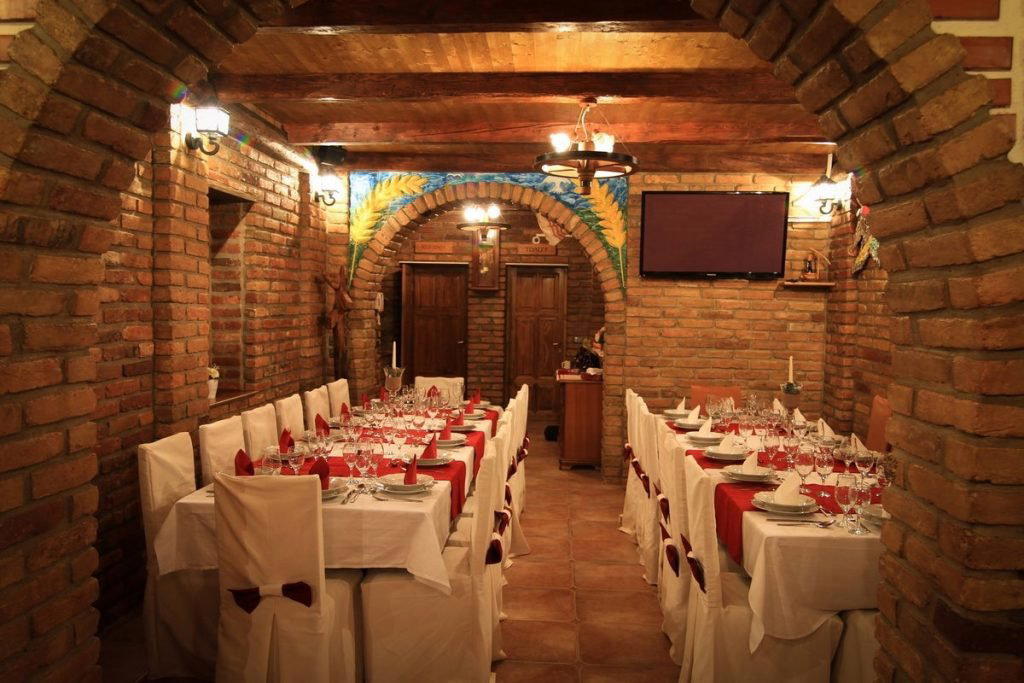
Zlatna Kruna is a čarda, a specific Vojvodinian riverside eating house format built alongside or partly over the Danube in Apatin. These structures are designed for extended meals with views of the water, and the format prioritises informality over ceremony. Expect a working-river atmosphere rather than a polished urban dining room.
What makes dining at a Vojvodina čarda like Zlatna Kruna different from a standard Serbian restaurant?
The čarda is a category unto itself in Vojvodina: a riverside eating house where the menu follows the Danube's seasonal catch rather than a fixed kitchen programme. In Apatin, that means freshwater species caught in one of the wider stretches of the river through Serbia, served within a cultural framework shaped by Serbian, Hungarian, and Rusyn traditions rather than the Balkan grill conventions common in Belgrade. The format rewards a slower, unscheduled visit rather than a timed urban reservation.
What do people recommend at ČARDA ZLATNA KRUNA?
The čarda format in Vojvodina is built around freshwater fish from the Danube, with carp, catfish, and pike the traditional foundations of the menu in this region. Dishes are typically prepared in paprika-based broths or grilled simply, reflecting the Hungarian and Serbian culinary overlap that defines Apatin's table. Specific current dishes are best confirmed directly at the venue on Ive Lole Ribara BB.
Quick Comparison
| Venue | Cuisine | Price | Awards | Notes |
|---|---|---|---|---|
| ČARDA ZLATNA KRUNAThis venue (the venue you are viewing) | Traditional Serbian Riverside Čarda | Not listed | Not listed | Not listed |
| Langouste | Modern Serbian Fine Dining with Seafood Focus | $50–100 | 1 Michelin Star · La Liste Top Restaurants | Modern Cuisine |
| The Square | Modern European Fine Dining | $50–100 | Michelin Plate · World's 50 Best #34 | Contemporary French, Modern Cuisine |
| Salon 1905 | Modern Serbian Fine Dining | Not listed | Michelin Plate · La Liste Top Restaurants | Modern Cuisine |
| Iva New Balkan Cuisine | New Balkan Cuisine | $20–30 | Michelin Bib Gourmand | Modern Cuisine |
| Istok | Vietnamese Fusion with Thai & Korean | $10–20 | Michelin Bib Gourmand | Vietnamese |
Continue exploring
More in Apatin
Restaurants in Apatin
All restaurants in Apatin →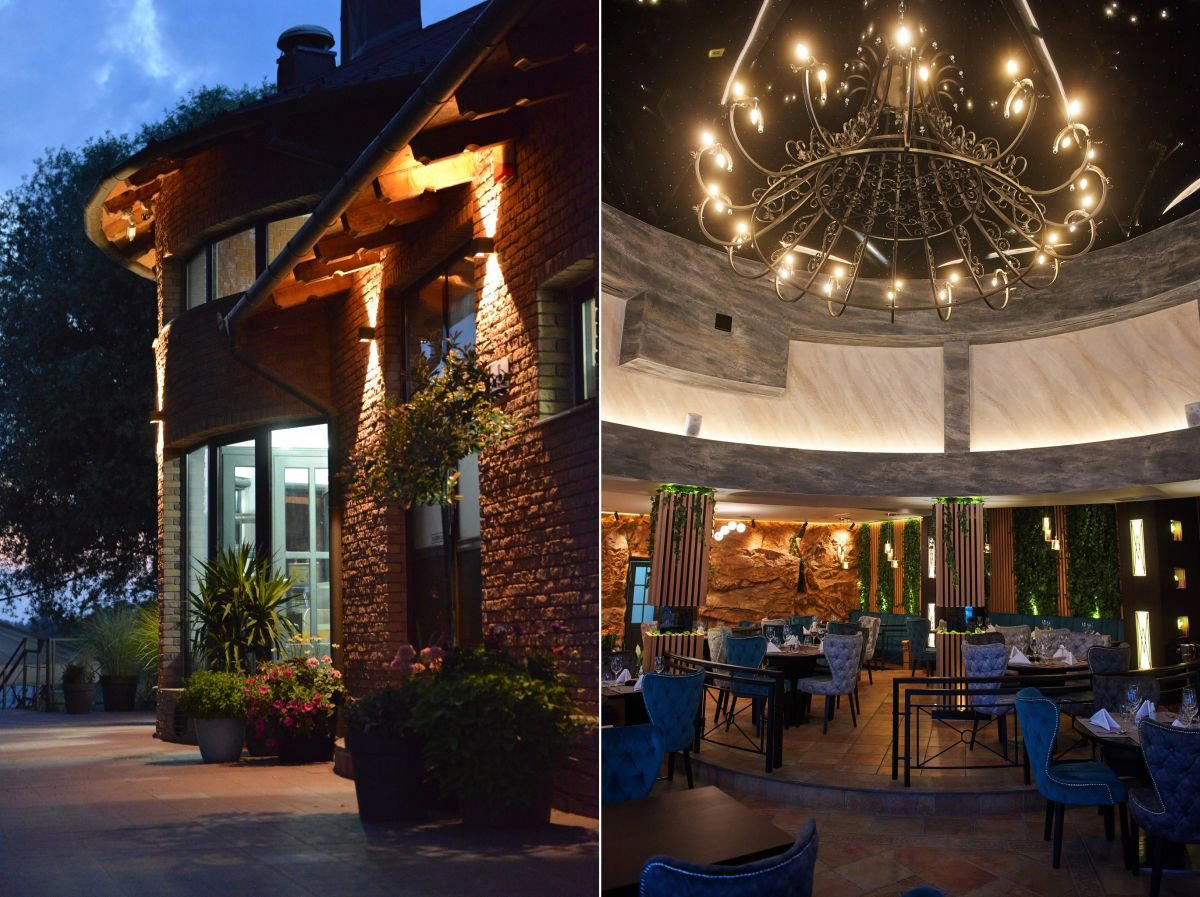
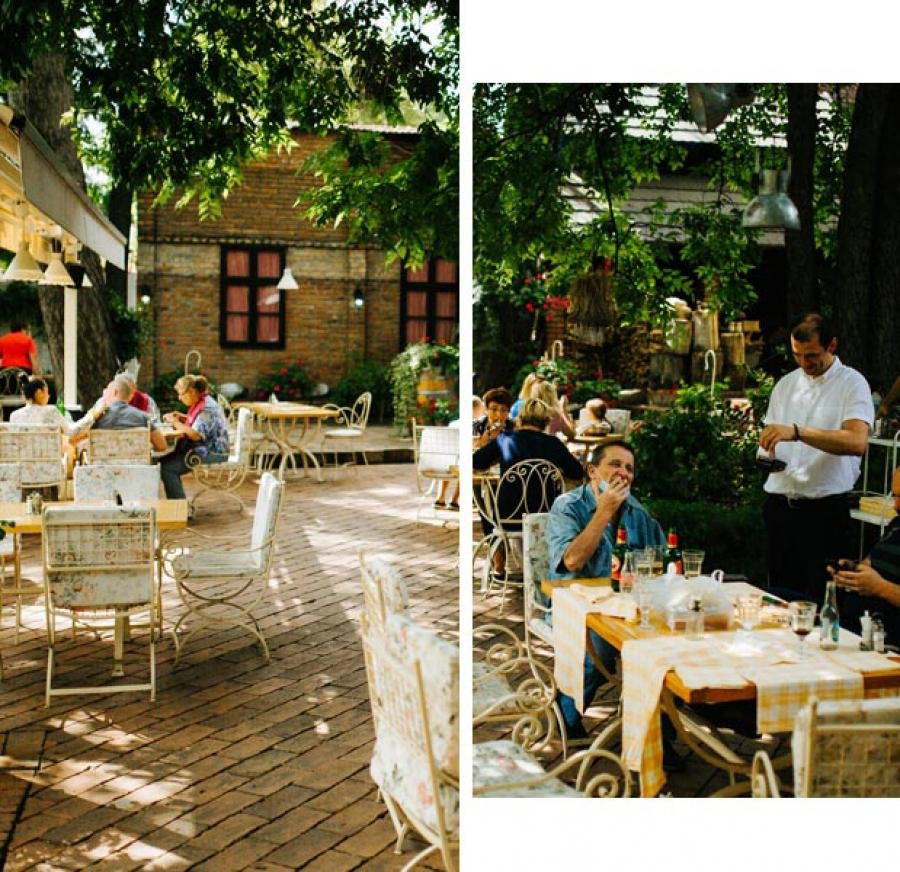
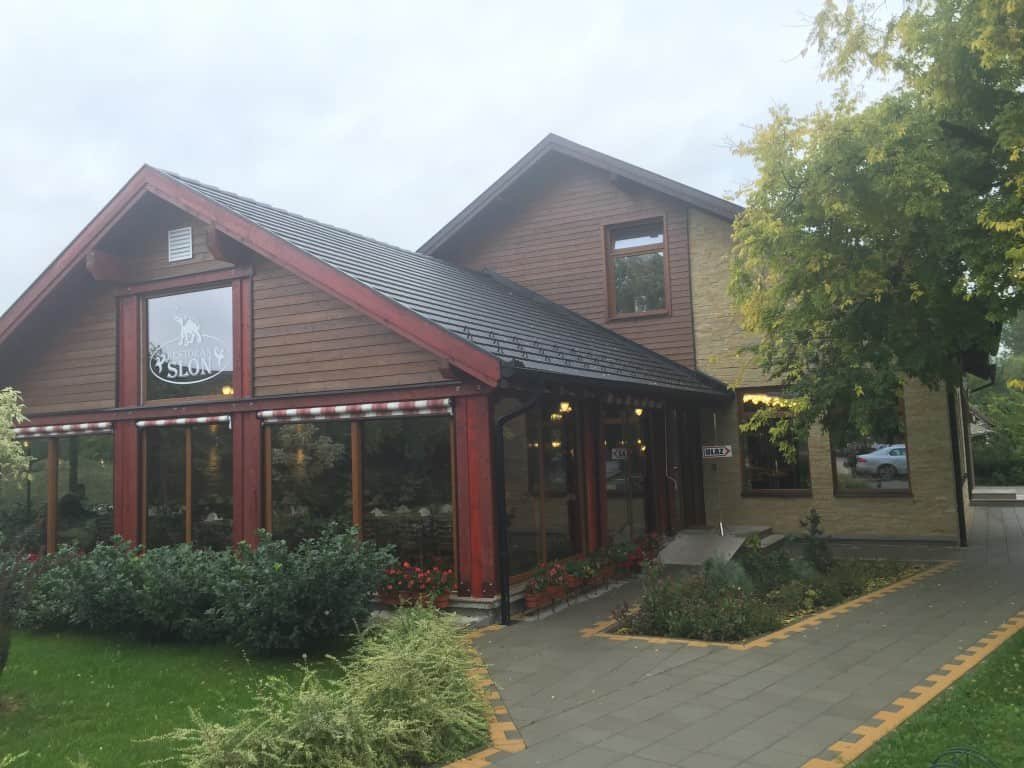

Details
- Rustic
- Scenic
- Cozy
- Group Dining
- Family
- Casual Hangout
- Waterfront
- Historic Building
- Beer Program
- Local Sourcing
- Waterfront
- A La Carte
- Beer
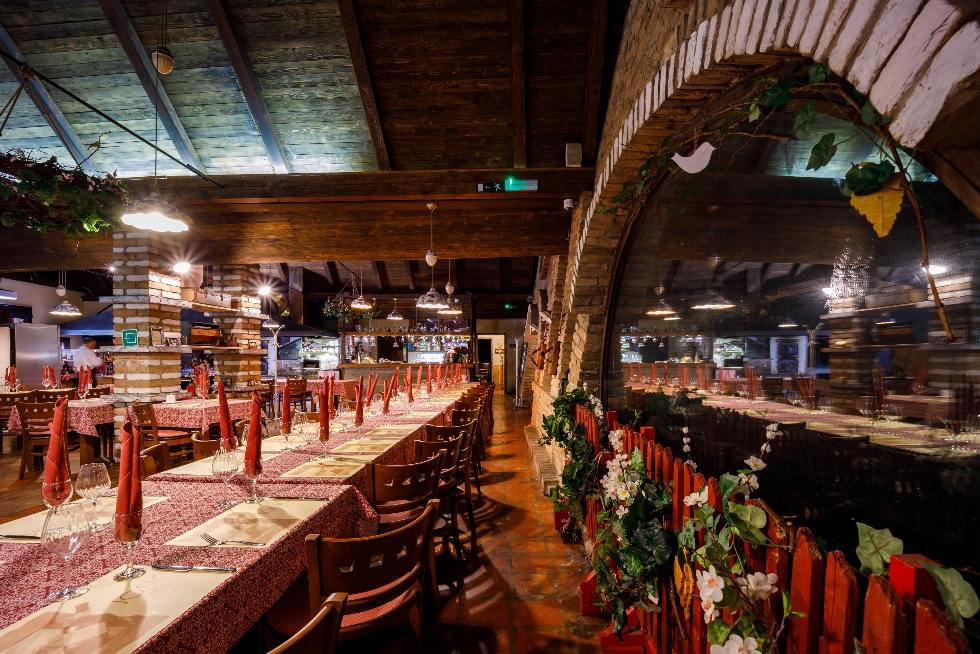
Rustic riverside atmosphere with scenic Danube views and modern tavern comforts.