On Poznańska Street in central Warsaw, Żebra i Kości occupies a stretch of the city where creative dining has quietly consolidated over the past decade. The name, Polish for 'ribs and bones', signals a kitchen at ease with direct, material cooking rather than concept-first abstraction. For visitors tracking Warsaw's mid-to-upper dining tier, it belongs on the shortlist alongside the neighbourhood's other serious addresses.
 Discover on Pearl
Pearl is the En Primeur Club membership app — saves, bookings, and concierge access live there. Same editors, same standards.
- Address
- Poznańska 38, 00-689 Warszawa, Poland
- Phone
- +48225363327
- Website
- zebraikosci.pl
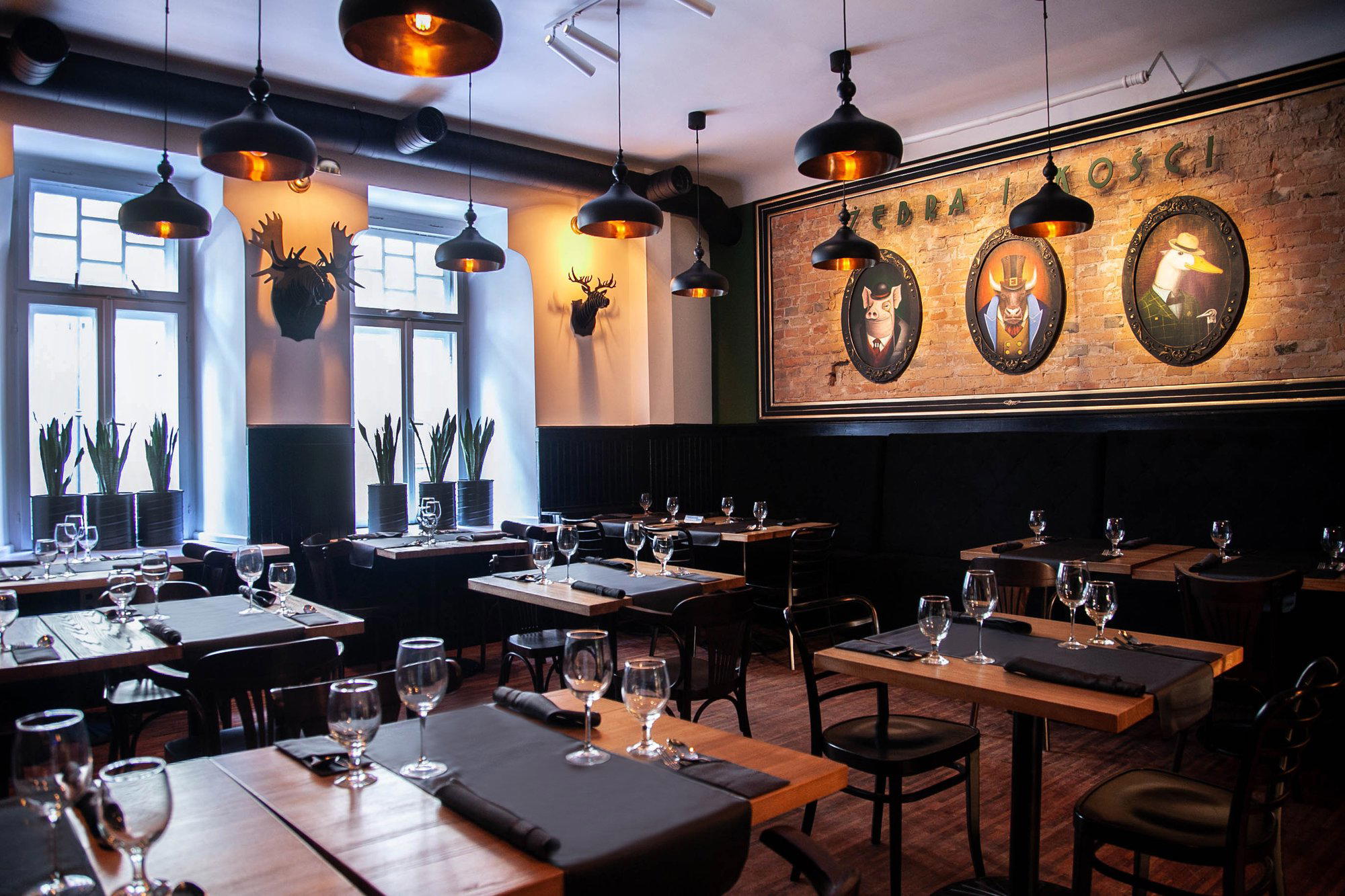
Poznańska and the Shape of Warsaw's Creative Dining Quarter
Warsaw's dining scene has reorganised itself around a handful of streets where independent, chef-led restaurants have opened close enough together to create genuine neighbourhood energy. Poznańska is one of those streets. Running through the Śródmieście district, it sits within walking distance of several addresses that define the city's current ambition in the kitchen, not the grand hotel dining rooms of an earlier era, but tighter, more personal spaces where the cooking carries the weight. Żebra i Kości, at number 38, occupies that kind of position: a Poznańska address in a city where the address still says something about intent.
That consolidation of creative restaurants along a few central corridors mirrors a pattern visible in cities across Central Europe over the past fifteen years. Warsaw's version has accelerated since roughly 2015, driven by a generation of chefs who trained abroad, in France, Scandinavia, and the United Kingdom, and returned with technical frameworks they applied to local ingredients and traditions. The result is a dining tier that sits between the approachable mid-market and the full tasting-menu formalism of places like NUTA or Rozbrat 20, which operates at the €€€ level with a Modern European programme. Żebra i Kości works within this broader context without being defined entirely by it.
The Name as a Culinary Position
Żebra i Kości translates directly as 'ribs and bones,' and in a city where restaurant naming tends toward either abstraction or imported words, that directness is a signal. Kitchens that name themselves after cuts and carcass work are usually telling you something about their priorities: whole-animal thinking, stock-based depth, cooking that treats the unfashionable parts of an animal as the interesting ones. It positions the restaurant within a strand of European cooking that has moved away from fine-dining preciousness toward something more material and less decorated, without abandoning technique.
That strand runs through a number of Warsaw addresses. Baken occupies similar territory from a different angle, and alewino at the €€ price point shows how Modern Polish cooking can sit comfortably alongside a serious wine list without requiring formal ceremony. The broader Polish dining conversation, which includes serious addresses in Kraków such as Bottiglieria 1881 and coastal cooking at Arco by Paco Pérez in Gdańsk, has matured to the point where a Warsaw restaurant can be read against national and international peers without embarrassment.
What to Expect Inside
The Poznańska 38 address puts Żebra i Kości in a part of central Warsaw that functions more as a local dining street than a tourist circuit. That tends to shape room atmosphere in a particular direction: the clientele skews toward Warsaw residents with regular restaurant habits rather than visitors working through a list, which usually means the room has less of the performance tension that surrounds heavily touristed addresses. In European cities where creative dining has deepened over the past decade, these neighbourhood-anchored restaurants often sustain a cooking quality that matches or exceeds more prominent addresses, because they depend on repeat business rather than one-time footfall.
For practical orientation: Poznańska 38 is reachable from Warsaw's central metro stations without significant difficulty, and the street itself is compact enough that it rewards a slow approach, there are other restaurants and bars nearby worth noting for pre- or post-dinner consideration.
Żebra i Kości in the Warsaw Pecking Order
Warsaw's current dining tier structure is worth understanding before booking. At the top of the formal tier, tasting-menu-led restaurants with Michelin recognition or strong 50 Best presence set the benchmark. Below that sits a productive middle layer, restaurants running shorter menus, à la carte options, or hybrid formats, where the cooking ambition is high but the ceremony is reduced. hub.praga operates in the Modern Cuisine bracket at the €€€ level; Bez Gwiazdek (Modern Polish, €€€) represents a different approach to the same price tier. Żebra i Kości emerges from its name and address as a restaurant oriented toward that middle-to-upper layer, where ingredient quality and kitchen confidence matter more than room scale or formal ritual.
For comparison across Poland's broader dining picture, the range is now wide: from the mountain-adjacent cooking at Giewont in Kościelisko to urban precision at Muga in Poznań, or the regional character of Kwestia Czasu in Białystok and Cudne Manowce in Olsztyn. Warsaw's position at the centre of that national conversation means restaurants on Poznańska are implicitly in dialogue with what's happening across the country, not just the capital.
The international comparison point matters too. The kind of material, produce-forward cooking that a name like Żebra i Kości implies has international counterparts at a range of scales, from neighbourhood bistros in Paris to destination restaurants like Le Bernardin in New York at the seafood-precision end, or the cultural layering of Atomix at the tasting-menu level. Warsaw's creative restaurants are increasingly operating with awareness of that broader conversation, even when their format and price point are more accessible.
Planning Your Visit
The practical guidance here is straightforward: restaurants at this address type in Warsaw's central dining corridors typically benefit from advance booking, particularly for weekend evenings, when competition for covers at the better independent addresses tightens. Midweek bookings at Warsaw's mid-tier creative restaurants tend to be more accessible than in comparable Western European cities, partly because the local dining culture still skews toward weekends more heavily than in, say, London or Copenhagen. Arriving without a reservation on a Thursday evening is a more viable strategy than the equivalent in Paris; on a Saturday it is not.
The neighbourhood itself is worth arriving to early. Poznańska and the streets around it have enough going on, bars, other restaurants, the particular texture of central Warsaw between the communist-era architecture and the newer interventions, that an hour before your reservation is not wasted time.
Awards and Standing
Comparable venues nearby, for context on price, style, and recognition.
| Venue | Cuisine | Price | Awards | Notes |
|---|---|---|---|---|
| Żebra i KościThis venue — the venue you are viewing | Modern Polish Steakhouse and Barbecue | $$ | , | |
| Eter | Vegan Bakery & Specialty Coffee | $$ | , | Ujazdow |
| GOŚCINIEC Polskie Pierogi | Traditional Polish Pierogi | $$ | , | Mariensztat |
| Bibenda | Modern Polish Small Plates | $$ | Srodmiescie | |
| Bułkę przez Bibułkę | Polish Breakfast & Brunch Café | $$ | , | Srodmiescie |
| The Eatery | Modern Polish Cuisine | $$ | , | Ujazdow |
At a Glance
- Cozy
- Elegant
- Modern
- Date Night
- Business Dinner
- Special Occasion
- Open Kitchen
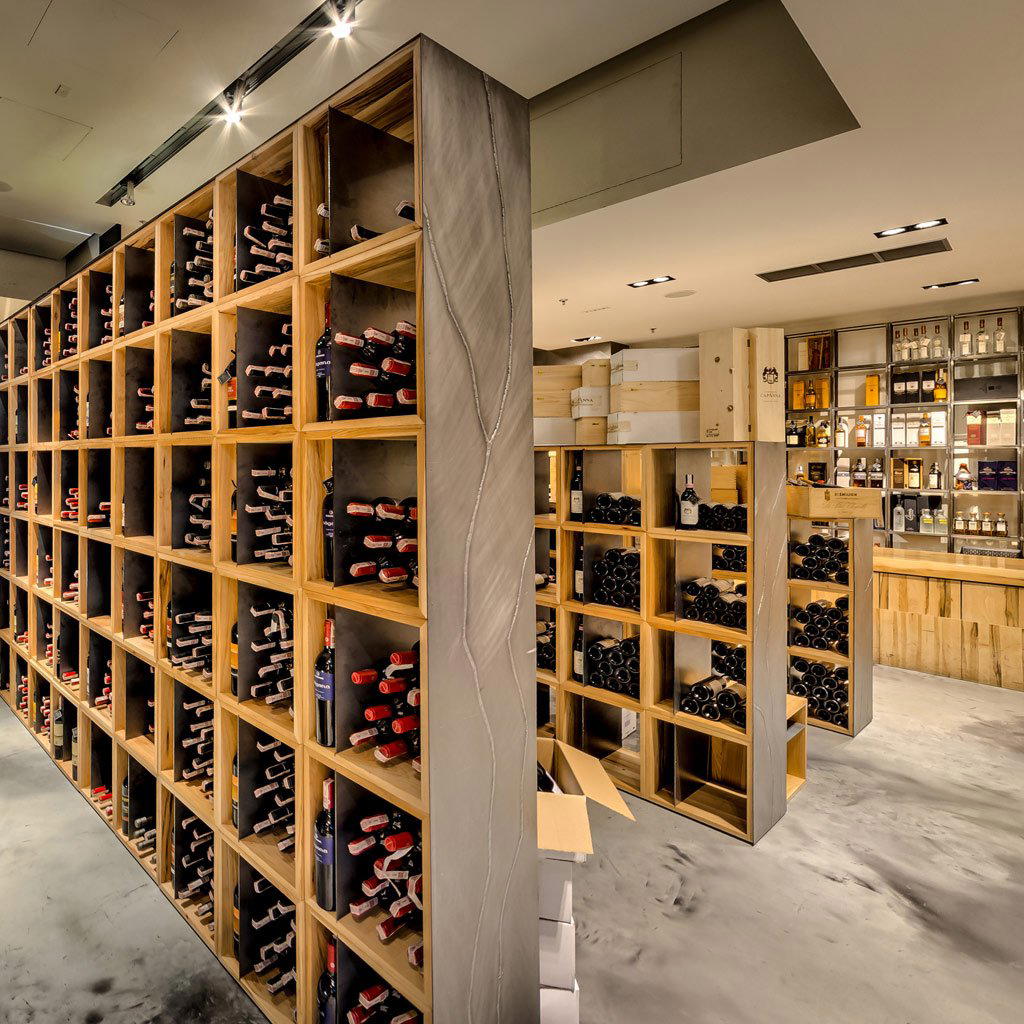
- Extensive Wine List
- Craft Cocktails
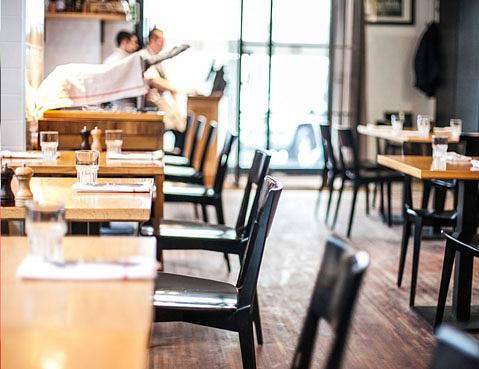
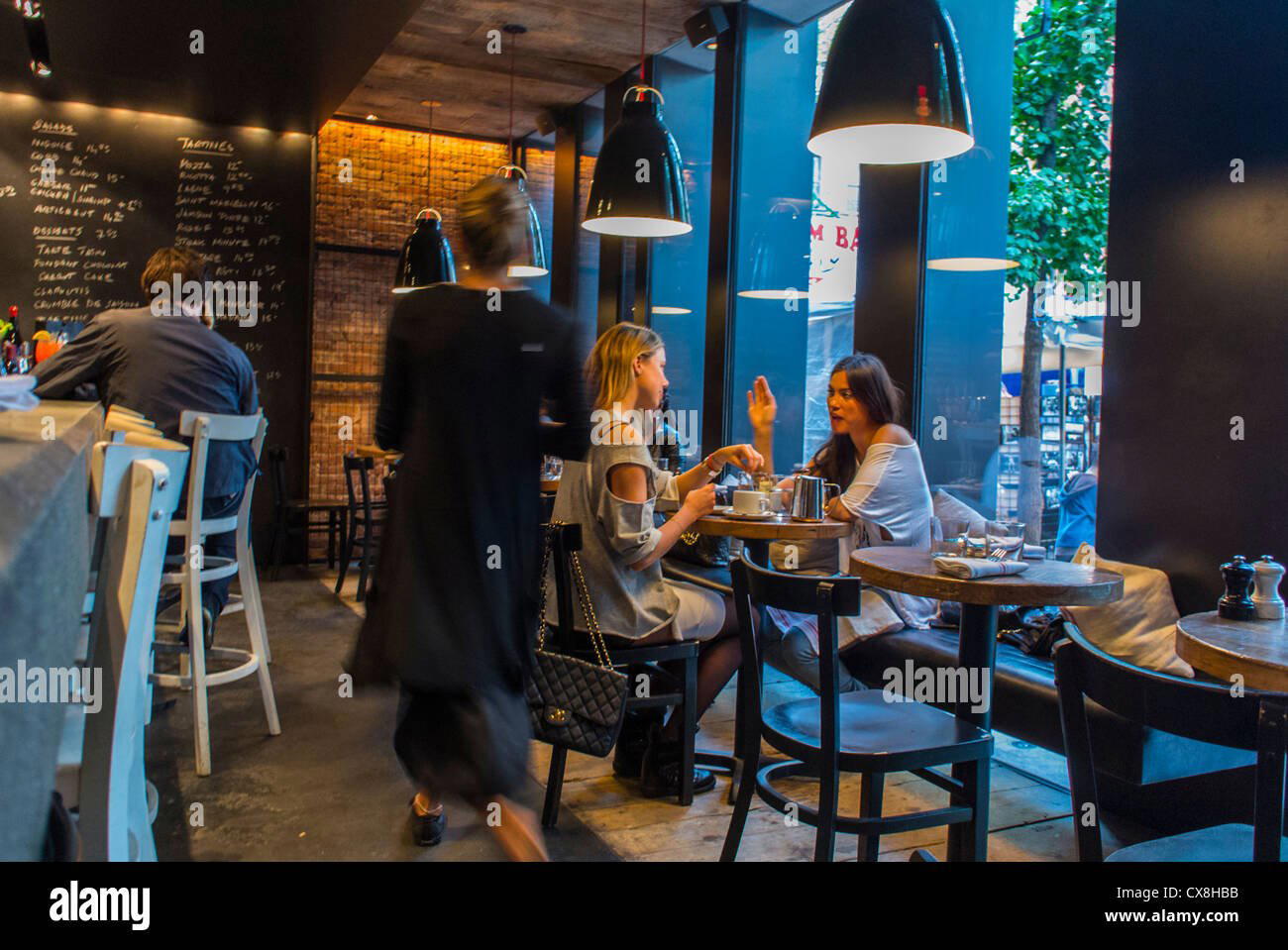
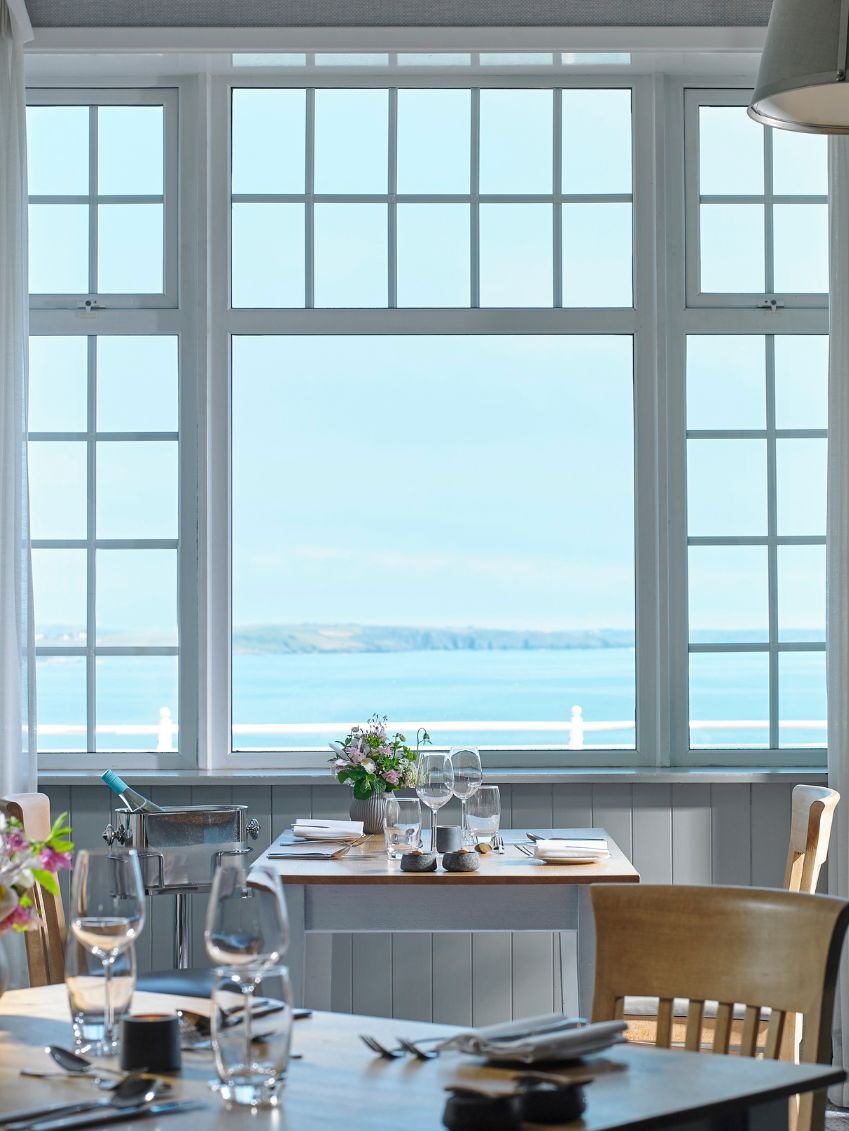
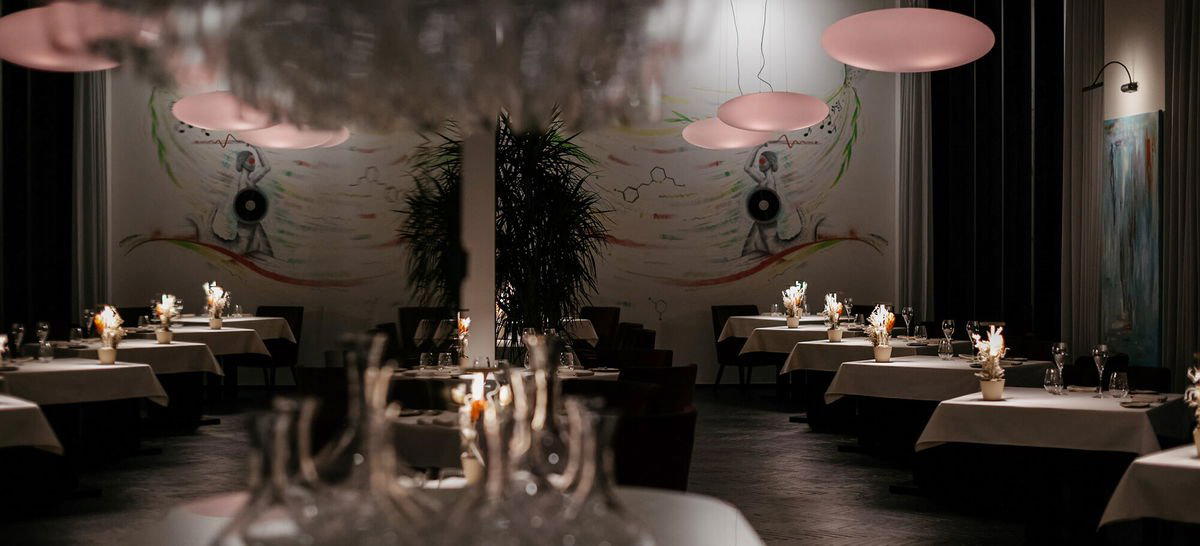
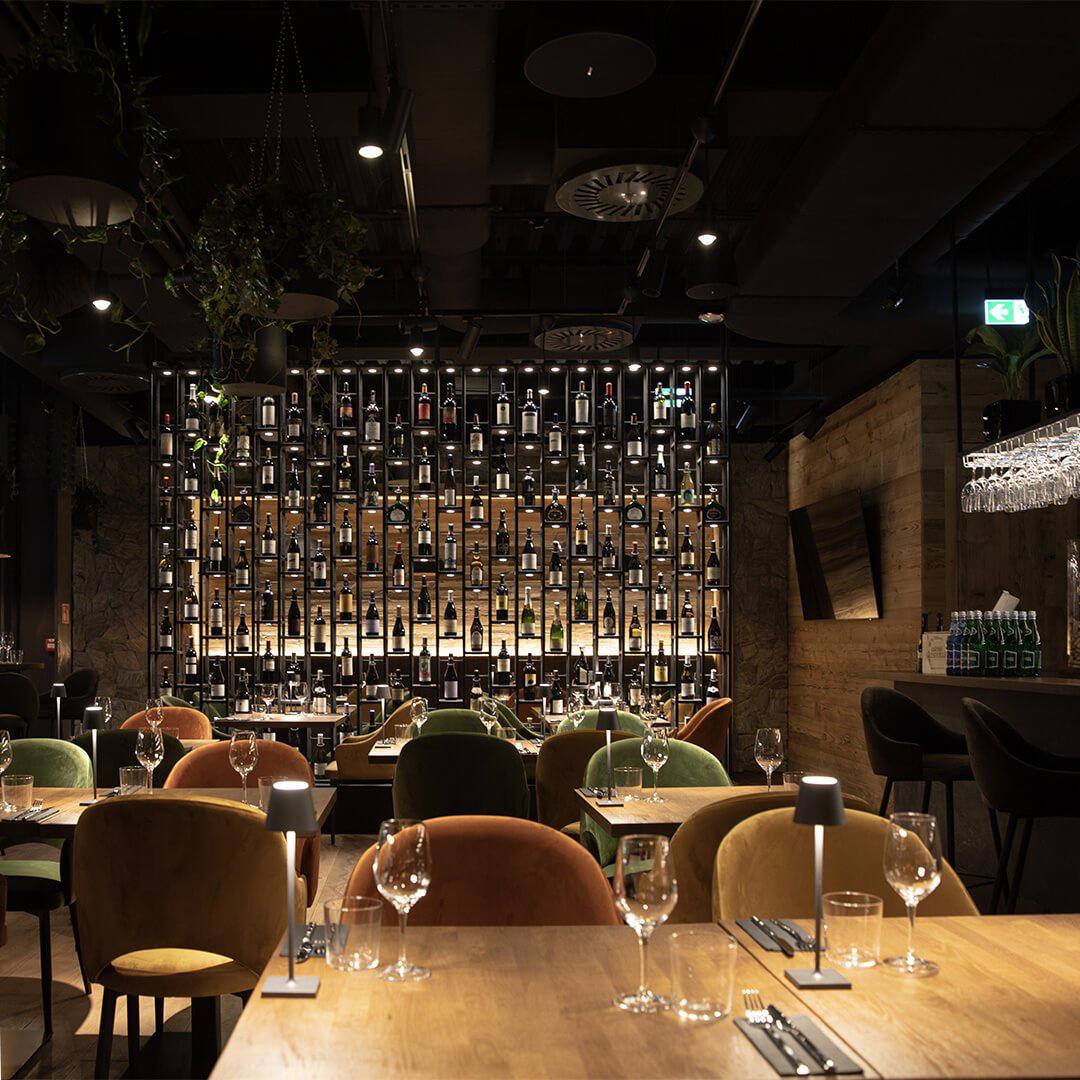
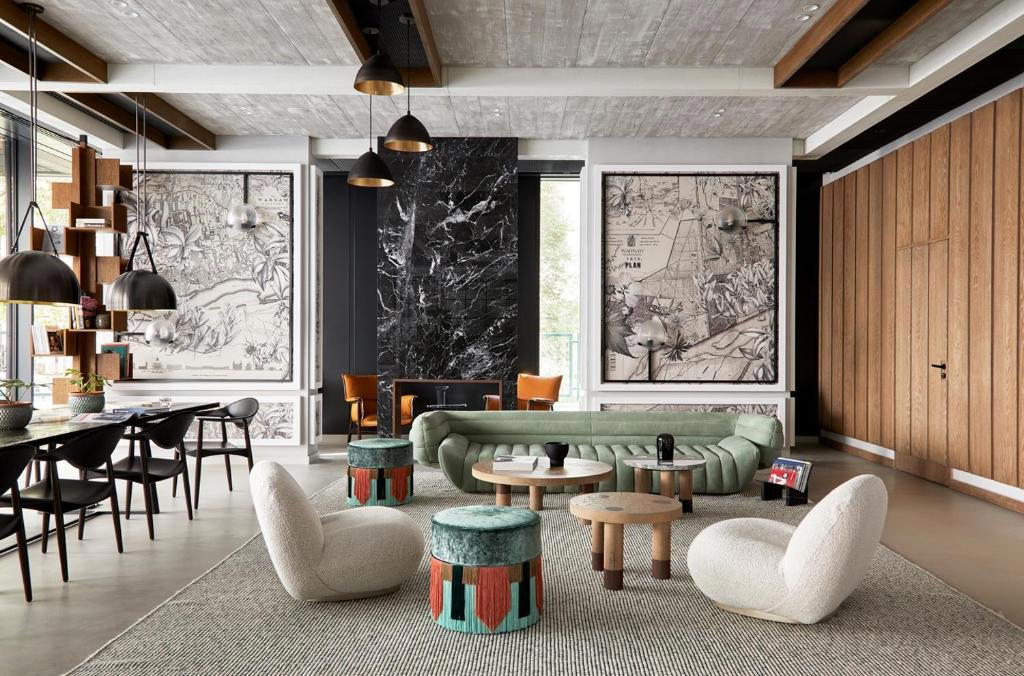
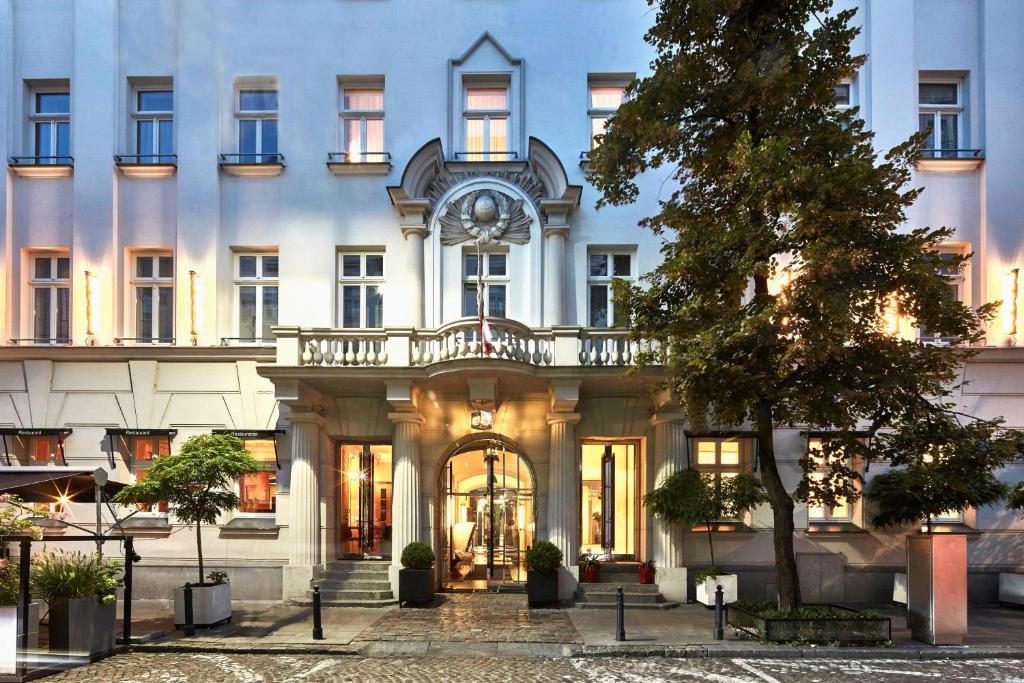
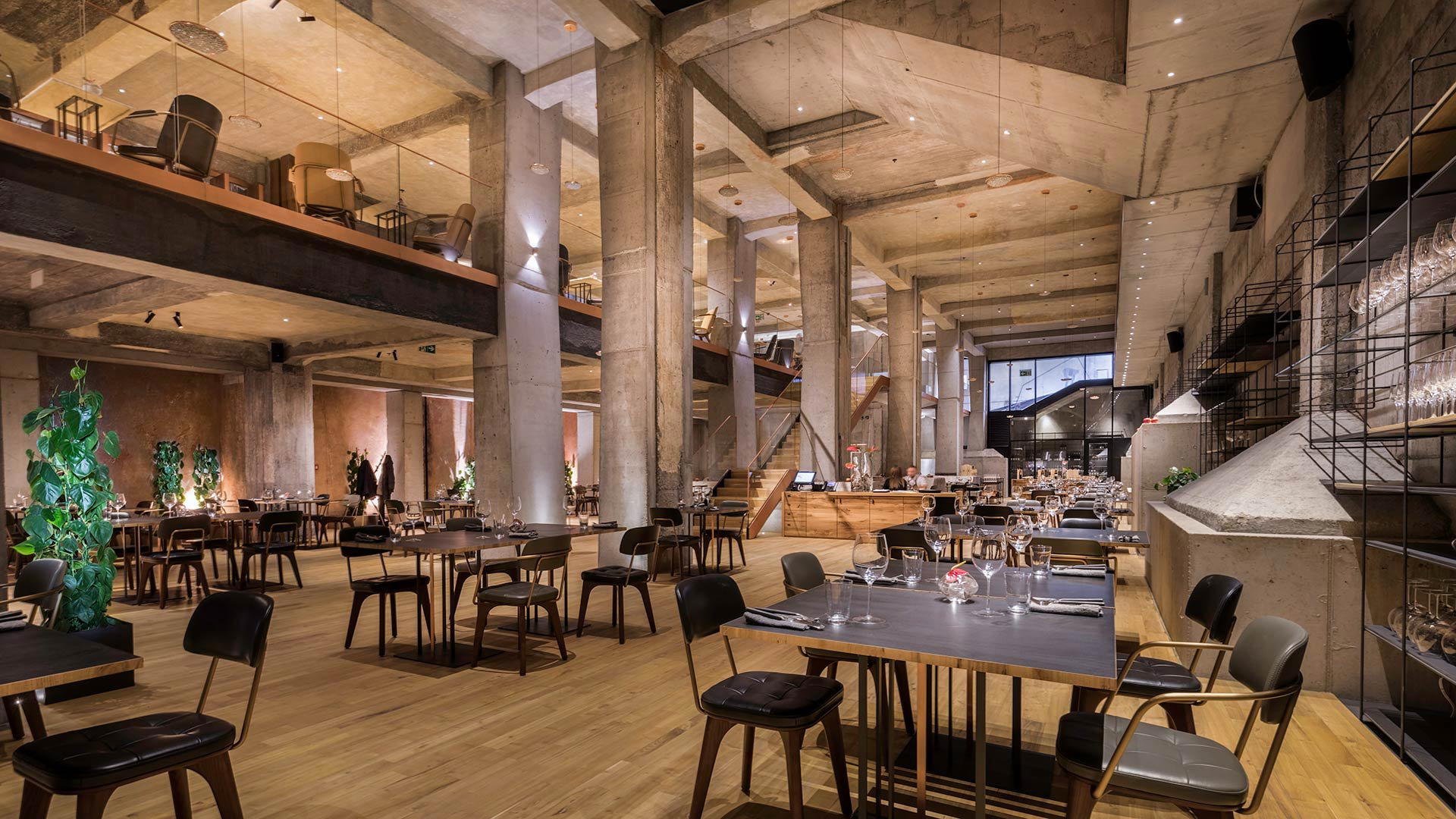
Cozy and elegant with historical architectural details blended with modern class, offering a warm and inviting atmosphere.