Located in Vienna's 10th district at Quellenplatz, Željo occupies a corner of the city's dining scene well outside the tourist circuits of the inner Ringstrasse. The address alone signals a neighbourhood-rooted operation rather than a prestige showcase, placing it in a cohort of Viennese spots where the local community sets the register rather than international visitors.
Pearl is the En Primeur Club membership app — saves, bookings, and concierge access live there. Same editors, same standards.
- Address
- Quellenpl. 9, 1100 Wien, Austria
- Phone
- +434319205874
- Website
- zeljo.at
- Directions
- Get directions
 Saves & bookings on Pearl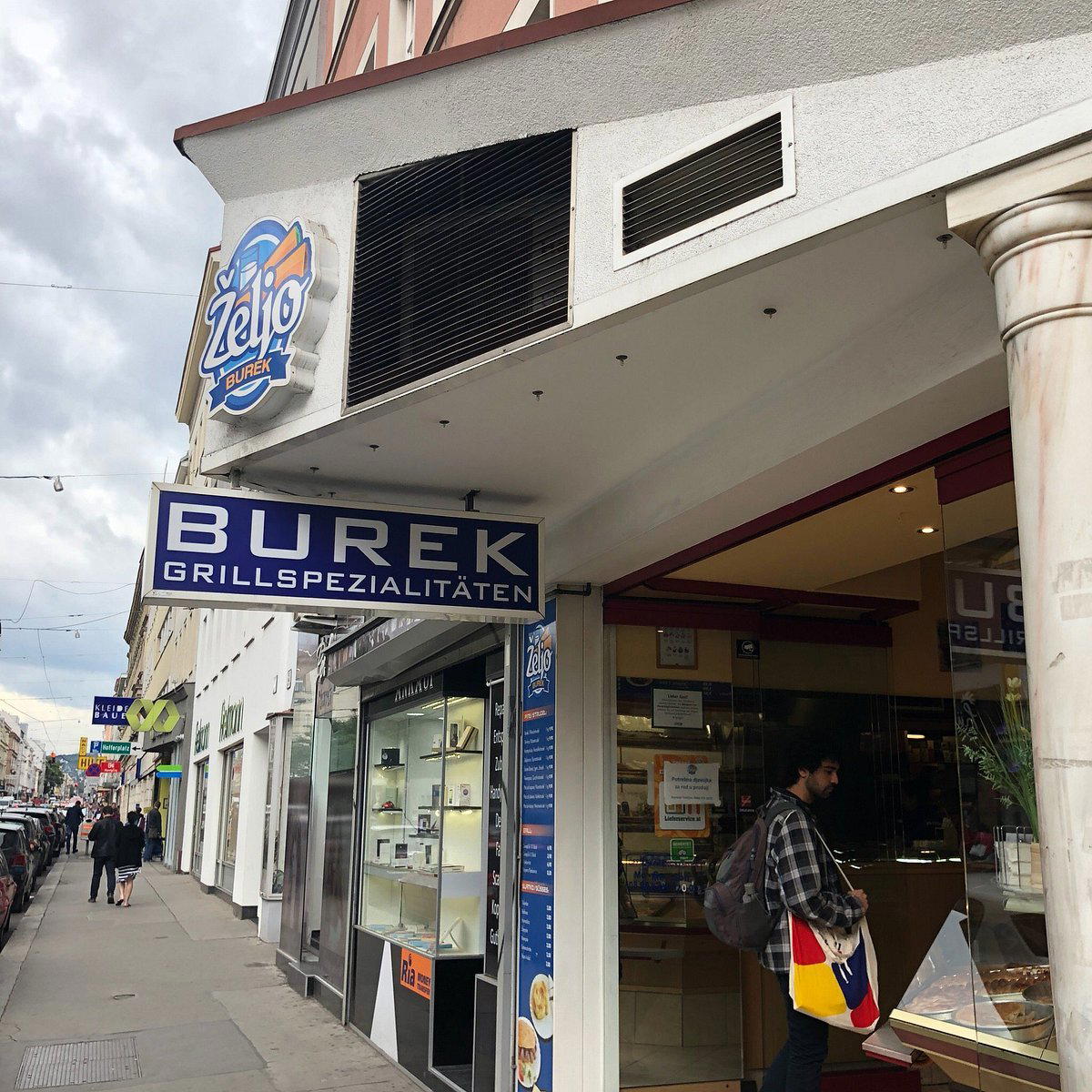
Quellenplatz and the Geography of Viennese Neighbourhood Dining
Vienna's most-discussed restaurant addresses cluster along a predictable arc: the Stadtpark corridor, the 1st district's grand rooms, and a handful of destinations in Josefstadt and Währing. The 10th district, Favoriten, sits outside that orbit almost entirely. For decades, it has been a working-class residential quarter, home to a large migrant population and a food culture shaped more by grocery economics and daily habit than by critics or awards seasons. That is precisely the context in which Željo, at Quellenplatz 9, operates. The address is not incidental, it is the argument. Restaurants that survive and accumulate local loyalty in Favoriten do so because the neighbourhood demands value, consistency, and a room that feels genuinely theirs.
This dynamic distinguishes neighbourhood venues in the outer districts from the kind of prestige operations reviewed annually by guides. Places like Steirereck im Stadtpark or Konstantin Filippou exist within an international reference system, their comparable set is global, their pricing reflects that ambition, and their rooms fill partly with visitors tracking recommendations from abroad. Quellenplatz operates on an entirely different logic. The audience is local, the rhythm is daily rather than occasion-driven, and the measure of success is repeat visits rather than review cycles.
The Balkans Thread Running Through Viennese Casual Dining
The name Željo carries its own geographic signal. Across the former Yugoslav republics, particularly Bosnia and Herzegovina and Serbia, ćevapi houses and grillrestaurants carrying Balkan names are as much community infrastructure as they are food businesses. Vienna has a substantial South Slav diaspora, concentrated significantly in the outer districts, and the food traditions they brought with them, built around charcoal-grilled minced meat, fresh flatbreads, and accompaniments like ajvar and kajmak, have embedded themselves into the city's casual dining fabric with a permanence that pre-dates the current vogue for eastern European cuisine in northern European capitals.
That broader context matters when thinking about what Željo represents. Balkan grill culture is not a trend in Vienna; it is infrastructure. The same category of restaurant that draws curious visitors in Berlin or London for its novelty has been feeding Viennese families in districts like Favoriten for generations. The craft involved, whether in the grind ratio of the meat, the temperature of the grill, or the sourcing of lepinja bread, is evaluated by diners who grew up eating this food, not by those discovering it for the first time. That creates an accountability structure absent from most trend-driven restaurant categories.
Team Dynamic in a Room Built on Repetition
In high-end dining, the interplay between kitchen, floor, and sommelier is discussed extensively because those relationships are legible and well-documented. In neighbourhood restaurants, the equivalent collaboration is less theorised but no less present. The front-of-house rhythm at a venue like Željo, how quickly tables turn, how returning guests are handled, whether the person taking an order can also read the room's pace, determines whether a local spot retains loyalty across years or loses it to the next grill house that opens two blocks away. These are team disciplines that do not appear in award citations but govern the economics of survival in a neighbourhood with real price sensitivity.
The analogy to more decorated rooms is instructive. At Mraz and Sohn or Amador, the collaboration between kitchen and floor is a choreographed performance reviewed in detail by critics. At a Quellenplatz grill room, the same collaboration happens in a compressed, less theatricalised form: the kitchen needs to sustain output during a lunchtime rush, and the floor needs to keep the room moving without losing the regulars who expect to be recognised. Both require genuine team coordination. The difference is the register, not the requirement.
Austria's broader restaurant culture supports this reading. Across the country, from Döllerer in Golling an der Salzach to Landhaus Bacher in Mautern an der Donau, well-regarded rooms at every price point share an investment in floor-kitchen alignment that is treated as non-negotiable. The category changes; the discipline does not.
Where Quellenplatz Sits in the Wider Vienna Eating Picture
For visitors building a Vienna eating itinerary, the standard architecture involves a tasting menu dinner at one of the upper-bracket rooms, Doubek or the creative kitchens operating at the €€€€ tier, bracketed by more casual meals in the inner districts. What gets missed in that structure is the outer-district dining that reflects how the city actually eats. Favoriten, Simmering, and Meidling contain a different cross-section of Vienna's food culture, one driven by migrant community cooking traditions that have been locally adapted over decades.
Including a meal at Quellenplatz in a Vienna visit is less about adding a neighbourhood curiosity to a prestige itinerary and more about reading the city accurately. The same instinct that takes a serious eater to a ramen counter in a Tokyo commuter suburb, rather than only to Ginza, applies here. For further orientation on how Vienna's dining scene distributes across districts and price points,
Ikarus in Salzburg, Griggeler Stuba in Lech, Obauer in Werfen, Kräuterreich by Vitus Winkler in Sankt Veit im Pongau, Ois in Neufelden, Restaurant 141 by Joachim Jaud in Mieming, Schwarzer Adler in Hall in Tirol, and Gourmetrestaurant Tannenhof in Sankt Anton am Arlberg all represent distinct regional expressions worth considering in sequence.
Price Lens
Comparable venues nearby, for context on price, style, and recognition.
| Venue | Cuisine | Price |
|---|---|---|
| ŽeljoThis venue — the venue you are viewing | Favoriten, Bosnian Balkan Grill & Burek | $ |
| Annie's | Alsergrund, Austrian Schnitzel House | $ |
| The Breakfastclub | Wieden, International Breakfast & Brunch | $$ |
| Downstairs | Hofburg, Cocktail Lounge & Billiards Bar | $$ |
| Pero's Würstelimbiss | Frachtenbahnhof, Balkan Street Food | $ |
| Pepper & Ginny | Innere Stadt, Vegan Deli | $$ |
Continue exploring
More in Vienna
Restaurants in Vienna
Browse all →
![[aend] restaurant in Vienna](https://cdn.enprimeurclub.com/storage/v1/object/public/images/locations/recsVyRkMfzCxPmp0/hero2.jpg?width=3840&quality=75)
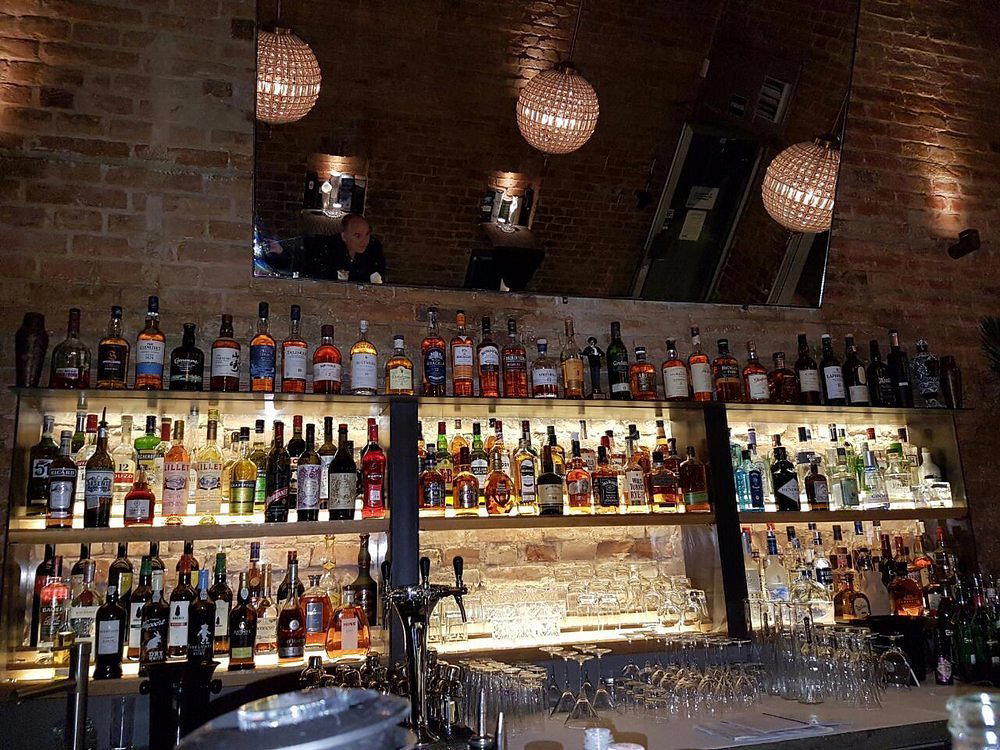
Bars in Vienna
Browse all →
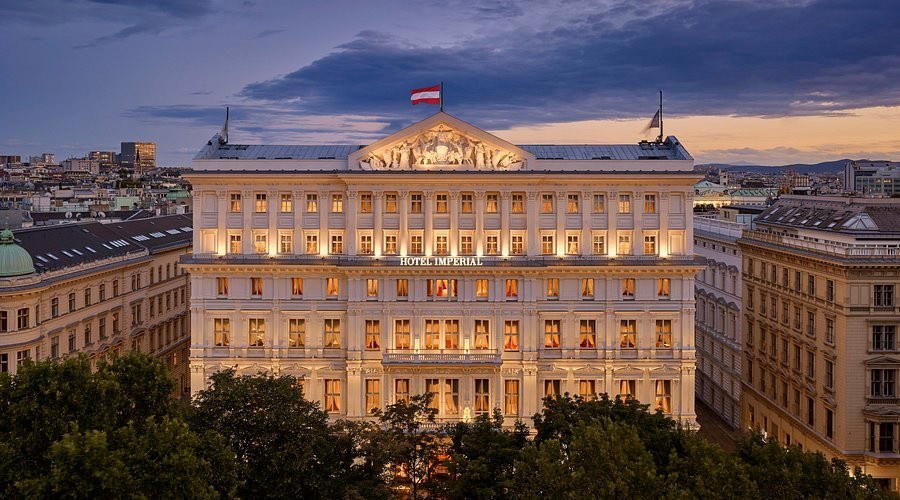
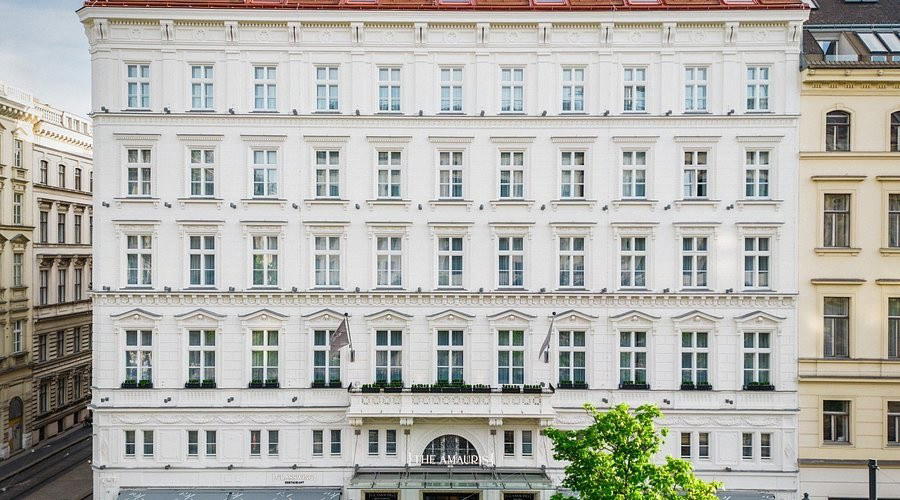
Hotels in Vienna
Browse all →
At a Glance
- Casual
- Casual Hangout
Current opening hours
- Monday
- 9 AM–10 PM
- Tuesday
- 9 AM–10 PM
- Wednesday
- 9 AM–10 PM
- Thursday
- 9 AM–10 PM
- Friday
- 9 AM–10 PM
- Saturday
- 9 AM–10 PM
- Sunday
- 9 AM–10 PM
Hours can change for holidays and private events. Last verified .
Casual fast-food atmosphere focused on quick, quality Balkan meals.