Our verdict
Žuvine sits on J.

Pearl is the En Primeur Club membership app, where members save venues, book tables and use the concierge.
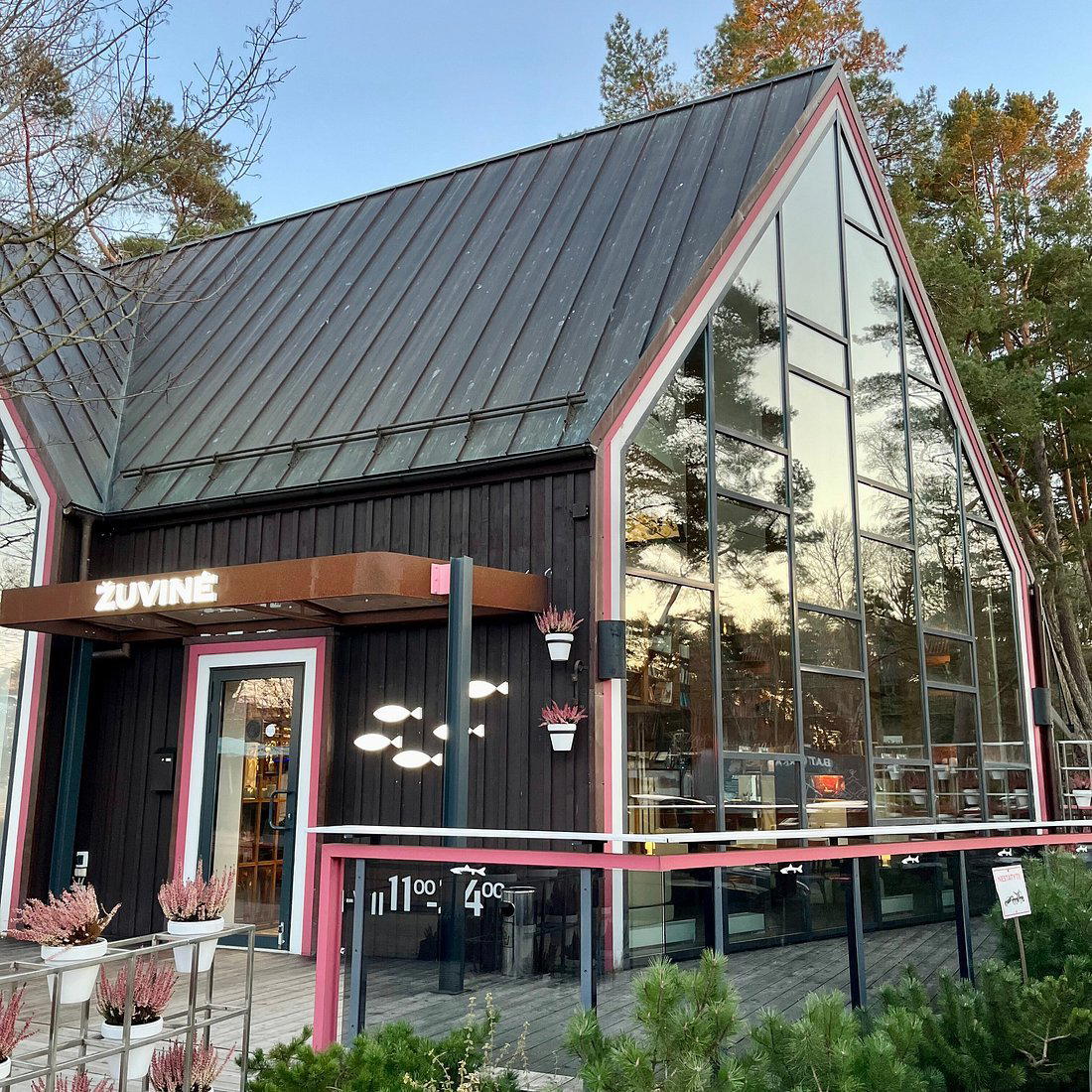
Where the Baltic Coast Eats: Palanga's Seafood Address on J. The street runs from the town centre toward the pier and the sea, and every block carries a different pitch at the same audience, visitors who want to eat well without travelling far from the beach.
That declaration matters in context. Palanga's dining options range from casual amber-and-pine terraces serving fried smelt to more considered rooms with structured menus. The middle tier, places that take seafood seriously without requiring a reservation weeks in advance, is where most visitors spend their time and where the quality gap between addresses is widest. Žuvine occupies that contested ground alongside peers like Monist, Todá, and Demo in Vilnius, nor the destination-driven format of Fisheria in Neringa, which draws visitors across the Curonian Spit specifically for its fish kitchen. Palanga's tradition is more direct in ambition: the town exists as a summer resort, and its restaurants reflect the rhythms of a place that fills in July and quiets by October.
The fish here comes from the Baltic and, through Klaipėda's port infrastructure a short drive south, from suppliers who connect the region to broader European markets. What varies by address is technique and precision: how the kitchen treats these raw materials, and whether the room warrants a considered meal or a quick stop between beach sessions.
For reference, Klaipėda's more developed dining scene, anchored by addresses like ALBA Bistro, shows what the region's seafood cooking looks like when it moves toward a more urban format. Palanga operates at a different register, closer to the water, closer to the holiday logic of the visitor, less interested in the kind of extended tasting menus that define inland fine dining.
The Street, the Season, and the Experience
J. Restaurant terraces spread across the pavement, the crowd shifts between families, weekend visitors from Kaunas and Vilnius, and a smaller number of international tourists. The street's pedestrian character means the experience of arriving at any address here is part of the meal itself, the walk from the car parks on the edge of town, past amber shops and beach equipment rentals, creates a particular holiday register that shapes expectations before anyone sits down.
Žuvine at 37A sits far enough along the gatvė that it draws a more deliberate visitor rather than the first-off-the-beach crowd. That positioning, in a street where proximity to the pier end correlates loosely with the seriousness of the kitchen, is a small but readable signal. Restaurants that rely on foot traffic volume alone tend to cluster at the busiest intersections; those willing to hold a position slightly further along are making a different bet on repeat visitors and word-of-mouth.
The shoulder season, May through early June and September, changes the calculation on this street entirely. Palanga empties fast after the summer peak, and the addresses that survive year-round or reopen reliably each spring tend to be those with a local constituency as well as a tourist one. See the full Palanga City restaurants guide for a broader view of when and where to eat across the town. Palanga belongs to that outer ring, alongside manor-house restaurants like Paliesius manor in Paliesius and rural addresses such as Red Brick in Radiškis.
Coastal addresses on the western edge of this picture, from Šturmų švyturys in Sturmai to Šturmų Švyturys in Kintai, share a landscape logic: the Curonian Lagoon on one side, the Baltic on the other, and menus that reflect both bodies of water. Palanga sits at the northern end of this coastal strip, separated from the Spit by the port city and closer in character to the Latvian coast than to the more protected lagoon cooking further south.enprimeurclub.com/restaurants/surr-druskininkai-restaurant">Surr in Druskininkai is instructive: both resort towns attract a similar demographic of Vilnius and Kaunas weekenders, but Druskininkai's dining is oriented around the mineral water tradition and forest setting, while Palanga's is unambiguously coastal and seasonal. Similarly, for context on what intensive seafood focus looks like at the international level, the distance between a Palanga fish restaurant and Le Bernardin in New York City is useful precisely because it is so large: the comparison clarifies what each format is and is not trying to do.
Visitors who have eaten at Apvalaus Stalo Klubo in Trakai or Arrivée in Kaunas will arrive at Palanga's seafood tables with calibrated expectations: those kitchens operate in a more urban, year-round mode with different ingredient access and different pressures. The coastal register is genuinely distinct.
Planning a Visit
Žuvine's address on J. The town has limited parking near the pedestrian zone in summer, and arriving on foot or by bicycle from accommodation further along the coast is often the more practical approach during peak weeks in July and August.
Frequently asked questions
Where exactly is Žuvine?
Žuvine is located at J. Basanavičiaus g. 37A, Palanga, 00135 Palangos m. sav. Lithuania, Palanga City.
Is Žuvine open year-round or only during the Palanga summer season?
Palanga functions primarily as a seasonal resort, and the majority of restaurants along J. Basanavičiaus gatvė calibrate their operating calendar to summer visitor flows, typically from late spring through early autumn. Verifying directly at the venue address on J. Basanavičiaus g. 37A before planning an off-season visit is recommended.
What dish is Žuvine famous for?
Žuvine's focus sits squarely within the Baltic coastal cooking tradition of the Curonian coast, where fresh-caught sea fish drives the menu rather than elaborate preparation. Basanavičiaus g. 37A or asking staff on arrival will give you the clearest picture of what's running that day. Seasonal availability shapes the offer considerably in Palanga.
How far ahead should I plan for Žuvine?
Palanga's dining scene compresses sharply into the summer months, when J. Basanavičiaus gatvė runs at capacity and tables at seafood addresses fill quickly. Booking ahead by at least a few days during July and August is advisable, particularly for evening service. Outside peak season, demand on the street drops considerably and walk-ins become more viable.
What's the signature at Žuvine?
The venue's identity is rooted in the cooking of the Baltic and Curonian coast rather than any single headline dish. That means an emphasis on locally sourced sea fish prepared in ways that reflect Lithuanian coastal habit rather than international fine-dining convention. Current menu specifics are best confirmed directly at the address on J. Basanavičiaus g. 37A.
What if I have allergies at Žuvine?
Given that Žuvine operates within a seafood-led framework on the Baltic coast, fish and shellfish are central to the offer rather than incidental, which is a material consideration for anyone with seafood or fish allergies. Basanavičiaus g. 37A, Palanga, before or on arrival is the appropriate step.
A Lean Comparison
Comparable venues nearby, for context on price, style, and recognition.
| Venue | Cuisine | Price | Awards | Notes |
|---|---|---|---|---|
| ŽuvineThis venue (the venue you are viewing) | Fresh Baltic Seafood | Not listed | Not listed | Not listed |
| Todá | Tel Aviv-inspired Middle Eastern | Not listed | Not listed | Palanga Beach, Tel Aviv-inspired Middle Eastern |
| Monist | Modern Lithuanian European | Not listed | Michelin Plate | Palanga City, Modern Lithuanian European |
| Vila Komoda | Modern French-Asian Fusion | $50–100 | Not listed | Palanga, Modern French-Asian Fusion |
| Šturmų švyturys | Fresh Lithuanian Wild Fish | $20–30 | Not listed | Sturmai, Fresh Lithuanian Wild Fish from Curonian Lagoon |
| Thai House | Authentic Thai | Not listed | Not listed | Kaunas, Authentic Thai |
Continue exploring
More in Palanga
Restaurants in Palanga
All restaurants in Palanga →
Hotels in Palanga
Browse all →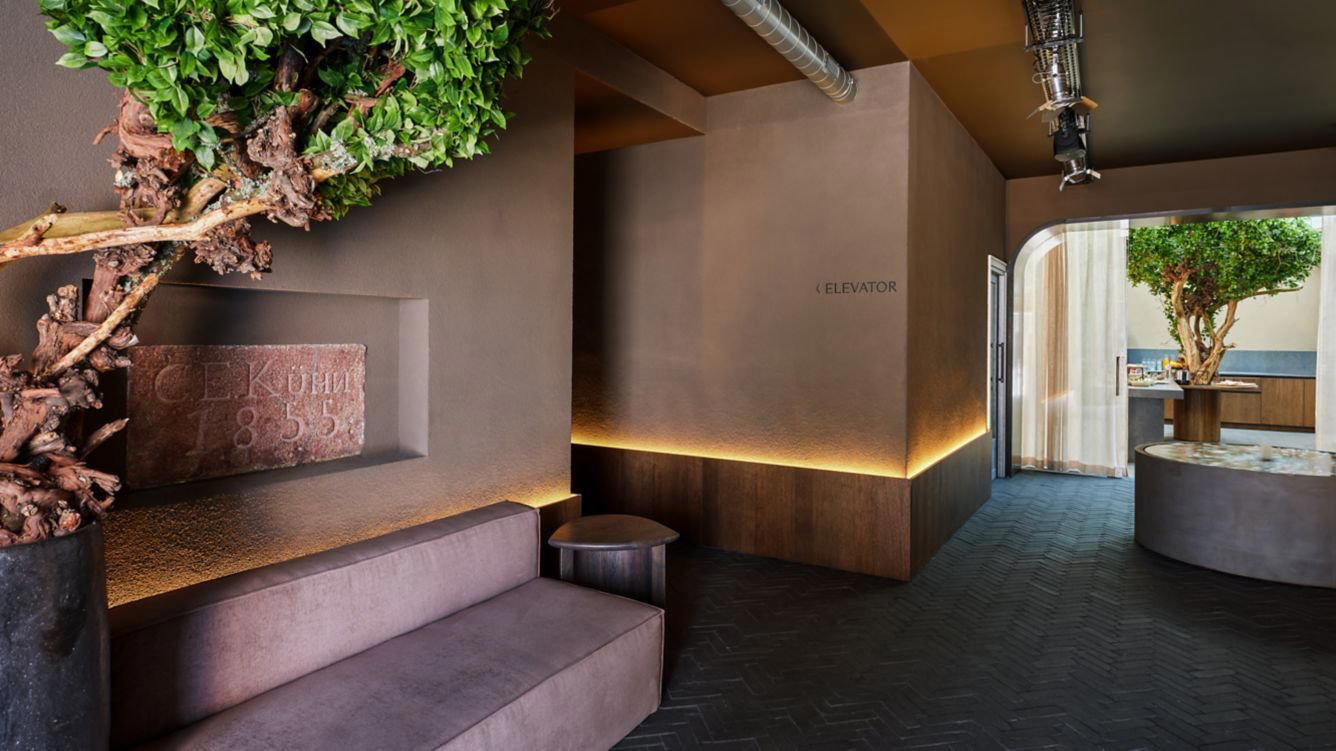
Details
- Elegant
- Cozy
- Scenic
- Date Night
- Special Occasion
- Open Kitchen
- Terrace
- Extensive Wine List
- Local Sourcing
- Street Scene
- A La Carte
- Vegetarian Friendly
- Gluten Free Options
Current opening hours
- Monday
- 11 AM–10 PM
- Tuesday
- 11 AM–10 PM
- Wednesday
- 11 AM–10 PM
- Thursday
- 11 AM–10 PM
- Friday
- 11 AM–12 AM
- Saturday
- 11 AM–12 AM
- Sunday
- 11 AM–10 PM
Hours can change for holidays and private events. Hours as of .
Nice and bright room with elegant wooden interior, window views of the promenade, and lovely atmosphere.