Кофемания occupies a low-profile address on Rublevo-Uspenskoye Shosse in Gorki-2, placing it squarely within the Moscow Oblast corridor that has long served the capital's western commuter belt. The format sits between a serious café and a full-service restaurant, with a reach across multiple Moscow locations that gives it a consistency most independent operators cannot match. For the area around Gorskoe, it functions as a reliable, professionally run anchor in a stretch where dining options thin out considerably.
Pearl is the En Primeur Club membership app — saves, bookings, and concierge access live there. Same editors, same standards.
- Address
- Rublevo-Uspenskoye Shosse, 22В, Posolok, Gorki-2, Moscow Oblast, Russia, 143032
- Phone
- +74994954491
- Website
- coffeemania.ru
- Directions
- Get directions
 Saves & bookings on Pearl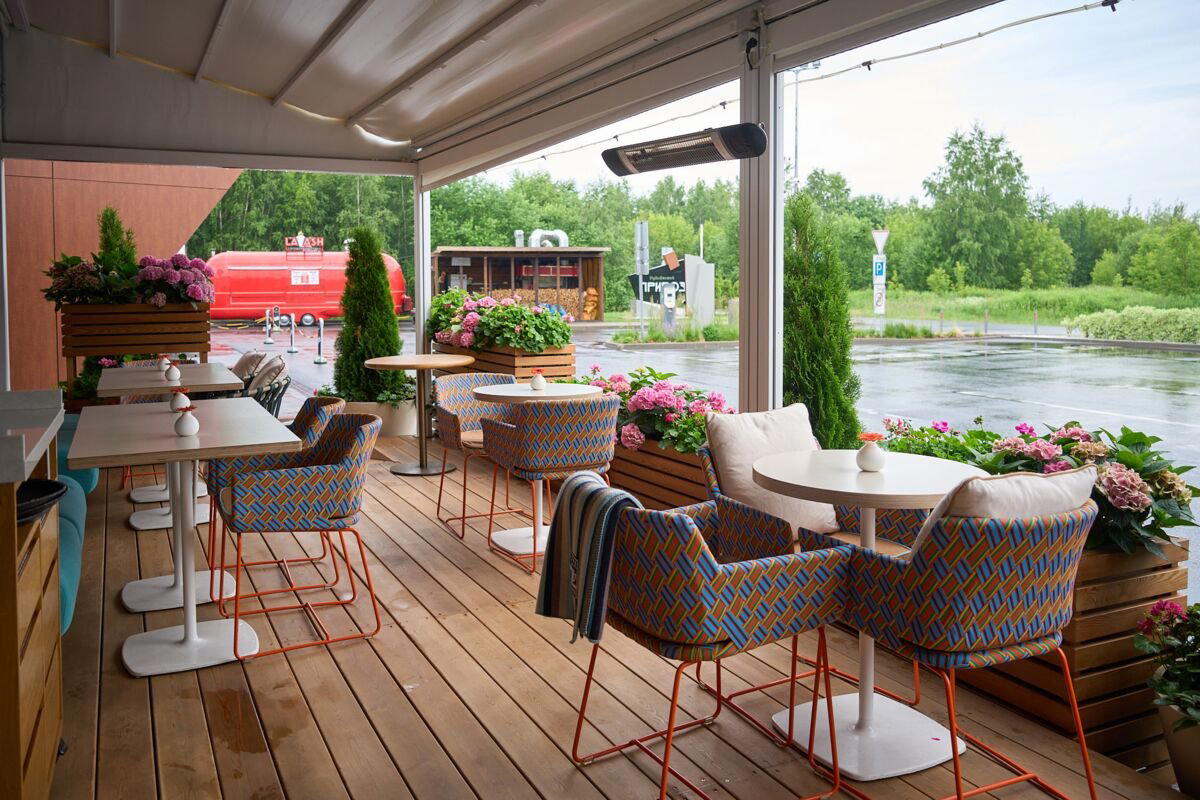
The Road That Shapes the Room
The Rublevo-Uspenskoye Shosse is among the more read-about stretches of asphalt in Russia, less for its scenery than for what lines it: dacha compounds, gated residential communities, and the kind of low-density commercial strip that serves a population accustomed to driving significant distances for everyday needs. Кофемания at address 22В, Posolok, Gorki-2 fits into this geography deliberately. It is not a destination restaurant in the way that Twins Garden in Moscow operates as one, drawing visitors from across the city on the strength of a specific culinary proposition. Instead, it operates as a reliable node in a network, and in this part of Moscow Oblast, that reliability carries genuine weight.
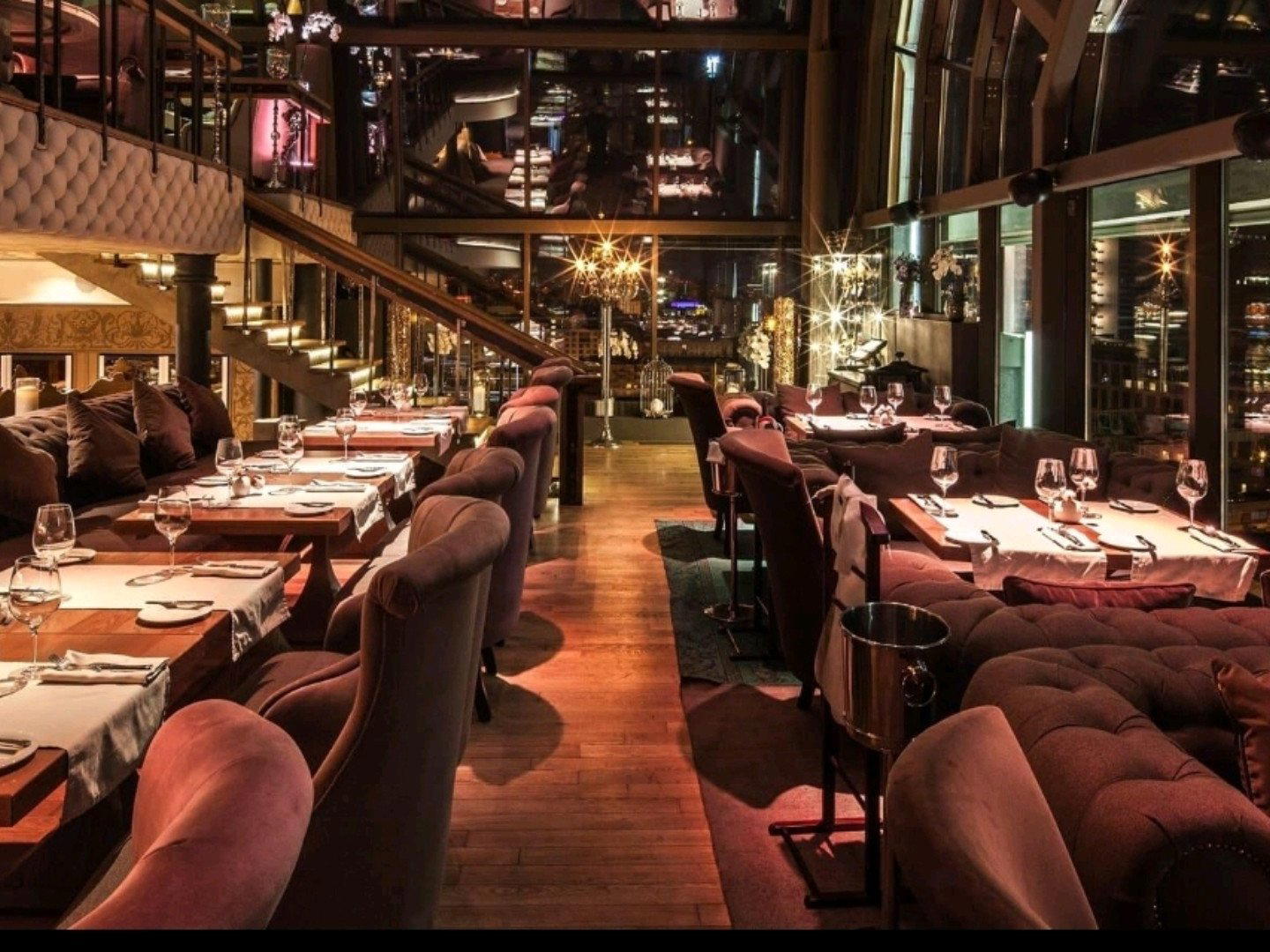
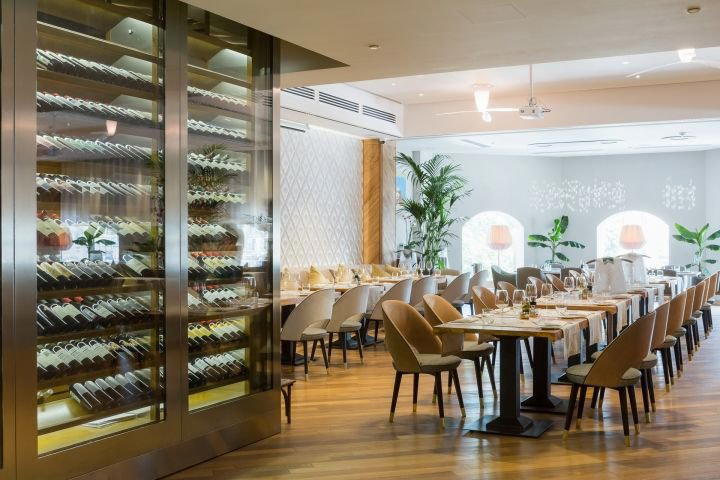
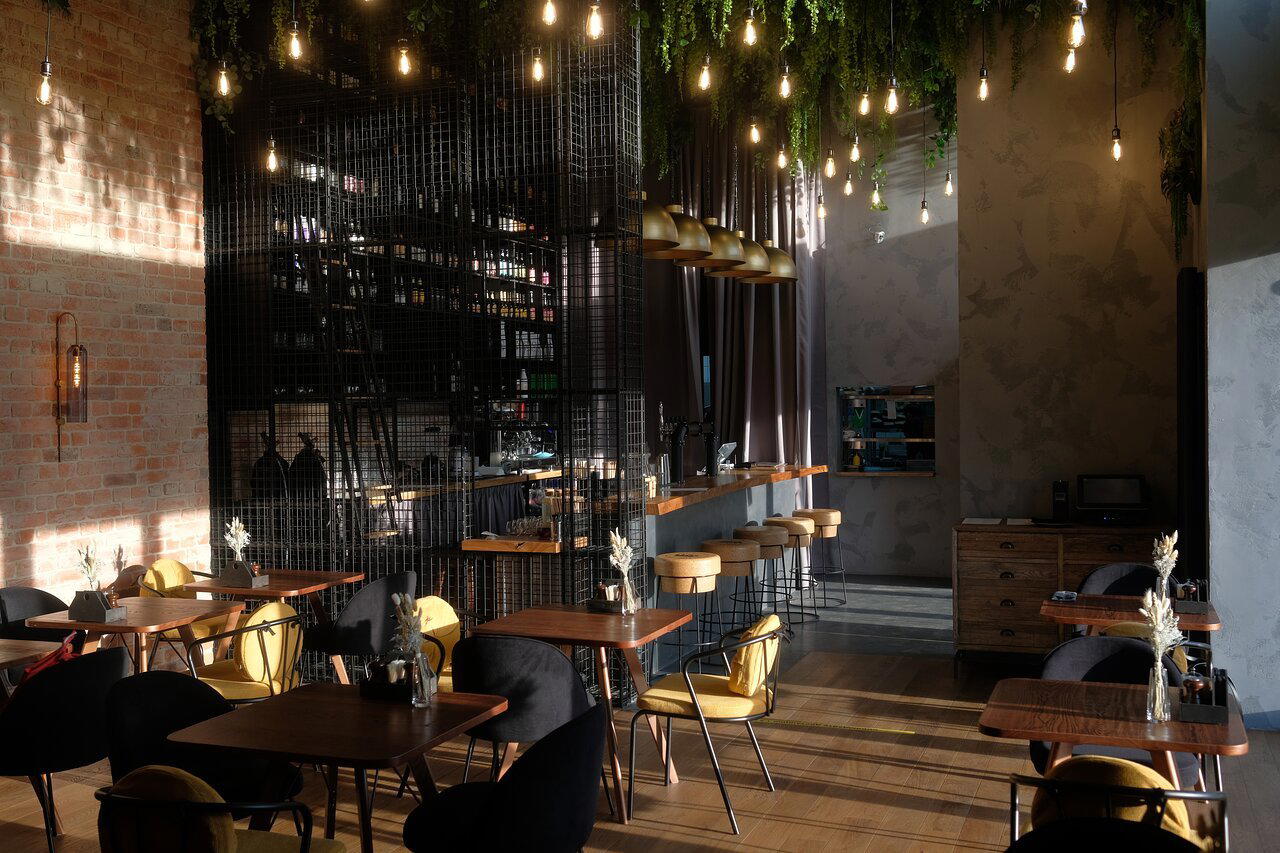
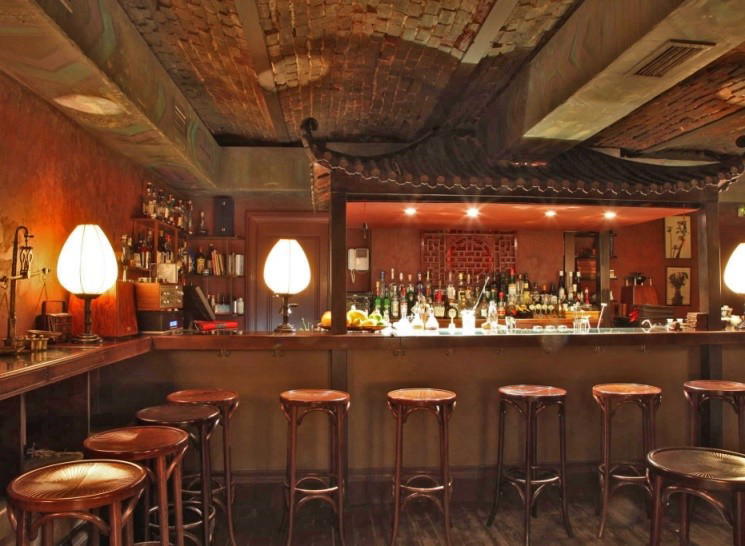
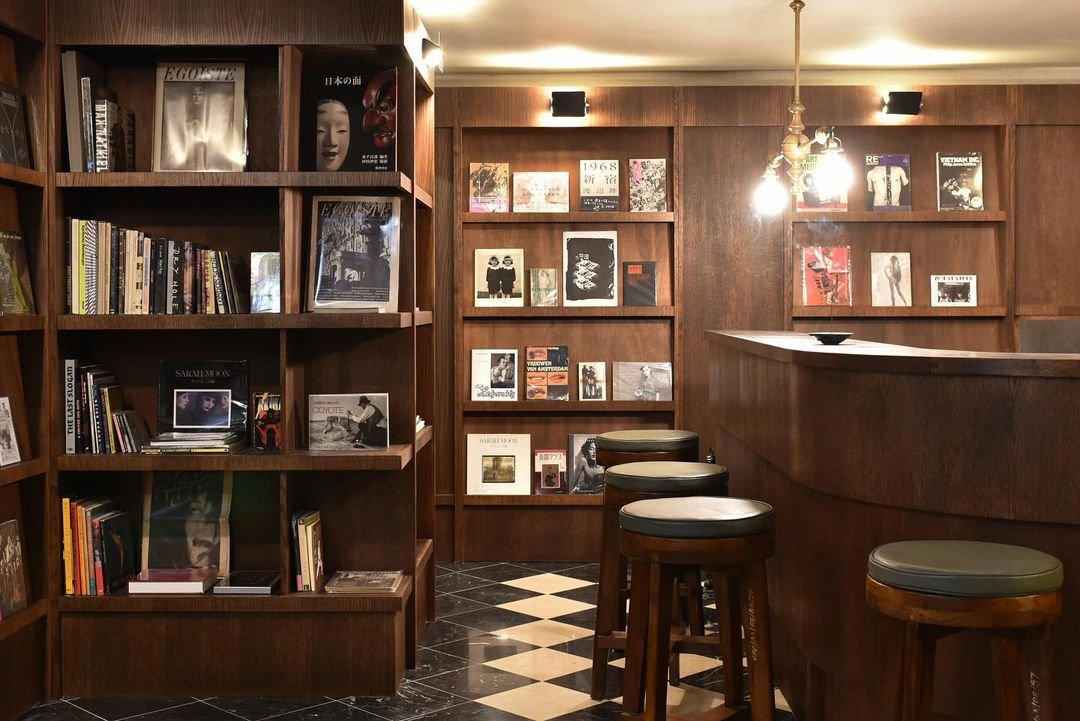
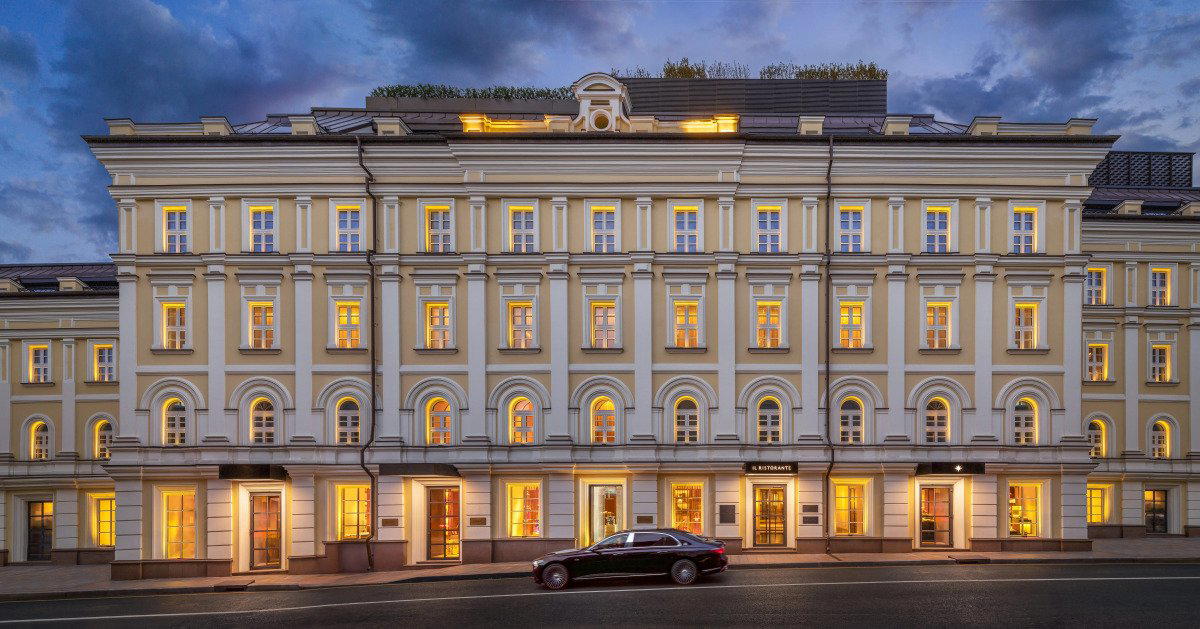
The physical approach along Rublevo-Uspenskoye Shosse gives the space context before you enter. The surrounding area is quieter than central Moscow, the pace slower, the clientele drawn from the residential communities rather than from tourist traffic or professional dining circuits. Inside, the Кофемания format has been refined across its network of Moscow-area locations to read as polished but not formal: the kind of interior where a working lunch and a leisurely weekend breakfast can coexist without either feeling wrong. Natural light tends to be a priority in this chain's design decisions, and the Gorki-2 site benefits from the lower building density of the oblast compared to the city centre.
Sourcing Logic on the Western Corridor
For a multi-site operation with locations spread across Moscow and its surroundings, ingredient sourcing is a structural question as much as a culinary one. The café-restaurant format that Кофемания has developed across its network requires consistency at scale, which in the Moscow market typically means working with established domestic suppliers alongside import partners for categories like specialty coffee, European dairy, and bakery ingredients where Russian production has historically been thinner.
The Rublevo-Uspenskoye Shosse location serves a population that has higher-than-average exposure to European food standards, given the corridor's long-standing profile as a preferred residential area for international residents and Moscow professionals with frequent travel. This creates a sourcing expectation that the network has learned to meet: coffee programs built around recognisable specialty roasters, breakfast and brunch menus that lean on quality dairy and bread, and an all-day format that requires the kitchen to perform across a wider range of preparations than a single-service restaurant would face.
Russian café culture has shifted considerably since the early 2000s. Where the initial wave of Western-influenced coffee shops prioritised format over ingredient quality, the more recent generation of serious operators has inverted that priority. Кофемания was among the earlier players to treat the coffee programme as a sourcing question rather than a branding one, which positioned it differently from competitors who treated espresso as a commodity. That early positioning remains legible in how the network operates today, even if the competitive field has grown considerably around it. For comparison, the formal restaurant tier in Russian cities, represented by addresses like 1913 in Saint Petersburg or Cafe Pushkin in Moscow, operates on entirely different sourcing logic, where heritage and provenance storytelling are central to the menu. Кофемания works in a more functional register, where sourcing serves consistency and quality rather than narrative.
Where This Location Fits in the Regional Picture
Across Russia's dining geography, the gap between Moscow's inner-city restaurant offer and what is available in the oblast and surrounding regions is pronounced. Cities like Tomsk, where Kukhterin has built a serious local reputation, or Yekaterinburg, where Khmeli Suneli addresses the Georgian tradition, demonstrate that strong regional dining exists well outside the capital. But Moscow Oblast occupies a different position: close enough to the city to draw operators, far enough from the centre to develop its own quieter dining rhythm.
The Gorki-2 location of Кофемания serves this in-between geography. It is not competing with the Michelin-tier operators that have concentrated in central Moscow, nor is it positioned as a local institution in the way a single-site neighbourhood restaurant might be. It occupies the professional middle ground: a format with enough operational depth to deliver consistent food and coffee across a full day, in a location where that consistency is harder to find than it would be two kilometres inside the MKAD. For the full picture of what the area offers, see our full Gorskoe restaurants guide.
The network model also means that the Gorki-2 site benefits from training and supply infrastructure that individual operators in this corridor cannot easily replicate. In markets where staff retention in hospitality is a persistent issue, multi-site operators with centralised training programmes tend to deliver more stable service quality over time. This is not distinctive to Russia: the same dynamic operates in London, New York, and Seoul, where mini-chains with rigorous standards often outperform independent operators at the service level even when the independents win on culinary ambition. Internationally, addresses like Le Bernardin in New York City or Atomix in New York City represent the opposite end of the spectrum: single-site, chef-driven, with no network logic at all. Кофемания's proposition is structurally different and serves a different need.
Planning a Visit
Gorki-2 address on Rublevo-Uspenskoye Shosse is most easily reached by car from Moscow, which reflects the residential character of the surrounding area. Public transport connections to this part of the oblast are limited compared to central Moscow, and the clientele arriving by private vehicle or taxi is the norm rather than the exception. The all-day format typical of the Кофемания network means that timing is flexible: breakfast and mid-morning coffee service, lunch, and an afternoon café period are all operational windows, reducing the need to plan around a fixed service window.
Current hours, pricing, and booking details are available for this location: daily from 8 AM to 11 PM, about $8 per person, and walk-in friendly. Reservations are not required for most visits. Dress expectations across the network read as smart-casual, consistent with the residential-professional demographic the corridor serves.
Comparable Spots, Quickly
Comparable venues nearby, for context on price, style, and recognition.
| Venue | Cuisine | Price | Notes |
|---|---|---|---|
| КофеманияThis venue — the venue you are viewing | Café & Bakery | $$ | Not listed |
| Кулинария Вилка | Russian Home Cooking Cafeteria | $$ | ЖК Московские Водники |
| Doctor Zhivago | Modern Russian with Soviet Heritage | $$$ | Tverskoy District |
| Pinzeria by Bontempi | Italian Pinsa Romana | $$ | Boulevard Ring |
| Kazbek | Authentic Georgian | $$ | Presnensky |
| Paloma Cantina | Authentic Mexican Cantina | $$ | Nevskiy |
At a Glance
- Modern
- Cozy
- Minimalist
- Casual Hangout
- Brunch
- Craft Cocktails
Current opening hours
- Monday
- 8 AM–11 PM
- Tuesday
- 8 AM–11 PM
- Wednesday
- 8 AM–11 PM
- Thursday
- 8 AM–11 PM
- Friday
- 8 AM–11 PM
- Saturday
- 8 AM–11 PM
- Sunday
- 8 AM–11 PM
Hours can change for holidays and private events. Last verified .
Bright, minimalist interior with pleasant modern design; welcoming atmosphere for casual daytime visits.