Šestinski Lagvić sits in the hillside village of Šestine, just above Zagreb, where the cooking follows the logic of the Croatian Zagorje interior: slow-braised meats, wood-fire technique, and seasonal produce tied closely to what grows or grazes nearby. The address alone signals a departure from the city's central restaurant circuit, and the atmosphere matches it, unhurried, rooted, and built around the rhythms of the surrounding landscape.
Pearl is the En Primeur Club membership app — saves, bookings, and concierge access live there. Same editors, same standards.
- Address
- prilaz Kraljičinom zdencu, 10000, Zagreb, Croatia
- Phone
- +38514674417
- Website
- sestinski-lagvic.hr
- Directions
- Get directions
 Saves & bookings on Pearl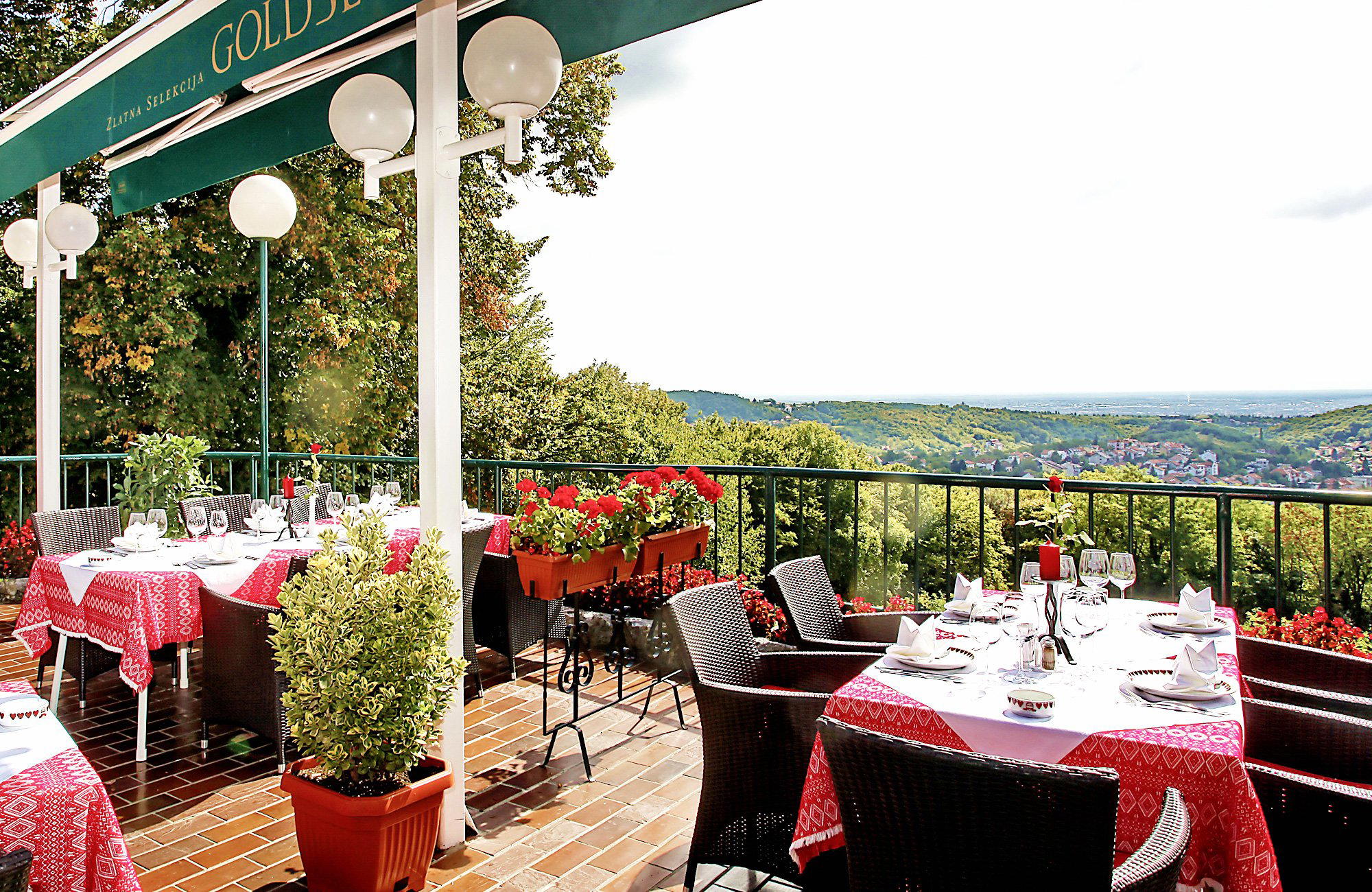
Above the City, Inside the Tradition
The road that climbs from Zagreb toward Šestine narrows as it rises, shedding the city's density in favour of wooded slopes and scattered houses with kitchen gardens. By the time you reach the address on Prilaz Kraljičinom Zdencu, the background noise of the capital has faded to almost nothing. Šestinski Lagvić is a restaurant in Zagreb serving Traditional Croatian Grill. Zagreb's dining scene divides broadly between the centre, where places like Noel (Modern Cuisine) operate in formal, urban registers, and the outlying villages on Medvednica's southern slopes, where an older, more agricultural tradition of Croatian cooking has held on with considerably more fidelity to its source material.
Šestine is one of those villages, and Šestinski Lagvić is one of its most established tables. The surrounding area is associated with the folkloric dress and rural customs that Zagreb's city authorities have long used as a shorthand for authentic Croatianness, but the restaurant's appeal is less symbolic than sensory. What draws people up the hill is the smell of wood smoke, the sound of quiet, and a style of cooking that does not need to announce itself.
What the Kitchen Represents
Croatian cuisine from the continental interior operates on different principles than the Adriatic cooking that tends to dominate international coverage of the country's food. The coast runs on olive oil, fresh fish, and Venetian-inflected technique, places like LD Restaurant in Korčula, Pelegrini in Sibenik, and Restaurant 360 in Dubrovnik all operate within that Mediterranean grammar. The interior, by contrast, belongs to Central Europe: pork fat, aged cheeses, roasted meats, soured cream, and the kind of structural patience that comes from cooking through cold winters. Šestinski Lagvić operates within that second tradition.
The restaurant's name references the lagva, a wooden barrel, traditionally used for storing wine or spirits. Fermented, cured, and slow-cooked preparations define this kitchen's rhythm. Wood-fire roasting, in particular, gives the cooking its most recognisable sensory character: the faint char on meat, the collapsed softness of vegetables that have spent time in residual heat, the smell that reaches you before the food arrives at the table. These are not effects that can be replicated cleanly in a centrally located urban kitchen. They require space, time, and an open fire, conditions that the hillside setting makes possible.
For comparison, Zagreb's centre-city Croatian options tend toward either the contemporary reinterpretation model, see the approach at Dubravkin Put (Mediterranean Cuisine), or the international pivot visible at places like Izakaya (Japanese Contemporary) and Al Dente. Šestinski Lagvić occupies a different position: it does not reinterpret or pivot. It holds its ground in a specific regional tradition and invites diners to come to it, literally and figuratively.
The Atmosphere in Specific Terms
The physical experience of eating at the restaurant is inseparable from its location on Medvednica's lower slopes. The restaurant is set in the kind of structure common to Croatian village dining, heavy timber construction, low ceilings in the older sections, surfaces worn smooth by decades of use. There is no studied rusticity here, no interior design that imitates age. The patina is actual. Natural light enters through windows that look toward the hillside rather than a street, and in warm months the outdoor seating extends the dining room into what is effectively a garden. Sound levels stay low without being formally quiet; this is a place where conversation is the ambient noise.
The smell is one persistent sensory signal. Wood smoke from the kitchen circulates through the space at a low intensity, present but not overwhelming, and functions almost as a continuous flavour anticipation. The same quality that makes fire-roasted cooking distinct from oven cooking is detectable in the room before a dish arrives: something slightly caramelised, slightly earthy, grounded in the specific character of the wood being burned.
Diners who come from within Zagreb will notice the shift in pace immediately. The city's more central addresses, including Amfora, operate within normal urban service rhythms. The hill restaurants of Šestine run at a slower pace, shaped by the assumption that guests have made a deliberate journey. That assumption is usually correct.
Croatia's Broader Dining Spectrum
The restaurant belongs to a category of Croatian restaurant that requires some geographical awareness to appreciate fully. The country's dining reputation has been built largely on coastal properties, from the Michelin-tracked work at Agli Amici Rovinj in Rovinj and Alfred Keller in Mali Losinj to the wine-anchored hospitality of Boskinac in Novalja. The continental interior receives considerably less international attention, which means that places like Šestinski Lagvić tend to be known primarily through local word of mouth and repeat visits.
The distinction between coastal and interior Croatian cooking is not simply geographical; it reflects genuinely different culinary inheritances. Places like Nebo by Deni Srdoč in Rijeka and Krug in Split operate on the Adriatic side of that divide. The restaurant represents the other axis: the Pannonian and Zagorje tradition, with its Germanic and Hungarian overlaps, its emphasis on pork and game, and its characteristic use of paprika, soured dairy, and preserved vegetables. Understanding both traditions is necessary for a complete picture of what Croatian cooking actually is, and the restaurant offers the interior register in a form that has not been filtered through the conventions of restaurant modernisation. For a fuller picture of the city's dining context, the full Zagreb restaurants guide maps the range from hilltop village tables to centre-city fine dining.
There is also a useful regional neighbour in this category: Korak in Jastrebarsko, which operates in a similar rural-Croatian register a short drive southwest of the city. For diners building an itinerary around continental Croatian cooking rather than coastal seafood, these two addresses function as natural companions. And for those mapping Zagreb against international reference points, the contrast with tightly controlled urban fine dining, whether the French precision of Le Bernardin in New York City or the Korean-inflected tasting format of Atomix in New York City, clarifies what the restaurant is not trying to do. It is not competing in that register. It is offering something geographically and culturally specific, and the specificity is the point.
Planning Your Visit
The restaurant is located at Prilaz Kraljičinom Zdencu in the Šestine district, reachable from central Zagreb by taxi or car in under twenty minutes. Weekend lunches in particular draw local families and Zagreb residents making an occasion of the hillside setting, so advance planning for those slots is sensible. BioMania Bistro Bol in Bol offers a point of comparison for diners interested in how Croatian regional cooking adapts to different geographic settings within the same country.
Reputation Context
Comparable venues nearby, for context on price, style, and recognition.
| Venue | Cuisine | Price | Notes |
|---|---|---|---|
| Šestinski LagvićThis venue — the venue you are viewing | Traditional Croatian Grill | $$ | Not listed |
| Byblos | Authentic Lebanese | $$ | Zagreb |
| Pizzeria Park | Neapolitan Pizza | $$ | Design District |
| SOI fusion | Asian Fusion Street Food | $$ | Donji Grad |
| Curry Bowl | Sri Lankan Street Food | $$ | Tkalčićeva |
| Korčula | Modern Dalmatian Seafood | $$$ | Lower Town |
Continue exploring
More in Zagreb
Restaurants in Zagreb
Browse all →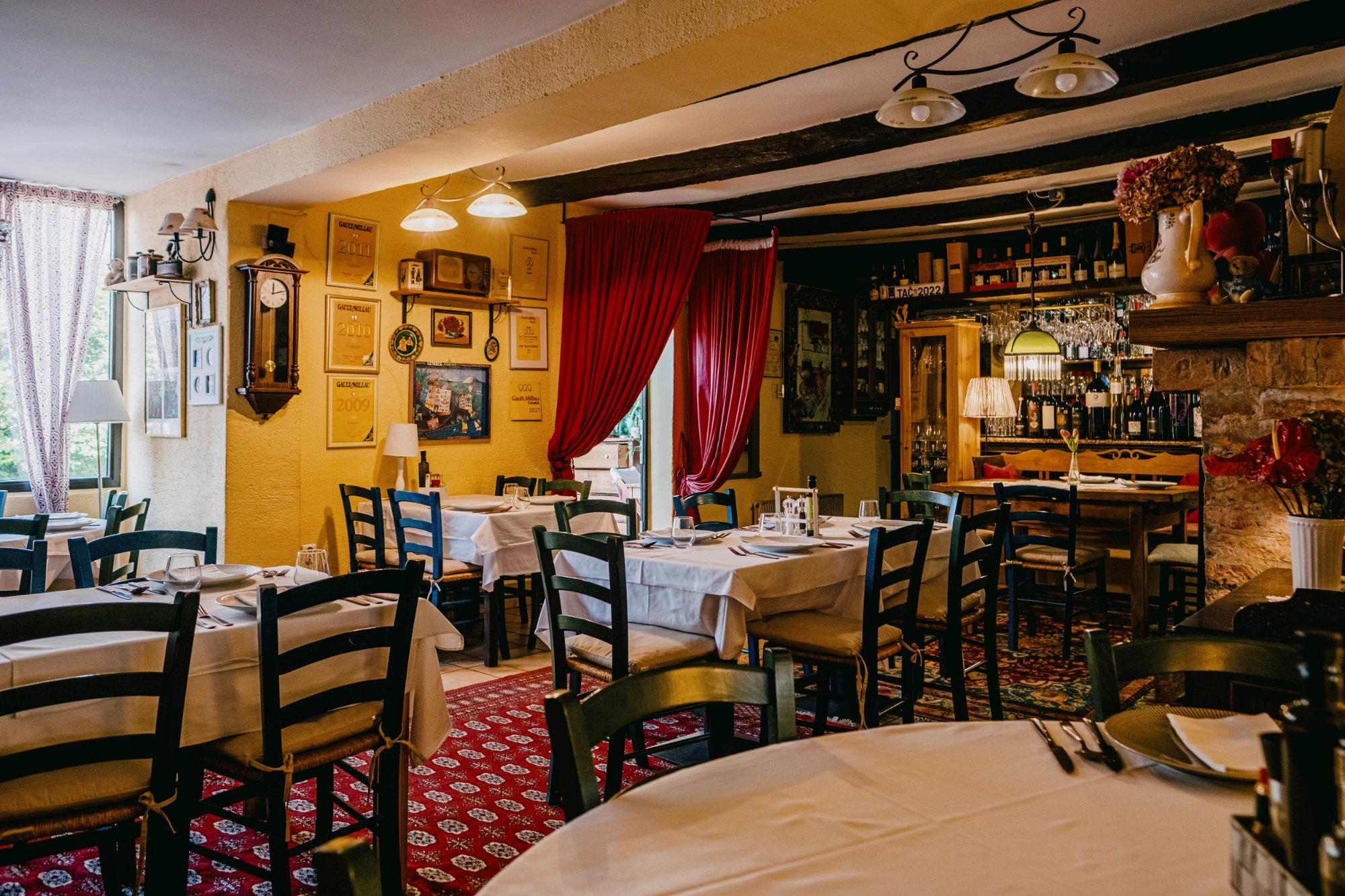
Bars in Zagreb
Browse all →
Hotels in Zagreb
Browse all →

At a Glance
- Rustic
- Classic
- Scenic
- Family
- Group Dining
- Casual Hangout
- Terrace
- Local Sourcing
- Skyline
Current opening hours
- Monday
- 10 AM–12 AM
- Tuesday
- 10 AM–12 AM
- Wednesday
- 10 AM–12 AM
- Thursday
- 10 AM–12 AM
- Friday
- 10 AM–12 AM
- Saturday
- 10 AM–12 AM
- Sunday
- 10 AM–12 AM
Hours can change for holidays and private events. Last verified .
Traditional Šestine style interior with rustic motifs, surrounded by greenery, offering a serene and authentic Croatian atmosphere.