Žmoht occupies an address on Zaloška cesta in Ljubljana's less-touristed eastern fringe, placing it at a remove from the Old Town restaurant circuit. The venue sits within a city dining scene that has grown increasingly attentive to sourcing ethics and low-waste kitchen discipline. For readers tracking where Ljubljana's food culture is heading, Žmoht represents that eastward shift in both geography and culinary orientation.
Pearl is the En Primeur Club membership app — saves, bookings, and concierge access live there. Same editors, same standards.
- Address
- Zaloška cesta 55, 1000 Ljubljana, Slovenia
- Phone
- +38640335886
- Website
- facebook.com
- Directions
- Get directions
 Saves & bookings on Pearl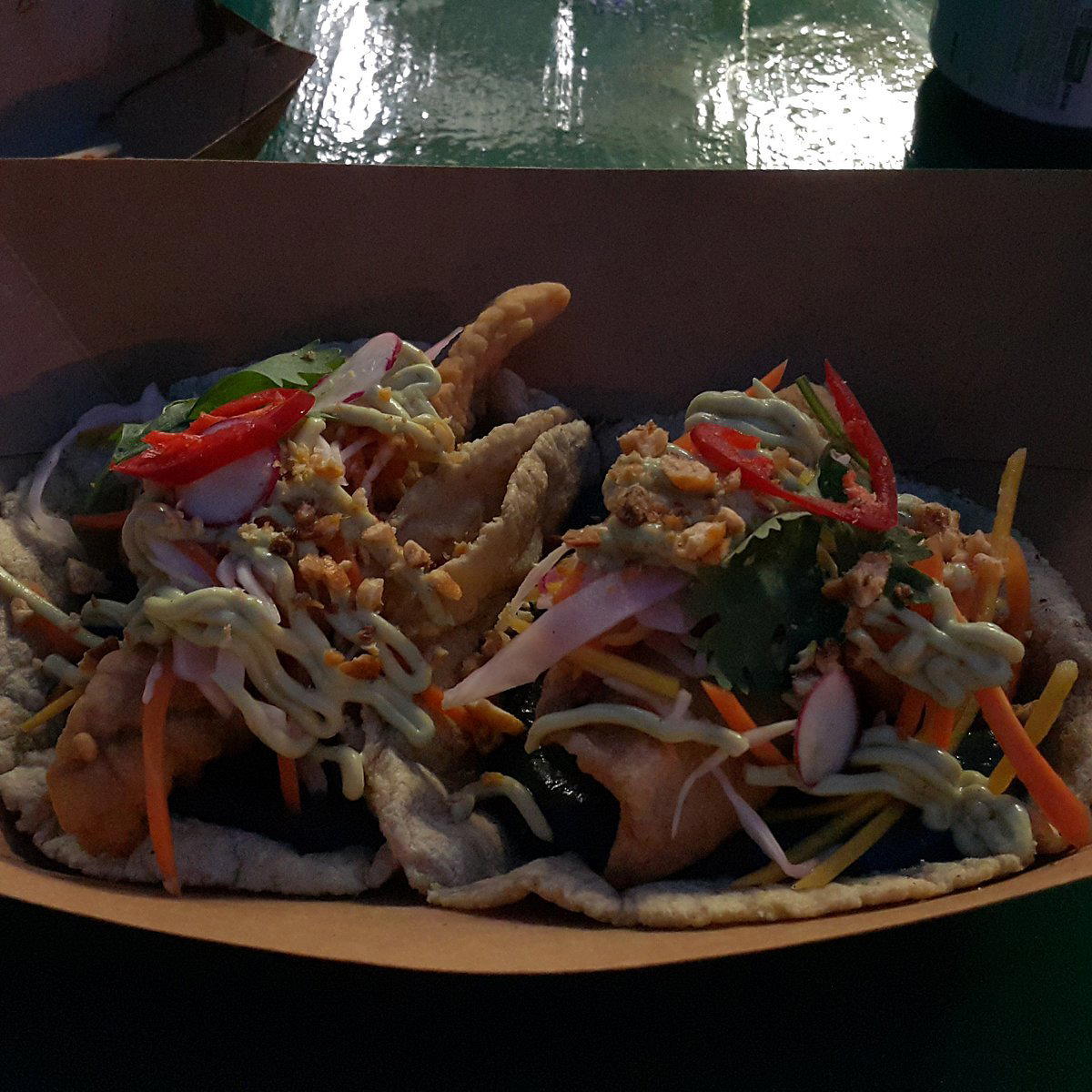
East of the Centre: Ljubljana's Quieter Dining Quarter
Ljubljana's restaurant conversation tends to concentrate in the Old Town and along the Ljubljanica riverbanks, where venues compete for the same tourist footfall and press attention. Žmoht is a restaurant in Ljubljana on Zaloška cesta 55, known for imaginative street food and priced at about $12 per person. The address at Zaloška cesta 55 puts Žmoht in a different register entirely. This is a working neighbourhood, east of the centre, where the dining public is predominantly local and the competitive pressure comes from within the community rather than from tripadvisor rankings. In a city that has produced some of Slovenia's most closely watched restaurants, the eastward drift of food-conscious openings reflects a broader pattern: as central rents rise and the tourist-facing dining circuit becomes more formulaic, kitchens with a point of view tend to migrate outward.
That pattern is visible across comparable European capitals of similar scale. The venues that end up shaping a city's food culture often start in low-visibility postcodes, building a regular clientele before the press catches up.
The Sustainability Frame: How Ljubljana's Kitchens Are Changing
Slovenia's restaurant scene has undergone a quiet but consistent shift toward ethical sourcing and low-intervention kitchen practice over the past decade. The country's size is partly responsible: with short supply chains between alpine farms, Karst producers, and the capital, it is more logistically practical for Ljubljana kitchens to source close to home than it is in larger markets. Hiša Franko in Kobarid brought international attention to this approach, demonstrating that a Slovenian address built around hyper-local, seasonally driven sourcing could compete with well-regarded rooms in Europe. The downstream effect on Ljubljana's own dining culture has been gradual but visible.
What sustainability means in practice varies considerably by venue and price tier. At the high end, places like Restavracija Strelec and AFTR fold ethical sourcing into menus that are already built around seasonality and Slovenian provenance. At the more accessible end, venues such as Altrokè anchor their regional cuisine identity to ingredient origin. The question for neighbourhood-facing rooms like Žmoht is whether sustainability practice translates into the daily discipline of a kitchen serving a local clientele who will return weekly, not annually.
That kind of repeat-customer accountability tends to enforce a different relationship with sourcing than destination dining does. You cannot rotate a seasonal menu past regulars who noticed it last week. Waste reduction becomes economically necessary, not just philosophically desirable. These are the structural conditions that tend to produce genuinely embedded sustainable practice rather than its aesthetic.
Where Žmoht Sits in the Ljubljana Price Tier
Ljubljana's restaurant market has stratified clearly over the past several years. A top tier of tasting-menu and Michelin-adjacent rooms sits above a mid-market band of bistros and contemporary venues, with a well-developed casual layer beneath. The comparison set drawn from Ljubljana's current scene illustrates the range: Restavracija Strelec operates in the €€€ bracket with a modern cuisine format; AFTR occupies the €€ tier with a similar culinary orientation; Altrokè and Abi Falafel represent the more accessible end of the market.
Žmoht's address and neighbourhood character suggest positioning in the mid-to-casual tier, where the dining public expects good-faith cooking without the overhead of a city-centre location folded into every bill. That positioning, if it holds, puts the venue in direct conversation with the everyday Ljubljana diner rather than with the visitor looking for a special-occasion table.
Slovenia's Wider Restaurant Momentum
The international visibility of Slovenian dining is no longer carried solely by Hiša Franko. A cluster of rooms across the country has earned Michelin recognition in recent guide cycles, shifting the perception of Slovenia from a transit country between Italy and the Balkans to a destination in its own right. Gostilna Pri Lojzetu in Vipava, Hiša Denk in Zgornja Kungota, Hiša Linhart in Radovljica, and Grič in Šentjošt nad Horjulom all represent the provincial depth of a scene that extends well beyond the capital. Milka in Kranjska Gora, Dam in Nova Gorica, Pavus in Lasko, and Gostilna Mlinar in Idrija add further range to the national picture, as does Gostišče Karavla 297 in Trzic.
Ljubljana itself benefits from this national momentum without being the sole carrier of it. The capital's neighbourhood venues, operating at lower price points and with less international scrutiny, absorb the influence of the country's higher-profile rooms and translate it into daily practice. That transmission is how food cultures actually develop. The equivalent dynamic in other markets, from the way Le Bernardin and Atomix in New York City set a technical standard that ripples outward into the borough dining scene, suggests that destination restaurants and neighbourhood rooms are not competing categories but sequential ones.
Allegria and the Neighbourhood Context
Allegria is among the Ljubljana venues that have built a local following outside the Old Town circuit, which offers a point of comparison for how neighbourhood-facing rooms develop their audiences. Venues on Ljubljana's periphery tend to hold their regulars through consistency and value rather than through press attention, which tends to reward a different kind of discipline in the kitchen.
Planning a Visit
Zaloška cesta 55 is reachable from the city centre by tram or a short drive east, placing it outside the immediate pedestrian zone but within practical distance for an evening out. Žmoht is walk-in friendly and open Monday through Friday from 11 AM to 4 PM.
Cost and Credentials
Comparable venues nearby, for context on price, style, and recognition.
| Venue | Cuisine | Price | Notes |
|---|---|---|---|
| ŽmohtThis venue — the venue you are viewing | Moste, Imaginative Street Food | $ | Not listed |
| Luda restaurant | Poljanska, Innovative Slovenian | $$ | Not listed |
| GELATERIA ROMANTIKA | Not listed | $$ | Ljubljana Old Town, Italian-Style Gelato with Slovenian Flavors |
| Cacao | Not listed | $$ | Center, Modern Cafe with Gelato & Patisserie |
| Ljubljanski dvor | Center, Wood-Fired Italian Pizzeria | $ | Not listed |
| Pub Lajbah | Trnovo, International Fusion Gastropub | $ | Not listed |
Continue exploring
More in Ljubljana
Restaurants in Ljubljana
Browse all →
Bars in Ljubljana
Browse all →
Hotels in Ljubljana
Browse all →
Wineries in Ljubljana
Browse all →
At a Glance
- Trendy
- Industrial
- Casual Hangout
- Open Kitchen
- Local Sourcing
- Street Scene
Current opening hours
- Monday
- 11 AM–4 PM
- Tuesday
- 11 AM–4 PM
- Wednesday
- 11 AM–4 PM
- Thursday
- 11 AM–4 PM
- Friday
- 11 AM–4 PM
- Saturday
- Closed
- Sunday
- Closed
Hours can change for holidays and private events. Last verified .
Casual container space with graffiti decor, providing an authentic and lively atmosphere for weekday lunches.