In the hill-country spa town of Sokobanja, ŽUPAN occupies an address at Jabukar 1 that signals a deliberate remove from the town's busier corridors. The setting frames a meal as an occasion rather than a transaction, placing it within a Serbian tradition where time at the table is unhurried and the progression of dishes carries social weight. For visitors making the drive from Niš or beyond, it is one of Sokobanja's more considered dining addresses.
Pearl is the En Primeur Club membership app — saves, bookings, and concierge access live there. Same editors, same standards.
- Address
- Jabukar 1, Sokobanja 18230, Serbia
- Phone
- +381641115837
- Website
- sr-rs.facebook.com
- Directions
- Get directions
 Saves & bookings on Pearl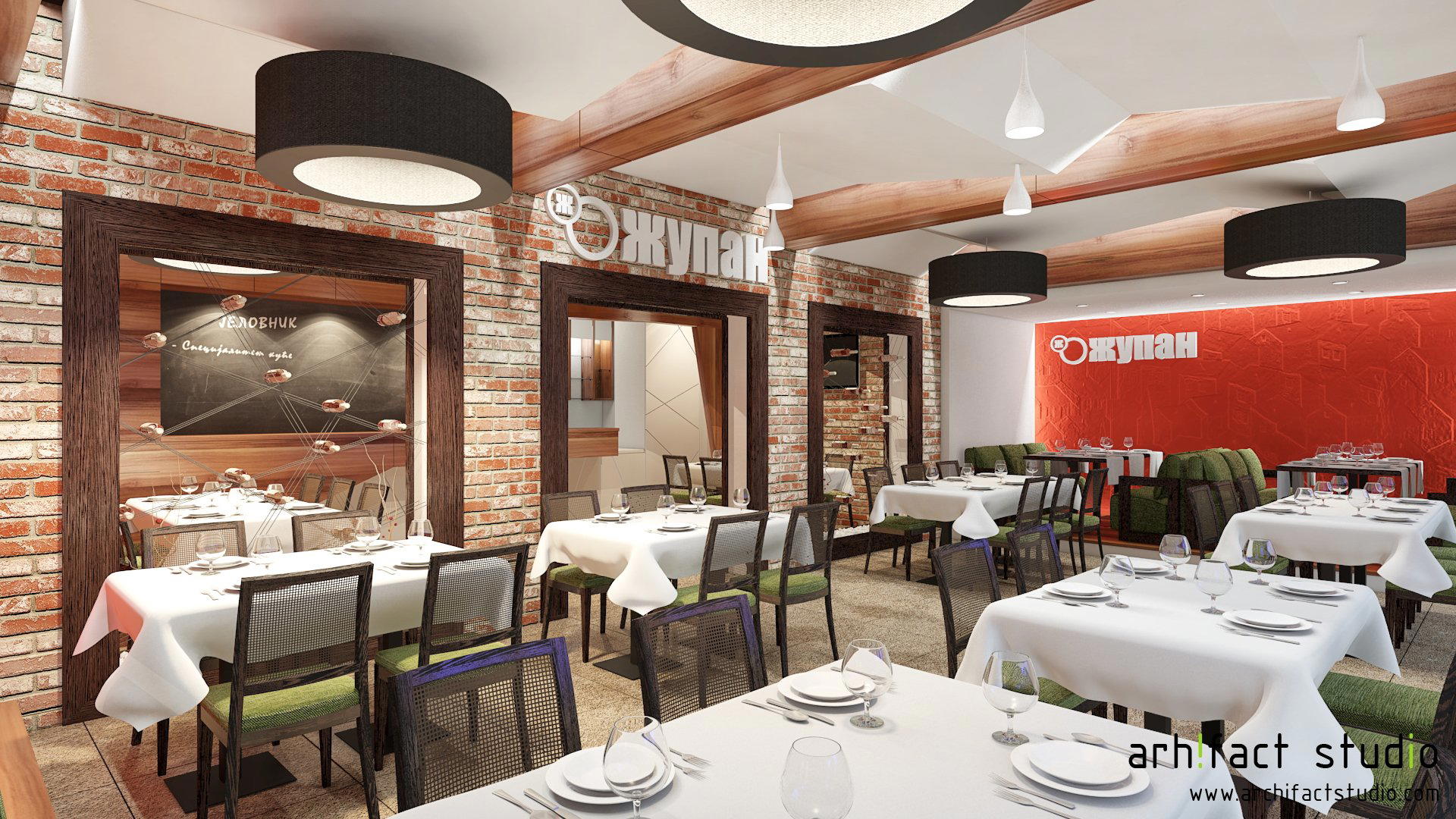
Sokobanja and the Rhythm of the Serbian Table
Sokobanja sits in a green valley in eastern Serbia, roughly 200 kilometres from Belgrade, and has functioned as a spa and health resort for well over a century. The town draws a particular kind of visitor: people who have made a deliberate choice to slow down. That orientation shapes its dining culture more than any single kitchen. Here, a meal is not a pause between activities; it is the activity. The tradition of the Serbian kafana and ethno-restoran runs deep in this part of the country, and the expectation at the table is that courses will arrive without urgency, that rakija will precede the food, and that the afternoon or evening will be measured in conversation rather than covers turned.
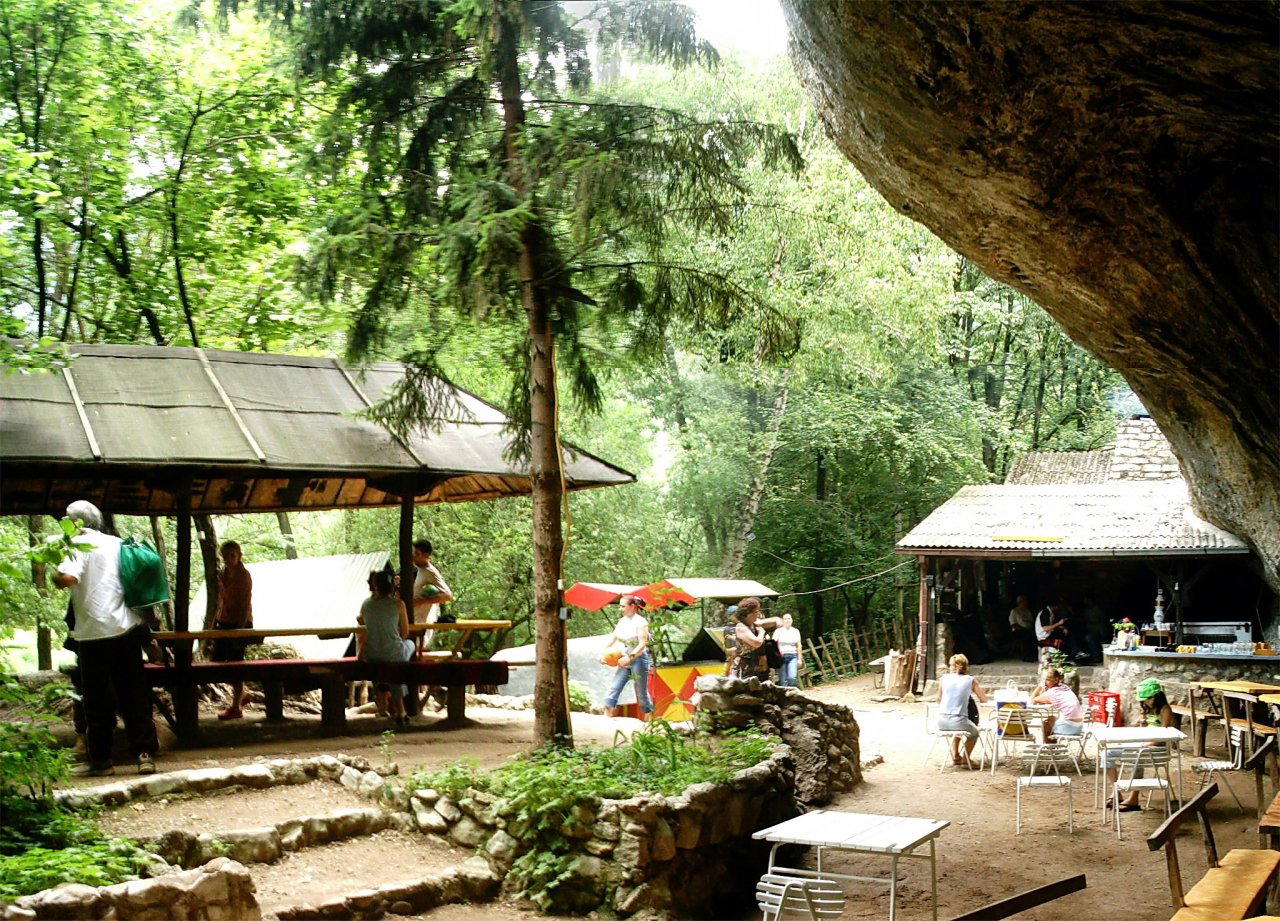
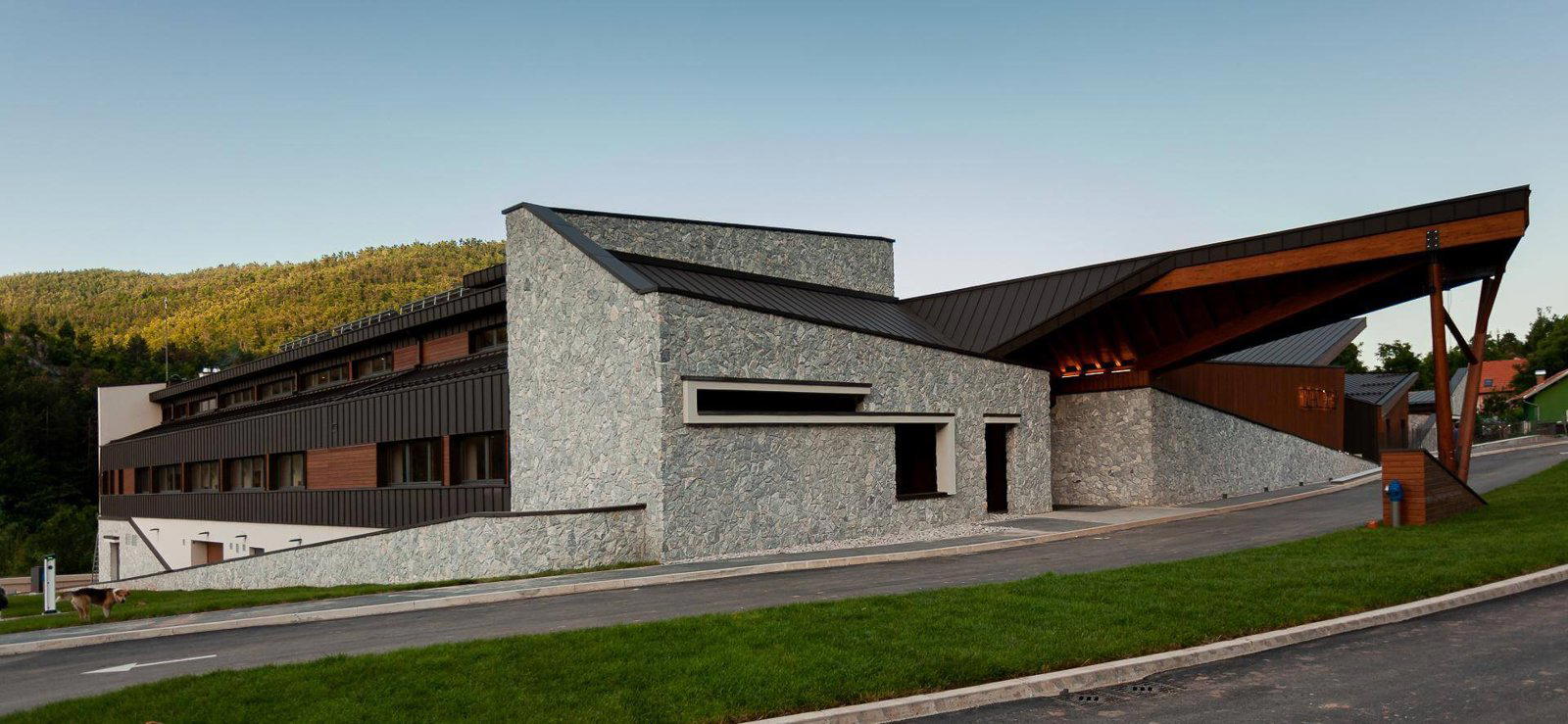
ŽUPAN, at Jabukar 1, sits within that tradition. The address places it at a slight physical distance from Sokobanja's central promenade, a positioning that tends to attract guests who already know where they are going rather than those drawn by window browsing. In a town where the dining options range from casual pizza spots like LAV PICERIJA to more atmospheric addresses such as PEĆINA MARKO POLO, ŽUPAN occupies a distinct register, one shaped by its name alone: župan is an old Slavic title for a regional lord or chieftain, carrying connotations of hospitality that is both generous and ceremonious.
The Architecture of a Meal Here
The Serbian dining ritual has a structure that Western European restaurant culture rarely replicates. It begins well before the main course arrives. A cold spread, the meze equivalent of the region, typically anchors the opening: cured meats, ajvar, kajmak, and seasonal pickled vegetables. These are not appetisers in the French sense, designed to sharpen appetite and clear the table quickly. They are the first act of a social contract between host and guest, and they carry an expectation that you will stay, eat slowly, and not treat the table as a transit point.
In an eastern Serbian context, that opening stage often extends across an hour or more before grilled meats or slow-cooked mains appear. The pacing at a place like ŽUPAN reflects the surrounding valley's pace rather than the tempo of an urban service model. For visitors accustomed to metropolitan restaurants where a two-hour table is considered generous, the shift in register can take a meal or two to fully absorb. For those already attuned to it, or for the Sokobanja regulars who return season after season, it is precisely the point.
Serbian central and eastern kitchens work within a canon that values smoke, char, and long preparation over technique-forward modernism. The grill is the primary instrument. Pljeskavica, ćevapi, and whole-roasted meats sit at the centre of most menus in this category of venue, accompanied by the kind of side dishes, roasted peppers, white bean salads, warm flatbreads, that function as counterweights rather than afterthoughts. For a broader picture of how this tradition plays out across Serbia's dining towns, the full Sokobanja restaurants guide offers useful orientation.
Where ŽUPAN Sits in Its Competitive Set
Across Serbian regional towns, restaurants in this category sit between two poles. At one end are the large ethno-restoran complexes designed for coach-party volumes, where the decor leans heavily on folkloric props and the cooking is scaled accordingly. At the other are smaller, family-run establishments where the kitchen output is tighter and the sense of occasion is quieter but more considered. ŽUPAN's positioning, a named venue on a defined address, suggests the latter orientation.
That positioning has parallels elsewhere in the region. Lovački dom in Valjevo operates in a similar register, anchoring its identity in a combination of local produce and a setting that amplifies the meal's sense of occasion. KAFANA DUKAT in Pirot and Etno Kuća Dinar in Vrsac represent the ethno-restoran format in its more developed form in other eastern Serbian towns. Further west, Kafana Pećinar Ljubiš in Cajetina and Kafana Studenac in Bajina Basta demonstrate how the kafana format adapts to mountain-town settings with their own seasonal produce logic.
The contrast with Belgrade's upper tier is worth noting for context. A meal at Langouste in Belgrade operates in an entirely different register, with contemporary technique, imported produce, and a price point that reflects metropolitan positioning. Regional venues like ŽUPAN draw their authority from the opposite set of signals: local sourcing, familiar formats, and a pace calibrated to the town rather than the capital. Neither model is subordinate to the other; they are simply answers to different questions.
Planning a Meal at ŽUPAN
Sokobanja is best reached by car from Niš, approximately 65 kilometres to the south, or from Zaječar to the northeast. The town functions as a short-break destination rather than an overnight transit stop, and most visitors arrive with at least one full day built into their itinerary. That travel profile aligns with the kind of unhurried lunch or dinner that a venue like ŽUPAN is suited to. Arriving with a local contact or via accommodation recommendation is one reliable approach. The restaurant's address at Jabukar 1 places it within the broader Sokobanja township rather than the central pedestrian zone, so a short drive or taxi from the town centre is likely required.
What It’s Closest To
Comparable venues nearby, for context on price, style, and recognition.
| Venue | Cuisine | Price | Notes |
|---|---|---|---|
| ŽUPANThis venue — the venue you are viewing | Serbian Grill & Traditional | $$ | Not listed |
| PEĆINA MARKO POLO | Serbian Barbecue & Grill | $$$ | Lepterija |
| LAV PICERIJA | Wood-Fired Pizza | $$ | Soko Banja Central |
| Koliba Etno Restoran | Traditional Serbian Leskovac Barbecue | $$ | Bobiste |
| Крофна Бар | Cafe | $$ | Kragujevac |
| ETNO PODRUM BRKA | Traditional Serbian | $$ | Jelašnica |
Continue exploring
More in Sokobanja
Restaurants in Sokobanja
Browse all →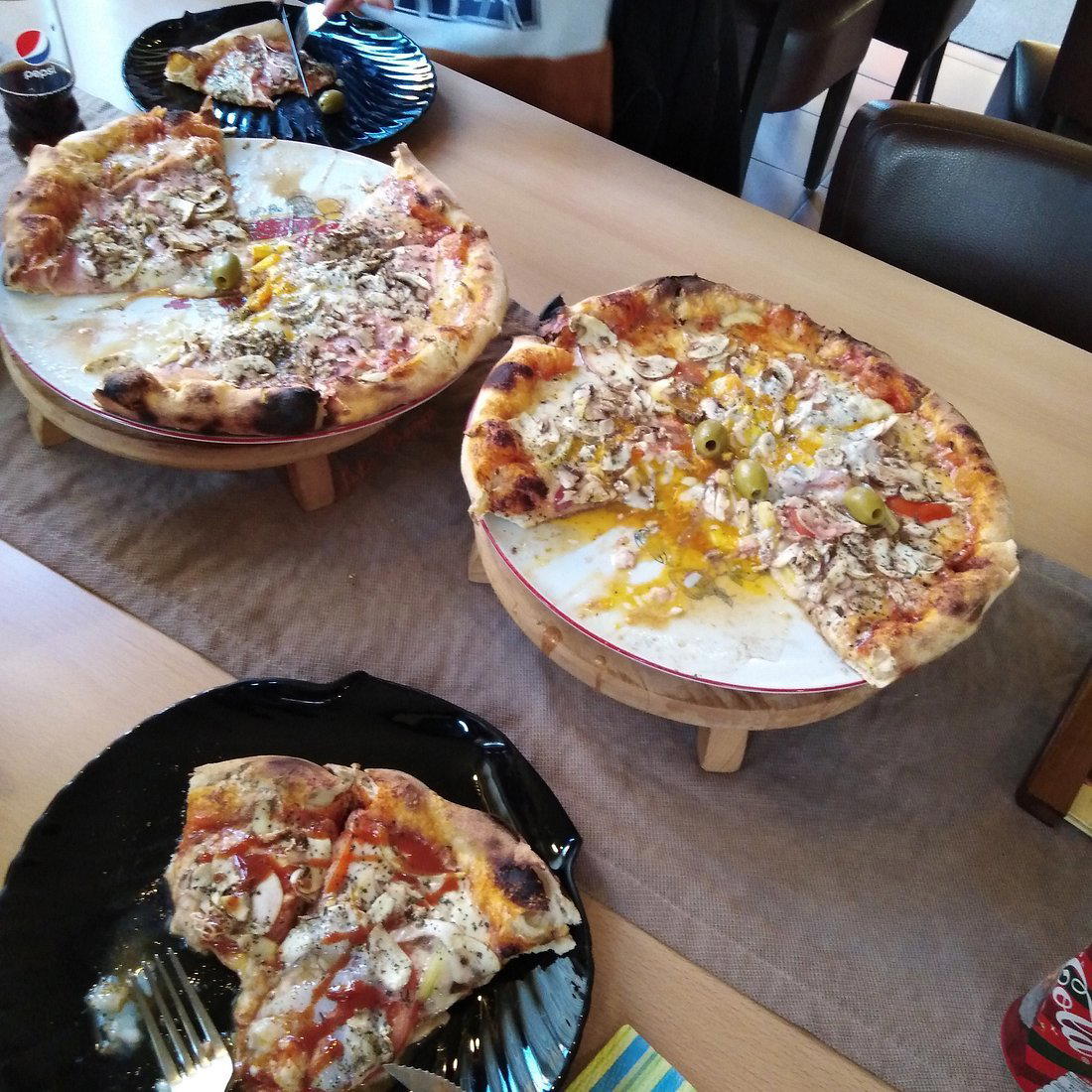
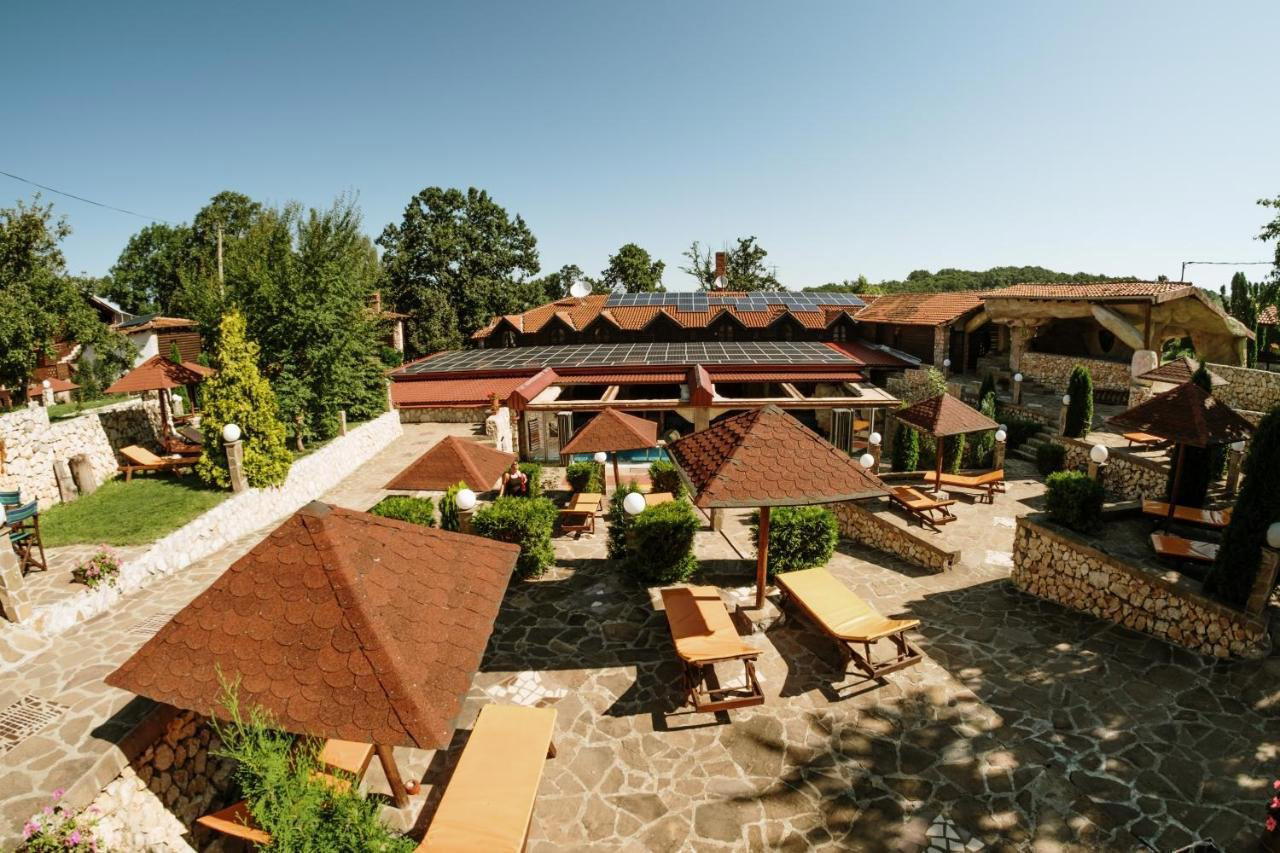
Hotels in Sokobanja
Browse all →
Wineries in Sokobanja
Browse all →
At a Glance
- Classic
- Cozy
- Rustic
- Family
- Casual Hangout
- Terrace
- Local Sourcing
Current opening hours
- Monday
- 8 AM–10 PM
- Tuesday
- 8 AM–10 PM
- Wednesday
- 8 AM–10 PM
- Thursday
- 8 AM–10 PM
- Friday
- 8 AM–10 PM
- Saturday
- 8 AM–10 PM
- Sunday
- 8 AM–10 PM
Hours can change for holidays and private events. Last verified .
Pleasant ambient with air conditioning, nice interior design, terrace for live music, spacious and clean with relaxing music.