Краљев Чардак sits on Nikole Pašića in Pirot, southeastern Serbia, positioned within a dining scene where traditional kafana formats and regional cooking remain the dominant register. The address places it in the working fabric of a city that has held onto its culinary identity longer than most provincial Serbian towns, where grilled meats, slow-cooked stews, and local rakija still define how people eat out.
Pearl is the En Primeur Club membership app — saves, bookings, and concierge access live there. Same editors, same standards.
- Address
- Nikole Pasica, Pirot 18300, Serbia
- Phone
- +38110345975
- Website
- kraljev-cardak.ls.rs
- Directions
- Get directions
 Saves & bookings on Pearl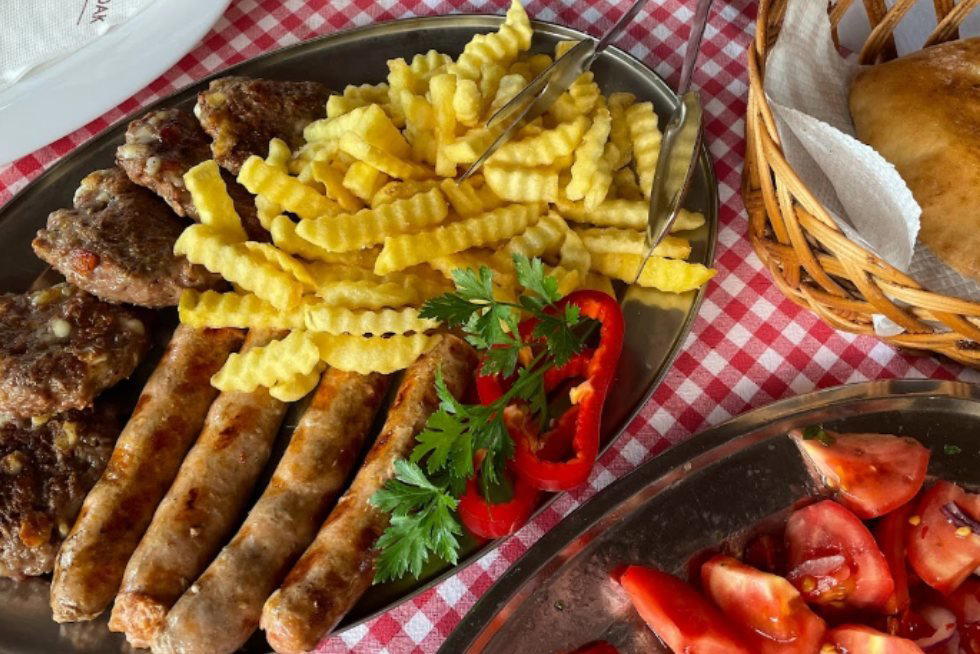
Where the Kafana Tradition Runs Deepest
Pirot occupies an interesting position in Serbia's provincial dining map. Situated in the Nišava river corridor near the Bulgarian border, it has remained relatively insulated from the westernizing pressures that reshaped Belgrade's restaurant scene across the 2010s. The result is a city where the kafana, Serbia's foundational dining institution, part tavern, part community hall, part long-table feasting room, continues to operate as the primary format for serious eating, not as nostalgia tourism but as everyday practice.
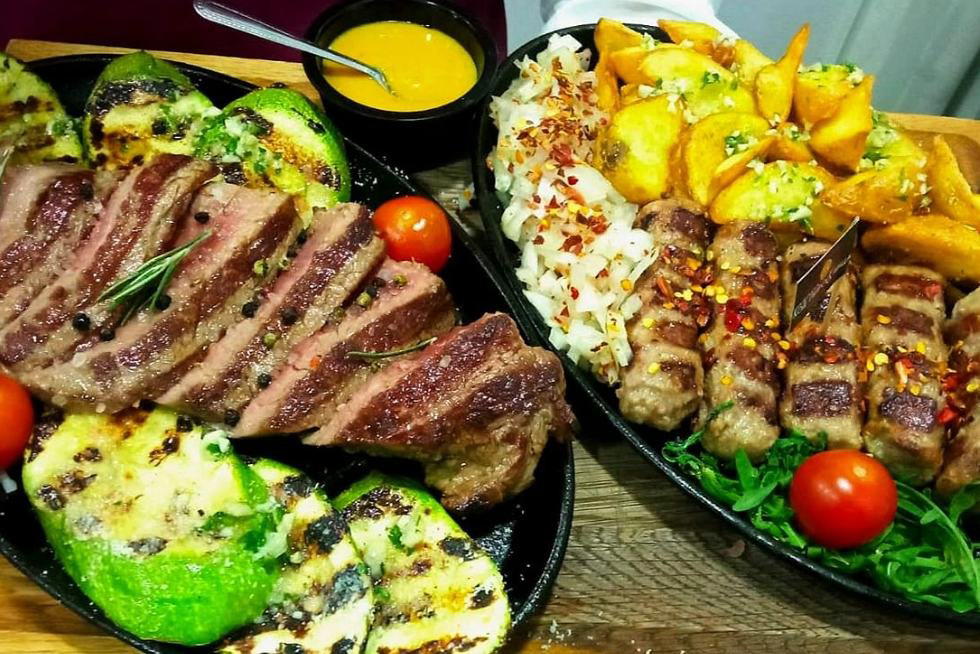
Краљев Чардак (Kraljev Čardak, or "The King's Bower") is a restaurant in Pirot, Serbia, serving Traditional Serbian Barbecue at a casual price tier. The name itself draws on the architectural vocabulary of the čardak tradition, the refined, timber-framed structure historically associated with Serbian rural nobility and landowners, a form that carried associations of hospitality, abundance, and a certain ceremonial weight around food. In that framing, the name is doing editorial work before you sit down: this is a place that positions itself within a specific register of Serbian dining culture, one that values the table as a place of some consequence.
Reading the Menu Architecture
In Serbian provincial restaurants operating within the kafana or čardak tradition, the menu structure itself functions as a cultural document. Typically, these formats follow a logic that moves from cold appetisers (meze) through grilled meats and hearty mains, with the grill section often representing the kitchen's primary statement. The architecture is not particularly chef-driven in the contemporary sense; it is repertoire-driven, shaped by regional availability, local expectation, and the rhythms of the wood-fire or charcoal grill that anchors most kitchens of this type.
The čardak format, specifically, tends to emphasize a slightly more elaborate presentation than a standard kafana, with more attention to the cold table, to fish dishes where a river or regional source permits, and occasionally to game, which in the Pirot area reflects the proximity to the Stara Planina mountain range. The category logic sets a clear expectation: this is not a menu designed around a single chef's tasting arc. It is a menu designed around the table, around sharing, and around the sequence of eating that has defined Serbian hospitality for well over a century.
The differentiation between venues at this tier tends to come from sourcing specifics, grill technique, and the quality of the cold table, the small details that separate a perfunctory execution of tradition from one that takes the repertoire seriously.
The comparable set and What It Implies
Краљев Чардак sits in a familiar local cafana and čardak register. KAFANA DUKAT and KOD PIROĆANCA represent the city's core kafana format, informal, grounded, price-accessible. Cafe Boem sits at a slightly different angle, with a café-restaurant hybrid character that serves a different part of the day and a different mood. Краљев Чардак's name positioning suggests it operates in a register that aspires to something slightly more ceremonial than a neighbourhood kafana, closer in spirit to the čardak dining houses found along river valleys elsewhere in Serbia, think the Danube-side formats like ČARDA ZLATNA KRUNA in Apatin, which share a similar vocabulary of refined rustic hospitality.
Across Serbia more broadly, this category of dining, the traditional čardak or ethno-restaurant, runs from the straightforwardly local to the genuinely accomplished. Places like Etno Kuća Dinar in Vršac and Kod Brana in Čačak show what the format looks like when sourcing and kitchen discipline are taken seriously.
The Atmosphere You Should Expect
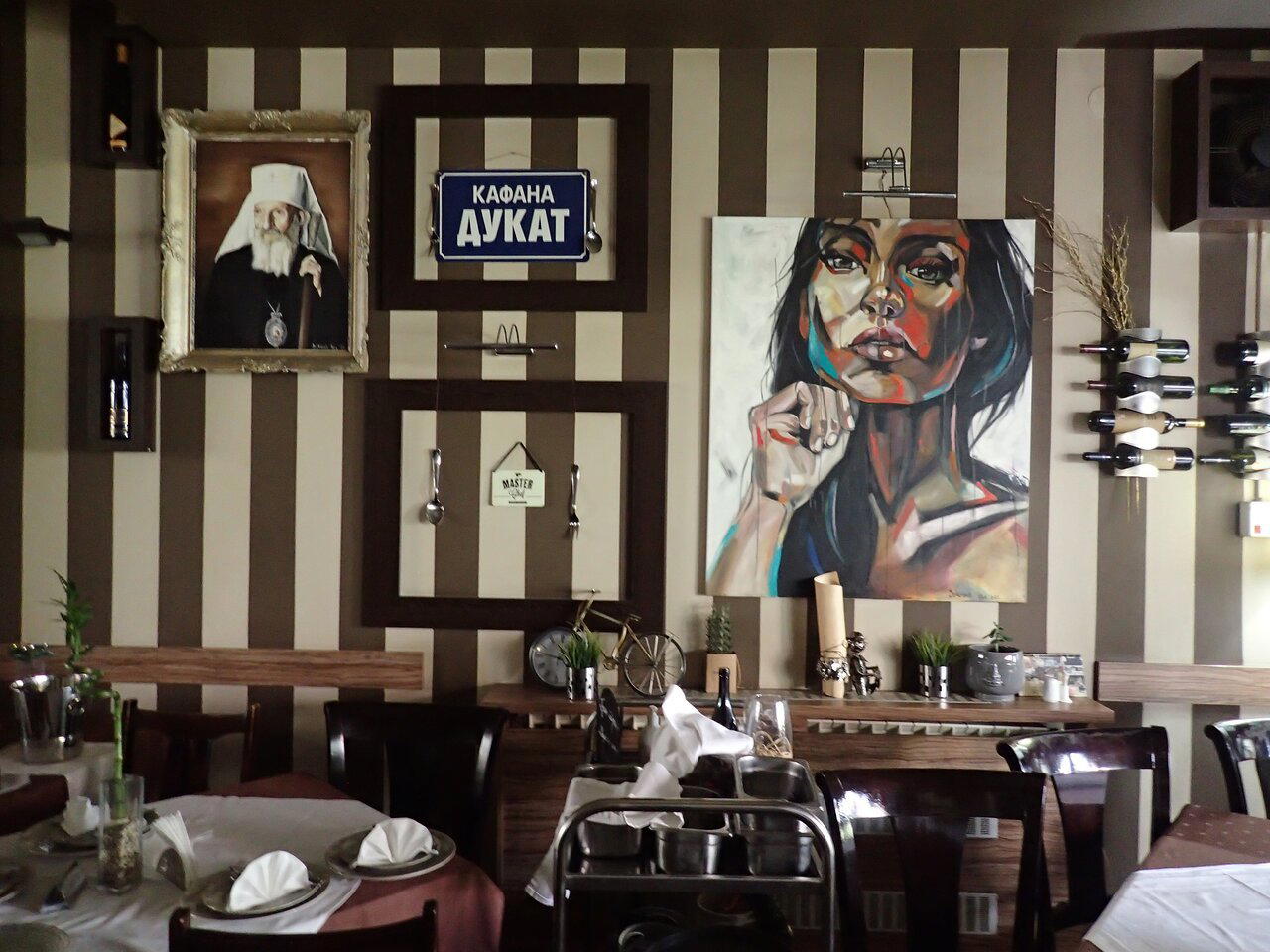
The čardak format, when it holds to its typology, offers a particular atmosphere: warm, slightly ceremonial without being formal, built around tables large enough for groups and an environment that rewards lingering. The décor register typically draws on folk-craft elements, textiles, wood joinery, ceramics, as markers of regional identity rather than generic Balkan theming. In Pirot specifically, local craft traditions are unusually well-documented (the Pirot kilim carpet is among the more recognised folk textile traditions in the region), and venues that reference this heritage do so against a specific and identifiable cultural background, not a generic rural aesthetic.
In Serbian restaurant culture at this tier, the expectation is that a meal runs long. Meze appears early and is replenished; the grill arrives at its own pace; rakija and local wine are measured in rounds rather than by the glass. This is not a format designed for a 60-minute turn. Visitors who arrive on a linear dining schedule tend to read it wrong. The rhythm is the point.
Planning a Visit
Pirot is approximately 330 kilometres southeast of Belgrade via the E80 motorway, a drive of roughly three to three and a half hours depending on traffic through Niš. The city is also accessible by rail, with the Belgrade-Sofia line serving Pirot station, though journey times are longer and schedules less frequent than the road option. For those travelling through the region on a wider circuit of southeastern Serbia, Pirot pairs naturally with Niš, which sits about 55 kilometres to the northwest along the same corridor and carries a considerably denser restaurant scene, including options like Lovački dom in Valjevo if your circuit extends further into central Serbia.
Reservations are recommended. For venues of this type in provincial Serbian cities, walk-in is the standard approach for weekday meals; weekend evenings, particularly for groups, may benefit from a call ahead if contact information becomes available. The address on Nikole Pašića provides the location anchor.
Standing Among Peers
Comparable venues nearby, for context on price, style, and recognition.
| Venue | Cuisine | Price | Notes |
|---|---|---|---|
| Краљев ЧардакThis venue — the venue you are viewing | Traditional Serbian Barbecue | $$ | Not listed |
| ETNO KOMPLEKS NIŠAVSKA DOLINA | Traditional Serbian Pirot Cuisine | $$ | Pirot |
| KOD PIROĆANCA | Traditional Serbian BBQ | $$ | Pazar |
| KAFANA DUKAT | Authentic Serbian Kafana | $$ | Pazar |
| Cafe Boem | Serbian Traditional Tavern | $$ | Lava Tolstoja |
| Vitina Iža | Authentic Serbian | $$ | Tijabara |
Continue exploring
More in Pirot
At a Glance
- Rustic
- Classic
- Cozy
- Family
- Group Dining
- Casual Hangout
- Historic Building
- Garden
Current opening hours
- Monday
- 12–9:30 PM
- Tuesday
- 12–9:30 PM
- Wednesday
- 12–9:30 PM
- Thursday
- 12–9:30 PM
- Friday
- 12–9:30 PM
- Saturday
- 12–9:30 PM
- Sunday
- 11 AM–5 PM
Hours can change for holidays and private events. Last verified .
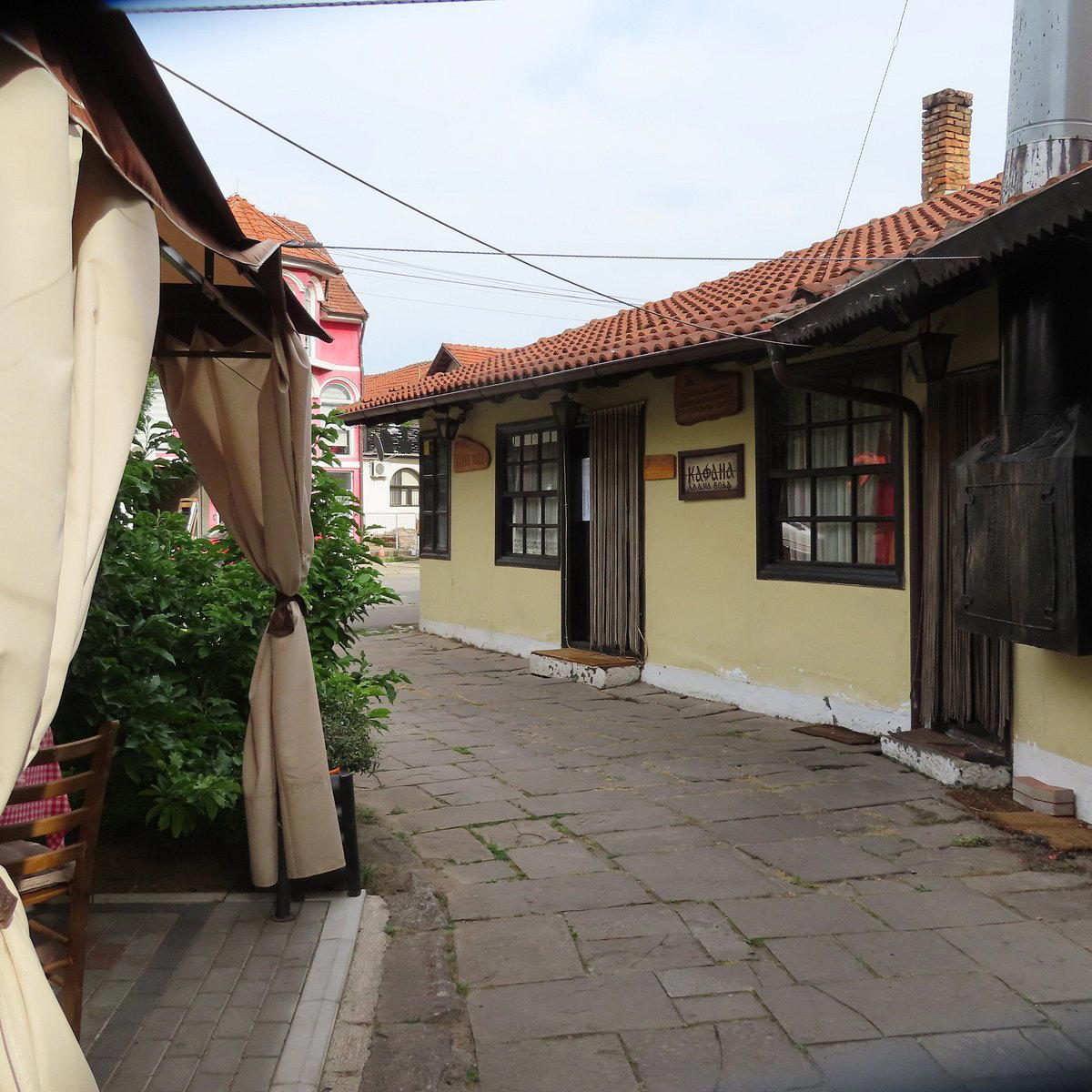
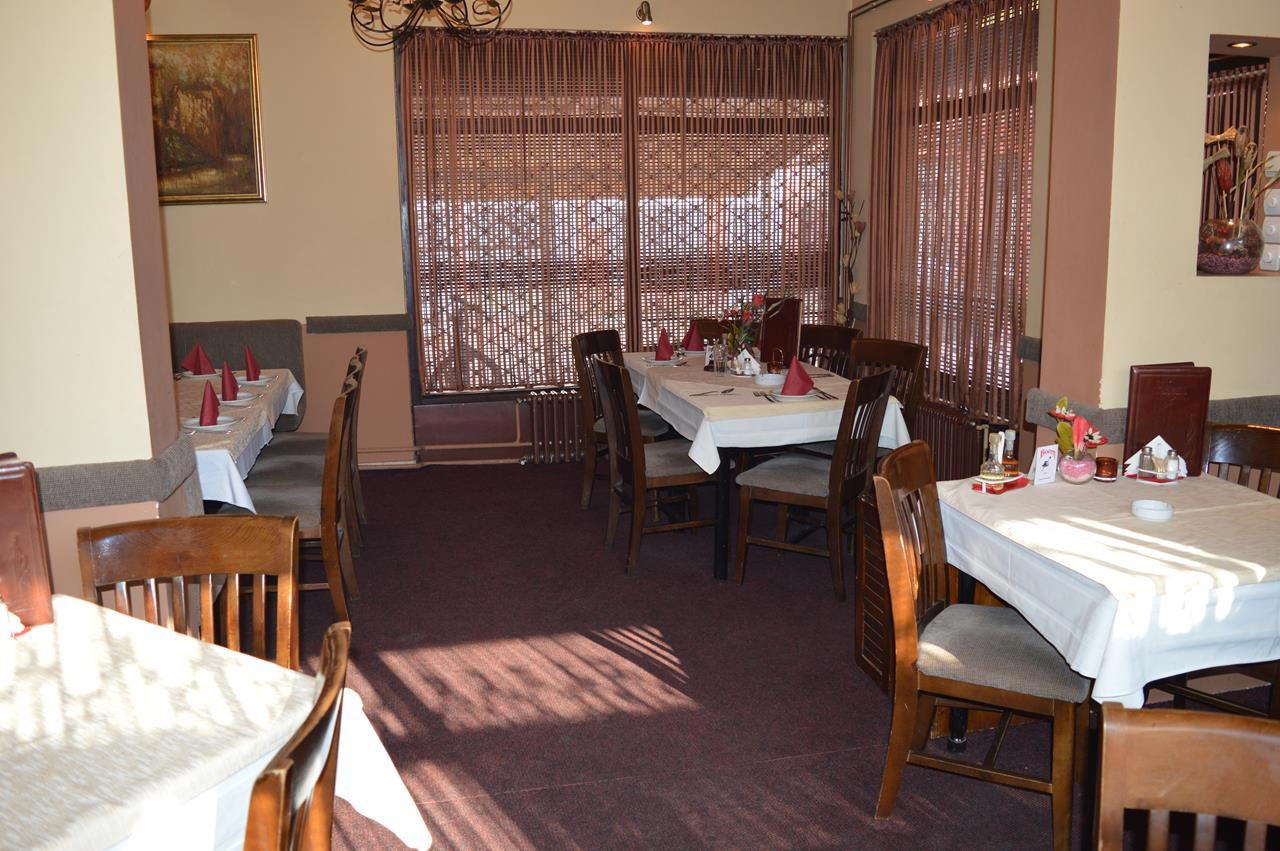
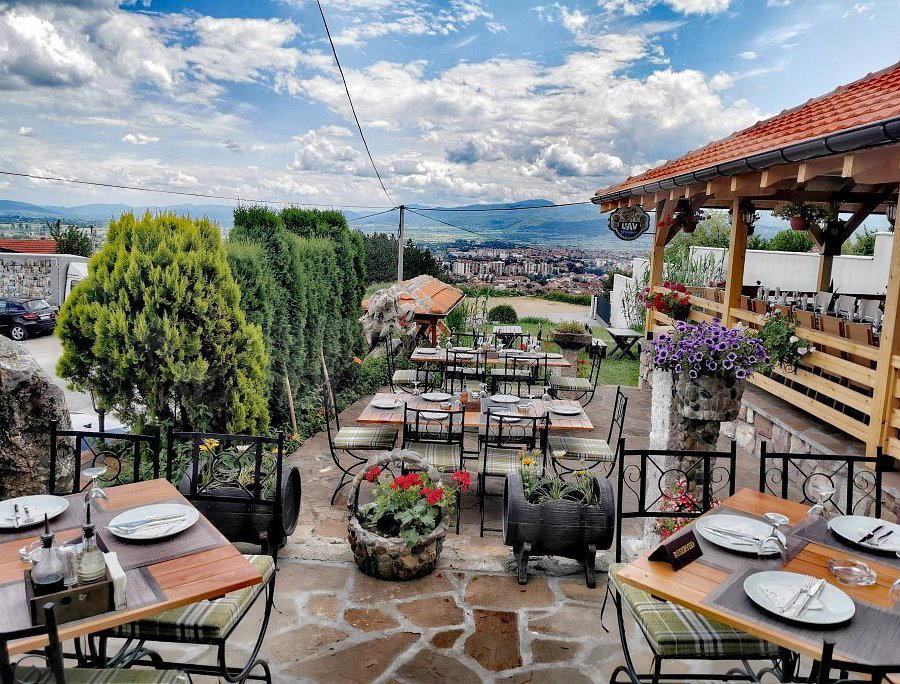
Traditional Serbian interior with pleasant outdoor garden area featuring water effects, creating a cozy and authentic atmosphere.