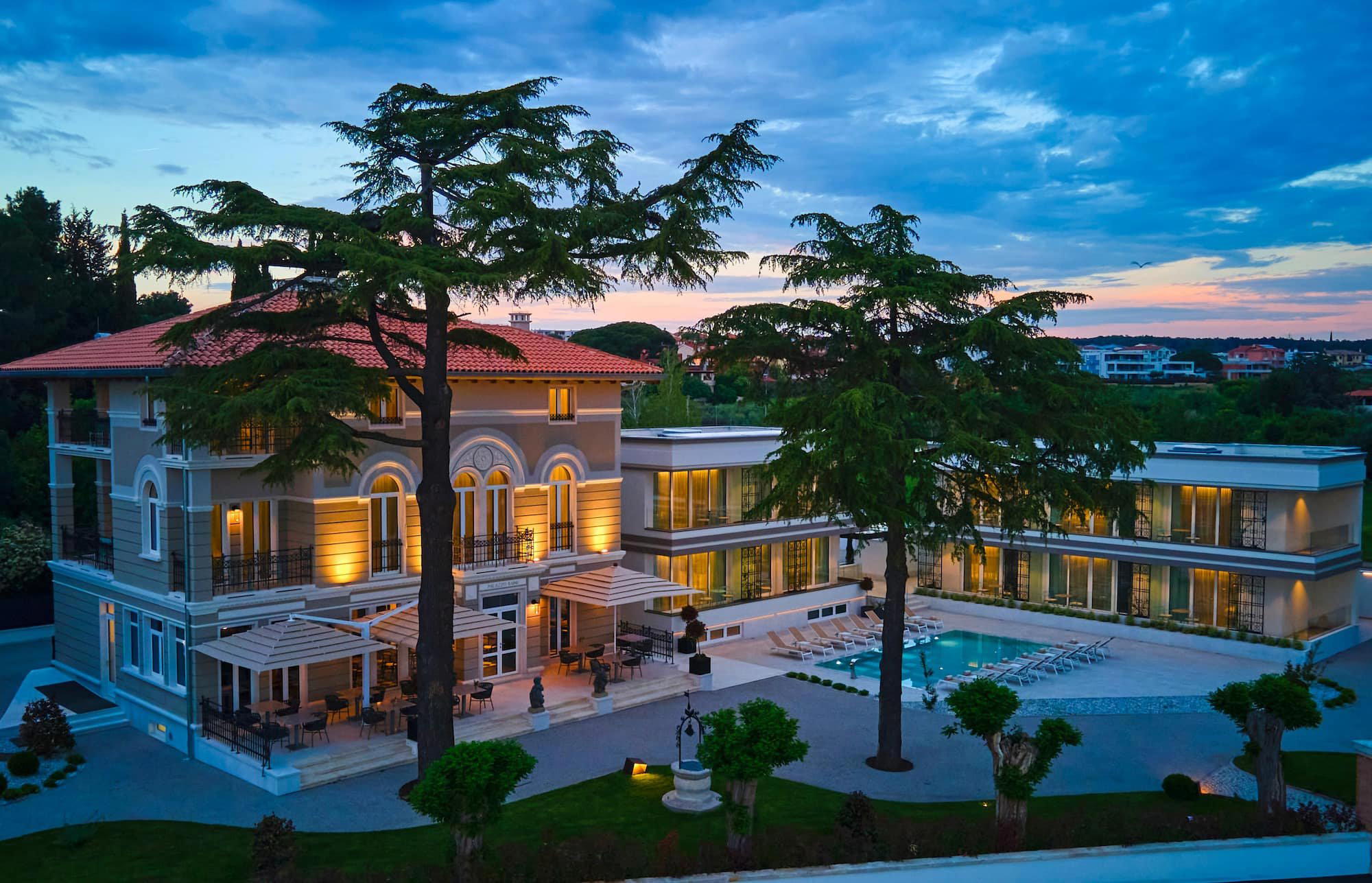
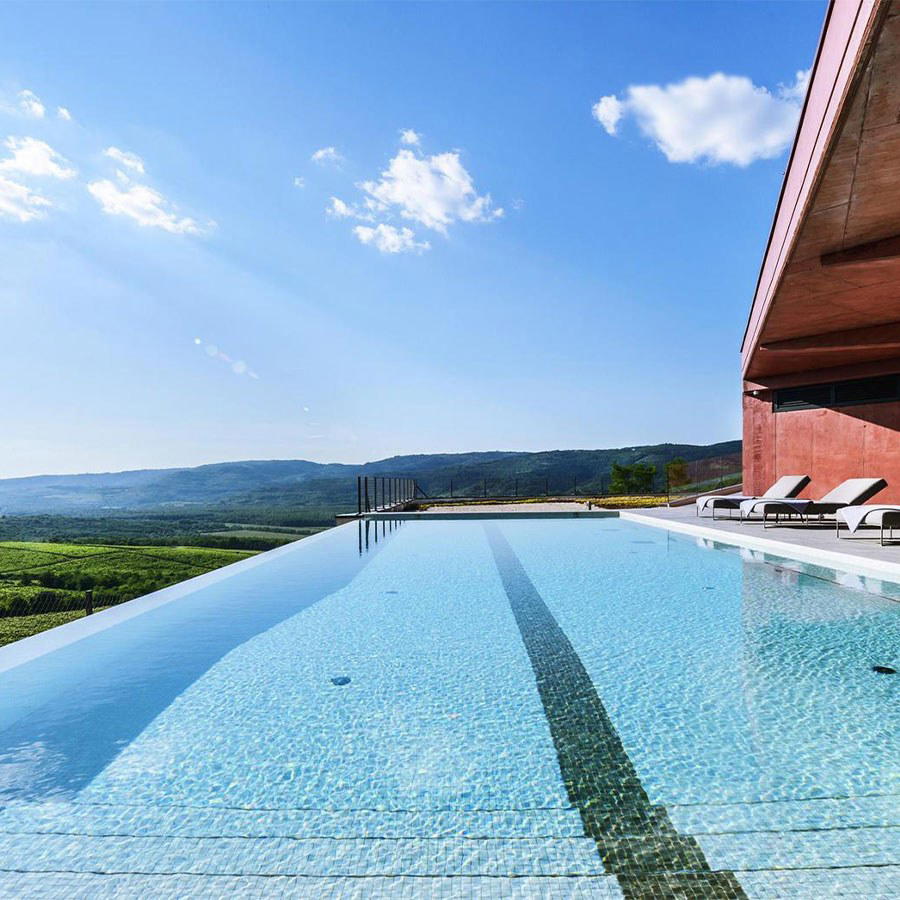
Žardin brings Traditional Dalmatian Agritourism to a standalone garden setting in Valentici, with local sourcing, vineyard views, house wine, and seasonal vegetable dishes for leisurely lunch or dinner.
Pearl is the En Primeur Club membership app — saves, bookings, and concierge access live there. Same editors, same standards.
- Address
- Kovači 13b, 52464, Kovači, Croatia
- Phone
- +38552455313
- Website
- istrabiz.hr
- Directions
- Get directions
 Saves & bookings on Pearl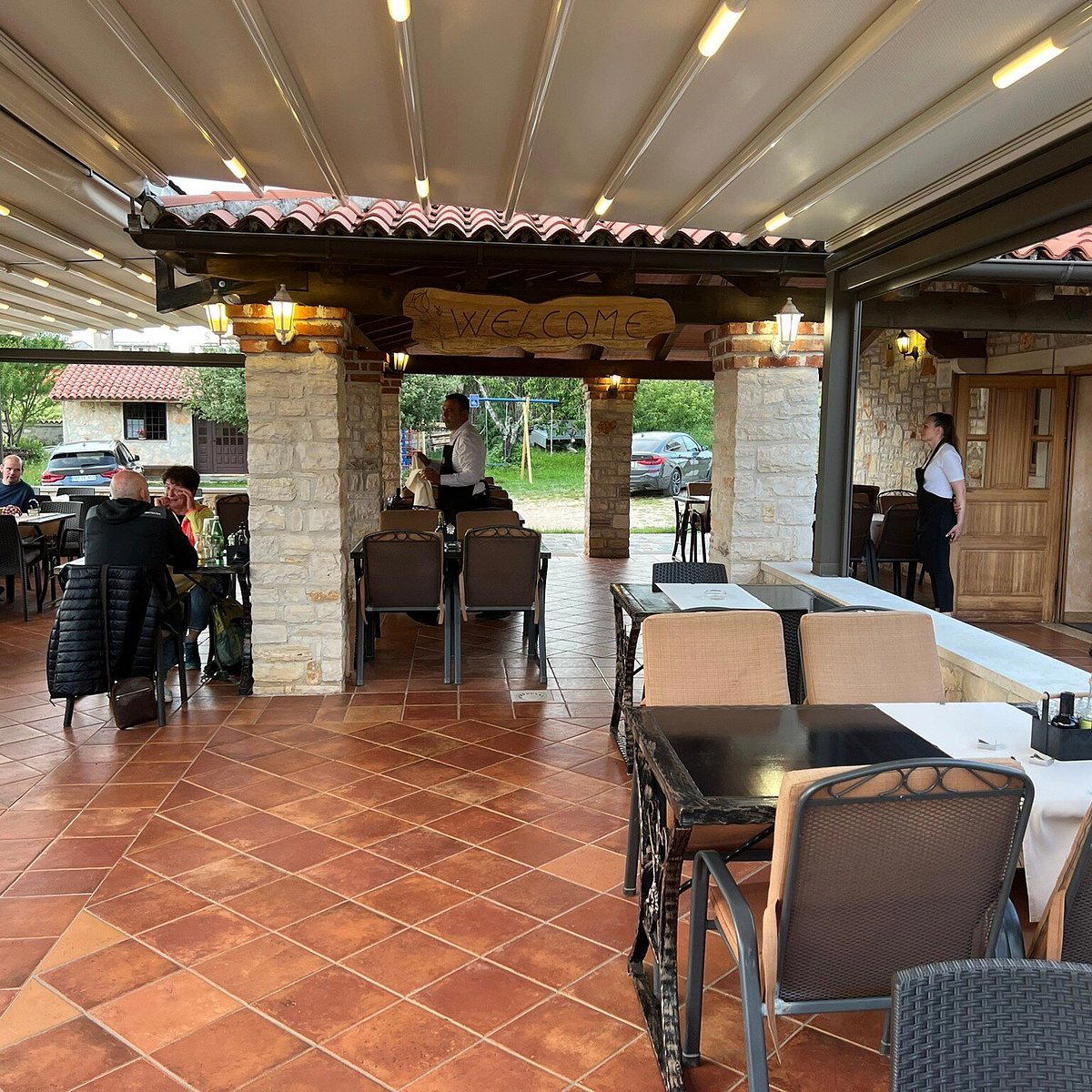
Istria's Interior, on a Plate
Žardin is a restaurant in Kovači, Croatia, where the road narrows, the terraced stone gives way to a courtyard, and the ambient sound shifts from traffic to the low industry of a kitchen at work. This is the setting for Žardin, a restaurant positioned not in Istria's tourist circuit of coastal promenades and marina-adjacent terraces, but in the agricultural inland where the peninsula's actual larder sits. The physical approach, arriving at an address in a hamlet outside Valentici rather than a harbour-front strip, says something about what the kitchen prioritises before a single dish arrives.
Inland Istrian dining has developed a distinct identity over the past two decades, one shaped more by proximity to truffle grounds, sheep pastures, and vegetable smallholdings than by the Mediterranean seafood logic that defines the coast. Restaurants operating in this tradition tend to source within a compressed radius, not as a marketing position but as a practical consequence of where they sit. Žardin occupies that geography. The Kovači address places it within the Istrian interior's network of producers, an area whose soil and climate produce the white truffle and the wild asparagus that have come to define the region's premium dining identity internationally.
The Sourcing Logic of Istrian Cuisine
To understand what a kitchen like this works with, it helps to map Istria's ingredient geography. The peninsula's interior, particularly the zone around Buzet and the Mirna River valley, accounts for the majority of Croatia's white truffle harvest, with volumes that rival Alba in certain autumn seasons. This is not background detail. It is the structural fact around which the inland restaurant economy has organised itself. Dining rooms in Valentici and the surrounding villages are not importing premium ingredients from a distance; they are, in many cases, sourcing from the next field or the next valley.
Wild asparagus, foraged in spring from the scrubland edges of Istrian hillsides, follows a similarly tight circuit. The sheep's milk cheese produced by Istrian flocks has a salinity and texture shaped by the coastal herbs the animals graze on, making it difficult to replicate with substitute ingredients from further afield. Olive groves across the peninsula produce oils that have won repeated international recognition in production-quality competitions. A kitchen situated in this environment, if it is paying attention, is working with a depth of local ingredient culture that coastal venues often cannot match despite the premium price signals those venues send.
Where Žardin Sits in the Croatian Dining Picture
Croatia's premium dining tier has concentrated in a handful of cities and resort towns: Dubrovnik, where Restaurant 360 and Nautika operate at the summit of the international visitor market; Split, where Krug in Split has carved a position in modern Croatian cooking; Zagreb, where Dubravkin Put anchors the capital's serious dining offer. Istria's interior operates at a remove from all of these. The competitive set here is not other restaurants in the same price tier chasing the same high-season tourist. It is other village-scale establishments working with the same local suppliers and the same seasonal constraints.
That structural difference matters for how a visitor should calibrate expectations. Inland Istrian restaurants are not trying to compete with LD Restaurant in Korčula or Nebo by Deni Srdoč in Rijeka on format or presentation. They are operating inside a different logic entirely, one where the quality signal comes from ingredient proximity and seasonal honesty rather than from tasting-menu architecture or a sommelier programme. Visitors accustomed to restaurants in Dubrovnik's old town or Rovinj's harbour will need to adjust the frame through which they read the experience. Comparable recalibrations are worth making for Boskinac in Novalja and Korak in Jastrebarsko, both of which operate in non-urban contexts with their own sourcing logic. Further afield, BioMania Bistro Bol in Bol takes a related approach on Brač island.
Planning a Visit
Getting to Kovači requires a car. The village is not served by public transport, and the address at Kovači 13b places the restaurant in a settlement that sits outside any practical walking or cycling range from Poreč, Pula, or Rovinj. For visitors basing themselves on the Istrian coast, the drive into the interior is itself part of the experience: terraced vineyards, olive groves, and unmarked farm tracks that feed into the main road. Seasonal timing matters here more than at most coastal restaurants. The truffle season (autumn for white, winter for black) and the wild asparagus window (early spring) are the periods when Istrian interior kitchens are working with their most characterful local ingredients. Arriving outside those windows is not a reason to avoid the visit, but it changes what the kitchen has to work with.
The Wider Istrian Interior Context
Inland Istria has been quietly building a dining identity distinct from the coast for long enough that it now registers as a category rather than an anomaly. The region shares some of the structural conditions that have produced serious food culture in other European agricultural interiors: compressed supply chains, seasonal menus determined by genuine availability rather than menu-planning cycles, and a clientele that includes as many regional regulars as international visitors. The contrast with Istria's more visited coastal strip is instructive. Towns like Rovinj and Poreč draw international visitors in volume, which creates restaurant economics oriented around throughput and visual appeal. The interior, with lower footfall and a different visitor profile, supports a quieter kind of restaurant culture. Žardin's address in Kovači, rather than on a terrace above the Adriatic, places it firmly inside that quieter tradition. For those tracking Croatia's broader dining development, venues like Alfred Keller in Mali Losinj, Bodulo in Pag, Burin in Crikvenica, Cantilly Garden Restaurant in Samobor, and Cubo in Opatija collectively illustrate how Croatian dining has distributed itself across geography and format beyond the headline destinations. Even globally, ingredient-led approaches in focused settings find parallels at restaurants like Le Bernardin in New York City and Atomix in New York City, where sourcing discipline underpins the entire offer.
Fast Comparison
Comparable venues nearby, for context on price, style, and recognition.
| Venue | Cuisine | Price | Notes |
|---|---|---|---|
| ŽardinThis venue — the venue you are viewing | Traditional Dalmatian Agritourism | $$ | Not listed |
| Pod Napun | Traditional Istrian | $$ | Motovun |
| Amfiteatar Restaurant | Mediterranean and Istrian with Modern Twist | $$ | Pula Arena |
| Konoba Bare | Modern Istrian Mediterranean | $$ | Funtana |
| Mondo | Modern Istrian Truffle Cuisine | $$ | Motovun |
| Veli Jože | Traditional Istrian Seafood | $$ | Old Town |
Continue exploring
More in Valentici
Restaurants in Valentici
Browse all →
Bars in Valentici
Browse all →
Hotels in Valentici
Browse all →

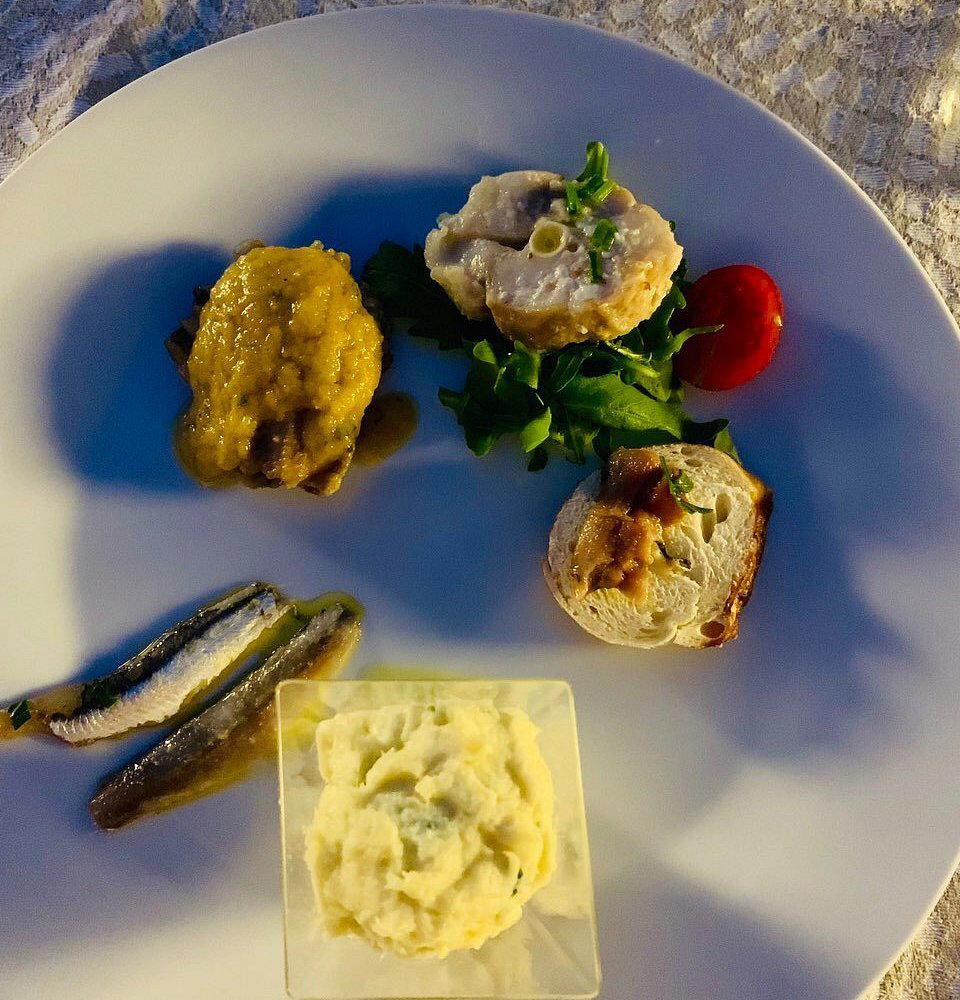
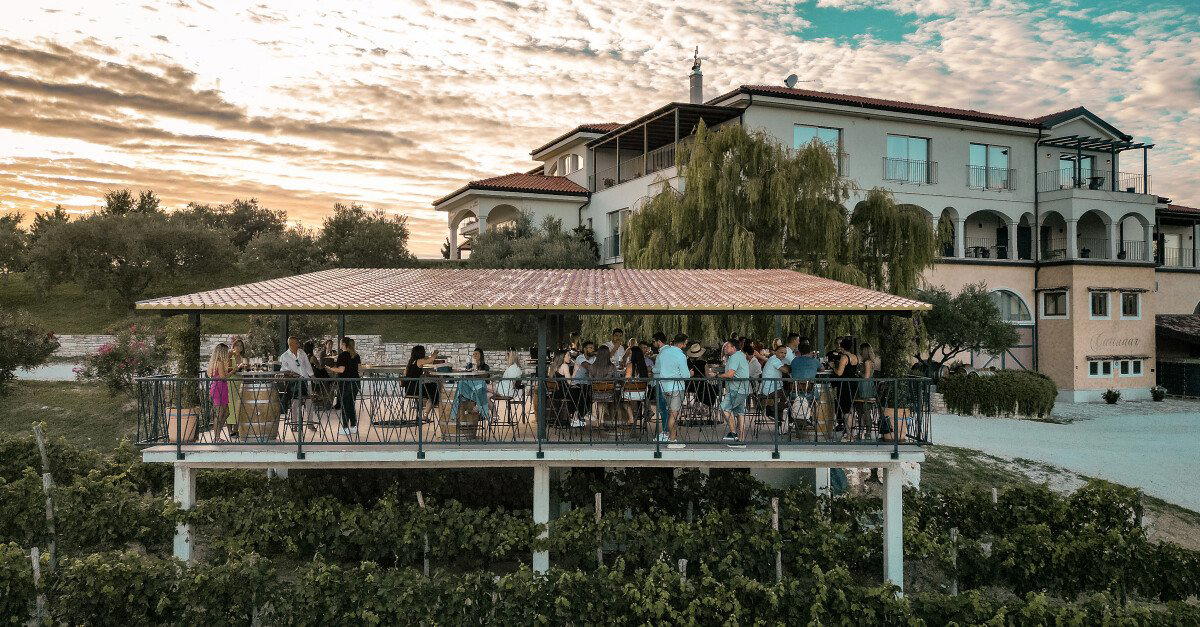
At a Glance
- Rustic
- Cozy
- Scenic
- Family
- Group Dining
- Casual Hangout
- Garden
- Standalone
- Farm To Table
- Local Sourcing
- Organic
- Garden
- Vineyard
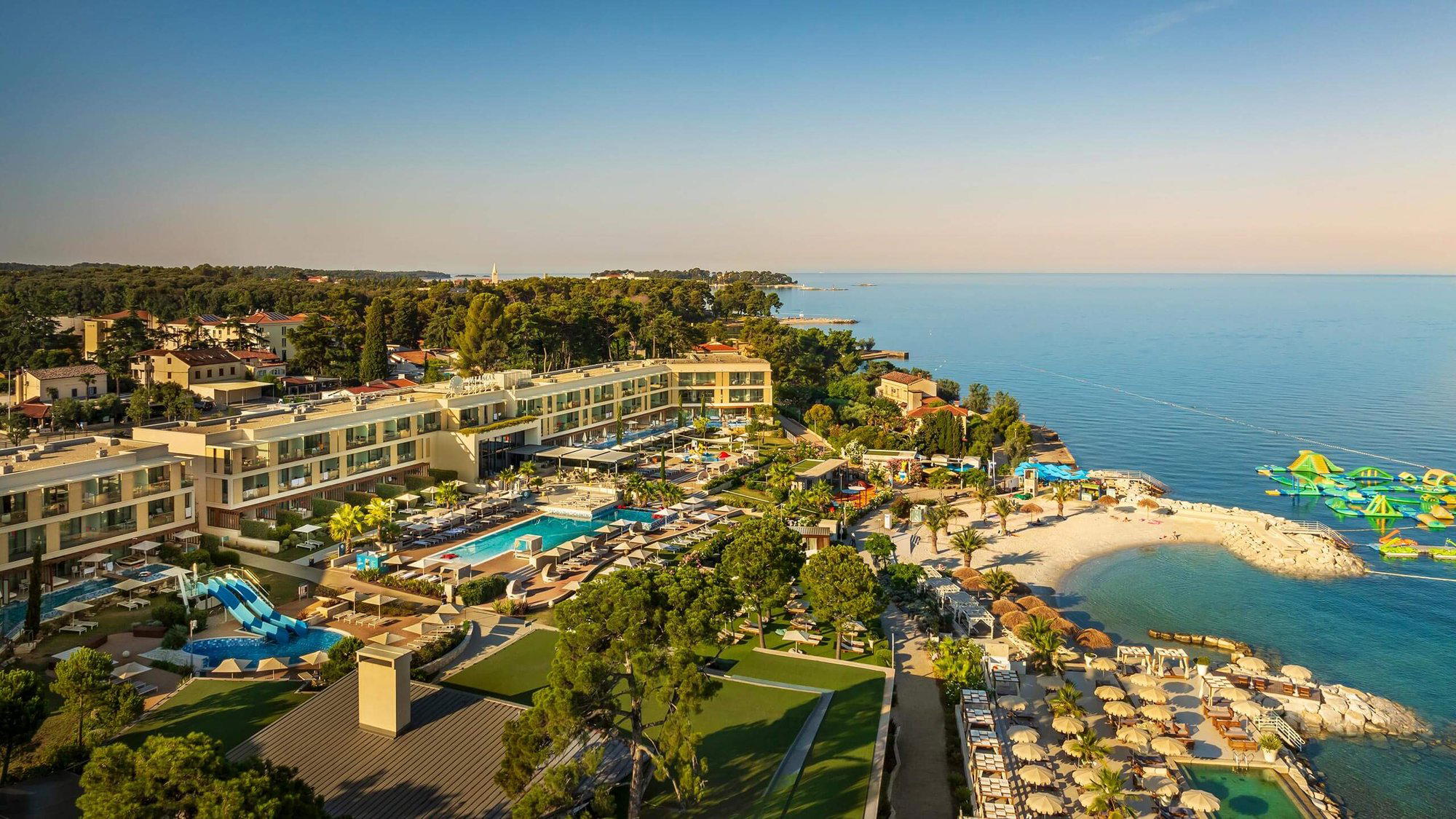
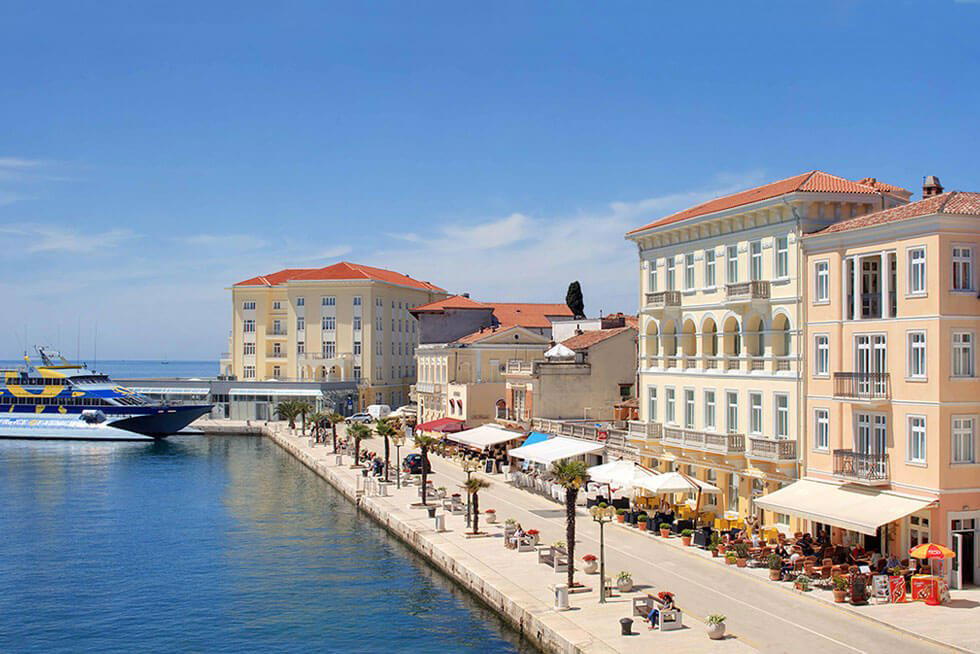
Warm and welcoming with natural lighting from large windows overlooking the vineyard, rustic wooden furnishings, and a relaxed countryside atmosphere that reflects the agricultural setting.