Čad occupies a quiet address on Cesta na Rožnik 18, on the wooded western edge of Ljubljana where the city gives way to the Rožnik hill. The kitchen sits within a dining tradition that prizes Slovenian pantry staples, foraged herbs, cured meats, seasonal game, refracted through contemporary technique. For visitors tracking Ljubljana's evolving restaurant scene, Čad represents the kind of neighbourhood-rooted address that rarely surfaces in mainstream coverage.
Pearl is the En Primeur Club membership app — saves, bookings, and concierge access live there. Same editors, same standards.
- Address
- Cesta na Rožnik 18, 1000 Ljubljana, Slovenia
- Phone
- +38612513446
- Website
- gostilna-cad.si
- Directions
- Get directions
 Saves & bookings on Pearl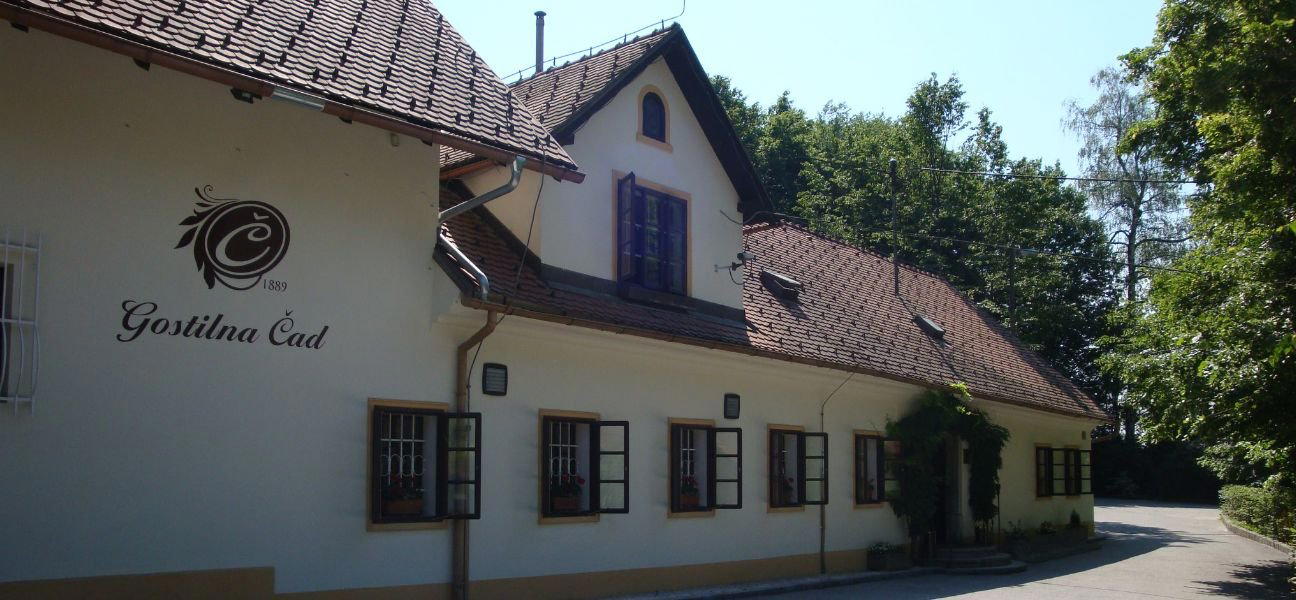
Where the City Meets the Forest Edge
The road to Rožnik climbs gently out of Ljubljana's grid before the buildings thin and the tree cover thickens. Cesta na Rožnik 18 sits at that threshold, in a part of the city where locals walk dogs in the morning and cyclists coast back down toward the Ljubljanica in the afternoon. It is the kind of address that filters out visitors who navigate only by hotel concierge lists, and that filtering has a practical logic: restaurants at this edge of the city tend to serve a neighbourhood audience before a tourist one.
Ljubljana's restaurant geography divides between the compact Old Town and the castle hill, where tables turn on visitor footfall, and the broader residential zones where kitchens can afford slower, more ingredient-led programs. Čad falls into the latter category. In a city where Restavracija Strelec anchors the high-end modern cuisine bracket inside the castle walls, and where AFTR has staked a contemporary position in a more central location, the Rožnik-adjacent dining room occupies a different register entirely.
Local Ingredients, Imported Discipline
The broader story of Slovenian cooking over the past fifteen years is one of technique catching up with ingredient quality. Slovenia has always had notable raw materials, wild mushrooms from Kočevski Rog, game from the Pohorje uplands, trout from the Soča, cheese and cured meats from the Karst plateau, but the kitchens applying classical European or contemporary Nordic discipline to those ingredients represent a younger generation of restaurants. Ana Roš at Hiša Franko in Kobarid is the internationally recognised example of this intersection, but the same logic runs through smaller operations scattered across the country, from Gostilna Pri Lojzetu in Vipava to Hiša Linhart in Radovljica.
This is what makes Čad easy to place. The Rožnik hill behind the restaurant is itself a foraging corridor, a mixed forest of beech, hornbeam, and oak that has supplied Ljubljana kitchens with seasonal produce for generations. That proximity to a living larder is not incidental to the address; it is part of the logic of being here rather than in the Old Town. Autumn brings ceps and chanterelles in concentration; spring, wild garlic and ramsons; summer, the kind of herb varieties that desiccate into irrelevance by the time they reach a city-centre wholesale market.
Internationally trained technique applied to this hyper-local calendar produces a cooking style that is increasingly common across small-to-mid-sized Central European cities with strong regional identities. In Ljubljana, you see it at Altrokè, which anchors the regional cuisine bracket at the lower price tier, and across the countryside at destinations like Hiša Denk in Zgornja Kungota and Grič in Šentjošt nad Horjulom. What distinguishes Čad's position within this pattern is the neighbourhood setting, which keeps the dining proposition closer to a local restaurant than a destination one.
Comparing the Ljubljana Scene
Ljubljana's serious restaurant scene is compact but coherent. At the summit of the price register, Restavracija Strelec and Gostilna AS anchor the formal end, where tasting menus and historic interior settings carry a premium. The middle tier, occupied by AFTR and Allegria, runs on contemporary formats with more flexible booking. Below that, addresses like Abi Falafel serve a fast-casual audience that values accessible pricing over ceremony.
Čad's placement in this hierarchy depends partly on what the kitchen chooses to do with its location advantage. Neighbourhood restaurants in Ljubljana that pitch toward quality ingredients and careful cooking without the full formal-restaurant apparatus often settle into a comfortable middle position: lower cost than a tasting-menu destination, more considered than a bistro. That is a commercially sensible position in a city where the population of food-aware locals outnumbers the population of high-budget destination diners on any given evening.
For comparative reference across Slovenia more broadly, the kitchens that have drawn serious attention, Hiša Franko, Milka in Kranjska Gora, Dam in Nova Gorica, Pavus in Lasko, and Gostilna Skaručna in Vodice, tend to share one trait: a deliberate sourcing program built around regional specificity. The technique may trace back to French classicism, as at operations like Le Bernardin in New York City, or to the more collaborative, narrative-forward format seen in places like Lazy Bear in San Francisco, but the ingredient logic is always local first. Čad fits that broader pattern from a Ljubljana base rather than a rural one.
The Grič in Dobrova Polhov Gradec, a short drive southwest of Ljubljana, provides a close geographic parallel: a kitchen that sits between city and countryside and borrows the advantages of both. That proximity to the forest and the city simultaneously is what defines the Rožnik address and gives it a character distinct from either a centre-city bistro or a full rural destination restaurant.
Planning Your Visit
Čad sits on Cesta na Rožnik 18, reachable by a short taxi or rideshare from Ljubljana's Old Town, or on foot for those willing to walk twenty minutes through Tivoli Park and up the Rožnik slope. The surrounding area is quieter on weekday lunchtimes, which typically means easier walk-in access; weekend evenings, when Ljubljana residents use the Rožnik area for leisure, see more pressure on local tables. Autumn is the season that most rewards a visit here, the forest is at its most productive, and kitchens with access to direct foraging sources tend to show their range most clearly between September and November. Booking ahead is advisable for weekend dinners, less critical for midweek lunch.
City Peers
Comparable venues nearby, for context on price, style, and recognition.
| Venue | Cuisine | Price | Notes |
|---|---|---|---|
| ČadThis venue — the venue you are viewing | Traditional Balkan Grill | $$ | Not listed |
| Gostilna Pri Stričku | Traditional Slovenian | $$ | Ljubljana |
| Slaščičarna Lolita | Artisanal Patisserie & Café | $$ | Old Town (Stari Trg area) |
| Cacao | Modern Cafe with Gelato & Patisserie | $$ | Center |
| Bazilika Bistro | Organic Seasonal Bistro | $$ | Center |
| Žmoht | Imaginative Street Food | $ | Moste |
Continue exploring
More in Ljubljana
Restaurants in Ljubljana
Browse all →
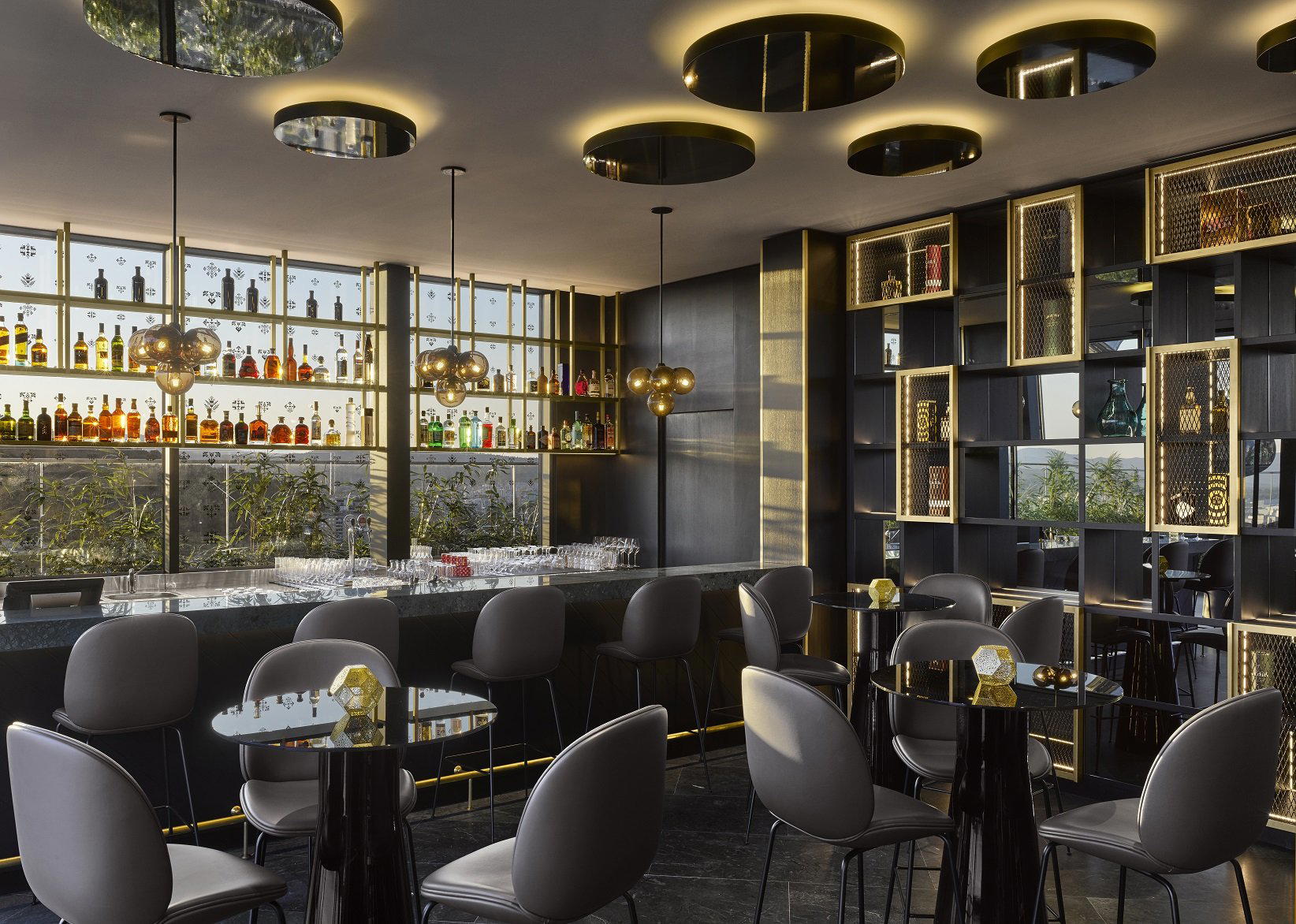
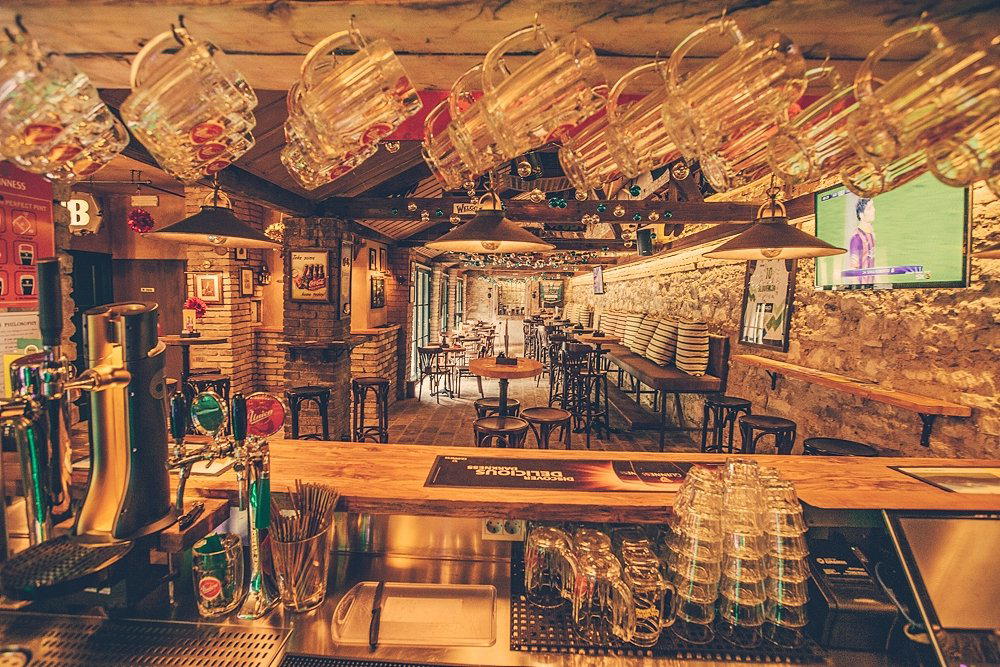
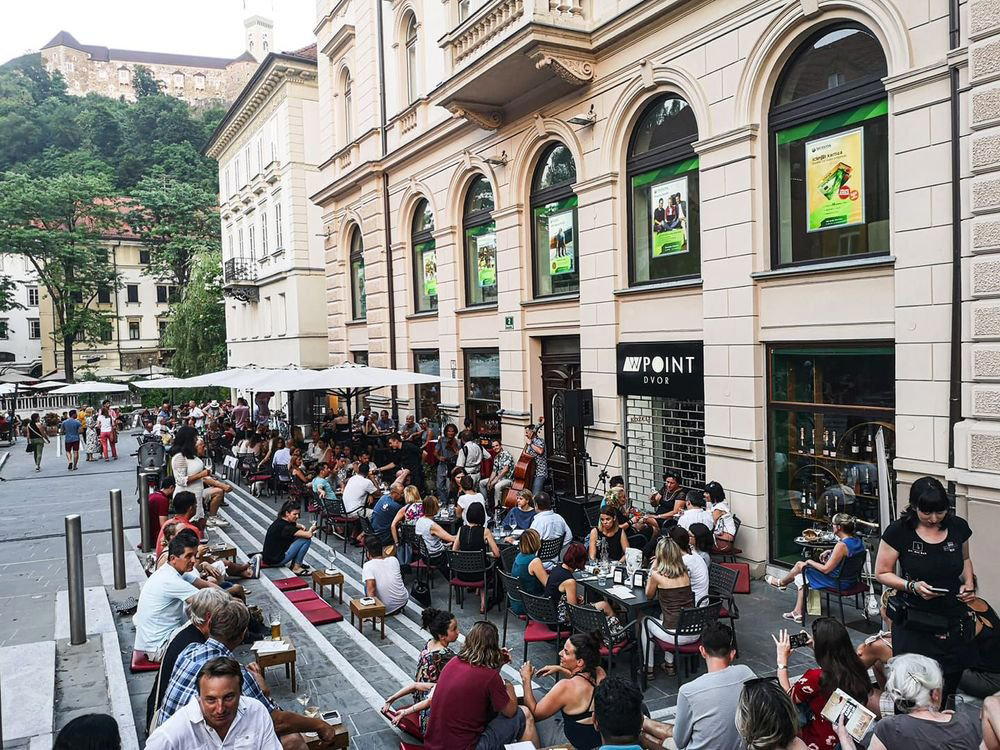
Bars in Ljubljana
Browse all →
Hotels in Ljubljana
Browse all →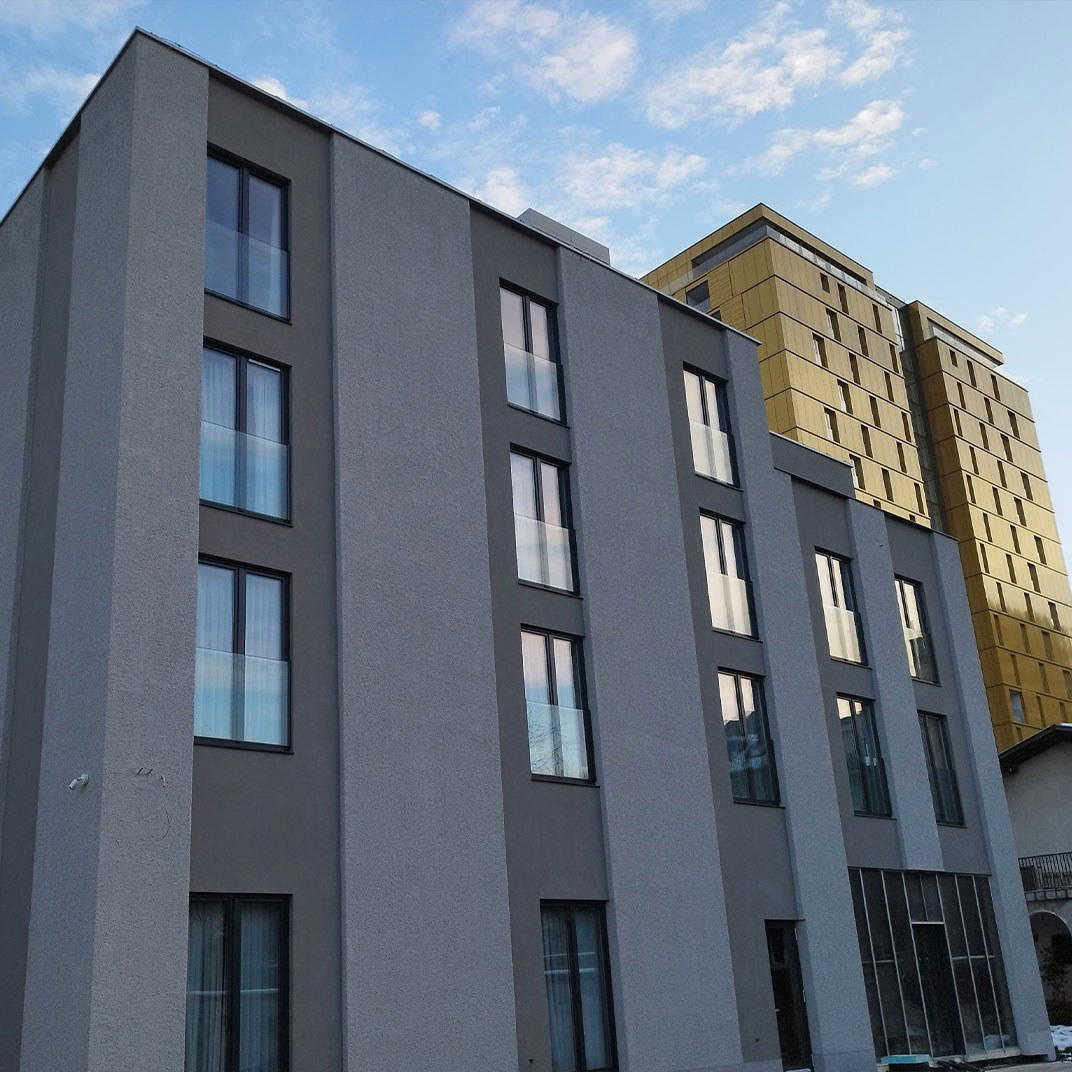
Wineries in Ljubljana
Browse all →
At a Glance
- Rustic
- Cozy
- Classic
- Family
- Group Dining
- Casual Hangout
- Garden
- Historic Building
- Local Sourcing
- Garden
Rustic and welcoming with a garden-like setting, modern elegant interior, and proximity to nature for a relaxed atmosphere.