Our verdict
Al Majlis Al Arabi in Doha's Al Salama district draws a loyal crowd of regulars who return for the kind of Arabic hospitality that formal dining rooms rarely replicate. The atmosphere skews traditional, the format is rooted in Gulf social customs, and the location in the Al Sdd area places it squarely within a neighbourhood that takes its local dining seriously. For visitors seeking an alternative to hotel-lobby Arabic dining, this is where Doha residents actually eat.

Pearl is the En Primeur Club membership app — saves, bookings, and concierge access live there. Same editors, same standards.
- Address
- Al Salama, Doha, Qatar
- Phone
- +974 4444 7417
- Hours
- Daily 7 AM–2 AM
- Website
- almajles.com.qa
- Directions
- Get directions
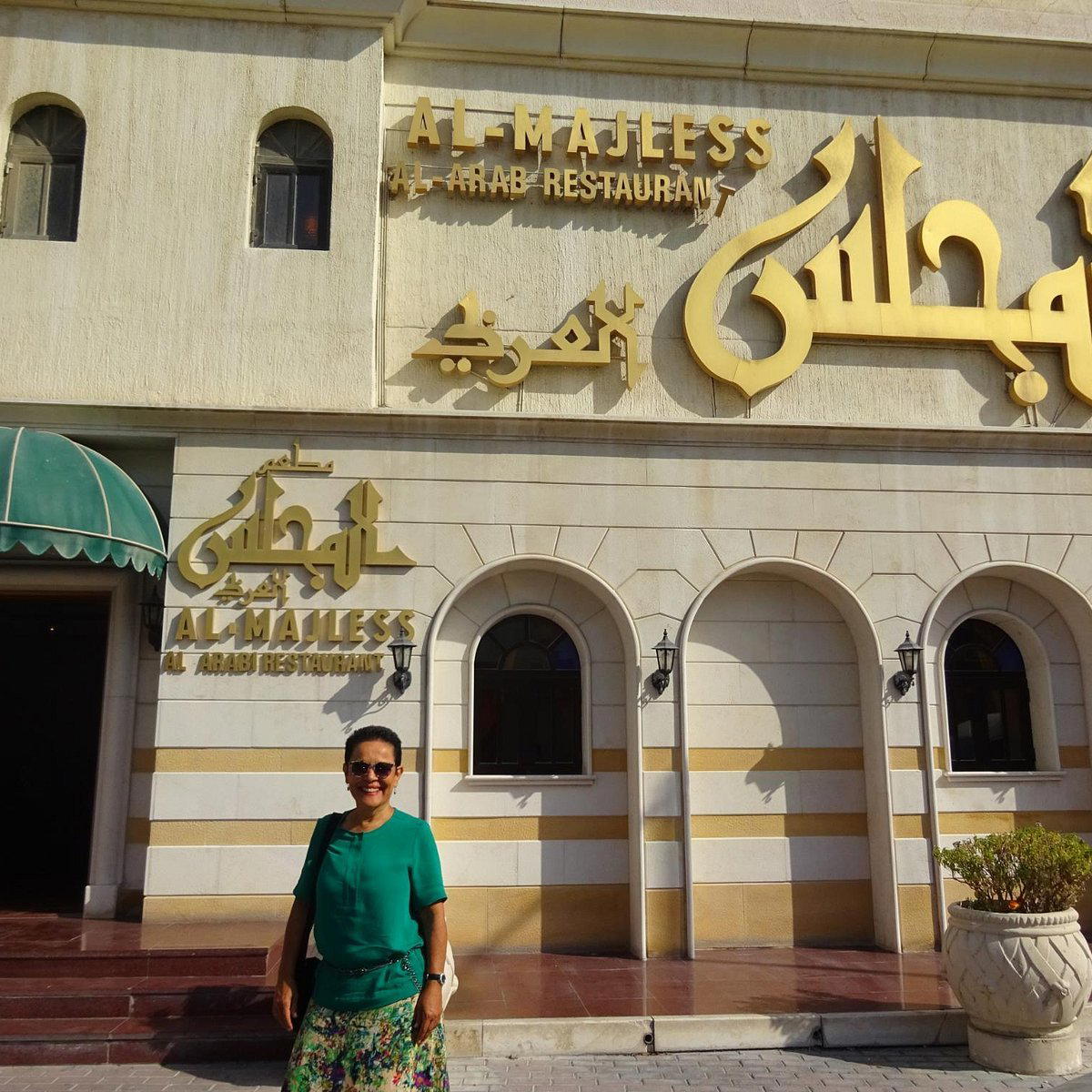
What the Regulars Already Know
In Doha, the difference between a restaurant that tourists find and one that residents return to weekly is rarely about location or décor. It is about the kind of ease that only comes with repetition: the staff who remember your preferred table, the rhythm of service that doesn't need to be explained, the menu items that never disappear even when the kitchen experiments elsewhere. Al Majlis Al Arabi in Al Salama, a neighbourhood in the Al Sdd district, operates in that register. It is the kind of Arabic dining room where the clientele is the continuity.
The Al Sdd area sits among Doha's more established residential and commercial corridors, away from the self-consciously curated dining destinations of West Bay or the waterfront. That placement is deliberate in its own way: venues in this part of the city tend to survive on repeat business rather than foot traffic or hotel referrals, which means they answer to a more demanding audience. Regulars here are not impressed by concept launches or seasonal reinventions. They return because something works, and they notice immediately when it doesn't.
The Arabic Majlis Format and What It Signals
The word majlis carries specific weight in Gulf culture. Literally a place of sitting, it describes a gathering space where hospitality is the organizing principle rather than transaction. The leading Arabic dining rooms in Doha understand this distinction: the pacing is generous, the portions communicate abundance, and the social architecture of the meal matters as much as the food itself. Across the Gulf, the majlis dining format has persisted precisely because it maps onto how families and groups actually want to eat together.
This positions Al Majlis Al Arabi differently from the international Arabic-inflected dining that dominates Doha's hotel circuit. Venues like Baron and Al Nahham each interpret Gulf hospitality through distinct lenses, with Al Nahham in particular drawing on Qatar's maritime heritage. Al Majlis Al Arabi's positioning in a local neighbourhood rather than a landmark building or resort complex places it in a different competitive set entirely: one defined by accessibility and familiarity rather than occasion dining.
For comparison, Doha's upper bracket of Arabic and Middle Eastern dining includes restaurants operating under significant production values and corresponding price points. IDAM by Alain Ducasse and Al Liwan represent the formal end of the spectrum. Al Mourjan occupies a sprawling mid-luxury tier. Al Majlis Al Arabi, by its neighbourhood positioning and its apparent local loyalty, sits outside that status-driven bracket — which is, for its regulars, exactly the point.
Who Eats Here and Why They Keep Coming Back
The editorial angle that matters most for this restaurant is not the menu or the décor in isolation — it is the pattern of return. In Doha, as across the Gulf, Arabic restaurants that sustain genuine local loyalty tend to share a set of characteristics: consistency of kitchen output over time, staff who understand the social expectations of Gulf hospitality, and portions that reflect generosity rather than fine-dining restraint.
Regulars at venues like this typically build an unwritten menu over time: the dishes that are never ordered from the printed list because they are already known, the timing of arrival that secures a particular section of the room, the unspoken understanding with staff about pace and service style. This is the layer of a dining experience that no first-time visitor can access and no press release can fabricate. It is earned through repetition, and its presence at a neighbourhood restaurant is a meaningful signal about kitchen consistency and hospitality culture.
The Al Sdd location also matters socially. Doha's dining geography has shifted considerably in recent years, with major investment flowing toward Lusail, the Pearl, and reimagined waterfront districts. Venues like ALBA in Lusail represent the newer end of this geographic spread. Established neighbourhood restaurants in areas like Al Sdd serve a different function: they anchor communities rather than attract visitors, and their regulars tend to regard that distinction as a feature rather than a limitation.
Doha's Arabic Dining Scene: Where This Fits
Qatar's restaurant culture has expanded at considerable pace over the past decade, with international arrivals from Alain Ducasse's team to Hakkasan, Morimoto, and beyond. The Arabic dining category, however, has remained the most contested and the most locally scrutinised. Qatari and Gulf Arab diners bring high expectations and deep points of reference when eating Arabic food, which means that neighbourhood restaurants in this category are assessed against personal family benchmarks as much as against peer venues.
This dynamic has produced a two-tier Arabic dining market in Doha. The upper tier is expensive, designed for occasion dining and international visitors, and competes on production values. The neighbourhood tier, where Al Majlis Al Arabi operates, competes on trust: the trust that a dish will arrive as expected, that the setting will feel appropriate for a family lunch or a casual business meeting, and that the experience won't require the kind of explanation or orientation that a concept restaurant demands of its guests.
For visitors exploring beyond the hotel circuit, the neighbourhood tier is frequently where the more honest version of a city's food culture lives. In New York, the equivalent distinction exists between destination tasting menus at places like Atomix or Le Bernardin and the neighbourhood restaurants that locals actually depend on weekly. The same logic applies in Doha, where the most decorated rooms are not always where Doha residents choose to eat on a Tuesday.
Those planning a broader Doha dining itinerary should also consider the full range covered in our full Doha restaurants guide, which maps the city's dining scene across neighbourhoods and cuisine types. For other neighbourhood-anchored options in the city, Carluccio's in Leabaib serves a different demographic with a similar logic of local return.
Planning Your Visit
Al Majlis Al Arabi is located in the Al Salama area of Doha's Al Sdd district, accessible by road from most central Doha locations. As with many neighbourhood restaurants in this part of the city, the venue does not maintain a prominent online booking presence or a published reservations system, walk-in and phone contact are the most typical routes for first-time visitors. Gulf dining hours generally skew later than Western European norms, with dinner service extending well into the evening and lunch drawing the heaviest family traffic on Fridays.
Frequently asked questions
What's the overall feel of مطعم المجلس العربي - فرع منطقة السد?
The restaurant takes its cue from the majlis tradition — the Arabic concept of a formal gathering space where hospitality structures the entire visit, not just the food. Located in the Al Salama area of Al Sadd, Doha, it draws a resident crowd rather than a tourist one, which sets the tone: unhurried, familiar, and oriented around shared tables rather than quick turnover.
Where is مطعم المجلس العربي - فرع منطقة السد in Doha?
مطعم المجلس العربي - فرع منطقة السد is located at Al Salama, Doha, Qatar, Doha.
Is Al Majlis Al Arabi in Al Sadd suitable for large group or family dining in Doha?
The majlis format the restaurant is named after is specifically designed around communal and extended-family gatherings, making it a natural fit for groups rather than couples dining alone. Located in the Al Salama area of Al Sadd, a residential district with strong local patronage, this branch is positioned within a neighbourhood where multi-generational family dining is the norm rather than the exception.
What's the signature dish at مطعم المجلس العربي - فرع منطقة السد?
Given the majlis format and Arabic cuisine positioning in Doha, the kitchen almost certainly anchors around slow-cooked meat dishes and rice preparations that define Gulf hospitality dining — but confirmed menu details should be verified directly with the restaurant before visiting.
Category Peers
| Venue | Cuisine | Price | Awards | Notes |
|---|---|---|---|---|
| مطعم المجلس العربي - فرع منطقة السدThis venue — the venue you are viewing | Lebanese & Middle Eastern | Not listed | Not listed | Not listed |
| IDAM by Alain Ducasse | Contemporary French Mediterranean with Arabian influences | $50–100 | 1 Michelin Star · World's 50 Best #44 | French, French Contemporary, ﷼﷼﷼﷼ |
| Argan | Authentic Moroccan | $20–30 | Michelin Bib Gourmand | Not listed |
| Hakkasan | Modern Cantonese | $100–150 | Michelin Plate | Not listed |
| Jiwan | Modern Qatari Fine Dining | Not listed | Michelin Bib Gourmand | Not listed |
| Morimoto | Contemporary Japanese Fusion | $100–150 | Michelin Plate · Wine Spectator Award of Excellence | Not listed |
Continue exploring
More in Doha
Bars in Doha
Browse all →
Details
- Classic
- Cozy
- Family
- Group Dining
- Standalone
- A La Carte
- Buffet
- Vegetarian Friendly
- Halal
Current opening hours
- Monday
- 7 AM–2 AM
- Tuesday
- 7 AM–2 AM
- Wednesday
- 7 AM–2 AM
- Thursday
- 7 AM–2 AM
- Friday
- 7 AM–2 AM
- Saturday
- 7 AM–2 AM
- Sunday
- 7 AM–2 AM
Hours can change for holidays and private events. Last verified .
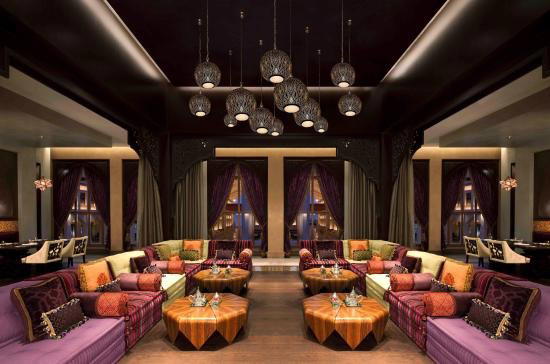
Traditional Shami decor creating a cheerful and welcoming Middle Eastern atmosphere.